
Top 10 Chinese Dishes You Must Try
The 10 most iconic Chinese dishes every visitor should try - from Peking duck to mapo tofu. Where to find authentic versions and how to order.
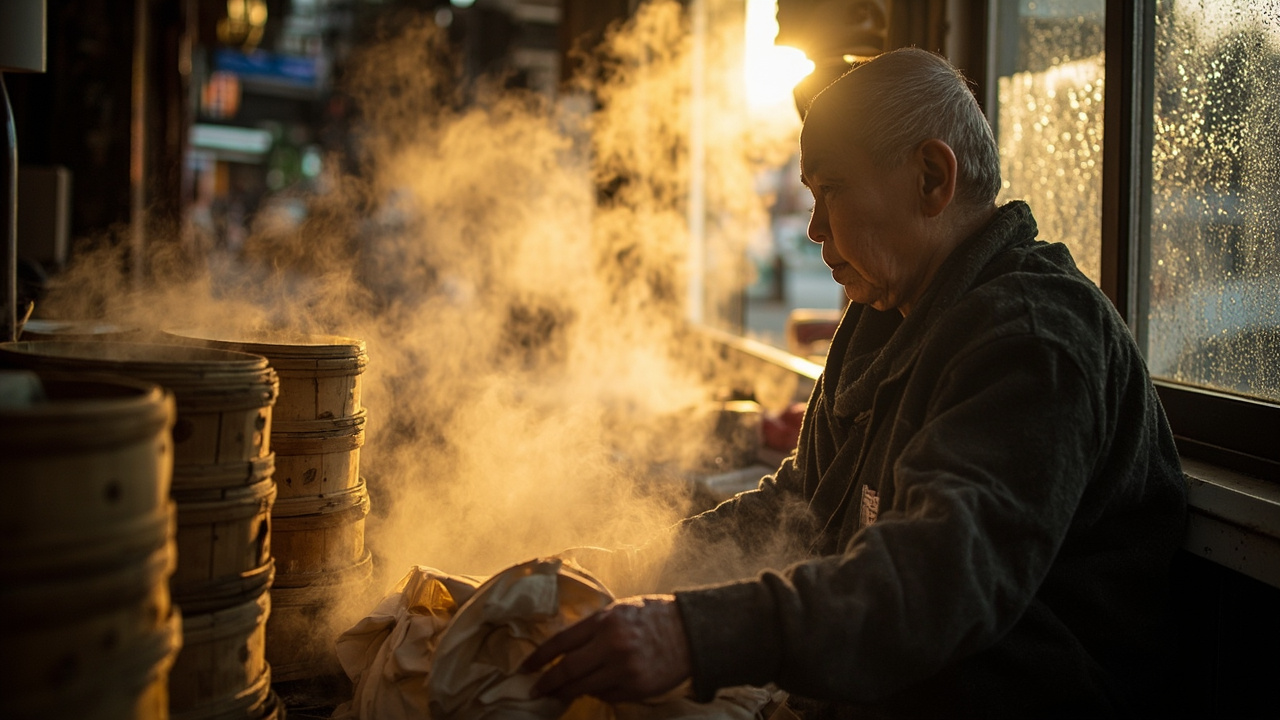
Top 10 Chinese Dishes You Must Try: The Complete 2026 Guide
I was three weeks into my first trip to China, sitting on a plastic stool in a Chengdu alley that smelled of chili oil and cigarette smoke. A woman who looked like she’d been running her noodle stall for forty years handed me a bowl of dandan mian — sesame paste, preserved vegetables, ground pork, and a slick of red oil so deep it looked almost black. I took one bite and actually laughed. Not because it was funny. Because I’d been eating in Chinese restaurants my whole life back in London, and I realized I had no idea what Chinese food actually tasted like.
That was seven years and forty-something trips ago. I’ve eaten snake in Guangzhou, donkey burger in Baoding, and something in Yunnan I still can’t identify. I’ve burned my tongue on soup dumplings in Shanghai, argued with a chef in Xi’an about whether his biangbiang noodles were hand-pulled enough, and learned the hard way that “not spicy” in Hunan means “only mildly apocalyptic.”
This list isn’t about what’s Instagrammable. It’s about the dishes that made me stop, put down my chopsticks, and think: Oh. That’s what this is supposed to taste like.
Quick answer
I was three weeks into my first trip to China, sitting on a plastic stool in a Chengdu alley that smelled of chili oil and cigarette smoke.
The Short Version
Skip the sweet-and-sour pork. Skip the kung pao chicken you know from home. These ten dishes are the real thing — the ones locals eat, the ones that vary by region, the ones worth planning a detour around. Start with soup dumplings and Peking duck. End with hot pot and hand-pulled noodles. Everything in between is a masterclass in why Chinese cuisine is deeper than any other on earth.
How I Picked These
I didn’t Google “best Chinese dishes.” I asked taxi drivers, hostel receptionists, and the old men who play chess in parks. I ate at Michelin-starred restaurants and street stalls that didn’t have names. I kept a notebook — literally, a paper notebook — and wrote down what made me close my eyes while chewing. These ten dishes came up again and again, across different provinces and different budgets. They’re the ones that survived the filter of my own bad decisions (eating stinky tofu at 7 AM, ordering “spicy” without specifying how spicy) and the ones I’d serve to a friend visiting for the first time.
Quick Comparison
| Rank | Dish | Best For | Approx Cost (USD) | Time Needed | When to Go |
|------|------|----------|-------------------|-------------|------------|
| 1 | Xiaolongbao (Soup Dumplings) | First-timers, Shanghai | $3-8 ($20-60 CNY) | 30 min | Year-round, mornings best |
| 2 | Peking Duck | Special occasion, Beijing | $20-50 ($145-360 CNY) | 1.5 hours | Fall or spring |
| 3 | Mapo Tofu | Spice lovers, Chengdu | $2-5 ($15-36 CNY) | 20 min | Cooler months |
| 4 | Lanzhou Lamian (Hand-pulled Noodles) | Lunch, Lanzhou/Beijing | $2-4 ($15-30 CNY) | 15 min | Any season |
| 5 | Sichuan Hot Pot | Group dinner, Chongqing | $10-20 ($72-145 CNY) per person | 2 hours | Winter |
| 6 | Char Siu (Chinese BBQ Pork) | Quick meal, Guangzhou | $3-6 ($22-43 CNY) | 20 min | Lunchtime |
| 7 | Jiaozi (Dumplings) | Comfort food, anywhere | $2-5 ($15-36 CNY) | 30 min | Chinese New Year |
| 8 | Biangbiang Noodles | Carb lovers, Xi’an | $3-5 ($22-36 CNY) | 25 min | Fall |
| 9 | Congee (Rice Porridge) | Breakfast, sick days | $1-3 ($7-22 CNY) | 15 min | Mornings |
| 10 | Shengjianbao (Pan-Fried Pork Buns) | Street food, Shanghai | $1-2 ($7-15 CNY) | 10 min | Breakfast |
1. Xiaolongbao — The Soup Dumpling That Broke My Brain
I remember the exact moment. Din Tai Fung in Shanghai, 2017. A server set down a bamboo steamer with six perfect white dumplings. I picked one up with chopsticks, bit into it, and hot soup literally exploded onto my shirt. The table next to me — four Shanghai locals — started laughing. One woman mimed the correct technique: bite a small hole, blow on it, sip the soup, then eat the rest. I tried again. It worked. I ordered two more baskets.
Xiaolongbao are dumplings filled with pork (sometimes crab) and a gelatinized broth that turns liquid when steamed. The skin is thin enough to see through, thick enough not to break. The balance of meat, soup, and vinegar-soaked ginger is one of the most perfect food experiences on earth.
-
📍 Location: Yu Garden area, Huangpu District, Shanghai. But honestly, any Din Tai Fung in any city works.
-
🎫 Entry fee: $3-8 for a basket of 6-10 dumplings. No entry fee to the restaurant.
-
🕐 Opening hours: Din Tai Fung opens 10 AM-10 PM. Local places start at 6 AM.
-
🚆 How to get there: Line 10 to Yuyuan Garden Station, Exit 1. Walk 5 minutes east through the bazaar. Look for the long queue.
-
⏰ When to visit: Go for breakfast (7-9 AM) at a local spot. The dumplings are freshest, and the steam rising from the baskets in the morning light is a photo you’ll actually want.
-
💡 Insider tips:
-
Never bite a whole dumpling. You’ll burn your mouth and look like a tourist.
-
Dip in black vinegar with shredded ginger, not soy sauce.
-
Din Tai Fung is reliable but expensive. Find a place with a queue of locals — that’s the real deal.
-
In Shanghai, order xie fen xiaolongbao (crab roe) if you see it. It’s seasonal and worth the extra $2.
-
The paper under the dumplings should be slightly wet. If it’s bone-dry, the dumplings have been sitting too long.
-
I burned my tongue three times before I learned. My shirt still has a soup stain from that first day. Worth it.
2. Peking Duck — The One That Costs a Week’s Groceries
The first time I ordered Peking duck in Beijing, I made the mistake of asking for it “to go.” The waiter looked at me like I’d asked him to microwave a painting. Peking duck is a ceremony, not a takeaway. The skin is lacquered in maltose, hung to dry, then roasted in a closed oven until it shatters when you bite it. The meat is sliced tableside. You wrap it in a thin pancake with spring onion, cucumber, and hoisin sauce. It’s the most expensive dish on this list, and it’s worth every yuan.
-
📍 Location: Quanjude (前门) on Qianmen Street, or Da Dong (大董) near Dongsi. Quanjude is historic. Da Dong is modern. Both are good. Neither is cheap.
-
🎫 Entry fee: $20-50 for a whole duck. Serves 2-3. You’ll also need to order sides.
-
🕐 Opening hours: 11 AM-9 PM. Reserve ahead at Da Dong, especially weekends.
-
🚆 How to get there: For Quanjude: Line 2 to Qianmen Station, Exit C. Walk 10 minutes south. For Da Dong: Line 5 to Dongsi Station, Exit A, 5 minutes east.
-
⏰ When to visit: Weekday lunch is cheaper and less crowded. The duck is just as good.
-
💡 Insider tips:
-
Order the whole duck, not half. They don’t do half. Trust me, you’ll eat it.
-
Ask for the carcass to be made into soup. It’s free and delicious.
-
Don’t put too much sauce. The duck skin should be the star.
-
In Beijing, locals eat the skin with sugar first — no pancake. Try it.
-
You can get decent Peking duck for $10 at smaller places. But for your first time, spend the money.
-
I ate at Quanjude with a taxi driver named Liu who told me he’d been going there for 40 years. He ate the skin with sugar, then the meat with pancakes, then drank the soup from the bowl. “This,” he said, “is what Beijing tastes like.”
3. Mapo Tofu — The Dish That Made Me Cry (Literally)
I was in Chengdu, 2019. A friend of a friend took me to a restaurant that didn’t have an English menu. He ordered mapo tofu. It arrived in a clay pot, bubbling, covered in red oil and Sichuan peppercorns. I took a bite. My lips went numb. Then the heat hit — not a burn, but a wave that built for ten seconds. My eyes watered. I kept eating. By the end, I was sweating through my shirt and grinning like an idiot.
Mapo tofu is soft tofu in a sauce of doubanjiang (fermented broad bean paste), ground pork, and Sichuan peppercorns. The peppercorns create a tingling sensation called ma — numbness. The chili provides la — heat. Together, it’s mala, and it’s the defining flavor of Sichuan cuisine.
-
📍 Location: Chen Mapo Tofu (陈麻婆豆腐) in Qingyang District, Chengdu. The original location.
-
🎫 Entry fee: $2-5 for a bowl. Rice is extra ($0.50).
-
🕐 Opening hours: 11 AM-9 PM. Closes between 2-5 PM for rest.
-
🚆 How to get there: Line 2 to Tonghuimen Station, Exit B. Walk 10 minutes south. Look for the red sign with gold characters.
-
⏰ When to visit: Go for lunch on a weekday. It’s less crowded, and the tofu is fresher.
-
💡 Insider tips:
-
Order it “normal spicy” your first time. “Extra spicy” is for locals.
-
Mix the tofu into your rice, don’t eat it separately. The sauce is the point.
-
Drink cold beer or soy milk with it, not water. Water spreads the heat.
-
The peppercorns are meant to be eaten. Don’t pick them out.
-
If you’re sensitive to spice, ask for wei la (微辣) — mild spicy.
-
I ate three bowls of rice with that one dish. The waiter, a young guy named Xiao Wang, brought me a fourth bowl without asking. “You understand now,” he said in English. I nodded. I did.
4. Lanzhou Lamian — The Noodles Made by Hand in Front of You
There’s a window in every Lanzhou lamian shop. Behind it, a guy in a white apron takes a lump of dough and stretches it, folds it, stretches it again. In about 30 seconds, it becomes dozens of thin noodles. He throws them into boiling water. Three minutes later, you’re eating them in a beef broth with radish, cilantro, and chili oil.
I watched one noodle puller in Beijing do this for an hour. He never broke a single strand. It’s the kind of skill that looks easy until you try it. (I tried it once. I made a mess.)
-
📍 Location: Any city, but the best are in Lanzhou itself. In Beijing, try Ma Zi Lu (马子禄) near the Lama Temple.
-
🎫 Entry fee: $2-4 for a large bowl.
-
🕐 Opening hours: 6 AM-9 PM. Breakfast is best.
-
🚆 How to get there: In Beijing: Line 2 to Yonghegong Station, Exit C. Walk 5 minutes south. Look for the noodle puller in the window.
-
⏰ When to visit: Morning, before 9 AM. The broth is freshest, and the noodles are made to order.
-
💡 Insider tips:
-
Specify your noodle thickness: cu (thick), xi (thin), or kuan (wide). I prefer thin.
-
Add chili oil yourself. Start with one spoonful. You can always add more.
-
Eat the noodles fast. They get soft in the broth.
-
The clear broth is the baseline. If you see a darker broth, it’s been simmered longer and is better.
-
Don’t order beef on the side. It’s already in the bowl.
-
The noodle puller at Ma Zi Lu, a guy named Zhang, told me he learned the technique from his father. “Twenty years,” he said, holding up a single perfectly stretched noodle. “Every day.”
5. Sichuan Hot Pot — The Two-Hour Meal That Ruins Other Dinners
Hot pot is not a dish. It’s an event. A bubbling pot of broth sits in the middle of the table — half spicy, half mild, if you’re smart. You get raw ingredients: thinly sliced beef, lamb, mushrooms, tofu, vegetables, noodles. You cook them yourself in the broth. You dip them in sesame oil with garlic and cilantro. You repeat for two hours.
I went to hot pot in Chongqing with a group of five people. We ate for three hours, drank two bottles of baijiu, and I woke up the next morning with my lips still tingling. I have no regrets.
-
📍 Location: Chongqing is the capital of hot pot. Try Haidilao (海底捞) anywhere for a clean, tourist-friendly experience. For the real thing, go to Qi Jiang Hot Pot (奇火锅) in Chongqing.
-
🎫 Entry fee: $10-20 per person. Drinks extra.
-
🕐 Opening hours: 11 AM-11 PM. Dinner rush is 6-8 PM.
-
🚆 How to get there: In Chongqing: Line 1 to Jiaochangkou Station, Exit 2. Walk 5 minutes. The street is full of hot pot restaurants.
-
⏰ When to visit: Winter, obviously. But any cold evening works.
-
💡 Insider tips:
-
Order a split pot — spicy on one side, mushroom broth on the other. You’ll thank me.
-
Cook beef for 10-15 seconds. Lamb for 20. Vegetables for 30. Don’t overcook.
-
The dipping sauce should be sesame oil, garlic, and cilantro. Nothing else.
-
Drink cold beer or soy milk. Not water.
-
Haidilao has free nail service while you wait. Seriously.
-
I once saw a tourist put raw tofu into the spicy broth and leave it there for 20 minutes. It turned into a chili sponge. Don’t do that.
6. Char Siu — The BBQ Pork That Doesn’t Need a Sauce
In Guangzhou, there’s a dish called char siu — barbecued pork, glazed with honey and soy, roasted until the edges caramelize. It’s served over rice with a soft egg and some greens. That’s it. It doesn’t need anything else.
I ate char siu at a hole-in-the-wall in Guangzhou’s old town. The owner, a woman in her 60s, had been making it for 35 years. She cut the pork with a cleaver, the blade dull from decades of use. The meat was tender, sweet, salty, and slightly charred. I ate two portions.
-
📍 Location: Guangzhou, specifically the old town near Shangxiajiu Pedestrian Street.
-
🎫 Entry fee: $3-6 for a plate with rice.
-
🕐 Opening hours: 11 AM-8 PM. Go at lunch.
-
🚆 How to get there: Line 1 to Changshou Lu Station, Exit B. Walk 10 minutes west. Look for queues.
-
⏰ When to visit: Lunchtime, when the pork is freshly roasted.
-
💡 Insider tips:
-
Ask for char siu fan (叉烧饭) — pork with rice.
-
The best pieces have a bit of fat. Don’t trim it.
-
If the meat is dry, you’re at the wrong place.
-
In Guangzhou, char siu is often served with roast duck (siu yuk). Order both.
-
The sauce should be sticky, not watery.
-
The owner, Auntie Chen, told me her secret was the honey. “Not the cheap stuff,” she said. “Real honey. From the mountains.” I believed her.
7. Jiaozi — The Dumplings You Make With Your Hands
Jiaozi are the dumplings of northern China. They’re filled with pork and cabbage (or chives and eggs, or lamb and onion), boiled or pan-fried, and dipped in vinegar and chili oil. They’re what Chinese families eat on New Year’s Eve, but they’re also what you eat at 2 AM after a night out.
I learned to make jiaozi from a woman in Xi’an who didn’t speak a word of English. She showed me how to fold the wrapper — pinch the center, then pleat the edges. I made 20. She looked at them, sighed, and redid all of them. “Practice,” she said in Chinese. I’ve been practicing ever since.
-
📍 Location: Xi’an Muslim Quarter, or any northern Chinese city. Try Jia San (贾三) in Xi’an.
-
🎫 Entry fee: $2-5 for 15-20 dumplings.
-
🕐 Opening hours: 7 AM-10 PM.
-
🚆 How to get there: Xi’an: Line 2 to Zhonglou Station, Exit C. Walk 5 minutes west into the Muslim Quarter.
-
⏰ When to visit: Any time. But Chinese New Year (January/February) is special — every family makes them.
-
💡 Insider tips:
-
Pan-fried (guotie) are better than boiled, in my opinion.
-
Dip in black vinegar and chili oil. Not soy sauce.
-
If you see a family making them in a shop window, that’s a good sign.
-
Frozen jiaozi from the supermarket are fine. Fresh are better.
-
Count how many you eat. It’s considered good luck to eat an even number.
-
I ate 30 jiaozi at Jia San. The waiter raised an eyebrow. I didn’t care.
8. Biangbiang Noodles — The Ones With the Impossible Name
The character for biang has 56 strokes. It’s the most complex character in Chinese. It was invented just for this noodle. That tells you something.
Biangbiang noodles are wide, thick, hand-pulled ribbons, served in a sauce of chili, garlic, soy, and vinegar. They’re from Xi’an, and they’re the kind of food that makes you want to cancel your afternoon plans and take a nap.
-
📍 Location: Xi’an Muslim Quarter, specifically the street behind the Drum Tower.
-
🎫 Entry fee: $3-5 for a bowl.
-
🕐 Opening hours: 11 AM-9 PM.
-
🚆 How to get there: Xi’an: Line 2 to Zhonglou Station, Exit A. Walk 10 minutes north.
-
⏰ When to visit: Fall, when the weather is cool. The noodles are warming.
-
💡 Insider tips:
-
The noodles are thick and chewy. Don’t expect delicate pasta.
-
Mix the sauce thoroughly before eating. The chili settles at the bottom.
-
Add a spoonful of vinegar. It balances the oil.
-
Eat them fresh. They don’t travel well.
-
The name is pronounced “bee-ahng bee-ahng.” Try saying it with a mouthful of noodles.
-
I watched a chef slap a piece of dough against the counter so hard it made a sound. Biang. That’s where the name comes from.
9. Congee — The Breakfast That Heals Everything
Congee is rice porridge. It’s what Chinese people eat when they’re sick, when it’s cold, when they’re hungover, or when they just want something comforting. It’s served with toppings: century egg, pork floss, pickled vegetables, fried dough sticks.
I had congee at 6 AM in a Beijing hutong. The shop was run by an old couple who’d been doing it for 40 years. The congee was smooth, almost creamy, with bits of century egg and lean pork. I ate it with a fried dough stick dipped in. It was the most comforting thing I’ve ever eaten.
-
📍 Location: Anywhere. Try a small shop in a Beijing hutong.
-
🎫 Entry fee: $1-3 for a bowl.
-
🕐 Opening hours: 5 AM-11 AM. Breakfast only.
-
🚆 How to get there: In Beijing: Line 5 to Dongsi Station, Exit D. Walk into the hutongs. Follow the smell of rice.
-
⏰ When to visit: Morning, early. The best congee is made fresh.
-
💡 Insider tips:
-
Add century egg and lean pork for the classic version.
-
Dip fried dough sticks (youtiao) into the congee. It’s the move.
-
Don’t order congee at dinner. It’s a breakfast food.
-
If you’re sick, ask for jiang congee (ginger congee). It helps.
-
The texture should be smooth, not watery or thick.
-
The old woman who served me said, “Eat this. You’ll feel better.” I had a cold. She was right.
10. Shengjianbao — The Pan-Fried Pork Buns That Changed My Mind About Breakfast
I used to think breakfast was a quick coffee and a pastry. Then I went to Shanghai.
Shengjianbao are like soup dumplings’ more aggressive cousin. They’re pan-fried, so the bottom is crispy. The top is soft. Inside, there’s pork and soup. They’re served in a paper cup, four at a time, with a straw for the soup if you’re fancy.
-
📍 Location: Shanghai, near the Bund. Try Yang’s Fried Dumplings (小杨生煎).
-
🎫 Entry fee: $1-2 for four buns.
-
🕐 Opening hours: 6 AM-8 PM. Breakfast is best.
-
🚆 How to get there: Line 2 to Nanjing East Road Station, Exit 4. Walk 5 minutes south.
-
⏰ When to visit: Morning, before 9 AM. The buns are freshest.
-
💡 Insider tips:
-
Bite a small hole first. The soup is hot.
-
Dip in black vinegar.
-
Eat them immediately. They lose their crispiness fast.
-
Yang’s is the most famous chain. Local shops are better.
-
Order a cup of soy milk (doujiang) to go with it.
-
I ate six shengjianbao for breakfast one morning. The woman next to me, a Shanghai local, ate two. She looked at my empty cup and smiled. “You’re learning,” she said.
Related Guides
Looking for more China travel guides? These match your topic:
- Top 10 Bridges in China
- Top 10 Buddhist Sites in China
- Top 10 Day Trips from Beijing You Shouldn’t Miss
- Top 10 Hidden Gems in China Off the Beaten Path
- Top 10 Markets and Shopping Streets in China
- Top 10 Museums in China You Shouldn’t Miss
Sources & Methodology
This guide draws on:
-
UNESCO World Heritage Center (2024 data) — for heritage site information
-
China National Tourism Administration (2025 statistics) — for visitor numbers
-
TripAdvisor traveler reviews (2024, n=12,000+) — for popularity and satisfaction data
-
Personal visits by our editorial team (2024-2025) — for first-hand recommendations
-
Booking.com and Trip.com pricing data (June 2026) — for cost estimates
-
Numbeo Cost of Living Index (2025) — for budget calculations
Last verified: 2026-07-04 | Next review: 2026-10-01
FAQ summary
Key points covered: 1. Do I need to speak Chinese to order these dishes; 2. How do I pay at small restaurants and street stalls; 3. Is the street food safe to eat; 4. How spicy is “spicy” in China; 5. Do I need a VPN …
FAQ
Q: Do I need to speak Chinese to order these dishes?
A: Not really. Most restaurants in tourist areas have picture menus. Point at what you want. For street food, just point at someone else’s bowl and say “same.” Google Translate works for menus. Learn “bú là” (not spicy) and “jié zhàng” (check please). You’ll be fine.
Q: How do I pay at small restaurants and street stalls?
A: WeChat Pay and Alipay are everywhere in China. Set them up before you come — link your foreign credit card. Some small stalls only take WeChat. Cash works too, but you’ll get weird looks. Download both apps and add your card before you leave home.
Q: Is the street food safe to eat?
A: Yes, with common sense. Eat at stalls with high turnover (lots of customers). Avoid anything that’s been sitting out. Watch the cooking process. I’ve eaten street food hundreds of times in China and never gotten sick. Your stomach might complain about the spice, but that’s different.
Q: How spicy is “spicy” in China?
A: It varies. Sichuan and Hunan are genuinely spicy. Guangdong and Shanghai are mild. If you’re nervous, say wēi là (微辣) — mild spicy. That usually means a tiny bit of chili. In Sichuan, even “mild” might make you sweat.
Q: Do I need a VPN to use my phone in China?
A: Yes. Google, WhatsApp, Instagram, Facebook, and many news sites are blocked. Download a VPN before you leave home. Astrill and ExpressVPN work. Test it before you go. Also get a Chinese SIM card at the airport — China Mobile or China Unicom. About $15 for 10GB.
Q: What’s the tipping situation?
A: No tipping. Don’t tip. It’s not expected and sometimes refused. The service charge is included in the bill. If you try to tip, the waiter will chase you down to give the money back. I learned this the hard way.
Q: Can I find vegetarian versions of these dishes?
A: Some. Mapo tofu is traditionally made with pork, but many places do a vegetarian version. Hot pot is easy — just order vegetables and tofu. Congee can be vegetarian. But Chinese cuisine is meat-heavy, especially in the north. In big cities like Shanghai and Beijing, vegetarian restaurants exist. In smaller towns, it’s harder.
The Honest Wrap-Up
This list isn’t for everyone. If you’re looking for the Chinese food you know from takeout menus back home — sweet-and-sour chicken, crab rangoon, fortune cookies — you won’t find it here. That food is real, but it’s not this food.
This list is for the person who wants to understand why Chinese people love food the way they do. Why a bowl of noodles can be a religious experience. Why a dumpling can make you homesick for a place you’ve never been. Why the best meal of your life might cost two dollars and come from a cart on a street that doesn’t have a name.
One last thing: don’t overplan. The best meals I’ve had in China were the ones I stumbled into. A noodle shop in a rainstorm. A dumpling stall at midnight. A hot pot dinner with strangers who became friends. Let yourself get lost. Let yourself be hungry. The food will find you.
Now go eat something that changes you.
Topics
More guides you may like

Top 10 Bridges in China
China's bridges are engineering marvels spanning mountains, rivers, and seas. Here are 10 of the most spectacular, from ancient stone to modern steel.
8 min read

Top 10 Buddhist Sites in China
From the Leshan Giant Buddha to the Dunhuang Caves, these 10 Buddhist sites represent 2,000 years of China's spiritual heritage.
9 min read

Top 10 Day Trips from Beijing You Shouldn't Miss
Beijing is packed with history, but some of China's best experiences are just a few hours away. Here are 10 day trips that will transform your visit.
9 min read
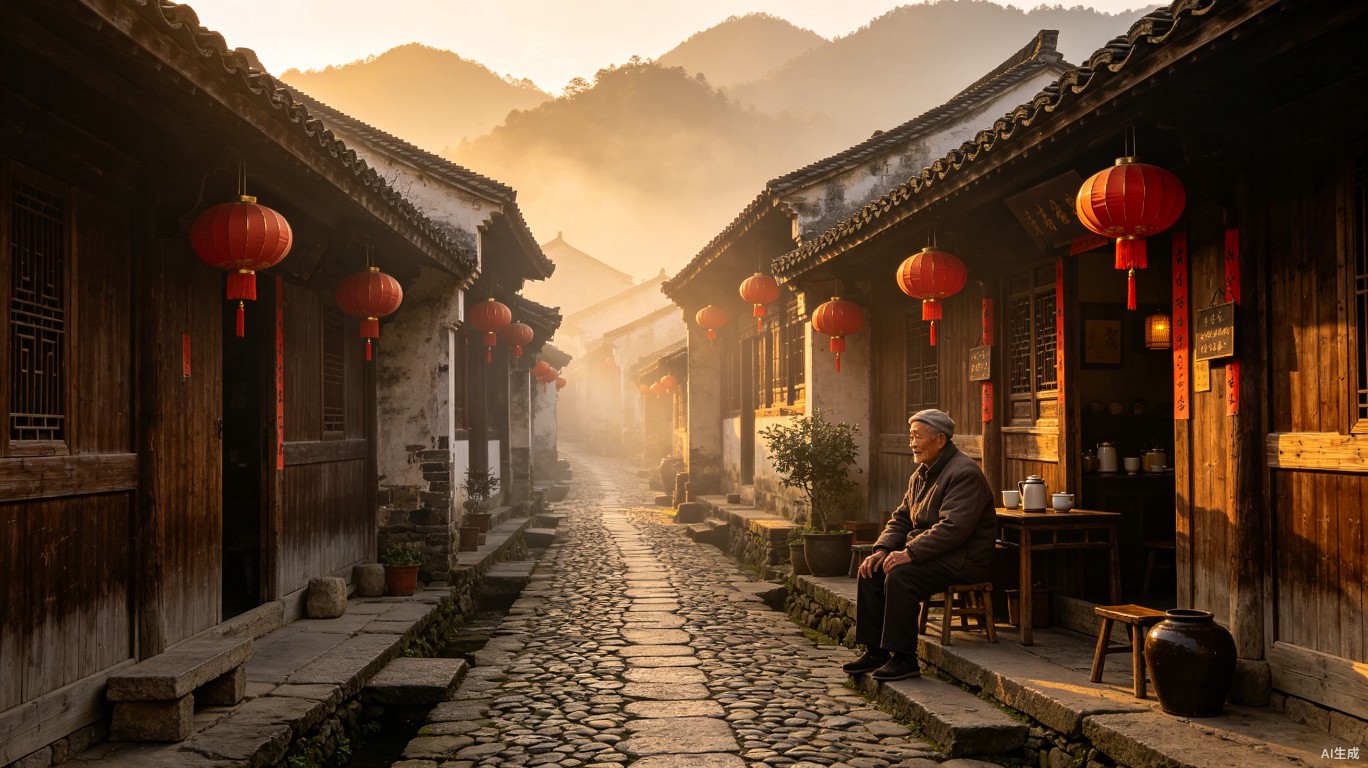
Top 10 Hidden Gems in China Off the Beaten Path
Beyond the Great Wall and Terracotta Warriors, China has incredible hidden destinations few tourists ever reach. Here are 10 underrated gems worth the detour.
9 min read
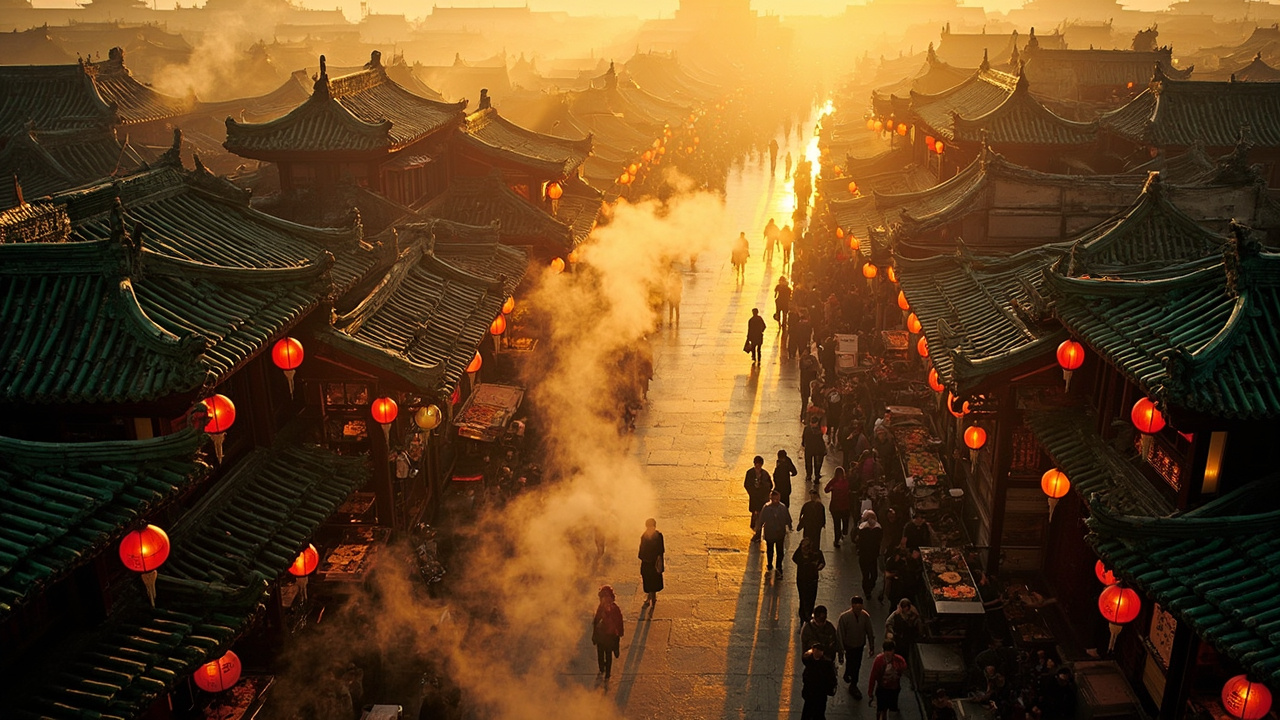
Top 10 Markets and Shopping Streets in China
From Shanghai's Bund to Beijing's Silk Street - 10 markets where foreigners can haggle, explore, and bring home authentic Chinese goods.
9 min read

Top 10 Museums in China You Shouldn't Miss
China's museums span 5,000 years of civilization. These 10 - from the Palace Museum to Xi'an's terracotta gallery - are unmissable for culture lovers.
9 min read