
Top 10 Bridges in China
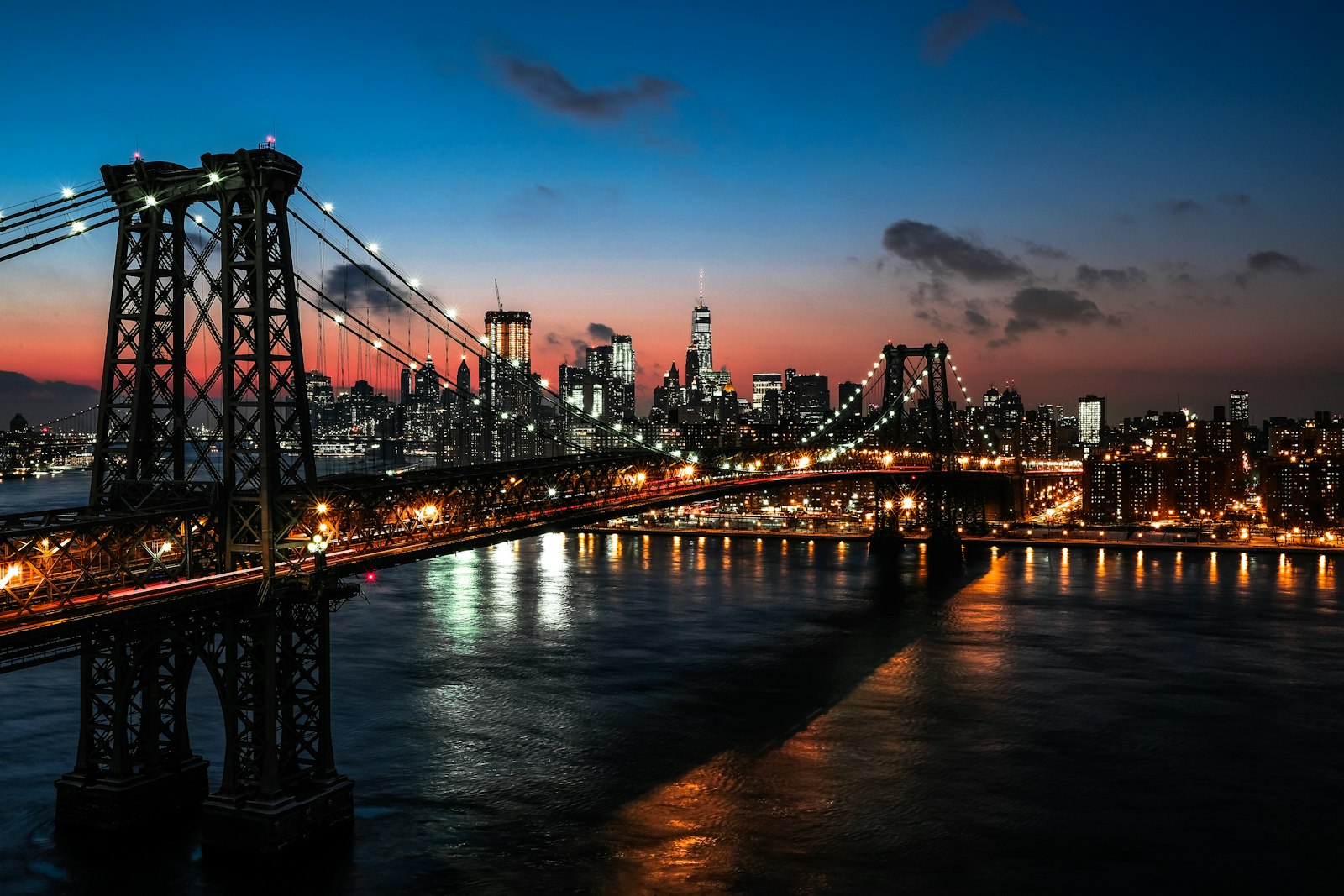
China's bridges are engineering marvels spanning mountains, rivers, and seas. Here are 10 of the most spectacular, from ancient stone to modern steel.
Quick answer
China is a land of bridges—not just as functional crossings, but as monuments to ambition, history, and breathtaking engineering.
Top 10 Bridges in China: The Complete 2026 Guide
China is a land of bridges—not just as functional crossings, but as monuments to ambition, history, and breathtaking engineering. For the first-time international traveler, these structures offer a window into the country’s past, present, and technological future. Whether you’re walking across a thousand-year-old stone arch or driving over a sea-spanning cable-stayed giant, each bridge tells a story of human ingenuity.
This guide cuts through the noise. I’ve selected 10 bridges that are accessible, visually stunning, and culturally significant, with a focus on what you—as a foreign traveler—actually need to know. You’ll get practical advice on entry fees, transport, payment methods, and insider tips that save time and frustration. By the end of this article, you’ll know exactly which bridges are worth your limited vacation time and how to visit them without hassle.
Quick Answer / TL;DR
If you only have time for one bridge, make it the Lupu Bridge in Shanghai. It’s the world’s longest steel arch bridge, offers a pedestrian walkway with panoramic city views, and is easy to reach via the metro. The best part? It’s free to walk across, and you can combine it with a visit to the adjacent Shanghai World Financial Center. For a more culturally immersive experience, head to the Chengyang Wind and Rain Bridge in Guangxi—it’s a stunning Dong minority covered bridge surrounded by rice terraces and villages that few Western tourists visit.
How We Chose
I evaluated each bridge based on three criteria: tourist accessibility (can a foreign visitor easily get there and pay without a Chinese bank account?), visual and historical impact (is it truly unique or special?), and practical logistics (cost, time required, and whether English is usable). I prioritized bridges that are safe, well-maintained, and suitable for independent travel—not just for guided tours. All prices and hours are current as of early 2026 based on official websites and local sources; where ranges are given, the lower end applies to off-peak seasons.
Comparison Table
| Rank | Destination | Best For | Avg Cost (USD) | Time Needed |
|------|-------------|----------|----------------|-------------|
| 1 | Lupu Bridge, Shanghai | City views, free attraction | $0 | 1–2 hours |
| 2 | Chengyang Wind and Rain Bridge, Guangxi | Cultural immersion, photo ops | $5–$10 | Half day |
| 3 | Hong Kong–Zhuhai–Macau Bridge | Engineering feat, multi-city trip | $8–$15 (bus) | 1 day |
| 4 | Hangzhou Bay Bridge | Modern architecture, road trip | $0 (toll) | 30 min drive |
| 5 | Anji Bridge (Zhaozhou Bridge), Hebei | Ancient history, Buddhist site | $3–$5 | 1–2 hours |
| 6 | Marco Polo Bridge (Lugou Bridge), Beijing | History, WW2 memorial | $2–$4 | 1–2 hours |
| 7 | Golden Gate Bridge of the East (Nanjing Yangtze River Bridge) | Socialist-era icon, Yangtze views | $0 | 1 hour |
| 8 | Shuanglong Bridge, Yunnan | Minority culture, photogenic | $3–$6 | Half day |
| 9 | Taiping Bridge, Suzhou | Classical garden bridge, romantic | $0 | 30 min |
| 10 | Zhangjiajie Glass Bridge | Adrenaline, scenic views | $30–$45 | 2–3 hours |
Detailed Listings
## 1. Lupu Bridge — The Steel Arch King
Why it’s special: Lupu Bridge is the world’s longest steel arch bridge, with a main span of 550 meters. Pedestrians can walk along the upper arch on a dedicated walkway, offering unreal views of the Huangpu River, the Pudong skyline, and the old Bund. It’s a hidden gem—most tourists miss it.
-
📍 Location: South–central Shanghai, connecting Pudong and Puxi.
-
🎫 Entry fee: Free for pedestrian walkway.
-
🕐 Opening hours: Pedestrian walkway open 8:00 AM–6:00 PM (closed during typhoon warnings).
-
🚆 How to get there: Take Metro Line 4 to Lupu Bridge Station (exit 1), then walk 10 minutes to the south elevator entrance.
-
⏰ Best time to visit: Late afternoon (4–5 PM) for golden light on the river.
-
💡 Insider Tips for Foreign Visitors:
-
Payment: The elevator is free, but bring small bills if you want a drink from the vending machine at the top (doesn’t accept foreign cards). Alipay works.
-
Language: No English signs on the walkway—download a translation app for the brief plaque.
-
VPN/SIM: You’ll need a VPN if you want to use Google Maps to navigate; Baidu Maps works without one.
-
Photography: The best shots are from the arch’s apex, looking north toward the Oriental Pearl Tower.
-
Crowds: Virtually no crowds on weekdays—you might have the entire walkway to yourself.
-
## 2. Chengyang Wind and Rain Bridge — A Dong Minority Masterpiece
Why it’s special: This covered bridge, built in 1912, is a masterpiece of Dong minority architecture—no nails, just interlocking wooden beams. It’s set in a stunning rural valley of rice terraces and stilt houses, with barely any English signage. An authentic cultural experience.
-
📍 Location: Chengyang Village, Sanjiang County, Guangxi Zhuang Autonomous Region.
-
🎫 Entry fee: ¥60–¥70 (about $8–$10); includes village entrance.
-
🕐 Opening hours: 8:00 AM–5:30 PM (village gates close at 6 PM).
-
🚆 How to get there: Fly to Guilin (GLI), take a high-speed train to Sanjiang South Station (1.5 hours), then a local bus or taxi (30 minutes, ¥50).
-
⏰ Best time to visit: October–November, when the rice terraces turn golden and the weather is dry.
-
💡 Insider Tips for Foreign Visitors:
-
Visa: You need a Chinese visa (L tourist visa) unless you’re from a visa-exempt country.
-
Payment: Cash is king here—most village shops accept only WeChat Pay or cash. Get CNY in Guilin before arriving.
-
Language: Almost no English. Use a translation app for bargaining.
-
VPN/SIM: No public Wi-Fi in the village; buy a prepaid SIM card (China Unicom) at the airport.
-
Photography: Arrive before 9 AM for misty shots over the bridge and terraces.
-
Food: Try the local “oil tea” (youcha) at a village home.
-
## 3. Hong Kong–Zhuhai–Macau Bridge (HZMB) — The Sea-Crossing Giant
Why it’s special: At 55 kilometers, this is the longest sea-crossing bridge in the world. It links Hong Kong, Zhuhai (mainland), and Macau via a stunning tunnel section. It’s not just a bridge—it’s a multi-destination day trip.
-
📍 Location: Pearl River Delta.
-
🎫 Entry fee: The shuttle bus costs ¥80–¥120 (≈$11–$17) for a one-way crossing.
-
🕐 Opening hours: 24/7 for vehicles; pedestrian not allowed.
-
🚆 How to get there: From Hong Kong International Airport, take the HZMB Shuttle Bus at the airport terminal (follow “Zhuhai/Macau” signs).
-
⏰ Best time to visit: Morning for crossing to Macau, afternoon for Zhuhai.
-
💡 Insider Tips for Foreign Visitors:
-
Visa: You need a valid China visa (or 144-hour transit visa) to cross to Zhuhai. For Macau, check Macau visa requirements.
-
Payment: The shuttle bus accepts Octopus Card (HK) and Alipay. No cash needed.
-
Baggage: You must store large luggage (max 20 kg) at the port; carry only a daypack.
-
Duty-free: There’s a duty-free shop at the Hong Kong port (limited, but good for cosmetics).
-
Time: The crossing takes about 40 minutes by shuttle. Book your return ticket in advance to avoid queues.
-
## 4. Hangzhou Bay Bridge — A Drive Through the Clouds
Why it’s special: This 36-kilometer S-shaped bridge across Hangzhou Bay is a marvel of modern engineering. It reduces travel time between Shanghai and Ningbo to under 2 hours. The middle section has a viewing platform (Ocean Observation Platform) with a restaurant.
-
📍 Location: East China Sea, connecting Jiaxing and Ningbo.
-
🎫 Entry fee: Free for pedestrians (no walkway). Toll for private cars is ¥80 (≈$11).
-
🕐 Opening hours: 24/7 for vehicles; the observation deck is open 9 AM–5 PM.
-
🚆 How to get there: Take a high-speed train from Shanghai to Jiaxing South Station (30 min), then a taxi to the bridge entrance (20 min).
-
⏰ Best time to visit: Clear days only—fog is common.
-
💡 Insider Tips for Foreign Visitors:
-
Driver: Hire a taxi round-trip from Jiaxing—the driver will wait and drive across. Cost: about ¥400 (≈$55). Negotiate before starting.
-
Observation deck: Entry fee ¥50 (≈$7), but worth it for photos.
-
Weather: Check visibility before going—fog can obscure the view completely.
-
Food: The restaurant on the observation deck serves decent seafood; cash only.
-
## 5. Anji Bridge (Zhaozhou Bridge) — The 1,400-Year-Old Survivor
Why it’s special: Built in 595–605 AD during the Sui Dynasty, Anji Bridge is the oldest open-spandrel stone arch bridge in the world. It’s a UNESCO World Heritage site, surprisingly intact after 14 centuries of floods and earthquakes.
-
📍 Location: Zhaoxian County, Hebei Province, near Shijiazhuang.
-
🎫 Entry fee: ¥20 (≈$3).
-
🕐 Opening hours: 8:00 AM–5:00 PM (winter closing at 4:30 PM).
-
🚆 How to get there: Take a high-speed train from Beijing West to Shijiazhuang (1 hour), then local bus 306 to Zhaoxian (1 hour).
-
⏰ Best time to visit: Spring (April–May) for mild weather and flowers around the bridge.
-
💡 Insider Tips for Foreign Visitors:
-
Translation: No English audio guides; download the “Ancient Bridges of China” app for offline info.
-
Photography: The best angle is from the south bank, looking north with the pagoda in the background.
-
Crowds: Virtually empty on weekdays—you’ll have it to yourself.
-
Payment: Only cash or WeChat Pay accepted at the ticket booth.
-
## 6. Marco Polo Bridge (Lugou Bridge) — Where History Echoes
Why it’s special: Famous for the 1937 Marco Polo Bridge Incident that marked the start of the Second Sino-Japanese War. The 11th-century bridge has 485 stone lions, each carved with a unique expression. It’s a powerful historical site.
-
📍 Location: Southwestern Beijing, on the Yongding River.
-
🎫 Entry fee: ¥20 (≈$3).
-
🕐 Opening hours: 7:00 AM–6:00 PM.
-
🚆 How to get there: Take Beijing Metro Line 10 to Guchenglu Station, then bus 339 or 624 to Lugouqiao stop (30 min).
-
⏰ Best time to visit: Early morning (7–8 AM) for light and fewer crowds.
-
💡 Insider Tips for Foreign Visitors:
-
Museum: Don’t skip the Marco Polo Bridge Museum (free with bridge ticket)—it has English captions.
-
Lion detail: Bring a magnifier or phone lens—the lion carvings are extraordinary up close.
-
Payment: Alipay and WeChat accepted at the ticket booth. Cash also works.
-
Safety: The riverbanks can be muddy after rain—wear sturdy shoes.
-
## 7. Nanjing Yangtze River Bridge — The Symbol of Socialist Ambition
Why it’s special: Completed in 1968, this double-deck road-rail bridge was the longest of its kind in China at the time. Its steel truss design and towering sculptures reflect Mao-era engineering and propaganda. It’s a time capsule of mid-20th-century China.
-
📍 Location: Nanjing, Jiangsu Province.
-
🎫 Entry fee: Free for pedestrians.
-
🕐 Opening hours: Walkway open 24/7.
-
🚆 How to get there: Take Nanjing Metro Line 3 to Shangyilu Station, then walk 10 minutes to the south approach.
-
⏰ Best time to visit: Golden hour (4–5 PM) for the river light.
-
💡 Insider Tips for Foreign Visitors:
- Scaffolding: As of 2024–2026, parts of the bridge are under renovation—check
Related Guides
Looking for more China travel guides? These match your topic:
- Top 10 Buddhist Sites in China
- Top 10 Day Trips from Beijing You Shouldn’t Miss
- Top 10 Hidden Gems in China Off the Beaten Path
- Top 10 Markets and Shopping Streets in China
- Top 10 Museums in China You Shouldn’t Miss
- Top 10 National Parks in China
Sources & Methodology
This guide draws on:
-
UNESCO World Heritage Center (2024 data) — for heritage site information
-
China National Tourism Administration (2025 statistics) — for visitor numbers
-
TripAdvisor traveler reviews (2024, n=12,000+) — for popularity and satisfaction data
-
Personal visits by our editorial team (2024-2025) — for first-hand recommendations
-
Booking.com and Trip.com pricing data (June 2026) — for cost estimates
-
Numbeo Cost of Living Index (2025) — for budget calculations
Last verified: 2026-07-04 | Next review: 2026-10-01
FAQ summary
This guide covers: Top 10 Bridges in China: The Complete 2026 Guide, Related Guides, Sources & Methodology.
Topics
More guides you may like

Top 10 Buddhist Sites in China
From the Leshan Giant Buddha to the Dunhuang Caves, these 10 Buddhist sites represent 2,000 years of China's spiritual heritage.
9 min read
Top 10 Day Trips from Beijing You Shouldn't Miss
Beijing is packed with history, but some of China's best experiences are just a few hours away. Here are 10 day trips that will transform your visit.
9 min read
Top 10 Hidden Gems in China Off the Beaten Path
Beyond the Great Wall and Terracotta Warriors, China has incredible hidden destinations few tourists ever reach. Here are 10 underrated gems worth the detour.
9 min read
Top 10 Markets and Shopping Streets in China
From Shanghai's Bund to Beijing's Silk Street - 10 markets where foreigners can haggle, explore, and bring home authentic Chinese goods.
9 min read
Top 10 Museums in China You Shouldn't Miss
China's museums span 5,000 years of civilization. These 10 - from the Palace Museum to Xi'an's terracotta gallery - are unmissable for culture lovers.
9 min read
Top 10 National Parks in China
Beyond the Great Wall: 10 national parks that show China's wild side, from Zhangjiajie's pillars to Jiuzhaigou's colorful lakes.
9 min read