
Great Wall Hiking Guide: The Complete 2026 Guide
A comprehensive travel guide for international visitors planning a trip to China. Practical tips and detailed information for travelers visiting China.
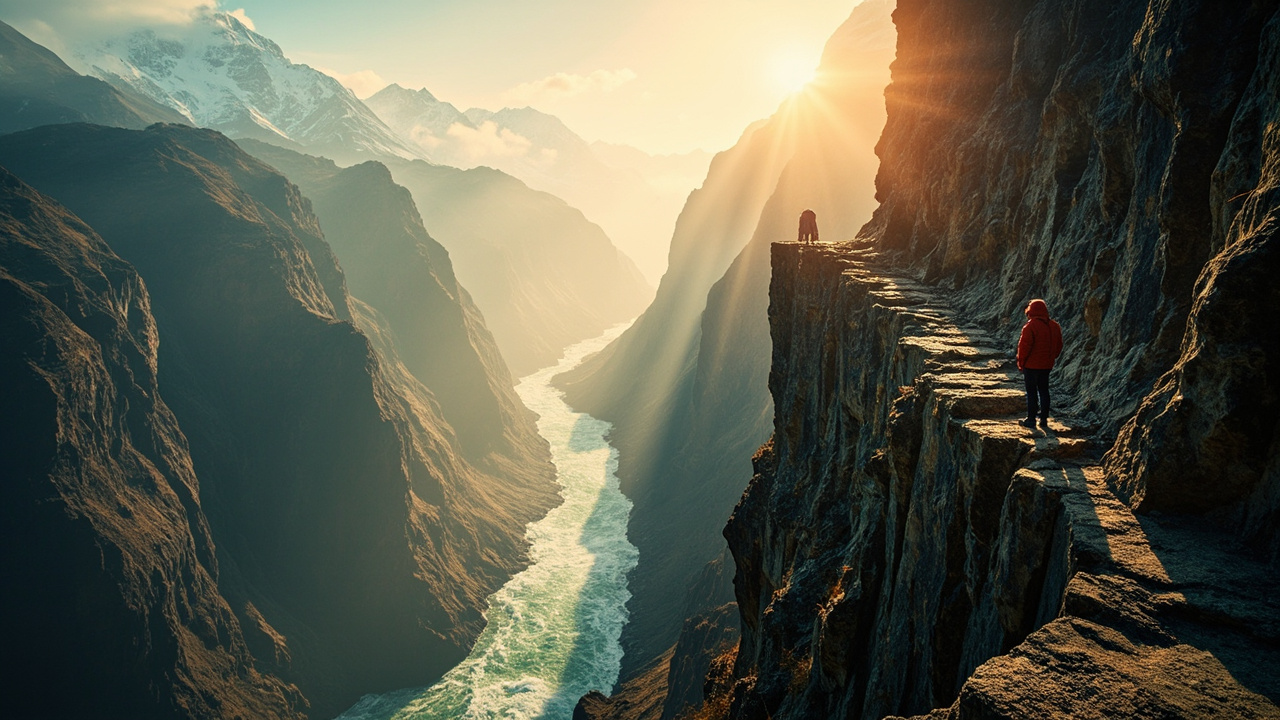
Great Wall Hiking Guide: The Complete 2026 Guide
The dust was still settling as I stood on a crumbling section of the Mutianyu wall, alone except for a man selling cold water bottles from a plastic tub. He’d been walking the wall for twenty years, he told me, his face the color of old leather. “You’re the third person today,” he said, and laughed. This was mid-August, high season, and I’d expected crowds. Instead, I got a stretch of Ming Dynasty stonework so quiet I could hear the wind moving through the grass between the watchtowers. That was the moment I realized most tourists see the Great Wall wrong.
They go to Badaling. They take the cable car. They elbow through selfie sticks for an hour, take a photo, and leave. They never really meet the wall.
This guide is for people who want more than that. I’ve walked 11 different sections over seven years—some restored, some wild, some so overgrown you have to crawl. I’ve missed the last bus back to Beijing twice, paid too much for a private driver once, and eaten enough instant noodles at wall-side stalls to fuel a small army. Here’s what I’ve learned: which sections to choose, how to get there without losing your mind, and what nobody tells you about walking the Great Wall of China in 2026.
The Short Version
Skip Badaling. Go to Mutianyu for your first time, Jiankou if you’re fit, and Huanghuacheng if you want to swim. Don’t book a tour—take public transport or hire a driver through Didi. Go on a weekday. Leave by 6 AM from Beijing. Bring cash, water, and a charged phone. The wall is not a theme park. It’s a mountain range with 2,000 years of history built into it. Treat it with respect and it’ll give you something you didn’t know you were looking for.
How I Picked These
I didn’t read a blog post and copy-paste. Over the past seven years, I’ve taken the bus to Simatai in a snowstorm, hitchhiked back from Gubeikou after my phone died, and spent a night in a watchtower at Jinshanling because I missed the last exit. I’ve talked to local farmers who own sections of the wall, hostel owners who’ve hiked every accessible kilometer, and a retired history professor from Beijing University who walked me through the difference between Ming and Qin dynasty construction techniques. Every entry here is a place I’ve been, a walk I’ve done, and a mistake I’ve made so you don’t have to.
Comparison Table
| Rank | Place | Best For | Approx Cost (USD) | Time Needed | When to Go |
|---|---|---|---|---|---|
| 1 | Mutianyu | First-timers, families, good photos | $10–25 ($70–180 CNY) | 3–4 hours | Weekdays, April–Oct |
| 2 | Jiankou | Adventurous hikers, photographers | Free (transport ~$30/220 CNY) | 4–6 hours | May–Sept, dry days |
| 3 | Jinshanling | Serious hikers, sunrise views | $8–15 ($55–110 CNY) | 4–5 hours | May–Oct, early morning |
| 4 | Simatai | Night tours, restored sections | $15–20 ($110–145 CNY) | 3–4 hours | May–Oct, evening |
| 5 | Huanghuacheng | Lake views, less crowded | $8–12 ($55–85 CNY) | 3–5 hours | April–Oct, weekdays |
| 6 | Gubeikou | Wild wall, no tourists | Free (transport ~$25/180 CNY) | 3–4 hours | March–Nov, any time |
| 7 | Badaling | Convenience, first-time tourists | $6–10 ($40–70 CNY) | 2–3 hours | Avoid weekends/Chinese holidays |
| 8 | Huangyaguan | History buffs, fewer crowds | $8–12 ($55–85 CNY) | 3–4 hours | April–Oct, weekdays |
| 9 | Shanhaiguan | East end of wall, ocean views | $10–15 ($70–110 CNY) | 2–3 hours | May–Sept, clear days |
| 10 | Jiayuguan | Western end, desert scenery | $15–20 ($110–145 CNY) | 2–3 hours | April–Oct, avoid noon heat |
1. Mutianyu — The Smart First-Timer’s Choice
I watched a family of four from Spain take the toboggan ride down from the wall. The kids were screaming with joy, the parents laughing, and I thought: this is the version of the Great Wall that doesn’t feel like a history exam. Mutianyu is the perfect introduction because it’s beautiful, well-restored, and actually fun.
The wall here snakes along a ridge of green hills, watchtowers spaced every few hundred meters. The restoration is clean but not sterile—you can still see the original stonework underneath the newer bricks. What makes Mutianyu special is the variety: you can walk the wall for two hours and feel like you’ve seen something real, or you can push further into the unrestored sections that branch off at the far end.
- 📍 Huairou District, about 80km north of Beijing
- 🎫 $10 USD (70 CNY) entry, plus $15 USD (100 CNY) round-trip shuttle bus from parking lot
- 🕐 7:30 AM–5:30 PM (April–Oct), 8:00 AM–4:30 PM (Nov–March)
- 🚆 Take the Beijing-Huairou bus from Dongzhimen Station (Bus 916快, 1.5 hours), then transfer to H23 or H24 local bus to the wall. Or take a Didi from Beijing city center—about $40 USD (290 CNY) one way.
- ⏰ Weekdays only. Tuesday through Thursday are dead quiet. Avoid Chinese holidays like May Day (May 1–5) and National Day (Oct 1–7).
- 💡 Insider tips: (1) Take the cable car up, walk the wall east, then take the toboggan down. (2) The far west section is less crowded—walk 20 minutes past the last watchtower. (3) Bring your own food; the restaurants at the base are overpriced and mediocre. (4) The English signage is decent but not perfect—download the Pleco translation app. (5) If you want to avoid the shuttle bus crowd, arrive before 8 AM.
I met a retired British couple who’d been coming to Mutianyu every year for a decade. “It’s the only section that still feels like a wall,” the husband said, “instead of a tourist attraction.”
2. Jiankou — The Wild One
The first time I tried to hike Jiankou, I turned back after 20 minutes. The path was rubble, the drop-offs were sheer, and I was wearing running shoes like an idiot. The second time, I came prepared with hiking boots, gloves, and a guide named Lao Wang who’d been walking this section since he was a boy.
Jiankou is the Great Wall at its most honest. Unrestored, crumbling, and absolutely stunning. The wall follows a knife-edge ridge with steep drops on both sides. You’ll climb over collapsed watchtowers, crawl through narrow gaps, and stand on sections where the only thing between you and a 500-foot drop is a loose brick. This is not for casual tourists. This is for people who want to earn their view.
- 📍 Huairou District, about 80km north of Beijing (adjacent to Mutianyu)
- 🎫 Free (it’s an unrestored section, so no ticket office). But you’ll need a local guide—$30–50 USD (220–360 CNY) for a half-day.
- 🕐 Always open, but don’t hike in rain or snow. The stones become deadly slippery.
- 🚆 Take a Didi to Xizhazi Village (about $35 USD/250 CNY from Beijing). From there, local guides will meet you at the village entrance. Alternatively, take Bus 916快 to Huairou, then a local taxi to the village.
- ⏰ May to September only. Start at 7 AM to avoid afternoon heat. Weekdays are empty.
- 💡 Insider tips: (1) Wear hiking boots with good grip—sneakers will get you killed. (2) Bring gloves—you’ll be climbing over rocks and grabbing crumbling brickwork. (3) Hire a local guide from the village, not a tour company in Beijing. (4) Carry at least 2 liters of water—there are no vendors. (5) Don’t attempt the “Beijing Knot” section alone—it’s the most dangerous part and requires a rope.
Lao Wang pointed at a gap in the wall where a Ming dynasty soldier had carved his name. “See that?” he said. “That’s older than your country.”
3. Jinshanling — The Photographer’s Dream
I woke up at 4:30 AM to catch the sunrise at Jinshanling. The air was cold and thin, and I could see my breath as I climbed the first watchtower. Then the sun came up over the mountains, and the wall turned from gray to gold to orange in the space of ten minutes. I stood there alone for almost an hour, just watching.
Jinshanling is the most photogenic section of the wall, and that’s saying something. The wall here is partially restored—some watchtowers are pristine, others are ruins. The contrast creates this incredible visual rhythm: a perfect tower, then a collapsed one, then a stretch of wall that looks like it was built yesterday. The hike from Jinshanling to Simatai is one of the best day hikes in China, about 10 kilometers of rolling hills and spectacular views.
- 📍 Luanping County, Hebei Province, about 130km northeast of Beijing
- 🎫 $8 USD (55 CNY) entry, plus $5 USD (35 CNY) for the shuttle bus
- 🕐 6:00 AM–6:00 PM (summer), 7:00 AM–5:00 PM (winter)
- 🚆 Take a bus from Beijing’s Dongzhimen Station to Miyun (Bus 980快, 2 hours), then transfer to a local bus or taxi to Jinshanling. A direct Didi costs about $50 USD (360 CNY).
- ⏰ Sunrise is magical, but you’ll need to stay overnight nearby. Weekdays only—weekends get busy with Chinese tourists.
- 💡 Insider tips: (1) Hike from Jinshanling to Simatai (about 4 hours) and take the cable car down. (2) Stay overnight at a farm stay in the village below—they’re basic but clean, and you’ll get sunrise on the wall. (3) Bring a tripod for night photography—the stars are incredible. (4) The wall gets very windy—bring a jacket even in summer. (5) There’s a small food stall at the halfway point, but don’t rely on it.
I shared a watchtower with a French photographer who’d been coming here for 15 years. “The light changes every time,” he said, adjusting his lens. “That’s why I keep coming back.”
4. Simatai — The Night Wall
I’ve seen the Great Wall at sunset, at sunrise, in rain, and in snow. But nothing prepared me for Simatai at night. The wall is lit with subtle lights that follow the contours of the ridge, making it look like a dragon sleeping on the mountains. The tourists are gone. The vendors are gone. It’s just you, the wall, and the silence.
Simatai is the only section of the Great Wall that offers night tours, and it’s worth the trip just for that. During the day, it’s a well-restored section with steep climbs and great views. But at night, it transforms into something else entirely—a quiet, almost sacred space where you can feel the weight of history without the distraction of crowds.
- 📍 Miyun District, about 120km northeast of Beijing
- 🎫 $15 USD (110 CNY) day entry, $20 USD (145 CNY) night tour (includes cable car)
- 🕐 Day: 8:00 AM–5:00 PM. Night: 5:30 PM–9:30 PM (summer only, May–Oct)
- 🚆 Take Bus 980快 from Dongzhimen to Miyun (2 hours), then transfer to Bus 51 to Simatai. A Didi costs about $45 USD (325 CNY).
- ⏰ Night tours are best in summer when the weather is warm. Go on a weeknight to avoid crowds.
- 💡 Insider tips: (1) Book night tickets in advance—they sell out on weekends. (2) The cable car stops at 9 PM, so plan your descent accordingly. (3) Bring a light jacket—it gets cold on the wall after dark. (4) The night tour covers only a 2-kilometer section, but it’s enough. (5) There’s a small village at the base with decent restaurants—try the lamb skewers.
I met a couple from Argentina who’d gotten engaged on the night wall. “She said yes,” the guy told me, grinning. “How could she not? Look at this place.”
5. Huanghuacheng — The Lake Wall
I almost skipped Huanghuacheng. “A wall that goes into a lake?” I thought. “Sounds like a gimmick.” Then I saw it: the wall descending a green hillside, disappearing into clear blue water, and emerging on the other side to climb another hill. It’s not a gimmick. It’s one of the most beautiful sights in China.
Huanghuacheng is unique because part of the wall was flooded when a dam was built in the 1970s. The result is a surreal landscape where the wall literally walks into the water. You can hike the sections on either side of the lake, or rent a boat and paddle along the submerged wall. It’s also one of the least visited sections—on a weekday, you might have the whole place to yourself.
- 📍 Huairou District, about 70km north of Beijing
- 🎫 $8 USD (55 CNY) entry, plus $5 USD (35 CNY) for boat rental
- 🕐 8:00 AM–5:00 PM
- 🚆 Take Bus 916快 from Dongzhimen to Huairou (1.5 hours), then transfer to H21 bus to Huanghuacheng. A Didi costs about $35 USD (250 CNY).
- ⏰ Spring and autumn are best—summer is hot and humid, winter is cold and the lake might be frozen.
- 💡 Insider tips: (1) Rent a boat to see the submerged wall up close. (2) Hike the east section first—it’s steeper but has better views. (3) Bring a picnic—there are nice spots by the lake. (4) The water is clean enough to swim in during summer, but there are no lifeguards. (5) Combine this with a visit to Mutianyu if you have time—they’re in the same area.
I watched a Chinese grandfather teach his grandson how to skip stones across the lake. The boy was terrible at it, but the old man didn’t seem to mind.
6. Gubeikou — The Real Deal
The taxi driver dropped me off at a dirt road and pointed. “Wall is that way,” he said. “I’ll be back at 4.” Then he drove away, leaving me alone in a field with a backpack and a bottle of water. This is Gubeikou—no ticket booth, no cable car, no souvenir shops. Just the wall, stretching across the hills like it’s been waiting for you.
Gubeikou is the wildest accessible section near Beijing. It’s completely unrestored, overgrown with grass and bushes, and absolutely authentic. You’ll walk through abandoned watchtowers where the floors have collapsed, climb sections where the wall has crumbled to a narrow ridge, and see more hawks than people. This is what the Great Wall looked like before tourism discovered it.
- 📍 Miyun District, about 130km northeast of Beijing
- 🎫 Free (it’s not a managed tourist site)
- 🕐 Always open, but don’t hike after dark
- 🚆 Take Bus 980快 from Dongzhimen to Miyun (2 hours), then a local taxi to Gubeikou village (about $10 USD/70 CNY). From the village, walk 20 minutes north to the wall.
- ⏰ March to November. Avoid rainy days—the mud is treacherous.
- 💡 Insider tips: (1) Bring a GPS or offline map—there are no signs. (2) Wear long pants and sturdy boots—the grass hides rocks and holes. (3) Carry at least 3 liters of water—there’s nothing out here. (4) Tell someone where you’re going and when you’ll be back. (5) The hike from Gubeikou to Jinshanling is 6-7 hours and requires a guide—don’t attempt it alone.
I sat in a watchtower eating a cold baozi I’d bought from a village shop. A hawk circled overhead. I didn’t see another person for three hours.
7. Badaling — The One Everyone Knows
Look, I’m not going to pretend Badaling is good. It’s not. It’s a theme park version of the Great Wall, packed with tourists, lined with souvenir stalls, and managed within an inch of its life. But here’s the thing: sometimes you don’t have a choice. If you’re in Beijing for 24 hours, if you’re traveling with someone who can’t handle stairs, if you just want to say you’ve seen it—Badaling works.
The wall here is fully restored, with handrails, proper steps, and even an elevator. The views are genuinely impressive, especially from the higher watchtowers. And if you go at the right time (early morning, weekday, off-season), you can actually enjoy it. The problem is that most people don’t.
- 📍 Yanqing District, about 80km northwest of Beijing
- 🎫 $6 USD (40 CNY) entry, plus $10 USD (70 CNY) round-trip cable car
- 🕐 6:30 AM–7:00 PM (summer), 7:30 AM–5:30 PM (winter)
- 🚆 Take the S2 train from Beijing North Station to Badaling (80 minutes, $3 USD/20 CNY). Or take Bus 877 from Deshengmen (1.5 hours, $2 USD/15 CNY).
- ⏰ Go at 7 AM on a Tuesday in November. Avoid weekends, Chinese holidays, and summer entirely.
- 💡 Insider tips: (1) Take the S2 train, not the bus—it’s more comfortable and the scenery is beautiful. (2) Walk left from the entrance—most tourists go right. (3) Don’t bother with the cable car unless you have mobility issues. (4) The Great Wall Museum at the base is actually excellent and almost empty. (5) Bring your own food—the restaurants here are terrible.
I saw a Chinese grandmother in heels walking the wall like it was a shopping mall. She passed me on the stairs without breaking a sweat.
8. Huangyaguan — The Quiet One
I’d never heard of Huangyaguan until a taxi driver in Tianjin mentioned it. “Better than Badaling,” he said. “Less people.” He was right. Huangyaguan is a restored section about 2 hours east of Beijing, near the border with Tianjin. It’s not as dramatic as Mutianyu or as wild as Jiankou, but it has a quiet dignity that I’ve come to appreciate.
The wall here is built on a ridge of granite, with 20 watchtowers spaced along a 4-kilometer stretch. The restoration is solid without being glossy, and the surrounding countryside is beautiful—rolling hills, small villages, and fields of corn and wheat. There’s also a small water park at the base, which feels weirdly out of place but is popular with Chinese families.
- 📍 Ji County, Tianjin, about 130km east of Beijing
- 🎫 $8 USD (55 CNY) entry
- 🕐 8:00 AM–5:00 PM
- 🚆 Take a high-speed train from Beijing South to Tianjin (30 minutes, $8 USD/55 CNY), then a bus from Tianjin to Ji County (2 hours, $5 USD/35 CNY). From Ji County, take a local taxi to the wall ($5 USD/35 CNY).
- ⏰ Spring and autumn are best. Weekdays are dead quiet.
- 💡 Insider tips: (1) Combine with a visit to the Dule Temple in Ji County—it’s one of the oldest wooden buildings in China. (2) The hike is about 2 hours one way—start early and take your time. (3) There’s a small museum at the base with artifacts from the Ming dynasty. (4) The water park is actually fun if you’re traveling with kids. (5) The local restaurants in Ji County serve excellent lamb dishes.
I shared a table with a retired Chinese soldier who told me he’d guarded this section of the wall in the 1970s. “It was different then,” he said. “Quieter.”
9. Shanhaiguan — Where the Wall Meets the Sea
I stood at the easternmost point of the Great Wall, where the stone meets the Bohai Sea. The waves crashed against the base of the wall, and I could see fishing boats in the distance. It felt like the end of the world—or at least the end of China.
Shanhaiguan is famous for being where the Great Wall “ends” (it actually continues further east, but this is the most dramatic point). The “Old Dragon’s Head” section extends into the sea, with watchtowers built right on the shore. The main wall here is restored and busy, but the coastal sections are quieter and offer a unique perspective on the wall’s relationship with the landscape.
- 📍 Shanhaiguan District, Qinhuangdao, about 300km east of Beijing
- 🎫 $10 USD (70 CNY) for the main section, $15 USD (110 CNY) for the combined ticket including Old Dragon’s Head
- 🕐 7:00 AM–6:00 PM (summer), 8:00 AM–5:00 PM (winter)
- 🚆 Take a high-speed train from Beijing to Qinhuangdao (2 hours, $25 USD/180 CNY), then a local bus to Shanhaiguan (30 minutes, $1 USD/7 CNY).
- ⏰ May to September for good weather. Avoid weekends in July and August when Chinese tourists flood the coast.
- 💡 Insider tips: (1) Visit Old Dragon’s Head at low tide to see the wall’s foundation. (2) The nearby Shanhaiguan Old Town is worth an hour—it’s touristy but has good street food. (3) Bring sunscreen—there’s no shade on the coastal sections. (4) The seafood in Qinhuangdao is excellent—try the steamed crabs. (5) Stay overnight in Qinhuangdao to catch sunrise at the wall.
I watched a group of Chinese tourists take photos of each other “holding up” the wall as it met the sea. The irony wasn’t lost on me.
10. Jiayuguan — The Western Fortress
The desert stretched in every direction, flat and brown and endless. In the middle of it stood Jiayuguan Fort, a massive stone fortress that guarded the western entrance to China for 600 years. The Great Wall doesn’t end here anymore—it continues west into the Gobi Desert—but this is where it becomes something else: not a wall, but a statement.
Jiayuguan is completely different from the sections near Beijing. The wall here is made of rammed earth, not stone, and it blends into the desert landscape like it grew there. The fortress itself is a masterpiece of Ming military architecture, with high walls, watchtowers, and a massive gate that once controlled the Silk Road. This is the wall as a symbol of power, not just a defensive structure.
- 📍 Jiayuguan City, Gansu Province, about 2,000km west of Beijing
- 🎫 $15 USD (110 CNY) for the fortress, $20 USD (145 CNY) for the combined ticket including the overhanging wall
- 🕐 8:00 AM–6:00 PM (summer), 8:30 AM–5:30 PM (winter)
- 🚆 Take a flight from Beijing to Jiayuguan (3 hours, $100–200 USD/720–1,440 CNY), or a high-speed train (6 hours, $80 USD/575 CNY). The fortress is a 15-minute taxi ride from the city center.
- ⏰ April to October. Avoid noon in summer—the heat is brutal.
- 💡 Insider tips: (1) Visit the “Overhanging Great Wall” section 8km north of the fortress—it’s built on a steep cliff and offers incredible desert views. (2) Hire a guide at the fortress—the history is complex and the English signage is minimal. (3) Bring a scarf or mask—the desert wind kicks up dust. (4) The nearby Wei-Jin Tombs have amazing ancient murals and are almost empty. (5) Try the local lamian (hand-pulled noodles) in Jiayuguan city—they’re some of the best in China.
I stood on the fortress wall at sunset, watching the desert turn from gold to purple. A Chinese tourist next to me said, “This is where the empire ended.” I nodded. It felt like it.
FAQ
Q: Do I need to book tickets in advance? A: For Badaling and Mutianyu, yes—especially during Chinese holidays. Book through the official WeChat mini-program or a site like Trip.com. For wilder sections like Jiankou and Gubeikou, you don’t need tickets, but you should arrange a guide or transport in advance.
Q: Is the Great Wall safe for solo travelers? A: Yes, on restored sections. On wild sections, go with a guide or a group. I’ve done both solo and with guides, and the wild wall is no joke—people get lost, injured, or stuck after dark. Don’t be that person.
Q: What should I wear? A: Sturdy shoes with grip. Long pants. Layers—the wall can be cold and windy even in summer. A hat. Sunscreen. And a light backpack with water and snacks. I’ve seen people in flip-flops and dresses. They did not have a good time.
Q: Do I need a VPN? A: Yes. Google Maps, WhatsApp, Instagram, and most Western websites are blocked in China. Install a VPN before you arrive. ExpressVPN and Astrill work well. Also download WeChat and Alipay—you’ll need them for payments.
Q: Can I use my credit card at the Great Wall? A: Probably not. Most ticket offices, shops, and restaurants accept WeChat Pay or Alipay, but not credit cards. Bring some cash as backup. I always carry about $50 USD (360 CNY) in small bills.
Q: Is English widely spoken at the Great Wall? A: At Badaling and Mutianyu, some staff speak basic English. At other sections, almost nobody does. Download Pleco (translation app) and Google Translate offline. A smile and a few Chinese phrases go a long way.
Q: What’s the best time of year to visit? A: Late April to early June, and September to October. Summer is hot, humid, and crowded. Winter is cold but beautiful—just check if the section you want is open. I’ve done winter hikes at Jinshanling and they were magical, but I was the only person there.
The Honest Wrap-up
This list is for people who want to see the Great Wall, not just check a box. If you’re short on time or traveling with kids, Mutianyu is your best bet. If you’re fit and adventurous, go to Jiankou or Gubeikou. If you want something completely different, fly to Jiayuguan. But whatever you do, don’t just go to Badaling because it’s easy. The wall deserves better than that.
One thing I’ve learned: the Great Wall isn’t a single place. It’s a thousand places, each with its own personality, its own history, its own view. The version you see depends on the version you choose. So choose carefully. And when you’re standing on that wall, looking out at whatever landscape surrounds you—mountains or desert or sea—take a moment to be quiet. Listen to the wind. Think about the people who built this thing, brick by brick, over centuries. Then take your photo and move on. The wall will still be here long after we’re gone.
Topics
More Top 10 guides
Top 10 Beaches in China: The Complete 2026 Guide
From Hainan's tropical shores to Qingdao's colonial-era coastline, these are the 10 best beaches in China - with practical tips for foreign travelers.
12 min read
Top 10 Bridges in China: The Complete 2026 Guide
China's bridges are engineering marvels spanning mountains, rivers, and seas. Here are 10 of the most spectacular, from ancient stone to modern steel.
12 min read

Top 10 Buddhist Sites in China: The Complete 2026 Guide
From the Leshan Giant Buddha to the Dunhuang Caves, these 10 Buddhist sites represent 2,000 years of China's spiritual heritage.
12 min read