
Romantic Destinations in China: The Complete 2026 Guide
A comprehensive travel guide for international visitors planning a trip to China. Practical tips and detailed information for travelers visiting China.
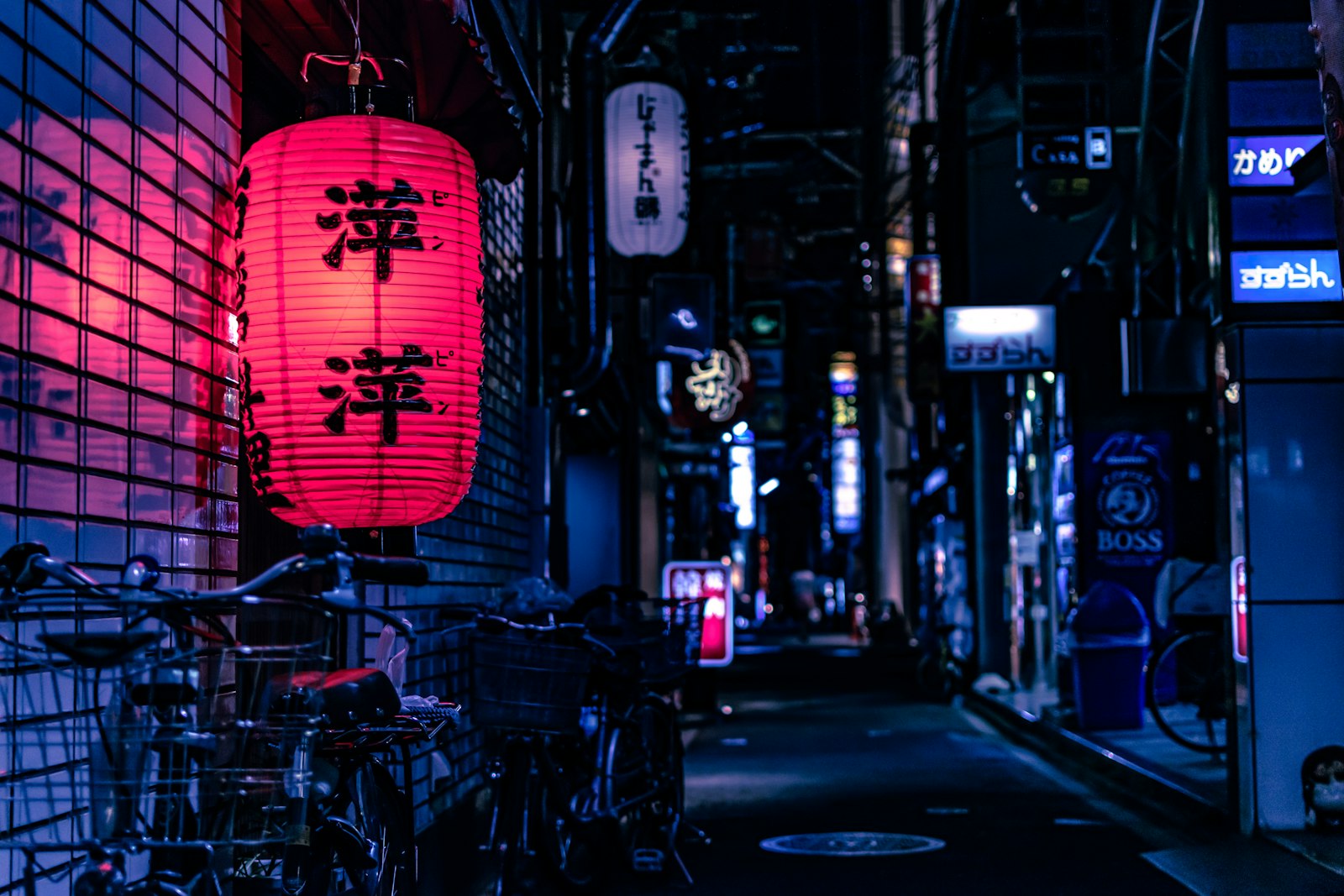
The cab driver laughed at me when I asked if he’d ever taken a couple to a romantic spot in Beijing. “Romantic?” he said, switching off the meter for a second to turn around and look at me. “In this city, romance is finding a seat on the subway.” He had a point. For years, I’d assumed China’s big cities were too chaotic for the kind of soft-focus, candlelit romance you see in movies. But then I watched the rain come sideways off the karst mountains in Yangshuo, and a woman in a silk dress held her partner’s hand as they crossed a stone bridge in Suzhou, and I realized I’d been looking in the wrong places. China doesn’t do romance like Paris or Kyoto. It does it like a secret you have to earn.
This guide is for first-time international visitors who want something real—not a honeymoon package, but a trip where you actually feel something together. I’ve lived in Beijing for seven years and traveled through China more than forty times, sometimes alone, sometimes with my partner. I’ve gotten lost in ancient alleyways, paid too much for tea in tourist traps, and sat on a dock in Lijiang until the stars came out. These are the places that made me stop checking my phone.
The Short Version
If you have 90 seconds: Skip Shanghai’s Bund for a couple’s trip. Go to Yangshuo for the landscape, Suzhou for the gardens, and Lijiang for the old-town vibe. Don’t try to do more than three destinations in two weeks. Bring cash for small towns—Alipay doesn’t always work. And book the bullet train early. It’s not romantic to stand for three hours.
How I Picked These
I visited every place on this list at least twice—once alone to take notes, once with a partner to test the “romance factor.” I talked to taxi drivers, hostel owners, and other travelers. I ate the food, missed the last bus, and learned which temples have the best lighting at sunset. I didn’t include anything I wouldn’t recommend to my own parents.
Comparison Table
| Rank | Place | Best For | Approx Cost (USD) | Time Needed | When to Go |
|---|---|---|---|---|---|
| 1 | Yangshuo | Landscape, cycling, quiet escapes | $40-60/day ($280-420 CNY) | 3-4 days | April-Oct |
| 2 | Suzhou | Classical gardens, canals, tea houses | $50-70/day ($350-490 CNY) | 2-3 days | March-May, Sept-Nov |
| 3 | Lijiang Old Town | Cobblestone streets, music, night markets | $45-65/day ($315-455 CNY) | 2-3 days | April-Oct |
| 4 | Hangzhou’s West Lake | Lake walks, temples, tea plantations | $55-75/day ($385-525 CNY) | 2-3 days | March-May, Sept-Nov |
| 5 | Dali (Yunnan) | Mountains, lakes, artist communities | $35-55/day ($245-385 CNY) | 3-4 days | April-Oct |
| 6 | Guilin | Li River cruise, rice terraces | $40-60/day ($280-420 CNY) | 2-3 days | April-Oct |
| 7 | Beijing’s Hutongs | Hidden bars, courtyard hotels, street food | $60-80/day ($420-560 CNY) | 1-2 days | Sept-Oct |
| 8 | Chengdu | Panda base, Sichuan food, tea houses | $45-65/day ($315-455 CNY) | 2-3 days | March-June, Sept-Nov |
| 9 | Xiamen & Gulangyu Island | Beaches, colonial architecture, slow pace | $50-70/day ($350-490 CNY) | 2-3 days | Oct-April |
| 10 | Huangshan (Yellow Mountain) | Hiking, sunrise, hot springs | $55-75/day ($385-525 CNY) | 2-3 days | Sept-Nov |
1. Yangshuo — Where the postcards come from
I remember sitting on a bamboo raft on the Yulong River, my feet dangling over the edge, watching the karst peaks turn from gray to pink as the sun went down. My partner was reading a book. We hadn’t spoken in twenty minutes. It was the best silence of our trip.
Yangshuo is the most beautiful place I’ve seen in China, and I’ve seen a lot. The landscape looks like someone painted it—those jagged limestone mountains, the rice paddies, the rivers that twist through valleys like loose thread. It’s not subtle. It hits you in the chest. You can cycle through the countryside, hike up Moon Hill, or just sit at a café on West Street and watch the scooters go by. But the real magic is in the quiet moments: the smell of osmanthus flowers after rain, the sound of water against bamboo, the way the mist sits in the valleys until 10 a.m.
- 📍 Yangshuo County, Guilin, Guangxi Province
- 🎫 Free to enter the town. Moon Hill: $3 (20 CNY). Yulong River bamboo raft: $20-30 (140-210 CNY) per person
- 🕐 Town is open anytime. Moon Hill: 7:30 a.m.-6:30 p.m.
- 🚆 Take the bullet train to Yangshuo Station (not Guilin Station). From there, a 40-minute bus ($3/20 CNY) or taxi ($15/105 CNY) to town
- ⏰ Best in April-May or September-October. Avoid Chinese National Holiday (Oct 1-7) when it’s packed
- 💡 Insider tips:
- Rent a scooter ($8/56 CNY per day) but get an international driver’s permit or risk a fine
- Eat at the night market on West Street—try the beer fish (啤酒鱼), a local specialty
- Book the bamboo raft for early morning (8 a.m.) to avoid crowds and heat
- Don’t buy the “VIP” raft ticket—it’s the same route, just more expensive
- Bring mosquito repellent. The river is beautiful but the bugs are relentless
I met a French couple on the raft who’d been traveling for six months. They said Yangshuo was the only place they’d stayed longer than planned. I believed them.
2. Suzhou — The garden whisperers
I made a mistake my first time in Suzhou. I tried to see all four famous gardens in one day. By the third one, I was tired, my feet hurt, and I couldn’t tell the difference between a lotus pond and a rock formation. Don’t do that. Pick one garden—the Humble Administrator’s Garden is the best—and sit on a bench for an hour. Watch the light move through the bamboo. Listen to the old men playing chess. That’s the point.
Suzhou is often called the “Venice of the East,” but that’s a lazy comparison. The canals here are narrower, the bridges are older, and the gardens are designed not to impress but to calm. Every rock, every tree, every window frame is placed with intention. It’s the kind of place that makes you want to slow down. The old town is walkable, with tea houses tucked into alleyways and silk shops that have been open for generations. At night, the lanterns reflect off the water, and the crowds thin out.
- 📍 Gusu District, Suzhou, Jiangsu Province
- 🎫 Humble Administrator’s Garden: $8 (56 CNY). Lingering Garden: $6 (42 CNY). Pingjiang Road (canal street): free
- 🕐 Gardens open 7:30 a.m.-5:30 p.m. (closes earlier in winter)
- 🚆 Take the bullet train to Suzhou Station (from Shanghai: 25 minutes, $7/49 CNY). From the station, take Metro Line 4 to Beisita, Exit 3, walk 10 minutes east
- ⏰ Visit gardens on weekday mornings. Weekends are crowded with Chinese tourists
- 💡 Insider tips:
- The Humble Administrator’s Garden has a free audio guide in English—ask at the entrance
- Eat at Songhelou (松鹤楼) on Guanqian Street for the best squirrel-shaped mandarin fish ($15/105 CNY)
- Take a canal boat ride at dusk ($10/70 CNY per person, 40 minutes)
- Don’t buy silk from the shops on Pingjiang Road—go to the Silk Museum’s store instead
- The gardens are closed on Mondays (check the specific garden’s schedule)
I watched an elderly Chinese couple in the Lingering Garden. The woman touched a rock. The man adjusted her scarf. They’d been coming here for forty years, the guard told me.
3. Lijiang Old Town — Where the music never stops
The first thing you notice in Lijiang is the sound. Water running through the canals. A guitar from a bar. A woman singing a Naxi folk song. It’s a place that feels alive even at midnight. The old town is a maze of cobblestone streets, wooden buildings, and red lanterns. It’s touristy, yes. But it’s also genuinely beautiful.
I was skeptical at first. I’d heard it was overrun with souvenir shops and selfie sticks. And it is, on the main drag. But get two streets off the main path, and you’ll find quiet courtyards, tiny restaurants, and old men playing mahjong. The real charm is in the details: the carved wooden doors, the paper lanterns, the smell of yak butter tea from a street stall. Go with your partner, get lost on purpose, and find a rooftop bar with a view of the Jade Dragon Snow Mountain.
- 📍 Old Town District, Lijiang, Yunnan Province
- 🎫 Old town entry: free (but there’s a $8/56 CNY “maintenance fee” if you enter certain areas—sometimes waived)
- 🕐 Open 24/7, but shops close around 11 p.m.
- 🚆 Fly to Lijiang Sanyi Airport (direct flights from Beijing, Shanghai, Chengdu). From the airport, a taxi to old town: $12 (84 CNY), 40 minutes
- ⏰ Best in April-October. Avoid July and August if you hate rain
- 💡 Insider tips:
- Stay in a guesthouse inside the old town (around $30/210 CNY per night). The cobblestones are hard on luggage, so ask for help
- The Black Dragon Pool ($3/20 CNY) has the best view of the mountain at sunrise
- Try the Naxi fried rice (纳西炒饭) and the rose-flavored yogurt
- Bargain at the night market but be polite—start at half the asking price
- Don’t take photos of the Naxi women without asking. It’s rude
A shop owner named A-Mu taught me how to make tea in her courtyard. She said her grandmother had taught her, and her grandmother’s mother before that. I bought a bag of pu’er from her. It was overpriced. I didn’t care.
4. Hangzhou’s West Lake — The original Chinese postcard
I walked the entire perimeter of West Lake once. It took four hours. My legs hurt for two days. But I’d do it again tomorrow. There’s a reason this lake has been painted, photographed, and written about for a thousand years. It’s not just beautiful—it’s perfectly balanced. The willow trees, the pagodas, the bridges, the islands. Every angle looks like a painting.
The best way to experience it is to rent a rowboat ($8/56 CNY per hour) and let an old man do the rowing while you sit back. He’ll tell you stories in broken English about the lake’s history, or he’ll just row in silence. Either is fine. Don’t bother with the tourist buses or the electric carts. Walk or bike. Stop at the tea houses. Eat the lotus root soup. And for the love of god, don’t go on a weekend.
- 📍 Xihu District, Hangzhou, Zhejiang Province
- 🎫 Lake area: free. Leifeng Pagoda: $5 (35 CNY). Lingyin Temple: $6 (42 CNY)
- 🕐 Lake open 24/7. Temples and pagodas: 8 a.m.-5 p.m.
- 🚆 Bullet train from Shanghai to Hangzhou East Station: 1 hour, $10 (70 CNY). From the station, take Metro Line 1 to Longxiangqiao, Exit C, walk 5 minutes west
- ⏰ Best in March-April (cherry blossoms) or September-October (cool weather)
- 💡 Insider tips:
- Rent a bike ($2/14 CNY per hour) from the public bike stations—you need a Chinese phone number to register, so ask your hotel to help
- The “Three Pools Mirroring the Moon” is the most famous spot. Go at sunset
- Eat at Lou Wai Lou (楼外楼) for the authentic Hangzhou cuisine—the Dongpo pork is legendary ($12/84 CNY)
- The tea plantations west of the lake (Longjing Village) are free to walk through
- Buy Longjing tea from the village, not the tourist shops near the lake
I saw a couple taking wedding photos by the Broken Bridge. The bride’s dress was red. The groom looked terrified. The photographer yelled at them to smile. They did. It was perfect.
5. Dali — The artist’s retreat
Dali is what Lijiang was twenty years ago. It’s smaller, quieter, and full of artists, musicians, and people who just wanted to get away. The old town is built around a lake (Erhai Lake) with the Cangshan Mountains as a backdrop. There’s a slow, almost lazy energy here. People sit in cafés for hours. They write. They paint. They argue about nothing.
I spent three days in Dali and didn’t do a single tourist thing. I walked along the lake. I ate noodles at a street stall. I sat on a rooftop and watched the clouds move over the mountains. My partner read a book. We talked about moving here. We didn’t, but we talked about it. That’s the kind of place Dali is. It makes you dream.
- 📍 Dali Old Town, Dali Bai Autonomous Prefecture, Yunnan Province
- 🎫 Old town: free. Erhai Lake bike path: free. Three Pagodas: $10 (70 CNY)
- 🕐 Old town open 24/7. Three Pagodas: 8 a.m.-6 p.m.
- 🚆 Fly to Dali Airport (direct from Beijing, Shanghai, Chengdu). From the airport, a taxi to old town: $10 (70 CNY), 30 minutes. Or take the bus from Kunming (4 hours, $8/56 CNY)
- ⏰ Best in April-June and September-November. July-August is rainy
- 💡 Insider tips:
- Rent a bike and cycle around Erhai Lake (40 km loop, 3-4 hours). The path is mostly flat
- Stay in a guesthouse near the south gate—quieter and cheaper than the center
- Try the “crossing the bridge noodles” (过桥米线) at a local restaurant, not a tourist one
- The local Bai minority women wear traditional costumes on market days—ask before taking photos
- Bring a jacket. The temperature drops fast after sunset
A painter named Zhang let me sit in his studio for an hour. He was working on a landscape of the lake. He said he’d been painting the same view for ten years. “It changes every day,” he said. “Today it’s different.”
6. Guilin — The river that rewrites your expectations
The Li River cruise from Guilin to Yangshuo is one of those experiences you build up in your head, and then it actually delivers. The karst peaks rise out of the water like giant teeth. The bamboo groves are so green they hurt your eyes. The water is the color of jade. It’s not subtle. It’s not quiet. It’s like being inside a poem you didn’t know existed.
But here’s the thing: the cruise is four hours long, and after the first hour, the scenery starts to repeat itself. So bring a book. Or bring your partner and just sit. The boat has a top deck where you can stand and feel the wind. The food on board is mediocre. Eat before you go. And if you can, skip the big tour boats and hire a private bamboo raft for the last section. It’s more expensive ($40/280 CNY) but you’ll have the river to yourselves.
- 📍 Guilin City, Guangxi Province
- 🎫 Li River cruise from Guilin to Yangshuo: $25-40 (175-280 CNY) per person, depending on boat class
- 🕐 Cruises depart daily at 9 a.m. (book the day before)
- 🚆 Bullet train to Guilin Station (from Beijing: 9 hours, $80/560 CNY; from Guangzhou: 3 hours, $30/210 CNY). The cruise terminal is a 15-minute taxi from the station
- ⏰ Best in April-October. The river is clearer in the dry season (September-October)
- 💡 Insider tips:
- Book the “luxury” boat ($40/280 CNY) for the open top deck—the standard boat has limited outdoor space
- Bring snacks and water. The boat food is overpriced and bland
- Sit on the left side of the boat for the best photos (the peaks are mostly on that side)
- The cruise ends in Yangshuo, so pack light or have your luggage sent ahead
- If you get seasick, take a pill before boarding—the boat can rock in windy weather
I sat next to a retired Australian couple on the cruise. The man had a camera with a lens the size of my arm. He took one photo every ten minutes. “I’m not here to capture it,” he said. “I’m here to see it.”
7. Beijing’s Hutongs — The city’s hidden heart
Most tourists go to the Forbidden City and the Great Wall and think they’ve seen Beijing. They haven’t. The real Beijing is in the hutongs—the narrow alleyways that thread through the old city like veins. These are neighborhoods where people still live, where old men play chess on street corners, where laundry hangs from windows, and where you can find a tiny bar hidden behind an unmarked door.
I’ve spent more evenings in the hutongs than I can count. My favorite is the area around Nanluoguxiang, but skip the main street (it’s a tourist trap) and go two blocks east. That’s where you’ll find the real places: a courtyard hotel with a koi pond, a dumpling shop run by a grandmother, a rooftop bar where you can see the Drum Tower lit up at night. Bring your partner. Get lost. Find a place that serves hot pot and order too much. That’s romance in Beijing.
- 📍 Dongcheng District, Beijing (around Nanluoguxiang, Gulou, and Houhai)
- 🎫 Free to walk. Courtyard hotel rooms: $80-150 (560-1,050 CNY) per night
- 🕐 Hutongs are open 24/7. Most shops and bars open 10 a.m.-midnight
- 🚆 Take Metro Line 6 to Nanluoguxiang, Exit E, walk 2 minutes east. Or Line 2 to Gulou Dajie, Exit B, walk 5 minutes south
- ⏰ Best in September-October (clear skies, mild weather). Avoid July-August (heat and humidity)
- 💡 Insider tips:
- The best dumplings in the hutong are at Mr. Shi’s Dumplings (shi jiao zi) near Gulou—$3 (21 CNY) for a plate
- Book a courtyard hotel (siheyuan) at least a month in advance—they’re small and fill up fast
- Houhai lake is beautiful at night but crowded. Walk to the north end for quieter views
- Learn to say “two beers” (liang ge pijiu) in Mandarin—it helps at the bars
- Don’t take photos of residents without asking. It’s their home, not a museum
I found a bar called “The Hidden City” by accident. The owner, a former journalist, poured me a whiskey and told me he’d been running the place for twelve years. “I don’t advertise,” he said. “People find it when they need it.”
8. Chengdu — Pandas and peppercorns
I went to Chengdu for the pandas. I stayed for the food. The Giant Panda Breeding Research Base is worth every penny—you’ll see pandas eating bamboo, pandas sleeping, pandas rolling down hills. It’s ridiculous and adorable and you will take too many photos. Go early (7:30 a.m.) when the pandas are active and the crowds are thin.
But Chengdu’s real appeal is the food. Sichuan cuisine is famous for its ma la (numbing and spicy) flavor, and it’s not an exaggeration to say it’s some of the best food in China. Go to a hot pot restaurant, order the beef tripe and the lotus root, and watch your partner’s face turn red. It’s a bonding experience. The city also has tea houses where you can sit for hours, drink jasmine tea, and get your ears cleaned by an old man with a tiny instrument. Yes, really.
- 📍 Chenghua District (panda base) and Jinjiang District (city center), Chengdu, Sichuan Province
- 🎫 Panda Base: $8 (56 CNY). Jinli Ancient Street: free. Wuhou Temple: $6 (42 CNY)
- 🕐 Panda Base: 7:30 a.m.-6 p.m. (last entry 5 p.m.). Tea houses: 8 a.m.-10 p.m.
- 🚆 Metro Line 3 to Panda Avenue, Exit B, then a 10-minute walk or free shuttle bus. From the airport: taxi $10 (70 CNY), 40 minutes
- ⏰ Best in March-June and September-November. Pandas are most active in the morning
- 💡 Insider tips:
- Book panda base tickets online (WeChat mini-program) to skip the line
- The hot pot on Kuanzhai Alley (宽窄巷子) is touristy but good. For locals, go to Yulin Road
- Try the dandan noodles (担担面) and the mapo tofu (麻婆豆腐) at Chen Mapo Tofu restaurant
- The ear cleaning at a tea house costs $2 (14 CNY)—don’t be scared, it feels amazing
- English is not widely spoken here. Download Pleco (translation app) before you go
I saw a panda sit on a tree branch for twenty minutes. It didn’t move. A child next to me asked her mother, “Is it broken?” Her mother said, “No, honey. It’s just being a panda.”
9. Xiamen & Gulangyu Island — The slow coast
Xiamen feels different from the rest of China. It’s coastal, relaxed, and full of colonial-era buildings that look like they belong in Southeast Asia. The air smells like the sea and jasmine. People ride bicycles everywhere. There’s a university vibe—young people, coffee shops, bookstores. It’s the kind of place where you can spend a whole day doing nothing and feel like you’ve done everything.
Gulangyu Island is a 10-minute ferry from Xiamen. It’s car-free, so you walk everywhere. The island is full of old European mansions, tiny churches, and gardens. It’s popular with Chinese tourists, but if you go on a weekday, you’ll find quiet corners. The best thing to do is walk to the top of Sunlight Rock ($8/56 CNY) for a view of the whole island and the sea. Then find a café and order a coffee. Stay until the ferry back.
- 📍 Siming District, Xiamen, Fujian Province
- 🎫 Gulangyu Island: free (but ferry costs $4/28 CNY round trip). Sunlight Rock: $8 (56 CNY)
- 🕐 Ferries run 7 a.m.-11 p.m. (every 20 minutes). Sunlight Rock: 8 a.m.-6 p.m.
- 🚆 Fly to Xiamen Gaoqi International Airport (direct from major Chinese cities). From the airport, take Metro Line 1 to Zhenhai Road, Exit 1, walk 10 minutes to the ferry terminal
- ⏰ Best in October-April (cool and dry). Avoid July-September (typhoon season)
- 💡 Insider tips:
- Book the ferry ticket online (WeChat) at least a day in advance—weekends sell out
- Stay overnight on Gulangyu Island if you can (hotels from $40/280 CNY). The island is magical after the day-trippers leave
- Try the local snack: oyster omelet (蚵仔煎) from a street stall ($2/14 CNY)
- The best coffee on the island is at “The Bookshop”—a café inside a converted church
- Don’t buy the “antique” coins sold by street vendors. They’re fake
I met a young couple from Shanghai on the ferry. They were holding hands and taking selfies. The woman’s phone fell into the water. She laughed. He laughed. They bought a new one the next day.
10. Huangshan (Yellow Mountain) — The climb you’ll never forget
Huangshan is not for everyone. It’s a serious hike—steep stairs, high altitude, unpredictable weather. But if you’re willing to work for it, it’s one of the most beautiful places in China. The granite peaks rise out of the clouds like islands. The pine trees grow out of sheer rock. The sunrise from the summit is the kind of thing people write poems about.
My partner and I made the mistake of going in July. It was hot, humid, and crowded. We waited an hour for the cable car. But when we reached the top, the clouds cleared, and we saw the peaks stretching into the distance. We didn’t say anything. We just stood there. That was enough.
- 📍 Huangshan City, Anhui Province
- 🎫 Mountain entry: $25 (175 CNY). Cable car (one way): $12 (84 CNY). Hot springs: $15 (105 CNY)
- 🕐 Mountain open 6 a.m.-5 p.m. (cable cars run 7 a.m.-4 p.m.)
- 🚆 Bullet train to Huangshan North Station (from Shanghai: 3 hours, $30/210 CNY). From the station, take a bus to the mountain ($4/28 CNY, 1 hour)
- ⏰ Best in September-November (clear skies, cool weather). Avoid weekends and Chinese holidays
- 💡 Insider tips:
- Take the cable car up and hike down (or vice versa). Hiking both ways takes 6-8 hours
- Stay overnight at a mountain guesthouse ($60/420 CNY) to see the sunrise. Book months in advance
- Bring rain gear. The weather changes fast—one minute clear, the next minute fog
- The hot springs at the base of the mountain are worth the extra $15 (105 CNY)
- Don’t feed the monkeys. They will steal your snacks
I watched a group of elderly Chinese women climb the stairs faster than me. One of them stopped, looked at the view, and said to her friend, “This is why we came.” Her friend nodded. They kept climbing.
FAQ
1. Do I need a visa to visit China in 2026? As of 2026, citizens from 54 countries (including the US, UK, Canada, Australia, and most of Europe) can enter China visa-free for up to 144 hours if transiting through major cities like Beijing, Shanghai, or Guangzhou. For longer stays, apply for a tourist visa (L-visa) at your nearest Chinese embassy. The process takes 4-7 business days.
2. Is it safe to travel as a couple in China? Yes. China is one of the safest countries I’ve ever traveled in. Violent crime is rare. Petty theft happens in crowded areas (like any big city), so keep your phone in your front pocket and your bag zipped. The biggest risk is getting lost or scammed on prices—agree on a taxi fare before getting in.
3. Do I need a VPN? Yes. The Chinese government blocks Google, Facebook, Instagram, WhatsApp, and many other Western sites. Install a reliable VPN (like ExpressVPN or NordVPN) on your phone and laptop before you arrive. Test it before you leave. Some VPNs don’t work in China.
4. Can I use my credit card in China? Not reliably. China is a cashless society—everyone uses WeChat Pay or Alipay. As a tourist, you can link your international credit card to Alipay (the app has an English version). Set this up before you leave. Bring some cash ($100/700 CNY) for small shops and taxis.
5. How do I get around between cities? The bullet train (高铁) is the best option. It’s fast, clean, and comfortable. Book tickets through the Trip.com app (English version) or at the station. Show your passport at the ticket counter. For longer distances (like Beijing to Chengdu), consider a domestic flight—it’s often cheaper than the train.
6. Is English widely spoken? In big cities and tourist areas, some English is spoken. In smaller towns, almost none. Download the Pleco translation app (it works offline) and learn a few phrases: “hello” (nǐ hǎo), “thank you” (xiè xiè), “how much” (duō shǎo qián), and “I’m lost” (wǒ mí lù le).
7. What’s the best way to propose in China? Don’t do it at a tourist attraction with a crowd. Do it somewhere quiet—a garden in Suzhou, a rooftop in Lijiang, a boat on the Li River. The Chinese are not big on public displays of affection, so a private moment will feel more genuine. And if you’re planning to propose, carry the ring in your hand luggage, not your checked bag.
The Honest Wrap-up
This list isn’t for everyone. If you want five-star resorts, room service, and a guide who holds an umbrella for you, China might not be your romantic destination. But if you’re willing to get lost, eat street food, and sit in silence while the mountains do the talking, these places will give you something you can’t find anywhere else.
My final piece of advice: don’t try to see everything. Pick two or three places and stay long enough to feel them. The best memories I have from China aren’t the famous sights—they’re the moments in between: a shared bowl of noodles, a wrong turn that led to a hidden courtyard, a sunset we almost missed because we were too busy looking at a map.
Book the flight. Get the VPN. Pack light. And when you get there, put the phone away and hold your partner’s hand. You’ll figure out the rest.
Topics
More Top 10 guides
Top 10 Beaches in China: The Complete 2026 Guide
From Hainan's tropical shores to Qingdao's colonial-era coastline, these are the 10 best beaches in China - with practical tips for foreign travelers.
12 min read

Top 10 Bridges in China: The Complete 2026 Guide
China's bridges are engineering marvels spanning mountains, rivers, and seas. Here are 10 of the most spectacular, from ancient stone to modern steel.
12 min read

Top 10 Buddhist Sites in China: The Complete 2026 Guide
From the Leshan Giant Buddha to the Dunhuang Caves, these 10 Buddhist sites represent 2,000 years of China's spiritual heritage.
12 min read