
Top 10 Chinese Gardens: The Complete 2026 Guide
A comprehensive travel guide for international visitors planning a trip to China. Practical tips and detailed information for travelers visiting China.
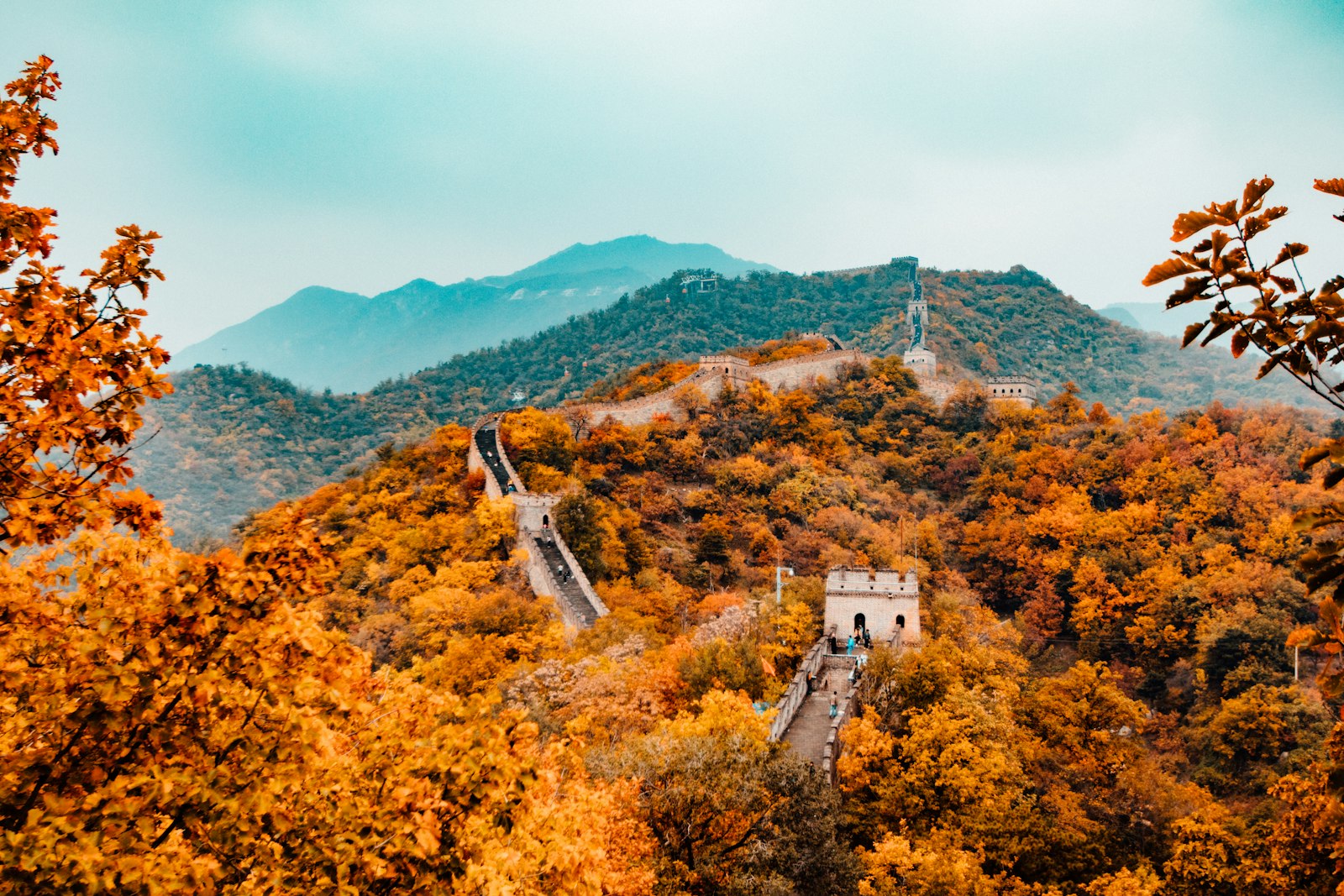
Top 10 Chinese Gardens: The Complete 2026 Guide
I was standing in the wrong place. The guidebook said the garden would be peaceful, but I was wedged between a tour group from Shenzhen and a family taking selfies with every single rock. The air smelled like sunscreen and instant noodles. I’d come to Suzhou expecting to find some kind of Zen enlightenment, and instead I was checking my phone for the nearest escape route.
Then I turned a corner. The crowd vanished. A stone bridge arched over a pond where lotus leaves floated like green plates. An old man sat alone on a bench, feeding crumbs to a single goldfish. The only sound was water dripping off a bamboo pipe into a stone basin. I stood there for ten minutes and didn’t move.
That’s the thing about Chinese gardens. They’re not parks. They’re not museums. They’re three-dimensional paintings you walk through—designed to make you forget the city roaring outside the walls. Some are world-famous and packed. Others are hidden in alleyways where the only visitors are locals playing chess.
This guide covers ten gardens I’ve visited across China. I’ve included the heavy hitters you can’t skip, but also a few quiet ones where you’ll actually hear yourself think. I’ll tell you which ones are worth the entrance fee, which ones to avoid on weekends, and exactly how to get there without ending up lost in a residential neighborhood (which I have done, more than once).
The Short Version
If you only have time for three: The Humble Administrator’s Garden in Suzhou is the masterpiece. The Summer Palace in Beijing gives you the most for your money—lake, hill, temples, all in one ticket. Yuyuan Garden in Shanghai is touristy but worth it for the neighborhood around it. Skip Lion Grove unless you really care about rocks. Go early. Bring water. Wear shoes you don’t mind getting dusty.
How I Picked These
I’ve lived in Beijing since 2019. I’ve taken the overnight train to Suzhou four times. I’ve spent a week in Hangzhou walking the same garden paths at different hours to see how the light changes. I’ve made friends with a ticket seller at the Summer Palace who lets me know when the tour buses clear out. I’ve paid too much for tea at a garden teahouse and regretted it. I’ve also sat in gardens for hours doing nothing but watching other tourists, which is how you learn which ones are actually designed for quiet contemplation and which ones are Instagram sets with entry fees.
I picked these ten based on three things: historical significance, current condition (some famous gardens are badly restored), and how they feel to actually be inside them. A garden can be 500 years old and still feel dead if it’s been turned into a photo studio. I avoided those.
Comparison Table
| Rank | Place | Best For | Approx Cost (USD) | Time Needed | When to Go |
|---|---|---|---|---|---|
| 1 | Humble Administrator’s Garden | Classic Suzhou garden experience | $10 (¥70) | 2-3 hours | Spring or autumn, weekday morning |
| 2 | Summer Palace | Grand imperial scale, lake views | $8 (¥55) | 3-4 hours | Late afternoon, avoid weekends |
| 3 | Lingering Garden | Intimate rock formations, fewer crowds | $7 (¥50) | 1.5-2 hours | Early morning, any season |
| 4 | Yuyuan Garden | Shanghai urban garden + market district | $5 (¥35) | 1-2 hours | Weekday, avoid Chinese holidays |
| 5 | Master of the Nets Garden | Smallest, most intimate, night tours | $6 (¥40) | 1 hour | Spring evening for night garden |
| 6 | West Lake (Ten Scenes) | Free, open-air, massive scale | Free | Half day | Autumn, early morning |
| 7 | Garden of Cultivation | Hidden local gem, almost no tourists | $2 (¥15) | 45 minutes | Any time, always quiet |
| 8 | Beihai Park | Beijing imperial garden, less crowded than Summer Palace | $3 (¥20) | 2 hours | Spring weekday |
| 9 | Mountain Resort of Chengde | Massive imperial retreat, very few foreign tourists | $10 (¥70) | Full day | Summer, early morning |
| 10 | Couple’s Retreat Garden | Romantic design, small and manageable | $5 (¥35) | 1 hour | Late afternoon before closing |
1. The Humble Administrator’s Garden — The One That Lives Up to the Hype
I walked in skeptical. Every guidebook calls this the best garden in China, and I’ve learned to distrust superlatives. But then I found myself standing on a small bridge looking at a pagoda reflected in perfectly still water, and I stopped moving for maybe five minutes. A dragonfly landed on a lotus leaf. A woman in a silk dress walked past carrying a paper umbrella. I forgot I was in a city of 12 million people.
This garden was built in 1509 by a Ming dynasty official who’d been fired from his government job. He named it “humble” as a joke—it covers 13 acres. The design is a masterclass in forced perspective. Every window frames a view. Every path bends to reveal something new. The water dominates everything, with buildings arranged around it like furniture around a table.
📍 Location: 178 Dongbei Street, Gusu District, Suzhou
🎫 Entry fee: $10 (¥70) peak season, $8 (¥55) off-season
🕐 Hours: 7:30 AM–5:30 PM (March–November), 7:30 AM–5:00 PM (December–February)
🚆 Getting there: Take Suzhou Metro Line 1 to Beisi Pagoda Station, Exit 4. Walk east 10 minutes. The entrance is on your left. Look for the white wall with black tiles.
⏰ Best time: Weekday morning at 7:30 AM when it opens. The tour buses arrive at 9 AM.
💡 Insider tips:
- Buy tickets online through the WeChat mini-program “苏州园林” at least one day ahead. Same-day tickets sell out by 10 AM in peak season.
- The teahouse inside the garden is overpriced ($6 for a cup of jasmine tea). Better to bring your own water.
- The garden connects to the Suzhou Museum next door (free, but book ahead). Do both in one morning.
- In March, the plum blossoms are spectacular. In November, the maple leaves turn red. Summer is hot and humid—bring a fan.
I met a retired calligraphy teacher named Mr. Chen who comes here every morning with a folding stool and a thermos of tea. He told me the garden is best at 6 AM, before it opens. He knows the security guard.
2. The Summer Palace — The One That Feels Like a Small Country
The first time I went to the Summer Palace, I walked for three hours and still hadn’t seen everything. That’s because it’s not a garden—it’s a 700-acre complex with a lake, a hill, a temple, a marble boat, and a covered corridor that stretches for half a mile. The scale is absurd. The Qing emperors built this as a summer retreat, and they clearly didn’t believe in modest vacations.
The centerpiece is Kunming Lake, which is man-made. Workers dug it by hand in the 18th century. From the top of Longevity Hill, you can see the whole thing laid out like a map. The design borrows from West Lake in Hangzhou—the emperors wanted to bring the south to Beijing.
📍 Location: 19 Xinjiangongmen Road, Haidian District, Beijing
🎫 Entry fee: $8 (¥55) for the park only. Add $4 (¥30) for the main buildings inside.
🕐 Hours: 6:30 AM–6:00 PM (April–October), 7:00 AM–5:00 PM (November–March)
🚆 Getting there: Take Beijing Metro Line 4 to Beigongmen Station, Exit D. Walk south 5 minutes. This is the North Gate entrance, which is less crowded than the East Gate.
⏰ Best time: Late afternoon, around 3 PM. The light on the lake is beautiful, and the tour groups thin out after 4 PM.
💡 Insider tips:
- The park is huge. Pick one section—the lake promenade or the hill—and don’t try to do both in one visit.
- The ferry across Kunming Lake costs $2 (¥15) and saves 45 minutes of walking. Worth it.
- Bring snacks. The food inside is terrible and expensive. There’s a convenience store outside the North Gate.
- In winter, the lake freezes and locals skate on it. You can rent skates for $5 (¥35).
- Skip the “Suzhou Street” section inside the park. It’s a fake shopping street that feels like a theme park.
I once saw a group of elderly Beijing women doing synchronized dance practice on the lakeside platform at 7 AM. They had matching red outfits and a portable speaker. The palace guards just watched and smiled.
3. The Lingering Garden — The One Where the Rocks Steal the Show
This garden has the best rock collection in Suzhou, and that’s saying something. The centerpiece is a single limestone boulder called “Cloud-Capped Peak” that’s 6 meters tall and full of holes. It looks like it fell from another planet. The Chinese aesthetic values rocks that are “thin, wrinkled, pierced, and translucent”—this one checks all four boxes.
The garden is smaller than the Humble Administrator’s but more intimate. The buildings are connected by covered walkways that wind around courtyards. Every time you think you’ve seen the whole thing, you turn a corner and find another hidden space with a different view of the same rock.
📍 Location: 338 Liuyuan Road, Gusu District, Suzhou
🎫 Entry fee: $7 (¥50)
🕐 Hours: 7:30 AM–5:30 PM (March–November), 7:30 AM–5:00 PM (December–February)
🚆 Getting there: Take Suzhou Metro Line 2 to Shantang Street Station, Exit 2. Walk south 10 minutes. The garden is near the entrance to Shantang Street.
⏰ Best time: Early morning on a weekday. The garden gets busy after 10 AM with tour groups.
💡 Insider tips:
- The peony garden in April is worth planning around. The flowers bloom for about two weeks.
- There’s a small teahouse in the back courtyard that’s quieter than the one in the Humble Administrator’s Garden. Tea costs $3 (¥20).
- The garden is connected to Shantang Street, an old canal district. Do both in one afternoon.
- Bring a translation app. The English signage is minimal.
I made the mistake of visiting during National Day holiday. The garden was so packed I couldn’t see the famous rock through the crowd of selfie sticks. Don’t do that.
4. Yuyuan Garden — The One in the Middle of a Shopping Frenzy
Yuyuan Garden sits in the middle of Shanghai’s most touristy neighborhood, surrounded by fake ancient buildings selling dumplings and tea sets. It’s loud, crowded, and smells like fried food. But the garden itself is real. Built in 1559, it’s a classic Ming dynasty design with pavilions, rockeries, and a famous zigzag bridge over a pond full of koi.
The contrast is what makes it worth visiting. You walk through chaos—scooters, street vendors, tourists taking photos with cartoon characters—and then you step through a gate into 400 years of silence. The garden walls block out the city noise. The only sounds are water and birds.
📍 Location: 218 Anren Street, Huangpu District, Shanghai
🎫 Entry fee: $5 (¥35) peak season, $4 (¥25) off-season
🕐 Hours: 8:30 AM–5:00 PM daily
🚆 Getting there: Take Shanghai Metro Line 10 or 14 to Yuyuan Station, Exit 1. Walk east 5 minutes through the bazaar. Follow the signs.
⏰ Best time: Weekday morning when it opens. The bazaar gets packed by noon.
💡 Insider tips:
- The bazaar around the garden is touristy but fun. Try the xiaolongbao (soup dumplings) at the original Nanxiang Steamed Bun Restaurant.
- The garden itself takes only 45 minutes to see. Don’t plan a half-day here.
- Visit the Huxinting Teahouse on the lake next door. It’s expensive ($15 for tea) but the view is iconic.
- Avoid Chinese holidays. The garden becomes a human traffic jam.
- The zigzag bridge is for luck—evil spirits can only travel in straight lines, supposedly.
I bought a “jade” bracelet from a vendor outside the garden for $20. It turned out to be plastic. The vendor just laughed when I figured it out. Fair enough.
5. Master of the Nets Garden — The One You Can See at Night
This is the smallest of Suzhou’s famous gardens, and my personal favorite. It’s only one acre. You can walk the entire thing in 20 minutes. But every square foot is perfectly designed. The garden feels like a private residence that happens to have a pond and a rock garden in the backyard.
The special thing here is the night tour. From April to October, they open the garden in the evening with lanterns and live performances—traditional music, opera, dancing. The garden looks completely different in low light. Shadows turn into shapes. Reflections double the space.
📍 Location: 11 Kuojiatou Lane, Daichengqiao Road, Gusu District, Suzhou
🎫 Entry fee: $6 (¥40) day, $15 (¥100) night tour
🕐 Hours: 7:30 AM–5:30 PM day, 7:30 PM–9:30 PM night (April–October only)
🚆 Getting there: Take Suzhou Metro Line 1 to Lindun Road Station, Exit 2. Walk south 10 minutes through narrow alleys. The entrance is easy to miss—look for the small sign on a white wall.
⏰ Best time: The night tour is the main draw. Go on a Tuesday or Wednesday evening for the smallest crowds.
💡 Insider tips:
- The night tour requires a separate ticket. Buy online in advance—they sell out on weekends.
- The performances are short (10 minutes each) and rotate through different spots in the garden.
- Bring mosquito repellent. The garden is near water and mosquitoes are aggressive at dusk.
- The garden is beautiful in the rain. The wet stones reflect the lantern light.
The night tour guide was a university student named Xiao Li who did the performance in her spare time. She played the guzheng (a Chinese zither) under a pavilion while the audience sat on stone benches in the dark.
6. West Lake (Ten Scenes) — The One That’s Actually Free
West Lake isn’t a garden in the traditional sense. It’s a 2,000-acre lake with gardens, temples, and pagodas scattered around its perimeter. The “Ten Scenes” are specific viewpoints that have been celebrated in poetry for a thousand years. “Melting Snow on Broken Bridge.” “Autumn Moon over Calm Lake.” These names sound like fortune cookie fortunes, but the views are real.
The best part is that you don’t pay to walk around the lake. The public pathways are free. You only pay for specific attractions like Leifeng Pagoda or the boat rides. This makes West Lake one of the most accessible places in China for budget travelers.
📍 Location: West Lake Scenic Area, Xihu District, Hangzhou
🎫 Entry fee: Free (lake area). Leifeng Pagoda: $6 (¥40). Boat rides: $5–10 (¥35–70).
🕐 Hours: Open 24 hours for the lake path. Attractions have their own hours.
🚆 Getting there: Take Hangzhou Metro Line 1 to Longxiangqiao Station, Exit C. Walk west 5 minutes to the lake.
⏰ Best time: Autumn (October–November) for clear skies and mild weather. Early morning (6–8 AM) for no crowds.
💡 Insider tips:
- Rent a bicycle. The lake loop is 10 km (6 miles). Bike rentals cost $2–3 per hour.
- The “Impression West Lake” night show is overpriced ($50) and touristy. Skip it.
- Visit the China National Tea Museum nearby (free) for a break from the crowds.
- The best view of the lake is from the top of Baoshi Hill, not Leifeng Pagoda.
- In spring, the peach blossoms along Su Causeway are incredible but crowded.
I watched a group of retired Hangzhou locals doing tai chi at 6 AM on the lake path. They moved so slowly that the herons on the shore didn’t even bother to fly away.
7. Garden of Cultivation — The One Nobody Told Me About
I found this garden by accident. I was walking through a residential neighborhood in Suzhou, lost, and I saw a small sign pointing down an alley. The entrance fee was $2. There were maybe five other visitors. The garden is tiny—maybe a quarter acre—but it’s perfectly preserved and completely silent.
This was originally a private garden for a Ming dynasty scholar. It’s not on most tourist itineraries. The buildings are simple, the pond is small, and there are no famous rocks or pagodas. But that’s exactly why it’s special. You can sit on a bench and hear the bamboo rustle. You can take photos without waiting for someone to move out of the frame.
📍 Location: 5 Wenya Lane, Canglang District, Suzhou
🎫 Entry fee: $2 (¥15)
🕐 Hours: 7:30 AM–5:00 PM daily
🚆 Getting there: Take Suzhou Metro Line 4 to San Yuan Fang Station, Exit 3. Walk north 15 minutes through residential streets. Google Maps works here.
⏰ Best time: Any time. It’s never crowded.
💡 Insider tips:
- The garden is near the Suzhou University campus. Combine it with a walk through the campus grounds.
- There’s no teahouse inside. Bring your own water.
- The English signage is minimal. Download a translation app before you go.
- This is a good place to visit on a rainy day. The covered walkways keep you dry.
The ticket seller was an elderly woman who was knitting when I arrived. She didn’t speak English, but she smiled and gestured for me to go in. I was the only visitor for the first hour.
8. Beihai Park — The One in Beijing That Tourists Forget
Everyone goes to the Summer Palace. Beihai Park is closer to the city center, cheaper, and less crowded. It was built in the 12th century—older than the Summer Palace—and it has a massive white dagoba (Tibetan-style stupa) on an island in the middle of a lake.
The park is a favorite among Beijing locals. In the morning, you’ll see people practicing calligraphy with water on the pavement, playing badminton, and singing opera in the pavilions. The atmosphere is relaxed. Nobody is rushing to see anything. They’re just here to enjoy the space.
📍 Location: 1 Wenjin Street, Xicheng District, Beijing
🎫 Entry fee: $3 (¥20) park only. Add $2 (¥15) for the island and dagoba.
🕐 Hours: 6:00 AM–9:00 PM (summer), 6:30 AM–8:00 PM (winter)
🚆 Getting there: Take Beijing Metro Line 6 to Beihai North Station, Exit B. Walk south 3 minutes to the South Gate.
⏰ Best time: Spring weekday morning. The park opens at 6 AM, and the first two hours are magical.
💡 Insider tips:
- The park connects to the hutongs (old alleyways) on the north side. Walk through the hutongs after your visit.
- The restaurant on the island is overpriced. Eat at a local noodle shop outside the park.
- In winter, the lake freezes and becomes a skating rink. Rentals are $4 (¥30).
- The best photo spot is from the Qiongdao Spring Yin Pavilion, looking back at the city skyline.
I saw an old man writing poetry on the ground with a giant brush dipped in water. His characters disappeared as the water evaporated. He said it was a metaphor for life.
9. Mountain Resort of Chengde — The One Worth the Train Ride
This is the emperor’s summer vacation home, built over 89 years during the Qing dynasty. It’s a 1,400-acre complex with a lake district, a prairie, and a mountain forest. The emperors wanted to bring the landscapes of southern China, Mongolia, and Tibet to one place. They succeeded.
The resort is in Chengde, a small city 230 km northeast of Beijing. It takes 2 hours by high-speed train. Most foreign tourists don’t make the trip, which means the resort is pleasantly empty compared to the Summer Palace. You can walk for an hour without seeing another tourist.
📍 Location: 6 Lishu Gully, Shuangqiao District, Chengde
🎫 Entry fee: $10 (¥70) for the resort. Add $6 (¥40) for the Eight Outer Temples nearby.
🕐 Hours: 8:00 AM–5:30 PM (summer), 8:00 AM–4:30 PM (winter)
🚆 Getting there: Take a high-speed train from Beijing Chaoyang Station to Chengde South Station (2 hours, $25/¥180). Then take bus 5 or a taxi (20 minutes, $3/¥20).
⏰ Best time: Summer (June–August) when the emperors used it. The resort is 10°C cooler than Beijing.
💡 Insider tips:
- The resort is huge. Take the shuttle bus ($2/¥15) to the mountain section.
- The Eight Outer Temples are worth a separate visit, especially the Putuo Zongcheng Temple (a smaller version of the Potala Palace).
- Bring a picnic. The food inside is limited.
- The best time is late afternoon when the light hits the golden roofs of the temples.
I met a French couple who had come to Chengde specifically to see the resort. They’d been traveling in China for three months and said this was their favorite place. I believed them.
10. Couple’s Retreat Garden — The One That Makes You Want to Fall in Love
The name sounds like a honeymoon resort, but it’s actually a small garden built by a retired official for his wife. The design is romantic—every element is paired. Two pavilions face each other across a pond. Two bridges cross the water. Even the trees are planted in pairs.
This garden is in Suzhou, near the Humble Administrator’s Garden, but it gets a fraction of the visitors. It’s small enough to see in an hour. The atmosphere is quiet and intimate. If you’re traveling with a partner, this is the garden to visit together. If you’re alone, it’s still beautiful—just slightly melancholy.
📍 Location: 9 Xiao Xinqiao Lane, Gusu District, Suzhou
🎫 Entry fee: $5 (¥35)
🕐 Hours: 7:30 AM–5:30 PM (March–November), 7:30 AM–5:00 PM (December–February)
🚆 Getting there: Take Suzhou Metro Line 1 to Lindun Road Station, Exit 4. Walk east 10 minutes. The entrance is on a small lane.
⏰ Best time: Late afternoon, an hour before closing. The light is golden and the crowds are gone.
💡 Insider tips:
- The garden is famous for its moon-viewing platform. Visit during the Mid-Autumn Festival (September/October) for the full moon.
- The “paired” design means you should take photos with symmetry in mind.
- There’s a small shop selling garden-themed souvenirs near the exit. The quality is better than the stuff at Yuyuan Bazaar.
- Combine this with the nearby Master of the Nets Garden. They’re a 10-minute walk apart.
I sat on a stone bench next to a couple from Shanghai who were taking their engagement photos. The photographer kept asking them to look at each other “like you mean it.” They were very patient.
FAQ
1. Do I need to book tickets in advance?
For the Humble Administrator’s Garden, Summer Palace, and Master of the Nets night tour, yes—especially in peak season (April–October, Chinese holidays). Use the WeChat mini-program “苏州园林” for Suzhou gardens or the official website for Beijing parks. Smaller gardens like the Garden of Cultivation don’t need advance booking.
2. How do I pay for tickets?
Most gardens accept WeChat Pay or Alipay. Some take cash at the ticket window. Credit cards are rarely accepted. Set up WeChat Pay before you arrive—it takes 15 minutes with a foreign passport and a Chinese SIM card.
3. Do I need a Chinese SIM card and VPN?
Yes. You need a Chinese SIM card for WeChat Pay and Google Maps (which works in China with a VPN). Buy a SIM at the airport or use an eSIM app like Airalo. For VPN, set it up before you leave home—it’s harder to download after you arrive. Astrill and ExpressVPN work well.
4. Is English spoken at these gardens?
At major gardens (Humble Administrator’s, Summer Palace, Yuyuan), the ticket offices have some English. Signage is often bilingual. At smaller gardens, expect minimal English. Download Pleco (translation app) and Google Translate with offline packs.
5. What’s the best time of year for garden visiting?
Spring (March–May) and autumn (September–November). Summer is hot and humid. Winter is cold but the gardens are empty. The plum blossoms bloom in February–March, the peonies in April, the lotus in July–August, and the maple leaves turn red in November.
6. Can I bring my children?
Yes, but be aware that Chinese gardens are not playgrounds. There’s running water, uneven stone paths, and delicate structures. Keep kids close. The Humble Administrator’s Garden and Summer Palace have the most space for children to move around.
7. How do I avoid the crowds?
Go early. The first hour after opening is the quietest. Avoid weekends and Chinese public holidays (National Day in October, Spring Festival in January/February, Labor Day in May). Visit smaller gardens like the Garden of Cultivation or Couple’s Retreat Garden if you want peace.
The Honest Wrap-Up
This list is for people who want to understand why Chinese gardens matter—not just check them off a list. If you’re the type who takes a photo and moves on, you’ll be fine with the Humble Administrator’s Garden and the Summer Palace. If you want to feel something, go to the Garden of Cultivation or the Master of the Nets at night.
The mistake most tourists make is trying to see too many gardens in one trip. Pick two or three. Spend real time in each one. Sit on a bench. Watch the light change. Listen to the water. The gardens were designed to be experienced slowly, and they punish rushing.
One final piece of advice: bring a notebook. I’ve filled three of them sitting in Chinese gardens. There’s something about the combination of stillness and beauty that makes you want to write things down. Or maybe that’s just me. Either way, you’ll remember more if you pause long enough to put words to what you’re seeing.
Topics
More Top 10 guides
Top 10 Beaches in China: The Complete 2026 Guide
From Hainan's tropical shores to Qingdao's colonial-era coastline, these are the 10 best beaches in China - with practical tips for foreign travelers.
12 min read
Top 10 Bridges in China: The Complete 2026 Guide
China's bridges are engineering marvels spanning mountains, rivers, and seas. Here are 10 of the most spectacular, from ancient stone to modern steel.
12 min read

Top 10 Buddhist Sites in China: The Complete 2026 Guide
From the Leshan Giant Buddha to the Dunhuang Caves, these 10 Buddhist sites represent 2,000 years of China's spiritual heritage.
12 min read