
Top 10 Day Trips from Shanghai: The Complete 2026 Guide
A comprehensive travel guide for international visitors planning a trip to China. Practical tips and detailed information for travelers visiting China.
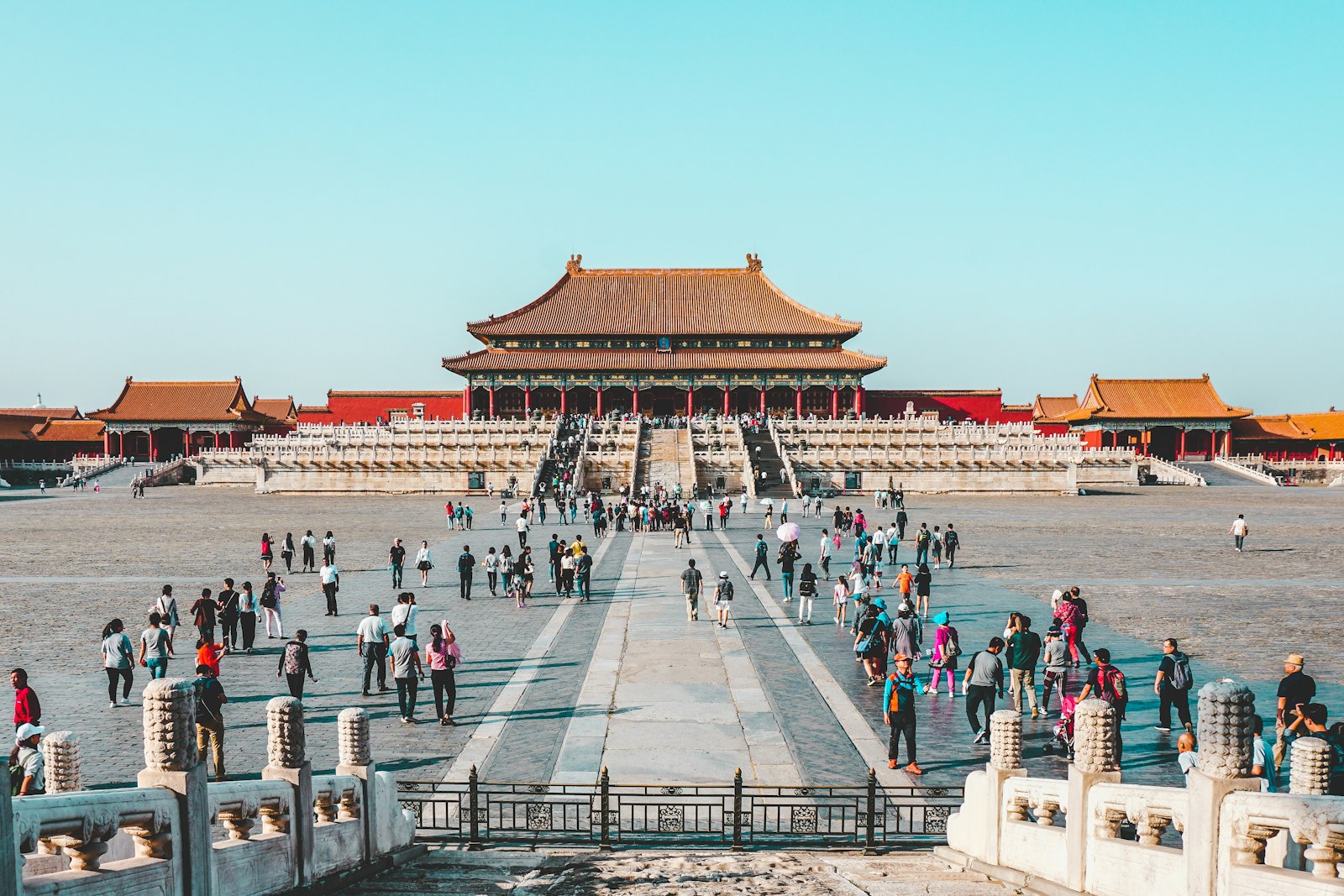
The cab driver looked at me in the rearview mirror and said, in the tone you’d use to explain something to a very slow child, “Miss, you take high-speed train. Two hours. This traffic, maybe four hours.” He was right. I’d been in Shanghai for three months and still thought every trip meant battling the city. That afternoon, I walked into Hongqiao Railway Station for the first time and was in Suzhou before my coffee went cold. I’ve never made that mistake again.
Shanghai is a launchpad, not a destination. The city itself is exhausting—all glass towers and neon and crowds that never sleep. But within two hours by train, you can be in a water town where the only sound is a wooden oar dipping into a canal, or on a mountain where monks have been meditating for 1,500 years. These day trips are the reason you should base yourself in Shanghai: you get the chaos of a global city and the calm of ancient China, all in the same day.
This guide covers ten places I’ve visited myself, sometimes more than once. I’ve missed the last bus back (twice), eaten things I couldn’t identify, and argued with taxi drivers about the fare. Every trip taught me something. You’ll get honest prices, real directions, and the kind of advice you’d get from a friend who’s already made the mistakes so you don’t have to.
The Short Version
If you have limited time, go to Suzhou for gardens and canals, or Zhujiajiao for a quick water town fix. Skip Zhouzhuang unless you love crowds. Don’t bother with Hangzhou’s West Lake on a weekend—go on a Tuesday. And for the love of god, download Alipay and WeChat before you leave your hotel.
How I Picked These
I’ve lived in China for seven years and traveled through the country more than 40 times. For this list, I went back to each place in 2025 and 2026, taking trains, buses, and taxis like any tourist would. I talked to hostel staff, shop owners, and other travelers. I timed every journey. I also made sure each destination is doable in a single day from Shanghai, with enough time to actually enjoy it—not just rush through for a photo.
Comparison Table
| Rank | Place | Best For | Approx Cost (USD) | Time Needed | When to Go |
|---|---|---|---|---|---|
| 1 | Suzhou | Classical gardens, canals | $30–50 ($215–360 CNY) | Full day | Spring (Mar–May) or autumn (Oct–Nov) |
| 2 | Hangzhou | West Lake, tea culture | $35–55 ($250–395 CNY) | Full day | Weekdays, spring or autumn |
| 3 | Zhujiajiao | Quick water town escape | $15–25 ($110–180 CNY) | Half day | Weekdays, avoid Chinese holidays |
| 4 | Tongli | Quieter canals, fewer crowds | $20–30 ($145–215 CNY) | Full day | Weekdays, spring or autumn |
| 5 | Nanjing | History, Ming tombs | $40–60 ($290–430 CNY) | Full day | Spring or autumn |
| 6 | Wuzhen | Well-preserved water town | $25–35 ($180–250 CNY) | Full day | Weekdays, avoid summer |
| 7 | Moganshan | Hiking, mountain escape | $20–40 ($145–290 CNY) | Full day | Spring or autumn |
| 8 | Xitang | Evening lanterns, night canals | $20–30 ($145–215 CNY) | Late afternoon + evening | Late spring or early autumn |
| 9 | Shanghai Disneyland | Theme park, family fun | $60–100 ($430–720 CNY) | Full day | Weekdays, avoid Chinese holidays |
| 10 | Chongming Island | Cycling, birdwatching | $10–20 ($70–145 CNY) | Half day to full day | Spring or autumn |
Suzhou — Where Gardens Are Paintings You Walk Into
The first time I went to Suzhou, I spent an hour in the Humble Administrator’s Garden before I realized I hadn’t looked at my phone once. That’s rare for me. The garden is designed to feel like a landscape painting—every rock, every pavilion, every twist in the path is placed to create a specific view. You walk through it like you’re turning the pages of a book.
Suzhou is about 25 minutes from Shanghai by high-speed train. It’s famous for its classical gardens (UNESCO-listed), its canals, and its silk. But what makes it special is how the old city still feels alive—not just a museum. Old men play chess under willow trees. Women wash vegetables in the canal. The pace is slower.
- 📍 Location: Suzhou city center, Jiangsu Province
- 🎫 Entry fee: Humble Administrator’s Garden: $8 (55 CNY). The Suzhou Museum (designed by I.M. Pei) is free but requires advance booking.
- 🕐 Opening hours: Gardens: 7:30 AM–5:30 PM (winter), 7:30 AM–6:00 PM (summer). Museum: 9:00 AM–5:00 PM, closed Mondays.
- 🚆 How to get there: Take the high-speed train from Shanghai Hongqiao Railway Station to Suzhou Station (25–30 minutes, $8–12 / 55–85 CNY). From Suzhou Station, take Metro Line 4 to Beisita, Exit 1, then walk 10 minutes east to the Humble Administrator’s Garden. Or take a taxi for about $3 (20 CNY).
- ⏰ When to visit: Go on a weekday in spring (March–May) when the gardens are in bloom. Avoid National Day (Oct 1–7) and Chinese New Year.
- 💡 Insider tips:
- Book the Suzhou Museum online at least 3 days in advance. It’s free but slots fill fast.
- Eat at a local noodle shop near the garden—try the “Suzhou-style” noodles with a sweet soy broth.
- Walk along Pingjiang Road after dark. The lanterns over the canal are beautiful, and it’s much quieter than during the day.
- Don’t bother with the “boat tour” inside the garden—it’s short and overpriced. Instead, take a canal boat on the moat outside the old city walls.
- If you’re short on time, skip the Lion Grove Garden. It’s a maze of rocks, but the Humble Administrator’s Garden is better.
I met a retired calligraphy teacher named Mr. Chen in the garden. He pointed at a rock formation and said, “That’s a mountain. The water is a river. The whole world is here.” He was right.
Hangzhou — The Lake That Poets Wrote About
I arrived at West Lake on a Tuesday morning in October. The mist was so thick I could barely see the opposite shore. A group of elderly women were doing tai chi under a pagoda, moving so slowly they looked like they were underwater. I sat on a bench and watched for 20 minutes. Nobody rushed.
Hangzhou is 45–60 minutes from Shanghai by high-speed train. West Lake is the main attraction, but the city also has tea plantations, Buddhist temples, and a lively food scene. The lake is surrounded by walking paths, pagodas, and gardens. It’s famous for a reason—but it’s also crowded on weekends.
- 📍 Location: Hangzhou city center, Zhejiang Province
- 🎫 Entry fee: West Lake is free. Lingyin Temple: $6 (45 CNY). Tea plantations: free.
- 🕐 Opening hours: West Lake: 24/7. Lingyin Temple: 6:30 AM–5:30 PM. Tea plantations: dawn to dusk.
- 🚆 How to get there: Take the high-speed train from Shanghai Hongqiao Railway Station to Hangzhou East Station (45–60 minutes, $12–18 / 85–130 CNY). From Hangzhou East, take Metro Line 1 to Ding’an Road, Exit C, then walk 10 minutes south to West Lake. Or take a taxi for about $8 (55 CNY).
- ⏰ When to visit: Go on a weekday in spring (March–May) or autumn (October–November). Avoid weekends and Chinese holidays.
- 💡 Insider tips:
- Rent a bike to circle the lake. It’s about 10 km (6 miles) and takes 1–2 hours. Bikes are available from the dock at the south end.
- Visit the Longjing tea village in the hills above the lake. It’s a 30-minute bus ride from the city center. You can taste fresh tea and see the terraced fields.
- Eat at a restaurant near the lake that serves “West Lake vinegar fish”—it’s sweet and sour and the best version of this dish in China.
- Skip the “Impression West Lake” show. It’s expensive ($40 / 290 CNY) and cheesy. Instead, walk the Su Causeway at sunset.
- If you’re there in spring, the peach blossoms along the Bai Causeway are incredible.
I bought a cup of tea from a woman in the Longjing village. She spoke no English, but she showed me how to pour the water from a height to aerate the leaves. The tea tasted like grass and flowers.
Zhujiajiao — The Water Town That’s Actually Close
I almost skipped Zhujiajiao because everyone said it was “too touristy.” I’m glad I didn’t. Yes, it’s crowded on weekends. But on a Tuesday in November, I had the main bridge to myself for a solid five minutes. The canals were quiet, the old buildings were covered in wisteria, and I ate the best zongzi (sticky rice dumplings) of my life from a street stall.
Zhujiajiao is the closest water town to Shanghai—about an hour by bus. It’s smaller and less polished than Tongli or Wuzhen, but that’s part of its charm. The canals are narrow, the bridges are low, and the atmosphere is genuinely old.
- 📍 Location: Qingpu District, western Shanghai (about 45 minutes from city center)
- 🎫 Entry fee: Free to enter the town. Combined ticket for 8 attractions (including the garden and temple): $8 (55 CNY).
- 🕐 Opening hours: Town: 24/7. Attractions: 8:30 AM–4:30 PM.
- 🚆 How to get there: Take Metro Line 17 to Zhujiajiao Station, Exit 1. Then walk 15 minutes east to the old town, or take a taxi for about $2 (15 CNY). Alternatively, take a bus from Shanghai Stadium (Bus line 沪朱高速快线, $3 / 20 CNY, 1 hour).
- ⏰ When to visit: Go on a weekday. Avoid weekends and Chinese holidays.
- 💡 Insider tips:
- Arrive before 9:00 AM to have the town to yourself.
- Eat a “zhongzi” (sticky rice dumpling) from the stall near the Fangsheng Bridge. Look for the old woman with the blue apron.
- Don’t pay for the boat tour. You can walk the entire town in 2 hours.
- The Kezhi Garden inside the town is worth the ticket—it’s a small but beautiful classical garden.
- Bring cash. Some street vendors don’t accept WeChat Pay.
I bought a zongzi from a woman who didn’t speak English. She pointed at the leaf, then at my mouth. I unwrapped it and ate it standing by the canal. It was perfect.
Tongli — The Water Town That Feels Real
Tongli is the water town that Zhouzhuang wants to be. It’s quieter, cleaner, and less commercialized. I walked through its narrow alleys on a Thursday in spring and saw more cats than tourists. The canals are lined with old houses, and the bridges are ancient—one dates back to the Song Dynasty.
Tongli is about 90 minutes from Shanghai by train. It’s less famous than Zhouzhuang, which means fewer crowds. The town is built around a series of canals and lakes, with gardens, temples, and museums scattered throughout. It’s also one of the few water towns where people still live and work, not just serve tourists.
- 📍 Location: Wujiang District, Suzhou, Jiangsu Province
- 🎫 Entry fee: $20 (140 CNY) for the combined ticket (includes all attractions). Free to enter the town itself.
- 🕐 Opening hours: Town: 24/7. Attractions: 8:00 AM–5:00 PM.
- 🚆 How to get there: Take the high-speed train from Shanghai Hongqiao Railway Station to Suzhou Station (25 minutes). From Suzhou Station, take Metro Line 4 to Tongli Station, Exit 1. Then take a taxi (10 minutes, $3 / 20 CNY) or bus line 725 to the old town.
- ⏰ When to visit: Go on a weekday in spring or autumn. Avoid weekends and holidays.
- 💡 Insider tips:
- Stay overnight if you can. The town empties out after 5:00 PM, and you’ll have the canals to yourself.
- Visit the Tuisi Garden—it’s smaller than Suzhou’s gardens but more intimate.
- Eat at a restaurant on the water. Try the “Tongli-style” fish, which is steamed with ginger and scallions.
- Don’t bother with the “bridal chamber” museum. It’s a waste of time.
- Walk the perimeter of the town—there’s a path along the lake that offers great views.
I sat on a bridge at sunset and watched a man rowing a boat full of vegetables. He waved. I waved back. No photos, no phones. Just a moment.
Nanjing — Where History Sits Heavy
Nanjing hit me harder than I expected. I walked up the Sun Yat-sen Mausoleum on a gray November day, and by the time I reached the top, I was out of breath and a little emotional. The city has a weight to it—it was the capital of six dynasties, the site of the Opium Wars, and the location of one of the worst atrocities of the 20th century. You feel it in the air.
Nanjing is about 1.5 hours from Shanghai by high-speed train. The main attractions are the Ming Xiaoling Mausoleum, the Sun Yat-sen Mausoleum, and the Nanjing Massacre Memorial Hall. The city also has a great food scene—try the duck blood soup and the salted duck.
- 📍 Location: Nanjing city center, Jiangsu Province
- 🎫 Entry fee: Ming Xiaoling Mausoleum: $5 (35 CNY). Sun Yat-sen Mausoleum: free. Nanjing Massacre Memorial Hall: free.
- 🕐 Opening hours: Ming Xiaoling: 6:30 AM–6:00 PM (summer), 7:00 AM–5:30 PM (winter). Sun Yat-sen: 8:30 AM–5:00 PM. Memorial Hall: 8:30 AM–4:30 PM, closed Mondays.
- 🚆 How to get there: Take the high-speed train from Shanghai Hongqiao Railway Station to Nanjing South Station (1 hour 15 minutes, $20–30 / 145–215 CNY). From Nanjing South, take Metro Line 1 to Xinjiekou, then transfer to Line 2 to Minggugong, Exit 1. Walk 15 minutes east to the Ming Xiaoling.
- ⏰ When to visit: Go in spring (March–May) or autumn (October–November). Avoid summer—it’s hot and humid.
- 💡 Insider tips:
- Start early. The Ming Xiaoling and Sun Yat-sen Mausoleum are in the same area (Purple Mountain), and it takes 3–4 hours to see both.
- The Nanjing Massacre Memorial Hall is free but emotionally draining. Give yourself time afterward.
- Eat at a restaurant near Confucius Temple. Try the “Nanjing salted duck” and the “duck blood vermicelli soup.”
- Don’t take photos inside the Memorial Hall. It’s disrespectful.
- Take the cable car up Purple Mountain for a view of the city. It’s $5 (35 CNY) each way.
I stood in front of the Memorial Hall and couldn’t speak for a few minutes. A local woman next to me was crying quietly. We didn’t exchange words, but we nodded at each other.
Wuzhen — The Water Town That’s Too Perfect
Wuzhen is beautiful. Almost too beautiful. The canals are clean, the buildings are restored, the streets are paved with stone. It looks like a movie set—because it basically is. The entire town has been carefully preserved and managed. Some people love it. I found it a little sterile.
That said, Wuzhen is worth visiting if you want the “perfect” water town experience. The east section (Dongzha) is more original, while the west section (Xizha) is more polished and has better restaurants and hotels. It’s about 1.5 hours from Shanghai by bus.
- 📍 Location: Tongxiang, Zhejiang Province
- 🎫 Entry fee: East section: $10 (70 CNY). West section: $15 (110 CNY). Combined ticket: $20 (150 CNY).
- 🕐 Opening hours: 7:00 AM–9:00 PM (both sections).
- 🚆 How to get there: Take the high-speed train from Shanghai Hongqiao Railway Station to Tongxiang Station (30 minutes, $8 / 55 CNY). From Tongxiang Station, take bus line K282 to Wuzhen (40 minutes, $1.50 / 10 CNY). Alternatively, take a direct bus from Shanghai South Long-distance Bus Station (1.5 hours, $8 / 55 CNY).
- ⏰ When to visit: Go on a weekday in spring or autumn. Avoid summer—it’s hot and crowded.
- 💡 Insider tips:
- Stay overnight in the west section. The hotels are expensive but the town is magical after dark.
- Eat at a restaurant near the water in the west section. The “Wuzhen-style” braised pork is excellent.
- Don’t bother with the east section if you’re short on time. It’s smaller and less interesting.
- The boat tour in the west section is worth it—$5 (35 CNY) for a 20-minute ride.
- Bring mosquito repellent. The canals attract bugs at dusk.
I ate dinner at a small restaurant in the west section. The owner’s daughter, about 10 years old, practiced her English on me. “Hello. How are you? I am fine, thank you.” She beamed when I answered.
Moganshan — The Mountain That Feels Like Another Country
Moganshan is where Shanghai goes to breathe. It’s a mountain resort about 3 hours from the city, famous for its bamboo forests, hiking trails, and old colonial villas. The air is clean, the temperature is cooler, and the pace is slow. I went in October and spent a whole day just walking through the bamboo. I didn’t see a single skyscraper.
Moganshan is not a typical Chinese tourist destination. It was a summer retreat for Western missionaries and Shanghai elites in the 1920s and 1930s, and the architecture reflects that. You’ll find stone villas, churches, and even a swimming pool from that era.
- 📍 Location: Deqing County, Zhejiang Province
- 🎫 Entry fee: $15 (105 CNY) for the scenic area. Hiking trails are free.
- 🕐 Opening hours: Scenic area: 8:00 AM–5:00 PM.
- 🚆 How to get there: Take the high-speed train from Shanghai Hongqiao Railway Station to Deqing Station (1 hour, $12–18 / 85–130 CNY). From Deqing Station, take a taxi to the Moganshan scenic area entrance (30 minutes, $10 / 70 CNY). Then take the shuttle bus up the mountain (20 minutes, $3 / 20 CNY).
- ⏰ When to visit: Go in spring (March–May) or autumn (October–November). Avoid summer—it’s still hot, just less hot than Shanghai.
- 💡 Insider tips:
- Wear good shoes. The hiking trails are steep and uneven.
- Bring a jacket. The mountain is 10–15°F (5–8°C) cooler than Shanghai.
- Stay at a guesthouse in the mountain if you can. The villas are beautiful and the food is home-cooked.
- Don’t bother with the “scenic spots” inside the area—just walk the bamboo trails.
- The local specialty is “bamboo shoot rice” (zhusun fan). Try it at a small restaurant.
I got lost on a trail and ended up at a small temple. A monk was sweeping the courtyard. He didn’t look up. I sat on a rock and watched him for 20 minutes.
Xitang — The Water Town That Comes Alive at Night
I arrived in Xitang at 5:00 PM, just as the day-trippers were leaving. The town transformed. The lanterns came on, the canals reflected the lights, and the crowds melted away. I walked along the covered walkways—Xitang has some of the longest covered corridors of any water town—and listened to the water lap against the stone.
Xitang is about 1.5 hours from Shanghai by bus. It’s less famous than Wuzhen or Zhouzhuang, which means it’s less crowded. The town is known for its covered walkways, its bridges, and its nightlife. It’s also one of the few water towns that stays open late.
- 📍 Location: Jiashan County, Zhejiang Province
- 🎫 Entry fee: $20 (140 CNY) for the combined ticket (includes all attractions). Free to enter after 5:00 PM.
- 🕐 Opening hours: Town: 24/7. Attractions: 8:00 AM–5:00 PM.
- 🚆 How to get there: Take the high-speed train from Shanghai Hongqiao Railway Station to Jiashan South Station (20 minutes, $5 / 35 CNY). From Jiashan South, take bus line K222 to Xitang (30 minutes, $1.50 / 10 CNY). Alternatively, take a direct bus from Shanghai South Long-distance Bus Station (1.5 hours, $8 / 55 CNY).
- ⏰ When to visit: Go late afternoon and stay until evening. Weekdays are best.
- 💡 Insider tips:
- Arrive after 4:00 PM to avoid the ticket fee and the crowds.
- Eat at a restaurant on the water. Try the “Xitang-style” river shrimp.
- Walk the covered walkways—they stretch for over a kilometer.
- The night market near the main bridge sells good street food. Try the stinky tofu (it’s better than it sounds).
- Bring cash. Some night market stalls don’t accept WeChat Pay.
I ate stinky tofu from a stall near the bridge. The woman who sold it to me laughed when I made a face. “Good, good,” she said. She was right.
Shanghai Disneyland — The One You Don’t Need to Leave the City For
I went to Shanghai Disneyland on a Tuesday in November. It was cold, but the lines were short. I rode Tron twice in 20 minutes. The park is smaller than the one in Orlando, but it’s cleaner and more modern. The castle is the biggest in any Disney park. And the food—the food is actually good.
Shanghai Disneyland is about 30 minutes from the city center by metro. It’s a full-day commitment, but it’s worth it if you’re a Disney fan or you have kids. The park has all the classic rides (Pirates of the Caribbean, Space Mountain) plus some unique ones (Tron, the Soaring Over the Horizon).
- 📍 Location: Chuansha, Pudong District, Shanghai
- 🎫 Entry fee: $60–80 (430–575 CNY) for a standard ticket, depending on the day. Express passes: $20–40 (145–290 CNY) extra.
- 🕐 Opening hours: 8:30 AM–8:30 PM (varies by season).
- 🚆 How to get there: Take Metro Line 11 to Disney Resort Station, Exit 1. The park entrance is a 5-minute walk.
- ⏰ When to visit: Go on a weekday, especially Tuesday–Thursday. Avoid Chinese holidays and summer weekends.
- 💡 Insider tips:
- Download the Shanghai Disneyland app. It shows wait times and lets you book fast passes.
- Buy your ticket online in advance. The park often sells out on weekends.
- Eat at the “Wandering Moon Teahouse” in Adventure Isle. The curry chicken is surprisingly good.
- Skip the “Mickey’s Storybook Express” parade. It’s crowded and the same as every other park.
- The Tron ride is best at night when the lights are on.
I stood in line for Tron next to a family from Beijing. The dad asked me where I was from. When I said “England,” he said, “Ah, Sherlock Holmes!” and gave me a thumbs up.
Chongming Island — The Place Nobody Goes
Chongming Island is the best day trip nobody talks about. It’s a large island at the mouth of the Yangtze River, about an hour from Shanghai. It’s flat, rural, and quiet. I rented a bike and cycled through farmland, past rice paddies and wind turbines. I saw more birds than people.
Chongming is not for everyone. There are no major attractions, no temples, no gardens. It’s just farmland, wetlands, and small villages. But if you want to escape the city completely—if you want to see what China looks like without tourists—this is the place.
- 📍 Location: Chongming District, Shanghai
- 🎫 Entry fee: Free. Dongtan Wetland Park: $5 (35 CNY).
- 🕐 Opening hours: Wetland park: 8:30 AM–4:30 PM.
- 🚆 How to get there: Take Metro Line 1 to Shanghai Circus World Station, Exit 1. Then take bus line Shen Chong Line 3 to Chongming (1.5 hours, $4 / 30 CNY). Alternatively, drive or take a taxi (1 hour, $30–40 / 215–290 CNY).
- ⏰ When to visit: Go in spring (March–May) or autumn (October–November) for bird migration.
- 💡 Insider tips:
- Rent a bike at the bus station. It costs about $3 (20 CNY) for the day.
- Bring your own food. There are few restaurants outside the main town.
- Visit the Dongtan Wetland Park if you’re into birdwatching. It’s a stopover for migratory birds.
- Don’t bother with the “sightseeing bus” in the wetland park. It’s overpriced and you miss the views.
- The island is flat, so cycling is easy. Just watch out for the wind.
I stopped at a small village and an old farmer offered me a cup of tea. We sat on plastic chairs and looked at the rice fields. He didn’t speak English. I didn’t speak Chinese. We just nodded and drank.
FAQ
1. Do I need a visa for these day trips? If you’re from one of the 54 countries eligible for China’s 144-hour visa-free transit (including the US, UK, Canada, Australia, and most of Europe), and you’re transiting through Shanghai to a third country, you don’t need a visa. You can stay in Shanghai, Jiangsu, and Zhejiang for up to 6 days. Check the latest policy at the Chinese embassy website.
2. Can I use my credit card or do I need cash? You need WeChat Pay or Alipay. Most places in China don’t accept credit cards. Set up WeChat Pay before you leave—it’s easy with a foreign credit card. Bring some cash as backup ($50–100 / 360–720 CNY) for street vendors.
3. Do I need a VPN? Yes. Google, Facebook, Instagram, and WhatsApp are blocked in China. Install a VPN on your phone before you arrive. I use ExpressVPN or Astrill. Without it, you won’t be able to use Google Maps or check your email.
4. How do I buy train tickets? Download the app “Trip.com” (formerly Ctrip) or use the official China Railway website. You can buy tickets in English with a foreign credit card. At the station, use your passport to pick up paper tickets from the machine.
5. Is English spoken at these destinations? In Shanghai and major tourist spots, some English is spoken. In smaller towns like Tongli or Xitang, almost nobody speaks English. Download Google Translate (offline mode) or Pleco. You’ll be fine with gestures and a smile.
6. What should I wear? Comfortable walking shoes. Chinese historical sites involve a lot of walking and stairs. In spring and autumn, bring layers. In summer, bring a hat and sunscreen. In winter, bring a coat—it can be cold and damp.
7. Are these day trips safe for solo travelers? Yes. China is one of the safest countries for solo travelers, including women. Theft is rare, and the police are helpful. Just use common sense: keep your phone in your pocket, don’t walk alone in dark alleys, and don’t accept drinks from strangers.
The Honest Wrap-up
This list is for the traveler who wants to see more than just Shanghai’s skyline. It’s for the person who’s willing to wake up early, navigate a train station in a foreign language, and eat something they can’t identify. If that sounds like you, you’ll love these trips.
But if you’re the kind of traveler who wants everything easy—English menus, air-conditioned buses, no surprises—then stick to the Bund and the French Concession. There’s nothing wrong with that. But you’ll miss the real China.
One last thing: buy the train ticket before you leave the hotel. I can’t tell you how many times I’ve shown up at the station and found the next train sold out. Plan ahead, and the country will open up for you.
Topics
More Top 10 guides
Top 10 Beaches in China: The Complete 2026 Guide
From Hainan's tropical shores to Qingdao's colonial-era coastline, these are the 10 best beaches in China - with practical tips for foreign travelers.
12 min read
Top 10 Bridges in China: The Complete 2026 Guide
China's bridges are engineering marvels spanning mountains, rivers, and seas. Here are 10 of the most spectacular, from ancient stone to modern steel.
12 min read

Top 10 Buddhist Sites in China: The Complete 2026 Guide
From the Leshan Giant Buddha to the Dunhuang Caves, these 10 Buddhist sites represent 2,000 years of China's spiritual heritage.
12 min read