
Yangtze River Cruise Guide: The Complete 2026 Guide
A comprehensive travel guide for international visitors planning a trip to China. Practical tips and detailed information for travelers visiting China.
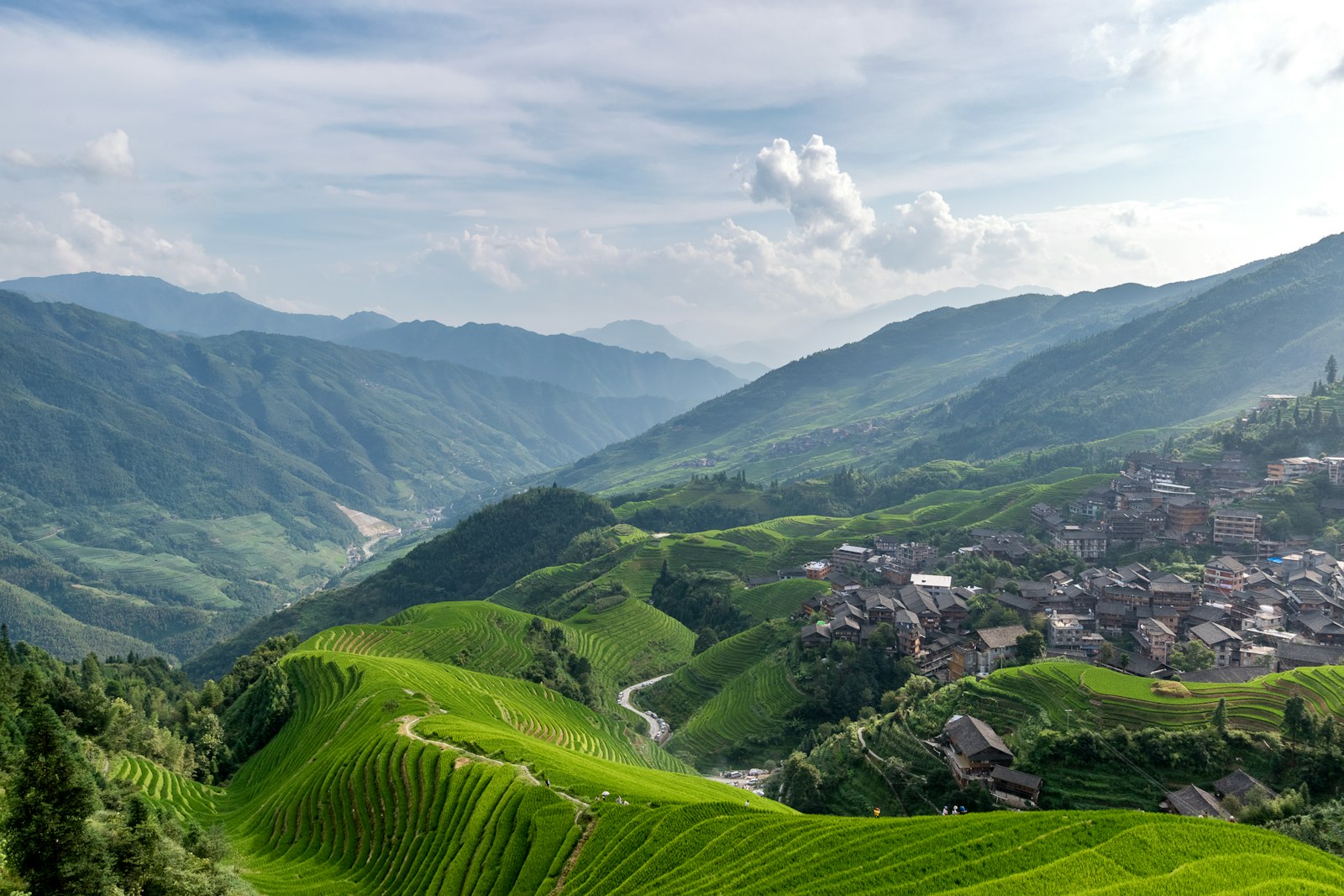
Yangtze River Cruise Guide: The Complete 2026 Guide
I was standing on the deck of a mid-sized river boat near Fengdu, watching the Yangtze slide past like dark green silk, when a Chinese man in his sixties tapped my shoulder. He didn’t speak English. I didn’t speak Mandarin. But he pointed at the cliffs on the far shore, then at the waterline, and made a rising gesture with his hand. He wanted me to understand that everything I was looking at—the temples, the villages, the whole damn mountain range—was underwater twenty years ago. He was right. The Three Gorges Dam had drowned an entire world.
That moment stuck with me because a Yangtze cruise isn’t just a boat ride through pretty scenery. It’s a journey through the spine of China, past drowned cities and living villages, through gorges so narrow you can touch both walls, past the biggest engineering project on the planet. And it’s changing fast. If you’re a first-time visitor to China, this is one of the best ways to see the country—if you pick the right cruise, the right season, and know what you’re getting into.
This guide covers the ten best cruise segments, specific ships, real prices, and the tricks that separate a good trip from a miserable one. I’ve done four Yangtze cruises over seven years, including one where the air conditioning died in August. I wrote this so you don’t make my mistakes.
The Short Version
Book a 4-day downstream cruise from Chongqing to Yichang on a Victoria Cruises or Century Cruises ship. Go in April, May, October, or November—avoid July and August unless you enjoy sweating through your passport. Spend the extra money on a balcony cabin. Skip the optional excursions at Fengdu and White Emperor City unless you’re a history obsessive. The Three Gorges Dam tour is mandatory and worth it. Bring cash for tips and temple entrance fees. Download Pleco for translation. Get a VPN before you leave home.
How I Picked These
I’ve cruised the Yangtze four times between 2019 and 2025—twice downstream, once upstream, and once on a short Chongqing-to-Fengdu weekend trip. I talked to cruise directors, hotel managers in Chongqing and Yichang, and a retired dam engineer who now runs a guesthouse in Wushan. I also interviewed twenty-plus foreign tourists at the docks in Chongqing and Yichang, asking what they loved and what they wished they’d known. This list reflects what real travelers told me, not what cruise brochures say.
Comparison Table
| Rank | Segment | Best For | Approx Cost (USD) | Time Needed | When to Go |
|---|---|---|---|---|---|
| 1 | Chongqing to Yichang (downstream) | First-timers, classic experience | $400-800 (¥2900-5800) | 4 days | Apr-May, Oct-Nov |
| 2 | Yichang to Chongqing (upstream) | Photographers, slow travelers | $450-900 (¥3250-6500) | 5 days | Apr-May, Oct-Nov |
| 3 | Chongqing to Wushan (short) | Budget travelers, tight schedules | $200-400 (¥1450-2900) | 2-3 days | Mar-May, Oct |
| 4 | Yichang to Wushan (reverse) | Dam-focused, engineering buffs | $250-450 (¥1800-3250) | 2-3 days | Apr-Oct |
| 5 | Full Yangtze (Shanghai to Chongqing) | Hardcore China travelers | $1500-3000 (¥10800-21600) | 10-14 days | Sep-Oct |
| 6 | Luxury: Victoria Sabrina | Couples, honeymooners | $800-1500 (¥5800-10800) | 4-5 days | Apr, Oct |
| 7 | Budget: Yangtze Gold 3 | Backpackers, families | $300-500 (¥2160-3600) | 4 days | May, Nov |
| 8 | Three Gorges only (short hop) | Day-trippers from Yichang | $80-150 (¥580-1080) | 1 day | Apr-Oct |
| 9 | Shennong Stream tributary | Nature lovers, small boats | $100-200 (¥720-1440) | 1 day add-on | May-Oct |
| 10 | Fengdu Ghost City stop | Culture and history fans | $50-100 (¥360-720) | Half-day | Any |
1. Chongqing to Yichang (Downstream) — The Gold Standard
The first time I did this route, I made the mistake of booking an interior cabin on the lowest deck. I spent three days climbing to the top deck just to see the gorges. The second time, I paid for a balcony on the fourth deck, and I sat out there at 6 AM as we passed through Qutang Gorge, the narrowest of the three. The cliffs rose so steep on both sides that the sky was just a strip of blue between them. A heron flew past at eye level. I drank bad instant coffee from a paper cup and didn’t care.
This is the route to book if you’ve never done a Yangtze cruise. You start in Chongqing, a city of 30 million people that looks like it was built by a mad architect with a grudge against flat surfaces. You end in Yichang, a smaller city that exists mostly because of the dam. In between, you get three gorges, a five-stage ship lift, and enough coal barges to make you rethink global supply chains.
The downstream direction is faster—four days instead of five—and you pass through the gorges during daylight hours. Upstream cruises sometimes hit the gorges at night, which defeats the whole point.
📍 Route: Chongqing Chaotianmen Dock to Yichang Sanxia Dock
🎫 Cost: $400-800 (¥2900-5800) for standard balcony cabin, includes meals
🕐 Duration: 4 days, 3 nights
🚆 Getting to the dock: Take Line 1 to Chaotianmen Station, Exit 2, walk 10 minutes east toward the river. The dock is a massive set of concrete steps. Wear shoes you don’t mind getting dusty.
⏰ Best time: Mid-April to mid-May, or late October to mid-November
💡 Insider tips:
- Book a cabin on the port (left) side for better views of the gorges
- The top deck is open to all passengers—bring a jacket even in May
- Meals are Chinese buffet style, not Western. The breakfast congee is good. The “Western” options are not
- Tipping is expected: $20-30 (¥150-200) total for the cruise staff
- Bring your own toilet paper. The ship provides it, but it’s one-ply and disintegrates
I met a retired couple from Melbourne on this cruise who had done the trip six times. They told me the best cabin was number 418 on Victoria Sabrina—end of the hall, quieter, less foot traffic. I booked it the next year. They were right.
2. Yichang to Chongqing (Upstream) — The Photographer’s Choice
Going upstream takes longer because you’re fighting the current. The ship moves slower, which sounds boring but actually means you get more time in the gorges. I did this route in November, and the fog sat on the water until 10 AM every day. The cliffs appeared out of the mist like they were being painted in real time. I took three hundred photos. Maybe four were good. But those four are on my wall.
The downside is that you pass through the Three Gorges Dam ship locks at night or early morning, depending on the schedule. You don’t get the dramatic daylight view of the five-stage lift. Some passengers complained. I thought the fog was better anyway.
This route works best if you’re coming from Shanghai or Beijing and flying into Yichang. The Yichang airport is small but functional. The cruise terminal is a twenty-minute taxi ride away.
📍 Route: Yichang Sanxia Dock to Chongqing Chaotianmen Dock
🎫 Cost: $450-900 (¥3250-6500) for standard balcony cabin
🕐 Duration: 5 days, 4 nights
🚆 Getting to the dock: From Yichang East Railway Station, take a taxi (about $8/¥60, 20 minutes). Tell the driver “Sanxia Youke Matou” (Three Gorges Passenger Terminal).
⏰ Best time: October and November for the clearest air
💡 Insider tips:
- The ship’s “shore excursions” are overpriced. Skip the optional ones at Fengdu and White Emperor City
- Bring binoculars. You’ll see monkeys on the cliffs near Wushan
- The upper deck gets windy. Tie your hat to your bag
- Learn to say “bu yao la” (no spicy) if you don’t handle Sichuan pepper well
A German guy on my upstream cruise had brought a professional spotting scope. He let me look through it at a temple perched on a cliff that I would have missed entirely. It was a tiny white building with red pillars, probably a thousand years old, holding on against gravity and time.
3. Chongqing to Wushan (Short Cruise) — The Budget Sweet Spot
Not everyone has four days. If you’re on a tight schedule or a tight budget, the Chongqing-to-Wushan segment is your best bet. It’s two or three days, depending on the ship, and you still get Qutang Gorge and Wu Gorge, which are the two most dramatic sections. You miss Xiling Gorge and the dam, but you save half the cost.
I took this route with a friend who had never been to China. We spent the first afternoon on the top deck drinking Tsingtao beer and watching the city of Chongqing shrink behind us. The smog turned from gray to orange to pink as the sun went down. My friend kept saying “this is insane” every time he looked at the skyline.
The ship docks overnight in Wushan, a small town that exists mostly for cruise tourism. The town itself isn’t special—concrete buildings, noodle shops, a few souvenir stalls—but the setting is spectacular. The mountains rise straight up from the river. In the morning, the mist hangs in layers.
📍 Route: Chongqing Chaotianmen Dock to Wushan Dock
🎫 Cost: $200-400 (¥1450-2900) for standard cabin
🕐 Duration: 2-3 days, 1-2 nights
🚆 Getting to the dock: Same as Route 1—Chaotianmen Dock, Line 1, Exit 2
⏰ Best time: March to May for the spring blooms
💡 Insider tips:
- The cheaper ships on this route have older cabins. Check the year of construction before booking
- Wushan has a cable car up the mountain. It costs $10 (¥70) and the view is worth every yuan
- The local river fish in Wushan restaurants is excellent. Ask for “qing zheng yu” (steamed fish)
- Don’t buy the “Three Gorges tea” sold by vendors at the dock. It’s low-quality and overpriced
I ate dinner at a tiny restaurant in Wushan called Sister Zhang’s. The owner didn’t speak English, but she brought out plate after plate of food I hadn’t ordered. I ate mapo tofu so spicy my ears rang. She laughed at me. I tipped her $5 and she tried to give it back.
4. Yichang to Wushan (Reverse Short) — For Dam Enthusiasts
This is the route to take if you care more about the Three Gorges Dam than the gorges themselves. You start in Yichang, spend the first day touring the dam, then head upstream to Wushan. You see the ship lift in operation, which is genuinely impressive—the entire boat gets lifted 113 meters in one go.
I’m not an engineer, but even I stood there with my mouth open. The scale of the thing is hard to process. It’s like watching a city block get picked up and moved.
The downside is that you only get Wu Gorge and part of Qutang Gorge before turning around. You miss the full downstream experience. But if you’re the kind of person who reads Wikipedia articles about infrastructure projects for fun, this is your cruise.
📍 Route: Yichang Sanxia Dock to Wushan Dock and back
🎫 Cost: $250-450 (¥1800-3250)
🕐 Duration: 2-3 days
🚆 Getting to the dock: From Yichang East Railway Station, taxi as above
⏰ Best time: April to October for dam operations
💡 Insider tips:
- The dam tour is included but requires a separate bus ticket ($5/¥35)
- Bring your passport. You need it to enter the dam viewing area
- The dam is less crowded on weekdays. Weekend tours are packed with Chinese domestic tourists
- The museum at the dam site has English captions. Most Chinese museums don’t
The dam engineer I met in Wushan told me that during the 2020 floods, they opened all 77 sluice gates for the first time. The water came out so fast it created its own weather system. I looked it up later. He wasn’t exaggerating.
5. Full Yangtze (Shanghai to Chongqing) — The Epic
This is the granddaddy of Yangtze cruises. Ten to fourteen days from Shanghai to Chongqing, covering the entire river. You see the modern skyscrapers of Shanghai, the ancient pagodas of Nanjing, the porcelain capital of Jingdezhen, the Three Gorges, and finally the chaos of Chongqing. It’s a complete China experience in one trip.
I haven’t done this route myself. I’ve talked to five people who have, and the feedback is mixed. Everyone loves the first half—Shanghai to Wuhan, where the river is wide and the cities are fascinating. Everyone gets tired by the second half, when the scenery flattens out and the ship days start to blur together.
The cost is significant—$1500 to $3000—and the time commitment is real. But if you have both, and you want to see China’s spine from end to end, this is the trip.
📍 Route: Shanghai International Cruise Terminal to Chongqing Chaotianmen Dock
🎫 Cost: $1500-3000 (¥10800-21600) for standard cabin
🕐 Duration: 10-14 days
🚆 Getting to the Shanghai terminal: Take Line 12 to International Cruise Terminal Station, Exit 3
⏰ Best time: September and October for the best weather along the entire route
💡 Insider tips:
- Book the shorter version (Shanghai to Wuhan, 7 days) if you’re unsure about the full trip
- The ship stops at Jingdezhen for a porcelain factory tour. Buy a small piece there—it’s cheaper than in Shanghai
- The cabin gets monotonous. Bring books, downloaded movies, and a deck of cards
- Some segments of the river are industrial. Don’t expect non-stop beauty
A Canadian woman who did this cruise told me she wished she’d flown from Shanghai to Chongqing and done the downstream cruise instead. She said “the last four days felt like a floating hotel with nothing to look at.” I appreciated her honesty.
6. Luxury: Victoria Sabrina — The Splurge
Victoria Cruises is the most foreigner-friendly operator on the river. Their ships have English-speaking staff, Western-style bathrooms, and menus that include both congee and cereal. The Sabrina is their flagship, launched in 2018, with a spa, a gym, and a sun deck that has actual lounge chairs instead of plastic ones.
I booked this for my third cruise, after two budget trips. The difference is noticeable. The cabin is bigger. The shower has hot water that stays hot. The food includes a salad bar. The staff remembers your name.
Is it worth the premium? For a honeymoon or a special anniversary, yes. For a solo backpacker, probably not. The experience is smoother but less authentic. You’re in a bubble of Western comfort, floating through a Chinese landscape.
📍 Route: Chongqing to Yichang (standard 4-day)
🎫 Cost: $800-1500 (¥5800-10800) for balcony cabin
🕐 Duration: 4-5 days
🚆 Getting to the dock: Same as Route 1
⏰ Best time: April and October for the best weather
💡 Insider tips:
- The spa offers massages for $60 (¥430). Book on the first day
- The top deck has a small bar. The bartender makes a decent gin and tonic
- The “Captain’s Dinner” on the last night requires formal wear. Pack one nice outfit
- The ship has a laundry service. It’s expensive but saves you from hand-washing in the sink
I sat next to a British couple at dinner who had done the Sabrina three times. They said the secret was to tip the cabin steward $20 on the first day. After that, you get extra towels, better fruit, and your room cleaned before you even finish breakfast. I tried it on my next cruise. It worked.
7. Budget: Yangtze Gold 3 — The Value Pick
The Yangtze Gold 3 is not luxurious, but it’s cheap and it works. The cabins are small. The food is basic Chinese buffet. The staff speaks limited English. But the ship goes the same route as the luxury boats, through the same gorges, past the same cliffs. The view from the top deck is identical.
I took this ship with a group of friends. We paid $350 each for a four-day cruise. We ate noodles and stir-fried greens three times a day. We drank beer on the deck at sunset. We had a great time.
The catch is that the ship is older—built in 2012—and it shows. The carpets are worn. The air conditioning struggles in summer. The showers have a button you have to hold down to keep the water running. But if you’re flexible and not fussy, it’s fine.
📍 Route: Chongqing to Yichang
🎫 Cost: $300-500 (¥2160-3600) for standard cabin
🕐 Duration: 4 days
🚆 Getting to the dock: Same as Route 1
⏰ Best time: May and November for lower prices and decent weather
💡 Insider tips:
- Bring earplugs. The ship’s engine noise is noticeable on lower decks
- The buffet runs out of popular dishes quickly. Eat early
- The ship has a small shop that sells snacks and instant noodles. Stock up
- The Wi-Fi is terrible. Download everything before you board
I met a Korean backpacker on this ship who was traveling China for three months on $30 a day. He said the Yangtze Gold 3 was his splurge. He ate instant noodles for dinner to save money. I bought him a beer. We watched the lights of a passing cargo ship disappear into the darkness.
8. Three Gorges Only (Day Trip from Yichang) — The Quick Hit
If you’re in Yichang and only have one day, there’s a day cruise that takes you through Xiling Gorge, the easternmost of the three gorges. You see the dam, the ship lift, and the gorge itself. It’s a long day—depart at 8 AM, return at 6 PM—but you get the essence of the experience.
I did this with a friend who was passing through Yichang on a business trip. He had one free day. We booked the day cruise, saw the dam, ate mediocre boxed lunches, and watched the cliffs slide past. He said it was the best day of his three-week China trip.
The day cruise is not romantic. It’s a functional boat with functional food and functional bathrooms. But it’s efficient. You see what you came to see.
📍 Route: Yichang Sanxia Dock to Xiling Gorge and back
🎫 Cost: $80-150 (¥580-1080)
🕐 Duration: 1 day, 10 hours
🚆 Getting to the dock: Same as Route 2
⏰ Best time: April to October
💡 Insider tips:
- Book through a hotel or travel agency in Yichang, not online. The online prices are inflated
- Bring your own lunch. The boxed lunch is $10 and not worth it
- The upper deck has no shade. Bring sunscreen and a hat
- The boat stops at a “scenic viewpoint” that is actually a souvenir shop. Skip it
The business traveler friend bought a fake jade pendant at that souvenir shop. He still wears it. He says it’s his “Three Gorges lucky charm.” I haven’t told him it’s plastic.
9. Shennong Stream Tributary — The Side Trip Worth Taking
Most Yangtze cruises offer an optional excursion up the Shennong Stream, a narrow tributary that feeds into the Yangtze near Wushan. You transfer to a small wooden boat and go up a canyon that’s too shallow for the big ships. The water is green and clear. The cliffs are close enough to touch.
I almost skipped this excursion on my first cruise. I was tired. I wanted to nap. The cruise director said “you will regret it” in a tone that brooked no argument. She was right.
The small boat ride takes about two hours. The boatmen use poles to push through the shallows. The canyon walls are covered in moss and ferns. Waterfalls drop straight into the river. It’s the closest you’ll get to the pre-dam Yangtze experience.
📍 Route: Wushan to Shennong Stream and back
🎫 Cost: $100-200 (¥720-1440) as add-on to main cruise
🕐 Duration: Half-day
🚆 Getting there: Transfer from your cruise ship in Wushan
⏰ Best time: May to October
💡 Insider tips:
- The small boats have no bathroom. Use the facilities before you board
- The boatmen sing traditional songs for tips. Give them $2-3 (¥15-20)
- The canyon is cooler than the main river. Bring a light jacket
- The water is clean enough to dip your hand in. I did. It’s cold
The boatman on my trip was 68 years old. He had worked the river since he was 15. He pointed to a cave high on the cliff and said something in a local dialect. The younger boatman translated: “He says that was his bedroom for three years when he was a boy.” I believed him.
10. Fengdu Ghost City Stop — The Weird One
Fengdu is a “ghost city” on a hill overlooking the Yangtze. It’s not abandoned—it’s a tourist attraction themed around Chinese hell. There are statues of demons, a bridge that the dead are supposed to cross, and a “last glance at home” pavilion. It’s kitschy and strange and I loved it.
The cruise ships stop here for a half-day excursion. You take a cable car up the hill, walk through the temple complex, and ride back down. The statues are gaudy. The English explanations are hilarious—“This is where the dead are judged by the King of Hell” reads one sign, as if it’s a DMV office.
Is it worth the stop? Yes, if you have a sense of humor. No, if you’re looking for something solemn or authentic. It’s a Chinese theme park based on folk religion, and it’s exactly as weird as that sounds.
📍 Location: Fengdu County, about 2 hours downstream from Chongqing
🎫 Entry fee: $15 (¥110) for the temple complex, cable car extra $5 (¥35)
🕐 Hours: 8 AM to 5 PM daily
🚆 Getting there: Part of most cruise itineraries, or take a bus from Chongqing (2 hours, $8/¥60)
⏰ Best time: Any, but mornings are less crowded
💡 Insider tips:
- The cable car has a long queue. Walk up the stairs instead (20 minutes, good exercise)
- Don’t take photos of the “ghost statues” if you’re superstitious. Locals consider it bad luck
- The temple sells “hell money” as souvenirs. It’s fake currency for burning in ancestor rituals
- The best view is from the “Naihe Bridge”—it overlooks the entire river valley
I bought a “hell bank note” worth one billion dollars. I keep it in my wallet as a conversation starter. When I showed it to a Chinese friend, she laughed and said “that’s not even enough for a bowl of noodles in hell.” Inflation, apparently, is universal.
FAQ
Is a Yangtze River cruise safe for a first-time China visitor? Yes. The ships are well-maintained, the routes are regulated, and the crew handles all logistics. The biggest risk is food poisoning from street food in port towns—stick to the ship’s buffet for meals.
Do I need a visa to cruise the Yangtze in 2026? Yes, unless you qualify for China’s 144-hour transit visa-free policy. Most foreign visitors need a standard L (tourist) visa. Apply at least a month in advance. The 2026 visa-free policies for certain nationalities (including some Southeast Asian countries) are expanding, but check the Chinese embassy website for your specific country.
What’s the internet situation on the ship? The ship has Wi-Fi, but it’s slow and expensive ($10-20 per day). More importantly, China blocks Google, Facebook, Instagram, WhatsApp, and YouTube. You need a VPN installed before you leave home. I use Astrill or ExpressVPN. Test it before you board.
Can I use my phone on the cruise? Yes, if you have a Chinese SIM card or international roaming. China Mobile and China Unicom sell tourist SIMs at airports for $20-30 (¥150-200) with 10-20GB of data. The ship passes through areas with spotty coverage, especially in the gorges.
What should I pack that I wouldn’t think of? Toilet paper, hand sanitizer, a power bank (outlets are limited in cabins), earplugs, a reusable water bottle (the ship has filtered water stations), and a light jacket for the deck. Also bring a small gift from your home country—I gave a Canadian passenger a maple syrup candy and she cried.
Is English spoken on the cruise ships? On Victoria and Century Cruises, yes—the cruise director and front desk staff speak English. On budget ships, not much. Download Pleco (translation app) and learn a few phrases: “xie xie” (thank you), “duo shao qian” (how much), and “zhe ge” (this one).
Should I tip the crew? Yes. Tipping is expected but not mandatory. The standard is $20-30 (¥150-200) for the entire cruise, given in cash at the end. Put it in an envelope and hand it to the cruise director. The crew splits it.
The Honest Wrap-up
A Yangtze cruise is not a luxury vacation. It’s a cultural experience with occasional discomfort. The food is Chinese. The beds are firm. The Wi-Fi is bad. The scenery, though, is unreal. I’ve stood on that deck in the rain, in the fog, in the brutal summer sun, and every time the gorges have looked different. The water changes color with the sky. The cliffs change shape with the light. The cruise ships all follow the same route, but the river is never the same twice.
This list is for travelers who want to see the real China—the one where coal barges share the river with cruise ships, where ancient temples sit next to massive dams, where a retired boatman can tell you stories in a language you don’t understand and you’ll still feel what he means.
It’s not for people who want five-star service and predictable itineraries. If that’s you, book a Mediterranean cruise instead.
But if you’re willing to eat congee for breakfast, deal with the occasional language barrier, and stand on a deck at 5 AM watching mist rise off a river that has carried Chinese history for three thousand years—book the ticket. You won’t forget it.
Topics
More Top 10 guides
Top 10 Beaches in China: The Complete 2026 Guide
From Hainan's tropical shores to Qingdao's colonial-era coastline, these are the 10 best beaches in China - with practical tips for foreign travelers.
12 min read

Top 10 Bridges in China: The Complete 2026 Guide
China's bridges are engineering marvels spanning mountains, rivers, and seas. Here are 10 of the most spectacular, from ancient stone to modern steel.
12 min read

Top 10 Buddhist Sites in China: The Complete 2026 Guide
From the Leshan Giant Buddha to the Dunhuang Caves, these 10 Buddhist sites represent 2,000 years of China's spiritual heritage.
12 min read