
Great Wall Hiking Guide: The Complete 2026 Guide
A comprehensive travel guide for international visitors planning a trip to China. Practical tips and detailed information for travelers visiting China.
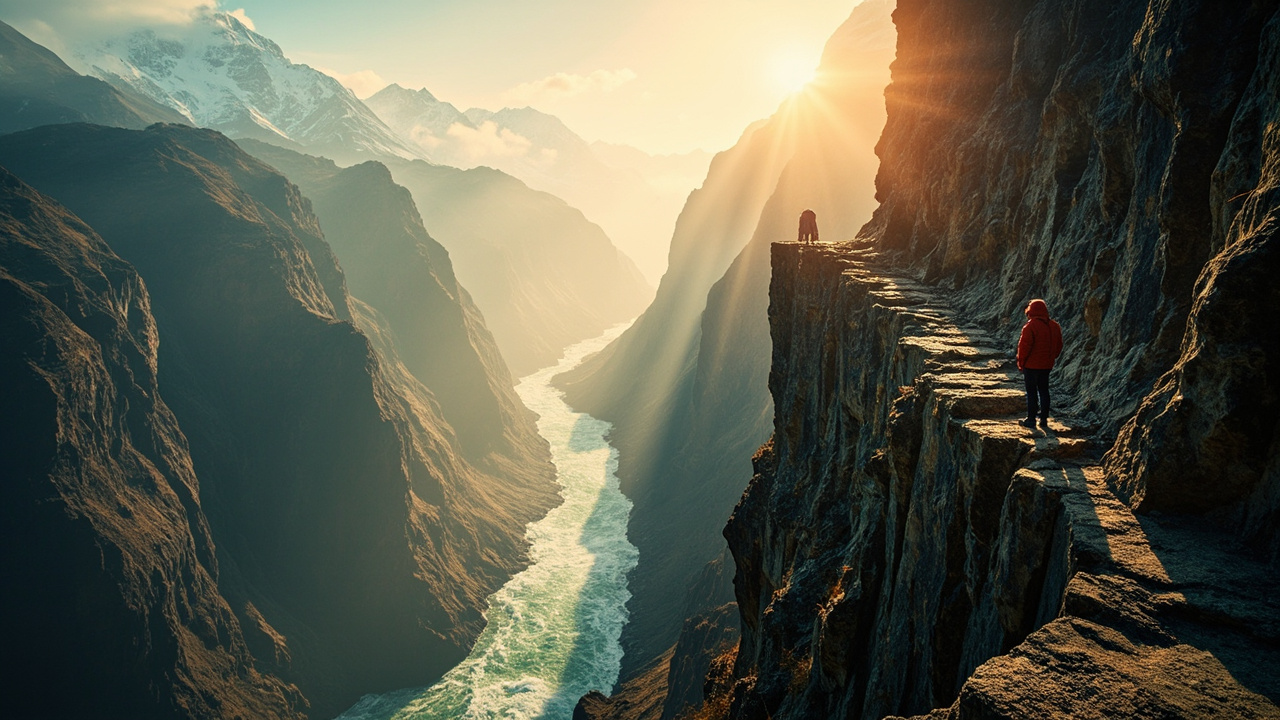
The cab driver, a man named Lao Zhang who’d chain-smoked through the entire 90-minute drive from central Beijing, pulled over on a gravel shoulder and pointed up at a crumbling wall of grey stone snaking over a ridge. “This is the one,” he said in Mandarin, grinning with a mouthful of yellowing teeth. “Not the pretty one. The real one.” He’d driven me to a section of the Great Wall that wasn’t in any guidebook I’d bought at the airport — no ticket booth, no souvenir stalls, just a narrow path of loose rocks leading up through wild grass and thorn bushes. I slipped on the first step, grabbed a handful of dusty scrub to steady myself, and thought: This is it. This is why I came.
The Great Wall isn’t one thing. It’s a thousand different walls, built over 2,000 years by a dozen dynasties, stretching across deserts, mountains, and grasslands. Some sections have been polished into tourist attractions with cable cars and Starbucks. Others are barely standing, reclaimed by moss and wind. This guide is for the first-time international traveler who wants to see the Wall without getting ripped off, lost, or stuck on a bus with 50 other tourists taking selfies. I’ve walked these sections over the past seven years — some multiple times — and I’ll tell you which ones are worth your money, which ones will break your ankles, and which ones will make you forget you’re in the 21st century at all.
The Short Version
If you have 90 seconds: Skip Badaling unless you want to see a Great Wall theme park. Go to Mutianyu for the best combination of accessibility and beauty. Go to Jiankou if you’re fit and adventurous. Go to Jinshanling if you want to hike without crowds. Go to Simatai for the night view. Bring water, wear hiking shoes, and don’t trust the weather forecast.
How I Picked These
I’ve been to every major section of the Wall at least twice — once as a clueless tourist, once with a local friend who knew where the real paths were. I’ve missed the last bus back to Beijing from Jinshanling (cost me $60 for a private driver). I’ve eaten instant noodles on a broken watchtower at Jiankou while rain leaked through the roof. I’ve argued with taxi drivers about fares, haggled with farmers selling water at the top, and once spent an hour sitting on a stone step at Mutianyu just watching the clouds move. This list comes from those trips, plus conversations with hikers, hostel owners, and a retired history teacher I met at a tea stall near Gubeikou.
| Rank | Place | Best For | Approx Cost (USD) | Time Needed | When to Go |
|---|---|---|---|---|---|
| 1 | Mutianyu | First-time visitors, families, accessibility | $8 entry + $15 cable car ($60-180 CNY) | 3-4 hours | Spring (Apr-May) or Fall (Sep-Oct), weekday morning |
| 2 | Jiankou | Adventurous hikers, photographers | Free (unofficial) | 4-6 hours | Fall, clear day, starting by 7am |
| 3 | Jinshanling | Serious hikers, crowd-avoiders | $10 entry ($70 CNY) | 5-7 hours | Spring or Fall, weekday |
| 4 | Simatai | Night views, photographers | $13 entry + $18 night ticket ($90-130 CNY) | 3-5 hours | Summer evening (night tickets May-Oct) |
| 5 | Gubeikou | History buffs, solo travelers | $7 entry ($50 CNY) | 4-5 hours | Spring or Fall, weekday |
| 6 | Huanghuacheng | Lake views, less crowded | $10 entry ($70 CNY) | 3-4 hours | Late spring or early fall |
| 7 | Badaling | First-timers who want convenience | $6 entry + $15 cable car ($40-110 CNY) | 2-3 hours | Weekday, early morning (avoid weekends entirely) |
| 8 | Shanhaiguan | History, eastern terminus | $8 entry ($60 CNY) | 2-3 hours | Spring or Fall |
| 9 | Jiayuguan | Western terminus, desert views | $12 entry ($85 CNY) | 2 hours | Spring or Fall |
| 10 | Wild Wall near Yanqing | Off-trail exploration, solitude | Free | Full day | Fall, clear weather |
Mutianyu — The One You Take Your Mom To
I remember standing at the base of the cable car at Mutianyu, watching a Chinese grandmother in heels step off with perfect balance while I was still adjusting my backpack straps. That’s the thing about this section — it’s polished enough for anyone, but it still feels like the Wall. The restoration is tasteful, not Disney-fied, and the watchtowers are spaced perfectly for a good hike without exhausting yourself.
What makes Mutianyu special is the balance. You get the dramatic mountain views, the steep climbs, and the sense of history, but you also get handrails, clear paths, and a toboggan ride down if your knees give out. The crowds are manageable if you go early — by 10am the tour buses start arriving, but before that, you can walk sections in near-silence.
📍 Huairou District, about 70km north of Beijing
🎫 $8 (60 CNY) entry, $15 (100 CNY) cable car round-trip, $11 (80 CNY) toboggan downhill
🕐 7:30am-5:30pm (summer), 8am-5pm (winter)
🚆 Take bus 916 from Dongzhimen Bus Station to Huairou, then transfer to minibus H23 or H24. Or book a private car from Beijing for $50-70 (350-500 CNY).
⏰ Weekday mornings in October. Leaves are changing, air is crisp, crowds are thin.
💡 Insider tips: Buy your entry ticket online via WeChat or a booking site — the queue at the ticket booth can be 30 minutes. Bring cash for the toboggan (card machines sometimes don’t work). The walk from the parking lot to the cable car is uphill and unshaded. If you’re fit, skip the cable car and hike up from the north entrance — it’s 45 minutes and you’ll have the lower section to yourself.
I ate a $3 (20 CNY) bowl of noodles at the food court near the entrance and watched a French couple argue about whether the Wall was “authentic enough.” It was. It is.
Jiankou — The One That Nearly Broke Me
The first time I tried to hike Jiankou, I turned back after 20 minutes. The path was loose scree, the watchtowers were crumbling, and I was wearing sneakers with no grip. The second time, I wore proper boots, brought two liters of water, and made it to the top of the “Beijing Knot” — the famous intersection where three walls meet. I sat there for an hour, alone, watching hawks circle below me.
Jiankou is the wild one. It’s not officially maintained, which means no ticket booth, no handrails, and no safety net — literally. Sections of the wall have collapsed into steep gaps you have to scramble around. The stone steps are uneven, some worn down to ankle-twisting angles. This is the Wall as it was before restoration: raw, dangerous, and breathtaking.
📍 Huairou District, adjacent to Mutianyu but accessed from a different village
🎫 Free (unofficial entry via Xizhazi Village)
🕐 Always open (but don’t go at night)
🚆 Take bus 916 from Dongzhimen to Huairou, then a local minibus or taxi to Xizhazi Village. The hike starts from the village.
⏰ Fall, on a clear weekday. Summer is too hot, winter is too icy, spring can be hazy.
💡 Insider tips: Hire a local guide from Xizhazi Village ($30-50 / 200-350 CNY) — they know the safe routes and can show you sections most tourists miss. Bring gloves for scrambling. Don’t go after rain — the rocks get slippery. The “Beijing Knot” is about 2 hours in. If you’re scared of heights, skip the last 200 meters to the highest tower. Pack lunch; there are no vendors.
I once met a German hiker near the top who’d camped overnight on the Wall. He showed me photos of the sunrise. I regretted not bringing a tent.
Jinshanling — The One for Walking Without Talking
Jinshanling is where I go when I want to remember why I moved to China. It’s a 10-kilometer stretch of wall that connects to Simatai, and it’s beautifully restored in parts while remaining completely wild in others. The first time I walked it, I passed maybe 20 people in four hours. Most of them were Chinese hikers who nodded politely and kept walking.
The landscape here is expansive — the wall follows the ridgeline of the Yanshan Mountains, and on a clear day you can see watchtowers stretching to the horizon in both directions. The restoration is subtle: the bricks are original, the mortar is traditional, and the towers still have their wooden roofs. It feels like you’re walking through a history book, not a theme park.
📍 Luanping County, Hebei Province, about 130km from Beijing
🎫 $10 (70 CNY) entry
🕐 8am-5pm
🚆 Take a train from Beijing Railway Station to Luanping (2 hours, $7/50 CNY), then a taxi to the entrance (30 minutes, $10/70 CNY).
⏰ Mid-week in October. The leaves turn gold and red, the air is cool, and the haze lifts by late morning.
💡 Insider tips: Start at the Jinshanling entrance and walk east toward Simatai — the light is better in the morning. Bring a photocopy of your passport; the ticket booth will ask for it. The hike to Simatai takes 4-5 hours; if you don’t want to walk back, arrange a driver to pick you up at the Simatai exit. There’s a small restaurant at the Jinshanling entrance that does decent noodles and cold beer.
I sat on a watchtower at Jinshanling eating a hard-boiled egg I’d bought from a farmer on the trail. She charged me 50 cents. It was the best egg of my life.
Simatai — The One You See at Night
Simatai is the only section of the Wall that’s open at night, and it’s worth the trip just for that. The first time I went, I arrived at dusk, watched the sky turn from orange to purple to black, and then the lights came on — soft amber glow from the watchtowers, tracing the wall’s shape along the ridge like a spine of light.
The daytime section is also excellent — steep, dramatic, with a reservoir at the base that reflects the wall in the water. But the night visit is the real draw. The crowds thin out after dark, and the temperature drops, and you can stand on a watchtower looking out at the dark mountains and feel like you’re the only person for miles.
📍 Miyun District, about 120km from Beijing
🎫 $13 (90 CNY) daytime entry, $18 (130 CNY) night ticket (includes cable car)
🕐 Daytime: 8am-5pm. Night: 5:30pm-9pm (May-October only)
🚆 Take bus 980 from Dongzhimen to Miyun, then transfer to bus 51 or a taxi to Simatai. Private car from Beijing: $60-80 (400-550 CNY).
⏰ Summer evening, arriving around 5pm to catch sunset before the night lights come on.
💡 Insider tips: Book night tickets in advance — they sell out on weekends. The cable car stops running at 9pm, so plan your return. Bring a jacket; it gets cold on the wall after dark. The light show is tasteful, not Vegas-style. Don’t bother with the daytime visit if you’re short on time — the night view is the unique experience.
I watched a Chinese couple get engaged on a watchtower at Simatai at sunset. The woman cried. The man looked terrified. The wall didn’t care.
Gubeikou — The One Where I Got Lost
Gubeikou is where I learned that “well-marked trail” means different things in different countries. I set out from the ticket booth at 9am, following what I thought was the main path, and ended up bushwhacking through waist-high grass for an hour before I found the wall again. A farmer on a donkey pointed me in the right direction and laughed at my map-reading skills.
This section is for history lovers. It’s the site of several major battles during the Ming Dynasty, and you can still see cannon emplacements and arrow slits in the towers. The wall here is less restored than Mutianyu but more accessible than Jiankou — a good middle ground for someone who wants a real hike without the danger.
📍 Miyun District, near the border with Hebei
🎫 $7 (50 CNY) entry
🕐 8am-5pm
🚆 Take bus 980 from Dongzhimen to Miyun, then bus 25 or a taxi to Gubeikou.
⏰ Spring or fall, weekday. Summer is hot and mosquito-heavy.
💡 Insider tips: The trail from Gubeikou to Jinshanling is about 5 hours and well worth it — you can exit at Jinshanling and take a taxi back. Bring a physical map or download one offline; phone signal is patchy. The farmer selling water at the halfway point charges double the normal price — bring your own. Wear long pants; the grass hides thorns.
I bought a bottle of water from that farmer for $2 (15 CNY). He smiled, took the money, and said something in a dialect I couldn’t understand. I smiled back and kept walking.
Huanghuacheng — The One With the Lake
Huanghuacheng is the only section of the Wall that runs along a lake, and the first time I saw it, I thought someone had photoshopped the landscape. The wall climbs up from the water’s edge, dips into the reservoir, and emerges on the other side like a stone serpent swimming through the mountains.
The section is short — about 2 kilometers of restored wall — but the setting is unique. You can take a boat across the reservoir to reach the opposite side, where the wall continues in a wilder state. The water reflects the wall and the mountains, and on a calm day, the surface is glass-smooth.
📍 Huairou District, near the Miyun Reservoir
🎫 $10 (70 CNY) entry, $5 (35 CNY) for boat
🕐 8am-5pm
🚆 Take bus 916 from Dongzhimen to Huairou, then transfer to bus H21.
⏰ Late spring, when the reservoir is full and the trees are green.
💡 Insider tips: The boat ride is short but worth it for the view from the water. The wild section on the far side is unmaintained — good for a short scramble but not a full hike. There’s a restaurant near the entrance that does decent fish from the reservoir. The stairs down to the water are steep and uneven.
I ate fried fish at that restaurant, sitting on a plastic chair overlooking the reservoir. A cat begged for scraps. I gave it half my meal.
Badaling — The One Everyone Warns You About
I have to be honest: I don’t like Badaling. The first time I went, it was a Saturday in October, and I spent more time shuffling behind tour groups than actually walking. The wall here is wide, flat, and completely restored — more like a promenade than a fortification. The cable cars, the souvenir shops, the KFC — it’s convenient, but it’s not the Wall I came to China to see.
That said, Badaling has its place. It’s the most accessible section from Beijing — 70 minutes by direct bus — and it’s the only one with proper wheelchair access. If you have limited mobility, or if you’re traveling with young children, or if you just want to say you’ve been to the Great Wall without breaking a sweat, Badaling works. Just go on a weekday, early, and leave by 11am before the crowds arrive.
📍 Yanqing District, about 80km from Beijing
🎫 $6 (40 CNY) entry, $15 (100 CNY) cable car round-trip
🕐 6:30am-5:30pm (summer), 7am-5pm (winter)
🚆 Take the S2 train from Beijing North Railway Station to Badaling (90 minutes, $4/30 CNY). Or take bus 877 from Deshengmen.
⏰ Weekday morning, before 9am. Avoid weekends and Chinese holidays entirely.
💡 Insider tips: The S2 train is scenic and cheap but crowded — arrive 30 minutes early to get a seat. The south side of the wall is steeper and less crowded than the north. Don’t buy water from the vendors on the wall — it’s $3 (20 CNY) per bottle. The “Great Wall” badge sold at the souvenir shop is made in a factory in Zhejiang.
I saw a man in a business suit walking the Wall in leather shoes. He lasted about 10 minutes before he sat down and took them off.
Shanhaiguan — The One at the Edge of the Sea
Shanhaiguan is where the Wall meets the ocean, and it’s one of those places that sounds like a myth until you see it. The “Old Dragon’s Head” section extends into the Bohai Sea, with waves crashing against the stone foundation. The first time I stood there, I couldn’t stop staring at the contrast — this ancient wall, built to keep out invaders from the north, ending at the water’s edge.
The section itself is well-preserved but heavily touristed, especially in summer. The main attraction is the First Pass Under Heaven — the gate tower that marked the eastern end of the Wall during the Ming Dynasty. The museum inside is surprisingly good, with maps and artifacts that explain the Wall’s military history.
📍 Shanhaiguan District, Qinhuangdao, Hebei Province
🎫 $8 (60 CNY) entry
🕐 7am-6pm (summer), 8am-5pm (winter)
🚆 Take a high-speed train from Beijing Railway Station to Qinhuangdao (2 hours, $25/180 CNY), then a taxi to Shanhaiguan (30 minutes, $10/70 CNY).
⏰ Spring or fall, weekday. Summer is crowded and humid.
💡 Insider tips: The walk from the gate tower to Old Dragon’s Head is about 30 minutes along the coast — skip the golf cart and walk. The seafood restaurants near the entrance are overpriced; walk 10 minutes into town for better options. Bring a hat; there’s no shade on the wall.
I watched a group of Chinese tourists take photos of themselves pretending to hold up the wall. The joke has been made a million times. They didn’t care.
Jiayuguan — The One in the Desert
Jiayuguan is far — a 5-hour high-speed train from Beijing — but it’s the only place where you can see the Wall in a desert setting. The fort at Jiayuguan was the western terminus of the Ming Wall, and it’s been restored to an almost pristine state. The surrounding landscape is vast, empty, and brown — Gobi Desert stretching to the horizon.
The fort itself is impressive: high walls, watchtowers, a moat that was once filled with water from the nearby river. But the real experience is walking the short section of wall that extends from the fort into the desert. There’s nothing around you but sand and sky. It’s eerie and beautiful.
📍 Jiayuguan City, Gansu Province
🎫 $12 (85 CNY) entry
🕐 8am-6pm (summer), 8:30am-5:30pm (winter)
🚆 Take a high-speed train from Beijing West Station to Jiayuguan South (5 hours, $60/420 CNY). From there, a taxi to the fort is $5 (35 CNY).
⏰ Spring or fall. Summer is scorching; winter is bitterly cold.
💡 Insider tips: The “Overhanging Great Wall” section, 8km from the fort, is worth the extra $5 (35 CNY) entry — it’s a steep climb up a ridge with views of the desert. Bring sunscreen and a hat; there’s no shade. The museum inside the fort has good English translations. Don’t expect any greenery — this is the Gobi.
I stood on the wall at Jiayuguan, looking west into the desert, and tried to imagine being a Ming soldier stationed here. The isolation must have been crushing.
Wild Wall Near Yanqing — The One Without a Name
This is the section Lao Zhang drove me to, and I still don’t know its official name. It’s about 20 kilometers west of Badaling, accessible via a dirt road that most drivers won’t take. The wall here is crumbling, overgrown, and completely unvisited. I walked for two hours without seeing another person.
This is for the traveler who wants to touch the Wall as it was — not restored, not labeled, not sanitized. The stones are loose. The towers are roofless. The path is barely visible. But the views are raw and real, and the silence is absolute.
📍 Yanqing District, near the village of Shixia
🎫 Free
🕐 Always open
🚆 Take the S2 train to Badaling, then hire a taxi to Shixia Village ($15/100 CNY). From the village, walk east along the ridge for 20 minutes.
⏰ Fall, clear weather. Don’t go in rain or snow — the path becomes dangerous.
💡 Insider tips: This is not a hike for beginners. Bring a GPS device or offline map. Tell someone where you’re going. The village of Shixia has a small shop that sells instant noodles and water. The wall continues for miles to the east, but the path becomes increasingly unstable. Turn back before you lose daylight.
I sat on a broken watchtower, eating a granola bar, listening to the wind. No planes. No cars. No voices. Just the Wall.
FAQ
Is the Great Wall visible from space?
No. This is a myth. I’ve had this argument with taxi drivers, tour guides, and a very insistent man at a bar in Shanghai. It’s not visible from space with the naked eye. Sorry.
Do I need a tour guide?
For Jiankou and the Wild Wall sections, yes — hire a local guide. For Mutianyu, Jinshanling, and Badaling, no. The paths are clear and there’s enough English signage.
How do I pay for things?
WeChat Pay and Alipay are accepted almost everywhere, but bring cash for small vendors, farmers selling water, and taxi drivers who “don’t have a QR code.” USD is not accepted anywhere.
Do I need a VPN?
Yes. Google, WhatsApp, Instagram, and Facebook are blocked in China. Install a VPN on your phone before you arrive. ExpressVPN and NordVPN work reasonably well, but test them before you land.
What should I wear?
Hiking boots with good grip. Long pants. Layers — the temperature can drop 15°F between the base and the top. A hat. Sunscreen. Do not wear sneakers with flat soles.
Can I visit the Wall in winter?
Yes, but only Mutianyu and Badaling are fully open. Jiankou and the Wild Wall sections are dangerous in snow and ice. Jinshanling closes early in winter. Bring thermal layers and hand warmers.
Is there a visa-free policy for 2026?
Yes, as of 2024, citizens of 54 countries (including the US, UK, Australia, and most of Europe) can enter China visa-free for up to 15 days for tourism. This policy is expected to continue through 2026. Check the latest on the Chinese Embassy website before you book.
The Honest Wrap-up
This list is for the traveler who wants more than a photo in front of a restored wall. It’s for the person willing to wake up at 5am, eat instant noodles on a broken tower, and walk until their legs ache. It’s not for someone who wants a comfortable, air-conditioned bus tour with a buffet lunch — and that’s fine, Badaling exists for that.
If I could give one piece of advice to a friend who’s about to book the flight: choose one section and spend a full day there. Don’t try to see three sections in two days. The Wall isn’t a checklist. It’s a place to sit, to watch the clouds move over the mountains, to imagine the soldiers who stood here 400 years ago. That’s the real experience. Everything else is just walking.
Topics
More Top 10 guides
Top 10 Beaches in China: The Complete 2026 Guide
From Hainan's tropical shores to Qingdao's colonial-era coastline, these are the 10 best beaches in China - with practical tips for foreign travelers.
12 min read

Top 10 Bridges in China: The Complete 2026 Guide
China's bridges are engineering marvels spanning mountains, rivers, and seas. Here are 10 of the most spectacular, from ancient stone to modern steel.
12 min read

Top 10 Buddhist Sites in China: The Complete 2026 Guide
From the Leshan Giant Buddha to the Dunhuang Caves, these 10 Buddhist sites represent 2,000 years of China's spiritual heritage.
12 min read