
Top 10 Lakes in China: The Complete 2026 Guide
China's most stunning lakes - from West Lake to Jiuzhaigou - reveal a side of the country most tourists miss. Here are 10 worth the trip.
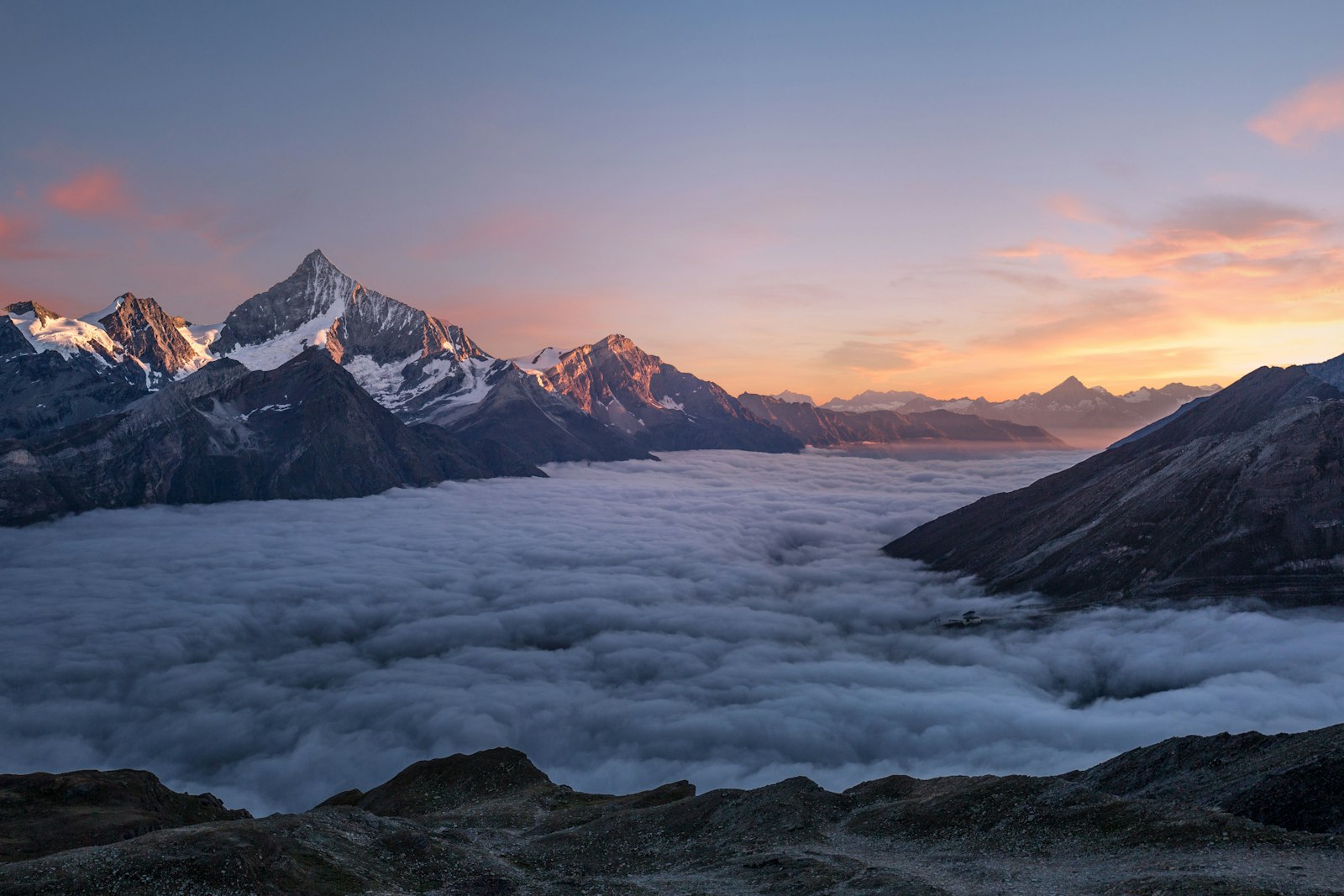
Top 10 Lakes in China: The Complete 2026 Guide
I was sitting on a wooden bench at the edge of Lake Erhai when a woman in her seventies walked past carrying a basket of fresh-picked mushrooms. She smiled, said something in Yunnanese I didn’t catch, and kept walking into the mist. It was 7:30 AM, the mountains were barely visible across the water, and a fisherman was untangling his net from a low-hanging willow branch. I’d been in China for three years at that point and had already seen a dozen lakes. But this one—this quiet, unglamorous moment—stayed with me longer than any postcard view.
China’s lakes are not just photo opportunities. They’re where the country exhales. Away from the 24-hour cities and the endless construction, these are places where you can actually feel the geography of China—the tectonic shifts, the ancient trade routes, the minority cultures that still farm and fish the way their grandparents did. Some of these lakes are famous for good reason. Others are famous for the wrong ones. A few are almost unknown to foreign tourists entirely.
This guide covers the ten lakes worth your time, money, and jet lag. I’ve visited every single one—some multiple times, in different seasons, with different people. I’ll tell you which ones to prioritize, which to skip if you’re short on time, and exactly how to not mess up the logistics. Because missing the last bus to a lake town at 5,000 feet is a mistake you only make once.
The Short Version
If you only see one lake in China, make it Lake Erhai—it’s the most balanced experience of scenery, culture, and ease of travel. For sheer jaw-dropping scale, Lake Qinghai wins. West Lake is overrated but worth a half-day if you’re in Hangzhou anyway. Lake Namtso is the most difficult to reach and the most rewarding if you can handle the altitude. Skip Lake Tai unless you’re passing through Wuxi for business. Jiuzhaigou’s lakes are technically pools but they’re so absurdly colored they deserve a spot.
How I Picked These
Over the past seven years, I’ve taken buses that broke down twice, hitchhiked on cargo boats, paid local fishermen to take me to islands that don’t appear on maps, and once spent four hours trying to explain to a ticket booth attendant that I just wanted to use the bathroom. I’ve done the lakes in peak summer crowds, in freezing January winds, and during Golden Week (do not recommend). I talked to taxi drivers, hostel owners, monks, and other travelers. These ten are the ones I’d send my own friends to—the ones where the experience matched or exceeded the effort it took to get there.
Comparison Table
| Rank | Place | Best For | Approx Cost (USD) | Time Needed | When to Go |
|---|---|---|---|---|---|
| 1 | Lake Erhai | All-around beauty + culture | $30-50/day | 2-3 days | Mar-May, Sep-Nov |
| 2 | Jiuzhaigou Lakes | Otherworldly colors | $80-100 (incl. entry) | 1-2 days | Oct-Nov (autumn) |
| 3 | Lake Qinghai | Scale + solitude | $40-60/day | 2-3 days | Jul-Aug |
| 4 | Lake Namtso | High-altitude wilderness | $50-70 (incl. transport) | 1-2 days | Jun-Sep |
| 5 | West Lake | Easy urban escape | $0 (free entry) | 4-6 hours | Mar-Apr, Oct-Nov |
| 6 | Lugu Lake | Minority culture | $25-40/day | 2-3 days | Apr-Oct |
| 7 | Kanas Lake | Remote forests + autumn | $100-130 (incl. entry) | 3-4 days | Sep-Oct |
| 8 | Lake Tianchi | Volcanic crater lake | $60-80 (incl. cable car) | 1 day | Jul-Aug |
| 9 | Yamdrok Lake | Turquoise + mountain pass | $40-60 (day trip from Lhasa) | 1 day | May-Oct |
| 10 | Lake Songhua | Winter ice activities | $20-30 (ice festival extra) | 1 day | Dec-Feb |
1. Lake Erhai — The One I’d Send My Mom To
The first time I saw Lake Erhai, I was eating a bowl of crossing-the-bridge noodles at a roadside stall in Dali Old Town. The owner pointed at the lake and said, “That’s where the clouds sleep.” I laughed. Then I spent the next three days watching those exact clouds drift down from the Cangshan Mountains and settle on the water like they were tired.
Lake Erhai is the most foreigner-friendly lake in China without feeling like a theme park. The 120-kilometer bike path around the eastern shore is flat, well-maintained, and passes through villages where old women still dry persimmons on their rooftops. The water is clear enough to see fish near the shore. The backdrop of the Cangshan range is absurdly photogenic.
📍 Location: Dali Bai Autonomous Prefecture, Yunnan Province. East of Dali Old Town.
🎫 Entry fee: Free to access the lake. Bike rental: $5-8/day (35-55 CNY). Some sections near the Three Pagodas charge $15 (100 CNY).
🕐 Hours: 24/7 for the lake itself. Bike rentals operate 8 AM to 7 PM.
🚆 How to get there: Fly into Dali Airport (DLU), 30 minutes from Dali Old Town by taxi ($10/70 CNY). Or take the high-speed train from Kunming (2 hours, $25/175 CNY). From Dali Old Town, rent a bike or take bus #C2 to Caicun Village (15 minutes, $0.30/2 CNY).
⏰ When to visit: March to May (spring flowers, clear skies) or September to November (harvest season, fewer crowds). Avoid August—it’s rainy and packed with domestic tourists.
💡 Insider tips:
- Skip the tourist boats. Rent an electric scooter instead ($12/85 CNY per day) and ride the eastern shore between Wase and Shuanglang—that’s the best stretch.
- Stay in a village guesthouse, not Dali Old Town. Caicun and Longkan are quieter and right on the water.
- The fish soup at Xizhou Old Horse restaurant in Xizhou village is the best meal in the region. Order the suanla yu (sour-spicy fish).
- Bring a jacket even in summer. The lake creates its own microclimate and it gets chilly after sunset.
- Download the DiDi app for taxis—taxis are scarce after 9 PM outside the old town.
I met a French guy named Pierre at a guesthouse who’d been cycling around the lake for two weeks. He said he’d planned to stay three days. I believed him.
2. Jiuzhaigou’s Lakes — Blue That Doesn’t Look Real
I stood at Five Flower Lake for twenty minutes trying to figure out if the water was actually that color or if my sunglasses were broken. It wasn’t the sunglasses. The water is turquoise, emerald, and sapphire all at once—the result of calcium carbonate deposits that scatter light in ways that feel almost artificial. A Chinese tourist next to me said, “Photoshop,” and laughed.
Jiuzhaigou Valley isn’t a single lake—it’s a series of dozens of lakes, pools, and waterfalls spread across a glacial valley in northern Sichuan. The park is massive (720 square kilometers) and the boardwalks are well-designed, so you never feel like you’re fighting crowds even when it’s busy.
📍 Location: Jiuzhaigou County, Aba Tibetan and Qiang Autonomous Prefecture, Sichuan Province.
🎫 Entry fee: $55 (380 CNY) for the park ticket + $25 (170 CNY) for the mandatory shuttle bus. Yes, it’s expensive. Yes, it’s worth it.
🕐 Hours: 8:00 AM to 6:00 PM (summer), 8:30 AM to 5:00 PM (winter). The park is open year-round but some trails close in winter.
🚆 How to get there: Fly into Jiuzhai Huanglong Airport (JZH) from Chengdu (1 hour, $80-120/550-830 CNY). The airport is at 3,400 meters—bring altitude sickness meds. From the airport, it’s a 1.5-hour bus ride to the park entrance ($8/55 CNY). Alternatively, take a bus from Chengdu’s Chadianzi Station (8-10 hours, $20/140 CNY).
⏰ When to visit: October is peak season for autumn colors and the crowds are brutal. Late September or early November are better compromises. July-August is monsoon season—trails can close due to landslides.
💡 Insider tips:
- Book tickets online at least a week in advance during peak season. The park caps daily visitors at 41,000 and they sell out.
- Take the shuttle bus directly to the end of the line (Primeval Forest), then walk back down. Most tourists do the opposite.
- Pack your own lunch. The food inside the park is overpriced and mediocre.
- The mirror-like reflections are best before 10 AM, when the wind hasn’t picked up yet.
- Bring a rain jacket even on sunny days. The valley generates its own weather.
I ate a steamed bun from a vendor near Nuorilang Waterfall and watched a monkey steal a tourist’s sunglasses. The tourist chased it. The monkey won.
3. Lake Qinghai — The One That Feels Like an Ocean
The first thing you notice is the smell. Not bad—just different. Salt, algae, and open space. The second thing you notice is that the water changes color depending on where you stand. Near the shore it’s jade. Further out it’s deep blue. On a cloudy day it turns gray-green and looks more like the North Sea than anything in China.
Lake Qinghai is China’s largest saltwater lake, and it’s massive—4,500 square kilometers. You can’t see the other side. On a clear day, the Qilian Mountains rise from the horizon like a blue mirage. The lake sits at 3,200 meters, so take it easy the first day.
📍 Location: Qinghai Province, about 150 kilometers west of Xining.
🎫 Entry fee: Free if you access the lake from the south shore (near Erlangjian). The official scenic area charges $12 (80 CNY) but it’s not worth it—the free sections are better.
🕐 Hours: 24/7 for the lake. The bike path near Erlangjian is open 8 AM to 8 PM.
🚆 How to get there: Take the high-speed train from Xining to Gangcha (1.5 hours, $15/105 CNY). From Gangcha, take a local bus or taxi to the lake shore (30 minutes, $5/35 CNY). Alternatively, join a 2-day tour from Xining ($80-120/550-830 CNY).
⏰ When to visit: July and August are the only months when the weather is reliably warm. The rapeseed flowers bloom in July—yellow fields against blue water is the classic photo. June and September are colder but less crowded.
💡 Insider tips:
- The south shore (near Erlangjian) is the most accessible. The north shore (near Gangcha) is more remote and less touristy.
- Rent a bike and cycle the lake road for a few hours. The flat terrain and endless views make it one of the best cycling routes in China.
- Don’t eat the street food near the lake. I got food poisoning from a questionable skewer. Stick to the noodle shops in Gangcha town.
- Altitude sickness is real here. Drink water, avoid alcohol, and have Diamox on hand.
- The sunset from the west shore is spectacular. Stay at a guesthouse in Heimahe village.
A Tibetan woman at a roadside stall sold me a bowl of yak yogurt that was so sour my face contorted. She laughed, added honey, and I finished it in two minutes.
4. Lake Namtso — The Hardest Lake to Reach, and the Most Rewarding
The road to Namtso is a test of will. It’s 4 hours from Lhasa, the last hour on a dirt track that rattles your teeth. You cross the 5,190-meter Lagen La Pass, where prayer flags snap in the wind like gunshots. Then you see it: a sheet of turquoise at 4,718 meters, ringed by snow-capped mountains, with the Nyenchen Tanglha range reflecting off the surface like a mirror held up to heaven.
Lake Namtso is one of Tibet’s three sacred lakes. It’s also the highest large lake in the world. The air is thin. The wind is constant. The beauty is overwhelming.
📍 Location: Damxung County, Tibet Autonomous Region. About 200 kilometers north of Lhasa.
🎫 Entry fee: $18 (120 CNY). If you stay overnight, there’s an additional $10 (70 CNY) environmental fee.
🕐 Hours: The lake is accessible 24/7, but the gate is only staffed 7 AM to 8 PM.
🚆 How to get there: From Lhasa, join a group tour ($50-70/345-485 CNY per person) or hire a private driver ($150-200/1,035-1,380 CNY for the day). Public buses from Lhasa to Damxung exist but won’t take you the last 60 kilometers to the lake.
⏰ When to visit: June to September. The lake is frozen from November to May. July and August are the warmest but also the rainiest. September is the sweet spot—clear skies, fewer tourists, and the grass is still green.
💡 Insider tips:
- Spend the night. The sunset and sunrise over the lake are worth the cold. There are basic guesthouses near the shore ($15-25/105-175 CNY per night).
- Bring a sleeping bag rated to -10°C. The guesthouses have thin blankets and no heating.
- Acclimatize in Lhasa for at least 3 days before attempting Namtso. The altitude is no joke.
- The hike up to the meditation cave on the hill behind the lake is steep but gives you a view that will ruin all other views.
- Toilet situation: bring your own toilet paper and hand sanitizer. The facilities are basic.
I sat on a rock near the shore at 6 AM, watching the sun hit the mountains. A Tibetan pilgrim walked past, spinning a prayer wheel. Neither of us said anything. We didn’t need to.
5. West Lake — The One Everyone Talks About
West Lake is the most famous lake in China. It’s also the most crowded, the most commercialized, and the most likely to disappoint if you’ve seen photos of it in misty solitude. But here’s the thing: it’s famous for a reason. The causeways, the pagodas, the weeping willows—they form a composition that Chinese poets have been writing about for a thousand years.
The trick is to go early. I walked the Su Causeway at 6:30 AM and had the lake almost to myself. By 9 AM, the tour groups arrived in waves. By noon, the bridges were shoulder-to-shoulder.
📍 Location: Xihu District, Hangzhou, Zhejiang Province.
🎫 Entry fee: Free. Some attractions within the lake area (Leifeng Pagoda, Lingyin Temple) charge $5-10 (35-70 CNY) each.
🕐 Hours: 24/7. The park gates are always open.
🚆 How to get there: Take the high-speed train from Shanghai to Hangzhou East (1 hour, $15/105 CNY). Then take Metro Line 1 to Ding’an Road Station, Exit C. Walk 10 minutes west to the lake.
⏰ When to visit: March-April (cherry blossoms) or October-November (autumn colors, osmanthus fragrance). Avoid Chinese holidays at all costs.
💡 Insider tips:
- Walk the Su Causeway at sunrise. It’s the most peaceful experience you’ll have here.
- Skip the tourist boats. Rent a rowboat from the dock near the Zhejiang Museum ($5/35 CNY per hour) and paddle yourself.
- The best view of the lake is from the top of Baochu Pagoda on the north shore. Free to climb, 15 minutes up.
- Eat at Louwailou restaurant for the famous West Lake vinegar fish ($12/85 CNY for a portion). It’s touristy but the food is genuinely good.
- The Impression West Lake show is overpriced ($50/345 CNY) and not worth it unless you really love massive water spectacles.
A taxi driver in Hangzhou told me, “West Lake is like a beautiful woman who knows she’s beautiful.” He wasn’t wrong.
6. Lugu Lake — Where the Mosuo Women Run Things
Lugu Lake sits on the border between Sichuan and Yunnan, and it feels like a different country. The Mosuo people who live here practice a matrilineal system—women own the property, make the decisions, and children take the mother’s surname. The “walking marriage” tradition (where partners don’t live together) has been sensationalized by travel media, but the reality is more nuanced and more interesting.
The lake itself is deep, clear, and surrounded by forested mountains. The water is so pure you can drink it (locals do). The villages are small and quiet, with wooden houses and smoke rising from kitchen chimneys.
📍 Location: Ninglang County, Yunnan Province (south shore) and Yanyuan County, Sichuan Province (north shore).
🎫 Entry fee: $20 (140 CNY) for the Yunnan side. The Sichuan side is free but less developed.
🕐 Hours: 24/7.
🚆 How to get there: Fly to Lijiang (LJG), then take a 4-hour bus to Lugu Lake ($10/70 CNY). Buses depart from Lijiang’s bus station at 8 AM and 1 PM. Alternatively, drive from Xichang in Sichuan (5 hours, hire a driver for $60/415 CNY).
⏰ When to visit: April to October. The lake is warmest in July-August but that’s also the rainy season. May and September are perfect.
💡 Insider tips:
- Stay in a Mosuo family guesthouse, not a hotel. You’ll get home-cooked meals and real conversations.
- The boat ride to the island in the middle of the lake is worth it ($8/55 CNY per person). The boatmen will sing Mosuo folk songs.
- Don’t take photos of Mosuo people without asking. They’re tired of being treated like exhibits.
- The Sichuan side is less touristy and has better hiking trails. Cross the border and spend a day there.
- Try the pig trotter hotpot—it’s a local specialty and it’s delicious.
My guesthouse host, a Mosuo woman named A-Cu, showed me how to make butter tea. She said, “My grandmother taught me. Her grandmother taught her.” The tea was salty, rich, and perfect in the cold morning air.
7. Kanas Lake — Siberia in China
Kanas Lake is in the far northwest corner of Xinjiang, near the borders of Kazakhstan, Russia, and Mongolia. It looks like the Alps—spruce forests, snow-capped peaks, alpine meadows. The water is a milky turquoise from glacial silt. The Tuva people who live here are related to the Tuvans of Siberia, and their wooden cabins look like they belong in a Russian fairy tale.
Getting here is a journey. From Urumqi, it’s a 12-hour bus ride or a 2-hour flight to Burqin, then another 2 hours by bus. But the remoteness is the point.
📍 Location: Burqin County, Altay Prefecture, Xinjiang Uyghur Autonomous Region.
🎫 Entry fee: $35 (240 CNY) for the park + $15 (100 CNY) for the shuttle bus.
🕐 Hours: 8:30 AM to 8:00 PM (summer), 9:00 AM to 6:00 PM (winter).
🚆 How to get there: Fly from Urumqi to Burqin Kanas Airport (KJI) — 2 hours, $80-120/550-830 CNY. From the airport, take the shuttle bus to the park entrance (1 hour, $8/55 CNY). Or take an overnight bus from Urumqi to Burqin (12 hours, $20/140 CNY).
⏰ When to visit: Late September to mid-October for autumn colors. The birch and spruce forests turn gold and red. July-August is green and pleasant but less dramatic.
💡 Insider tips:
- Stay in the Tuva village inside the park. The wooden cabins are basic but the experience is unforgettable.
- Hike to Fish Pavilion viewpoint—it’s 1,066 steps but the view of the lake from above is worth every one.
- The “lake monster” legend is just that—a legend. Don’t expect Nessie.
- Bring warm clothes even in summer. The temperature drops to 5°C at night.
- You need a Xinjiang border permit to visit Kanas. Your tour operator or hotel can arrange it, or you can get it at the police station in Burqin.
I met a Kazakh herder near the lake who offered me fermented mare’s milk. It tasted like sour yogurt mixed with vodka. I drank it all to be polite. He laughed and poured me another cup.
8. Lake Tianchi — The Crater Lake on the Border
Lake Tianchi sits in the crater of an extinct volcano on the border between China and North Korea. The water is an impossible shade of blue. The surrounding peaks are bare rock, giving the whole scene a lunar quality. On a clear day, you can see the North Korean side of the mountain.
The lake is at 2,190 meters, and the cable car ride up from the base station is steep enough to make your ears pop. The air is thin but not debilitating.
📍 Location: Changbai Mountain Nature Reserve, Jilin Province.
🎫 Entry fee: $30 (210 CNY) for the park + $15 (100 CNY) for the cable car.
🕐 Hours: 7:00 AM to 5:00 PM. The lake is often closed due to weather—check the forecast before going.
🚆 How to get there: Fly to Changbaishan Airport (NBS) from Beijing or Shanghai (2 hours, $100-150/690-1,035 CNY). From the airport, take a bus to the West Slope entrance (1 hour, $5/35 CNY). Or take the train to Songjianghe Station and then a bus (1.5 hours, $4/28 CNY).
⏰ When to visit: July and August are the only months when the lake is reliably accessible. June and September are possible but weather-dependent. Winter is for skiing, not lake viewing.
💡 Insider tips:
- The North Slope entrance is more developed and has the cable car. The West Slope requires a 1,400-step climb.
- The lake is visible only about 60 days per year. If it’s cloudy, you’ll see nothing. Check the webcam before you go.
- Bring a coat. Even in July, the temperature at the lake is around 10°C.
- The hot springs near the North Slope entrance are worth a soak ($10/70 CNY).
- Don’t try to cross the border. The Chinese military patrols the area and they take their job seriously.
I stood at the edge of the lake and watched a cloud roll over the crater rim. For 30 seconds, I couldn’t see anything. Then the wind shifted, and the blue water reappeared like a magic trick.
9. Yamdrok Lake — The Turquoise Ribbon in the Sky
Yamdrok Lake is what you see on every Tibet tourism poster—the turquoise ribbon of water winding through the mountains, with snow-capped peaks in the background and prayer flags fluttering in the foreground. It’s real. It looks exactly like that.
The lake is long and narrow, shaped like a scorpion according to Tibetan mythology. The color changes throughout the day: pale blue in the morning, deep turquoise at noon, silver-gray in the late afternoon.
📍 Location: Nagarze County, Tibet Autonomous Region. About 100 kilometers southwest of Lhasa.
🎫 Entry fee: $8 (55 CNY) at the viewpoint on the Lhasa-Tsetse road. Free if you access the lake from other points.
🕐 Hours: 24/7. The ticket booth is staffed 8 AM to 6 PM.
🚆 How to get there: Join a day tour from Lhasa ($40-60/275-415 CNY) or hire a private driver ($100-150/690-1,035 CNY). The drive takes 2 hours from Lhasa, crossing the 4,800-meter Kamba La Pass.
⏰ When to visit: May to October. The lake is frozen from December to March. July-August is green but rainy. September is the best month.
💡 Insider tips:
- The main viewpoint at Kamba La Pass is crowded. Ask your driver to stop at a smaller pull-off further down the road.
- The island temple (Samding Monastery) is accessible by boat in summer. It’s a peaceful detour.
- Altitude is 4,400 meters at the lake. Take it slow.
- The yak rides at the viewpoint are tourist traps. Skip them.
- Bring snacks. There’s no restaurant near the lake.
A Tibetan monk I met at the viewpoint pointed at the lake and said, “This is the color of compassion.” I didn’t know what that meant until I saw the water at sunset.
10. Lake Songhua — Winter’s Ice Playground
Lake Songhua is not beautiful in the traditional sense. It’s a reservoir, created by a hydroelectric dam. The water is gray-brown most of the year. But in winter, something magical happens. The lake freezes solid—over a meter thick—and becomes a playground of ice sculptures, ice fishing, and sledding.
The nearby city of Harbin hosts the International Ice and Snow Festival from January to February, and the lake is the source of the ice blocks used for the sculptures. Watching workers cut 2-ton blocks of ice from the frozen lake at dawn is a spectacle in itself.
📍 Location: Fengman District, Jilin City, Jilin Province. About 200 kilometers from Harbin.
🎫 Entry fee: Free to walk on the lake. Ice fishing gear rental: $5-10 (35-70 CNY) per hour. The Harbin Ice Festival costs $30 (210 CNY).
🕐 Hours: 24/7. Ice activities operate 9 AM to 5 PM.
🚆 How to get there: Take the high-speed train from Harbin to Jilin City (1.5 hours, $12/85 CNY). From Jilin City, take bus #33 to Fengman (45 minutes, $1/7 CNY). The lake is a 10-minute walk from the bus stop.
⏰ When to visit: January and February for the ice festival. December and March are colder or warmer, but the ice might not be thick enough for safe walking.
💡 Insider tips:
- Wear the warmest boots you own. The cold comes up from the ice. Multiple pairs of socks help.
- Ice fishing is a genuine local experience. Fishermen use hand augers and sit on stools for hours.
- The rime ice (frost-covered trees) on the lake’s south shore is a famous photo spot. Go at sunrise.
- Don’t walk on the ice near the dam. The current keeps it thinner.
- The hot pot restaurants in Fengman town are excellent after a cold day. Order the lamb.
I watched a local man drill a hole in the ice, drop a line, and catch a fish in under five minutes. He shrugged. “They’re hungry,” he said.
FAQ
1. Do I need a tour guide for these lakes, or can I go independently? For lakes near cities (West Lake, Erhai, Songhua), go independently. For remote lakes (Namtso, Kanas, Tianchi), a guide or driver is strongly recommended. Lugu Lake and Yamdrok are doable solo if you’re comfortable with basic Mandarin.
2. What’s the best time of year to visit lakes in China? September and October are the best months overall—good weather, fewer crowds than summer, and autumn colors. July and August are fine but hot and rainy in the south. Winter is only for Songhua and the brave.
3. Do I need a VPN in China? Yes. Google, WhatsApp, Instagram, Facebook, and most Western news sites are blocked. Install a VPN on your phone and laptop before you arrive. I use ExpressVPN and Astrill. Test it before you leave the airport.
4. How do I pay for things at these lakes? WeChat Pay and Alipay are accepted everywhere in China, including remote villages. Set them up before your trip. Cash is useful for small vendors and toilet fees. Bring some 10 and 20 CNY notes. Credit cards are rarely accepted outside luxury hotels.
5. Is it safe to drink the water at these lakes? No. Even at Lugu Lake, where locals drink directly, you should boil or filter it. Bring a reusable water bottle and purification tablets. Bottled water is available everywhere for $0.30-0.50 (2-3 CNY).
6. Do people speak English at these lakes? In major tourist areas (Dali, Hangzhou, Harbin), some English is spoken at hotels and ticket offices. In remote areas (Namtso, Kanas, Lugu), almost no one speaks English. Download Pleco (Chinese dictionary app) and have Google Translate offline packs ready.
7. Which lake should I skip if I only have time for five? Skip West Lake if you’re short on time. It’s nice but not worth a special trip. Lake Tai (not on this list) is also skippable. If you have to choose between Namtso and Yamdrok, choose Namtso if you can handle altitude, Yamdrok if you want an easier day trip.
The Honest Wrap-up
This list is for people who want to see China’s lakes the way they’re meant to be seen—not from a tour bus window, but from a bicycle seat, a wooden boat, or a bench at sunrise. It’s for people who are willing to take a bumpy bus ride for a view that makes them forget the bumpy bus ride. It’s not for people who want everything to be easy and predictable.
If you only have two weeks in China, pick two lakes: one accessible (Erhai or West Lake) and one remote (Namtso or Kanas). The contrast will give you a better sense of the country’s scale and diversity than any number of rushed stops.
And if you’re standing at the edge of a lake in China, watching the light change, and you feel a little bit like you’ve stepped into a painting—that’s not just the altitude or the jet lag. That’s the place doing its job.
**
Topics
More Top 10 guides
Top 10 Beaches in China: The Complete 2026 Guide
From Hainan's tropical shores to Qingdao's colonial-era coastline, these are the 10 best beaches in China - with practical tips for foreign travelers.
12 min read
Top 10 Bridges in China: The Complete 2026 Guide
China's bridges are engineering marvels spanning mountains, rivers, and seas. Here are 10 of the most spectacular, from ancient stone to modern steel.
12 min read

Top 10 Buddhist Sites in China: The Complete 2026 Guide
From the Leshan Giant Buddha to the Dunhuang Caves, these 10 Buddhist sites represent 2,000 years of China's spiritual heritage.
12 min read