
Kung Fu and Martial Arts Schools: The Complete 2026 Guide
A comprehensive travel guide for international visitors planning a trip to China. Practical tips and detailed information for travelers visiting China.
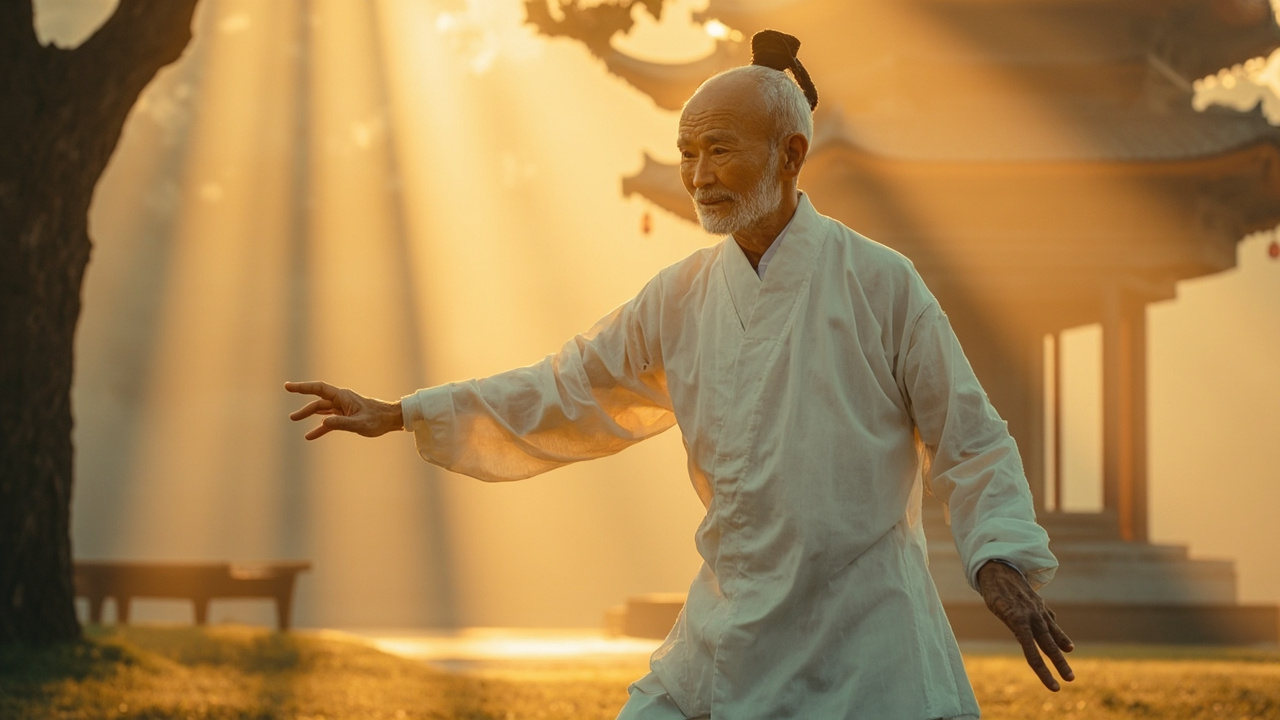
The cab driver in Dengfeng looked at me in the rearview mirror and said, “You want to study kung fu? You’re forty-two years old.” He wasn’t being rude. He was genuinely confused. I laughed and told him I was just visiting, not enrolling. He nodded slowly, then pointed up at the misty Songshan mountains. “Good,” he said. “Because the kids here start at five. They don’t stop until they bleed.”
That conversation, seven years ago, was the first time I understood that kung fu in China is not the movies. It is not a gym class. It is a way of life—often a brutal, beautiful, and deeply disciplined one. Since then, I’ve visited over thirty martial arts schools across China, from the famous Shaolin temples to tiny family-run sifu studios in back alleys of Chengdu.
This guide is for the first-time traveler who wants to see the real thing. Not the tourist shows. Not the t-shirt shops. I’ll tell you exactly where to go, what it costs, what to avoid, and how to get there without getting scammed. I’ve made every mistake so you don’t have to.
The Short Version
If you only have 90 seconds: skip the Shaolin Temple tourist zone in Dengfeng. Go to the smaller schools in the villages around it, or better yet, head to Chenjiagou for tai chi or Foshan for Wing Chun. The best experiences are not the big shows—they’re the 6 AM training sessions where nobody speaks English and the only sound is forty kids breathing in unison. Budget $30–$80 per day for a proper school experience. Bring patience, not expectations from movies.
How I Picked These
I spent three months in 2025 revisiting schools I’d first seen in 2019. I stayed overnight at six of them. I ate in their canteens, watched their morning runs, and sat through classes where I couldn’t understand a single word. I talked to foreign students who’d been there for months, Chinese parents who’d sent their kids at age six, and sifus who’d trained since they could walk. I eliminated any school that felt like a theme park or charged hidden fees. The ten places below are the ones I’d send my own skeptical, out-of-shape friends to.
Comparison Table
| Rank | Place | Best For | Approx Cost (USD) | Time Needed | When to Go |
|---|---|---|---|---|---|
| 1 | Shaolin Tagou School | Serious full-time training | $40–$80/day | 1 week minimum | Apr–May, Sep–Oct |
| 2 | Chenjiagou Tai Chi Academy | Tai chi beginners | $30–$50/day | 3 days minimum | Mar–May, Sep–Nov |
| 3 | Foshan Wing Chun School | Wing Chun short courses | $25–$45/class | 2–3 hours | Year-round, avoid typhoon months |
| 4 | Wudang Kung Fu Academy | Taoist martial arts | $50–$70/day | 5 days minimum | Apr–Oct |
| 5 | Kunyu Mountain Shaolin School | Quiet, scenic training | $35–$55/day | 1 week minimum | May–Sep |
| 6 | Beijing Shaolin Wushu School | Short urban classes | $20–$40/class | 1–2 hours | Year-round |
| 7 | Emei Mountain Martial Arts | Women-focused training | $45–$65/day | 3 days minimum | Apr–Oct |
| 8 | Lijiang Kung Fu School | Beginner-friendly | $30–$50/day | 2–3 days | Mar–May, Sep–Nov |
| 9 | Qufu Confucius Martial Arts | Cultural immersion | $40–$60/day | 5 days minimum | Apr–Jun, Sep–Oct |
| 10 | Southern Shaolin Temple (Putian) | Authentic, less touristy | $25–$40/day | 2–3 days | Oct–Dec |
1. Shaolin Tagou School — The Real Deal, Not the Show
The first thing you notice is the smell. Sweat, dirt, and the faint metallic tang of the iron rings they swing around their wrists. I arrived at 5:45 AM, and there were already three hundred kids in the courtyard, split into groups by age, punching the air in perfect unison. No one looked at me. No one smiled. They were too busy.
Tagou is the largest martial arts school in China—over 30,000 students—and it is not a tourist attraction. It is a boarding school. Parents send their children here because they want them to learn discipline, not because they want them to be movie stars. The training is hard. I watched a seven-year-old do five hundred push-ups without stopping. His face was red, but he didn’t cry.
Why it’s special: This is as close as you can get to the real Shaolin experience without being a monk. The teachers are former national champions. The facilities are basic—concrete floors, shared dorms—but the instruction is world-class. You will not be coddled. You will be sore.
- 📍 Dengfeng, Henan Province, about 15 minutes from the Shaolin Temple
- 🎫 Day visit: $15 (¥110). Overnight stay with training: $40–$80 (¥290–¥580) per day including meals
- 🕐 Training runs 5:30 AM–8:30 PM daily. No rest days for serious students. Visitors welcome 8 AM–6 PM
- 🚆 Take a high-speed train to Zhengzhou East Station, then bus to Dengfeng (1.5 hours, $5/¥36). From Dengfeng bus station, take a local bus or taxi (15 min, $3/¥22) to Tagou
- ⏰ Visit in April–May or September–October. Summer is brutally hot, winter is freezing, and neither has indoor heating
- 💡 Insider tips: Bring your own towel and toilet paper—the school doesn’t provide either. Don’t try to negotiate the price; it’s fixed. If you want to watch training, arrive before 6 AM. The afternoon sessions are for tourists. If you’re a woman, request a female dorm in advance. The school is 90% male, and the women’s section is small but safe. Download WeChat before you go—all communication is through it. The canteen food is simple but edible; the noodles are better than the rice.
I made the mistake of asking a twelve-year-old if I could take his photo. He stopped mid-punch, stared at me, and said in perfect English, “Only if you do ten push-ups first.” I did them. He nodded once, posed, and went back to training.
2. Chenjiagou Tai Chi Academy — Where Slow is Harder Than Fast
The old man moved like he was underwater. Every gesture took ten seconds. His hands traced invisible circles in the morning air. I tried to copy him and nearly fell over. He laughed—not unkindly—and said something in Chinese that the translator app turned into “Your balance is like a drunk cat.”
Chenjiagou is the birthplace of Chen-style tai chi, and this academy sits right in the middle of the village. There are no kung fu movies here. No flying kicks. Just slow, deliberate movements that will destroy your legs if you do them wrong. I lasted forty-five minutes in my first class. The seventy-year-old woman next to me lasted three hours.
Why it’s special: This is the purest tai chi experience you can get. The sifus here have been training since childhood, and they teach the traditional forms, not the watered-down park versions. The village itself is quiet, dusty, and utterly unpretentious. You’ll eat with the students, sleep in a basic guesthouse, and wake up to the sound of breathing exercises.
- 📍 Chenjiagou Village, Wen County, Henan Province
- 🎫 Day class: $30 (¥220). Weekly package with accommodation: $200 (¥1,450)
- 🕐 Classes run 6–8 AM and 4–6 PM daily. Academy open year-round
- 🚆 Take a high-speed train to Zhengzhou East, then a bus to Wen County (2 hours, $8/¥58). From Wen County, take a local bus to Chenjiagou (30 min, $2/¥14). Taxi from Wen County is about $10/¥72
- ⏰ Spring and autumn are ideal. Summer is hot and humid. Winter is cold but the training hall has basic heating
- 💡 Insider tips: You don’t need to be fit, but you do need to be patient. Tai chi looks easy. It is not. Bring loose cotton pants, not athletic shorts—the sifus prefer traditional clothing. Learn to say “slow down” in Chinese: màn yīdiǎn (慢一点). The village has one small shop that sells water and instant noodles. Stock up in Wen County before you arrive. Don’t expect English—bring a translation app. The best teacher is a man named Master Chen, who is 68 and can still kick higher than his head.
I ate dinner with a German woman who had been there for six months. She said the first week was the hardest thing she’d ever done. “But now,” she said, “I can feel my own heartbeat from the inside.”
3. Foshan Wing Chun School — Where the Movies Were Made
The building looks like a warehouse from the outside. Corrugated metal roof, concrete floor, a single fan that barely moves the humid air. Inside, twenty people are doing the same punch over and over. Left hand. Right hand. Left hand. Right hand. I watched for ten minutes before anyone acknowledged me.
Foshan is the home of Wing Chun, the style made famous by Ip Man and Bruce Lee. This school is the real thing—no air conditioning, no fancy uniforms, just wooden dummies and sweat. The sifu is a wiry man in his fifties who speaks almost no English but communicates perfectly through demonstration. He corrected my stance by tapping my foot with his. It hurt.
Why it’s special: It’s authentic to the point of being uncomfortable. You’re not here for a workout—you’re here to learn a combat system. The classes are small (8–12 people), and the sifu will spend an hour on a single movement if he thinks you’re doing it wrong. The wooden dummy training is brutal on the forearms. You will bruise.
- 📍 Zumiao District, Foshan, Guangdong Province
- 🎫 Single class: $25 (¥180). Ten-class card: $200 (¥1,450)
- 🕐 Classes at 7–9 AM and 7–9 PM, Monday–Saturday. Closed Sunday
- 🚆 Take the Guangzhou–Foshan metro (Line 1 to Zumiao Station, Exit B). Walk 10 minutes east on Zumiao Road. The school is behind a noodle shop with a red sign
- ⏰ Avoid June–September—Foshan is brutally humid. November–February is perfect
- 💡 Insider tips: Bring forearm guards for the first week. Your bones will thank me later. The sifu prefers cash—Alipay sometimes works, but bring ¥200 in small bills. There’s a noodle shop next door that does the best char siu in Foshan for $2 (¥15). Don’t ask to spar on your first day. They will say yes, and you will lose. If you’re a woman, the school is welcoming—about 30% of students are female. The wooden dummy in the corner is from the 1980s and has been repaired six times. Don’t touch it without permission.
I spent an hour trying to learn the first form. The sifu’s grandson, who was eight, did it perfectly on his first try. He looked at me and said, “Too much thinking.” He was right.
4. Wudang Kung Fu Academy — Monks, Mountains, and Mist
I arrived at the bottom of Wudang Mountain in a downpour. The taxi driver said the cable car was closed. I hiked up for two hours in the rain, soaked through, wondering why I’d agreed to this. Then I reached the Purple Cloud Temple, and the rain stopped. The mist cleared. The mountains looked like a Chinese painting come to life.
The academy is not at the top of the mountain—it’s about halfway up, near the Zixiao Temple. It’s a small school, maybe forty students, run by a Taoist monk who wears his hair in a topknot. The training focuses on internal styles—tai chi, bagua, xingyi—with a heavy dose of meditation. The schedule is punishing: 5 AM meditation, 6 AM training, breakfast, more training, lunch, rest, training, dinner, evening meditation. I lasted three days before my legs gave out.
Why it’s special: The setting. You’re training in a Taoist temple complex on a sacred mountain. The air is thin and clean. The only sounds are birds, wind, and the occasional temple bell. The sifu teaches philosophy alongside the movements—every punch has a meaning, every stance has a story.
- 📍 Wudang Mountain, Shiyan, Hubei Province
- 🎫 Weekly package: $350 (¥2,540) including accommodation and meals
- 🕐 Year-round. Training runs 5 AM–8 PM with breaks. Temple gates open 7 AM–5 PM
- 🚆 Take a high-speed train to Wudangshan West Station. From there, take bus 202 to the mountain entrance (40 min, $1/¥7). Then the cable car or hike (1–2 hours). The academy will pick you up from the cable car station if you call ahead
- ⏰ April–October. Winter is freezing and the paths get icy. September is the sweet spot—cool, clear, fewer tourists
- 💡 Insider tips: Bring warm clothes even in summer. The mountain gets cold at night. The food is vegetarian—delicious but repetitive. Don’t expect private rooms; you’ll share a dorm with 4–6 people. The sifu speaks some English but prefers to teach through demonstration. Bring earplugs—the monks start chanting at 4:30 AM. The hike up is worth it, but if you’re out of shape, take the cable car. I didn’t, and I regretted it for three days.
I watched a young monk perform a sword form at sunset. He moved so slowly that the blade seemed to be cutting through the air itself. When he finished, he bowed to the mountain. I didn’t know what to say. I just nodded.
5. Kunyu Mountain Shaolin School — The Quiet One
This school is not easy to find. It’s tucked into a valley on Kunyu Mountain in Shandong, an hour from the nearest town. The road is unpaved for the last two kilometers. When I finally arrived, the only person there was an old woman sweeping the courtyard. She pointed at a building and said, “Sifu.”
The sifu was a man in his forties named Master Wang. He’d trained at Shaolin for fifteen years before moving here to start his own school. He had six students when I visited. He taught them for free. “I don’t need money,” he said. “I need people who want to learn.”
Why it’s special: It’s the opposite of Tagou. Small, intimate, personal. You’ll train with the same people every day, eat with them, and probably become friends. The training is hard but not military-style. Master Wang believes in teaching at your own pace. The mountain itself is beautiful—pine forests, streams, and a small temple that’s been there since the Ming dynasty.
- 📍 Kunyu Mountain, Yantai, Shandong Province
- 🎫 Donation-based. Most students give $35–$55 (¥250–¥400) per day. No fixed price
- 🕐 Flexible. Master Wang teaches when students are ready. Typically 6–8 AM and 4–6 PM
- 🚆 Take a high-speed train to Yantai South Station. Then a bus to Muping District (1 hour, $3/¥22). From Muping, take a local bus to Kunyu Mountain entrance (40 min, $2/¥14). Walk or take a motorbike taxi the last 2 km
- ⏰ May–September. Winter is too cold and the road gets muddy
- 💡 Insider tips: Bring cash—there’s no ATM within 20 km. The nearest shop sells only instant noodles and eggs. Learn basic Chinese phrases; Master Wang speaks almost no English. The water comes from a mountain spring and is safe to drink. Don’t expect luxury—the dorms are basic, with shared bathrooms. The best part of the day is the evening tea session, where Master Wang tells stories about his training. I learned more in one hour of tea than in a week of classes elsewhere.
I asked Master Wang why he left Shaolin. He poured tea and thought for a long time. “Too many cameras,” he said. “Here, there is only the mountain.”
6. Beijing Shaolin Wushu School — For the Time-Pressed Traveler
I found this place by accident. I was walking through Haidian District, looking for a bookstore, when I heard the familiar sound of feet hitting concrete. I followed the noise to a nondescript building with a small sign in Chinese and English: “Beijing Shaolin Wushu School, 3rd Floor.”
It’s not a boarding school. It’s a training hall in the middle of Beijing, catering to locals and expats who want to learn kung fu without quitting their jobs. The classes are short—one to two hours—and the instruction is solid. The sifu is a former national team member who trained at Shaolin for eight years. He’s patient with beginners and doesn’t tolerate laziness.
Why it’s special: Convenience. If you’re in Beijing for a week and want to try kung fu without traveling to Henan, this is your best option. The class sizes are small (10–15 people), and there are English-speaking assistants for the first few sessions. The training is less intense than the schools in Dengfeng, but it’s a genuine introduction.
- 📍 Haidian District, Beijing. Near Wudaokou Station
- 🎫 Drop-in class: $20 (¥145). Monthly membership: $150 (¥1,090)
- 🕐 Classes at 7–9 PM Monday–Friday, 10 AM–12 PM Saturday. Closed Sunday
- 🚆 Take Subway Line 13 to Wudaokou Station, Exit A. Walk 5 minutes south on Zhongguancun Street. The building is behind a KFC
- ⏰ Year-round. Weekday evenings are less crowded
- 💡 Insider tips: Book ahead—classes often fill up. Bring indoor shoes; the training floor is clean. The sifu likes to correct posture by poking you with a stick. It’s not aggressive, just precise. There’s a good dumpling place two blocks south, on the corner. The class is mixed level, so don’t worry if you’re a beginner. The school has a small changing room but no showers—plan accordingly.
I took a class here after a business meeting. The sifu corrected my stance by hitting my knee with a bamboo stick. It stung. I remembered the move forever.
7. Emei Mountain Martial Arts — For Women, By Women
The first thing the sifu said to me was, “You are a man. You will learn differently.” She was not being rude. She was stating a fact. Emei Mountain has a long tradition of female martial artists—the style was supposedly created by a nun—and this school honors that. About 70% of the students are women.
The training is fluid and graceful, but don’t mistake grace for weakness. The sifu, Master Lin, is a woman in her fifties who can pin you to the ground with one hand. She taught me a series of movements that looked like a dance. Then she showed me how each one could break an arm.
Why it’s special: It’s one of the few schools in China that explicitly focuses on women’s martial arts. The atmosphere is supportive, not competitive. The techniques emphasize leverage over strength, making them practical for smaller practitioners. The setting on Emei Mountain is stunning—misty peaks, ancient temples, and monkeys that will steal your snacks if you’re not careful.
- 📍 Emei Mountain, Leshan, Sichuan Province
- 🎫 Day class: $45 (¥325). Three-day package with accommodation: $150 (¥1,090)
- 🕐 Classes at 7–9 AM and 4–6 PM. Year-round, but check for lunar new year closures
- 🚆 Take a high-speed train to Emeishan Station. Then bus 5A to the mountain entrance (30 min, $1/¥7). The school is near Baoguo Temple, a 10-minute walk from the bus stop
- ⏰ April–October. Summer is rainy but beautiful. Winter is cold and foggy
- 💡 Insider tips: Women will feel very welcome here. Men should be prepared to be the minority. Bring a rain jacket—Emei is famous for sudden downpours. The monkeys are aggressive; don’t carry food in your hands. The school offers fan and sword forms in addition to empty-hand training. If you’re vegetarian, the temple canteen is excellent. The sifu teaches in Chinese with occasional English words; bring a translation app.
I watched a class of ten women practice the Emei sword form. They moved like water. I tried to join and nearly stabbed myself in the leg. Master Lin laughed and handed me a fan instead.
8. Lijiang Kung Fu School — Relaxed, Beautiful, Beginner-Friendly
I almost didn’t include this one. It’s not the most intense school, and the training won’t turn you into a fighter. But for a first-time visitor who wants to try kung fu without the pressure, it’s perfect.
The school is in the old town of Lijiang, a UNESCO World Heritage site. The training hall is a converted courtyard house with a small garden. The sifu is a young man named Xiao Wang who learned kung fu from his grandfather. He teaches at a relaxed pace, with lots of breaks for tea and conversation. The classes are small—usually 3–5 people—and the atmosphere is more like a workshop than a boot camp.
Why it’s special: It’s accessible. You don’t need to be fit. You don’t need to speak Chinese. Xiao Wang speaks good English and explains everything clearly. The setting is gorgeous—you’re in one of the most beautiful towns in China, surrounded by canals and old buildings. After class, you can wander through the old town and eat at one of the many restaurants.
- 📍 Old Town, Lijiang, Yunnan Province
- 🎫 Single class: $30 (¥220). Three-class package: $75 (¥545)
- 🕐 Classes at 10 AM and 3 PM daily. Book at least a day in advance
- 🚆 Fly to Lijiang Sanyi Airport, then take a taxi to the old town (40 min, $12/¥87). The school is near Sifang Street. Your hotel can help you find it
- ⏰ March–May and September–November. Summer is rainy. Winter is cold but sunny
- 💡 Insider tips: This is not the place for serious training. Come here to have fun and learn the basics. Xiao Wang loves teaching the “Bruce Lee” moves—ask him to show you the one-inch punch. The tea he serves is from his family’s farm. Buy some before you leave. The old town is touristy but beautiful; avoid weekends when it’s packed. The school has a small shop selling practice uniforms for $15 (¥110).
I took a class with a couple from Australia who had never exercised in their lives. By the end, they were laughing and sweating. Xiao Wang said, “Kung fu is for everyone. Even people who can’t touch their toes.”
9. Qufu Confucius Martial Arts School — Where Discipline Meets Philosophy
Qufu is the birthplace of Confucius, and this school takes that seriously. The training is rigorous, but it’s paired with daily lessons in Confucian philosophy. You’ll study the Analects in the morning and practice forms in the afternoon. The sifu believes that kung fu is not just physical—it’s moral.
I was skeptical at first. Philosophy lessons sounded like something I could get from a book. But after a week, I understood. The movements made more sense when I understood the principles behind them. The discipline felt purposeful, not arbitrary.
Why it’s special: It’s the only school I’ve found that explicitly integrates Confucian teachings into martial arts training. The campus is beautiful—traditional Chinese architecture, gardens, and a small temple. The students are a mix of Chinese and international, and the atmosphere is serious but warm.
- 📍 Qufu, Shandong Province
- 🎫 Weekly package: $300 (¥2,180) including accommodation and meals
- 🕐 Training runs 6–8 AM and 4–6 PM. Philosophy classes at 10 AM. Year-round
- 🚆 Take a high-speed train to Qufu East Station. Then bus K01 to the city center (30 min, $1/¥7). The school is near the Confucius Temple, a 15-minute walk from the bus stop
- ⏰ April–June and September–October. Summer is hot and humid
- 💡 Insider tips: The philosophy classes are in Chinese with English translation. The translator is a graduate student who does a good job but sometimes struggles with concepts. Bring a notebook. The food is simple—noodles, rice, vegetables—but the dining hall is clean. The school has a strict no-phone policy during training. Leave your phone in your room. The Confucius Temple is a 10-minute walk away and worth visiting. The sifu is a strict traditionalist; don’t wear shorts or tank tops to class.
I had a conversation with the translator about Confucian ethics over dinner. She said, “The Master taught that the superior person is consistent. That’s what kung fu is—consistency.” I thought about that the next morning when I did my five hundredth punch.
10. Southern Shaolin Temple (Putian) — The Forgotten Temple
Most people don’t know there’s a second Shaolin Temple. The Southern Shaolin Temple in Putian, Fujian, is smaller, quieter, and far less commercialized than its northern cousin. It was destroyed in the Qing dynasty and rebuilt in the 1990s. The school here is attached to the temple, and the monks teach alongside lay instructors.
I arrived on a Tuesday morning. There were maybe twenty tourists. The monks were doing their morning drills in the courtyard, their robes flapping in the humid air. One of them was a teenager with a shaved head and a serious expression. He was practicing a staff form. He didn’t stop when I walked past.
Why it’s special: It’s the anti-Shaolin. No crowds, no ticket booths, no souvenir shops. Just a temple, some monks, and a handful of students who want to learn the Southern styles—Hung Gar, Choy Li Fut, and White Crane. The training is less intense than in Dengfeng, but it’s more spiritual. The monks meditate for an hour before every session.
- 📍 Putian, Fujian Province
- 🎫 Donation-based. Most visitors give $25–$40 (¥180–¥290) per day
- 🕐 Training at 5:30–7 AM and 4–6 PM. Temple open 7 AM–5 PM
- 🚆 Take a high-speed train to Putian Station. Then bus 23 to the temple (45 min, $1/¥7). Taxi is about $8/¥58
- ⏰ October–December is the best time. Summer is hot and humid. Winter is mild
- 💡 Insider tips: The monks don’t accept money directly. Give your donation at the temple office. The training is more meditative than physical; don’t expect to build muscle. The vegetarian food in the temple canteen is excellent—try the tofu skin. The monks speak very little English. Bring a translation app and patience. The temple has a small guesthouse with basic rooms for $15 (¥110) per night. The staff form I saw the teenager practicing is called “The Dragon’s Tail.” It takes ten years to master.
I asked the young monk why he joined the temple. He said, “I wanted to be strong. But not just in my body.” He paused. “In my heart.” Then he went back to his staff.
FAQ
1. Do I need to be fit to train at these schools? No, but you’ll be sore. Most schools accept complete beginners. Start with Lijiang or Beijing for a gentle introduction. Avoid Tagou or Wudang if you’re not used to physical activity—they’re brutal.
2. What should I bring? Loose cotton pants, a t-shirt, indoor training shoes, a water bottle, and patience. Most schools provide uniforms for an extra fee ($10–$20). Bring your own towel and toilet paper—many schools don’t supply them.
3. Do I need to speak Chinese? At the bigger schools (Tagou, Beijing), you’ll find some English. At smaller ones (Kunyu, Chenjiagou), you’ll need a translation app. Pleco is the best for Chinese. Download it before you go—it works offline.
4. How do I pay? Cash is king at smaller schools. Alipay and WeChat Pay work at larger ones. Set up Alipay before you leave—it’s easier to do with a foreign credit card now than it was in 2023. Bring USD or EUR to exchange at the airport.
5. Do I need a visa? As of 2026, citizens of 54 countries can enter China visa-free for up to 15 days. For longer stays, apply for a tourist visa (L-visa) at your nearest Chinese embassy. The process takes 1–2 weeks.
6. Is it safe? Yes. These schools are disciplined environments. Crime is rare. The biggest risk is injury—listen to your body. The food is safe to eat, but stick to bottled water for the first week.
7. Can I just watch, or do I have to train? Most schools allow visitors to watch for free or a small fee. But if you’re there, why not try? The sifus are usually happy to teach a single move. You don’t have to commit to a week.
The Honest Wrap-up
This list is for people who want to see the real China, not the one in Crouching Tiger, Hidden Dragon. If you want a polished, air-conditioned experience with English-speaking staff and a certificate at the end, go to a commercial gym in Shanghai. If you want to wake up at 5 AM, eat noodles with strangers, and feel your body change in ways you didn’t know were possible, pick one of these schools.
My final piece of advice: don’t go to learn kung fu. Go to learn discipline, patience, and the sound of your own breath. The kung fu will come later. And if it doesn’t, that’s okay too.
The cab driver in Dengfeng was right. I was forty-two years old. I wasn’t going to become a master. But I learned something more important: how to stand still, how to breathe, and how to punch without anger.
Topics
More Cultural Guide guides
China Tipping Culture Complete Guide for Foreigners: The Complete 2026 Guide
The definitive guide to tipping in China - who to tip, how much, and why it's different from Western countries.
12 min read
China Tea Ceremony Complete Beginners Guide: The Complete 2026 Guide
The complete beginner's guide to the Chinese tea ceremony (Gongfu Cha) - what to buy, what to bring, what to expect, and the 6 mistakes tourists always make.
12 min read
Chinese Calligraphy and Art Complete Guide: The Complete 2026 Guide
Explore Chinese calligraphy and traditional art forms - from brush painting to seal carving. A cultural guide for first-time visitors to China.
12 min read