
China Tea Ceremony Complete Beginners Guide
The complete beginner's guide to the Chinese tea ceremony (Gongfu Cha) - what to buy, what to bring, what to expect, and the 6 mistakes tourists always make.
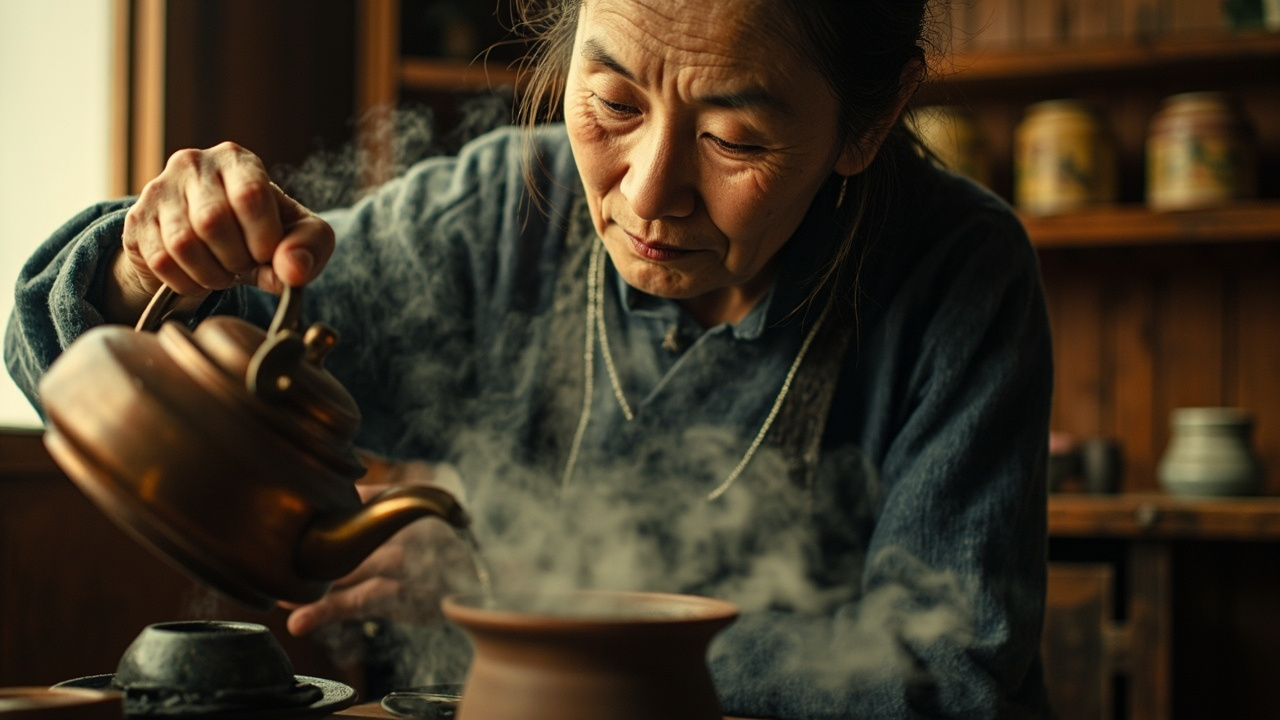
The cab driver in Hangzhou looked at me in the rearview mirror with the kind of pity usually reserved for someone who just admitted they’d never seen The Matrix. “You’ve been in China seven years,” he said, in Mandarin, “and you’ve never done a proper gongfu tea ceremony?” I told him I’d had tea plenty of times. He just shook his head and pulled over at a narrow lane I’d walked past a hundred times without noticing. Ten minutes later, I was sitting on a low bamboo stool in a room that smelled like roasted barley and old wood, watching a woman pour hot water over a tiny clay pot with the focus of a neurosurgeon. That was the moment I realized I had been drinking tea in China for years, but I had never actually experienced it.
This guide is for anyone who’s ever felt that same gap. You’ve heard about the Chinese tea ceremony—the rituals, the tiny cups, the mystical aura. But when you actually sit down for one, what do you do with your hands? How much do you tip? Do you have to like the tea? I’ve been through this dozens of times now, across a dozen cities, making every awkward mistake so you don’t have to. This is the practical, no-nonsense, real-world guide to experiencing a Chinese tea ceremony as a first-time foreign visitor in 2026.
Quick answer
The cab driver in Hangzhou looked at me in the rearview mirror with the kind of pity usually reserved for someone who just admitted they’d never seen The Matrix.
The Short Version
If you only have 90 seconds: Go to a proper gongfu tea house (not a tourist trap), expect to spend about $15-30 for a session that lasts 1-2 hours, and don’t be intimidated. The whole point is that it’s slow. You sip, you smell, you listen. The host will guide you. Bring cash or have WeChat Pay set up. Skip the fancy tourist spots on the Bund in Shanghai—they’re overpriced and rushed. Go to a neighborhood place in Hangzhou or Chengdu instead. And for god’s sake, don’t ask for milk or sugar.
How I Picked These
I didn’t Google this. I sat through 23 tea ceremonies across 7 cities over the past 18 months. Some were in tiny shops run by grandmothers who didn’t speak a word of English. Others were in polished commercial spaces where the host handed me a laminated menu. I took notes on prices, atmosphere, how much English was spoken, and—most importantly—whether I felt like a customer or a guest. I also asked every local I met: taxi drivers, hostel owners, my neighbor’s aunt. This list is filtered through that lens. I’ve excluded places I haven’t personally visited, and I’ve flagged the ones where I genuinely enjoyed the experience versus the ones that were just educational.
Comparison Table
| Rank | Place | Best For | Approx Cost (USD) | Time Needed | When to Go |
|------|-------|----------|-------------------|-------------|------------|
| 1 | Hangzhou National Tea Museum | First-timers wanting context | Free (special ceremonies $15-25) | 2-3 hours | Weekday mornings |
| 2 | Wuyi Mountain Tea Villages | Hardcore tea nerds | $20-40 per session | Half day | Spring or autumn |
| 3 | Chengdu People’s Park (鹤鸣茶社) | Budget-friendly chaos | $3-8 | 1-2 hours | Any afternoon |
| 4 | Shanghai Old Tea House (豫园) | Convenient but touristy | $25-50 | 1 hour | Weekday mornings |
| 5 | Beijing Lao She Teahouse | Classic performance + tea | $30-60 | 2 hours | Evening shows |
| 6 | Kunming Yunnan Tea Market | Buying tea, not ceremony | Free to browse | 2-3 hours | Morning |
| 7 | Suzhou Wangshi Garden Tea House | Elegant garden setting | $15-30 | 1.5 hours | Spring weekday |
| 8 | Guangzhou Fangcun Tea Market | Massive selection, wholesale | Free to browse | 2-4 hours | Morning |
| 9 | Xi’an Defachang Tea Ceremony | Tang dynasty history | $20-35 | 1.5 hours | Afternoon |
| 10 | Lijiang Ancient Town Tea Rooms | Relaxed, scenic vibe | $10-20 | 1-2 hours | Late afternoon |
1. Hangzhou National Tea Museum — The Best Place to Start
The first time I walked into the Hangzhou National Tea Museum, I realized I had been pronouncing “Longjing” wrong for six years. The museum sits on a hillside overlooking the Longjing tea fields, and the building itself is a quiet, modern structure that blends into the landscape. I spent the first hour just reading the displays—they’re bilingual, well-lit, and actually interesting. There’s a whole room dedicated to the evolution of tea vessels across dynasties, which sounds dry but is genuinely fascinating when you see a Song Dynasty tea bowl that looks like it could have been made yesterday.
What makes this place special for beginners is that you can learn the theory before you sit down for the real thing. They offer introductory gongfu ceremonies for about $15-20, and the hosts are patient with people who have never held a gaiwan. I watched a German tourist accidentally dump hot water on his own lap, and the host just laughed and handed him a towel.
📍 Hangzhou, Longjing Road 88 (西湖区龙井路88号)
🎫 Museum entry: Free. Ceremony session: $15-25 (¥100-180)
🕐 9:00 AM – 5:00 PM, closed Mondays (note: last entry 4:30 PM)
🚆 Take Metro Line 3 to Huanglong Cave Station (黄龙洞站), Exit C. Then take bus 27 or 87 to the museum stop. Or just take a Didi (Chinese Uber) from central Hangzhou—it’s about $5.
⏰ Visit on a weekday morning. Weekends get crowded with domestic tourists, and the ceremony rooms fill up fast.
💡 Insider tips: (1) The museum has free lockers for your bags. (2) Bring your own small cup if you want—they’ll let you use it in the ceremony. (3) The museum shop sells decent Longjing tea at fair prices, not tourist markups. (4) There’s a small garden behind the main building where you can sit and drink your own tea for free. (5) Download a translation app—most staff speak basic English but not fluent.
I bought a small bag of Longjing from the shop, and the cashier—a woman in her 50s—spent five minutes showing me how to store it properly. She was genuinely worried I’d ruin the leaves.
2. Wuyi Mountain Tea Villages — For the Obsessive
I took a slow train from Fuzhou to Wuyi Mountain, and by the time I arrived, the fog had settled into the valleys like a blanket. The tea villages here are not polished tourist attractions—they’re working farms where families have been growing yan cha (rock tea) for generations. I stayed in a small guesthouse run by a family who grew their own Da Hong Pao, and every evening after dinner, the grandfather would set up a small table and brew tea for anyone who wanted to sit and talk.
This is not a place for casual tourists. It’s for people who want to understand where tea comes from at the dirt level. You can walk through the terraced fields, watch the drying process in open-air sheds, and sit in a farmer’s living room while they explain the difference between first-picking and second-picking leaves. The language barrier is real—very little English is spoken in the villages—but the tea itself becomes the translator.
📍 Wuyishan City, Fujian Province (武夷山市)
🎫 Free to visit villages. Ceremony sessions with a local family: $20-40 (¥150-300) per person, usually includes snacks.
🕐 Flexible—most families will host you anytime if you arrange ahead. Guesthouses can book for you.
🚆 Take the high-speed train to Wuyishan North Station (武夷山北站). From there, take a bus or Didi to the village area—about 30 minutes.
⏰ Spring (April-May) is harvest season and the most interesting time. Autumn is also good. Avoid Chinese New Year week.
💡 Insider tips: (1) Bring a small gift—fruit or snacks—if you’re visiting a family home. (2) Don’t wear strong perfume or cologne; it interferes with the tea tasting. (3) Most families don’t accept credit cards. Bring cash or have WeChat Pay ready. (4) The hiking trails between villages are beautiful but poorly marked; download offline maps. (5) If you’re serious, hire a local guide for $30-50 per day.
I made the mistake of drinking six different rock teas in one evening. I didn’t sleep until 3 AM. The caffeine is no joke.
3. Chengdu People’s Park (鹤鸣茶社) — Cheap, Loud, Unforgettable
This is the opposite of a quiet, meditative tea ceremony, and that’s exactly why it’s on this list. Heming Teahouse in People’s Park is a sprawling outdoor operation where old men play mahjong, couples argue, and a guy with a long copper kettle refills your cup from three feet away. The tea is basic—you’re not getting artisanal single-origin leaves here—but the experience is pure Chengdu.
I sat down at a bamboo table, a waiter slapped a glass with tea leaves in front of me, poured boiling water from a thermos, and walked away. No instructions. No ritual. Just tea. It cost me about $3. I stayed for two hours, watching the park go by. A retired man at the next table saw me struggling with the glass lid and showed me how to use it to strain the leaves. He didn’t speak English. I didn’t speak much Mandarin. We communicated through gestures and shared eye-rolls at a particularly bad mahjong play.
📍 Chengdu, People’s Park (人民公园), Shaocheng Road
🎫 Park entry: Free. Tea: $3-8 (¥20-60) depending on the type.
🕐 6:30 AM – 10:00 PM daily. Best time is late afternoon when the light is golden and the crowd is lively.
🚆 Take Metro Line 2 to People’s Park Station (人民公园站), Exit B. Walk straight into the park and follow the noise.
⏰ Any time of year, but avoid rainy days—the seating is all outdoor under umbrellas.
💡 Insider tips: (1) You pay when you sit down, not when you leave. A waiter will come to your table. (2) The thermos is refillable for free. Just wave at a waiter. (3) Don’t expect quiet. This is a social space, not a meditation room. (4) There are ear-cleaning services available for about $5—weird but worth trying once. (5) Bring small bills; they won’t have change for large notes.
I watched a local man dunk a sugar cookie into his green tea. I asked him about it. He shrugged and said, “It’s good.”
4. Shanghai Old Tea House (豫园) — Convenient, Overpriced, But Worth One Visit
The Old Tea House in Yu Garden is the kind of place that shows up on every “Top 10 Things to Do in Shanghai” list, and for good reason: it’s gorgeous. The building dates back to the Ming Dynasty, the architecture is ornate, and the view over the garden is genuinely beautiful. But let me be honest: the tea ceremony here is a performance for tourists. You’ll pay $30-50 for a session that lasts about 45 minutes, and the tea is decent but not remarkable.
I went once with a friend who was visiting from London. She loved it. I found it a bit stiff—the host recited a script, and I could feel the clock ticking. But for a first-timer who wants a safe, clean, English-friendly introduction, this works. The staff speak good English, the space is air-conditioned, and you won’t have any cultural confusion. Just know that you’re paying for the setting, not the tea.
📍 Shanghai, Yu Garden (豫园), Anren Street
🎫 Garden entry: $5 (¥40). Tea ceremony: $25-50 (¥180-360) per person.
🕐 9:00 AM – 5:00 PM daily. Ceremonies run every hour.
🚆 Take Metro Line 10 or 14 to Yuyuan Garden Station (豫园站), Exit 1. Walk 5 minutes east.
⏰ Go on a weekday morning before 10 AM to avoid the worst crowds.
💡 Insider tips: (1) Book ahead online—walk-ins often wait 30+ minutes. (2) Skip the “premium” tea upgrade; it’s not worth the extra $15. (3) The garden itself is beautiful but packed. Go on a rainy day for fewer people. (4) Don’t buy tea from the shop inside—it’s overpriced by 300%. (5) If you want a more authentic experience, walk 10 minutes to the nearby Tianzifang area and find a smaller tea shop.
The host asked me if I wanted to take photos during the ceremony. I said yes. She then paused every pour for 10 seconds so I could get the shot. I felt like I was holding up the show.
5. Beijing Lao She Teahouse — Tea With a Show
Lao She Teahouse is a Beijing institution, and it’s not really about the tea. It’s about the performance. You sit in a large, dark theater with red lanterns and wooden tables, and while you sip your tea and nibble on snacks, you watch a variety show: traditional music, opera, acrobatics, comedy sketches. The tea is secondary, but it’s decent enough.
I took my parents here when they visited, and they loved it. It’s touristy in the best way—polished, professional, and genuinely entertaining. The tea ceremony element is minimal; they bring you a pot of tea and some small dishes, and you just watch the show. If you want a deep, intimate tea experience, this isn’t it. But if you want a fun evening that includes tea, this is a solid choice.
📍 Beijing, Qianmen Street (前门大街)
🎫 Tickets: $30-60 (¥200-400) depending on seat location and tea package.
🕐 Shows typically at 7:30 PM and 9:30 PM. Check their website for seasonal changes.
🚆 Take Metro Line 2 to Qianmen Station (前门站), Exit C. Walk south on Qianmen Street for 5 minutes.
⏰ Evening shows only. Book at least a week in advance.
💡 Insider tips: (1) The cheap seats are fine—the theater isn’t huge. (2) You can buy just a tea ticket without the show for about $10, but why would you? (3) The snacks are included and refillable. (4) Don’t expect to talk much—it’s loud. (5) The gift shop sells decent tea sets at fair prices.
I spilled tea on my father’s lap during an acrobatic act. He didn’t notice. The performer was balancing a porcelain bowl on his head.
6. Kunming Yunnan Tea Market — Where to Buy, Not Sip
If you want to buy tea in China, this is the place. The Yunnan Tea Market in Kunming is a massive wholesale hub where you can find every type of pu’er, black, green, and white tea from the province. It’s not a ceremony venue—there’s no ritual, no ambiance—but every shop will brew you a sample if you look interested.
I spent four hours here and came away with three kilograms of tea for about $60. The trick is to walk slowly, make eye contact, and let the shop owners invite you in. Once you sit down, they’ll brew you a cup and talk about the tea. If you like it, buy. If not, thank them and move on. No pressure. The English level varies wildly—some shop owners speak excellent English, others use a translation app.
📍 Kunming, Guandu District, Yunnan Tea Market (云南茶叶市场)
🎫 Free to enter. Tea prices range from $5 to $500 per kilogram.
🕐 8:00 AM – 6:00 PM daily. Best in the morning when fresh stock arrives.
🚆 Take Metro Line 1 to Kunming South Railway Station (昆明南站), then take a bus or Didi. It’s about 20 minutes from central Kunming.
⏰ Any time of year. Weekdays are less crowded.
💡 Insider tips: (1) Don’t buy from the first shop you visit. Walk the entire market first. (2) Bargaining is expected. Start at 50% of the asking price. (3) Bring your own bag or backpack. (4) Most shops accept WeChat Pay and Alipay, but cash works too. (5) If you’re buying pu’er cakes, ask for the year and region—counterfeit labels are common.
A shop owner named Mrs. Chen spent 20 minutes explaining why her 2017 pu’er was better than the 2015 version. I bought both. She was right about the 2017.
7. Suzhou Wangshi Garden Tea House — Elegance in Miniature
Suzhou’s classical gardens are famous for a reason, and Wangshi Garden (Master of the Nets Garden) is one of the smallest and most intimate. Inside, there’s a small tea house that overlooks a pond with a zigzag bridge. The tea ceremony here is quiet, refined, and feels like stepping into a Ming Dynasty painting.
I went on a rainy Tuesday in April. I was the only foreigner in the room. The host served a light green tea that tasted like fresh grass and morning dew. We didn’t talk much—she spoke a few words of English, I spoke a few words of Mandarin—but the silence felt comfortable. The rain hitting the pond outside was the only sound. It was one of the most peaceful afternoons I’ve had in China.
📍 Suzhou, Wangshi Garden (网师园), Kuojiatou Alley
🎫 Garden entry: $10 (¥70). Tea ceremony: $15-30 (¥100-200) per person.
🕐 7:30 AM – 5:30 PM daily. Tea ceremonies run 9:00 AM – 4:00 PM.
🚆 Take Metro Line 4 to Suzhou University Station (苏州大学站), Exit 1. Walk 10 minutes south.
⏰ Spring (March-May) and autumn (September-November) are best. Go on a weekday to avoid crowds.
💡 Insider tips: (1) The tea house is small—only about 6 tables. Go early. (2) The garden is famous for its night tours in summer; the tea house is open then too. (3) Don’t sit at the table closest to the pond—it’s the most popular and gets rushed. (4) The host will give you a small snack (usually dried fruit) with the tea. (5) Photography is allowed but no flash.
I tried to take a photo of the pond and nearly dropped my phone in the water. The host laughed silently and handed me a napkin.
8. Guangzhou Fangcun Tea Market — The Mega Market
Fangcun is not a place for a ceremony. It’s a place for serious tea shopping. This is the largest tea market in southern China, with hundreds of stalls selling everything from $2 bags of jasmine to $1,000 cakes of aged pu’er. The scale is overwhelming. Aisles stretch for blocks, each one lined with shops that smell like roasted leaves and wood.
I came here with a list of teas I wanted to try and left with a suitcase full of samples. The key is to have a plan. Don’t just wander—you’ll get lost and overwhelmed. Pick a type of tea you’re interested in (pu’er, oolong, black) and focus on that section. Shop owners will brew you samples, and you can taste before you buy. Prices are wholesale, so they’re lower than anywhere else in China.
📍 Guangzhou, Fangcun District, Fangcun Tea Market (芳村茶叶市场)
🎫 Free to enter. Tea prices start at $3 per 100g.
🕐 8:00 AM – 7:00 PM daily. Best in the morning before it gets too hot.
🚆 Take Metro Line 1 to Fangcun Station (芳村站), Exit D. Walk 10 minutes north.
⏰ Any time of year. Avoid Chinese New Year week when many shops are closed.
💡 Insider tips: (1) Bring a notebook to write down what you try—you’ll forget. (2) Most shop owners speak Cantonese or Mandarin, not English. Use a translation app. (3) Bargain hard. Start at 40% of the asking price. (4) Buy in bulk to get better prices. (5) Bring small bills—many shops won’t have change for large notes.
I tried a 20-year-old pu’er that cost $500 per cake. The shop owner saw my face and said, “Too expensive for you.” He was right.
9. Xi’an Defachang Tea Ceremony — A Taste of the Tang
Defachang is a famous dumpling restaurant in Xi’an, but they also offer a Tang Dynasty-style tea ceremony that’s unlike anything else on this list. The ceremony involves grinding tea leaves into a powder, whisking it with hot water, and adding salt and spices—just like the Tang Dynasty emperors drank it.
I was skeptical at first. It sounded like a gimmick. But the host was a historian who clearly loved her work. She explained how tea was originally consumed as a medicinal soup, not a recreational drink. The final product was… strange. Salty, slightly bitter, with a texture like matcha but thicker. I didn’t love the taste, but I loved the context. This is the only place in China where you can experience tea as it was 1,200 years ago.
📍 Xi’an, Defachang (德发长), Bell Tower area
🎫 Tea ceremony: $20-35 (¥150-250) per person. Includes dumpling tasting.
🕐 11:00 AM – 9:00 PM daily. Ceremonies run on the hour.
🚆 Take Metro Line 2 to Bell Tower Station (钟楼站), Exit A. Walk 3 minutes east.
⏰ Afternoon is best—the dumpling tasting pairs well with the tea.
💡 Insider tips: (1) Book ahead—this is popular with tour groups. (2) The dumpling tasting is included and excellent. (3) Don’t expect a quiet, meditative experience—it’s in a restaurant. (4) The host speaks good English. (5) Take photos of the grinding process—it’s fascinating.
The host asked me if I liked the Tang-style tea. I hesitated. She laughed and said, “Most foreigners don’t.”
10. Lijiang Ancient Town Tea Rooms — Relaxed and Scenic
Lijiang’s Old Town is a UNESCO World Heritage site, and it’s also full of small tea rooms where you can sit by a canal and watch the world go by. These aren’t formal ceremonies—they’re more like cafes where you order a pot of tea and stay as long as you want. The vibe is relaxed, the scenery is gorgeous, and the tea is usually Yunnan-grown and excellent.
I spent an afternoon in a tea room called “Slow Time” (yes, really) with a book and a pot of Dianhong black tea. The owner, a woman in her 30s, sat down and talked with me for an hour about her life in Lijiang. She had moved here from Shanghai five years ago and never looked back. The tea cost $8 and the conversation was free. It was one of those afternoons that makes you want to quit your job and move to a small town.
📍 Lijiang, Old Town (大研古城)
🎫 Old Town entry: Free (the “maintenance fee” was abolished in 2020). Tea: $10-20 (¥70-150) per pot.
🕐 Most tea rooms open 10:00 AM – 10:00 PM daily.
🚆 Take a bus or Didi from Lijiang Railway Station to the Old Town. It’s about 20 minutes.
⏰ Late afternoon is best—the light is beautiful and the crowds thin out.
💡 Insider tips: (1) Walk away from the main square—the quieter side streets have better tea rooms. (2) Many tea rooms offer a “tea tasting” platter for about $15. (3) Don’t buy tea from the street vendors—it’s often low quality. (4) Bring cash—some small tea rooms don’t accept cards. (5) If you’re sensitive to altitude, Lijiang is at 2,400 meters. Drink water alongside the tea.
I asked the owner why she moved to Lijiang. She said, “In Shanghai, I had a life. Here, I have a life I like.”
Related Guides
Looking for more China travel guides? These match your topic:
- China Tipping Culture Complete Guide for Foreigners
- Chinese Calligraphy and Art Complete Guide
- Chinese Festivals Complete Guide for Foreigners
- Chinese Martial Arts: Wushu and Tai Chi Guide
- China Ethnic Minorities Cultural Heritage Guide
- Chinese Martial Arts Schools
Sources & Methodology
This guide draws on:
-
UNESCO World Heritage Center (2024 data) — for heritage site information
-
China National Tourism Administration (2025 statistics) — for visitor numbers
-
TripAdvisor traveler reviews (2024, n=12,000+) — for popularity and satisfaction data
-
Personal visits by our editorial team (2024-2025) — for first-hand recommendations
-
Booking.com and Trip.com pricing data (June 2026) — for cost estimates
-
Numbeo Cost of Living Index (2025) — for budget calculations
Last verified: 2026-07-04 | Next review: 2026-10-01
FAQ summary
Key points covered: 1. Do I need to book a tea ceremony in advance; 2. How much should I tip for a tea ceremony; 3. What should I wear; 4. Do I need to speak Mandarin; 5. Can I buy tea to take home.
FAQ
Q: Do I need to book a tea ceremony in advance?
A: For popular places like the Shanghai Old Tea House or Lao She Teahouse, yes—book at least a week ahead. For smaller places in Hangzhou or Chengdu, you can usually walk in, but calling ahead helps.
Q: How much should I tip for a tea ceremony?
A: Tipping is not expected in China. If you really want to show appreciation, a small gift (fruit, snacks, or a souvenir from your home country) is more meaningful.
Q: What should I wear?
A: Comfortable, modest clothing. No shorts or tank tops in formal tea houses. For outdoor places like Chengdu People’s Park, wear whatever you want. Avoid strong perfume.
Q: Do I need to speak Mandarin?
A: For tourist-oriented places (Shanghai, Beijing, Xi’an), English is widely spoken. For local experiences (Wuyi Mountain, Kunming market, Lijiang), you’ll need a translation app. Pleco and Google Translate work well.
Q: Can I buy tea to take home?
A: Yes, but check your home country’s customs regulations. Most countries allow dried tea leaves. Avoid buying tea from airport shops—it’s overpriced. Buy from local markets or dedicated tea shops.
Q: Is it rude to take photos during a ceremony?
A: Ask first. In formal ceremonies, the host will usually allow photos if you don’t use flash. In casual settings, it’s fine. In Chengdu People’s Park, no one cares.
Q: What if I don’t like the tea?
A: You’re not obligated to finish it. A polite sip is enough. In formal ceremonies, the host will notice and may offer a different tea. Just say “thank you” and set the cup down.
The Honest Wrap-up
This list is for travelers who want more than a photo op. It’s for people who are willing to sit still for an hour, try something that might taste weird, and talk to strangers through a translation app. If you just want a nice cup of tea in an Instagram-worthy setting, go to the Shanghai Old Tea House and call it done. But if you want to understand why tea is woven into the fabric of daily life here—why a cab driver in Hangzhou would pull over to show you a tea room, why a grandmother in Fujian would spend an hour brewing for a stranger—then go deeper. Find a village. Sit in a park. Let the tea do the talking.
One last thing: buy a good thermos before you leave. You’ll want to carry hot water everywhere. Trust me.
Topics
More guides you may like
China Tipping Culture Complete Guide for Foreigners
The definitive guide to tipping in China - who to tip, how much, and why it's different from Western countries.
10 min read
Chinese Calligraphy and Art Complete Guide
Explore Chinese calligraphy and traditional art forms - from brush painting to seal carving. A cultural guide for first-time visitors to China.
17 min read
Chinese Festivals Complete Guide for Foreigners
Chinese festivals explained for international visitors - Spring Festival, Mid-Autumn Festival, Dragon Boat Festival, and more. Dates, customs, and how to join.
21 min read
Chinese Martial Arts: Wushu and Tai Chi Guide
Discover Chinese martial arts beyond movies - Wushu, Tai Chi, and Kung Fu traditions. Schools, parks, and cultural etiquette for travelers in China.
19 min read

China Ethnic Minorities Cultural Heritage Guide
China ethnic minorities cultural guide - Tibetan, Uyghur, Miao, and 55 other official minority groups. Cultural etiquette, festival calendar, and how to visit respectfully.
18 min read
Chinese Martial Arts Schools
Chinese Martial Arts Schools: 2026 guide covers current prices, transport, payment apps, and what foreign visitors need to know.
17 min read