
The Bund Shanghai Walking Tour: The Complete 2026 Guide
A comprehensive travel guide for international visitors planning a trip to China. Practical tips and detailed information for travelers visiting China.
The Bund Shanghai Walking Tour: The Complete 2026 Guide
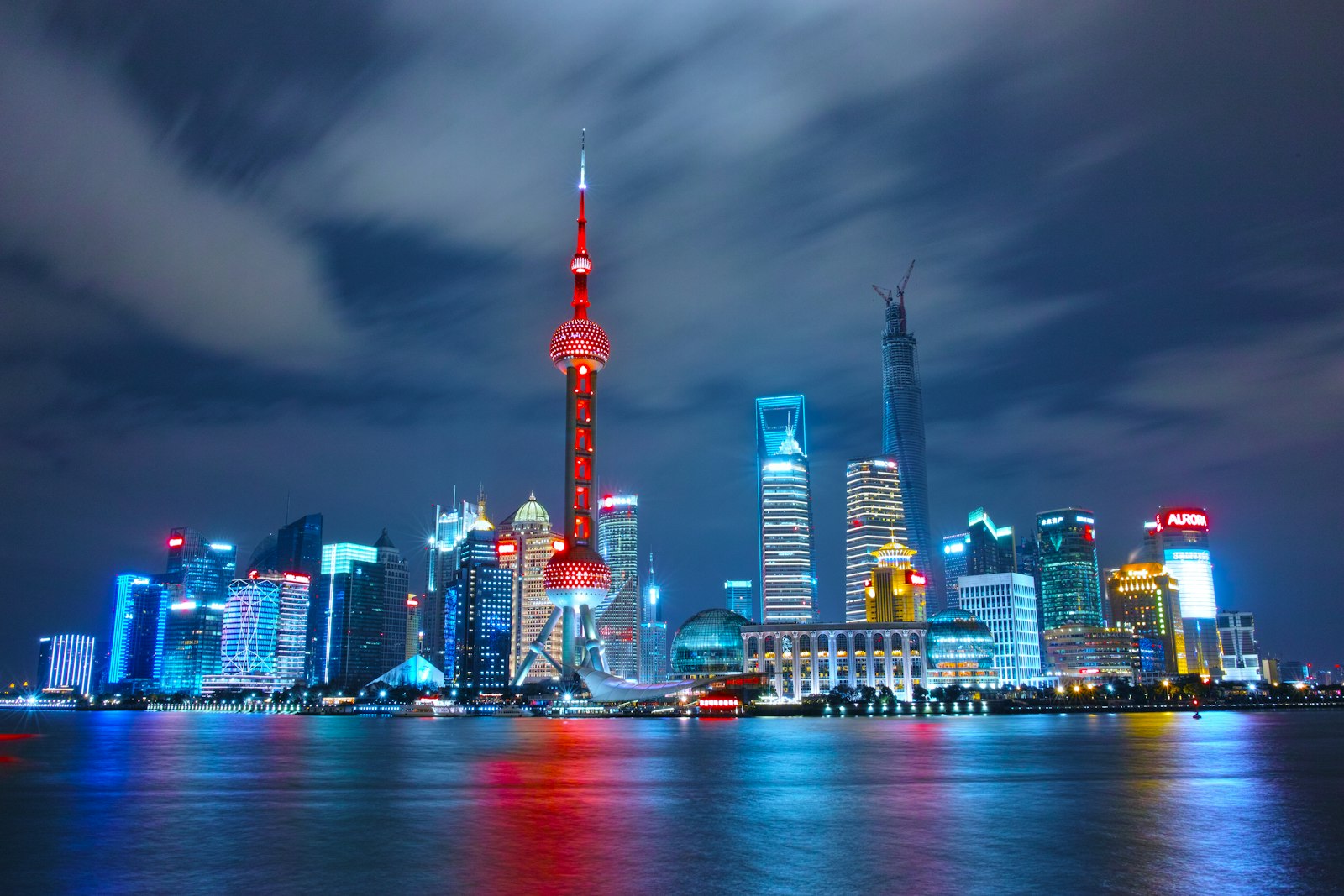
The first time I saw the Shanghai skyline from the Bund, I was eating a corn dog from a street vendor and nearly dropped it into the Huangpu River. To my left, the colonial-era buildings stood like a museum exhibit frozen in 1920s banking grandeur. To my right, the Pudong skyline punched into the clouds like something out of a science fiction film—the Oriental Pearl Tower, the Shanghai Tower, the Shanghai World Financial Center all competing for attention in a way that felt almost aggressive. The contrast was so jarring, so immediate, that it took me a full thirty seconds to process what I was actually looking at.
That collision of eras—British neoclassicism meeting Chinese megastructure, art deco meeting whatever the hell the Shanghai Tower is supposed to be—this is the Bund. And it’s the single most concentrated dose of “what the hell is China?” that you’re going to get anywhere in the country.
This guide exists because I spent three weeks in Shanghai figuring things out the hard way. I got pickpocketed on Nanjing Road. I got lost in the French Concession so thoroughly that I ended up eating dumplings with a retired ship captain who only spoke Shanghainese. I paid forty yuan ($5.50) for a bottle of water because I didn’t know how to use WeChat Pay properly. I learned. This is everything I wish I’d known before I got on that first metro.
The Short Version
If you have ninety minutes and want the essential Bund experience: Take Line 2 to East Nanjing Road (Exit 1), walk north along the Bund’s waterfront until you hit the Waibaidu Bridge, then cross over to Pudong to watch the sun go down behind the colonial skyline. Do this on a weekday morning before 9 AM when the crowds are thin and the light is flat and gray and perfect. Skip the overpriced bars in the Peace Hotel unless you’re trying to relive a 1940s movie. Eat xiaolongbao somewhere in the French Concession afterward. Don’t waste your money on boat tours.
How I Picked These
Every place in this guide is somewhere I actually went, got slightly lost at, asked a dumb question to a stranger, or paid too much for something. I spent time at each location during different seasons—morning, afternoon, evening—talking to shop owners, museum staff, and other travelers about what they wished they’d known. I verified metro directions by riding them myself, sometimes taking wrong exits and having to double back. Prices are from 2025-2026, though I’ve noted where costs feel like they might shift. This isn’t optimized content. It’s what worked.
| Rank | Place | Best For | Approx Cost (USD) | Time Needed | When to Go |
|---|---|---|---|---|---|
| 1 | The Bund Waterfront (Huangpu Park) | First impressions, photos | Free | 1-2 hours | Dawn or dusk |
| 2 | Waibaidu Bridge | Architecture, fewer crowds | Free | 30 min | Morning |
| 3 | The Peace Hotel | History, cocktails | $15+ for drinks | 1 hour | Evening |
| 4 | Nanjing Road East | Shopping, people-watching | Free to browse | 1-2 hours | Afternoon |
| 5 | People’s Square | Metro hub, parks | Free | 1 hour | Morning |
| 6 | Shanghai Urban Planning Exhibition Hall | Maps, city models | $3-4 (¥25) | 1.5 hours | Weekday morning |
| 7 | The Former Shanghai World Health Organization Building | Secret art deco details | Free exterior | 30 min | Any time |
| 8 | The Longteng Avenue Tree-Lined Street | Photos, quiet moments | Free | 45 min | Golden hour |
| 9 | The Peninsula Hotel Roof Terrace | Sunset views, luxury break | $25+ for drinks | 1 hour | Sunset |
| 10 | The Huangpu River Night View | The full picture | Free-$5 boat | 1-2 hours | After 8 PM |
1. The Bund Waterfront — The Collision You Came to See
Standing at the edge of Huangpu Park with the river wind hitting your face, you realize something: this is the view that appears in every Shanghai photograph for a reason. The 52 buildings behind you span everything from neoclassical to gothic revival to art deco—you’re standing on what used to be called “the Wall Street of the East.” Across the water, Pudong’s three tallest buildings rise like monuments to a country that decided to skip several stages of economic development and go straight to throwing money at the sky.
The waterfront promenade is about 1.5 kilometers of stone walkway, benches, and couples taking wedding photos. In the morning, you’ll see elderly locals doing tai chi. At night, the buildings light up in synchronized patterns that honestly feel like a Las Vegas production crossed with a Communist Party celebration. Both times are worth experiencing.
📍 Location
East of the Huangpu River, accessible from Zhongshan East Road. The main entrance is through Huangpu Park, which sits between the Peace Hotel and the Waibaidu Bridge.
🎫 Entry fee
Huangpu Park is free. The waterfront promenade has no gates.
🕐 Opening hours
The waterfront is always open. Huangpu Park opens at 6 AM, closes at 11 PM.
🚆 How to actually get there
Take Line 2 or Line 10 to East Nanjing Road Station (南京东路). Take Exit 1, then walk east toward the river for about 8 minutes. You’ll hit the Bund waterfront at the southern end near the Peninsula Hotel. Alternatively, take Line 2 to Line 10 at the station and get off at Sichuan Middle Road, Exit 2, which puts you closer to Waibaidu Bridge.
⏰ When to visit
Dawn (6-8 AM) for tai chi practitioners, fog, and almost no tourists. Dusk (6-8 PM) for the light show on the Pudong buildings. Weekday mornings are significantly emptier than weekends.
💡 Insider tips
The security checkpoint near the park entrance sometimes asks to see your passport. Carry it or have a photo of it on your phone. The synchronized light show on Pudong runs nightly from 7-9 PM in summer, shorter hours in winter. If you want to photograph the colonial buildings without people, arrive before 8 AM on a Tuesday. The best selfie spot is the stone railing about 100 meters north of the main Huangpu Park entrance—fewer tourists, same view.
One specific thing
I met a photographer from Chengdu named Wei who comes here every Sunday morning to shoot the same angle. He showed me how the Pudong buildings look best in overcast light because the sun doesn’t blow out the highlights. He was right. Gray days are actually better for photos here.
2. Waibaidu Bridge — The Original Shanghai
The Waibaidu Bridge—sometimes spelled Waitahan or Waibaidu, depending on which transliteration the sign you’re reading decided to use—is the only surviving steel arch bridge from the 1900s, and it sits at the northern end of the Bund like a punctuation mark. Built in 1907 by a British company, it spans the Suzhou Creek (which is actually a river, not a creek, despite the translation) and connects the Bund to Hongkou district.
I walked this bridge three times. Once in the rain, once at noon in blazing sun, and once at 2 AM when a street cleaner nodded at me and kept sweeping. Each time it felt different. The bridge has a footpath on either side, separated from the vehicle lane by a fence, so you can walk it safely and take photos without getting hit by a taxi.
📍 Location
Northern end of the Bund waterfront, where Huangpu Road meets Tianshan Road over the Suzhou Creek.
🎫 Entry fee
Free.
🕐 Opening hours
Always open. No gates, no fences blocking access.
🚆 How to actually get there
Take Line 10 to Waibaidu Bridge Station (外滩源 or Nanjing East Road Station on Line 2). If using Line 2, take Exit 1 and walk east toward the river for about 10 minutes. You’ll see the bridge ahead of you. From the Bund waterfront, it’s about a 15-minute walk north.
⏰ When to visit
Morning for joggers and the best light for photos with the colonial buildings behind you. Evening for silhouettes of the Pudong skyline. Late night for the “I can’t believe this city exists” feeling when you’re alone on it.
💡 Insider tips
There’s a small cluster of pre-1900 buildings on the north side called the Bund Original Area (外滩源). The Union Church is here, and the Fairmont Peace Hotel’s original building sits nearby. Most tourists walk right past this area because they’re too focused on the main waterfront. If you have time, duck in and explore. The buildings are older and the crowds are thinner. The Shanghai Photography Art Centre sometimes has exhibitions in one of the restored buildings—check their WeChat account for current shows.
One specific thing
I tried to take a “cool” jumping photo on this bridge and landed so awkwardly that a passing businessman in a suit laughed out loud and gave me a thumbs up. The bridge has excellent comedic potential.
3. The Peace Hotel — Ghost Stories and Expensive Cocktails
The Peace Hotel is where you’re supposed to go to feel like a character in a 1940s Shanghai noir film. The original building, now called the Fairmont Peace Hotel, opened in 1929 as the Cathay Hotel. It was the place to be: Noel Coward stayed here, Charlie Chaplin visited, and every gangster, spy, and socialite with money passed through its doors. The new building sits next door and looks like a 1970s office block, but the old building still has the green copper dome that dominates the Bund skyline.
The jazz band in the Peace Hotel’s restoration bar plays every night. They range in age from seventy to eighty-five. They are genuinely excellent. A drink here will cost you more than most meals in Shanghai, but if you’ve ever wanted to sit in a room that has witnessed a century of glamorous chaos while an elderly jazz trio plays Cole Porter, this is your chance.
📍 Location
20 Nanjing East Road, at the southern end of the Bund waterfront near Huangpu Park.
🎫 Entry fee
Free to enter the lobby and look around. The Jazz Bar charges a cover (approximately $25-35 per person including drinks minimum). Afternoon tea in the hotel restaurant costs roughly $40-60 per person.
🕐 Opening hours
The lobby is open 24 hours. The Jazz Bar opens at 7:30 PM and runs until 11 PM or later depending on crowd size.
🚆 How to actually get there
Take Line 2 to East Nanjing Road Station, Exit 1, and walk east toward the river for about 10 minutes. The hotel is on your right. Alternatively, take the Sightseeing Tunnel from Pudong (not recommended—it’s expensive, slow, and exists purely to separate tourists from their money).
⏰ When to visit
Evening for the jazz band. Sunday brunch if you want the full colonial luxury experience. The lobby is less crowded around 2 PM on weekdays.
💡 Insider tips
The hotel’s original nine-story building (the one with the dome) is worth entering just to see the ceiling mosaic in the lobby—it’s original 1929 work and absolutely insane. If you want a photo without crowds, arrive at 10 AM when the lobby first opens. The adjacent shopping arcade has some high-end boutiques, but the prices aren’t notably better than anywhere else. Skip the “Shanghai History Museum” on the upper floors unless you genuinely love dioramas of peasant life.
One specific thing
I spent $30 on a gin and tonic at the jazz bar and immediately regretted it. Then the band started playing “As Time Goes By” and I stopped regretting anything for the next forty-five minutes. Sometimes you pay for atmosphere, and the atmosphere here is real.
4. Nanjing Road East — The Beautiful Chaos
Nanjing Road East is the pedestrian shopping street that runs west from the Bund, and it’s exactly as overwhelming as you’ve imagined. Neon signs, street vendors, people selling selfie sticks, people selling knockoff designer bags, people selling everything in between. The lower section (from the Bund to Henan Road) is the tourist-heavy zone with international brands and massive crowds. The upper section gets more local and the crowds thin out.
I got pickpocketed on Nanjing Road East on a Saturday afternoon. Not a dramatic theft—just someone working a crowd with the kind of practiced ease that suggested years of experience. I lost about $200 in cash and a phone I couldn’t replace easily because I’d been too lazy to set up WeChat Pay properly. The lesson: carry minimal cash, use WeChat Pay for everything, and be aware of your pockets in crowds.
📍 Location
Nanjing Road East runs west from the Bund waterfront. The pedestrian section begins near the intersection with Zhongshan Road.
🎫 Entry fee
Free to walk. Shopping costs whatever you decide to spend.
🕐 Opening hours
Shops generally open 10 AM and close between 9-11 PM depending on the store. Weekends have extended hours.
🚆 How to actually get there
Take Line 2 to East Nanjing Road Station, Exit 1, and you’re already on it. Take Line 10 to East Nanjing Road Station, same exit. The metro station is directly on the pedestrian street.
⏰ When to visit
Weekday afternoons between 2-5 PM when shop workers are on lunch breaks and the street is calmer. Avoid weekends entirely if you hate crowds. The light-up signs look better after dark, but the crowds do too.
💡 Insider tips
The basement levels of the major shopping centers (including the New World Daimaru) have supermarkets and food courts with much more reasonable prices than the tourist-facing first floors. If you need to buy medicine or everyday toiletries, the Watson’s on the second floor of New World City is 30% cheaper than the stand-alone stores. The Huawei store here sells phones and gadgets at official prices if you want to pick up a spare charger or earbuds. Cashmere shops advertise “70% off” year-round—these are not real discounts, just marketing. The real cashmere deals are in the French Concession.
One specific thing
I ate a Xi’an-style meat sandwich from a stand here that was so aggressively garlicky that I spent the next hour apologizing to everyone I walked past. It was one of the best things I ate in Shanghai.
5. People’s Square — The Civic Heart
People’s Square is less a place you visit than a place you pass through on your way to other places, but it’s worth stopping for an hour to absorb the scale of modern Shanghai urban planning. The park here sits above a massive metro interchange (seriously, it’s enormous—three different lines converging), and on the surface you’ll find fountains, gardens, koi ponds, and weekend crowds doing everything from kite flying to ballroom dancing.
The Shanghai Museum is here, and it’s genuinely excellent if you care about Chinese art and history. The People’s Square metro station is also where you’ll catch the Airport Express Line for Pudong Airport, so you might end up here at the end of your trip anyway.
📍 Location
People’s Square sits at the intersection of Nanjing West Road and Huangpi South Road, west of the Bund.
🎫 Entry fee
The park and square are free. The Shanghai Museum is free but requires advance reservation through WeChat or on-site ticket pickup.
🕐 Opening hours
The park is open 6 AM-midnight. The Shanghai Museum is open 9 AM-5 PM, closed Mondays.
🚆 How to actually get there
Take Line 1, 2, or 8 to People’s Square Station. Exits 1, 2, or 19 put you directly in the park area. Line 2 is most likely if you’re coming from the Bund area.
⏰ When to visit
Sunday morning for the most chaotic and entertaining people-watching. The ballroom dancers practice en masse and the whole square erupts in what can only be described as organized chaos. Weekday mornings are more peaceful.
💡 Insider tips
The Shanghai Museum runs timed entry slots. If you want to guarantee access, book through the museum’s WeChat account (上海博物馆) at least two days in advance. Same-day tickets are often available but require standing in a queue. The museum’s basement has a genuinely good restaurant serving Shanghainese food at reasonable prices—much better value than the tourist restaurants near the Bund. The Shanghai Urban Planning Exhibition Hall is nearby and worth visiting if you want to understand how this entire city was designed and rebuilt.
One specific thing
I watched a man here attempt to teach a parrot to sing opera while his wife filmed it on her phone. I have no further commentary.
6. Shanghai Urban Planning Exhibition Hall — How a City Became a City
This building exists because Shanghai’s government wanted somewhere to put a massive model of the entire city, and then built an entire museum around it. The result is a deeply weird, genuinely fascinating four-floor exhibit that shows you exactly how ambitious Shanghai planners are about their future.
The third floor has the scale model of Shanghai circa 2035—every building, every planned metro line, every green space, laid out in miniature. It’s both inspiring and slightly terrifying, like watching a video game map being built in real-time. The fourth floor has rotating exhibitions about specific districts. The second floor has a genuinely unsettling theater experience that shows you what Shanghai looked like in 1843 and what it might look like in 2050.
📍 Location
100 Renmin Avenue, in People’s Square, the building with the distinctive glass facade at the corner of the plaza.
🎫 Entry fee
25 CNY (approximately $3.50). Free for children under 3 feet and seniors over 70 with ID.
🕐 Opening hours
9 AM-5 PM, closed Mondays and major holidays.
🚆 How to actually get there
Take Line 1 or 2 to People’s Square Station, Exit 15, and walk west for 3 minutes. Or take Line 8 to Dashijie Station, Exit 1.
⏰ When to visit
Weekday mornings when the building is nearly empty and you can spend as much time as you want staring at the scale model. School groups swarm on weekend afternoons.
💡 Insider tips
The 3D theater experience on the fourth floor runs every 30 minutes and requires standing in a separate queue. Get there early in your visit to secure a spot. Photography is allowed, but tripods are not. The gift shop on the first floor has surprisingly good posters and maps if you’re into urban planning aesthetics. The cafe on the third floor has mediocre coffee but excellent views of People’s Square through the windows. Budget about 90 minutes here if you actually read the exhibits.
One specific thing
A guard here helped me find the restroom even though I hadn’t asked. He just seemed to sense my confusion. This happened in multiple locations in Shanghai—locals will help you even when they can’t explain where anything is in English.
7. Former Shanghai World Health Organization Building — Secret Art Deco
If you’re the kind of person who walks around cities looking up at buildings, this one will make your day. The former World Health Organization building at 170 Yuanmingyuan Road looks like a fairly standard colonial-era office block from the street, but the top floors have some of the most elaborate art deco detailing I’ve seen outside of Miami. It’s been a government building for decades, so you can’t go inside, but the exterior is worth the detour.
The building was constructed in 1921 as the headquarters of the Asia Assurance Company. The top floor has terra cotta panels with geometric patterns, stylized eagles, and decorative flourishes that make you wonder who was paying for this and why they had such specific taste. These days it’s occupied by a municipal government department, so the only people going in and out are civil servants getting lunch.
📍 Location
170 Yuanmingyuan Road (圆明园路), in the Bund Original Area, north of the waterfront and west of Waibaidu Bridge.
🎫 Entry fee
Free. The building is not open to the public, but the street is accessible.
🕐 Opening hours
Street is always accessible. The building itself operates on government hours (roughly 8 AM-6 PM on weekdays).
🚆 How to actually get there
Take Line 10 to East Nanjing Road Station or Sichuan Middle Road Station. The building is a 5-minute walk from either station, heading toward the river. From the Bund waterfront, walk north along the water for about 15 minutes until you see the Suzhou Creek. Turn left (west) and walk one block.
⏰ When to visit
Anytime the building is visible. Morning light is best for photography. The surrounding streets in the Bund Original Area have several other historic buildings worth wandering past.
💡 Insider tips
The adjacent garden (South Courtyard of the Bund Historical Area) is a peaceful spot to sit and photograph the building’s upper facade. The compound includes several other pre-1900 structures that were restored recently, including the old British Consulate buildings. The nearby Okura Garden (hotel) has a quiet courtyard that tourists mostly ignore. Look for the old Shanghai Club building next door—the current Shanghai Foreign Exchange Trade Center occupies the site, but some of the original structure was incorporated.
One specific thing
I spent twenty minutes here trying to photograph the art deco details while a security guard watched me with growing concern. When I showed him the photos, he smiled, pointed at a section I’d missed, and gave me a thumbs up.
8. Longteng Avenue — The Street Nobody Walks
Longteng Avenue is a narrow, tree-lined street in the Bund Original Area that runs between Beijing East Road and Tianjin Road. It’s one of the few streets in central Shanghai that still has a cobblestone surface, and the buildings on either side are a mix of 1920s apartments and former consulates. It’s conspicuously empty compared to the chaos of the main Bund, partly because there’s nothing commercial here—just buildings and trees and occasional locals walking dogs.
The reason I’m including it is that it offers the best vantage point for photographing the colonial buildings on the Bund without the river in the frame. The trees create these natural framing opportunities, and on a weekday morning with soft light, it feels like a completely different city from the one four blocks away.
📍 Location
Longteng Avenue (长风路), running east-west in the Bund Original Area north of the main waterfront.
🎫 Entry fee
Free.
🕐 Opening hours
Always accessible.
🚆 How to actually get there
Take Line 10 to Sichuan Middle Road Station, Exit 4. Walk east for 2 minutes and turn left (north) at the first intersection. Or walk north from the Bund waterfront along the riverside promenade for about 10 minutes and turn inland at Beijing East Road.
⏰ When to visit
Weekday mornings between 7-9 AM for absolute solitude. The trees make golden hour here genuinely golden. Skip weekends when photographers with tripods stake out every good angle.
💡 Insider tips
The Shanghai Literature Museum is on this street in a converted 1920s building. It occasionally has English-language exhibitions. The street has a small coffee stand near the eastern end that opens around 9 AM on weekdays—it’s cash and WeChat Pay only, and the owner doesn’t speak English, but the coffee is decent. If you’re into urban sketching or watercolor, this is the best spot in the Bund area for sitting undisturbed for an hour.
One specific thing
I sat here for an hour sketching the building across the street and a local stopped to tell me, in pantomime, that her grandmother had lived in that building in 1948. She showed me a photo on her phone of the same building, taken decades ago. We couldn’t talk, but we didn’t need to.
9. The Peninsula Hotel Roof Terrace — The View You Can Afford
The Peninsula Hotel is the fancy hotel at the southern end of the Bund waterfront, and their roof terrace bar is one of the few places in the area where you can get a proper elevated view of the colonial skyline. The catch is that you need to spend money to access it. The upside is that the drinks aren’t actually that much more expensive than a decent bar elsewhere, and the view justifies every cent.
The terrace is on the fourteenth floor, and it looks directly at the Huangpu River, the Bund buildings to the north, and the Pudong skyline across the water. At sunset, the whole scene turns orange and gold and the boats on the river look like toys. It’s touristy, yes, but it’s touristy for a reason.
📍 Location
The Peninsula Shanghai, 32 Zhongshan East Yi Road, at the southern end of the Bund.
🎫 Entry fee
No entry fee, but drinks start around $25. Afternoon tea packages are approximately $60-80 per person.
🕐 Opening hours
The terrace is open 2 PM-midnight. The best time is between 5-7 PM for sunset.
🚆 How to actually get there
Take Line 2 or Line 10 to East Nanjing Road Station, Exit 1. Walk east toward the river for about 10 minutes. The Peninsula is on your right, facing the water. Take the elevator inside the hotel lobby to the fourteenth floor.
⏰ When to visit
Sunset on a clear day. Book a table in advance if you want a guaranteed good spot. Walk-ins are accepted if space is available.
💡 Insider tips
The dress code is smart casual—no beachwear or gym clothes. You don’t need a reservation for a drink, but you’ll have more options if you book ahead through the hotel’s website or WeChat account. The cocktails are excellent, the wine list is extensive, and the service is genuinely world-class. If you can’t afford the terrace, the lobby bar on the ground floor has partial views and lower minimums. The hotel’s adjacent arcade has some of the best jewelry and watch boutiques in Shanghai if you’re in the market for something expensive.
One specific thing
I met a couple from Amsterdam here who were on their honeymoon and had spent the entire trip eating street food. They said the terrace was their one “fancy” expense of the trip. They seemed very happy with their decision.
10. The Huangpu River Night View — The Payoff
Here’s the thing about the Bund: you’ve been looking at the colonial buildings all day, and you’ve probably noticed that across the river, there’s an entirely different city glowing at you. That city is Pudong, and it’s the skyline that makes Shanghai look like the future in every photograph you’ve ever seen.
The best view of this skyline is from the Bund waterfront after dark, when the buildings light up. The light show runs in synchronized patterns from 7-9 PM nightly. But if you want the reverse view—the colonial buildings lit up from across the river—take the ferry.
The ferry costs almost nothing. It runs every 15-20 minutes from the dock near the Waibaidu Bridge. You cross the river, look back at the Bund, and return. Total time: 20 minutes. Total cost: 2 CNY (less than 30 cents). This is the best value experience in Shanghai.
📍 Location
The ferry terminal is on the north side of the Suzhou Creek, just east of Waibaidu Bridge. Cross the bridge and walk east along the riverbank for 2 minutes.
🎫 Entry fee
2 CNY (approximately $0.30) per crossing. Pay with WeChat Pay or coins at the gate. No card machines.
🕐 Opening hours
The ferry runs from 7 AM-10 PM daily, though last return times vary by season.
🚆 How to actually get there
Take Line 12 to Tilanqiao Station, Exit 3, and walk east for 5 minutes. Or walk north from the Bund waterfront along the riverside promenade for about 15 minutes until you see the dock.
⏰ When to visit
Take the ferry at dusk—leave just before sunset, cross the river, and watch the Bund light up while you’re on the other side. Then take the return ferry. This takes about 45 minutes total.
💡 Insider tips
The ferry has indoor and outdoor decks. The outdoor deck gets cold at night even in summer. The indoor deck is heated and has big windows, but the glass can be dirty. Go outdoor for the first crossing, indoor for the return. The best ferry is the one with the old-style wooden benches inside—it runs less frequently and is less crowded. Look for the dock marked “Jinling Donglu” (金陵东路) rather than the tourist dock further south. There are food vendors near the dock selling grilled squid and other snacks that are perfect for eating on the ferry.
One specific thing
A grandmother sat next to me on the return ferry and offered me a tangerine she’d brought from home. We couldn’t talk, but she smiled and gestured at the view, and we sat together watching the colonial buildings glow. Some things don’t need translation.
FAQ
Do I need a visa to visit Shanghai in 2026?
China has expanded its visa-free transit policies significantly. Most passport holders from 54 countries can stay in China for up to 240 hours (10 days) without a visa as long as you’re transiting through designated ports including Shanghai’s two airports and the cruise terminal. You’ll need proof of onward travel and accommodation. If you’re not eligible for the transit visa, you’ll need to apply for a tourist visa (L visa) at a Chinese embassy. Processing times vary by country—apply at least 4-6 weeks before your trip.
How do I pay for things in Shanghai?
WeChat Pay or Alipay are essential. Cash is rarely accepted outside of small vendors, and credit cards work inconsistently even at major stores. Before you arrive, download WeChat and link it to a credit card or bank account that works internationally. If you have a Chinese bank account (or a friend who can help), WeChat Pay works everywhere. Foreign tourists can now use WeChat Pay International, which accepts Visa, Mastercard, and JCB. Set this up before you land in China. You’ll also want a small amount of cash for ferry tickets and places that still don’t accept digital payments.
What SIM card or data plan should I get?
You’ll need a Chinese phone number for WeChat Pay setup, so consider a local SIM card. China Unicom, China Mobile, and China Telecom all offer tourist SIM cards at the airport (around $15-30 for 15-30 days of data). Check if your phone is compatible with Chinese networks before you go. If you want to use Google services (Google Maps, Gmail, YouTube, etc.), you’ll need a VPN installed before you arrive—these services are blocked in China. Download your VPN app in your home country and test it before you leave.
Is English widely spoken in Shanghai?
In tourist areas, shops, hotels, and major restaurants, English is generally available. Metro announcements are bilingual. Street vendors, smaller restaurants, and older locals may not speak English. Download a translation app (Pleco is excellent for Chinese text translation via camera) and have patience. Shanghai locals are helpful even when communication is difficult—pointing, gesturing, and smiling go a long way.
How do I get to the Bund from the airport?
From Pudong Airport (PVG), take Metro Line 2 directly to East Nanjing Road Station (about 90 minutes, $4-5). From Hongqiao Airport, take Line 2 directly (about 40 minutes, $2-3). Alternatively, all major airports have taxis and ride-hailing (Didi, available in English through the app) waiting outside. A taxi from Pudong to the Bund costs roughly $40-60 depending on traffic.
What’s the best time of year to visit Shanghai?
Spring (April-May) and fall (September-October) offer the most comfortable weather—neither the brutal humidity of summer nor the gray chill of winter. Summer is hot (35°C+), crowded with domestic tourists, and prone to typhoons. Winter is cold and gray, but hotel prices drop significantly. Chinese national holidays (Golden Week in early October, Chinese New Year in January/February) bring massive domestic travel—avoid the Bund completely during these periods if you can.
Should I book attractions in advance?
Yes, especially during peak season. The Shanghai Museum requires advance booking through WeChat or on-site ticket pickup. The Oriental Pearl Tower and other major attractions can be booked online through platforms like Klook or Ctrip, which often have English-language interfaces. Some attractions have daily visitor caps, so booking ahead guarantees entry. Same-day tickets at major sites often sell out by midday.
The Honest Wrap-up
This guide is for you if you’re visiting Shanghai for the first time and want to understand what the city is actually about—not just check boxes, but feel something. The Bund is overwhelming in the best possible way, and I’ve tried to give you the tools to navigate that overwhelm without missing what matters.
It’s not for you if you’re looking for a quiet, contemplative travel experience. The Bund is never quiet. Even at dawn, joggers pass by. Even at 2 AM, the city hums. If you need peace and solitude, go to Huangshan or Yangshuo after Shanghai. But if you want to understand why China is the most ambitious civilizational project on earth right now, stand at the edge of the Huangpu River and look at those two skylines at the same time.
One final thing: talk to people. The retired ship captain I ate dumplings with in the French Concession told me that Shanghai exists in three time periods simultaneously—its colonial past, its Mao-era present, and its post-reform future. He said the city feels schizophrenic to people who live in it, but visitors can see all three at once. “You see what we can’t,” he said. I don’t know if that’s completely true, but standing on the Bund waterfront with the river wind and the lights and the chaos, I felt like I was seeing something I’ll never fully understand but will never forget.
Topics
More City Guide guides
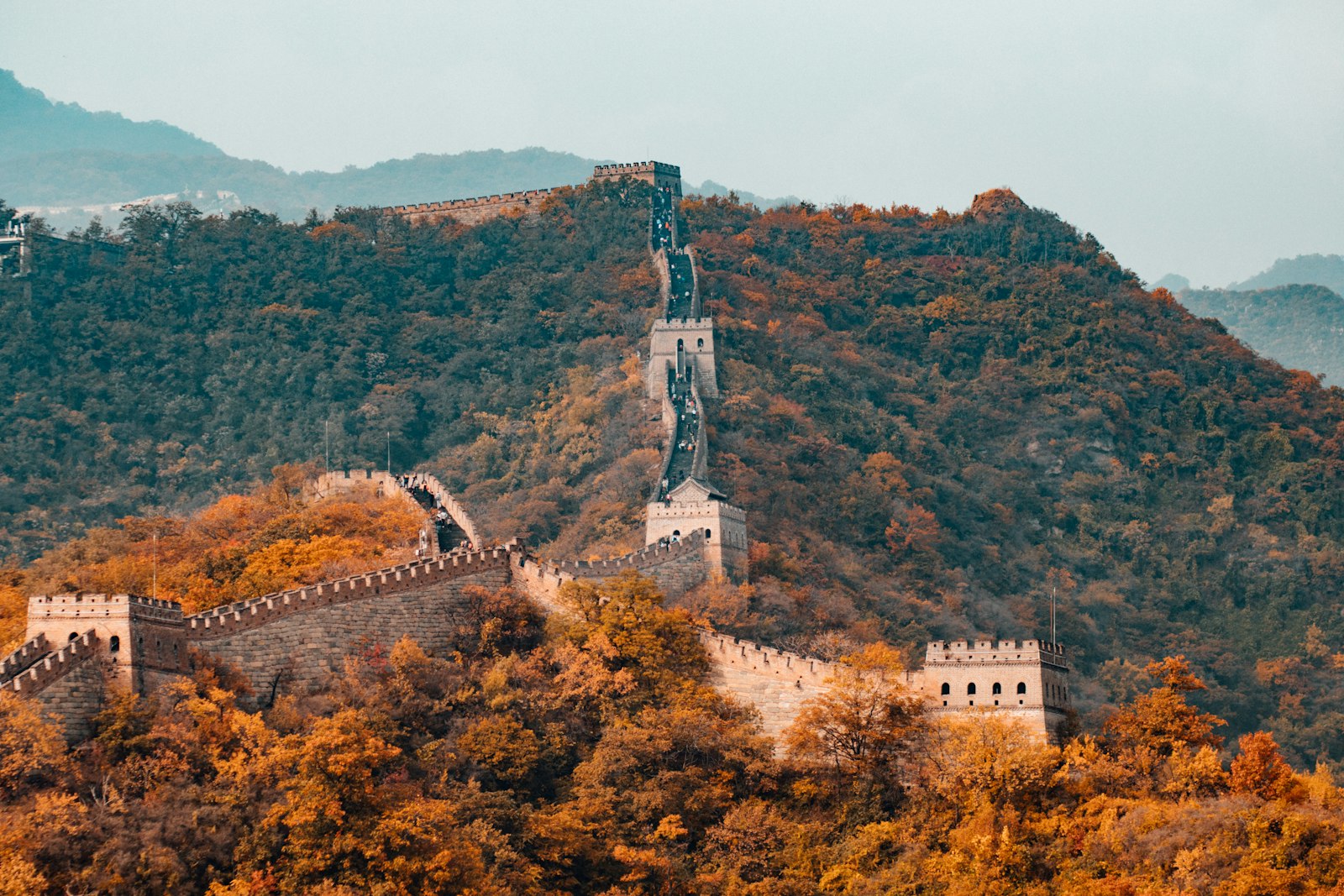
Beijing Complete Travel Guide 2026: The Complete 2026 Guide
Everything you need to know to plan a Beijing trip in 2026 - attractions, transport, food, accommodation, and 4-day itinerary.
12 min read

Chengdu Complete Travel Guide 2026: The Complete 2026 Guide
Everything for your Chengdu trip: pandas, Sichuan food, teahouses, and Jinsha Site Museum. 2026 guide with insider tips.
12 min read
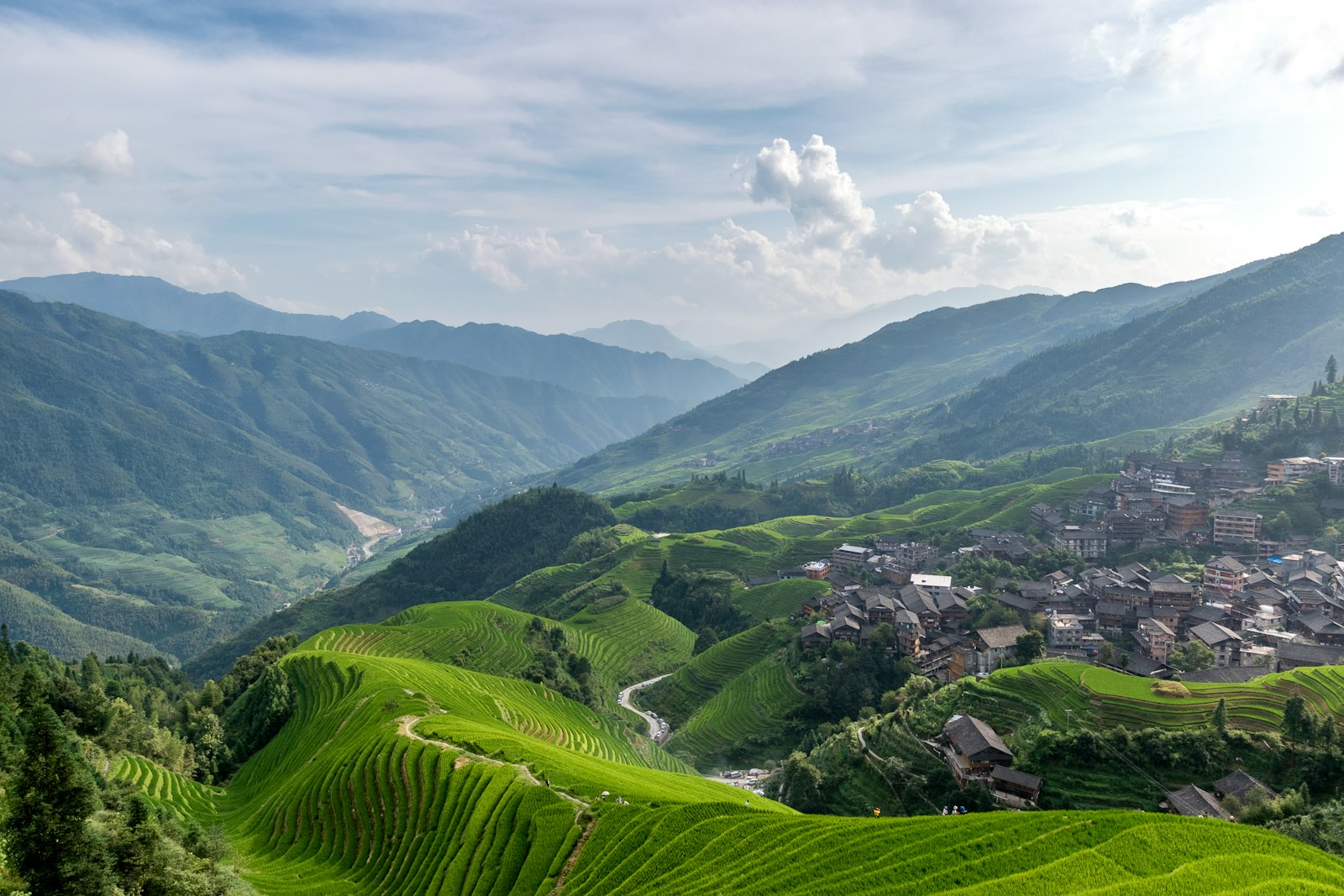
Guilin Complete Travel Guide 2026: The Complete 2026 Guide
Complete Guilin travel guide: Li River cruise, Yangshuo countryside, Longji Rice Terraces, and where to stay.
12 min read