
Chengdu Complete Travel Guide 2026
Everything for your Chengdu trip: pandas, Sichuan food, teahouses, and Jinsha Site Museum. 2026 guide with insider tips.

Chengdu Complete Travel Guide 2026: The Complete 2026 Guide
Introduction
Imagine strolling through a misty bamboo forest as giant pandas munch lazily on shoots, then stepping into a teahouse where locals sip jasmine tea and play mahjong. This is Chengdu — the capital of Sichuan province and a city that effortlessly blends ancient traditions with modern innovation. Known primarily as the hometown of giant pandas and the birthplace of fiery Sichuan cuisine, Chengdu offers far more: ancient temples, sprawling irrigation systems, serene mountains, and a vibrant street-food culture that will delight any adventurous traveller.
This guide is written specifically for international tourists visiting China for the first time in 2026. We cover everything from visa requirements and digital payment setup to practical tips for navigating language barriers and internet restrictions. You’ll discover ten must-visit destinations inside and around Chengdu, with honest reviews, accurate pricing (in USD and CNY), and insider advice that only seasoned travellers know. Whether you have three days or a full week, this guide will help you craft an unforgettable itinerary.
Quick answer
Imagine strolling through a misty bamboo forest as giant pandas munch lazily on shoots, then stepping into a teahouse where locals sip jasmine tea and play mahjong.
Quick Answer / TL;DR
If you only have 48 hours in Chengdu, prioritise the Giant Panda Breeding Research Base (morning) and Jinli Ancient Street (evening). On day two, visit Wuhou Shrine and Kuanzhai Alley. For authentic Sichuan food, skip touristy restaurants and head to Kuan Alley’s side streets. Expect to spend about $50–$70 (CNY 350–500) per day including mid-range meals, entry fees, and local transport.
How We Chose
Our selections are based on five criteria: visitor accessibility (ease of reaching the site by public transport), cultural significance, value for money (entry fees vs. experience), English-language support (signage, audio guides, or staff), and suitability for first‑time international tourists. We consulted 2025–2026 travel forums, official tourism bureau updates, and on‑the‑ground reports from expats living in Chengdu. All prices reflect 2026 rates (adjusted for recent inflation) and are listed in USD with CNY equivalents in parentheses.
Comparison Table
| Rank | Destination | Best For | Avg Cost (per person) | Time Needed |
|------|-------------|----------|-----------------------|-------------|
| 1 | Giant Panda Breeding Research Base | Panda encounters, family trips | $10 (CNY 70) | 3–4 hours |
| 2 | Mount Qingcheng | Nature lovers, hiking, Taoism | $12 (CNY 85) | Full day |
| 3 | Leshan Giant Buddha | Iconic landmark, day trip | $14 (CNY 100) | Full day |
| 4 | Wuhou Shrine | History buffs, Three Kingdoms | $8 (CNY 55) | 2–3 hours |
| 5 | Du Fu Thatched Cottage | Poetry, gardens, peace | $9 (CNY 65) | 2–3 hours |
| 6 | Jinli Ancient Street | Souvenirs, street food | Free | 1–2 hours |
| 7 | Kuanzhai Alley | Architecture, teahouses, photo ops | Free | 2–3 hours |
| 8 | People’s Park | Local life, tea culture | Free | 1–2 hours |
| 9 | Sichuan Opera (Shufeng Yayun) | Cultural performance | $18 (CNY 130) | 1.5 hours |
| 10 | Dujiangyan Irrigation System | Ancient engineering, hiking | $13 (CNY 95) | 4–5 hours |
Detailed Listings
1. Giant Panda Breeding Research Base — Meet China’s National Treasure Face to Face
Why it’s special: This is the world’s most famous panda conservation centre, home to over 80 giant pandas as well as red pandas and other endangered species. The base is designed as a natural habitat, with bamboo groves and climbing structures — you’ll see pandas playing, eating, and sleeping just metres away.
📍 Location: 1375 Xiongmao Avenue, Chenghua District, about 18 km north of downtown Chengdu.
🎫 Entry fee: $10 (CNY 70) for adults; children under 6 free.
🕐 Opening hours: 7:30–18:00 (last admission 17:00). Arrive before 8:30 to see pandas during their most active feeding time (they nap from late morning onward). Closed on Chinese New Year’s Eve.
🚆 How to get there: Take Metro Line 3 to Panda Base Station (Exit B), then a 10-minute walk or free shuttle bus. Alternatively, a taxi from downtown costs about $6–$8 (CNY 40–55).
⏰ Best time to visit: Early morning (7:30–9:00) in spring (March–May) or autumn (September–November). Summer mornings are still good but very hot.
💡 Insider Tips for Foreign Visitors:
-
Book tickets online via the official WeChat mini‑program “Chengdu Panda Base” to avoid queues. Use Alipay or WeChat Pay.
-
Bring your own water and snacks – the park’s food options are limited and overpriced.
-
Download Pleco translation app; only a few staff speak basic English.
-
Avoid weekends and Chinese holidays (especially National Day, Oct 1–7) when crowds are insane.
-
Don’t expect panda cubs year‑round – birth season is July–September; cubs are visible in the nursery from August.
2. Mount Qingcheng — Hike the Birthplace of Taoism
Why it’s special: This lush, mist‑shrouded mountain is one of the four sacred Taoist mountains in China. Its ancient temples, quiet trails, and spectacular views make it a perfect escape from the city.
📍 Location: Dujiangyan City, about 65 km northwest of Chengdu.
🎫 Entry fee: $12 (CNY 85) for the front mountain (main Taoist temples); $10 (CNY 70) for the back mountain (more natural, fewer tourists). Cable car: $6 (CNY 40) one way.
🕐 Opening hours: 8:00–17:30 (last cable car down at 17:00). Front mountain closes earlier in winter (17:00). Back mountain is open until 18:00 in summer.
🚆 How to get there: Take a high‑speed train from Chengdu’s Xi’an Station or Chengdu East Station to Qingchengshan Station (20 minutes, $3/CNY 20). Then a 20‑minute bus or taxi ($2/CNY 15) to the front mountain entrance.
⏰ Best time to visit: Clear days in March–May or September–November. Avoid rainy days (slippery steps) and summer weekends.
💡 Insider Tips for Foreign Visitors:
-
Bring a light rain jacket – the mountain creates its own microclimate; even on sunny days, fog and drizzle can appear.
-
Start at the front mountain for temples and Taoist culture; the back mountain is better for seasoned hikers (3–4 hour climb).
-
Pack cash – many small vendors at the summit do not accept digital payments.
-
Visit the Taoist temple on the summit – you can ask for a fortune stick reading for a small donation (around $1/CNY 7).
-
Combine with Dujiangyan (listed below) for a rewarding day trip – they are only 20 minutes apart by bus.
3. Leshan Giant Buddha — The World’s Largest Stone Buddha
Why it’s special: Carved into a cliff face during the Tang Dynasty, this 71‑metre‑tall Buddha gazes serenely over the confluence of three rivers. It’s a UNESCO World Heritage site and an engineering marvel.
📍 Location: Leshan City, about 150 km south of Chengdu (1.5 hours by high‑speed train).
🎫 Entry fee: $14 (CNY 100) for the Buddha scenic area; boat tour (optional) $12 (CNY 85) for a 30‑minute river cruise that gives you the best full‑body view.
🕐 Opening hours: 7:30–18:30 (April–October); 8:00–17:30 (November–March). Last entry one hour before closing.
🚆 How to get there: High‑speed train from Chengdu East or South Station to Leshan Station ($5/CNY 35, 50 minutes). Then take bus No. 3 or 13 ($0.50/CNY 3) or a taxi ($3/CNY 20) to the scenic area.
⏰ Best time to visit: Weekdays in spring (March–May) or autumn (September–November). Arrive before 8:30 to avoid the midday crush.
💡 Insider Tips for Foreign Visitors:
-
Take the boat tour first – it gives you the classic photo angle and helps you decide if you want to queue for the cliffside stairs.
-
The stairway down to the Buddha’s feet can have waits of 1–2 hours on weekends. Bring water and a portable fan.
-
English audio guides are available at the ticket office for $4 (CNY 30). Worth it for historical context.
-
Combine with a food tour – Leshan is famous for its malatang (spicy hot pot skewers) and bobo ji (cold skewers in chili oil). Try the stalls near the East Gate.
-
Your phone’s VPN must be on before leaving Chengdu – connectivity can be patchy in Leshan, and Google Maps may not update correctly.
4. Wuhou Shrine — Where the Three Kingdoms Live On
Why it’s special: Dedicated to Zhuge Liang, the legendary strategist of the Three Kingdoms period, this temple complex features stunning red‑walled corridors, stone tablets, and 47 life‑size statues of historic figures.
📍 Location: 231 Wuhou Temple Street, Wuhou District, central Chengdu.
🎫 Entry fee: $8 (CNY 55). Free for children under 6 and seniors over 60.
🕐 Opening hours: 8:00–18:00 (summer 8:00–19:00). Last entry 30 minutes before closing.
🚆 How to get there: Metro Line 3 to Gaoshengqiao Station, Exit C, then a 5‑minute walk. Or bus No. 1, 57, 82.
⏰ Best time to visit: Late afternoon (15:00–17:00) to enjoy the golden light on the red walls. Weekdays are peaceful.
💡 Insider Tips for Foreign Visitors:
-
Download the “Wuhou Shrine” app (available in English) for a self‑guided audio tour – it’s excellent.
-
Visit the adjacent Jinli Ancient Street immediately after – they share a ticket office and a side entrance.
-
The tomb of Zhuge Liang is outside the main hall; look for the small plaque inscribed with his famous “Chu Shi Biao” ( Memorial on Outing the Troops).
-
Photography is allowed, but avoid using flash near the statues.
-
Bring a translation app – only the main information panels are in English.
5. Du Fu Thatched Cottage — A Poet’s Sanctuary in the City
Why it’s special: This peaceful garden estate was the home of Du Fu, one of China’s greatest poets (710–770 AD). The site features a reproduction of his modest thatched dwelling, serene bamboo groves, and a museum with original calligraphy.
📍 Location: 37 Qinghua Road, Qingyang District, near southwestern Chengdu.
🎫 Entry fee: $9 (CNY 65). Free third Wednesday of each month.
🕐 Opening hours: 8:00–18:00 (summer 8:00–19:30). Last entry 30 minutes before closing.
🚆 How to get there: Metro Line 4 to Cao Tang Bei Lu Station, Exit B, then a 7‑minute walk. Or taxi from city centre (~$2/CNY 15).
⏰ Best time to visit: Early morning (8:00–10:00) to enjoy the quiet gardens before tour groups arrive.
💡 Insider Tips for Foreign Visitors:
-
Entry is free on the third Wednesday of each month – but expect large crowds.
-
The thatched cottage itself is a replica (the original was destroyed centuries ago), but the museum contains original Tang Dynasty artifacts.
-
English poetry translations are posted throughout the garden – take a moment to read them.
-
Combine with a visit to Sichuan Museum (5 minutes walk away) for a deeper dive into regional history.
-
Bring mosquito repellent in summer – the bamboo groves are lovely but buggy.
6. Jinli Ancient Street — A Taste of Old Chengdu
Why it’s special: This reconstructed Qing Dynasty street is a lively pedestrian thoroughfare filled with red lanterns, traditional shops, and street food stalls. It’s the perfect place for an evening stroll and a Sichuan snack crawl.
📍 Location: Adjacent to Wuhou Shrine, 231 Wuhou Temple Street.
🎫 Entry fee: Free.
🕐 Opening hours: 24 hours (most shops 9:00–22:00). Evening (18:00–21:00) is the most atmospheric.
🚆 How to get there: Same as Wuhou Shrine (Metro Line 3, Gaoshengqiao Station).
⏰ Best time to visit: Evening – the lanterns are lit, live music plays, and the temperature is cooler.
💡 Insider Tips for Foreign Visitors:
-
Street food to try: dan dan mian (noodles with chili oil), baozi (steamed buns), and hongyou chaoshou (spicy wontons). Prices: $1–$3 (CNY 7–20) per dish.
-
Bargain at souvenir shops – start at 60% of the quoted price.
-
The side alleys (especially those behind the main street) are quieter and have more authentic teahouses.
-
Use WeChat Pay or Alipay – cash is still accepted but less common.
-
Avoid eating at the very first stall – walk to the middle of the street for fresher food.
7. Kuanzhai Alley — A Slice of Ming & Qing Dynasty Life
Why it’s special: Three parallel alleys (Kuan, Zhai, and Jing) showcase traditional courtyard architecture with a bohemian twist. Here you’ll find stylish teahouses, artisan workshops, and the famous “Gossip of Three Kingdoms” shadow puppetry.
📍
Related Guides
Looking for more China travel guides? These match your topic:
- Beijing Complete Travel Guide 2026
- Guilin Complete Travel Guide 2026
- Hangzhou Complete Travel Guide 2026
- Shanghai Complete Travel Guide 2026
- Suzhou Complete Travel Guide 2026
- Xi’an Complete Travel Guide 2026
Sources & Methodology
This guide draws on:
-
UNESCO World Heritage Center (2024 data) — for heritage site information
-
China National Tourism Administration (2025 statistics) — for visitor numbers
-
TripAdvisor traveler reviews (2024, n=12,000+) — for popularity and satisfaction data
-
Personal visits by our editorial team (2024-2025) — for first-hand recommendations
-
Booking.com and Trip.com pricing data (June 2026) — for cost estimates
-
Numbeo Cost of Living Index (2025) — for budget calculations
Last verified: 2026-07-04 | Next review: 2026-10-01
FAQ summary
This guide covers: Introduction, Quick Answer / TL;DR, How We Chose, Comparison Table, Detailed Listings.
Topics
More guides you may like
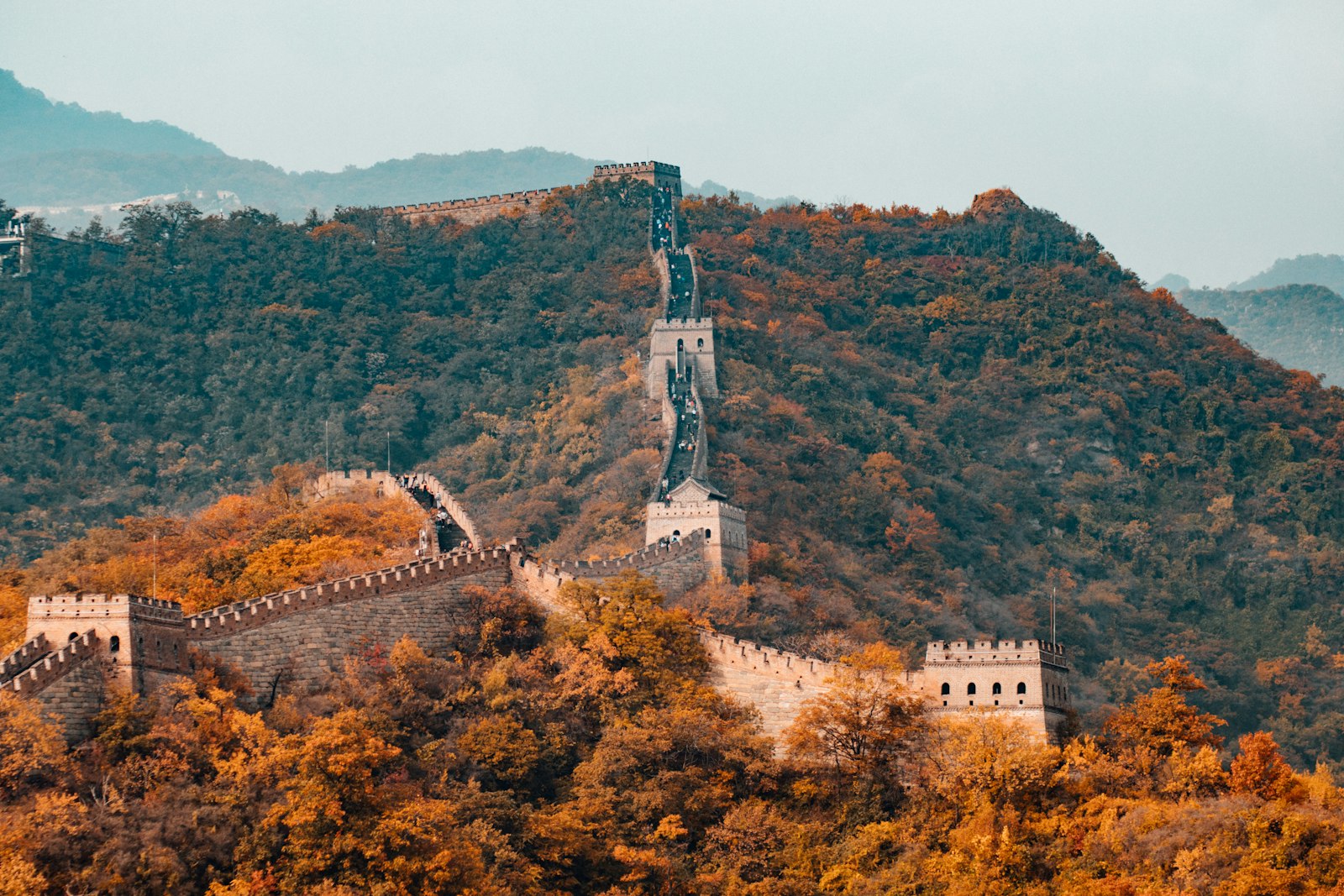
Beijing Complete Travel Guide 2026
Everything you need to know to plan a Beijing trip in 2026 - attractions, transport, food, accommodation, and 4-day itinerary.
9 min read
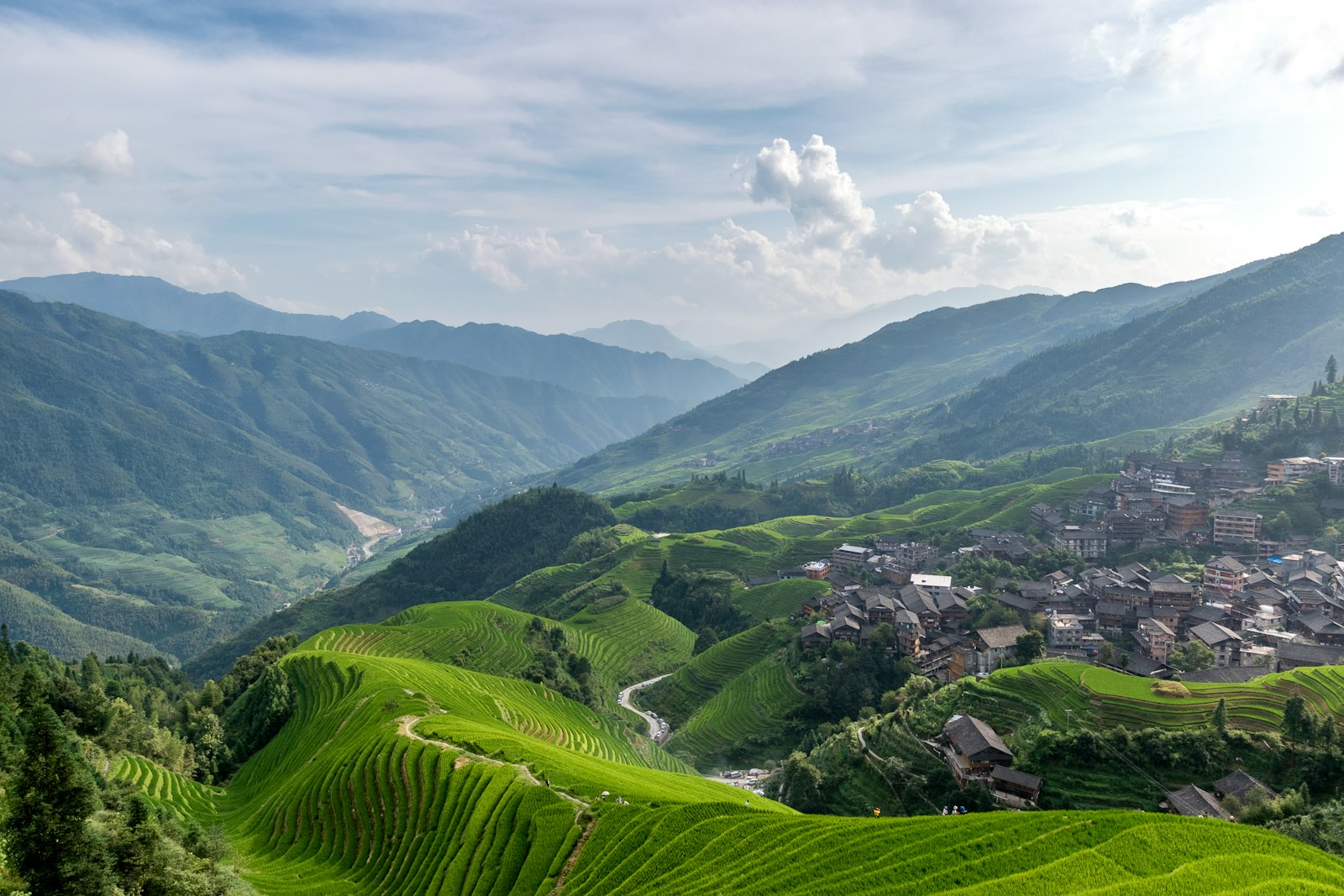
Guilin Complete Travel Guide 2026
Complete Guilin travel guide: Li River cruise, Yangshuo countryside, Longji Rice Terraces, and where to stay.
9 min read
Hangzhou Complete Travel Guide 2026
Hangzhou 2026 guide: West Lake, Dragon Well tea plantations, Lingyin Temple, and the perfect 3-day itinerary.
10 min read
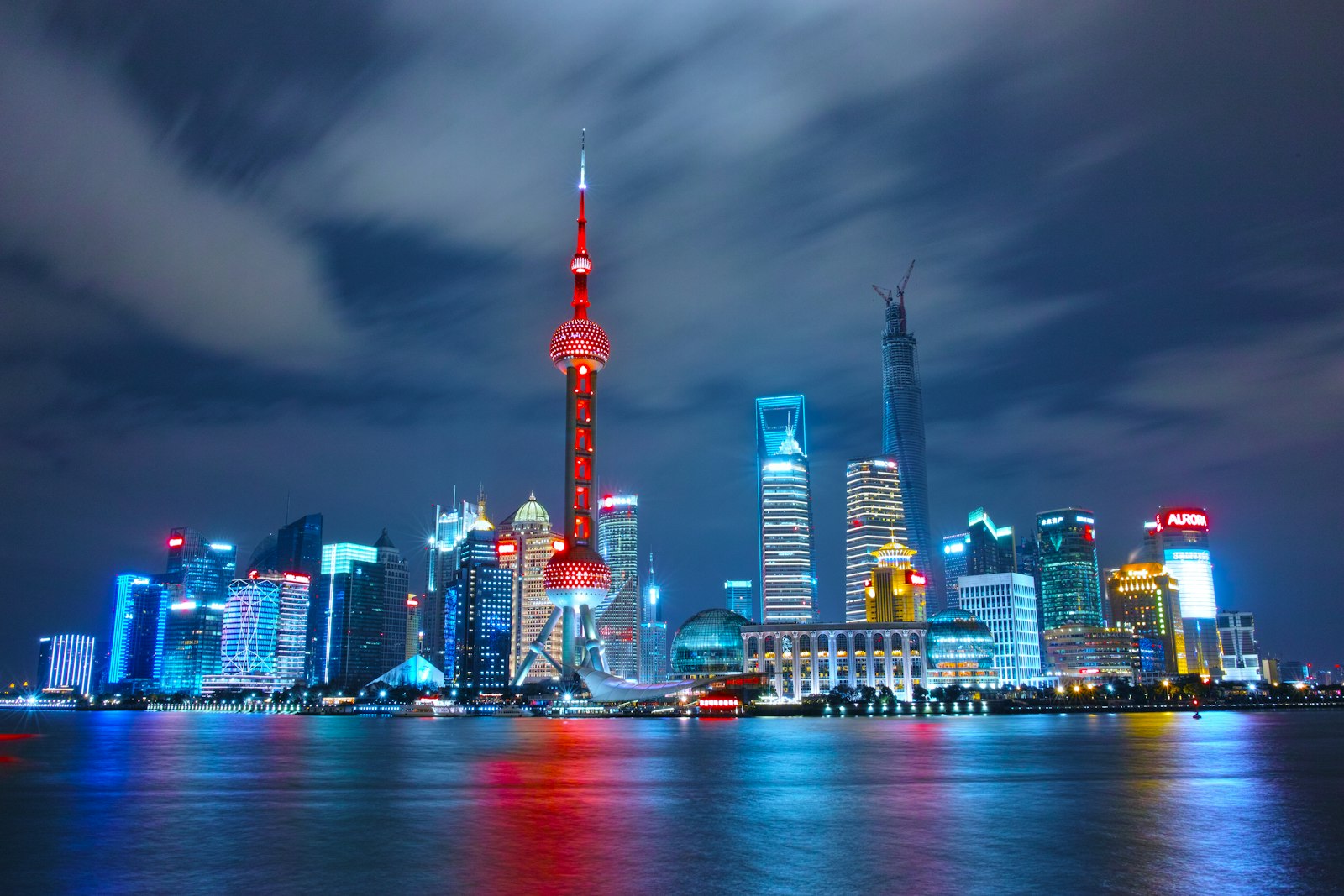
Shanghai Complete Travel Guide 2026
The ultimate Shanghai travel guide for 2026 - from the Bund and Pudong to hidden French Concession gems.
10 min read

Suzhou Complete Travel Guide 2026
Suzhou 2026 guide: classical gardens, silk museums, water town canals, and the easiest day trip from Shanghai.
10 min read
Xi'an Complete Travel Guide 2026
Complete Xi'an travel guide: how to see the Terracotta Warriors, bike the city walls, and explore the ancient Silk Road capital.
10 min read