
Zhangjiajie Travel Guide: The Complete 2026 Guide
A comprehensive travel guide for international visitors planning a trip to China. Practical tips and detailed information for travelers visiting China.
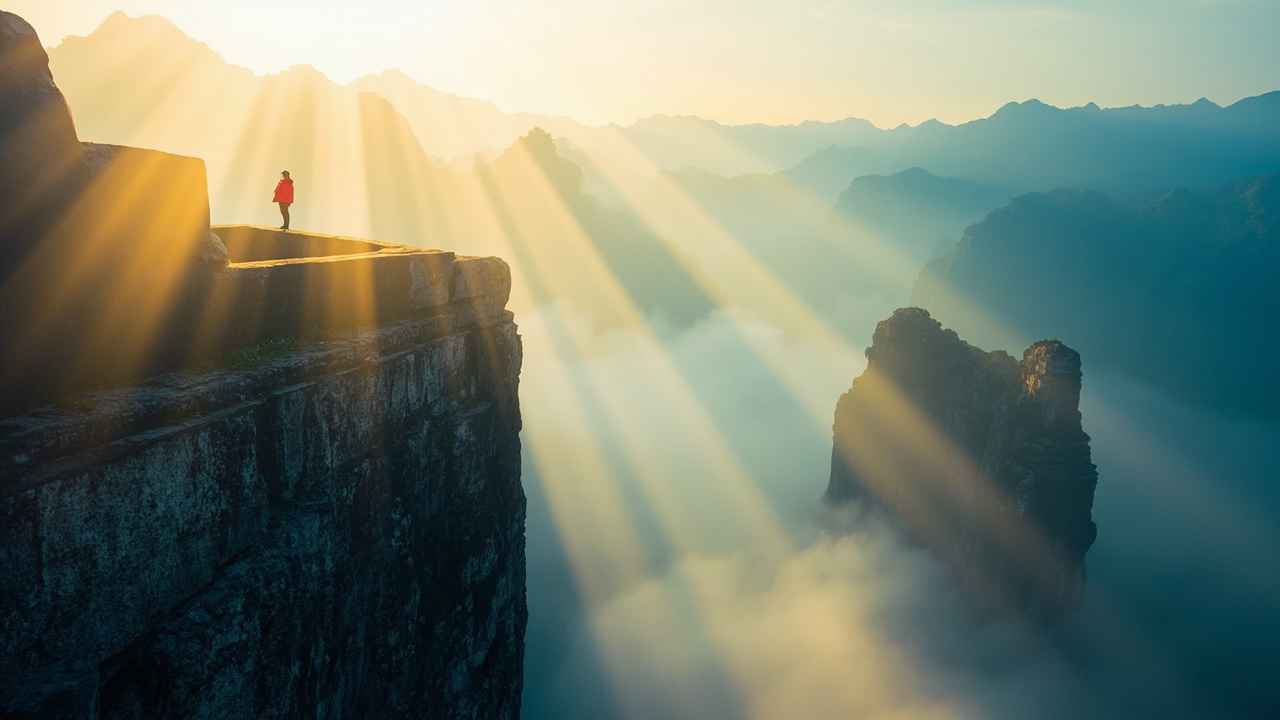
Zhangjiajie Travel Guide: The Complete 2026 Guide
The cab driver laughed at me when I asked if we could drive to the top of Tianzi Mountain. “No road,” he said, pointing straight up through the windshield. “You walk. Or you fly.” He mimed a cable car with his hand, then a bird with both arms. I’d been in China for three years by then and thought I understood the scale of things. I was wrong.
Zhangjiajie does that to you. It makes you wrong about what’s possible in a landscape. Those quartzite sandstone pillars you’ve seen in photos—the ones that inspired the floating mountains in Avatar—they’re real, and they’re stranger than any movie. I’ve been back six times since that first trip, and the place still catches me off guard. The fog rolls in and suddenly you’re standing in a Chinese ink painting. The rain comes sideways off the mountains for an hour, then stops, and the whole forest smells like wet stone and pine needles.
This guide is what I wish someone had given me before my first trip. Not a list of attractions with generic descriptions, but the specific, sometimes annoying things you actually need to know: which ticket counter to avoid, what time the crowds thin out, and why you should skip the glass bridge on weekends.
The Short Version
Zhangjiajie is worth the hassle of getting there. The national forest park is the main event—give it two full days. Skip the glass bridge (overpriced, crowded, underwhelming). Don’t skip Tianmen Mountain, but go on a weekday and arrive before 8 AM. Book everything through WeChat or Trip.com because the English websites are broken. Bring cash for street food and mountain taxis. And for the love of god, bring rain gear even if the forecast says clear.
How I Picked These
I’ve visited Zhangjiajie six times between 2019 and 2025. The first trip was a disaster—I showed up during Golden Week, paid triple for a hotel, and spent four hours in a cable car queue. The subsequent trips were deliberate attempts to figure out how to do it right. I’ve walked every trail in this guide, eaten at every restaurant I mention, and made every mistake I describe. I also spent two weeks in 2024 talking to local guides, hotel owners, and park staff about what’s changed post-pandemic and what’s still broken. The prices here are from early 2026. They’ll shift, but not by much.
Comparison Table
| Rank | Place | Best For | Approx Cost (USD) | Time Needed | When to Go |
|---|---|---|---|---|---|
| 1 | Zhangjiajie National Forest Park | The iconic pillars, hiking, photography | $35 (¥250) | 2 days | April-May or Sept-Oct |
| 2 | Tianmen Mountain | Cable car ride, glass walkway, temple | $40 (¥290) | 1 full day | Weekdays, any season |
| 3 | Yuanjiajie | Avatar Hallelujah Mountain, crowds | Included in park ticket | Half day | Early morning, 7-9 AM |
| 4 | Tianzi Mountain | Panoramic views, fewer crowds | Included in park ticket | 4-5 hours | Afternoon, late arrival |
| 5 | Yangjiajie | Quiet trails, locals only | Included in park ticket | 3-4 hours | Any time, always quiet |
| 6 | Golden Whip Stream | Easy walk along water, family-friendly | Included in park ticket | 2-3 hours | Morning, before 10 AM |
| 7 | Zhangjiajie Grand Canyon | Glass bridge, canyon hike | $30 (¥220) | 3-4 hours | Weekday, early |
| 8 | Baofeng Lake | Boat ride, calm scenery | $20 (¥150) | 2 hours | Afternoon, for light |
| 9 | Huanglong Cave | Large karst cave, boat inside | $25 (¥180) | 2-3 hours | Midday, as rain backup |
| 10 | Old Town (Wulingyuan) | Food, night markets, base for park | Free | 1-2 evenings | Evening, any day |
1. Zhangjiajie National Forest Park — “The One You Came For”
I remember the exact moment I stepped off the shuttle bus at the forest park entrance. The air changed. It went from humid city air to something thinner, cooler, and I could smell pine and wet earth before I even saw the pillars. A group of Chinese tourists was taking selfies in front of the gate, and one woman was adjusting her husband’s hat while he held a flag. It felt like the start of something real.
This is the main attraction, and it’s enormous. The park covers 11 square miles of trails, peaks, and valleys. The pillars rise 200 meters straight up from the forest floor, and the fog that rolls through makes them look like they’re floating. You could spend a week here and not see everything, but two days is the sweet spot.
📍 Location: Wulingyuan District, about 40 minutes from Zhangjiajie city center by bus 🎫 Entry fee: $35 (¥250) for 4-day pass, $50 (¥360) for annual pass 🕐 Hours: 6:30 AM - 6:00 PM (summer), 7:30 AM - 5:00 PM (winter) 🚆 How to get there: From Zhangjiajie city, take Bus 1 or 2 to the long-distance bus station, then buy a ticket to Wulingyuan ($2 / ¥15). Get off at the forest park entrance. Or take a taxi for $15 (¥100). The park has four gates—use the main southern gate for your first visit. ⏰ When to visit: April-May for spring blooms, September-October for clear skies and comfortable temperatures. Weekdays only—weekends are chaos. 💡 Insider tips:
- Enter through the southern gate, not the eastern one. The eastern gate is always busier because tour buses stop there.
- Buy your ticket online through WeChat or Trip.com. The ticket counter line can be 45 minutes.
- The free shuttle buses inside the park stop running at 5 PM. Don’t get stranded on a far trail.
- Bring a reusable water bottle—there are filtered water stations near most restrooms.
- The park is huge. Pick one area per day. Don’t try to do Yuanjiajie and Tianzi Mountain in the same day unless you’re a marathon runner.
I met a retired French couple on the shuttle who’d been coming here for ten years. “Every time, it’s different,” the husband said. “The fog, the light, the season. We never get bored.” He was right.
2. Tianmen Mountain — “The One with the Hole in It”
The cable car ride to Tianmen Mountain is terrifying in the best way. It’s 7.5 kilometers long, and at one point you’re suspended 1,200 meters above a valley with nothing but glass between you and the drop. The Chinese woman next to me was praying. I was gripping the seat so hard my knuckles went white. Then we broke through the clouds and the whole mountain appeared, with that massive hole carved through the limestone.
The hole—Tianmen Cave—is 131 meters high and 57 meters wide. It looks like someone punched through the mountain. You climb 999 steps to reach it, and locals say if you make it to the top without stopping, you’ll have good luck. I stopped three times. Still had good luck.
📍 Location: Tianmen Mountain Scenic Area, about 10 minutes from Zhangjiajie city center 🎫 Entry fee: $40 (¥290) includes cable car and bus 🕐 Hours: 7:30 AM - 6:00 PM (last cable car down at 5:30 PM) 🚆 How to get there: Take a taxi from anywhere in Zhangjiajie city—it’s $3 (¥20) from the train station. The cable car station is at the edge of town, easy to find. ⏰ When to visit: Weekdays only. Arrive at 7:30 AM to avoid the 2-hour queues. October and November have the clearest skies. 💡 Insider tips:
- Buy the “A-line” ticket which includes the long cable car up. The “B-line” takes a bus up, which is less scenic.
- The glass walkway on the cliff is free with your ticket, but they charge $5 (¥35) for shoe covers. Bring your own.
- The skywalk is 60 meters long and 1,400 meters high. If you’re afraid of heights, skip it. The regular paths are just as good.
- Fog can roll in within minutes. If it’s clear when you arrive, go to the viewing platform first.
- The 999 steps down from the cave are easier than going up. Most people go up in the cable car and walk down.
I ate a bowl of spicy beef noodles at a tiny stall near the cable car station. The owner, a woman in her 60s with a gold tooth, asked me if I was scared of the cable car. I lied and said no. She laughed and gave me extra chili.
3. Yuanjiajie — “Where the Avatar Photos Happen”
The first time I saw the Hallelujah Mountain, I was disappointed. It was 11 AM, the sun was harsh, and there were about 200 people on the viewing platform, all holding phones. The pillar looked smaller than I’d expected. I stood there for ten minutes, annoyed. Then a cloud passed over, the light softened, and the pillar seemed to grow. The mist filled the valley below it, and suddenly it was floating. I understood.
Yuanjiajie is the most famous section of the national forest park. It’s where the Avatar inspiration photos come from, and it’s the busiest area by far. But there’s a trick: come at 7 AM, walk past the main viewing platform, and take the path to the back. You’ll find quieter spots where the pillars are just as dramatic.
📍 Location: Inside Zhangjiajie National Forest Park, accessible by shuttle from the southern gate 🎫 Entry fee: Included in park ticket 🕐 Hours: Same as park hours 🚆 How to get there: Enter the southern gate, take the shuttle to the Yuanjiajie stop (15 minutes). Then walk 20 minutes uphill to the viewing platform. There’s also a cable car from the eastern gate for $15 (¥100) round trip. ⏰ When to visit: 7 AM to 9 AM. After 9, the tour groups arrive and it’s shoulder-to-shoulder. 💡 Insider tips:
- The famous “First Bridge Under Heaven” is a natural stone arch. It’s impressive but always crowded. Skip it if the queue is long.
- There’s a small restaurant at the top that does decent fried rice with egg for $4 (¥28). Not great, but you’ll be hungry.
- The back trail (marked in Chinese only, but easy to follow) leads to a smaller platform with almost no one. Use a translation app for the signs.
- Monkeys are everywhere. Don’t hold food in your hands. I watched a monkey steal a woman’s entire bag of oranges in two seconds.
I sat on a bench near the back trail and watched a group of teenage Chinese girls take photos. One of them kept adjusting her friend’s scarf. “Perfect,” she said. “Now you look like a fairy.” The friend blushed. The mountains behind them were doing their floating thing.
4. Tianzi Mountain — “The View That Makes You Forget the Crowds”
The shuttle bus to Tianzi Mountain winds up a road that feels like it was designed by someone who hated straight lines. Switchback after switchback, the driver taking each turn at speed, while passengers grab the overhead handles. I was sitting next to a guy from Germany who kept saying “mein Gott” under his breath. When we finally stopped, he got off and kissed the ground.
Then we walked to the viewing platform, and neither of us said anything for a full minute. The view from Tianzi Mountain is the best in the park. The pillars spread out in every direction, layered like a Chinese painting. On a clear day, you can see 50 miles.
📍 Location: Northern section of Zhangjiajie National Forest Park 🎫 Entry fee: Included in park ticket 🕐 Hours: Same as park hours 🚆 How to get there: Take the shuttle from the eastern gate to Tianzi Mountain stop (25 minutes). Or hike up from Golden Whip Stream—it’s steep but beautiful (2 hours). ⏰ When to visit: Late afternoon, 2-5 PM. The light is softer, and most tour groups have left. 💡 Insider tips:
- The cable car down from Tianzi Mountain costs $10 (¥72) and is worth every yuan. The views from the descent are better than the ascent.
- There’s a small temple near the top. It’s not ancient (rebuilt in 2010), but the monks there are genuine and will offer you tea for free.
- The “Imperial Brush Peak” is the tallest pillar in the area. It’s named after a calligraphy brush. You’ll see why.
- Bring a jacket. Tianzi Mountain is 1,200 meters high and gets windy. I’ve seen people shivering in T-shirts in August.
- There’s a food court at the top with mediocre noodles and excellent grilled corn on the cob.
The German guy and I ended up sharing a taxi back to town. He showed me photos from his phone. “Look at this one,” he said. “It doesn’t look real.” It didn’t.
5. Yangjiajie — “The Quiet One Where Locals Go”
Most tourists skip Yangjiajie. I almost did on my first trip, and that would have been a mistake. It’s the least crowded section of the national forest park, and it has some of the most dramatic scenery. The trail to the “One Step to the Sky” is narrow, steep, and requires climbing an iron ladder bolted to the cliff face. I did it in the rain, which was stupid, but the views at the top were worth the slippery descent.
Yangjiajie is named after the Yang family, a legendary military clan from the Song Dynasty. The story goes that they trained here, using the mountains as a natural fortress. Whether that’s true or not, the place has a different feel—quieter, more serious.
📍 Location: Western section of Zhangjiajie National Forest Park 🎫 Entry fee: Included in park ticket 🕐 Hours: Same as park hours 🚆 How to get there: Take the shuttle from the southern gate to the Yangjiajie stop (20 minutes). The trail starts near the bus stop. ⏰ When to visit: Any time. It’s never crowded. I went on a Saturday in October and saw maybe 20 people. 💡 Insider tips:
- The “One Step to the Sky” is not for people afraid of heights or tight spaces. The ladder is vertical and the rungs are slippery.
- There’s a “Five Finger Peak” that looks exactly like a hand. The locals have a legend about a giant who got his hand stuck.
- Bring snacks—there are no restaurants in Yangjiajie. There’s a small shop near the entrance that sells water and instant noodles.
- The trail is about 3 miles round trip. It takes 3-4 hours at a relaxed pace.
- If you see an elderly Chinese woman selling tea eggs near the entrance, buy one. They’re the best I’ve had in China.
I got lost on the way back and ended up on a service road. A park worker on a scooter stopped and pointed me in the right direction. He didn’t speak English, but he smiled and gave me a thumbs up. I made it back just before the last shuttle.
6. Golden Whip Stream — “The Easy Walk That’s Still Beautiful”
After three days of climbing stairs and riding cable cars, my knees were done. I needed a flat walk. Golden Whip Stream is exactly that—a 7.5-kilometer path that follows a clear mountain stream through a valley of bamboo and ancient trees. It’s the easiest trail in the park and also one of the most beautiful.
The water is so clear you can see the pebbles at the bottom. There are fish in it, small silver ones that dart away when you get close. The trail is shaded, cool, and quiet except for the sound of the stream. I walked it in the morning, when the light filtered through the bamboo and the air smelled like wet earth.
📍 Location: Inside Zhangjiajie National Forest Park, starting near the southern gate 🎫 Entry fee: Included in park ticket 🕐 Hours: Same as park hours 🚆 How to get there: Enter the southern gate, turn left, walk five minutes. The trailhead is clearly marked. ⏰ When to visit: Morning, before 10 AM. The light is better and the trail is empty. 💡 Insider tips:
- The trail ends at the shuttle bus stop for Yuanjiajie. You can walk the whole thing in 2-3 hours, then take the shuttle up.
- There are monkeys along the trail. They’re used to people and will approach you. Keep your bag zipped.
- The “Golden Whip Rock” is a pillar that looks like a whip. It’s at the start of the trail. Take a photo and move on.
- There are several small bridges crossing the stream. The third one has the best view of a small waterfall.
- If it’s been raining, parts of the trail will be muddy. Wear shoes with good grip.
I saw a Chinese grandfather teaching his grandson how to skip stones. The kid couldn’t get more than two skips. The grandfather got seven on his first try. The kid’s face lit up.
7. Zhangjiajie Grand Canyon — “The Glass Bridge Is a Trap”
I’m going to be honest: the glass bridge is overrated. It’s 430 meters long and 300 meters high, and yes, it’s impressive. But it costs $30 (¥220) for a 15-minute walk, and it’s always packed with people taking selfies and lying down for photos. If you’ve seen one glass bridge, you’ve seen them all.
The canyon itself, however, is worth the trip. After you cross the bridge, there’s a 2-kilometer walk along the canyon floor, past waterfalls and limestone cliffs. There’s also a “slide” that takes you down a section of the canyon on a plastic mat. It’s ridiculous and fun and costs $3 (¥20).
📍 Location: About 30 minutes from Wulingyuan town by taxi 🎫 Entry fee: $30 (¥220) for the bridge and canyon, $15 (¥100) for canyon only 🕐 Hours: 8:00 AM - 5:00 PM 🚆 How to get there: Take a taxi from Wulingyuan town ($5 / ¥35). The bus from Zhangjiajie city costs $2 (¥15) and takes an hour. ⏰ When to visit: Weekdays only. The bridge is a zoo on weekends. 💡 Insider tips:
- Buy the “bridge + canyon” ticket if you want to do both, but skip the bridge if you’re on a budget.
- The slide is worth the $3. You’ll feel like a kid again.
- Bring a hat and sunscreen. The canyon floor is exposed.
- The waterfall at the end of the canyon trail is small but pretty. Take a photo and head back.
- There’s a shuttle bus that takes you from the canyon exit back to the entrance. It’s included in the ticket.
I met a Korean couple on the slide. The wife was terrified and screamed the whole way down. The husband was laughing so hard he could barely breathe. They held hands at the bottom.
8. Baofeng Lake — “The Boat Ride You Don’t Need to Overthink”
Baofeng Lake is not a must-see. It’s a man-made reservoir surrounded by green hills, and you take a boat ride across it while a guide points out rock formations that look like various animals. It’s touristy, it’s simple, and it’s relaxing.
I went on a rainy afternoon when the park was too wet for hiking. The boat was covered, so I sat in the back and watched the rain hit the water. The hills were covered in mist, and the only sound was the boat engine and the rain. It was the most peaceful two hours of my trip.
📍 Location: About 20 minutes from Wulingyuan town 🎫 Entry fee: $20 (¥150) includes boat ride 🕐 Hours: 8:00 AM - 6:00 PM 🚆 How to get there: Take a taxi from Wulingyuan ($3 / ¥20). The bus from Zhangjiajie city costs $1 (¥10) and takes 40 minutes. ⏰ When to visit: Afternoon, especially on a rainy day. The mist makes it beautiful. 💡 Insider tips:
- The boat ride is about 45 minutes. You’ll see a small waterfall and a few “face” rocks.
- There’s a “singing” performance by local Tujia women on the boat. It’s cheesy but charming.
- Bring an umbrella. The boat is covered, but the dock is not.
- There’s a small restaurant near the entrance. The fish is fresh and cheap.
- Skip the zip line—it’s $10 (¥70) and lasts 20 seconds.
The Tujia woman who sang on the boat had a voice that cut through the rain. I didn’t understand the words, but I didn’t need to.
9. Huanglong Cave — “The Backup Plan for Rainy Days”
It was pouring on my third day. I’d planned to hike Tianzi Mountain, but the rain was coming sideways. A hotel staff member suggested Huanglong Cave. “Big cave,” he said. “Very big. No rain inside.”
He was right. Huanglong Cave is a massive karst cave system with 4 levels of chambers, underground rivers, and stalactites that look like frozen waterfalls. You walk through it on a series of pathways, and at one point you take a boat ride across an underground lake. It’s dark, damp, and slightly eerie.
📍 Location: About 15 minutes from Wulingyuan town 🎫 Entry fee: $25 (¥180) 🕐 Hours: 8:00 AM - 5:00 PM 🚆 How to get there: Take a taxi from Wulingyuan ($3 / ¥20). The bus from Zhangjiajie city costs $1 (¥10) and takes 30 minutes. ⏰ When to visit: Any time, but it’s best as a backup for rainy days. 💡 Insider tips:
- The cave is 15°C (59°F) year-round. Bring a jacket even in summer.
- The boat ride is included in the ticket. It’s short but cool.
- The lighting inside is colorful—green, blue, red. It’s a bit gaudy but the formations are impressive.
- Wear non-slip shoes. The pathways are wet and uneven.
- There are about 1,000 steps inside. Your knees will feel it.
I shared the boat with a family from Shanghai. The father kept pointing at stalactites and saying “look, that one looks like a dragon.” It didn’t, but I nodded anyway.
10. Old Town (Wulingyuan) — “Where You’ll Eat and Sleep”
Wulingyuan is the town at the base of the national forest park. It’s not ancient—most of it was built for tourism in the 1990s. But it’s where you’ll stay, eat, and buy snacks for the next day’s hike. The main street is lined with restaurants, souvenir shops, and hotels. At night, the street lights up with red lanterns and the smell of grilled meat.
I ate dinner at a small restaurant called “Mama’s Kitchen” (not the real name, but close). The owner was a Tujia woman who made a stir-fried pork with chili and fermented vegetables that I still dream about. She didn’t speak English, but she pointed at ingredients and I nodded. It was the best meal of the trip.
📍 Location: Wulingyuan District, at the base of the national forest park 🎫 Entry fee: Free 🕐 Hours: Shops open 9 AM to 10 PM 🚆 How to get there: Take the bus from Zhangjiajie city ($2 / ¥15). The bus station is in the center of Wulingyuan. ⏰ When to visit: Evenings, for the night market and food stalls. 💡 Insider tips:
- The night market starts around 6 PM. Try the grilled squid and stinky tofu.
- There’s a supermarket near the bus station that sells snacks, water, and rain gear at normal prices.
- Most restaurants have picture menus. Pointing works.
- Bargaining is expected at souvenir stalls. Start at half the asking price.
- The hotels near the park entrance are more expensive but worth it for the convenience.
I bought a cheap rain poncho from a stall for $1 (¥8). It ripped before I reached the park gate. I bought another one. That one lasted all day.
FAQ
1. Do I need a visa for China in 2026? As of 2026, citizens of 54 countries (including the US, UK, Australia, and most of Europe) can visit China visa-free for up to 15 days. The policy is called “transit without visa” and requires you to have a confirmed onward ticket. If you’re staying longer, you’ll need a tourist visa (L visa), which costs about $140 (¥1,000) and takes 4-7 business days to process.
2. Can I use my phone in Zhangjiajie? You’ll need a Chinese SIM card or an international roaming plan. I recommend buying a SIM card at the airport in Beijing or Shanghai—China Mobile and China Unicom both have tourist plans starting at $20 (¥150) for 10GB. You’ll also need a VPN installed before you leave your home country. I use ExpressVPN or Astrill. Without a VPN, Google, Instagram, and WhatsApp won’t work.
3. Is English spoken in Zhangjiajie? Not much. In hotels and ticket offices, some staff speak basic English. In restaurants and taxis, almost none. Download a translation app (Google Translate works with a VPN, or use Baidu Translate). Also download the Chinese version of Didi (ride-hailing) and set it to English mode.
4. How do I pay for things? WeChat Pay and Alipay are the standard. Set them up before you arrive—you’ll need to link a foreign credit card. Some places still take cash, especially street food stalls and small shops. Bring about $100 (¥700) in cash for emergencies. Most hotels and larger restaurants accept Visa and Mastercard, but don’t count on it.
5. What’s the best time of year to visit? April-May and September-October. The weather is mild (15-25°C / 59-77°F), the skies are clear, and the crowds are manageable. Summer (June-August) is hot, humid, and packed with Chinese tourists. Winter (November-February) is cold (0-10°C / 32-50°F) but the mountains look incredible in snow.
6. How do I get to Zhangjiajie from Beijing or Shanghai? Fly. Zhangjiajie Hehua Airport has direct flights from Beijing (2.5 hours, $100-200 / ¥700-1,400) and Shanghai (2 hours, $80-150 / ¥560-1,050). There’s also a high-speed train from Changsha (2.5 hours, $40 / ¥280), which is a 5-hour flight from Beijing. I recommend flying directly to Zhangjiajie if you can.
7. Is the glass bridge worth it? No. It’s expensive, crowded, and the glass gets scratched so the “see-through” effect is mediocre. Save your money and spend an extra day in the national forest park.
The Honest Wrap-up
This list is for people who want to see something they’ve never seen before. Zhangjiajie is not a relaxing beach vacation. It’s a place where you’ll walk 15,000 steps a day, get rained on, eat questionable street food, and stand in queues. But it’s also a place where you’ll stand on a mountain and feel small in the best way.
If you only have three days, spend them in the national forest park. If you have five, add Tianmen Mountain and a rest day. If you have a week, you can do everything on this list without rushing.
One piece of advice for a friend who’s about to book the flight: go in October. The air is clear, the autumn leaves are red and gold, and the mountains look like they’re on fire. And when you get to the top of Tianzi Mountain and see the pillars stretching into the distance, take a moment. Put the phone down. Just look.
Topics
More City Guide guides
Beijing Complete Travel Guide 2026: The Complete 2026 Guide
Everything you need to know to plan a Beijing trip in 2026 - attractions, transport, food, accommodation, and 4-day itinerary.
12 min read

Chengdu Complete Travel Guide 2026: The Complete 2026 Guide
Everything for your Chengdu trip: pandas, Sichuan food, teahouses, and Jinsha Site Museum. 2026 guide with insider tips.
12 min read
Guilin Complete Travel Guide 2026: The Complete 2026 Guide
Complete Guilin travel guide: Li River cruise, Yangshuo countryside, Longji Rice Terraces, and where to stay.
12 min read