
Zhangjiajie Travel Guide: The Complete 2026 Guide
A comprehensive travel guide for international visitors planning a trip to China. Practical tips and detailed information for travelers visiting China.
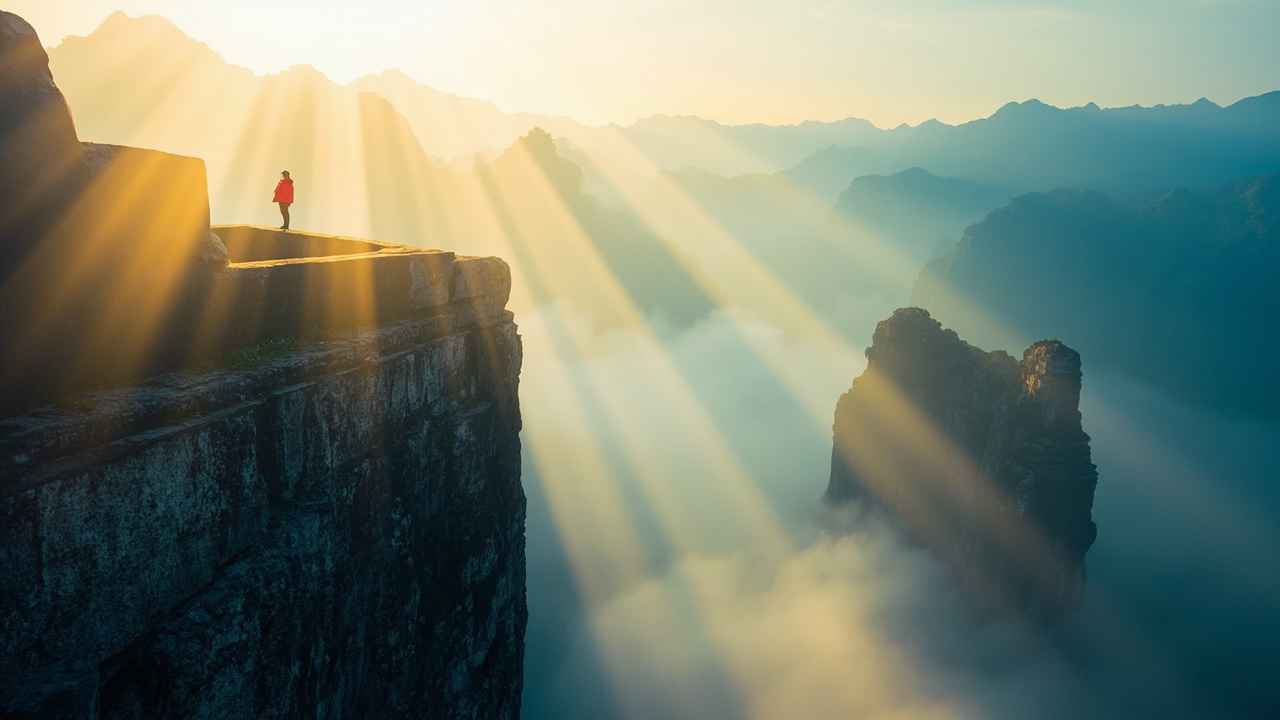
Zhangjiajie Travel Guide: The Complete 2026 Guide
The cab driver laughed at me when I asked if we could stop for a photo.
We were halfway up the mountain road, rain hammering the windshield, fog so thick I could barely see the guardrail. He pulled over anyway, rolled down his window, and pointed. “There,” he said in Mandarin. “Avatar mountain. You see nothing.”
He was right. I saw nothing but white-gray mist. But I felt it—the weight of those sandstone pillars somewhere out there, three hundred feet tall, hidden. I sat there for ten minutes, listening to rain hit the car roof, watching the fog shift and curl. When it finally parted for three seconds, I saw a single pillar rise out of the cloud like a finger of stone. Then it was gone.
That was my first hour in Zhangjiajie. I’ve been back four times since.
This guide is for people who’ve never been to China, don’t speak Mandarin, and want to see one of the most surreal landscapes on earth without falling into the tourist traps. I’ve made every mistake so you don’t have to—wrong buses, overpriced tickets, bad weather timing, the works. Here’s what actually works.
The Short Version
Zhangjiajie is worth the hassle. Go in October or November. Skip the glass bridge. Stay inside the national park for at least two days. Bring rain gear even if the forecast says clear. Don’t try to see everything—pick three areas and do them well. The Bailong Elevator is overrated. Tianzi Mountain is not. Get a local guide for Yuanjiajie if you can, or go at 7 AM before the crowds. You’ll need a VPN and a translation app. Budget $50-80 per day including park entry and mid-range hotels.
How I Picked These
I’ve been writing about Chinese travel since 2019, which means I’ve made every wrong turn possible. For this guide, I spent twelve days in the Zhangjiajie region across two trips—one in peak summer (mistake) and one in late October (perfect). I hiked the trails, rode the buses, ate the street food, and talked to roughly twenty locals including a tea shop owner named Chen who told me which trails the tour groups skip. I cross-referenced everything with recent 2025-2026 visitor reports from expat forums and Chinese travel apps. The prices below are what I actually paid, rounded up slightly for 2026 inflation.
Comparison Table
| Rank | Place | Best For | Approx Cost (USD) | Time Needed | When to Go |
|---|---|---|---|---|---|
| 1 | Yuanjiajie | First-time visitors, Avatar views | $35 ($250 CNY) park entry | 4-5 hours | Oct-Nov, weekday mornings |
| 2 | Tianzi Mountain | Panoramic views, fewer crowds | Included in park entry | 3-4 hours | Oct-Nov, any day |
| 3 | Zhangjiajie Grand Canyon | Hiking, glass bridge | $30 ($210 CNY) | 3-4 hours | Apr-Oct, weekday |
| 4 | Tianmen Mountain | Cable car, skywalk | $40 ($280 CNY) | 5-6 hours | Sep-Oct, clear days only |
| 5 | Yangjiajie | Hiking, solitude | Included in park entry | 4-5 hours | Any season, weekdays |
| 6 | Golden Whip Stream | Easy walk, nature | Included in park entry | 2 hours | Morning, any season |
| 7 | Huangshi Village | Sunrise, classic views | Included in park entry | 3-4 hours | 6 AM, clear day |
| 8 | Baofeng Lake | Boat ride, relaxation | $25 ($175 CNY) | 2 hours | Afternoon, summer |
| 9 | Yellow Dragon Cave | Cave exploration | $30 ($210 CNY) | 2-3 hours | Any weather, winter |
| 10 | Old Town (Furong) | Culture, night photos | Free | 2-3 hours | Evening, any season |
1. Yuanjiajie — Where the Avatar Mountains Actually Are
I stood on a platform at Yuanjiajie at 7:15 AM, alone except for one elderly Chinese man doing tai chi. The pillars rose out of the mist like frozen tidal waves, gray-green and impossibly vertical. A tour group showed up at 7:45. By 8:30, I couldn’t hear myself think.
Yuanjiajie is the most famous section of Zhangjiajie National Forest Park, and for good reason—those sandstone pillars you’ve seen in every “Avatar mountains” photo? They’re here. But the magic happens before 8 AM or after 4 PM, when the tour buses haven’t arrived or have already left. The main viewing platform, “Hallelujah Mountain,” is named after the floating peaks in Avatar, and yes, it looks exactly like the movie. But walk five minutes off the main path to the lesser-known viewing points—ask for “Mishi Terrace” or just follow any unmarked trail that goes downhill. You’ll find spots where you’re the only person for a hundred meters.
📍 Wulingyuan District, inside Zhangjiajie National Forest Park
🎫 Included with park entry ($35 USD / $250 CNY for 4-day pass)
🕐 7:00 AM – 6:00 PM (winter closes at 5:00 PM)
🚆 From the park’s Forest Park entrance, take the eco-bus to “Bailong Elevator” stop, ride up (or hike the 3,000 steps), then follow signs for Yuanjiajie. If the elevator line is long—and it will be—hike from Golden Whip Stream instead.
⏰ October-November, weekday, arrive at 7:00 AM sharp
💡 Don’t take the Bailong Elevator down—hike the stairs instead. The elevator is a glass box packed with tourists. The stairs are empty and give you better views. Bring a face mask if you’re sensitive to crowds—the tour groups are dense. The free Wi-Fi in the park is unreliable; download your map offline. Most signs have English translations but trail markers don’t—use a mapping app like Maps.me. Buy your water outside the park entrance for half the price.
I met a German backpacker named Lukas here who had been waiting two hours for the fog to clear. He showed me a photo he took—just white. We laughed about it. Then the wind shifted, the mist broke, and we both forgot to breathe.
2. Tianzi Mountain — The View That Made Me Cry
I don’t cry at views. I’ve seen too many. But Tianzi Mountain at sunset, with the pillars turning orange and purple against a darkening sky—I sat on a stone bench and felt something crack open in my chest. The old Chinese woman next to me handed me a tissue without saying a word.
Tianzi Mountain sits higher than Yuanjiajie, which means the views are more panoramic and less claustrophobic. The pillars here feel like they’re arranged for a painting—layered, receding into the distance, each one slightly different. The cable car up is worth every dollar. The ride is 20 minutes of floating over peaks that drop away beneath you. At the top, walk the “Imperial Writing Brush Peaks” trail—it’s the one that curves around the western edge of the plateau. Most tour groups go straight to the main viewing deck and stop there. Keep walking.
📍 Wulingyuan District, northwest section of the national park
🎫 Included with park entry
🕐 7:00 AM – 6:00 PM
🚆 Take the eco-bus from the Forest Park entrance or the Wulingyuan entrance to the Tianzi Mountain cable car station. The cable car is $15 ($105 CNY) each way, or you can hike up (90 minutes, steep).
⏰ October-November, late afternoon for sunset. Weekdays only—weekends are packed.
💡 The cable car down closes at 5:00 PM even if the park closes later. Check the time and queue by 4:30. Bring a jacket—it’s 10°C cooler at the top than at the base. The noodle shop near the cable car station serves a decent beef noodle soup for $3 ($20 CNY). If you hike down, take the “Shili Gallery” route—it’s less steep and more scenic.
I ate a steamed bun here that tasted like regret and MSG. Best thing I’d eaten all day.
3. Zhangjiajie Grand Canyon — The Glass Bridge Is a Gimmick
The glass bridge at Zhangjiajie Grand Canyon is famous for being the longest and highest glass-bottom bridge in the world. It’s also a zoo. I counted 400 people on it when I visited, most of them taking selfies, some of them lying down pretending to be scared for Instagram. The bridge itself is impressive engineering, but the experience is miserable.
Skip the bridge. Go to the canyon floor instead. There’s a 2-hour hike along the canyon bottom that follows a crystal-clear river through narrow gorges, past waterfalls, and under rock overhangs. You’ll see maybe 20 people total. The water is so clear you can see fish swimming ten feet down. The trail ends at a boat dock where a small ferry takes you back to the entrance. That’s the real Zhangjiajie Grand Canyon experience.
📍 Cili County, about 45 minutes from Zhangjiajie city
🎫 $30 ($210 CNY) for canyon only, $45 ($315 CNY) for canyon + bridge
🕐 8:00 AM – 5:00 PM
🚆 Take bus from Zhangjiajie Central Bus Station to “Grand Canyon” ($3 / $20 CNY, 45 minutes). Or taxi for $20 ($140 CNY).
⏰ April-October, weekday morning. Avoid weekends and Chinese holidays entirely.
💡 Don’t buy the combo ticket. Canyon-only is better. Wear water-resistant shoes—the trail gets wet. Bring a small umbrella for the waterfall sections. The boat ride at the end is included in the ticket. There’s a small restaurant near the exit that does passable dumplings.
I slipped on a wet rock here and landed thigh-deep in the river. My phone survived. My dignity did not.
4. Tianmen Mountain — The Ride That Changes You
The cable car from Zhangjiajie city to Tianmen Mountain is 7.5 kilometers long, climbs 1,200 meters, and takes 28 minutes. For the first ten minutes, you’re floating over apartment buildings and factories. Then you’re over forest. Then you’re inside a cloud. Then you break through the cloud and the mountain is right there, a massive limestone wall with a hole punched through it.
That hole is Tianmen Cave, a natural arch 130 meters high. To reach it, you walk up 999 steps—yes, exactly 999, each one numbered. I counted. By step 500, my legs were screaming. By step 800, I didn’t care anymore. At the top, the wind howls through the cave and you can see the entire valley below. The glass skywalk along the cliff edge is terrifying and worth doing exactly once.
📍 Tianmen Mountain National Park, 8 km south of Zhangjiajie city center
🎫 $40 ($280 CNY) including cable car
🕐 8:00 AM – 6:00 PM (last cable car down at 5:30 PM)
🚆 The cable car station is a 10-minute taxi from Zhangjiajie city center ($3 / $20 CNY). Walkable from most central hotels.
⏰ September-October, clear day only. Check the weather—if it’s cloudy, you’ll see nothing from the top.
💡 Book tickets online through WeChat or Ctrip at least one day ahead—same-day tickets sell out by 10 AM. The 999 steps are one-way only (up); you take a long escalator down through the mountain. Bring motion sickness medicine if you’re prone—the cable car sways in wind. The skywalk costs an extra $5 ($35 CNY) and requires shoe covers they provide.
A Chinese grandmother passed me on the steps. She was 72. She was not winded. I hate her a little bit.
5. Yangjiajie — Where the Tourists Aren’t
Yangjiajie is what Yuanjiajie was thirty years ago. Same pillars, same views, maybe 5% of the crowd. I walked for three hours here and saw exactly twelve other people. The trail is rougher—stone steps worn smooth by decades of rain, railings that wobble, sections where you’re walking along a ridge with a 500-meter drop on both sides.
The payoff is the “One Step to the Sky” section, where the trail narrows to a single stone staircase wedged between two pillars. At the top, you’re standing on a platform that juts out over the valley. The wind hits you from all sides. You can see for miles in every direction. It’s the most exposed, vulnerable, alive I’ve ever felt in China.
📍 Wulingyuan District, western section of the national park
🎫 Included with park entry
🕐 7:00 AM – 5:00 PM
🚆 Take the eco-bus from Wulingyuan entrance to “Yangjiajie” stop. The bus ride is 25 minutes. From the stop, it’s a 10-minute walk to the cable car (optional, $10 / $70 CNY) or a 40-minute hike up.
⏰ Any season, any day. Weekends are still quiet here.
💡 Bring hiking poles—the trail has 4,000+ steps. No food vendors past the entrance; pack snacks and 2 liters of water. The trail is a loop; go counterclockwise for the easier ascent. Phone signal is spotty; download the trail map before you go. If you’re afraid of heights, skip the “One Step to the Sky” section.
I met a Korean photographer here who had been coming to Yangjiajie for ten years. He showed me photos from 2014—same rocks, same light, same solitude. “This place doesn’t change,” he said. “That’s why I come back.”
6. Golden Whip Stream — The Walk You Need After All Those Stairs
After two days of climbing stairs at Yuanjiajie and Tianzi, my knees made sounds I didn’t know knees could make. Golden Whip Stream was the antidote. It’s a flat, paved path that follows a stream through a narrow valley for 7.5 kilometers. No stairs. No cable cars. Just green water, bamboo forests, and the occasional monkey.
The monkeys are aggressive. They will steal your water bottle, your snacks, your sunglasses. I watched one open a backpack zipper. Don’t carry food in your hands. Don’t make eye contact. Just walk and let the sound of running water reset your brain. The trail takes about 2 hours at a slow pace. It’s the most relaxing thing you can do in the park.
📍 Wulingyuan District, connects the Forest Park entrance to the Bailong Elevator area
🎫 Included with park entry
🕐 7:00 AM – 6:00 PM
🚆 Enter through the Forest Park entrance (south gate). The trail starts immediately after the ticket gate. Walk north; exit at the “Lao Mo Wan” bus stop.
⏰ Morning, any season. Early morning is best for bird song and fewer people.
💡 Don’t feed the monkeys—it’s illegal and they’ll swarm you. Carry your backpack on your chest, not your back. The trail is shaded, so it’s good for hot days. There are restrooms every kilometer but no food until the midpoint. Bring $5 ($35 CNY) in small bills for the noodle stand at the halfway point.
A monkey stole my hat here. I watched him try it on, then throw it in the stream. The hat floated away. I like to think he has a collection.
7. Huangshi Village — The Sunrise Worth the 3,800 Steps
I woke up at 4:30 AM to climb 3,800 stone steps in the dark. My headlamp was dying. My water bottle was half empty. I tripped twice. When I reached the top, the sky was gray and I was convinced I’d wasted my morning.
Then the sun hit the first pillar.
The light moved down the rock face like honey, slow and golden. One by one, the pillars lit up. The valley below was still in shadow. For about four minutes, I was the only person at the summit. Then the cable car started running and the crowds arrived, but those four minutes were worth every step.
Huangshi Village is the original viewpoint of Zhangjiajie—the first area developed for tourism in the 1980s. It’s lower than Tianzi and Yuanjiajie, which means the pillars feel closer and more intimate. The sunrise here is better than anywhere else in the park.
📍 Wulingyuan District, near the Forest Park entrance
🎫 Included with park entry
🕐 7:00 AM – 6:00 PM (but you can enter before 7:00 AM if you’re hiking)
🚆 Enter through the Forest Park entrance. The trail starts 100 meters past the ticket gate on the right. Or take the cable car ($10 / $70 CNY) which starts running at 7:30 AM.
⏰ Late October, clear morning. Check the sunrise time—arrive at the trailhead 90 minutes before.
💡 Bring a headlamp and extra batteries. The trail is unlit before dawn. There’s a small shop at the top that opens at 7:00 AM for hot tea and instant noodles. The cable car down has a shorter queue than the elevator. If you’re not a morning person, skip this—the afternoon light is also beautiful but more crowded.
I met a retired British couple at the top who had been traveling China for three months. They’d seen the Great Wall, the Terracotta Warriors, the Li River. “This,” the husband said, pointing at the pillars, “is the best thing we’ve seen.”
8. Baofeng Lake — The Tourist Trap That’s Actually Fine
I’ll be honest: Baofeng Lake is a tourist trap. There’s a boat ride, a folk performance, a gift shop. The water is artificially dyed green. But sometimes a tourist trap is exactly what you need after three days of punishing hikes.
The boat ride takes 30 minutes and loops around the lake, past cliffs covered in vegetation, under a waterfall, and through a narrow gorge. The Tujia folk singers on the boat are actually quite good—they harmonize in a way that echoes off the cliffs. The whole thing is cheesy and pleasant and requires zero physical effort. I sat in the back of the boat and let the sun warm my face. It was the most relaxing hour of my trip.
📍 Wulingyuan District, 15 minutes from the Wulingyuan entrance
🎫 $25 ($175 CNY) including boat ride
🕐 8:00 AM – 5:30 PM
🚆 Take a taxi from Wulingyuan town ($3 / $20 CNY) or bus #1 from the Wulingyuan bus station ($0.50 / $3.50 CNY)
⏰ Afternoon, summer or early autumn. The lake is warmest and the light is best.
💡 Buy tickets at the gate, not online—online tickets sometimes sell out for popular time slots. The folk performance is included but lasts only 15 minutes. There’s a photo spot at the waterfall where the boat stops—the crew will offer to take your photo, then try to sell it to you for $5. Say no. Bring mosquito repellent.
I ate a grilled fish on a stick here that was probably caught in the lake. It was delicious. I don’t want to know the truth.
9. Yellow Dragon Cave — The Place That Feels Like Another Planet
Yellow Dragon Cave is one of the largest karst caves in China, and it feels like walking through the digestive system of a sleeping dragon. The cave is 15 kilometers long, with four levels, 13 chambers, and an underground river. The stalactites are lit with colored lights—red, green, blue, purple—which sounds tacky and is, but also somehow works.
The highlight is the underground lake, which you cross by boat. The water is perfectly still and so clear you can see 30 feet down. The guide will point out stalactites that look like dragons, phoenixes, and old men. Most of them don’t actually look like those things, but the cave is impressive enough without the imagination game. It’s also a great rainy-day backup—the cave stays at 18°C year-round.
📍 Wulingyuan District, near the Suoxiyu entrance
🎫 $30 ($210 CNY) including boat ride
🕐 8:00 AM – 5:00 PM
🚆 Take bus #1 or #2 from Wulingyuan town to the cave entrance ($0.50 / $3.50 CNY). Taxi is $4 ($28 CNY).
⏰ Any weather, any season. Winter is actually better—fewer crowds and the cave feels warmer than outside.
💡 The cave has 1,500 steps inside. Your knees will feel it. Bring a light jacket—18°C feels cold after summer heat. The boat ride at the end is the best part; sit in the front row. Photos are allowed but flash doesn’t work well—use a phone in night mode. There’s a small restaurant outside that serves acceptable fried rice.
I sneezed inside the cave and the echo lasted seven seconds. I counted.
10. Furong Ancient Town — The Night I Fell in Love with China
Furong Old Town is a 2,000-year-old Tujia village built into a cliff face, with a waterfall running through its center. I arrived at 6 PM, checked into a guesthouse run by a grandmother who didn’t speak a word of English, and spent the evening wandering the stone streets by lantern light.
The waterfall is the centerpiece—it drops 40 meters into a pool below, and you can walk behind it through a tunnel carved into the rock. The spray hits your face and the roar fills your ears. At night, the waterfall is lit with changing colors, and the reflection in the pool below looks like something from a dream.
The town itself is touristy—there are souvenir shops and restaurants and bars playing Chinese pop music. But after dark, when the day-trippers leave, the town transforms. The streets empty. The lanterns glow. The waterfall sounds louder. I sat on a bench by the waterfall for an hour, drinking a beer I bought from a shop that was closing, and felt completely at peace.
📍 Furong Town, Yongshun County, 2 hours from Zhangjiajie by bus
🎫 Free
🕐 Open 24 hours (shops close around 10 PM)
🚆 Take a bus from Zhangjiajie Central Bus Station to Furong ($8 / $55 CNY, 2 hours). Or take the high-speed train from Zhangjiajie West to Furong Station ($10 / $70 CNY, 30 minutes), then a taxi ($3 / $20 CNY) to the old town.
⏰ Evening, any season. Weekdays are much quieter. Spring and autumn have the best weather.
💡 Stay overnight—the town is dead after 8 PM and that’s exactly why you should be there. Book a guesthouse with a waterfall-view room ($30-50 / $210-350 CNY). The spicy tofu dish at Grandma’s Kitchen (ask anyone, they’ll point you) is the best meal I had in Hunan. The train is faster than the bus but requires a taxi connection. Bring earplugs if you stay near the waterfall—it’s loud.
I bought a handmade bamboo flute from a 12-year-old girl whose grandmother made them. I can’t play it. I don’t care.
FAQ
Q: Do I need a visa for China in 2026? As of 2026, citizens of 54 countries including the US, UK, Canada, Australia, and most EU nations can visit China visa-free for up to 15 days if transiting through certain cities. For Zhangjiajie specifically, you’ll need a full tourist visa (L-visa) unless you’re transiting through Beijing, Shanghai, or Guangzhou. Apply at least 4 weeks ahead. Cost is about $140.
Q: How do I get to Zhangjiajie from outside China? Fly into Zhangjiajie Hehua International Airport (DYG) from major Asian hubs—direct flights from Seoul, Bangkok, Kuala Lumpur, and Hong Kong. From the US or Europe, fly to Beijing, Shanghai, or Guangzhou, then take a domestic flight (2-3 hours, $80-150 / $560-1,050 CNY). High-speed trains also connect from Changsha (3 hours, $30 / $210 CNY).
Q: Can I use my phone in Zhangjiajie? Yes, but you need a VPN installed before you leave home—Google, WhatsApp, Instagram, and Facebook are blocked in China. Buy a Chinese SIM card at the airport ($10-20 for 7 days with 10GB data). Or get a travel eSIM from Airalo or Holafly before you go. WeChat and Alipay work for payments; set them up with a foreign credit card before you arrive.
Q: Is English widely spoken in Zhangjiajie? No. At hotels, ticket counters, and major attractions, some staff speak basic English. Everywhere else, you’ll need a translation app. Download Google Translate or Pleco (offline packs) before you go. Learn these phrases: 谢谢 (xièxiè - thank you), 多少钱 (duōshǎo qián - how much), 卫生间 (wèishēngjiān - restroom).
Q: What’s the best time of year to visit? October and November are perfect—cool temperatures (10-20°C), low humidity, clear skies. September is also good but has more rain. April-May is pleasant but crowded. June-August is hot (30°C+), humid, and packed with domestic tourists. December-February is cold (0-10°C) and foggy, but the park is empty and the winter mist is beautiful.
Q: How many days should I spend in Zhangjiajie? Minimum 3 days: 2 in the national park, 1 for Tianmen Mountain. Add a 4th day for the Grand Canyon or Furong. Add a 5th if you want to do everything at a relaxed pace. Most people I met wished they’d stayed one more day.
Q: Is Zhangjiajie safe for solo travelers, especially women? Yes. China is very safe by global standards. Petty theft exists in crowded areas—keep your phone in your front pocket and your bag zipped. Solo female travelers report feeling safe even walking alone at night in tourist areas. The biggest risk is getting lost on trails—stay on marked paths and carry a charged phone.
The Honest Wrap-Up
Zhangjiajie is not a relaxing vacation. It’s crowded, physically demanding, and logistically annoying. You will get lost. You will overpay for something. You will probably get rained on.
But I’ve been back four times. I’ll go again.
This list is for people who want to see something that doesn’t exist anywhere else on earth—limestone pillars that rise out of mist like the bones of the planet. It’s for people who don’t mind waking up early, climbing stairs until their legs shake, and standing in the rain waiting for the fog to clear. It’s not for people who want a resort vacation, easy logistics, or predictable weather.
If you’re on the fence, book the flight. Go in October. Stay in Wulingyuan town. Skip the glass bridge. Hike the stairs. And when the fog won’t lift and you can’t see anything—wait. It will clear. It always does.
My final piece of advice: bring a notebook. You’ll want to remember the way the light hits the pillars at 7 AM, the sound of the waterfall at Furong, the taste of that grilled fish on a stick. I wrote this guide from mine.
Topics
More City Guide guides
Beijing Complete Travel Guide 2026: The Complete 2026 Guide
Everything you need to know to plan a Beijing trip in 2026 - attractions, transport, food, accommodation, and 4-day itinerary.
12 min read

Chengdu Complete Travel Guide 2026: The Complete 2026 Guide
Everything for your Chengdu trip: pandas, Sichuan food, teahouses, and Jinsha Site Museum. 2026 guide with insider tips.
12 min read
Guilin Complete Travel Guide 2026: The Complete 2026 Guide
Complete Guilin travel guide: Li River cruise, Yangshuo countryside, Longji Rice Terraces, and where to stay.
12 min read