
Shanghai French Concession Walking Guide
Shanghai French Concession Walking Guide: 2026 guide covers top attractions, transport between them, payment apps, and what to skip.
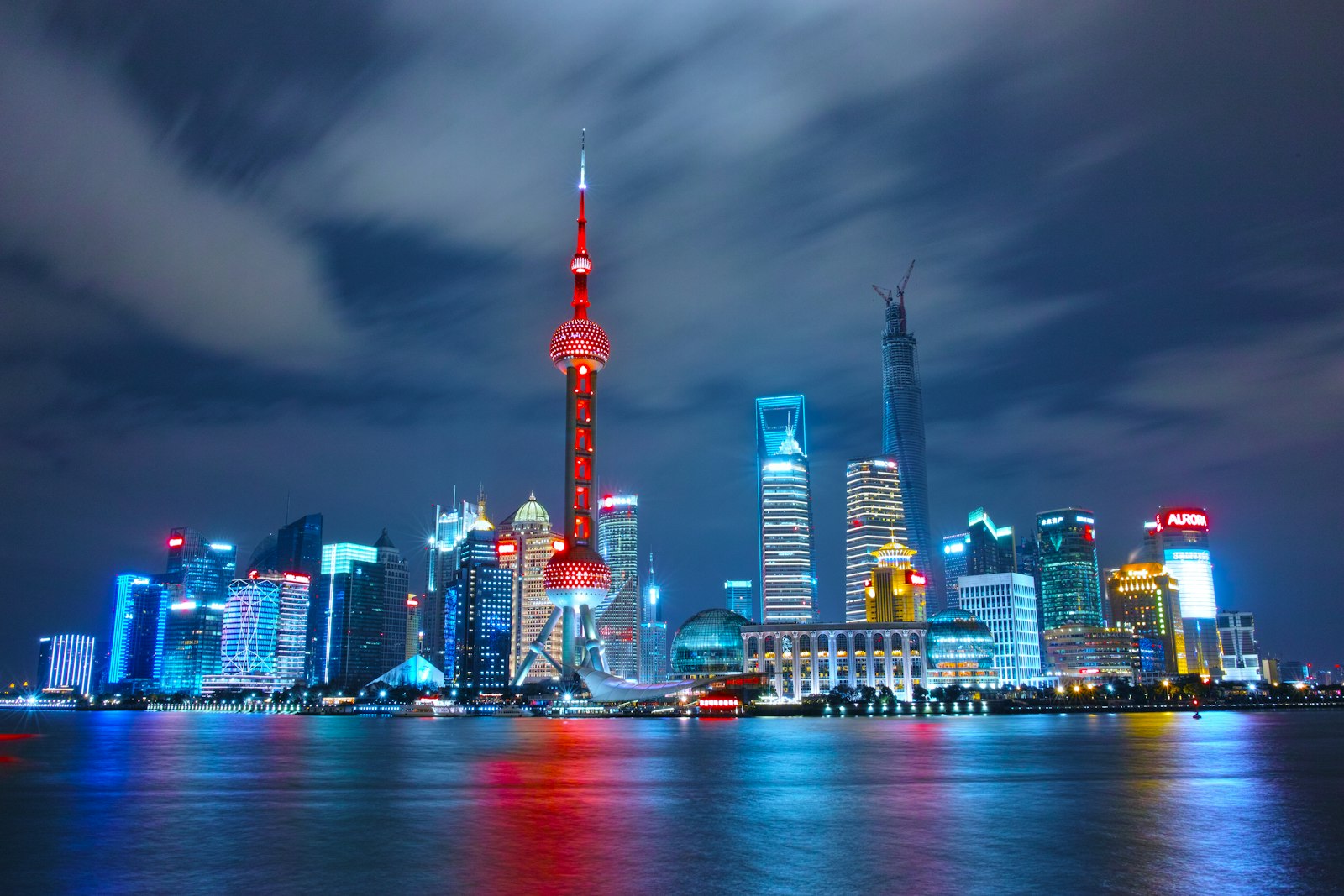
The cab driver, a man named Lao Chen who’d been driving in Shanghai since the 90s, refused to take me straight to my hotel. “Too boring,” he said, waving a hand at the skyscrapers of Pudong. Instead, he took a long detour down Wukang Road, past plane trees whose branches met overhead like a green tunnel, past a bakery where the smell of butter and sugar drifted through the open window, past a woman hanging laundry from an art deco balcony. “This,” he said, tapping the steering wheel, “is the real Shanghai.”
He wasn’t wrong. The French Concession isn’t the Shanghai of neon lights and hyperloop trains. It’s the Shanghai of crumbling 1920s villas, of old men playing chess on the sidewalk, of narrow lanes (弄堂, lòngtáng) where the city’s history is written in peeling paint and rusted gates. It’s where you can walk for three hours and feel like you’ve time-traveled through a dozen different Chinas.
This guide is for the first-time visitor who wants to do more than just take a photo of the Bund. I’ll tell you exactly where to go, how to get there, and—more importantly—what to skip. I’ve walked these streets dozens of times, gotten lost, overpaid for coffee, and learned the hard way which alleys are worth your time.
Quick answer
The cab driver, a man named Lao Chen who’d been driving in Shanghai since the 90s, refused to take me straight to my hotel. “Too boring,” he said, waving a hand at the skyscrapers of Pudong.
The Short Version
If you have one day in the French Concession, walk Wukang Road, then turn onto any smaller lane that looks interesting. Skip the overpriced “concept stores” on Anfu Road. Eat at a hole-in-the-wall xiǎolóngbāo shop, not a fancy restaurant. Bring a translation app—English signage is spotty. And for god’s sake, don’t try to see everything. The Concession rewards slow walking, not checklists.
How I Picked These
I’ve lived in Shanghai on and off for seven years. For this guide, I spent three full days walking the Concession, from the eastern edge near Huaihai Road to the western fringes beyond Hongqiao. I talked to shopkeepers, a retired history professor who lives on Fuxing Road, and a barista who told me which lane has the best shēngjiān (pan-fried pork buns). I took notes on prices, opening hours, and which spots have real English menus versus just a QR code to a Chinese-only page. I also made mistakes—showed up to a closed museum, walked into a private residence thinking it was a gallery—so you don’t have to.
Comparison Table
| Rank | Place | Best For | Approx Cost (USD) | Time Needed | When to Go |
|------|-------|----------|-------------------|-------------|------------|
| 1 | Wukang Road | Iconic architecture, people-watching | Free | 1–2 hours | Early morning or sunset |
| 2 | Fuxing Park | Local life, morning tai chi | Free | 30–45 min | 7–9 AM |
| 3 | Sinan Mansions | Restored villas, cafes | Free (museums $3–5) | 1–1.5 hours | Weekday afternoons |
| 4 | Shanghai Propaganda Poster Art Centre | Unique history | $5 (¥35) | 45 min | Any time |
| 5 | Tianzifang | Souvenirs, narrow lanes | Free | 1–2 hours | Weekday mornings |
| 6 | Blackstone Apartments | Art deco landmark | Free | 15 min | Late afternoon light |
| 7 | Former Residence of Sun Yat-sen | Historical house museum | $3 (¥20) | 30–45 min | Weekdays |
| 8 | Anfu Road | Trendy shops, coffee | Free (shops vary) | 1 hour | Late morning |
| 9 | Caoyang New Village | 1950s worker housing | Free | 1 hour | Any time |
| 10 | Yongkang Road | Nightlife, street food | Free (food $2–5) | 1–2 hours | Evening |
Ten Detailed Entries
1. Wukang Road — The Spine of the Concession
I was standing outside the old Normandie Apartments, trying to get a photo without a dozen tourists in frame, when an elderly man on a bicycle stopped next to me. “You know this building is almost 100 years old?” he asked in English. I didn’t. He told me it was designed by a Hungarian architect in 1924, that it used to be one of the tallest buildings in the area, that his mother had lived here in the 1950s. Then he pedaled off.
Wukang Road is the main artery of the French Concession, and for good reason. It’s lined with plane trees, art deco buildings, and the kind of cafes where you can sit for two hours with a single coffee and no one bothers you. The architecture here is a mix of French, Spanish, and Chinese styles—you’ll see a villa with a red tile roof next to a modernist concrete block.
📍 Location: Runs from Huaihai Road to Huashan Road, roughly 1 km long
🎫 Entry fee: Free
🕐 Opening hours: 24/7 (shops 10 AM–9 PM)
🚆 How to get there: Take Metro Line 10 or 11 to Jiaotong University Station, Exit 3. Walk 5 minutes south on Huashan Road, then turn left onto Wukang Road.
⏰ When to visit: Weekday mornings (7–9 AM) for empty streets; sunset for golden light on the buildings
💡 Insider tips:
-
The Wukang Road Bookstore (武康路书店) on the corner of Wukang and Anfu has a great selection of English books about Shanghai history
-
Don’t bother with the “网红” (internet-famous) coffee shops—they’re overpriced and crowded. Try the small bakery at No. 378 instead
-
The old Normandie Apartments (now a private residence) are worth a photo, but don’t try to go inside
-
Look for the small plaque on the wall of No. 393—it marks where a famous Chinese writer lived in the 1930s
-
Bring mosquito repellent in summer; the trees are beautiful but the bugs are aggressive
I bought a coffee at a tiny shop called “Café de la Poste” and sat on a bench for 20 minutes, watching a delivery driver argue with a security guard about parking. It was the most Shanghai moment of my trip.
2. Fuxing Park — Where the City Wakes Up
The first time I went to Fuxing Park, I arrived at 8 AM and felt like I’d walked into a different country. Old women in matching tracksuits were doing synchronized tai chi. A man was practicing calligraphy on the ground with a sponge-tipped brush and a bucket of water. Another group was singing opera—badly, but with so much joy that it didn’t matter.
This is the heart of local life in the Concession. The park itself is a classic French-style garden—symmetrical paths, a central fountain, rose bushes—but the people make it. It’s where retirees come to dance, play cards, and argue about politics. If you want to see Shanghai that isn’t curated for tourists, come here.
📍 Location: Between Fuxing Road and Sinan Road, near the intersection with Chongqing Road
🎫 Entry fee: Free
🕐 Opening hours: 5 AM–9 PM (gates close at 8:30 PM)
🚆 How to get there: Metro Line 10 to Xintiandi Station, Exit 2. Walk 5 minutes south on Madang Road, then turn left onto Fuxing Road. The park entrance is on your right.
⏰ When to visit: 7–9 AM for tai chi and dancing; 4–6 PM for card games and chess
💡 Insider tips:
-
The best people-watching is at the central fountain area around 8 AM
-
Don’t take photos of the dancers without asking—some are fine with it, others will yell at you
-
There’s a small tea house near the north gate that serves decent lóngjǐng (dragon well) tea for ¥15 ($2)
-
The rose garden is nice in April–May, but it’s small
-
If someone asks you to play chess, they’re probably going to beat you in three moves
I sat on a bench next to an old man who was feeding pigeons. He didn’t speak English, I didn’t speak much Chinese, but we shared a bag of sunflower seeds for 20 minutes. He pointed at the sky, then at his watch, and smiled. I still don’t know what he meant.
3. Sinan Mansions — Polished History
Sinan Mansions feels like a movie set. It’s a block of 1920s garden villas, all restored to pristine condition, with cobblestone paths and manicured hedges. The buildings are beautiful—red brick, green shutters, wrought-iron balconies—but there’s something a little sterile about it. It’s history that’s been cleaned up and put behind glass.
That said, it’s worth a visit for the architecture alone. The villas were built for wealthy Chinese and foreign residents, and they represent the best of the Concession’s residential style. There’s a small museum in one of the houses (¥35, $5) that explains the history of the area, and a few cafes and restaurants that are decent but overpriced.
📍 Location: Sinan Road, between Fuxing Road and Huaihai Road
🎫 Entry fee: Free (museum ¥35/$5)
🕐 Opening hours: 10 AM–9 PM (museum closes at 5 PM)
🚆 How to get there: Metro Line 10 to Xintiandi Station, Exit 3. Walk 3 minutes south on Sinan Road.
⏰ When to visit: Weekday afternoons (2–4 PM) for fewer crowds; avoid weekends
💡 Insider tips:
-
The museum is small but well-curated—skip it if you’re short on time
-
The best photo spot is the alley between Villa 7 and Villa 9, where the light filters through the trees
-
There’s a French bakery near the entrance that does good croissants (¥28, $4)
-
Don’t eat at the restaurants here—they’re tourist traps. Walk 5 minutes to Xiangyang Road for better food
-
The bathrooms are clean and free, which is rare in Shanghai
I met a French expat named Pierre who was photographing the villas for his architecture blog. He told me that the restoration was controversial—some locals say it erased the neighborhood’s character. I can see both sides.
4. Shanghai Propaganda Poster Art Centre — A Time Capsule
This is the most unusual museum in Shanghai, and one of my favorites. It’s hidden in a basement apartment in a residential building, and it’s run by a German collector named Klaus who has been gathering propaganda posters since the 1980s. The collection spans from the 1950s to the 1980s, and it’s a fascinating look at how the Chinese government used art to shape public opinion.
The posters are beautiful in a strange way—bright colors, heroic workers, smiling peasants. Klaus gives a short talk (in English) about the history of each period, and he’s happy to answer questions. It’s not a long visit—45 minutes is enough—but it’s unlike anything else in the city.
📍 Location: Basement, Building 3, 868 Huaihai Road (enter through the side gate)
🎫 Entry fee: ¥35 ($5)
🕐 Opening hours: 10 AM–5 PM, closed Mondays
🚆 How to get there: Metro Line 10 to Shanghai Library Station, Exit 1. Walk 5 minutes east on Huaihai Road. Look for the small sign at the gate of Building 3.
⏰ When to visit: Any time, but avoid Monday (closed)
💡 Insider tips:
-
The entrance is easy to miss—look for a small sign in English next to the security booth
-
Klaus gives talks at 10:30 AM and 2:30 PM, but he’s usually around to chat
-
Photography is allowed, but no flash
-
The posters are for sale (¥100–500, $14–70), but shipping is expensive
-
There’s no air conditioning in summer—bring a hand fan
I bought a poster of a smiling woman holding a wrench, and Klaus told me it was from 1972. “She’s supposed to represent the ideal female worker,” he said. “But look at her hands—they’re too clean.”
5. Tianzifang — The Tourist Trap That’s Still Worth It
I have a love-hate relationship with Tianzifang. It’s a maze of narrow alleys filled with souvenir shops, street food stalls, and art galleries. On weekends, it’s so crowded you can barely move. But on a weekday morning, when the shopkeepers are still opening their shutters and the smell of fried dough fills the air, it’s genuinely charming.
The alleys were originally part of a lòngtáng (lane) neighborhood built in the 1920s. In the 1990s, artists started moving in, and it became a creative hub. Now it’s mostly tourists, but the architecture is still beautiful—old brick houses, wooden balconies, laundry hanging overhead. If you can tolerate the crowds, it’s a good place to buy souvenirs and try street food.
📍 Location: Taikang Road, between Sinan Road and Ruijin Road
🎫 Entry fee: Free
🕐 Opening hours: 10 AM–10 PM (most shops open by 11 AM)
🚆 How to get there: Metro Line 9 to Dapuqiao Station, Exit 1. Walk 5 minutes north on Ruijin Road, then turn right onto Taikang Road.
⏰ When to visit: Weekday mornings (10–11 AM) or late evenings (8–10 PM)
💡 Insider tips:
-
The best shēngjiān (pan-fried buns) are at the stall near the south entrance—¥12 ($1.70) for 8
-
Don’t buy the “antique” postcards—they’re printed last week
-
The art galleries in the back alleys are better than the ones on the main strip
-
If you need a bathroom, use the one in the Starbucks near the north entrance
-
The alleys are numbered—stick to alleys 1–5 for the best shops
I bought a hand-painted fan from a woman who’d been working in the same stall for 20 years. She told me she used to paint on silk, but now she uses paper because it’s cheaper. “The tourists don’t know the difference,” she said, and laughed.
6. Blackstone Apartments — The Art Deco Masterpiece
The Blackstone Apartments (also called the Blackstone Building) is one of the most striking examples of art deco architecture in Shanghai. It was built in 1924 as a luxury apartment building for foreigners, and it’s been beautifully preserved. The facade is a mix of red brick and cream-colored stucco, with geometric patterns and a stepped roofline that echoes the Chrysler Building.
It’s not a tourist attraction in the traditional sense—it’s still a residential building—but it’s worth a detour if you’re in the area. The best view is from across the street, where you can see the whole facade. Late afternoon light makes the red brick glow.
📍 Location: 1331 Fuxing Road, near the intersection with Wukang Road
🎫 Entry fee: Free (exterior only)
🕐 Opening hours: 24/7 (exterior)
🚆 How to get there: Metro Line 10 to Jiaotong University Station, Exit 3. Walk 10 minutes south on Huashan Road, then turn right onto Fuxing Road.
⏰ When to visit: Late afternoon (4–5 PM) for the best light
💡 Insider tips:
-
Don’t try to enter the building—it’s private property and the security guard will stop you
-
The best photo spot is on the opposite side of Fuxing Road, near the bus stop
-
There’s a small park next to the building where you can sit and admire the architecture
-
The building appears in several Chinese films—look it up on YouTube before you go
-
If you’re interested in art deco, the nearby Gascogne Apartments (on Wukang Road) are also worth seeing
I stood across the street for 10 minutes, watching a delivery driver try to park his scooter in a space that was clearly too small. He gave up, shrugged, and parked on the sidewalk. The building didn’t seem to mind.
7. Former Residence of Sun Yat-sen — A Quiet House, A Big Story
Sun Yat-sen is often called the “Father of Modern China,” and his former residence in the French Concession is a modest but fascinating museum. The house is a two-story villa where he lived from 1918 to 1924, and it’s been preserved to look exactly as it did when he was alive. The furniture is original, the books are still on the shelves, and there’s a sense of quiet dignity to the place.
The museum is small—you can see everything in 30 minutes—but it’s worth it for the historical context. Sun Yat-sen was a revolutionary who helped overthrow the Qing dynasty, and his ideas shaped modern China. The house is a reminder that history is made by real people who lived in real places.
📍 Location: 7 Xiangshan Road, near the intersection with Sinan Road
🎫 Entry fee: ¥20 ($3)
🕐 Opening hours: 9 AM–4:30 PM, closed Mondays
🚆 How to get there: Metro Line 10 to Xintiandi Station, Exit 2. Walk 10 minutes south on Madang Road, then turn right onto Xiangshan Road.
⏰ When to visit: Weekday mornings (9–11 AM) for fewer crowds
💡 Insider tips:
-
The audio guide is ¥10 ($1.50) and worth it—it explains the significance of each room
-
Photography is allowed, but no flash
-
The garden is small but peaceful—sit on the bench for a few minutes
-
There’s a small gift shop that sells books about Sun Yat-sen in English
-
Combine this with a visit to the nearby Zhou Enlai residence (also on Sinan Road)
I was the only visitor when I went. A museum attendant followed me from room to room, turning on lights as I entered and turning them off when I left. It felt like a private tour.
8. Anfu Road — Trendy, But Not For Everyone
Anfu Road is the Concession’s answer to Brooklyn. It’s lined with concept stores, minimalist coffee shops, and boutiques selling ¥500 ($70) t-shirts. The crowd is young, fashionable, and mostly Chinese. If you’re looking for authentic Shanghai, this isn’t it. But if you want to see how China’s new middle class spends its money, it’s fascinating.
The architecture is a mix of old villas and modern buildings, and the street itself is pleasant to walk. The best part is the small lanes that branch off the main road—they’re quieter and more interesting. I found a tiny bookstore in one of them that sold second-hand English novels for ¥10 ($1.40).
📍 Location: Anfu Road, between Wukang Road and Changshu Road
🎫 Entry fee: Free (shops vary)
🕐 Opening hours: 10 AM–9 PM (most shops)
🚆 How to get there: Metro Line 10 to Shanghai Library Station, Exit 2. Walk 5 minutes south on Wukang Road, then turn right onto Anfu Road.
⏰ When to visit: Late morning (10 AM–12 PM) for coffee; avoid weekends
💡 Insider tips:
-
The coffee at “Manner” (No. 322) is good and cheap (¥15, $2)
-
Skip the “Racine” restaurant—it’s overpriced and the food is average
-
The best lane is Lane 365, which has a hidden garden and a small art gallery
-
Don’t buy clothes here unless you have a lot of money—prices are inflated
-
The people-watching is excellent, especially at the outdoor tables of the cafes
I sat at a cafe and watched a woman in designer sunglasses argue with her boyfriend about which direction to walk. They stood there for five minutes, both pointing in opposite directions, before a delivery driver honked and they moved. It was the most expensive argument I’ve ever seen.
9. Caoyang New Village — The Other Shanghai
Most tourists never leave the Concession’s historic core, but if you want to see a different side of the city, take a walk through Caoyang New Village. It’s a residential neighborhood built in the 1950s for workers, and it’s a fascinating example of socialist urban planning. The buildings are low-rise concrete blocks, arranged around communal courtyards, with laundry hanging from every balcony.
It’s not beautiful in the way the Concession is, but it’s real. You’ll see old men playing májiàng on the sidewalk, women hanging meat to dry in the sun, children running through the alleys. It’s a glimpse of the Shanghai that most tourists miss.
📍 Location: Caoyang Road, between Wuning Road and Jinshajiang Road
🎫 Entry fee: Free
🕐 Opening hours: 24/7
🚆 How to get there: Metro Line 3 or 4 to Caoyang Road Station, Exit 1. Walk 5 minutes east on Caoyang Road.
⏰ When to visit: Late afternoon (4–6 PM) when people are out and about
💡 Insider tips:
-
Don’t take photos of people without asking—some are fine, others are not
-
The best jiǎozi (dumplings) are at the stall near the north gate—¥8 ($1.10) for 12
-
There’s a small market on Caoyang Road that sells fresh produce and street food
-
The neighborhood is safe, but watch your phone—pickpocketing happens
-
Combine this with a visit to the nearby Changfeng Park (10-minute walk)
I bought a bag of jiǎozi from a woman who’d been making them for 30 years. She didn’t speak English, but she smiled and pointed at the vinegar. I dipped, I ate, I understood.
10. Yongkang Road — The Nightlife Strip
Yongkang Road is a short street—maybe 200 meters—but it’s packed with bars, restaurants, and street food stalls. It’s loud, chaotic, and a little grimy, but it’s also the most fun you’ll have in the Concession after dark. The crowd is a mix of expats, young Chinese, and tourists, and the atmosphere is relaxed.
The best part is the street food. There’s a stall that sells jiānbǐng (Chinese crepes) for ¥10 ($1.40), another that does chòu dòufu (stinky tofu) for ¥8 ($1.10), and a third that grills lamb skewers over charcoal. The bars are nothing special—cheap beer, loud music—but the energy is infectious.
📍 Location: Yongkang Road, between Xiangyang Road and Nanchang Road
🎫 Entry fee: Free (food/drinks $2–10)
🕐 Opening hours: 6 PM–2 AM (most bars)
🚆 How to get there: Metro Line 1 or 10 to South Shaanxi Road Station, Exit 2. Walk 10 minutes south on Xiangyang Road, then turn left onto Yongkang Road.
⏰ When to visit: Friday or Saturday nights (9 PM–midnight)
💡 Insider tips:
-
The jiānbǐng stall is on the corner of Yongkang and Xiangyang—get it with extra egg
-
The bars on the east end are quieter; the ones on the west end are louder
-
Don’t drink the tap water—buy bottled water from the convenience store
-
The bathroom situation is bad—use the one at the Starbucks on Xiangyang Road before you come
-
If you’re alone, sit at the bar and someone will talk to you
I met a guy from Manchester who’d been living in Shanghai for three years. He told me he came to Yongkang Road every Saturday because “it’s the only place in the city that feels like a proper night out.” I couldn’t argue.
FAQ summary
Key points covered: 1. Is the French Concession safe for solo travelers, especially at night; 2. Do I need a VPN to use Google Maps or WhatsApp in Shanghai; 3. How do I pay for things in the French Concession; 4. Is E…
FAQ
Q: Is the French Concession safe for solo travelers, especially at night?
A: Yes. Shanghai is one of the safest cities in the world. I’ve walked alone at midnight dozens of times and never felt unsafe. That said, keep your phone in your pocket on crowded streets like Yongkang Road—pickpocketing happens, though it’s rare.
Q: Do I need a VPN to use Google Maps or WhatsApp in Shanghai?
A: Yes. China blocks Google services, Facebook, Instagram, and WhatsApp. Download a VPN before you arrive—I use Astrill or ExpressVPN. Alipay and WeChat work without a VPN, but Google Maps won’t. I recommend Apple Maps (which works) or the Chinese app 高德地图 (Gaode Maps).
Q: How do I pay for things in the French Concession?
A: Cash is accepted everywhere, but most places prefer WeChat Pay or Alipay. Set up Alipay before you leave—you can link a foreign credit card. WeChat Pay is harder for foreigners to set up, but Alipay works at 90% of shops. Carry ¥200–300 ($28–42) in cash for small stalls and street food.
Q: Is English widely spoken in the Concession?
A: In tourist areas (Wukang Road, Tianzifang), many shopkeepers and restaurant staff speak basic English. In residential areas (Caoyang New Village), almost no one does. Download Google Translate or Pleco (a Chinese dictionary app) on your phone. The translation app on Alipay is also useful.
Q: What’s the best way to get around the Concession?
A: Walk. The Concession is designed for strolling—the streets are narrow, the blocks are short, and the best discoveries happen when you turn down a random lane. If you get tired, take a taxi (¥14–20, $2–3 for a short ride) or a shared bike (¥1.50, $0.20 per 30 minutes via Alipay).
Q: Do I need a visa to visit Shanghai in 2026?
A: As of 2026, citizens of 54 countries (including the US, UK, Canada, Australia, and most EU countries) can visit Shanghai visa-free for up to 144 hours (6 days) if they’re transiting to a third country. For longer stays, you’ll need a visa. Check the Chinese embassy website for the latest rules—they change frequently.
Q: What’s the best time of year to visit the French Concession?
A: Spring (March–May) and autumn (September–November) are ideal. The weather is mild, the plane trees are green, and the humidity is low. Summer (June–August) is hot and humid—bring a hand fan and drink lots of water. Winter (December–February) is cold and gray, but the streets are empty.
The Honest Wrap-up
This list is for the traveler who wants to slow down. If you’re the type who needs to see 10 things in a day, the French Concession will frustrate you. But if you’re willing to spend an hour sitting on a bench, watching old men play chess, you’ll love it.
Who this list isn’t for: people who want luxury shopping, nightclubs, or theme-park-style attractions. The Concession is subtle. It rewards patience.
My final piece of advice: when you arrive, put your phone away for the first 30 minutes. Just walk. Let yourself get lost. The best thing about the French Concession is that you can’t really get lost—every street leads somewhere interesting. And if you do end up on a dead-end lane, turn around and try again. That’s the whole point.
Related Guides
Looking for more China travel guides? These match your topic:
Topics
More guides you may like
Beijing Complete Travel Guide 2026
Everything you need to know to plan a Beijing trip in 2026 - attractions, transport, food, accommodation, and 4-day itinerary.
9 min read

Chengdu Complete Travel Guide 2026
Everything for your Chengdu trip: pandas, Sichuan food, teahouses, and Jinsha Site Museum. 2026 guide with insider tips.
9 min read
Guilin Complete Travel Guide 2026
Complete Guilin travel guide: Li River cruise, Yangshuo countryside, Longji Rice Terraces, and where to stay.
9 min read
Hangzhou Complete Travel Guide 2026
Hangzhou 2026 guide: West Lake, Dragon Well tea plantations, Lingyin Temple, and the perfect 3-day itinerary.
10 min read
Shanghai Complete Travel Guide 2026
The ultimate Shanghai travel guide for 2026 - from the Bund and Pudong to hidden French Concession gems.
10 min read

Suzhou Complete Travel Guide 2026
Suzhou 2026 guide: classical gardens, silk museums, water town canals, and the easiest day trip from Shanghai.
10 min read