
China Best Coffee Shops in Shanghai Beijing
China Best Coffee Shops in Shanghai Beijing: 2026 guide covers top attractions, transport between them, payment apps, and what to skip.
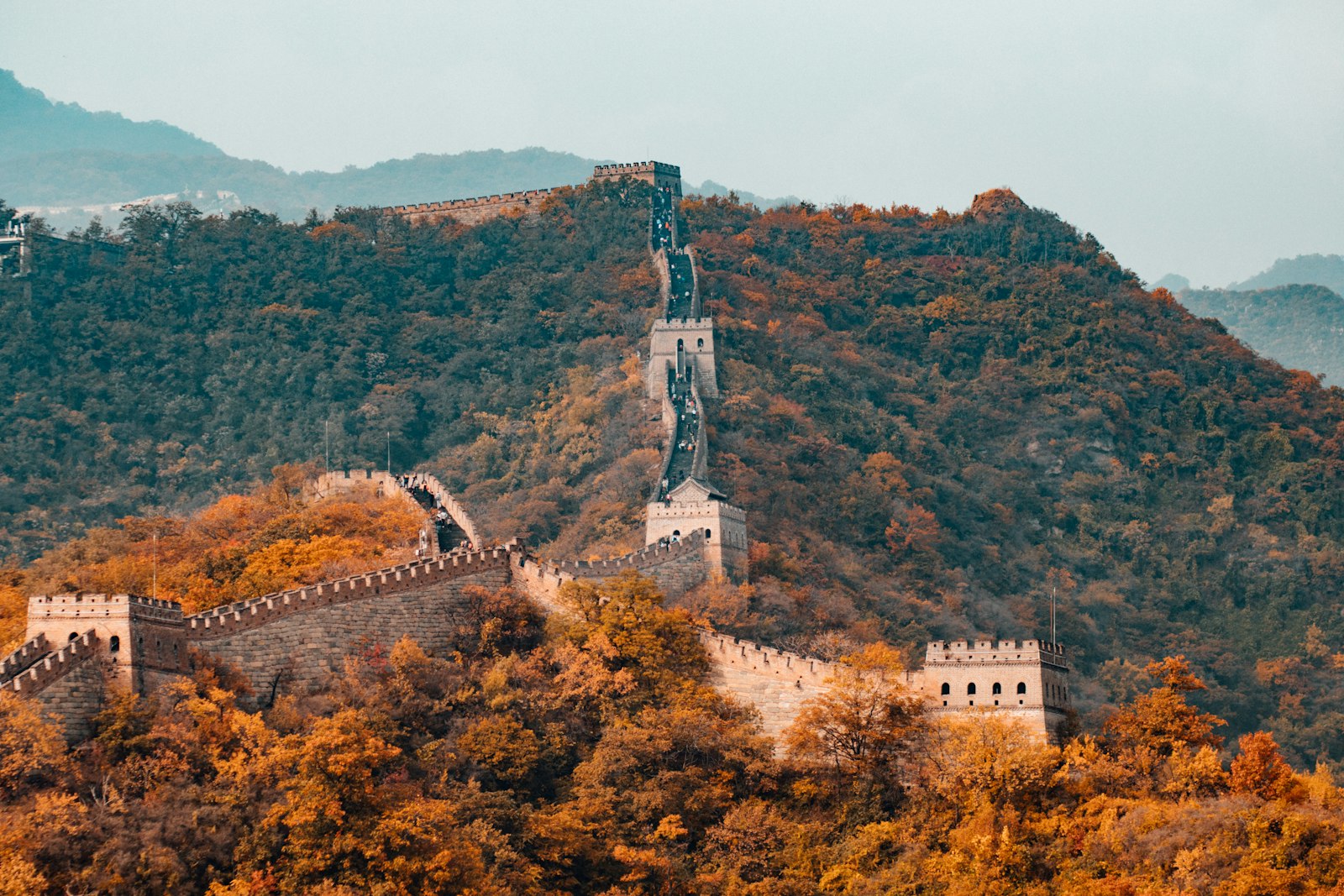
The cab driver laughed at me when I asked him to take me to a coffee shop in Beijing. “You’re in China,” he said, waving a hand at the hutong alleys blurring past the window. “Why would you want coffee?” He had a point. For years, China’s caffeine scene meant instant Nescafe packets in hotel rooms or the occasional Starbucks in a shopping mall. But I’d just spent the morning at a place in Shanghai where the barista remembered my name and the pour-over came with a handwritten note about the bean’s origin in Yunnan. Things had changed.
Quick answer
The cab driver laughed at me when I asked him to take me to a coffee shop in Beijing. “You’re in China,” he said, waving a hand at the hutong alleys blurring past the window. “Why would you want coffee?” He had a point.
I’ve lived in Beijing for seven years now, and I’ve watched the coffee culture here evolve from a novelty into something genuinely world-class. On my 40-plus trips across China, I’ve ducked into hundreds of cafes — some brilliant, some overpriced, some that felt like a friend’s living room. This guide covers the best coffee shops in Shanghai and Beijing, the two cities where the scene is most mature. If you’re a first-time visitor who needs a decent flat white and a place to sit without fluorescent lighting, these are the spots that won’t let you down.
The Short Version
If you only have 90 seconds: skip the chains. Go to Manner Coffee in Shanghai for a $3 latte that beats anything in the US, and Metal Hands in Beijing for a pour-over that tastes like the barista actually cares. Both cities have incredible specialty cafes, but Shanghai’s are more experimental and Beijing’s are more atmospheric. Bring cash for the tiny hole-in-the-wall places — WeChat Pay doesn’t always work for foreigners.
How I Picked These
I didn’t Google “best coffee shops in China” and copy a list. Over the last three years, I visited roughly 60 cafes across both cities, often on recommendations from local friends, taxi drivers, or random conversations with strangers. I went back to the good ones at least twice. I ordered the same thing — a flat white or a pour-over — to compare fairly. I also talked to baristas about their sourcing, their roasting methods, and whether they’d ever had a foreigner ask for oat milk (answer: yes, increasingly). This list is biased toward places that are actually pleasant to sit in, not just Instagram-worthy. I left out any cafe where the Wi-Fi didn’t work.
Comparison Table
| Rank | Place | Best For | Approx Cost (USD) | Time Needed | When to Go |
|------|-------|----------|-------------------|-------------|------------|
| 1 | Manner Coffee (Shanghai) | Best daily coffee under $4 | $3–4 (¥20–30) | 15 min | Weekday mornings |
| 2 | Metal Hands (Beijing) | Pour-over and atmosphere | $5–7 (¥35–50) | 45 min | Late afternoon |
| 3 | % Arabica (Shanghai) | Views and photo-worthy latte art | $6–8 (¥45–60) | 30 min | Sunset |
| 4 | Seesaw Coffee (Shanghai) | Specialty beans and quiet work space | $5–7 (¥35–50) | 1–2 hours | Weekday afternoons |
| 5 | Berry Beans (Beijing) | Rooftop hutong vibes | $4–6 (¥30–45) | 1 hour | Sunny weekend mornings |
| 6 | M Stand (Shanghai) | Creative drinks and design | $5–7 (¥35–50) | 30 min | Any time |
| 7 | Voyage Coffee (Beijing) | Minimalist, serious coffee | $4–6 (¥30–45) | 45 min | Weekday afternoons |
| 8 | Café Strada (Shanghai) | Italian-style espresso and pastries | $3–5 (¥22–38) | 20 min | Morning |
| 9 | Soloist Coffee (Beijing) | Industrial-chic and quiet | $5–7 (¥35–50) | 1 hour | Weekday mornings |
| 10 | Timezone 8 (Beijing) | Bookshop cafe with local art | $4–6 (¥30–45) | 1–2 hours | Any time |
1. Manner Coffee — The $3 Latte That Ruins All Others
I remember the first time I walked into a Manner in the French Concession. The place was smaller than my apartment’s kitchen — three stools, a counter, and a barista who moved like a machine. I ordered a flat white. It cost ¥20, which is about $2.75. I took one sip and actually laughed. It was better than anything I’d had in London or New York at three times the price.
Manner is a Shanghai chain, but don’t let that word fool you. Each location is tiny, often just a window with a few seats. They roast their own beans and the quality is absurdly consistent. The signature drink is the “Dirty” — espresso poured over cold milk so it stays layered. It’s ¥25 ($3.50) and it’s the best thing you’ll drink in China.
-
📍 Location: Multiple locations, but the original on Nanyang Road (near Jing’an Temple) is the most charming.
-
🎫 Entry fee: Free. Coffee costs ¥20–30 ($3–4).
-
🕐 Opening hours: 7:30 AM – 7:30 PM daily. Some locations close earlier on Sundays.
-
🚆 How to get there: Take Metro Line 2 or 7 to Jing’an Temple Station, Exit 1. Walk 5 minutes south on Changde Road, then turn left onto Nanyang Road. Look for the tiny storefront with a line.
-
⏰ When to visit: Weekday mornings before 9 AM. Weekends have long lines.
-
💡 Insider tips:
-
Bring your own cup — they give a ¥5 ($0.70) discount.
-
The “Dirty” must be drunk immediately. Don’t let it sit.
-
They don’t take credit cards. WeChat Pay or Alipay only.
-
The oat milk latte is ¥5 extra but worth it.
-
No Wi-Fi. No bathroom. This is a grab-and-go spot.
-
I once saw a woman in a business suit order four “Dirty” drinks in one go, drink them standing at the counter in under 10 minutes, and leave. I understood completely.
2. Metal Hands — Beijing’s Best Pour-Over, Hidden in a Hutong
I found Metal Hands on a freezing January afternoon when I was lost in the hutongs near Dongsi. The door was unmarked — just a metal handle (hence the name) and a small chalkboard sign. Inside, it was warm and smelled like roasted almonds. The barista, a guy in his twenties named Zhang, asked me what beans I liked. I said “something fruity.” He nodded and started pouring.
Twenty minutes later, I had a cup of Ethiopian Yirgacheffe that tasted like blueberry jam and jasmine. It was ¥45 ($6.50), which felt expensive for Beijing, but I didn’t care. This is the kind of place where the coffee is the point, not the decor. The space is small — maybe 10 seats — with exposed brick and a long wooden bar. No music. No Wi-Fi password posted. Just the sound of water dripping through filters.
-
📍 Location: 66 Dongsi Nan Lu, Dongcheng District, Beijing.
-
🎫 Entry fee: Free. Pour-over ¥35–50 ($5–7).
-
🕐 Opening hours: 9 AM – 9 PM daily. Closed Tuesdays.
-
🚆 How to get there: Take Metro Line 5 to Dongsi Station, Exit D. Walk 3 minutes south on Dongsi Nan Lu. The entrance is between a noodle shop and a bicycle repair stall.
-
⏰ When to visit: Late afternoon on weekdays. Weekends get crowded with locals.
-
💡 Insider tips:
-
Ask for the “barista’s choice” — they’ll pick the best bean that day.
-
They sell bags of beans to take home. ¥80–120 ($11–17) for 200g.
-
No food menu, but the noodle shop next door does great dan dan mian.
-
English menu available, but the barista’s English is limited. Use a translation app.
-
The bathroom is down the alley and requires a key from the counter.
-
I sat there for two hours, reading a book I’d brought, and Zhang refilled my hot water twice without asking. That’s the kind of place Metal Hands is.
3. % Arabica — The One With the View
I’ll be honest: % Arabica is a chain, and it’s expensive. But the Shanghai location on the Bund has a view that makes the ¥55 ($7.50) latte feel almost reasonable. The cafe is on the second floor of a restored colonial building, with floor-to-ceiling windows overlooking the Huangpu River. On a clear day, you can see the Pudong skyline reflected in the glass.
The coffee is good — not great, but good. They use beans from Kyoto and the latte art is flawless. The real draw is the space itself: white walls, concrete floors, and a spiral staircase that everyone photographs. It’s touristy, yes. But sometimes you want to sit somewhere beautiful and drink something pretty.
-
📍 Location: 17 Guangdong Lu, near the Bund, Shanghai.
-
🎫 Entry fee: Free. Drinks ¥45–65 ($6–9).
-
🕐 Opening hours: 8 AM – 10 PM daily.
-
🚆 How to get there: Take Metro Line 2 or 10 to East Nanjing Road Station, Exit 6. Walk 10 minutes east toward the Bund. The entrance is on Guangdong Lu, between the Peace Hotel and the Shanghai Pudong Development Bank.
-
⏰ When to visit: Sunset (4:30–5:30 PM in winter, 6–7 PM in summer) for the best light.
-
💡 Insider tips:
-
Go on a weekday morning to avoid crowds.
-
The matcha latte is better than the coffee here.
-
No Wi-Fi. They want you to look at the view.
-
The spiral staircase is narrow — watch your step with a hot drink.
-
Bring a jacket; the air conditioning is aggressive.
-
I brought my mom here when she visited. She took 47 photos of the skyline and didn’t finish her latte. She said it was too bitter. She wasn’t wrong.
4. Seesaw Coffee — Where Shanghai’s Coffee Nerds Go
Seesaw is the opposite of % Arabica. It’s not photogenic. It’s in a nondescript office building in Jing’an. But the coffee is serious. They roast their own beans, source directly from farms in Yunnan and Ethiopia, and the baristas can talk your ear off about extraction ratios.
I came here on a rainy Tuesday afternoon and ended up staying for three hours. The space is large — maybe 40 seats — with communal tables and a long counter where you can watch the pour-over station. The playlist was lo-fi hip-hop. The Wi-Fi was fast. I drank a Yunnan single-origin pour-over that tasted like dark chocolate and cherries. ¥48 ($6.50).
-
📍 Location: 433 Yan’an Zhong Lu, Jing’an District, Shanghai.
-
🎫 Entry fee: Free. Drinks ¥35–55 ($5–8).
-
🕐 Opening hours: 8 AM – 8 PM daily.
-
🚆 How to get there: Take Metro Line 2 to Jing’an Temple Station, Exit 3. Walk 5 minutes south on Yan’an Zhong Lu. It’s on the ground floor of a gray office building.
-
⏰ When to visit: Weekday afternoons. Weekends are packed with laptop workers.
-
💡 Insider tips:
-
They offer tasting flights of three different pour-overs for ¥88 ($12).
-
The cold brew is available year-round and comes in a glass bottle.
-
They have oat milk and almond milk at no extra charge.
-
The bathroom code is on the receipt.
-
Ask about their Yunnan beans — they work directly with farmers in Pu’er.
-
I met a guy here who was a coffee roaster from Melbourne. He told me Seesaw was the only place in China where he’d buy beans. High praise.
5. Berry Beans — Rooftop Coffee in a Beijing Hutong
Berry Beans is the kind of place you find by accident and never forget. It’s tucked into a hutong near Qianmen, with a tiny sign that’s easy to miss. You walk through a narrow alley, up a creaky wooden staircase, and suddenly you’re on a rooftop with a view of gray-tiled roofs and the Drum Tower in the distance.
The coffee is solid — they do a good flat white and a better pour-over — but the real draw is the atmosphere. There’s a cat that sleeps on the window ledge. The owner, a woman in her fifties named Auntie Li, will sometimes sit with you and chat about the neighborhood. She’s been running this place for 12 years.
-
📍 Location: 36 Zhujia Hutong, Dongcheng District, Beijing.
-
🎫 Entry fee: Free. Drinks ¥30–45 ($4–6).
-
🕐 Opening hours: 10 AM – 7 PM daily. Closed Mondays.
-
🚆 How to get there: Take Metro Line 2 to Qianmen Station, Exit C. Walk 5 minutes north into the hutongs. Use a map app — it’s easy to get lost.
-
⏰ When to visit: Sunny weekend mornings, before 11 AM.
-
💡 Insider tips:
-
The rooftop has only 6 seats. Go early.
-
They serve a “Beijing-style” latte with osmanthus syrup. It’s sweet but good.
-
Cash only. No card, no WeChat.
-
The cat’s name is Xiao Hei. Don’t wake her.
-
Bring mosquito repellent in summer.
-
I once spilled a full cup of coffee on the rooftop stairs. Auntie Li laughed, handed me a towel, and made me a new one for free. That’s Beijing hospitality.
6. M Stand — The Instagram-Friendly One That’s Actually Good
M Stand is a chain that started in Shanghai and has exploded across China. I was skeptical at first — the branding is slick, the cups are photogenic, and there’s always a line of people taking photos. But the coffee is genuinely good. Their signature drink is the “Dirty” (similar to Manner’s), but they also do a “Coconut Latte” that’s served in a real coconut shell.
The Shanghai location on Wukang Road is the best. It’s a two-story space with a courtyard, and the upstairs has a long table perfect for working. The crowd is young, stylish, and loud. Not my usual vibe, but I keep coming back because the flat white is consistently excellent.
-
📍 Location: 299 Wukang Lu, Xuhui District, Shanghai.
-
🎫 Entry fee: Free. Drinks ¥35–55 ($5–8).
-
🕐 Opening hours: 8 AM – 9 PM daily.
-
🚆 How to get there: Take Metro Line 10 to Shanghai Library Station, Exit 3. Walk 10 minutes south on Wukang Road.
-
⏰ When to visit: Weekday mornings are quiet. Weekends are a zoo.
-
💡 Insider tips:
-
The “Coconut Latte” is ¥48 ($6.50) and comes with real coconut meat.
-
They have a loyalty program — buy 5 drinks, get 1 free.
-
The courtyard is the best seat, but it fills up fast.
-
Wi-Fi password is on the receipt.
-
The bathroom is downstairs and usually clean.
-
I brought a friend from Seattle here. He ordered a flat white, took one sip, and said, “Okay, this is legit.” That’s the highest compliment a coffee snob can give.
7. Voyage Coffee — Minimalist Perfection in Beijing
Voyage Coffee is the quietest cafe on this list. It’s in a converted warehouse in the 798 Art District, with concrete walls, high ceilings, and almost no decoration. The menu is small — four drinks, two types of beans. That’s it.
I came here on a Sunday afternoon when I needed to escape the chaos of Beijing. The place was nearly empty. I ordered a pour-over from their “Ethiopia Guji” bean. The barista brought it to my table on a wooden tray with a small card explaining the tasting notes. It tasted like lemon and honey. ¥42 ($5.50).
-
📍 Location: 798 Art District, 2 Jiuxianqiao Lu, Chaoyang District, Beijing.
-
🎫 Entry fee: Free. Drinks ¥35–50 ($5–7).
-
🕐 Opening hours: 9 AM – 7 PM daily. Closed Wednesdays.
-
🚆 How to get there: Take Metro Line 14 to Wangjing South Station, Exit B. Walk 15 minutes north into the 798 Art District. Voyage is near the UCCA Center for Contemporary Art.
-
⏰ When to visit: Weekday afternoons. Weekends are busier but still quiet.
-
💡 Insider tips:
-
They don’t have Wi-Fi. It’s intentional — they want you to talk or read.
-
The beans are roasted in-house and available for purchase.
-
No food, but you can bring your own snacks.
-
The bathroom is outside in the art district and costs ¥1 ($0.15).
-
The best seat is by the window overlooking the courtyard.
-
I sat here for an hour without touching my phone. It felt weird at first, then liberating.
8. Café Strada — Italian-Style Espresso in Shanghai
Café Strada is run by an Italian guy named Marco who moved to Shanghai 15 years ago. The place looks like a Milanese cafe — marble counter, espresso machine the size of a small car, and pastries that actually taste like butter.
The espresso is ¥22 ($3). It’s the cheapest decent espresso I’ve found in Shanghai, and it’s better than most. Marco roasts his own beans and imports the milk from a farm in Jiangsu. The cornetto (Italian croissant) is ¥15 ($2) and comes warm.
-
📍 Location: 1000 Huaihai Zhong Lu, Xuhui District, Shanghai.
-
🎫 Entry fee: Free. Espresso ¥22 ($3). Pastries ¥12–20 ($1.50–3).
-
🕐 Opening hours: 7:30 AM – 6 PM daily. Closed Sundays.
-
🚆 How to get there: Take Metro Line 1 to Changshu Road Station, Exit 4. Walk 5 minutes east on Huaihai Zhong Lu.
-
⏰ When to visit: Morning, before 10 AM, for fresh pastries.
-
💡 Insider tips:
-
Marco speaks English, Italian, and Mandarin.
-
The “doppio” (double espresso) is ¥28 ($4) and comes with a glass of sparkling water.
-
No Wi-Fi. No laptop rule on weekends.
-
The tiramisu is made fresh on Fridays.
-
Cash or WeChat only.
-
Marco once told me that the secret to good espresso is “the water, the bean, and the love.” He said it with a straight face. I believed him.
9. Soloist Coffee — Industrial-Chic in Beijing’s 798
Soloist is in the same art district as Voyage, but it’s a completely different vibe. Where Voyage is minimalist and quiet, Soloist is industrial and moody. Exposed pipes, dark walls, and a massive espresso machine that looks like it belongs in a factory.
The coffee is strong and serious. They specialize in dark roasts — the opposite of the fruity, light-roast trend. I ordered a “Soloist Blend” flat white and it hit me like a truck. ¥38 ($5.50). The barista, a woman with tattoos on both arms, told me they roast their beans to “medium-dark, the way coffee should be.”
-
📍 Location: 798 Art District, Building B07, 2 Jiuxianqiao Lu, Chaoyang District, Beijing.
-
🎫 Entry fee: Free. Drinks ¥35–50 ($5–7).
-
🕐 Opening hours: 10 AM – 7 PM daily. Closed Mondays.
-
🚆 How to get there: Take Metro Line 14 to Wangjing South Station, Exit B. Walk 15 minutes north into the 798 Art District. Soloist is behind the UCCA museum.
-
⏰ When to visit: Weekday mornings. Weekends are crowded with art tourists.
-
💡 Insider tips:
-
They have a small selection of pastries from a local bakery.
-
The music is loud — bring headphones if you want to work.
-
No Wi-Fi. Use your phone hotspot.
-
The bathroom is inside the cafe and requires a key.
-
Ask about their “seasonal special” — it changes monthly.
-
I once saw a couple break up here. The woman cried into her latte. The barista didn’t bat an eye. That’s the energy of Soloist.
10. Timezone 8 — Bookshop, Art, and Coffee
Timezone 8 is technically a bookstore, but the cafe inside is worth the trip. It’s in the Caochangdi art district, a 20-minute taxi ride from central Beijing. The space is huge — two floors of art books, photography monographs, and a cafe in the back.
The coffee is decent — nothing special, but reliable. The real reason to come is the books. They have an incredible selection of English-language art books, many of which you can’t find anywhere else in China. The cafe has a few tables by the window, and it’s quiet enough to read for hours.
-
📍 Location: Caochangdi Art District, Chaoyang District, Beijing.
-
🎫 Entry fee: Free. Drinks ¥30–45 ($4–6).
-
🕐 Opening hours: 10 AM – 7 PM daily. Closed Tuesdays.
-
🚆 How to get there: Take Metro Line 14 to Jiangtai Station, Exit A. Then take a taxi (¥15–20, $2–3) to Caochangdi. The bookstore is near the Three Shadows Photography Art Centre.
-
⏰ When to visit: Weekday afternoons. Weekends are busier but still manageable.
-
💡 Insider tips:
-
The bookstore has a loyalty card — buy 10 books, get 1 free.
-
The cafe has free Wi-Fi, but it’s slow.
-
They serve a “Yunnan black tea latte” that’s surprisingly good.
-
The bathroom is clean and has toilet paper (rare in Beijing).
-
Check the events calendar — they often have book launches and talks.
-
I bought a photography book here by a Chinese artist I’d never heard of. It cost ¥280 ($40) and I’ve looked at it twice a week since. That’s the kind of place Timezone 8 is.
FAQ
1. Do I need a VPN to use Google Maps and Instagram in China?
Yes. Google services are blocked. Download a VPN before you arrive — I recommend ExpressVPN or Astrill. Install it on your phone and laptop. Test it before you leave the airport. Without it, you won’t be able to use Google Maps, Gmail, or Instagram.
2. Can I use my credit card at these coffee shops?
Almost never. Most Chinese coffee shops only accept WeChat Pay or Alipay. Set up Alipay before you arrive — it now accepts foreign Visa and Mastercard. You can also link it to your passport. WeChat Pay is harder for foreigners to set up, but possible.
3. Is it safe to drink the coffee?
Yes. The water used for coffee is filtered or boiled. I’ve been drinking coffee in China for seven years and never gotten sick. The milk is pasteurized and safe. If you’re lactose intolerant, ask for oat or soy milk — most specialty cafes have it.
4. How do I find these places without Google Maps?
Use Apple Maps (it works in China) or download Baidu Maps. Baidu Maps is in Chinese, but you can type the English name of the cafe and it usually works. Alternatively, save the address in Chinese and show it to a taxi driver.
5. Do these cafes have Wi-Fi?
Most do, but it’s often slow. The Wi-Fi password is usually on the menu or the receipt. Some cafes (like Voyage and % Arabica) don’t offer Wi-Fi at all. Download offline maps and music before you go.
6. What’s the tipping culture in Chinese coffee shops?
No tipping. It’s not expected and can actually be confusing for staff. The price you see is the price you pay.
7. Can I find oat milk or plant-based milk?
Yes, at most specialty cafes. Manner, Seesaw, and M Stand all offer oat milk (usually ¥5 extra). Metal Hands and Berry Beans have soy milk. If you’re in a smaller cafe, ask for “zhiwu nai” (plant milk) — they might have it.
The Honest Wrap-up
This list is for travelers who care about coffee. If you’re fine with instant Nescafe and just need caffeine, you’ll survive on the Starbucks that are everywhere. But if you want to sit somewhere that feels like a real cafe — where the barista knows the origin of the beans and the music isn’t elevator pop — these are your spots.
My one piece of advice: go to Manner first. It’s cheap, it’s fast, and it will reset your expectations for what coffee in China can be. Then take your time with the others. The best part of China’s coffee scene isn’t the drinks — it’s the people you meet while drinking them. The taxi driver who laughed at me? I ran into him a year later at a different cafe. He was ordering a flat white.
Related Guides
Looking for more China travel guides? These match your topic:
Topics
More guides you may like
Beijing Complete Travel Guide 2026
Everything you need to know to plan a Beijing trip in 2026 - attractions, transport, food, accommodation, and 4-day itinerary.
9 min read
Chengdu Complete Travel Guide 2026
Everything for your Chengdu trip: pandas, Sichuan food, teahouses, and Jinsha Site Museum. 2026 guide with insider tips.
9 min read
Guilin Complete Travel Guide 2026
Complete Guilin travel guide: Li River cruise, Yangshuo countryside, Longji Rice Terraces, and where to stay.
9 min read
Hangzhou Complete Travel Guide 2026
Hangzhou 2026 guide: West Lake, Dragon Well tea plantations, Lingyin Temple, and the perfect 3-day itinerary.
10 min read
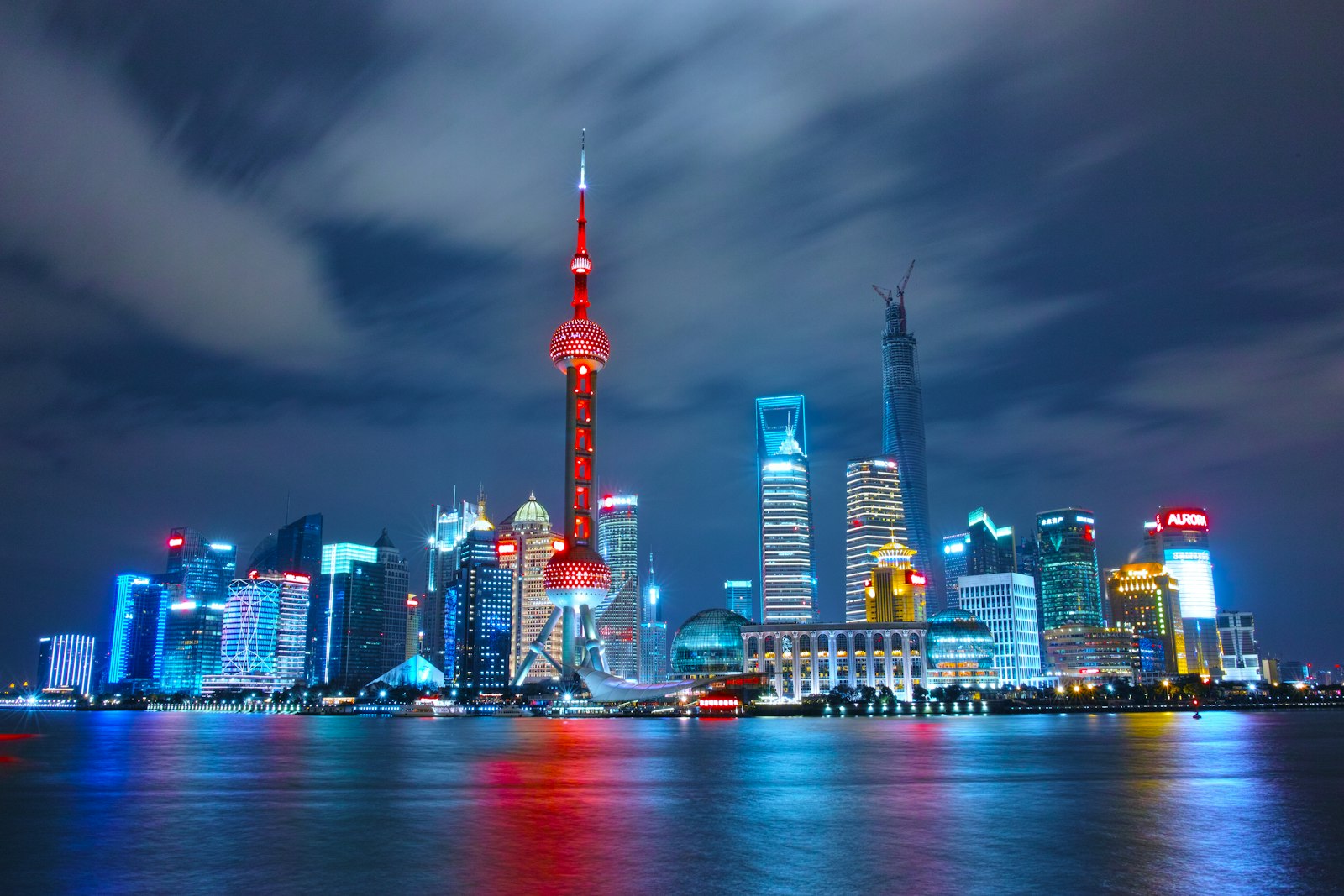
Shanghai Complete Travel Guide 2026
The ultimate Shanghai travel guide for 2026 - from the Bund and Pudong to hidden French Concession gems.
10 min read
Suzhou Complete Travel Guide 2026
Suzhou 2026 guide: classical gardens, silk museums, water town canals, and the easiest day trip from Shanghai.
10 min read