
Beijing vs Shanghai Travel Comparison
Beijing vs Shanghai Travel Comparison: 2026 guide covers top attractions, transport between them, payment apps, and what to skip.
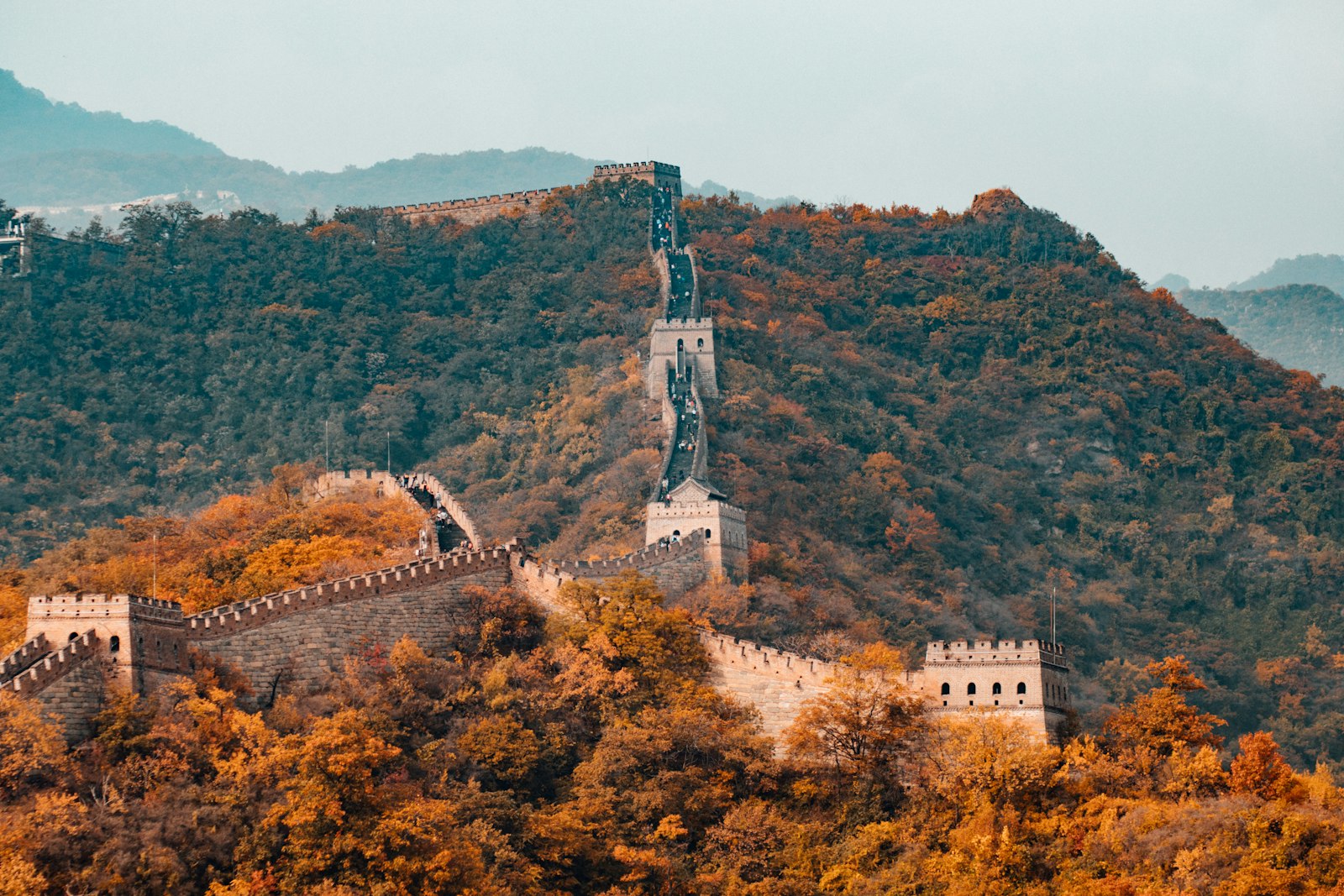
Beijing vs Shanghai Travel Comparison: The Complete 2026 Guide
The cab driver laughed at me when I asked if he could take me to the Great Wall and back in one afternoon. “Miss,” he said, switching to English because my Mandarin was failing, “the wall is not a building. You cannot see it in an hour.” He was right. I’d been in Beijing for three weeks and still hadn’t learned that everything here takes longer than you expect. The traffic, the distances, the sheer scale of things—it’s a city that demands patience.
Shanghai, on the other hand, let me walk out of my hostel on my first night and find a bar within three minutes. Two different countries, really, even though they’re both China. Beijing is the old soul, the political heart, the place where history sits heavy on every hutong alley. Shanghai is the future that already arrived, all neon and river views and coffee shops that would fit right into Brooklyn.
This guide is for the first-time traveler who can’t decide between them—or who wants to do both but doesn’t know how to split their time. I’ve lived in Beijing for seven years and taken the high-speed rail to Shanghai more times than I can count. I’ve made every mistake a foreigner can make in both cities. Here’s what I wish someone had told me.
Quick answer
The cab driver laughed at me when I asked if he could take me to the Great Wall and back in one afternoon. “Miss,” he said, switching to English because my Mandarin was failing, “the wall is not a building.
The Short Version
Beijing is for history, scale, and the feeling of standing on something ancient. Shanghai is for energy, food scenes, and the feeling of standing in something new. If you have a week, do both—three days in each, high-speed rail between them. If you only have three days, pick based on whether you’d rather see the Great Wall or eat xiaolongbao on a rooftop. Neither is a wrong choice.
How I Picked These
I didn’t research this from a desk. I walked every street in this guide—multiple times, in different seasons, at different hours. I talked to taxi drivers, hostel receptionists, shop owners who refused to let me pay full price, and other travelers who’d just arrived or were about to leave. I took notes on my phone, lost receipts, paid too much for tea twice, and got lost in Shanghai’s French Concession for an entire afternoon. These are the places that stuck.
Comparison Table
| Rank | Place | Best For | Approx Cost (USD) | Time Needed | When to Go |
|------|-------|----------|-------------------|-------------|------------|
| 1 | The Great Wall (Mutianyu) | Epic scale, hiking, photos | $40 ($290) including transport | Full day | Spring or fall, weekday |
| 2 | The Bund, Shanghai | Skyline, river walk, architecture | Free | 2 hours | Sunset to evening |
| 3 | Forbidden City, Beijing | Imperial history, architecture | $15 ($108) | 3-4 hours | Weekday, arrive at 8:30 AM |
| 4 | Yu Garden, Shanghai | Classical garden, old town | $5 ($36) | 1.5 hours | Weekday morning |
| 5 | Temple of Heaven, Beijing | Park life, local culture, architecture | $10 ($72) | 2 hours | Early morning for tai chi |
| 6 | French Concession, Shanghai | Cafes, tree-lined streets, boutiques | Free | Half day | Any afternoon |
| 7 | Summer Palace, Beijing | Lake views, imperial garden | $12 ($86) | 3 hours | Late afternoon for sunset |
| 8 | Shanghai Tower | Observation deck, city views | $30 ($216) | 1.5 hours | Clear day, late afternoon |
| 9 | 798 Art District, Beijing | Contemporary art, galleries | Free (galleries vary) | 2-3 hours | Weekend afternoon |
| 10 | Jing’an Temple, Shanghai | Active temple, city contrast | $8 ($58) | 1 hour | Early morning |
1. The Great Wall at Mutianyu — The One That Delivers
I remember the exact moment the wall came into view from the cable car. The fog was lifting, and for a second, I couldn’t tell where the stone ended and the mountain began. Then I saw it snaking across the ridges, impossibly steep in places, and I understood why the cab driver had laughed at me.
Mutianyu is the right section for first-timers. It’s restored enough to be safe, crowded enough to feel alive, but not as packed as Badaling. The walk from Tower 14 to Tower 6 is the sweet spot—you get the steep climbs, the watchtowers, and the toboggan ride down if you’re feeling brave.
📍 Huairou District, about 70km north of Beijing
🎫 $8 ($58) for the wall, $14 ($100) round-trip cable car, $10 ($72) for the toboggan
🕐 7:30 AM to 5:30 PM (summer), 8:00 AM to 4:30 PM (winter)
🚆 Take the subway to Dongzhimen Station (Line 2 or 13), Exit B. Walk to the bus hub and take Bus 916 Express to Huairou (about 1.5 hours). From there, take a local minibus or taxi to the wall. Or book a private car—about $80 ($580) round-trip, worth it for a group.
⏰ Weekday mornings in April, May, September, or October. Avoid Chinese holidays at all costs.
💡 Insider tips: Bring cash—the ticket office doesn’t always take cards. The toboggan is worth the extra money, but check if it’s running (rain shuts it down). Buy water at the base, not at the top. The wall gets steep—wear proper shoes, not sneakers you bought last week. If you want fewer people, go to the Jiankou section (unrestored, dangerous, not for beginners).
I ate a bowl of noodles at a tiny shop near the parking lot, and the owner’s daughter, maybe eight years old, practiced her English on me while I ate. She asked if I liked China. I said yes. She smiled like she’d won something.
2. The Bund, Shanghai — The Postcard View That’s Actually Real
I stood on the Bund at 6 PM on a November evening, and the lights came on across the river one building at a time. The Pearl Tower first, then the Shanghai Tower, then the whole skyline lit up like someone had flipped a switch. A Chinese couple asked me to take their photo. I took twelve. None of them captured what it felt like to be there.
The Bund is the colonial-era waterfront on the west side of the Huangpu River. The buildings behind you are European-style banks and hotels from the 1920s. Across the river, Pudong looks like a sci-fi movie set. The contrast is the whole point.
📍 Zhongshan East 1st Road, along the Huangpu River
🎫 Free
🕐 Open 24 hours, but best at sunset
🚆 Take Metro Line 2 or 10 to Nanjing East Road Station, Exit 6. Walk east for 5 minutes. You’ll hit the river.
⏰ Sunset to 9 PM on a clear day. Weekdays are less crowded. Avoid weekends in summer unless you like crowds.
💡 Insider tips: Walk the entire length from the Waibaidu Bridge to the Old Customs House—about 1.5km. Don’t pay for the tunnel ride under the river, it’s a tourist trap. The Peace Hotel on the Bund does a good afternoon tea if you want to feel fancy. For a cheaper view, go to the rooftop bar at the Captain’s Hostel. Bring a jacket—the wind off the river is cold even in summer.
I watched a man fish off the Bund at midnight once. He’d been there since 9 PM. He hadn’t caught anything. He didn’t seem to care.
3. The Forbidden City — Bigger Than You Think
The first time I walked through the Meridian Gate, I stopped counting rooms after fifty. There are 9,999 of them, supposedly, and I believe it. The Forbidden City is not a museum you visit—it’s a city you get lost in. And you will get lost. The courtyards all start to look the same after an hour.
But here’s the thing: most tourists rush through the central axis—the main halls where the emperors held ceremonies. The real magic is in the side halls and gardens. The Hall of Clocks and Watches has mechanical birds that still sing. The Garden of Compassion and Tranquility has rockeries that look like mountains. Go slow.
📍 Dongcheng District, north of Tiananmen Square
🎫 $15 ($108) in peak season, $11 ($80) in off-season
🕐 8:30 AM to 5:00 PM (summer), 8:30 AM to 4:30 PM (winter). Closed Mondays.
🚆 Take Metro Line 1 to Tiananmen East or Tiananmen West Station. Follow the signs. You’ll queue through security at the south gate.
⏰ Weekday mornings, right when it opens. The crowds arrive by 10 AM. Go in late October or early November for fewer people and good weather.
💡 Insider tips: Book tickets online at least a week in advance—they sell out. Bring your passport. The audio guide is worth $6 ($43) and explains things well. Skip the main halls if the queue is long and head to the back gardens first. There’s a good coffee shop near the north gate if you need a break.
I sat on a bench near the Imperial Garden and watched a group of schoolchildren try to count the dragons on a roof. Their teacher gave up after twenty.
4. Yu Garden, Shanghai — A Garden in the Middle of Chaos
The first time I went to Yu Garden, I couldn’t find the entrance. I walked through the bazaar three times, past the same dumpling shop and the same man selling jade bracelets, before I realized the garden was hidden behind a wall. That’s the thing about Shanghai—everything is layered. The touristy bazaar is the shell. The garden is the pearl.
Yu Garden is a Ming Dynasty scholar’s garden, built in the 1500s. It’s small by Chinese garden standards, but every corner is deliberate. The rockeries, the ponds, the bridges that zigzag so evil spirits can’t follow you—it’s a place designed for contemplation. The crowds make that hard, but if you go early enough, you can find a quiet moment.
📍 Huangpu District, near the City God Temple
🎫 $5 ($36) in peak season, $3 ($22) in off-season
🕐 9:00 AM to 4:30 PM daily
🚆 Take Metro Line 10 or 14 to Yuyuan Garden Station, Exit 1. Walk 5 minutes east through the bazaar.
⏰ Weekday mornings, right when it opens. The bazaar gets packed by noon.
💡 Insider tips: The bazaar food is overpriced but the xiaolongbao at Nanxiang Steamed Bun Restaurant are legit. Don’t buy tea from the shops inside the garden—they charge triple. The Huxinting Tea House in the middle of the pond is beautiful but expensive. If you want a better deal, walk 10 minutes to the Old Town area.
I watched a woman photograph a single koi fish for fifteen minutes. She was waiting for it to swim through a beam of sunlight. It never did.
5. Temple of Heaven — Where Beijing Comes to Play
I went to the Temple of Heaven on a Sunday morning expecting to see the famous Hall of Prayer for Good Harvests. I did see it—the blue-tiled roof against a gray sky, exactly like the photos. But the real show was in the park around it. Hundreds of Beijingers doing tai chi, playing cards, singing opera, dancing, practicing calligraphy with water on the stone paths. It’s not a temple. It’s a living room for the whole city.
The temple itself is a Ming Dynasty masterpiece, built for the emperor to pray for good harvests. The circular hall has no nails—just wooden beams holding it together. The acoustics in the Echo Wall are real, though you’ll have to compete with tourists shouting to test them.
📍 Dongcheng District, south of the Forbidden City
🎫 $10 ($72) for the park and temple, $5 ($36) for the park only
🕐 6:00 AM to 9:00 PM (park), 8:00 AM to 5:30 PM (temple buildings)
🚆 Take Metro Line 5 to Tiantan East Gate Station, Exit A. Walk 3 minutes to the east gate.
⏰ Early morning (7-9 AM) for the park life. Weekdays for fewer crowds. Spring and fall for the best weather.
💡 Insider tips: Enter through the east gate—it’s less crowded. The park is free before 8 AM if you just want to see the morning activities. The Echo Wall works best if you whisper, not shout. Bring a picnic—there are benches everywhere. If someone asks to take your photo, say yes—it’s how locals practice English.
An old man taught me tai chi moves near the south gate. He didn’t speak English. I didn’t speak Mandarin. We communicated through bad hand gestures and laughter.
6. French Concession, Shanghai — The Walkable Shanghai
I spent an entire afternoon walking through the French Concession and didn’t look at my phone once. The plane trees form a canopy over the streets. The old villas have wrought-iron balconies and peeling paint. Every block has a cafe, a bakery, a boutique selling things you don’t need but suddenly want. It’s the most walkable part of Shanghai, and that’s saying something.
The French Concession was the French settlement from 1849 to 1943. The buildings are a mix of Art Deco, neoclassical, and Shanghai-style lane houses. Today, it’s full of expats, artists, and wealthy Shanghainese. The vibe is relaxed in a way that central Shanghai isn’t.
📍 Between Huaihai Road and Fuxing Road, roughly
🎫 Free to walk around
🕐 Anytime, but cafes open around 9 AM
🚆 Take Metro Line 1 or 10 to South Shaanxi Road Station, Exit 2. Walk west into the tree-lined streets.
⏰ Any afternoon. Weekdays are quieter. Spring and fall are perfect for walking.
💡 Insider tips: Start at Wukang Road and work your way south. The former residence of Soong Ching-ling is worth a quick look. Cafe ONA on Wukang Road has excellent coffee. The lane houses on Fuxing Road are beautiful—look for the ones with red brick facades. Don’t bother with the “famous” restaurants on the main streets—the small noodle shops on side streets are better.
I found a tiny bookstore on Shaoxing Road that sells English books. The owner, a woman in her sixties, recommended a novel about Shanghai in the 1930s. I bought it. It’s still one of my favorites.
7. Summer Palace, Beijing — The Emperor’s Weekend Home
The first time I visited the Summer Palace, I made the mistake of trying to see everything in two hours. The place is enormous—three times the size of the Forbidden City—and most of it is lake. Kunming Lake takes up three-quarters of the grounds. The Long Corridor stretches for 728 meters. The Marble Boat sits in the water like a stone joke.
The Summer Palace was built in the 18th century as a retreat for the imperial family. The Empress Dowager Cixi spent a fortune renovating it in the late 1800s—money that was supposed to go to the navy. The Marble Boat was built with that money. It’s beautiful and ridiculous.
📍 Haidian District, about 15km northwest of central Beijing
🎫 $12 ($86) in peak season, $8 ($58) in off-season
🕐 6:30 AM to 6:00 PM (summer), 7:00 AM to 5:00 PM (winter)
🚆 Take Metro Line 4 to Beigongmen Station, Exit D. Walk 5 minutes to the north gate.
⏰ Late afternoon for sunset over the lake. Weekdays in October are perfect.
💡 Insider tips: Enter through the north gate—it’s less crowded and puts you near the Long Corridor. The boat ride across Kunming Lake is $3 ($22) and worth it. Skip the Tower of Buddhist Incense if the queue is long—the view from the hill behind it is better. The Suzhou Street section is a replica of a Ming Dynasty canal town and feels like a movie set.
I sat on a bench near the lake and watched a man practice tai chi with a sword. He moved so slowly I thought he was standing still. Then he finished and bowed to the water.
8. Shanghai Tower — The View From Above
I went up the Shanghai Tower on a hazy day and couldn’t see the ground. The observation deck is on the 118th floor, 546 meters up. The elevator moves so fast your ears pop. When the haze cleared for a moment, I saw the Huangpu River curving through the city like a brown ribbon. Then the clouds closed in again.
The Shanghai Tower is the tallest building in China and the second tallest in the world. The observation deck has floor-to-ceiling windows and a section where you can stand on glass. It’s not for people afraid of heights. The building twists as it goes up, which reduces wind load and makes it look like it’s turning.
📍 Lujiazui, Pudong
🎫 $30 ($216) for the observation deck
🕐 9:00 AM to 10:00 PM daily
🚆 Take Metro Line 2 to Lujiazui Station, Exit 6. Walk 5 minutes east.
⏰ Clear days only. Late afternoon for sunset and city lights. Weekdays are less crowded.
💡 Insider tips: Buy tickets online to skip the queue. The glass floor section is near the elevator—go early before it gets crowded. The cafe on the observation deck is overpriced but the view is worth it. If you’re on a budget, the bar on the 87th floor of the Jin Mao Tower has a similar view for the price of a drink.
I met a photographer from Argentina on the observation deck. He’d been waiting for the perfect light for two hours. He showed me his photos. They were incredible. He still wasn’t satisfied.
9. 798 Art District, Beijing — Art in an Old Factory
I walked into 798 on a Saturday afternoon and spent four hours in a single gallery. The exhibition was about migration—videos of empty train stations, photographs of abandoned villages, a sculpture made of suitcases. I didn’t understand all of it, but I felt it. That’s the thing about 798—it makes you feel things even when you don’t know what you’re looking at.
798 is a former electronics factory from the 1950s, converted into an art district in the early 2000s. The buildings are Bauhaus-style, with high ceilings and big windows. The galleries range from world-class contemporary art to touristy souvenir shops. The cafes are good. The people-watching is better.
📍 Chaoyang District, northeast of central Beijing
🎫 Free to enter the district. Individual galleries charge $3-10 ($22-72)
🕐 Most galleries open 10 AM to 6 PM, closed Mondays
🚆 Take Metro Line 14 to Wangjing South Station, Exit C. Walk 10 minutes north.
⏰ Weekend afternoons are lively. Weekday mornings are quiet. Spring and fall for outdoor installations.
💡 Insider tips: The UCCA Center for Contemporary Art is the best gallery—check their schedule. The Pace Gallery has international artists. The small galleries in the back streets are often more interesting than the main ones. The food court near the main entrance is overpriced—walk 10 minutes to the local restaurants on Jiuxianqiao Road.
I watched a group of art students argue about a painting for twenty minutes. The painting was a single white square on a gray background. They couldn’t agree on what it meant. That’s the point, I think.
10. Jing’an Temple, Shanghai — Gold in the City
I walked past Jing’an Temple three times before I noticed it. It’s hidden between a shopping mall and a metro station, surrounded by skyscrapers. The gold roof catches the sun, but the buildings around it are so tall that you have to look up to see it. That contrast—ancient gold against modern glass—is Shanghai in a single image.
Jing’an Temple is a Buddhist temple that dates back to the 3rd century, though the current buildings are mostly from the 19th and 20th centuries. It’s an active temple—monks chant, incense burns, locals pray. The main hall has a 3.8-meter tall statue of the Buddha made from silver. The bell tower has a bell that weighs 3 tons.
📍 Jing’an District, at the intersection of Nanjing West Road and Huashan Road
🎫 $8 ($58)
🕐 7:30 AM to 5:00 PM daily
🚆 Take Metro Line 2 or 7 to Jing’an Temple Station, Exit 1. You’ll see the temple immediately.
⏰ Early morning for the chanting. Weekdays for fewer people. Avoid Chinese New Year.
💡 Insider tips: The vegetarian restaurant on the temple grounds is excellent and cheap—try the mock meat dishes. The bell costs $2 ($14) to ring three times. The temple fair in April is crowded but worth seeing. Don’t take photos of the monks without asking.
I watched a woman light incense and bow three times in front of the main hall. She was crying. I don’t know why. I didn’t ask.
FAQ summary
Key points covered: 1. Do I need a visa for China in 2026; 2. Can I use my phone in China; 3. Do I need cash or cards; 4. Is English widely spoken; 5. Which city is safer for solo travelers.
FAQ
Q: Do I need a visa for China in 2026?
A: It depends on your passport. As of 2026, citizens of 54 countries (including the US, UK, Canada, Australia, and most of Europe) can enter China visa-free for up to 15 days if they’re on a transit or tour. For longer stays, you still need a visa. Check the latest policy before booking—things change fast.
Q: Can I use my phone in China?
A: Yes, but you need a Chinese SIM card or an international plan. Most foreign SIMs don’t work here. Get a SIM at the airport—China Mobile and China Unicom have tourist plans for about $20 ($144) for 7 days with 10GB of data. You’ll also need a VPN if you want to use Google, Instagram, WhatsApp, or Facebook. Install it before you leave home.
Q: Do I need cash or cards?
A: Cash is accepted everywhere, but you’ll look like a tourist. WeChat Pay and Alipay are the standard. Set them up before you arrive—you can link a foreign credit card now (this changed in 2024). Most restaurants, shops, and even street vendors use QR codes. Keep some cash for emergencies, but you’ll rarely need it.
Q: Is English widely spoken?
A: In tourist areas, hotels, and high-end restaurants, yes. In local neighborhoods, no. Download Pleco (a translation app) and Google Translate before you go. Learn a few phrases: “xie xie” (thank you), “dui bu qi” (sorry), “zhe ge duo shao qian” (how much is this). People will appreciate the effort.
Q: Which city is safer for solo travelers?
A: Both are extremely safe. I’ve walked alone at midnight in both cities and never felt threatened. Petty theft exists, so keep your phone in your front pocket. Scams targeting tourists happen near major attractions—don’t take tea invitations from strangers or pay for “free” tours. Use common sense and you’ll be fine.
Q: How do I get between Beijing and Shanghai?
A: High-speed rail is the best option. It takes 4.5 hours and costs about $80 ($580) for a second-class seat. Book through Trip.com or the official 12306 app. Flights are cheaper (about $50-70) but you lose time getting to and from airports. The overnight sleeper train is an option but less comfortable.
Q: What’s the best time of year to visit both?
A: April-May and September-October are perfect. Spring has cherry blossoms, fall has clear skies and mild temperatures. Summer is hot and humid in both cities. Winter is cold in Beijing (below freezing) and chilly in Shanghai (40-50°F). Chinese holidays (Spring Festival in January/February, National Day in October) mean massive crowds and higher prices.
The Honest Wrap-up
This list is for the traveler who wants to understand China, not just see it. Beijing will make you work for its beauty—the smog, the crowds, the distances. Shanghai will give it to you easier, but you’ll wonder if you’ve seen the real thing or just the version China wants you to see.
If I had to choose one for a first-timer, I’d pick Beijing. The Great Wall alone is worth the trip. But I’d tell them to save three days for Shanghai on the way out. You need the contrast. You need to see the old and the new, the imperial and the commercial, the slow and the fast. That’s what China is. Both cities, together, show you the whole picture.
One last thing: don’t overplan. Leave afternoons empty. Walk into a random hutong or lane. Eat something you can’t pronounce. Get lost. That’s where the real China is.
Related Guides
Looking for more China travel guides? These match your topic:
Topics
More guides you may like
Beijing Complete Travel Guide 2026
Everything you need to know to plan a Beijing trip in 2026 - attractions, transport, food, accommodation, and 4-day itinerary.
9 min read

Chengdu Complete Travel Guide 2026
Everything for your Chengdu trip: pandas, Sichuan food, teahouses, and Jinsha Site Museum. 2026 guide with insider tips.
9 min read
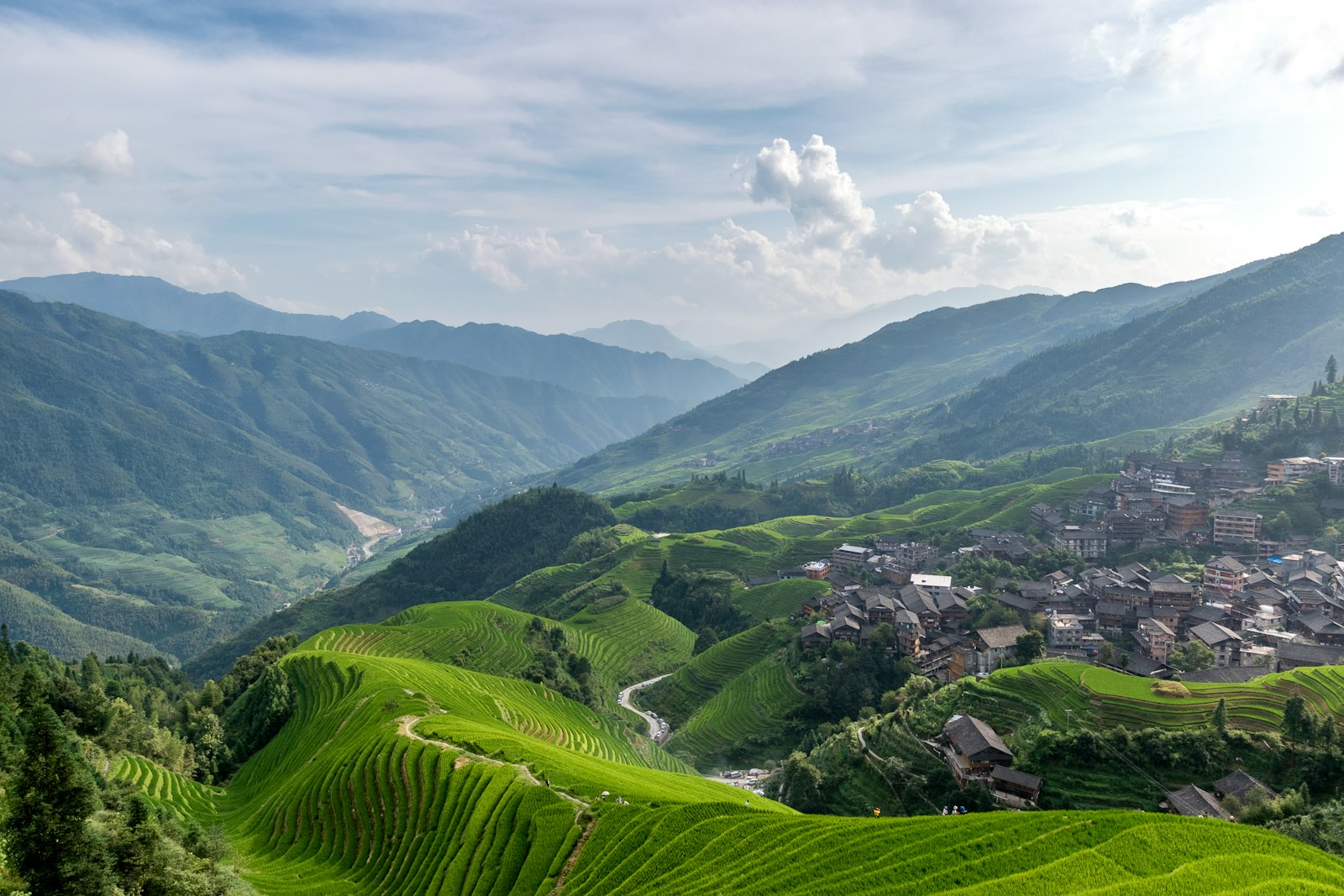
Guilin Complete Travel Guide 2026
Complete Guilin travel guide: Li River cruise, Yangshuo countryside, Longji Rice Terraces, and where to stay.
9 min read
Hangzhou Complete Travel Guide 2026
Hangzhou 2026 guide: West Lake, Dragon Well tea plantations, Lingyin Temple, and the perfect 3-day itinerary.
10 min read
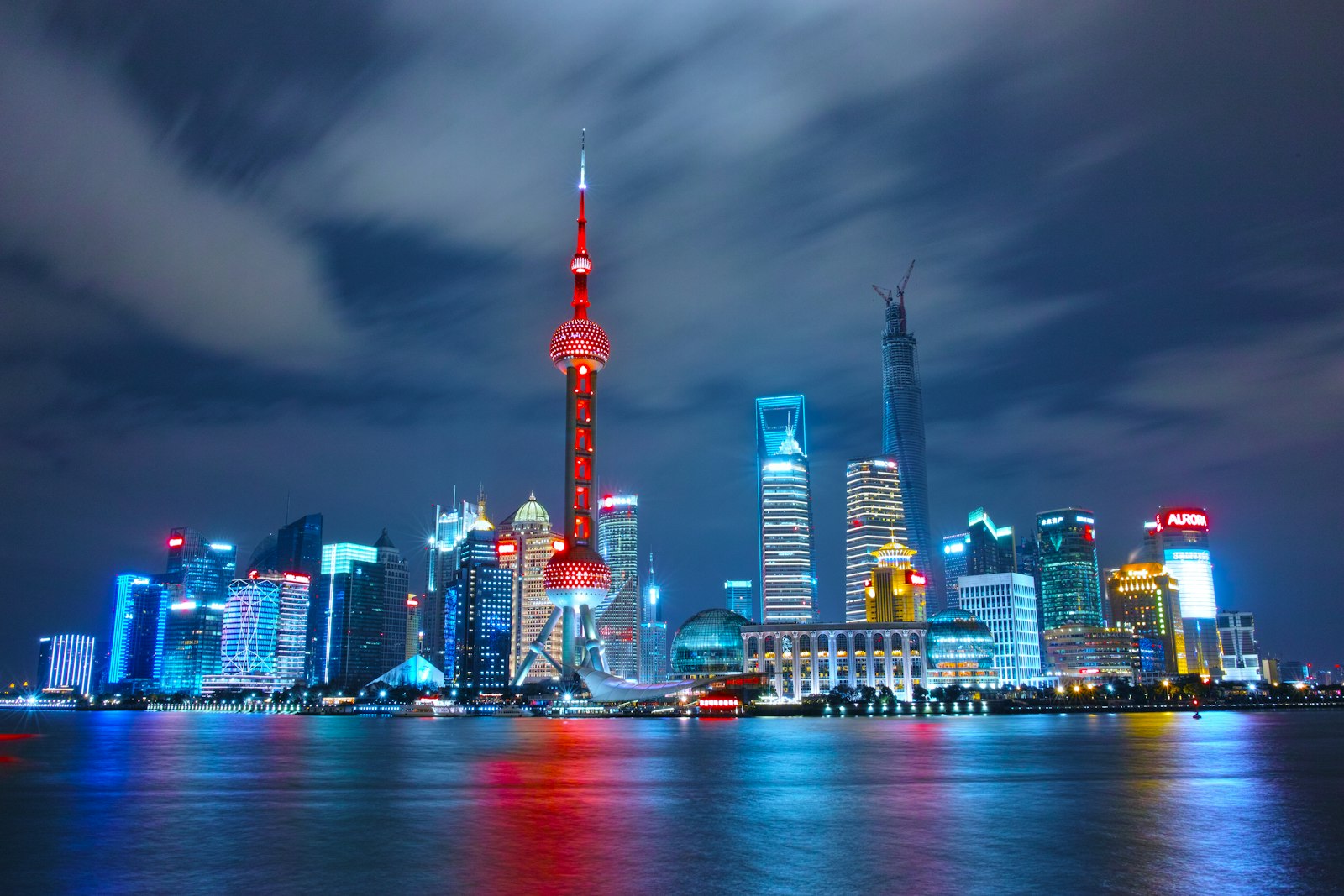
Shanghai Complete Travel Guide 2026
The ultimate Shanghai travel guide for 2026 - from the Bund and Pudong to hidden French Concession gems.
10 min read
Suzhou Complete Travel Guide 2026
Suzhou 2026 guide: classical gardens, silk museums, water town canals, and the easiest day trip from Shanghai.
10 min read