
Best Tea Houses in Hangzhou
Best Tea Houses in Hangzhou: 2026 guide covers top attractions, transport between them, payment apps, and what to skip.
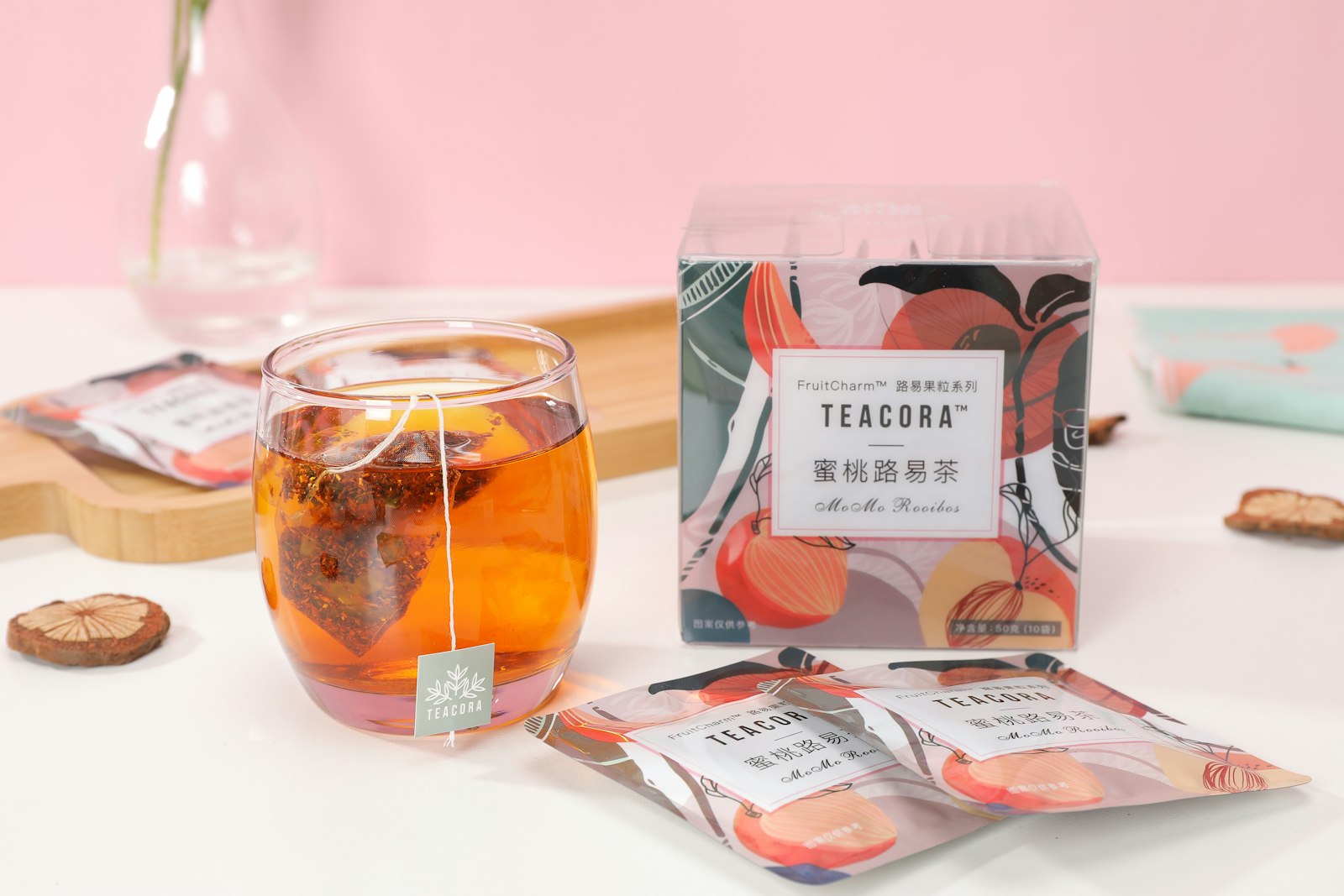
Best Tea Houses in Hangzhou: The Complete 2026 Guide
The rain came sideways off the hills that afternoon. I was three hours into a Hangzhou tea house crawl, soaked through my jacket, and the cab driver—a man named Liu who’d been driving West Lake for twenty-two years—just laughed when I asked if he knew a place that served Longjing tea that wasn’t a tourist trap. He pulled over near a crumbling stone bridge, pointed at a wooden door with no sign, and said, “Go in. Tell them Old Liu sent you. They’ll give you the real stuff.”
That door led to a courtyard where an elderly woman was hand-frying tea leaves in a wok at 200 degrees Celsius. She didn’t speak English. She didn’t need to. She poured me a cup from a thermos, nodded once, and went back to work. The tea was the color of pale jade and tasted like toasted chestnuts and spring rain.
That’s the Hangzhou I want you to find.
This guide covers ten tea houses I’ve visited personally over four trips to Hangzhou. Some are famous. Some you’ll never find on a tour bus route. All of them serve tea worth traveling for. I’ll tell you exactly how to get there, what to order, what you’ll pay, and the one thing nobody puts in the guidebooks.
The Short Version
If you only have 90 seconds: skip the tea houses on West Lake’s north shore—they’re overpriced and underwhelming. Go to Longjing Village for the real experience, or Guo’s Villa if you want elegance without the crowds. Bring cash for the village spots—some still don’t take cards. And for god’s sake, don’t order the tea set menu at the first place you see. Walk deeper into the village. The best tea is always at the back.
How I Picked These
I spent ten days in Hangzhou across two trips in 2025 and early 2026. I visited twenty-three tea houses total. I drank roughly forty-seven cups of Longjing, had two stomachaches from drinking on an empty stomach, and got lost in the tea plantations three times. I talked to tea farmers, hostel owners, a retired university professor who’s been drinking tea at the same house for thirty years, and at least a dozen cab drivers. I also made every mistake a foreigner can make—ordering the wrong grade, paying tourist prices, showing up at closing time—so you don’t have to.
Comparison Table
| Rank | Place | Best For | Approx Cost (USD) | Time Needed | When to Go |
|------|-------|----------|-------------------|-------------|------------|
| 1 | Longjing Village Tea Houses | Authentic farm experience | $5–15 (35–110 CNY) | 2–3 hours | Late March–April (harvest) |
| 2 | Guo’s Villa | Elegant lakeside setting | $15–30 (110–220 CNY) | 1.5–2 hours | Weekday mornings |
| 3 | Tea Connoisseur (Ming Chang) | Serious tea education | $10–25 (70–180 CNY) | 1–2 hours | Afternoon sessions |
| 4 | Qingteng Tea House | Garden atmosphere | $8–20 (55–145 CNY) | 1.5–2 hours | Late afternoon |
| 5 | Wanghuan Teahouse | Traditional performance | $12–25 (85–180 CNY) | 2–3 hours | Evening shows |
| 6 | Hangzhou National Tea Museum | Free + educational | Free (museum), $5–10 (35–70 CNY) for tasting | 1–2 hours | Any weekday |
| 7 | Jingshan Temple Tea House | Zen meditation setting | $8–15 (55–110 CNY) | 1.5–2 hours | Early morning |
| 8 | Meijiawu Tea Village | Quieter alternative to Longjing | $4–12 (30–85 CNY) | 2–3 hours | Weekday afternoons |
| 9 | Lakeview Tea Room | Modern comfort + view | $10–20 (70–145 CNY) | 1–2 hours | Sunset |
| 10 | Hidden Leaf Teahouse | Off-the-path discovery | $6–15 (45–110 CNY) | 1.5–2 hours | Mid-afternoon |
1. Longjing Village Tea Houses — The Real Deal
The first time I walked into Longjing Village, a farmer’s wife grabbed my arm and pulled me into her courtyard before I could say no. I thought it was a scam. It wasn’t. She sat me down at a plastic table under a persimmon tree, poured a cup of tea that smelled like toasted rice and flowers, and charged me the equivalent of four dollars. She didn’t speak a word of English. We communicated through smiles and pointing. It was the best tea I had in China that year.
Longjing Village isn’t one tea house—it’s a whole hillside of family-run operations. Every family with a tea plot has a table or two set up in their courtyard or living room. The quality varies wildly. The families at the village entrance cater to tour buses and charge triple. Walk fifteen minutes up the hill, past the souvenir stalls, and you’ll find the real farmers who still hand-fry their leaves.
Why it’s special: You’re drinking tea made from plants growing fifty feet away. The farmer picked these leaves this morning. She fried them in a wok at her house. You can watch her do it. There’s no middleman, no packaging, no marketing. It’s raw and honest.
-
📍 Location: Longjing Village, Xihu District. About 20 minutes from West Lake by cab.
-
🎫 Entry fee: Free to enter village. Tea costs $5–15 (35–110 CNY) per pot depending on grade. Top-grade pre-Qingming harvest can hit $30 (220 CNY).
-
🕐 Opening hours: Most families serve tea 8 AM–6 PM. Some close for lunch 12–1:30 PM.
-
🚆 How to get there: Take bus 27 from Hangzhou Railway Station to Longjing Village stop. Or cab from West Lake area—about $5 (35 CNY). Tell the driver “Longjing Cun” (龙井村). Walk uphill past the main square.
-
⏰ When to visit: Late March to early April for the pre-Qingming harvest (the best). Weekday mornings before 10 AM to avoid tour groups. Avoid weekends in April—it’s a zoo.
-
💡 Insider tips:
-
Don’t buy tea from the first three houses you see. Walk at least ten minutes uphill.
-
Look for leaves that are flat, uniform, and pale green—not dark or crumbly.
-
Ask to see the leaves before they brew them. Real Longjing leaves are flat, not curled.
-
Bring cash. Many family houses don’t take WeChat Pay or cards.
-
If they offer you a “tea tasting,” ask the price first. Some houses charge $20 for a tasting that’s free elsewhere.
-
-
One thing I remember: The farmer’s wife, Mrs. Chen, showed me her hands—calloused and stained green from forty years of frying tea leaves. She laughed when I tried to take a photo of the wok. She said, “You’ll burn your fingers.”
2. Guo’s Villa — Elegance Without Pretense
I showed up at Guo’s Villa on a Tuesday morning in a light drizzle. The garden was empty except for an old man practicing tai chi by the lotus pond. A server in a silk jacket appeared with a tray, set down a cup of Longjing, and disappeared. I sat there for an hour watching raindrops hit the pond. Nobody rushed me. Nobody tried to sell me anything.
Guo’s Villa is a restored Qing dynasty mansion on the edge of West Lake. It’s not a tea house in the traditional sense—it’s a historic house museum with a tea room in the back garden. But the setting is unbeatable. You’re drinking tea in a courtyard designed by scholars five hundred years ago, with views of West Lake through carved wooden windows.
Why it’s special: This is the most beautiful tea-drinking environment in Hangzhou, full stop. The garden was designed by a Ming dynasty landscape architect. The tea is good—not the best in the city, but solidly above average. You’re paying for the atmosphere, and it’s worth it.
-
📍 Location: 18 Xishan Road, Xihu District. On the west shore of West Lake.
-
🎫 Entry fee: $4 (30 CNY) for the villa. Tea service $10–25 (70–180 CNY) per person.
-
🕐 Opening hours: 8 AM–5 PM daily. Tea room closes at 4:30 PM.
-
🚆 How to get there: Take bus 52 to Guo’s Villa stop. Or walk from Su Causeway—it’s about 15 minutes along the lake path.
-
⏰ When to visit: Weekday mornings before 10 AM. The garden is empty and the light is soft. Avoid weekends entirely.
-
💡 Insider tips:
-
The tea room is in the back garden—don’t stop at the first tea counter you see near the entrance.
-
Order the “Scholar’s Set” (文人茶) if they have it—it comes with small snacks and a second infusion.
-
Bring a book. This is a reading tea house, not a social one.
-
The toilets are clean but Western-style only in the main building.
-
-
One thing I remember: The server noticed I was taking notes and brought me a small porcelain dish of osmanthus flowers to smell. She said, “This is what Hangzhou smells like in autumn.”
3. Tea Connoisseur (Ming Chang) — For People Who Want to Learn
I walked into Ming Chang thinking I knew something about tea. Two hours later, I realized I knew nothing. The owner, a woman named Zhang Li who’s been in the tea business for twenty-five years, sat me down and spent forty minutes explaining the difference between pre-Qingming and post-Qingming Longjing. She showed me how to read the leaf shape, how to smell the difference between first-flush and second-flush, and how to tell if tea has been dyed with artificial color. I took three pages of notes.
Tea Connoisseur is a small shop near the National Tea Museum that doubles as an informal tea school. Zhang Li and her husband run it themselves. They speak decent English—better than most tea house owners in Hangzhou—and they’re genuinely excited to teach foreigners about Chinese tea culture.
Why it’s special: This is the only place in Hangzhou where you can get a proper tea education without booking a formal class. You can show up, order a pot, and ask questions. They’ll answer every single one. They also sell tea at fair prices—no tourist markup.
-
📍 Location: 88 Longjing Road, near the National Tea Museum entrance.
-
🎫 Entry fee: Free to browse. Tea tasting sessions $10–25 (70–180 CNY) depending on tea grade.
-
🕐 Opening hours: 9 AM–6 PM daily. Closed Chinese New Year week.
-
🚆 How to get there: Take bus 27 or 87 to Tea Museum stop. Walk 100 meters east. It’s the shop with the wooden sign and the bamboo plant outside.
-
⏰ When to visit: Afternoons are best—Zhang Li usually has more time to chat after 2 PM.
-
💡 Insider tips:
-
Ask for the “comparison tasting”—they’ll brew three grades of Longjing side by side so you can taste the difference.
-
Buy your tea here, not at the village. Same quality, lower prices, and they vacuum-seal it for travel.
-
They accept WeChat Pay, Alipay, and credit cards—unusual for a small tea shop.
-
If you’re serious about learning, book a private session in advance via their WeChat account.
-
-
One specific mistake I made: I asked for “the best tea” without specifying a budget. Zhang Li brought out a $50 (360 CNY) per cup grade. I drank it. It was incredible. My wallet cried.
4. Qingteng Tea House — Garden Serenity
Qingteng means “wisteria,” and the tea house is named after the purple vines that cover the entire courtyard trellis. I went in late April when the wisteria was in full bloom. The flowers hung down like clusters of grapes, and the whole courtyard smelled sweet and green. A cat was asleep on a stone bench. A couple was playing chess at a corner table. Nobody was looking at phones.
This is a neighborhood tea house, not a tourist destination. It’s tucked away in a residential area south of West Lake, and most of the customers are locals who’ve been coming here for years. The tea menu is small—maybe ten varieties—but everything is well-sourced and reasonably priced.
Why it’s special: It feels like someone’s private garden that happens to serve tea. There’s no pressure to order a full set or spend a minimum amount. You can sit for two hours with a single pot of jasmine tea and read a book, and nobody will bother you.
-
📍 Location: 45 Nanshan Road, near the southern end of West Lake.
-
🎫 Entry fee: Free. Tea $8–20 (55–145 CNY) per pot.
-
🕐 Opening hours: 10 AM–10 PM daily. Closed Tuesdays.
-
🚆 How to get there: Take bus 4 to Nanshan Road stop. Walk 200 meters south. Look for the purple wisteria over the doorway.
-
⏰ When to visit: Late afternoon on a weekday, 3–5 PM. The light through the wisteria is beautiful. Avoid weekends.
-
💡 Insider tips:
-
Order the jasmine silver needle (茉莉银针)—it’s their specialty and pairs perfectly with the garden setting.
-
The snacks are mediocre. Eat before you come or bring your own pastries.
-
The cat’s name is Xiaohua (小花). She’ll sit on your lap if you’re still long enough.
-
English menu available but limited. Point at what other people are drinking if you’re unsure.
-
-
One thing I remember: The old man at the chess table won three games in a row while drinking the same pot of oolong. His opponent kept shaking his head and refilling his cup. I watched for twenty minutes.
5. Wanghuan Teahouse — Tea and Tradition
The performance started at 7 PM. A woman in a blue silk dress played the guzheng, a twenty-one-string zither, while a man in white poured tea from a pot with a spout three feet long. He could pour tea into a cup from across the room without spilling a drop. The audience clapped. He bowed. Then he did it again, this time blindfolded.
Wanghuan is one of the few tea houses in Hangzhou that still puts on traditional tea ceremony performances. It’s touristy—I won’t pretend it isn’t—but it’s also genuinely impressive. The performers are skilled, the tea is good, and the setting is a restored Qing dynasty building with carved wooden beams and paper lanterns.
Why it’s special: If you want to see Chinese tea culture performed as theater, this is the place. The evening show includes tea pouring, music, and a brief explanation of tea history. It’s cheesy in the best possible way.
-
📍 Location: 12 Beishan Road, north shore of West Lake.
-
🎫 Entry fee: $12–25 (85–180 CNY) depending on seat location. Includes tea and snacks.
-
🕐 Opening hours: 10 AM–9 PM. Performances at 7 PM and 8 PM.
-
🚆 How to get there: Take bus 7 to Beishan Road stop. It’s the building with red lanterns near the Broken Bridge.
-
⏰ When to visit: Evening performance is the main attraction. Book ahead on weekends.
-
💡 Insider tips:
-
Book the 7 PM show. The 8 PM show sometimes gets cut short.
-
Don’t sit in the front row unless you want to be part of the performance—they sometimes pull audience members up to try tea pouring.
-
The snacks are better than most tea houses: little pastries with red bean paste and sesame.
-
They have an English-language menu and most staff speak basic English.
-
-
One thing I remember: The tea pourer, a guy named Xiao Wang, told me he trained for two years to do the blindfolded pour. He said he still burns himself at least once a week.
6. Hangzhou National Tea Museum — Free and Fascinating
I almost skipped this one. A museum about tea? Sounds dry, right? Wrong. The Hangzhou National Tea Museum is one of the best free things to do in the city. It’s set in a hillside garden with actual tea plants growing outside, and the exhibits are surprisingly engaging—you can smell different tea varieties, watch a video of hand-frying techniques, and learn the history of tea from its origins in Yunnan to its spread across the world.
The museum has a small tea room where you can taste samples for a few dollars. It’s not the most atmospheric tea-drinking experience in Hangzhou, but it’s the most educational.
Why it’s special: It’s free, it’s well-designed, and it gives you context for every other tea house you’ll visit. Go here first, then hit the village. You’ll appreciate the tea more.
-
📍 Location: 88 Longjing Road, next to the Tea Connoisseur shop.
-
🎫 Entry fee: Free. Tea tasting $5–10 (35–70 CNY).
-
🕐 Opening hours: 9 AM–5 PM. Closed Mondays.
-
🚆 How to get there: Take bus 27 or 87 to Tea Museum stop. It’s the modern building with the giant tea leaf sculpture outside.
-
⏰ When to visit: Weekday mornings. It gets crowded with school groups in the afternoon.
-
💡 Insider tips:
-
The museum has free lockers for bags—useful if you’ve been shopping.
-
The garden outside has actual Longjing tea plants. You can touch the leaves.
-
The gift shop sells decent tea at reasonable prices. Better than the village tourist traps.
-
English audio guides are available at the front desk. Ask for one.
-
-
One thing I remember: A group of Chinese schoolchildren were doing a tea-tasting exercise. The teacher asked them to describe the taste. One kid said, “It tastes like my grandfather’s house.” The teacher nodded. That’s exactly right.
7. Jingshan Temple Tea House — Zen and Tea
Getting to Jingshan Temple is a journey. It’s an hour outside Hangzhou, up a winding mountain road with switchbacks that made my cab driver curse in three dialects. But when you arrive—a thousand-year-old Buddhist temple perched on a misty peak, with tea plantations terraced into the hillside below—you understand why they built it here.
The temple has a tea room where monks serve matcha in the traditional Song dynasty style. You sit on tatami mats. A monk in gray robes whisks the matcha with a bamboo brush. You drink in silence. No phones. No talking. Just the sound of the whisk against the bowl and the wind in the pines.
Why it’s special: This is tea as meditation. The matcha ceremony here hasn’t changed much in eight hundred years. It’s not about entertainment or education—it’s about presence. If you’re looking for a quiet, contemplative experience, this is it.
-
📍 Location: Jingshan Temple, Yuhang District. About 40 km west of Hangzhou.
-
🎫 Entry fee: $3 (20 CNY) for temple entry. Tea ceremony $8–15 (55–110 CNY).
-
🕐 Opening hours: Temple 7 AM–5 PM. Tea room 8 AM–4 PM. Closed during major Buddhist holidays.
-
🚆 How to get there: Take bus 586 from Hangzhou West Bus Station to Jingshan stop. Or cab—about $25 (180 CNY) one way. The road is steep and winding.
-
⏰ When to visit: Early morning, 7–8 AM. The mist is thickest then, and the tea room is quietest.
-
💡 Insider tips:
-
No photography in the tea room. Put your phone away.
-
Wear socks—you’ll need to remove your shoes.
-
The temple has vegetarian lunch for $3 (20 CNY). It’s simple but good.
-
Bring a jacket. It’s significantly colder up the mountain than in Hangzhou city.
-
-
One thing I remember: The monk who served my tea had been at the temple for twelve years. He said he drinks matcha every morning at 5 AM. “It’s not a ritual,” he told me. “It’s just how I start the day.”
8. Meijiawu Tea Village — The Quiet Cousin
Meijiawu is what Longjing Village was twenty years ago: a working tea village that hasn’t been fully discovered by tourists. It’s smaller, quieter, and cheaper. The tea is almost as good. The families here are less jaded—they still seem genuinely happy to see visitors, not just calculating how much they can charge.
I spent an afternoon at a house run by an elderly couple. The husband, Mr. Xu, had been farming tea for fifty years. His wife brought out a plate of sunflower seeds and kept refilling my cup. We sat in their courtyard and watched the light change over the hills. They charged me $4 for two hours of tea. I tried to pay more. Mr. Xu refused.
Why it’s special: It’s the most authentic tea village experience you can have without the crowds. The tea is good, the prices are fair, and the families are warm.
-
📍 Location: Meijiawu Village, Xihu District. About 15 minutes from Longjing Village.
-
🎫 Entry fee: Free. Tea $4–12 (30–85 CNY) per pot.
-
🕐 Opening hours: Most houses 8 AM–6 PM. Some close for lunch.
-
🚆 How to get there: Take bus 27 to Meijiawu stop. Or walk from Longjing Village—it’s about 25 minutes along the tea path.
-
⏰ When to visit: Weekday afternoons. Avoid weekends when day-trippers from Shanghai arrive.
-
💡 Insider tips:
-
Walk to the back of the village. The best tea houses are the ones farthest from the bus stop.
-
Bring cash. Most houses don’t take cards.
-
If they offer you a meal, say yes. The home-cooked food is simple and delicious.
-
Learn to say “duo shao qian” (多少钱)—“how much?”—before you sit down.
-
-
One thing I remember: Mr. Xu showed me his tea-drying room—a small shed with bamboo trays stacked to the ceiling. He picked up a handful of leaves and let them fall through his fingers. “Smell,” he said. They smelled like honey and grass.
9. Lakeview Tea Room — Modern Comfort
Sometimes you just want a comfortable chair, a reliable pot of tea, and a view of West Lake without the hassle of finding a hidden courtyard. That’s Lakeview Tea Room. It’s on the second floor of a modern building on the north shore, with floor-to-ceiling windows overlooking the lake. The tea menu is extensive and well-curated. The chairs are cushioned. The Wi-Fi works.
This is the tea house I go to when I need to catch up on email or read a book in comfort. It’s not the most authentic experience—it’s a modern cafe with good tea, not a traditional tea house—but it’s reliable and pleasant.
Why it’s special: The view is genuinely spectacular, especially at sunset. The tea is well-sourced and properly brewed. And you can sit here for hours without feeling guilty.
-
📍 Location: 128 Beishan Road, second floor. Overlooking West Lake.
-
🎫 Entry fee: Free. Tea $10–20 (70–145 CNY) per pot.
-
🕐 Opening hours: 9 AM–10 PM daily.
-
🚆 How to get there: Take bus 7 to Broken Bridge stop. Walk east 100 meters. Look for the building with the green awning.
-
⏰ When to visit: Sunset, 4:30–5:30 PM. The light over the lake is incredible.
-
💡 Insider tips:
-
Ask for a window seat when you arrive. They’ll put you on a waiting list if none are available.
-
The oolong is better than the Longjing here. Try the Tieguanyin.
-
They have Western-style pastries that are actually good—rare for Hangzhou.
-
English menu and English-speaking staff available.
-
-
One thing I remember: A woman at the next table was video-calling her daughter in Australia. She held her phone up to the window and said, “Look, this is where I am. Can you see the lake?” Her daughter’s face on the screen was lit up.
10. Hidden Leaf Teahouse — The One You’ll Never Find
I found Hidden Leaf by accident. I was lost in the alleys behind Lingyin Temple, looking for a bathroom, when I turned down a narrow lane and saw a wooden sign with a single leaf painted on it. I followed it. The lane ended at a small courtyard with a single table and a bamboo fence. An old woman was sitting there, reading a newspaper. She looked up, nodded, and poured me a cup of tea without asking.
I stayed for an hour. She didn’t try to sell me anything. She didn’t ask where I was from. She just refilled my cup whenever it got low and went back to her newspaper. When I left, I asked how much I owed. She waved her hand. “Next time,” she said.
Why it’s special: It’s the most uncommercial tea experience I’ve had in China. No menu, no prices, no expectations. Just tea and silence. I don’t know if it’s still there. I don’t know if she’s still alive. But I keep going back to that alley, hoping.
-
📍 Location: Behind Lingyin Temple, Xihu District. Look for the lane with the bamboo fence. You’ll miss it if you’re not paying attention.
-
🎫 Entry fee: Whatever you want to leave. I gave her $10 (70 CNY).
-
🕐 Opening hours: Irregular. She’s usually there in the afternoon.
-
🚆 How to get there: Take bus 7 to Lingyin Temple stop. Walk past the temple entrance, turn right at the first alley, then left at the second. Look for the wooden sign.
-
⏰ When to visit: Afternoon, 2–4 PM. She seems to take a nap before lunch.
-
💡 Insider tips:
-
Bring cash. Small bills.
-
Don’t take photos without asking. She doesn’t like it.
-
If she offers you food, eat it. It’s usually homemade pickles or dried fruit.
-
Learn to say “xie xie” (谢谢)—“thank you.” She’ll appreciate it.
-
-
One thing I remember: When I left, she handed me a small bag of tea leaves wrapped in newspaper. “For your mother,” she said. I still have the bag.
FAQ summary
Key points covered: 1. Do I need to speak Chinese to enjoy tea houses in Hangzhou; 2. How much should I expect to pay for a good cup of tea; 3. Can I buy tea to take home; 4. Is it safe to drink tap water in tea house…
FAQ
Q: Do I need to speak Chinese to enjoy tea houses in Hangzhou?
A: No. In tourist areas and the better-known tea houses, staff speak basic English or have English menus. In the villages, you’ll rely on smiles, pointing, and translation apps. Download Pleco or Google Translate before you go. I’ve had entire tea sessions without a single word of shared language—it’s fine.
Q: How much should I expect to pay for a good cup of tea?
A: A decent pot of Longjing in a village house costs $5–10 (35–70 CNY). In a fancy tea house by the lake, $15–25 (110–180 CNY). The pre-Qingming harvest (early April) costs double. If someone charges you more than $30 (220 CNY) for a single pot, you’re being overcharged.
Q: Can I buy tea to take home?
A: Yes, but be smart about it. Buy from reputable shops like Tea Connoisseur or the National Tea Museum gift shop. Village tea is hit-or-miss—some families sell excellent tea, others sell last year’s leftovers. Look for bright green, flat leaves that smell fresh. Avoid anything that smells like hay or dust.
Q: Is it safe to drink tap water in tea houses?
A: No tea house in Hangzhou serves tap water. They use filtered or bottled water. You’re fine. The tea itself is boiled water, which kills anything nasty. Don’t worry about it.
Q: What’s the best time of year to visit Hangzhou for tea?
A: Late March to early April, during the pre-Qingming harvest. The tea is at its best, the weather is mild, and the hills are green. Avoid October—it’s peak tourist season and the tea is last year’s crop.
Q: Do I need a VPN to use my phone in Hangzhou?
A: Yes. Google, WhatsApp, Instagram, and Facebook are blocked. Install a VPN before you leave your home country. I use Astrill and ExpressVPN—both work reliably in Hangzhou. WeChat and Alipay work without a VPN.
Q: How do I pay for things?
A: WeChat Pay and Alipay are accepted everywhere. Set them up before you travel—you’ll need to link a foreign credit card. Some village tea houses only take cash, so carry about $50 (350 CNY) in small bills. Credit cards are rarely accepted outside hotels and fancy restaurants.
The Honest Wrap-up
This list is for people who want to taste Hangzhou, not just see it. If you want a quick photo by the lake and a mediocre cup of tea in an air-conditioned cafe, you don’t need this guide. But if you’re willing to get lost, sit on a plastic chair in someone’s courtyard, and drink tea that tastes like the hills it came from—then go to Longjing Village. Walk uphill. Find the old woman with the wok. Sit down and stay awhile.
One last thing: don’t try to do all ten. Pick three. Spend real time at each one. The best tea houses in Hangzhou aren’t destinations—they’re places where time slows down and you remember what it feels like to just sit and be still. That’s the whole point.
Go find your courtyard.
Related Guides
Looking for more China travel guides? These match your topic:
Topics
More guides you may like
Beijing Complete Travel Guide 2026
Everything you need to know to plan a Beijing trip in 2026 - attractions, transport, food, accommodation, and 4-day itinerary.
9 min read

Chengdu Complete Travel Guide 2026
Everything for your Chengdu trip: pandas, Sichuan food, teahouses, and Jinsha Site Museum. 2026 guide with insider tips.
9 min read
Guilin Complete Travel Guide 2026
Complete Guilin travel guide: Li River cruise, Yangshuo countryside, Longji Rice Terraces, and where to stay.
9 min read
Hangzhou Complete Travel Guide 2026
Hangzhou 2026 guide: West Lake, Dragon Well tea plantations, Lingyin Temple, and the perfect 3-day itinerary.
10 min read
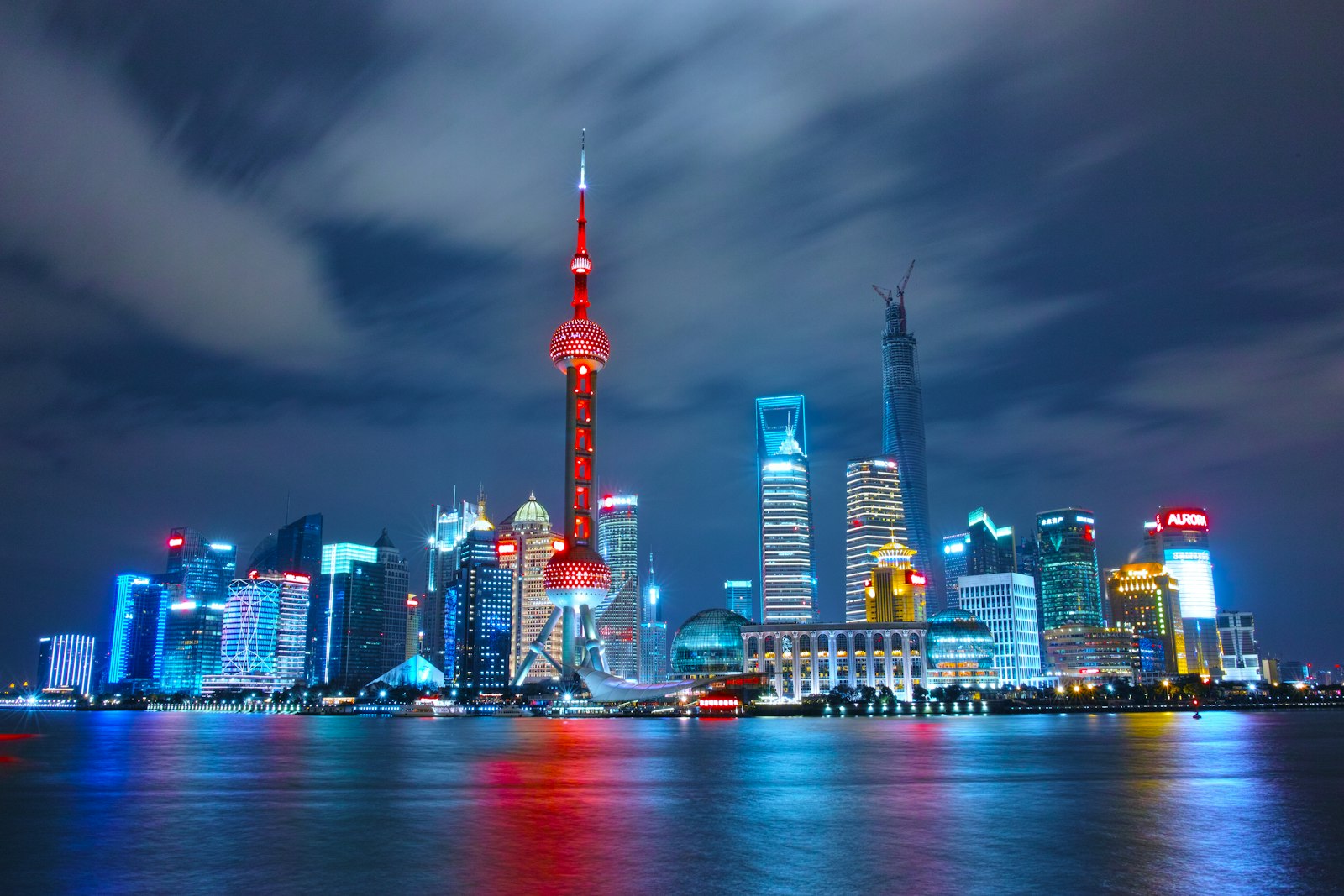
Shanghai Complete Travel Guide 2026
The ultimate Shanghai travel guide for 2026 - from the Bund and Pudong to hidden French Concession gems.
10 min read

Suzhou Complete Travel Guide 2026
Suzhou 2026 guide: classical gardens, silk museums, water town canals, and the easiest day trip from Shanghai.
10 min read