
Suzhou Classical Gardens Visitor Guide
Suzhou Classical Gardens Visitor Guide: 2026 guide covers top attractions, transport between them, payment apps, and what to skip.

The cab driver laughed at me when I asked to be dropped at the “Garden of the Humble Administrator.” Not a mean laugh, just a genuine one. “You know,” he said in Mandarin, switching to broken English, “this garden is very old. Very, very old. My grandfather came here.” He pointed at the ticket booth. “You go slow. Don’t walk fast like American.” I nodded, paid, and walked through the entrance into a world that felt like stepping inside a silk painting. The air smelled of wet stone, osmanthus blossoms, and the faint, sweet steam of a nearby tea house. I stood there for a full minute, not moving, just listening to the water drip off a curved roof tile.
That was my first real encounter with Suzhou’s classical gardens. I’ve been back a dozen times since. These aren’t just parks. They’re three-dimensional poems built by Ming and Qing dynasty scholars who had more money than they knew what to do with, and the taste to spend it on rocks, water, and carefully angled views. For a first-time visitor to China, they offer something rare: a quiet, contained, walkable experience of ancient Chinese aesthetics without the chaos of a megacity.
This guide covers the ten gardens worth your time, how to actually get to them, what you’ll pay, and what nobody tells you until you’re already lost inside one.
Quick answer
Suzhou’s classical gardens are UNESCO World Heritage sites best visited in spring (March-May) or autumn (September-November) to avoid summer heat and crowds. The Humble Administrator’s Garden is the most famous and largest, costing about $10 (70 RMB) for entry, while the smaller Master of the Nets Garden offers a more intimate evening experience. Most gardens are accessible via Suzhou Metro Line 1 and 4, and you can see two to three gardens comfortably in a single day if you start by 8:30 AM.
The Short Version
If you only have one day, visit the Humble Administrator’s Garden in the morning and the Master of the Nets Garden in the late afternoon. Skip the Lion Grove Garden unless you really love climbing on fake rocks and fighting crowds of tour groups. Buy tickets on your phone via WeChat or Trip.com —the paper ticket lines are slow. And for the love of everything, don’t go on a Chinese national holiday. I made that mistake once. Never again.
How I Picked These
I’ve lived in Beijing since 2019 and have taken the high-speed train to Suzhou at least eight times. I spent three separate weekends last year walking through every single garden on the UNESCO list, plus a few that aren’t. I talked to a retired calligraphy teacher named Mr. Chen who spends his mornings in the Lingering Garden reading poetry aloud to himself. I also got hopelessly lost in the Lion Grove Garden’s rock maze for 45 minutes (not my finest moment). I’m ranking these on three things: beauty, crowd tolerance, and how much you’ll actually learn about Chinese garden design without needing a degree in art history.
Comparison Table
| Rank | Place | Best For | Approx Cost (USD) | Time Needed | When to Go |
|------|-------|----------|-------------------|-------------|------------|
| 1 | Humble Administrator’s Garden | First-timers, big views | $10 (70 RMB) | 2-3 hours | Weekday mornings, spring |
| 2 | Lingering Garden | Architecture lovers | $7 (50 RMB) | 1.5-2 hours | Autumn, late afternoon |
| 3 | Master of the Nets Garden | Evening atmosphere | $6 (40 RMB) | 1-1.5 hours | Night tours, summer |
| 4 | Garden of Cultivation | Quiet solitude | $3 (20 RMB) | 45 min | Any weekday |
| 5 | Lion Grove Garden | Rock labyrinths | $5 (35 RMB) | 1-1.5 hours | Early morning, avoid weekends |
| 6 | Couple’s Retreat Garden | Romantic vibes | $3 (20 RMB) | 45 min | Spring, late afternoon |
| 7 | Retreat & Reflection Garden | Off-the-beaten-path | $5 (35 RMB) | 1 hour | Autumn, weekday |
| 8 | Mountain Villa with Embracing Beauty | Hill views | $3 (20 RMB) | 45 min | Any season, morning |
| 9 | Blue Wave Pavilion | Oldest garden | $3 (20 RMB) | 45 min | Spring, early |
| 10 | Garden of Pleasance | Small, overlooked | $2 (15 RMB) | 30 min | Any time, quick stop |
Humble Administrator’s Garden —The One Everyone Talks About (For Good Reason)
I walked in at 8:15 AM on a Tuesday in April and had the central pond to myself for exactly twelve minutes. Then a tour group arrived, and the silence shattered. But those twelve minutes were worth the early alarm.
This is the largest classical garden in Suzhou, covering about five acres. It was built in 1509 by a Ming dynasty official who retired from government service to focus on painting and poetry. The whole design revolves around water —ponds, streams, lotus pools —with pavilions placed so you see a different view every twenty steps. The zigzag bridges aren’t just decorative; they force you to slow down and change your perspective.
📍 Location: Northeast Street, Gusu District (center of the old city)
🎫 Entry fee: $10 (70 RMB) peak season, $8 (55 RMB) off-season
🕒 Opening hours: 7:30 AM —5:30 PM (March-November), 7:30 AM —5:00 PM (December-February)
🚇 How to get there: Take Metro Line 1 to Beisi Pagoda Station, Exit 4. Walk east for 8 minutes on Northeast Street. You’ll see the garden wall on your left.
⏰When to visit: Weekday mornings before 9 AM. April for the azaleas, October for the osmanthus fragrance. Summer is hot and crowded. Winter is quiet but the lotus ponds are empty.
💡 Insider tips: Don’t buy the audio guide —it’s boring and poorly recorded. Instead, download a free PDF map of the garden layout before you go. The teahouse inside serves passable green tea but the real trick is to sit on the north side of the central pond around 4 PM when the light hits the water just right. Bring cash for the small gift shop; the card reader sometimes breaks. If you see a group of Chinese tourists all photographing the same spot, go stand there after they leave —they know the best angles.
I met a retired professor from Shanghai who comes here every Saturday with a flask of tea and a book of Tang dynasty poetry. He told me the garden is best understood as a “walking scroll” —you’re supposed to move through it like you’re unrolling a painting.
Lingering Garden —Better Architecture, Fewer People
The Lingering Garden surprised me. I went in expecting a smaller version of the Humble Administrator’s Garden. Instead, I found a place that feels more like an art gallery than a garden. The buildings here are the main event —elegant halls, covered walkways, and a two-story pavilion that frames the garden like a picture in a frame.
Built in 1593, this garden was owned by a series of wealthy families who kept adding to it. The highlight is the “Cloud-Capped Peak,” a six-meter-tall limestone rock that looks like something from another planet. It’s pitted, twisted, and completely unnatural. That’s the point. Chinese scholars loved these “scholar’s rocks” because they represented the wildness of nature tamed by human appreciation.
📍 Location: Liuyuan Road, Gusu District (west side of old city)
🎫 Entry fee: $7 (50 RMB)
🕒 Opening hours: 7:30 AM —5:30 PM (March-November), 7:30 AM —5:00 PM (December-February)
🚇 How to get there: Metro Line 2 to Shantang Street Station, Exit 2. Walk south for 10 minutes. Or take bus 游1 from the train station.
⏰When to visit: Late afternoon in autumn. The maple leaves turn red, and the low sun makes the rock formations cast long shadows. Weekdays only.
💡 Insider tips: The covered walkway that runs along the western edge of the garden is the best place to escape rain or summer heat. There’s a small calligraphy exhibition in the northern hall that most tourists walk right past —stop and look. The garden’s layout is intentionally confusing; if you feel lost, you’re experiencing it correctly. Bring a water bottle; the only drink vendor is at the exit and charges double.
I watched Mr. Chen, the calligraphy teacher, read aloud from a Tang dynasty poem while sitting on a stone bench near the Cloud-Capped Peak. He didn’t seem to notice me. I didn’t interrupt.
Master of the Nets Garden —Tiny, Perfect, and Magical at Night
This is the smallest of the major gardens, and also the most perfectly preserved. It was built in 1174 as a retirement home for a government official who wanted to live like a fisherman —hence the name, which means “Fisherman’s Garden.” The whole place is only about half an acre, but every inch is deliberate.
The night tours are what make this garden special. From April to October, they light the garden with traditional lanterns and stage performances of Kunqu opera, pipa music, and flute playing in the pavilions. It’s touristy, yes. But it’s also genuinely beautiful. I went on a humid July evening, and the sound of the pipa floating across the pond while fireflies flickered in the bamboo was one of the most peaceful moments I’ve had in China.
📍 Location: Kuojiatou Lane, Gusu District (south of the Humble Administrator’s Garden)
🎫 Entry fee: $6 (40 RMB) day, $12 (80 RMB) night tour
🕒 Opening hours: 7:30 AM —5:00 PM (day), 7:30 PM —10:00 PM (night, April-October)
🚇 How to get there: Metro Line 1 to Lindun Road Station, Exit 2. Walk north for 5 minutes. It’s tucked inside a narrow alley —look for the small sign.
⏰When to visit: Night tour in summer. Book tickets online at least three days in advance; they sell out.
💡 Insider tips: The night tour has specific show times —arrive at 7:15 PM to get a good spot near the pond. The opera performance is in classical Chinese, so you won’t understand a word, but the music and movement are the point. Bring mosquito repellent —the garden is full of water features and the bugs are aggressive. If you’re on a budget, skip the night tour and come at 8 AM instead; you’ll have the place almost to yourself.
I made the mistake of wearing sandals to the night tour. My ankles looked like I’d fought a losing battle with a swarm of tiny vampires.
Garden of Cultivation —The Quietest Garden in Suzhou
Most tourists skip this one. That’s exactly why you should go.
The Garden of Cultivation is tiny, unassuming, and tucked away in a residential neighborhood. It was built in 1541 and later restored in the 19th century. There are no grand ponds, no famous rocks, no tour groups with flags. Just a simple layout of halls, courtyards, and a small lotus pond. It feels like a private home that happens to have a garden attached, which is basically what it is.
📍 Location: Wenya Lane, Gusu District (north of the Humble Administrator’s Garden)
🎫 Entry fee: $3 (20 RMB)
🕒 Opening hours: 7:30 AM —5:00 PM
🚇 How to get there: Walk 10 minutes north from the Humble Administrator’s Garden. It’s on a narrow lane that doesn’t show up on Google Maps properly —use Baidu Maps or ask a local.
⏰When to visit: Any weekday morning. The garden is never crowded, but it’s most pleasant in spring when the wisteria is blooming.
💡 Insider tips: This is the best garden for photography if you want shots without people in them. The teahouse in the back courtyard serves the cheapest tea in any Suzhou garden (about $1.50). The garden closes for lunch from 12:00 to 1:00 PM —don’t get caught inside. There’s a small bakery two blocks east that sells excellent sesame balls.
I sat on a stone bench here for twenty minutes and saw exactly three other people. One was an elderly woman sweeping leaves. She smiled at me. That was the whole interaction.
Lion Grove Garden —The Rock Maze That Will Confuse You
I have complicated feelings about this garden. It’s famous for its labyrinth of limestone rocks arranged to look like lions. The rocks are genuinely impressive —they were brought here in 1342 and arranged by a Buddhist monk. You can climb through them, under them, over them, and around them. It’s like a playground designed by a surrealist.
But it’s also the most crowded garden in Suzhou. Tour buses disgorge groups here every twenty minutes. The rock maze, which should be a meditative experience, becomes a game of dodging selfie sticks and screaming children. I got stuck in the maze for 45 minutes because I kept taking wrong turns. I’m not proud of this.
📍 Location: Yuanlin Road, Gusu District (next to the Humble Administrator’s Garden)
🎫 Entry fee: $5 (35 RMB)
🕒 Opening hours: 7:30 AM —5:30 PM
🚇 How to get there: Same as the Humble Administrator’s Garden —Metro Line 1 to Beisi Pagoda Station, Exit 4. Walk east, it’s on the same street.
⏰When to visit: Early morning (before 8:30 AM) on a weekday. Avoid weekends and holidays entirely.
💡 Insider tips: If you enter the rock maze, pick a direction and commit. Don’t try to backtrack. The garden’s main hall has a beautiful carved stone floor that most people walk over without noticing. The plum blossoms in February are spectacular. If the crowds are too much, just leave —there’s no shame in admitting this garden isn’t for you.
A tour guide walked past me while I was lost and said, in English, “Many people get lost. It is the design.” I wasn’t sure if he was being helpful or mocking me.
Couple’s Retreat Garden —Small, Romantic, and Overlooked
This garden was built in the 1870s as a retirement home for a government official and his wife. The name comes from a line of poetry about a couple retreating from the world. It’s small —you can walk through it in 30 minutes —but it has a charm that the bigger gardens lack.
The garden is divided into eastern and western sections, connected by a covered walkway. The eastern side has a pond and pavilion; the western side has a small artificial hill. The whole place feels intimate, like you’re peeking into someone’s private life.
📍 Location: Xiaoxinqiao Lane, Gusu District (south of the Master of the Nets Garden)
🎫 Entry fee: $3 (20 RMB)
🕒 Opening hours: 7:30 AM —5:00 PM
🚇 How to get there: Metro Line 1 to Lindun Road Station, Exit 3. Walk south for 8 minutes. It’s on a small lane that’s easy to miss.
⏰When to visit: Late afternoon in spring, when the wisteria on the covered walkway is in bloom.
💡 Insider tips: This garden is popular with local couples getting wedding photos taken. If you see a bride in a red qipao, step aside and let them work. The small pavilion on the artificial hill has the best view of the garden. There’s a tiny museum in the eastern hall with old photographs of Suzhou from the 1920s.
I saw a young couple having a quiet argument near the pond. She was crying. He looked apologetic. I pretended to be very interested in a rock.
Retreat & Reflection Garden —Worth the Trip Outside the City
This garden is in Tongli, a water town about 30 kilometers from Suzhou. It’s a bit of a trek, but it’s worth it if you want to see a garden that feels less manicured and more lived-in.
Built in 1885, this garden is famous for its “boat pavilion” —a stone structure shaped like a boat that extends into the pond. The garden is larger than it looks from the outside, with multiple courtyards, halls, and a small opera stage.
📍 Location: Tongli Ancient Town, Wujiang District (30 km south of Suzhou)
🎫 Entry fee: $5 (35 RMB) —this is included in the Tongli town entry fee of $12 (80 RMB)
🕒 Opening hours: 8:00 AM —5:00 PM
🚇 How to get there: Take Metro Line 4 to Tongli Station, then take bus 725 or a taxi (15 minutes) to the town. The garden is inside the town walls.
⏰When to visit: Autumn, weekday. Tongli gets crowded on weekends.
💡 Insider tips: Combine this garden with a visit to Tongli town —they’re the same ticket. The boat pavilion is best photographed from the opposite side of the pond. The opera stage sometimes has performances on weekends. Bring cash; the garden’s small shop doesn’t take cards.
I ate a bowl of “squirrel-shaped mandarin fish” at a restaurant near the garden. It was deep-fried, sweet, and sour, and shaped like a squirrel. I’m still not sure how I feel about it.
Mountain Villa with Embracing Beauty —The Hill Garden
This garden is built on a hill, which is unusual for Suzhou. Most gardens are flat. This one rises in terraces, with pavilions perched at different levels. It was built in 1800 by a wealthy merchant who wanted a garden that felt like a mountain retreat.
The hill is artificial, made from piled-up rocks and earth, but it feels natural. The paths wind up and down, and the views change with every turn. At the top, there’s a pavilion where you can see over the garden walls into the neighboring streets.
📍 Location: Jingde Road, Gusu District (west of the Humble Administrator’s Garden)
🎫 Entry fee: $3 (20 RMB)
🕒 Opening hours: 7:30 AM —5:00 PM
🚇 How to get there: Metro Line 1 to Leqiao Station, Exit 6. Walk north for 10 minutes. It’s on a side street off Jingde Road.
⏰When to visit: Morning, any season. The hill catches the morning light beautifully.
💡 Insider tips: The climb to the top is steeper than it looks. Wear comfortable shoes. The pavilion at the top has a stone table where locals play chess on weekends. The garden’s name comes from a poem by the Tang dynasty poet Bai Juyi —ask a local to explain it; they’ll appreciate your interest.
I watched two old men play chess at the top pavilion for twenty minutes. Neither of them spoke. They just moved pieces and sipped tea.
Blue Wave Pavilion —The Oldest Garden in Suzhou
This is the oldest surviving garden in Suzhou, built in 1044 during the Song dynasty. It’s named after a poem by the poet Qu Yuan, who wrote about a fisherman washing his hat ribbons in a blue wave. The garden has been rebuilt several times, but the layout dates back nearly a thousand years.
The garden is centered on a large pond with a pavilion at its edge. The buildings are simpler than the later Ming and Qing gardens, with less ornamentation and more open space. It feels older, and it should.
📍 Location: Canglangting Road, Gusu District (south of the old city)
🎫 Entry fee: $3 (20 RMB)
🕒 Opening hours: 7:30 AM —5:00 PM
🚇 How to get there: Metro Line 4 to Nanmen Station, Exit 3. Walk east for 10 minutes. Or take bus 游2 from the train station.
⏰When to visit: Spring, early morning. The cherry blossoms near the entrance are beautiful in March.
💡 Insider tips: The garden’s name is written on a stone tablet near the entrance —it’s a famous calligraphy piece. The bamboo grove in the back is the quietest spot in the garden. The garden is small, so combine it with a visit to the nearby Confucius Temple.
I saw a father teaching his daughter how to write Chinese characters with a brush and water on the stone pavement. She was maybe six years old. Her characters were wobbly but earnest.
Garden of Pleasance —The One Nobody Knows
This is the smallest garden on this list, and the least visited. It was built in the 1870s as a private retreat for a scholar. It’s basically one courtyard with a pond, a pavilion, and a few rocks. You can see everything in 15 minutes.
But that’s exactly why I like it. It’s a garden without pretense. No tour groups. No ticket lines. No pressure to appreciate anything. You just walk in, look around, and leave. It’s the garden equivalent of a deep breath.
📍 Location: Renmin Road, Gusu District (near the city center)
🎫 Entry fee: $2 (15 RMB)
🕒 Opening hours: 7:30 AM —5:00 PM
🚇 How to get there: Metro Line 1 to Leqiao Station, Exit 5. Walk east for 5 minutes. It’s behind a small shop selling traditional fans.
⏰When to visit: Any time. It’s never crowded.
💡 Insider tips: The garden is easy to miss —the entrance is a small door between two shops. The pond has goldfish that will swim to the surface if you tap the railing gently. There’s no bathroom inside, so go before you arrive.
I sat on a bench here and ate a steamed bun I’d bought from a street vendor. A goldfish watched me. I felt judged.
FAQ summary
Suzhou’s classical gardens are best visited on weekday mornings during spring or autumn to avoid crowds and heat. The Humble Administrator’s Garden ($10/70 RMB) and Master of the Nets Garden ($6/40 RMB) are the top two choices for first-time visitors, while the Garden of Cultivation ($3/20 RMB) offers a quieter alternative. Most gardens are accessible via Suzhou Metro Lines 1 and 4, and you can buy tickets online through WeChat or Trip.com to skip the paper ticket lines. A VPN is recommended for accessing Google Maps and social media, and WeChat Pay or Alipay is essential for purchases.
FAQ
Q: Do I need a visa to visit Suzhou?
A: Most travelers from the US, UK, Canada, Australia, and most European countries need a tourist visa (L visa) for China. However, as of 2025-2026, China offers 72-hour and 144-hour visa-free transit at major airports including Shanghai, which is a 30-minute high-speed train from Suzhou. Check the latest policy before booking.
Q: How many gardens can I see in one day?
A: Two to three, comfortably. Start at 8:30 AM with the Humble Administrator’s Garden, walk to the Lion Grove Garden (skip if crowded), then take a taxi to the Master of the Nets Garden for late afternoon. Don’t try to do five. You’ll burn out.
Q: Is English spoken at the gardens?
A: Not much. Ticket booth staff speak basic English. Most signs have English translations. Download a translation app (Pleco or Google Translate) and save offline Chinese phrases. You’ll be fine.
Q: Do I need cash or card for entry?
A: Cards work at most major gardens, but smaller gardens like the Garden of Cultivation and Garden of Pleasance are cash-only. Always carry about $15 (100 RMB) in small bills. WeChat Pay and Alipay are widely accepted but require a Chinese bank account or international card setup.
Q: What’s the best time of year to visit?
A: March to May for spring flowers and mild weather. September to November for autumn colors and comfortable temperatures. Summer (June-August) is hot, humid, and crowded. Winter is cold but peaceful.
Q: Do I need a VPN for my phone in China?
A: Yes. Google, Instagram, Facebook, WhatsApp, and many news sites are blocked. Install a VPN before you leave your home country. ExpressVPN and NordVPN work reliably. Also download offline maps (Maps.me or Baidu Maps) before you arrive.
Q: Are the gardens wheelchair accessible?
A: Partially. The Humble Administrator’s Garden and Lingering Garden have flat paths and ramps. The Lion Grove Garden and Mountain Villa with Embracing Beauty have stairs and uneven rock paths that are difficult. Call ahead to check specific accessibility.
The Honest Wrap-up
These gardens aren’t for everyone. If you hate walking, hate crowds, or think all gardens look the same, you’ll probably be bored by the third one. But if you’re willing to slow down, sit on a bench, and watch the light change on a lotus pond for twenty minutes, they’ll reward you in ways that are hard to explain.
My advice: pick two gardens. Go early. Bring tea. Sit somewhere quiet. Don’t try to understand everything. Just let the place work on you. That’s what the scholars who built them intended.
And if you get lost in a rock maze, just accept it. You’re not the first.
Related Guides
Looking for more China travel guides? These match your topic:
Topics
More guides you may like
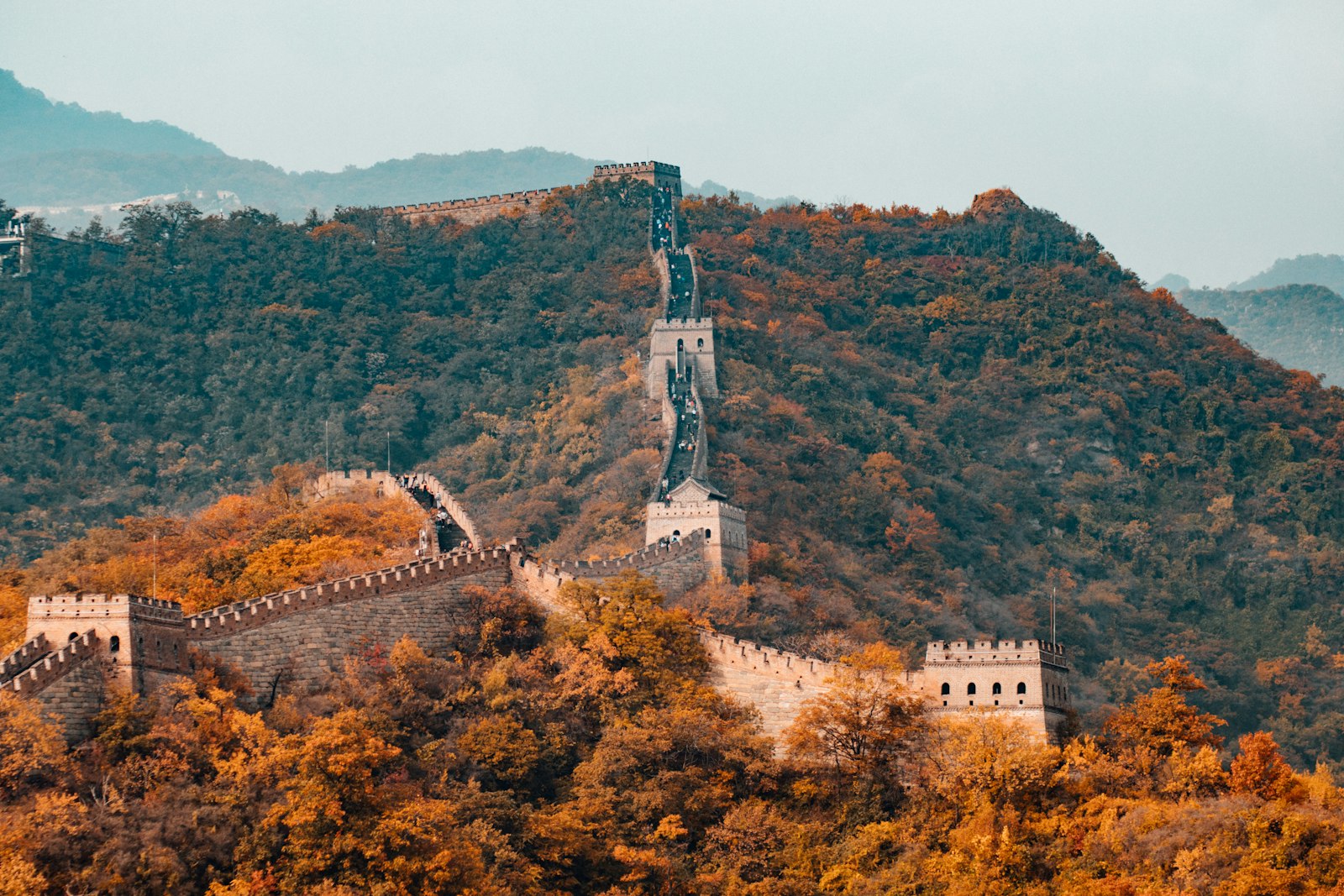
Beijing Complete Travel Guide 2026
Everything you need to know to plan a Beijing trip in 2026 - attractions, transport, food, accommodation, and 4-day itinerary.
9 min read

Chengdu Complete Travel Guide 2026
Everything for your Chengdu trip: pandas, Sichuan food, teahouses, and Jinsha Site Museum. 2026 guide with insider tips.
9 min read
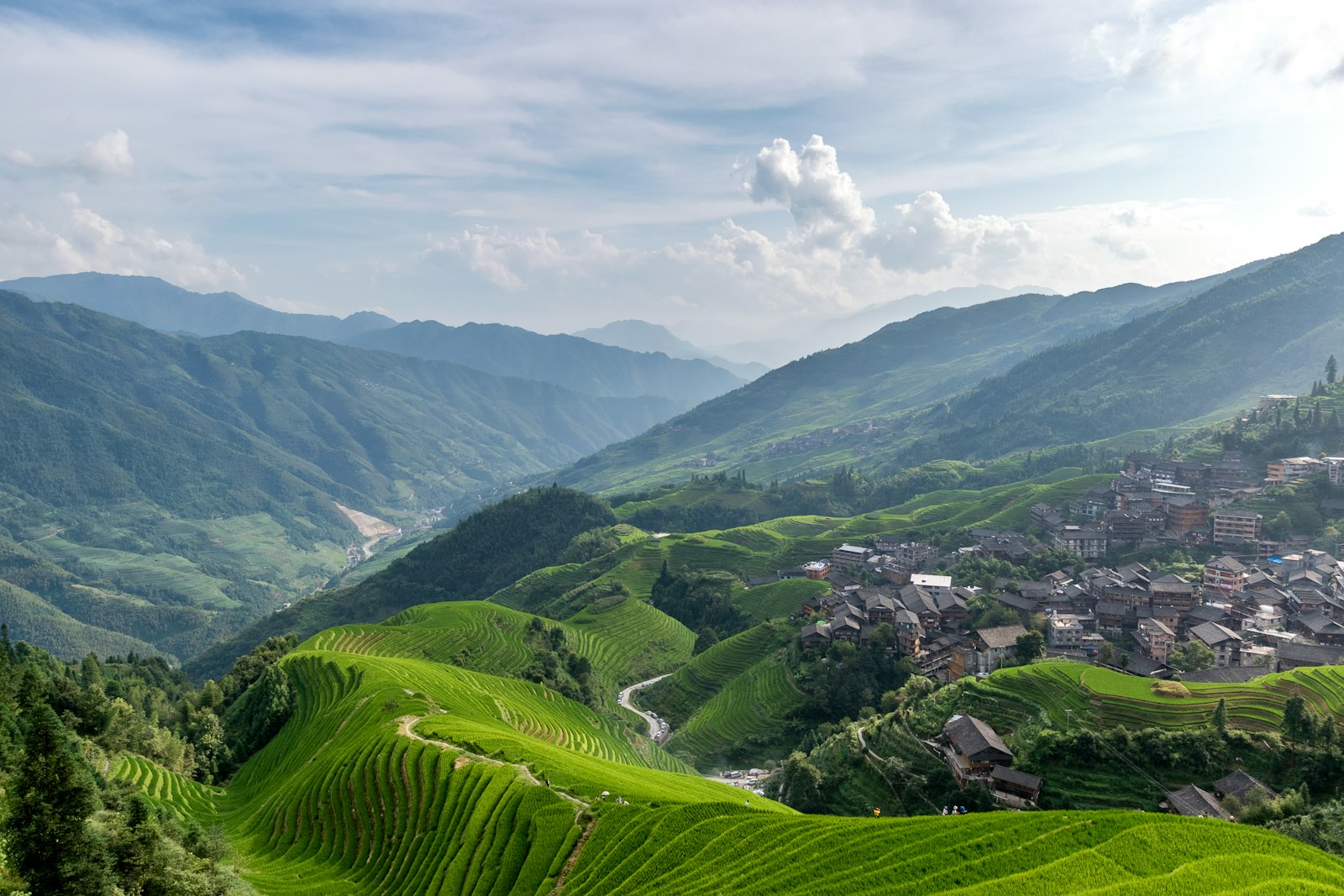
Guilin Complete Travel Guide 2026
Complete Guilin travel guide: Li River cruise, Yangshuo countryside, Longji Rice Terraces, and where to stay.
9 min read

Hangzhou Complete Travel Guide 2026
Hangzhou 2026 guide: West Lake, Dragon Well tea plantations, Lingyin Temple, and the perfect 3-day itinerary.
10 min read

Shanghai Complete Travel Guide 2026
The ultimate Shanghai travel guide for 2026 - from the Bund and Pudong to hidden French Concession gems.
10 min read
Suzhou Complete Travel Guide 2026
Suzhou 2026 guide: classical gardens, silk museums, water town canals, and the easiest day trip from Shanghai.
10 min read