
Beijing Forbidden City Complete Visitor Guide
Beijing Forbidden City Complete Visitor Guide: 2026 guide covers top attractions, transport between them, payment apps, and what to skip.
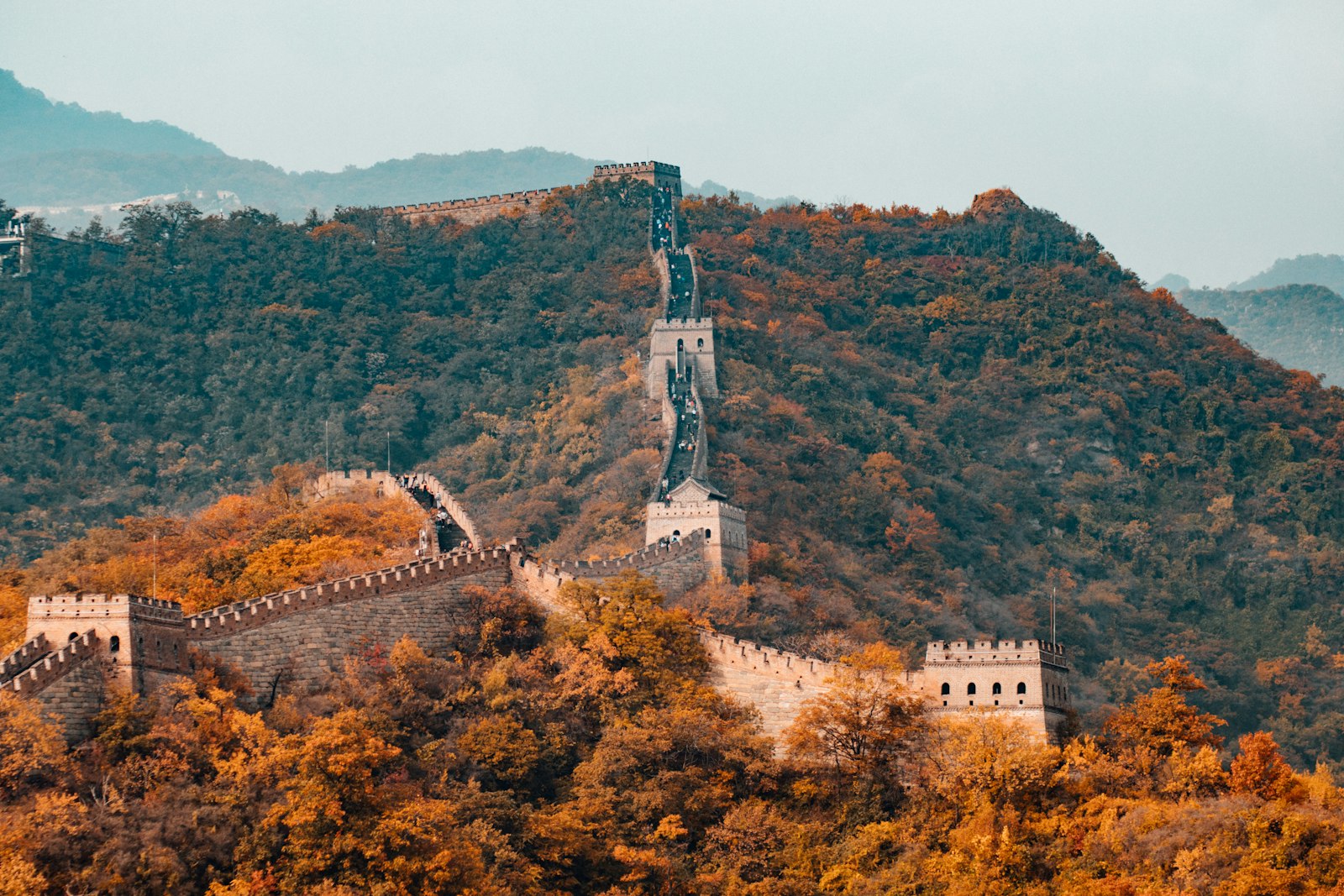
Beijing Forbidden City Complete Visitor Guide: The Complete 2026 Guide
I was standing in the middle of the Meridian Gate plaza at 7:45 AM, the first batch of the day. The ticket scanner beeped, and I walked through the tunnel into the courtyard. The air was cold and still. A single security guard was sweeping dust across the stone, his broom making a rhythm against the silence. No crowds yet. Just me, a few dozen other early risers, and 600 years of imperial history staring back.
I’ve been to the Forbidden City maybe 30 times over seven years in Beijing. I’ve seen it in August when the heat makes the marble shimmer like a mirage. I’ve seen it in January when snow dusts the golden roofs. I’ve brought friends from three continents through those gates. And I still get lost in the side halls.
This guide is what I wish someone had handed me before my first visit. Not the brochure stuff. The real stuff: which ticket to buy, which entrance to use, how to avoid the tour groups, where to find the quiet corners, and what to do when your phone dies and you can’t find Exit C.
Quick answer
The Forbidden City is Beijing’s top attraction and requires advance booking (80-120 CNY / $11-17 USD for peak season). Most international visitors can enter China visa-free for up to 15 days through the 2024-2026 transit policy, but you still need to book tickets online at least 7 days ahead. Go on a weekday in October or November, enter through the East Gate (Donghuamen) to skip the main queue, and budget 3-4 hours minimum. You’ll need a VPN installed before you arrive to access Google Maps and WhatsApp inside China.
The Short Version
The Forbidden City is massive, crowded, and absolutely worth it. Book tickets at least a week ahead. Enter through the East Gate to avoid the 45-minute Meridian Gate line. Go on a Tuesday or Wednesday morning in October or November. Bring water, wear comfortable shoes, and download a map offline because Google Maps won’t work. Skip the audio guide —get a real guide or use a good app. And for the love of everything, don’t try to see it all in one day. Pick three halls and two gardens, then leave.
How I Picked These
I’ve visited the Forbidden City roughly 30 times since moving to Beijing in 2019. I’ve done the full 4-hour guided tour, the 2-hour express walk, and the “I’m just going to sit in the Imperial Garden and read” approach. I’ve brought my parents, my friends from London, and a group of 40 students. I’ve also spent hours talking to the older guards who sit in the side halls —they know which courtyards are empty at 3 PM and which halls have the best light for photos. This guide pulls from those conversations, my own mistakes (like showing up on a Monday when it’s closed), and the practical logistics that actually matter for a first-time visitor.
Comparison Table
| Rank | Place | Best For | Approx Cost (USD) | Time Needed | When to Go |
|------|-------|----------|-------------------|-------------|------------|
| 1 | Hall of Supreme Harmony | First-timers, grand architecture | $11-17 (80-120 CNY) | 1 hour | 8:30 AM opening |
| 2 | Palace of Heavenly Purity | Ming/Qing history buffs | Included | 30 min | Late morning |
| 3 | Imperial Garden | Quiet breaks, photos | Included | 20 min | 2 PM (least crowded) |
| 4 | Hall of Clocks & Watches | Unique collections | $1.50 (10 CNY) extra | 45 min | Any time |
| 5 | Treasure Gallery | Gold, jade, imperial bling | $1.50 (10 CNY) extra | 40 min | Weekday mornings |
| 6 | Six Western Palaces | Concubine history, quieter | Included | 30 min | 3 PM |
| 7 | Nine Dragon Wall | Iconic photo spot | Included | 10 min | Opening or closing |
| 8 | Meridian Gate | Best overview, starting point | Included | 15 min | First entry |
| 9 | Hall of Mental Cultivation | Emperor’s private quarters | Included | 20 min | Late afternoon |
| 10 | East Prosperity Gate Exit | Avoiding crowds | Free | 5 min | When leaving |
Hall of Supreme Harmony —The One You’ve Seen in Every Photo
The first time I walked into the courtyard in front of the Hall of Supreme Harmony, I actually stopped breathing for a second. It’s not just the size —it’s the emptiness. This massive space, designed to make every single person feel small. The bronze cauldrons, the marble ramps carved with dragons, the golden roof tiles that catch the morning light like they’re on fire.
This is the heart of the Forbidden City. The hall where emperors held court, where the Mandate of Heaven was invoked, where the entire imperial machine turned. It’s also where every tour group stops for 20 minutes, so timing matters.
📍 Central axis, directly north of Meridian Gate
🎫 Included in main ticket (80-120 CNY / $11-17 USD)
🕒 8:30 AM - 5:00 PM (April-October), 8:30 AM - 4:30 PM (November-March). Closed Mondays.
🚇 Take Line 1 to Tiananmen East Station, Exit B. Walk north through Tiananmen Square, past the Tiananmen Gate, then through the Meridian Gate. Total walk: 15 minutes from the station.
⏰Go at 8:30 AM sharp on a Tuesday or Wednesday. The light is perfect for photos, and the crowds haven’t arrived yet.
💡 Insider tips: Stand on the white marble platform and look south toward Meridian Gate. The perspective is designed to make you feel like a minister approaching the emperor. Also, the bronze vats near the hall have sword marks from the 1900 Boxer Rebellion —look for the scratches. Don’t buy water from the vendors inside the courtyard (15 CNY / $2) —bring your own.
I met an older man named Mr. Chen here who had been a guide for 40 years. He pointed at the golden roof and said, “My grandfather helped repair this after the Cultural Revolution. Every tile has a story.”
Palace of Heavenly Purity —Where the Emperor Actually Lived
Most people rush through this hall because it looks similar to the others. Don’t. This is where the Ming and Qing emperors slept, worked, and sometimes died. The throne inside is smaller than the one in the Hall of Supreme Harmony, and that’s intentional —this was for daily business, not ceremony.
The courtyard outside has these massive bronze water vats that were kept full in winter to prevent fires. The guards used to wrap them in straw and heat them with charcoal. You can still see the soot stains on the underside.
📍 Central axis, north of the Hall of Supreme Harmony
🎫 Included in main ticket
🕒 Same hours as main complex
🚇 Walk straight north from the Hall of Supreme Harmony through the inner court
⏰Late morning, after the opening rush. The light hits the throne room windows around 10:30 AM.
💡 Insider tips: Look up at the ceiling —the painted caisson (the wooden ceiling dome) is one of the best preserved in the complex. The plaque above the throne reads “Zheng Da Guang Ming” (Justice and Openness) in Chinese. Also, the small rooms on either side were where the emperor kept his concubines’ files. Literally. There’s a small exhibition on the side about the imperial harem system.
I once spent 20 minutes here watching a Japanese tourist try to photograph the ceiling with a phone that kept overheating. He gave up and just sat on a bench staring up. That’s the right approach.
Imperial Garden —The Quiet Corner Everyone Misses
Most people walk through the Imperial Garden in 10 minutes and leave. That’s a mistake. This is the only significant green space inside the Forbidden City, and it was designed as a retreat for the emperor and his family. The cypress trees are over 500 years old. There’s a rockery made from Taihu limestone that was carried here from Jiangsu province —by hand, over 1,000 kilometers.
The garden is also where you’ll find the Hall of Imperial Peace, a small Taoist temple that most tourists walk right past. Go inside. The ceiling is painted with dragons and clouds, and the incense smell hangs in the air.
📍 Northern end of the central axis, just south of the Shenwu Gate (north exit)
🎫 Included in main ticket
🕒 Same hours as main complex
🚇 Walk north through the inner court, past the Palace of Earthly Tranquility
⏰2 PM. The morning crowds are gone, and the afternoon light filters through the old trees beautifully.
💡 Insider tips: Find the small pavilion in the northeast corner. It’s usually empty and has a great view of the rockery. The bronze incense burners shaped like mythical animals are original —you can still see the wear from 400 years of use. Don’t sit on the stone benches near the main path —they’re always dirty. Go to the back wall instead.
I sat here one November afternoon and watched a Chinese grandmother teach her granddaughter how to fold paper cranes. The girl kept dropping them, and the grandmother just laughed and picked them up. No phones. No rush. Just that.
Hall of Clocks & Watches —The Weirdest Collection in Beijing
This is my favorite surprise in the Forbidden City. A whole building filled with mechanical clocks and watches from the 18th and 19th centuries, most of them gifts from European missionaries and diplomats. There’s a clock shaped like a pagoda with tiny moving figures. There’s one that plays music and shoots water. There’s a golden elephant that nods its head.
The collection is absurd and wonderful. It shows how much the Qing emperors loved European technology —they called these “self-ringing bells” and kept them as curiosities.
📍 Fengxian Hall complex, eastern section of the Forbidden City
🎫 10 CNY ($1.50 USD) extra on top of main ticket. Buy at the same time as your main ticket online.
🕒 8:30 AM - 4:30 PM (last entry 4 PM)
🚇 From the Hall of Supreme Harmony, walk east through the Jingyun Gate. Follow the signs for “Clock and Watch Gallery.”
⏰Weekday mornings, right when it opens. The room is small and gets packed.
💡 Insider tips: The English descriptions are actually good here —better than most exhibits in China. The clock demonstrations happen every hour on the hour; the guards will wind them up and let them chime. Don’t miss the small room at the back with the jade and enamel clocks. Also, the building itself is worth seeing —it was originally the Hall for Worshipping Ancestors.
I watched a German clockmaker spend 45 minutes examining one clock. He kept muttering to himself in German. When I asked what he was saying, he just pointed and said, “The gears. Look at the gears.”
Treasure Gallery —Gold, Jade, and Imperial Bling
If you like shiny things, this is your spot. The Treasure Gallery is a series of halls in the eastern section that display the imperial collection: gold vessels, jade sculptures, pearl-encrusted jewelry, and the famous “golden throne” made from solid gold leaf over wood.
The highlight for me is the jade section. There’s a piece of jade the size of a small car that was carved into a mountain scene. It took 10 years to complete. The detail is insane —tiny trees, waterfalls, scholars in pavilions. All from one piece of stone.
📍 Eastern section, north of the Hall of Clocks & Watches
🎫 10 CNY ($1.50 USD) extra on main ticket
🕒 Same hours as main complex
🚇 Walk east from the Hall of Supreme Harmony, then north through the Fengxian Gate
⏰Weekday mornings. The gallery gets crowded by 11 AM.
💡 Insider tips: The golden throne is in the last hall —don’t stop at the first room. The jade mountain is in the second hall, against the back wall. The lighting is terrible for photos (they use low light to protect the artifacts), so don’t expect Instagram shots. Also, the security guards here are stricter than elsewhere —don’t touch the glass cases.
I saw a woman from Texas try to take a selfie with the golden throne and accidentally back into a security rope. The guard just sighed and shook his head. He’d seen it a thousand times.
Six Western Palaces —Where the Concubines Lived
Most tourists stick to the central axis and miss the side palaces entirely. The Six Western Palaces are where the emperor’s concubines and consorts lived, and they’re quieter, more intimate, and frankly more interesting than the main halls.
Each palace is a self-contained courtyard with its own garden, halls, and living quarters. Some have been restored to show how they looked during the Qing dynasty. Others are empty shells with peeling paint and dusty floors. The contrast is haunting.
📍 Western section, between the inner court and the western wall
🎫 Included in main ticket
🕒 Same hours as main complex
🚇 From the Palace of Heavenly Purity, walk west through the Longzong Gate. Follow the path past the Hall of Mental Cultivation.
⏰3 PM. The light is golden, and the crowds are thinning out.
💡 Insider tips: The Palace of Eternal Spring (Changgong) has a small exhibition about the last empress, Wanrong. It’s heartbreaking —she died of opium addiction in a prison. The Palace of Gathering Excellence (Chuxiu Gong) has the best garden. Don’t miss the small well in the northeast corner of each courtyard —these were the only water sources for the concubines. Also, the English signage is minimal here, so download a translation app before you go.
I met a retired history teacher from Shanghai here who told me the story of Concubine Zhen, who was thrown into a well by the empress dowager in 1900. He pointed at the well and said, “They sealed it after. Too many ghosts.”
Nine Dragon Wall —The 10-Second Photo Stop
This is the most photographed single wall in China, and for good reason. It’s a 30-meter-long glazed tile wall with nine dragons playing in the clouds, each in a different pose and color. The detail is incredible —the scales, the claws, the pearl each dragon is chasing.
But here’s the thing: it’s a 10-second stop. You walk up, take your photo, and move on. The wall is beautiful, but it’s not a destination. It’s a backdrop.
📍 Eastern section, near the Huangji Gate
🎫 Included in main ticket
🕒 Always accessible during opening hours
🚇 From the Treasure Gallery, walk south toward the Huangji Gate. The wall is on the west side of the courtyard.
⏰First thing in the morning or last thing before closing. Midday is a zoo.
💡 Insider tips: The third dragon from the left has a broken claw —look for the repair. The wall was damaged during the Cultural Revolution and restored in the 1970s. Also, the best photo angle is from the far left side, looking diagonally across the wall. Don’t stand directly in front —everyone does that.
I watched a Chinese wedding photoshoot here once. The bride’s dress was so long it kept getting caught on the stone. The photographer was losing his mind. The bride was laughing.
Meridian Gate —The Grand Entrance
The Meridian Gate (Wumen) is the main entrance to the Forbidden City, and it’s designed to intimidate. The gate is shaped like a giant bird with its wings spread, and the central passage was reserved for the emperor alone. Everyone else used the side gates.
Today, the gate houses a museum exhibition space on the upper floor. The exhibitions change regularly and are usually excellent —recent shows have included Ming dynasty porcelain and Qing court paintings. The view from the top is worth the climb.
📍 Southern end of the Forbidden City, directly north of Tiananmen Gate
🎫 Included in main ticket (exhibitions may have separate fee)
🕒 8:30 AM - 5:00 PM (exhibition hall closes 4:30 PM)
🚇 Enter through Tiananmen Square, walk north through the Tiananmen Gate, then through the Meridian Gate archway
⏰8:30 AM opening. The light hits the golden roof tiles perfectly.
💡 Insider tips: Don’t enter through the Meridian Gate if you want to avoid crowds. Use the East Gate (Donghuamen) instead —it’s less crowded and you can buy tickets there. The exhibition space upstairs is worth the climb, but the stairs are steep. Also, the bronze lion statues on either side of the gate are original Ming dynasty pieces —look for the wear marks from centuries of touching.
I once watched a French tourist try to walk through the central passage (the emperor’s passage) and get stopped by a guard. He didn’t understand why. I had to explain: “That’s the emperor’s road. You’re not the emperor.”
Hall of Mental Cultivation —The Emperor’s Private Office
This is where the real work happened. The Hall of Mental Cultivation (Yangxin Dian) was the emperor’s private office and living quarters during the Qing dynasty. It’s smaller, darker, and more human than the grand halls on the central axis.
The hall is divided into three sections: the main hall where the emperor met with officials, the eastern chamber where he slept, and the western chamber where he studied and wrote poetry. The walls are covered in calligraphy and paintings —some by the emperors themselves.
📍 Western section, just north of the Palace of Heavenly Purity
🎫 Included in main ticket
🕒 Same hours as main complex
🚇 From the Palace of Heavenly Purity, walk west through the gate. Follow the path past the Six Western Palaces.
⏰Late afternoon, around 4 PM. The light through the paper windows is beautiful.
💡 Insider tips: The eastern chamber has a replica of the emperor’s bed —it’s surprisingly small. The western chamber has a desk with brushes and inkstones that look like they were just used. The calligraphy on the wall behind the throne was written by the Qianlong Emperor himself. Also, this hall was where the Empress Dowager Cixi effectively ruled from 1861 to 1908 —she sat behind a screen while the young emperor sat on the throne.
I stood here for 10 minutes trying to imagine what it was like to be the emperor, waking up in that small bed, walking to that desk, signing documents that would affect millions of people. It felt like the most human room in the whole complex.
East Prosperity Gate Exit —The Secret Way Out
This isn’t a destination. It’s a strategy. The East Prosperity Gate (Donghuamen) is the eastern exit of the Forbidden City, and it’s where you should leave if you want to avoid the chaos of the main north exit.
The north exit (Shenwu Gate) dumps you into Jingshan Park, which is fine, but it’s always crowded with tour buses and taxi touts. The east exit puts you onto a quiet street lined with restaurants and shops. You can walk to Wangfujing shopping street in 10 minutes, or catch a taxi without the hassle.
📍 Eastern wall of the Forbidden City, near the Treasure Gallery
🎫 Free (exit only)
🕒 Open during main complex hours
🚇 Walk east from the Treasure Gallery or the Nine Dragon Wall. Follow the signs for “East Gate Exit.”
⏰Any time you’re ready to leave. I prefer late afternoon, around 4:30 PM.
💡 Insider tips: There’s a small restaurant just outside the east gate called “Donghuamen Xiaochi” that does decent noodles for 20 CNY ($3). The taxi stand is 50 meters south of the gate. Don’t accept rides from the touts who approach you inside the gate —they’ll charge triple. Also, if you’re heading to the subway, walk south for 10 minutes to Wangfujing Station (Line 1).
I used this exit on a Saturday afternoon and walked straight into a street food market. I ended up eating lamb skewers and fried milk for an hour before heading home. Best accidental discovery of my first year in Beijing.
FAQ summary
The Forbidden City requires advance online booking (80-120 CNY / $11-17 USD) and is closed on Mondays. Most international visitors can enter China visa-free for up to 15 days through the 2024-2026 transit policy, but you still need to book tickets at least 7 days ahead. Enter through the East Gate to skip queues, bring water and a power bank, and install a VPN before you arrive. The best time to visit is October or November on a weekday morning.
FAQ
Q: Do I need a visa to visit the Forbidden City?
A: Not necessarily. China’s 2024-2026 transit visa-free policy allows citizens from 54 countries (including the US, UK, Canada, Australia, and most EU nations) to stay up to 15 days without a visa. You need a confirmed onward ticket and must enter through designated ports (Beijing Capital Airport counts). Check the latest policy on the Chinese Embassy website before booking.
Q: How do I buy tickets for the Forbidden City?
A: You must buy tickets online through the official “Forbidden City” WeChat mini-program or the official website (en.dpm.org.cn). Tickets go on sale 7 days in advance and sell out quickly, especially during holidays. You’ll need a Chinese phone number or a passport number to register. If you can’t use WeChat, ask your hotel to help you book.
Q: Can I buy tickets at the gate?
A: No. They stopped selling on-site tickets in 2020. You must book online in advance. I’ve seen people turned away at the gate because they didn’t know this. Don’t be that person.
Q: What’s the best time of year to visit?
A: October and November are perfect —cool weather, clear skies, and fewer crowds. March and April are also good but can be dusty. Avoid July and August (heat, humidity, massive crowds) and Chinese public holidays (May 1-5, October 1-7, and Chinese New Year).
Q: How long should I spend at the Forbidden City?
A: 3-4 hours minimum. 5-6 hours if you want to see the side halls and exhibitions. Don’t try to see everything in one visit —it’s physically exhausting and mentally overwhelming. Pick 3-4 highlights and enjoy them.
Q: Is English spoken at the Forbidden City?
A: Some staff speak basic English, but don’t count on it. The audio guide is available in English (40 CNY / $6), and the official app has English descriptions. Download a translation app (Pleco is good) and a map offline before you go.
Q: Do I need a VPN for my phone in China?
A: Yes. Google, WhatsApp, Instagram, and Facebook are blocked. Install a VPN (ExpressVPN, NordVPN, or Astrill) on your phone and laptop before you leave your home country. Also buy a Chinese SIM card at the airport (China Unicom has tourist SIMs for 100 CNY / $14 for 7 days with 10GB data).
The Honest Wrap-up
The Forbidden City is one of those places that actually lives up to the hype. It’s big, it’s old, and it’s beautiful in a way that photos can’t capture. But it’s also exhausting, crowded, and sometimes frustrating. The ticket system is annoying. The crowds can be overwhelming. The signage is inconsistent.
But if you go in with the right expectations —pick your spots, go early, leave through the east gate, and don’t try to see everything —you’ll have one of those travel experiences that stays with you. I still remember the first time I walked through the Meridian Gate and saw the Hall of Supreme Harmony rising up in the distance. It felt like stepping into a history book.
This guide is for the first-timer who wants to get it right. Not perfect —right. Because even if you make mistakes (and you will), you’ll still be walking through 600 years of Chinese imperial history. And that’s worth the price of admission.
Related Guides
Looking for more China travel guides? These match your topic:
Topics
More guides you may like
Beijing Complete Travel Guide 2026
Everything you need to know to plan a Beijing trip in 2026 - attractions, transport, food, accommodation, and 4-day itinerary.
9 min read

Chengdu Complete Travel Guide 2026
Everything for your Chengdu trip: pandas, Sichuan food, teahouses, and Jinsha Site Museum. 2026 guide with insider tips.
9 min read
Guilin Complete Travel Guide 2026
Complete Guilin travel guide: Li River cruise, Yangshuo countryside, Longji Rice Terraces, and where to stay.
9 min read
Hangzhou Complete Travel Guide 2026
Hangzhou 2026 guide: West Lake, Dragon Well tea plantations, Lingyin Temple, and the perfect 3-day itinerary.
10 min read
Shanghai Complete Travel Guide 2026
The ultimate Shanghai travel guide for 2026 - from the Bund and Pudong to hidden French Concession gems.
10 min read

Suzhou Complete Travel Guide 2026
Suzhou 2026 guide: classical gardens, silk museums, water town canals, and the easiest day trip from Shanghai.
10 min read