
Chengdu Panda Base Visitor Guide
Chengdu Panda Base Visitor Guide: 2026 guide covers top attractions, transport between them, payment apps, and what to skip.
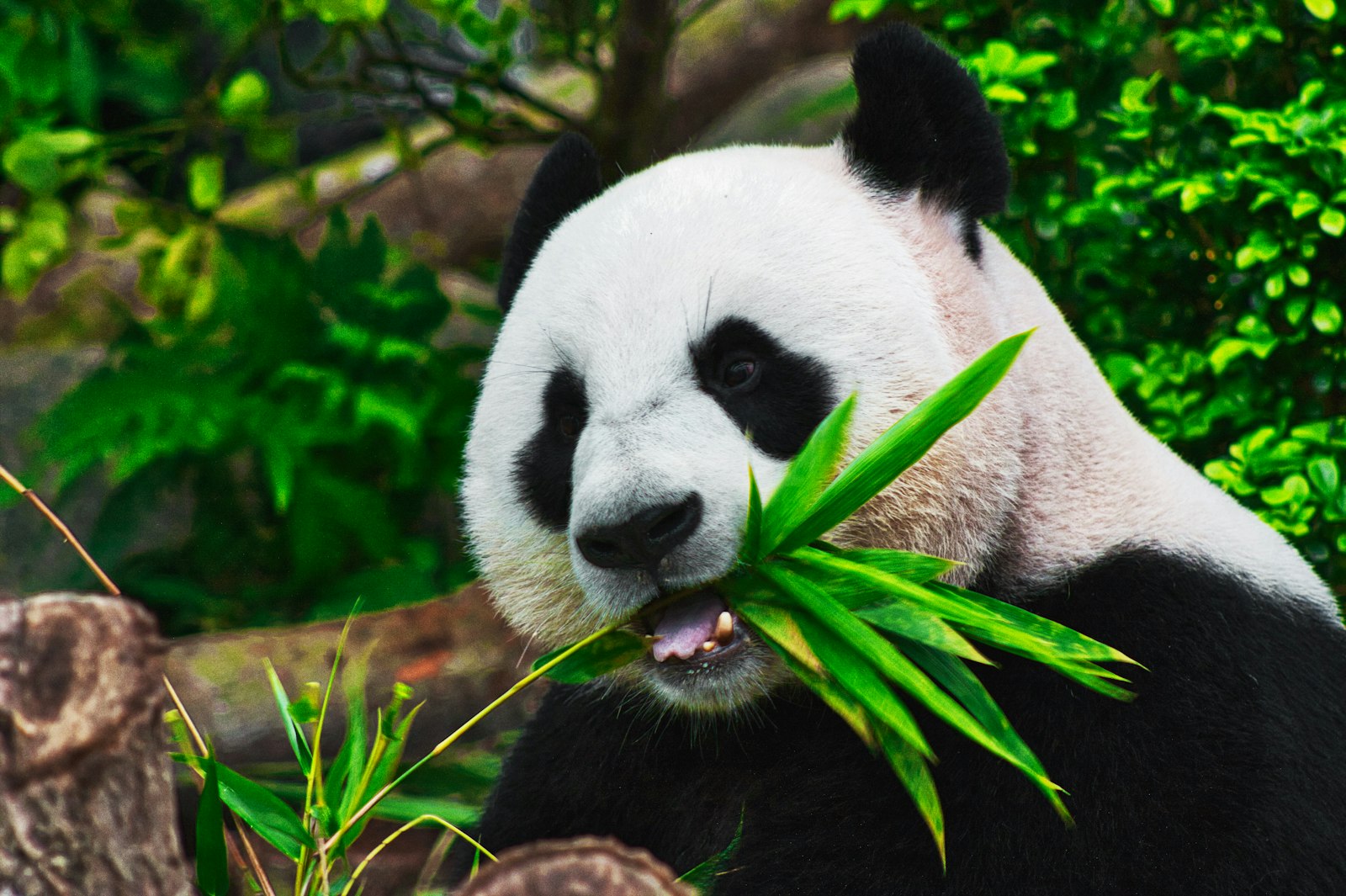
The cab driver laughed at me when I asked to be dropped at the main gate. “Wrong gate,” he said, shaking his head, and then swerved down a narrow side street I would never have found on my own. We pulled up to a quiet entrance where a handful of locals were already queuing, thermoses in hand, and the only sound was the rustle of bamboo leaves overhead. I had spent weeks planning this trip, reading every guide I could find, and still I had gotten the most basic thing wrong. That morning taught me something: the Chengdu Panda Base is not one place. It’s several, and which one you choose changes everything.
This guide is for the first-time visitor who wants to see giant pandas in Chengdu without wasting time, money, or patience. I’ve been to all the major panda sites in Sichuan over the past six years, and I’ve made enough mistakes to know what works. You’ll get specific prices, transport details, insider tips, and honest opinions about which base is worth your limited vacation days.
Quick answer
For first-time international visitors in 2026, the Chengdu Research Base of Giant Panda Breeding (the “Panda Base” in the northern suburbs) is the best choice. Entry costs about $8 (CNY 55), you need 3-4 hours, and you must arrive before 9:00 AM to see pandas active. Most international visitors from 54 countries, including the US, UK, Australia, and most of Europe, can enter China visa-free for up to 15 days through December 31, 2026, so you likely don’t need a visa for a short trip.
The Short Version
Go to the main Chengdu Panda Base in the northern suburbs. Arrive by 7:30 AM. Pay $8. Watch pandas eat bamboo for two hours. Leave by 11:00 AM before the tour bus crowds make it unbearable. Skip the Dujiangyan base unless you have an extra day. Skip the Bifengxia base unless you’re a hardcore panda obsessive. The main base is touristy, yes, but it’s touristy for a reason: the pandas are visible, the facilities work, and you can see cubs in season.
How I Picked These
I’ve visited the Chengdu Panda Base seven times across four different seasons. I’ve also spent a weekend in Dujiangyan to see that base, and I made the four-hour drive to Bifengxia once (worth it, but exhausting). I talked to keepers, taxi drivers, and a British expat who volunteers at the base every Saturday. I timed how long the queues actually take, which exhibits get crowded first, and where to stand for the best photos. This isn’t research from a desk. This is sweat, mosquito bites, and overpriced bottled water.
Comparison Table
| Rank | Place | Best For | Approx Cost (USD) | Time Needed | When to Go |
|---|---|---|---|---|---|
| 1 | Chengdu Panda Base (Main) | First-time visitors, cubs, convenience | $8 (CNY 55) | 3-4 hours | March-May or September-November, weekday morning |
| 2 | Dujiangyan Panda Base | Smaller crowds, closer viewing | $8 (CNY 55) | 2-3 hours | Same seasons, any day morning |
| 3 | Bifengxia Panda Base | Deep immersion, fewer tourists | $12 (CNY 80) | Full day | Spring or autumn, weekdays only |
| 4 | Chengdu Zoo | Budget option, other animals | $3 (CNY 20) | 2 hours | Any time, but pandas are secondary |
Chengdu Research Base of Giant Panda Breeding (Main Base)
The first time I walked through the bamboo tunnel leading to the panda enclosures, I heard a sound I didn’t expect. It was like a wet crunching, rhythmic and loud, coming from a fat ball of black and white fur sitting with its back to me. The panda was methodically stripping bamboo stalks, chewing with the focus of a philosopher solving a problem. I stood there for twenty minutes. It never looked at me once.
This is the main attraction for a reason. The base is a research facility that doubles as a zoo, and it’s designed well. The pandas are in large, naturalistic enclosures with plenty of shade and climbing structures. The cub nursery is the highlight —if you visit between July and October, you’ll see babies the size of butter sticks being bottle-fed by keepers in sterile suits. The base has about 80 pandas at any given time, plus red pandas that wander freely on the paths (watch your feet; they bite).
📍 Location: Northern suburb of Chengdu, about 30 minutes from downtown by taxi. Address: 1375 Xiongmao Avenue, Chenghua District.
🎫 Entry fee: $8 (CNY 55). Free for children under 1.2 meters. You can buy tickets on WeChat or at the gate, but buy online to skip the queue.
🕒 Opening hours: 7:30 AM to 6:00 PM (March-October), 8:00 AM to 5:30 PM (November-February). The panda kitchen closes at 11:00 AM.
🚇 How to get there: Take Metro Line 3 to Panda Avenue Station (熊猫大道站), Exit B. Then take the free shuttle bus that runs every 10 minutes to the base entrance. Or take a taxi from downtown for about $6 (CNY 40). Do not take a bus —they’re slow and confusing.
⏰When to visit: Weekday mornings, ideally Tuesday through Thursday. Arrive before 8:00 AM. Pandas are most active from 7:30 AM to 9:30 AM when they’re fed. By 10:00 AM, they’re sleeping. By 11:00 AM, the tour groups arrive and you’ll be elbowed by selfie sticks.
💡 Insider tips:
- Enter through the north gate (the one the taxi driver took me to). It’s less crowded and you’ll see the cub nursery first.
- Skip the panda kitchen tour. It’s a 30-minute wait to see keepers preparing food, and you can see the same thing on YouTube.
- Bring a mask. The bamboo dust from the pandas’ chewing gets everywhere, and if you have allergies, you’ll suffer.
- The red pandas are more active than the giant pandas and often come right up to the walking paths. They look cute. They have sharp claws.
- Download the WeChat mini-program “成都大熊猫繁育研究基地” for real-time queue times and panda cams.
I met a retired Canadian couple who had flown to Chengdu specifically to see the pandas. The wife told me she had cried when she saw the cubs. I didn’t cry, but I understood.
Dujiangyan Panda Base
The second time I went to Dujiangyan, I got stuck in traffic for two hours because of a landslide on the highway. When I finally arrived, the base was nearly empty. I walked through the enclosures without jostling anyone. A keeper was sitting on a bench, reading a newspaper, while a panda slept three feet away. It felt less like a zoo and more like someone’s eccentric backyard.
Dujiangyan is smaller than the main base, with about 30 pandas, but the viewing is closer. The enclosures are designed so you can stand within arm’s reach of the glass, and the pandas often sit right there. The base also has a rescue center for wild pandas that have been injured or orphaned. If you want to volunteer, this is the place —they have a half-day keeper program where you help prepare bamboo and clean enclosures.
📍 Location: Dujiangyan City, about 60 kilometers northwest of Chengdu. Near the Dujiangyan Irrigation System.
🎫 Entry fee: $8 (CNY 55). Same price as the main base, but fewer crowds.
🕒 Opening hours: 8:30 AM to 5:00 PM, year-round. No rest days.
🚇 How to get there: Take a high-speed train from Chengdu’s Xipu Station to Dujiangyan Station (20 minutes, $3/CNY 20). From there, take a taxi for about $4 (CNY 30). Or book a private car from Chengdu for about $30 (CNY 200).
⏰When to visit: Any morning, including weekends. It’s never as crowded as the main base. Spring and autumn are best; summer is humid and rainy.
💡 Insider tips:
- Combine this with a visit to the Dujiangyan Irrigation System, a 2,000-year-old engineering marvel. It’s a 10-minute taxi ride away.
- The volunteer program costs about $100 (CNY 700) for a half-day and must be booked two weeks in advance through their website.
- Bring your own food. The base has one small cafeteria with instant noodles and questionable dumplings.
- The pandas here are older and less active. Don’t expect cubs.
I ate lunch with a keeper named Li, who told me that pandas are “lazy geniuses” —they’ve evolved to conserve energy because bamboo has almost no nutritional value. She said it with affection, like she was describing a lazy roommate.
Bifengxia Panda Base
I don’t recommend Bifengxia for most first-time visitors, but I’m including it because if you’re the kind of traveler who wants to get off the beaten path, this is where you go. The base is set in a deep valley surrounded by misty mountains, and the drive from Chengdu takes four hours through winding roads that will make you carsick. When I arrived, the fog was so thick I couldn’t see the enclosures until I was ten feet away.
Bifengxia is the largest panda base in China by area, and it’s the most natural. The pandas live in huge forested enclosures that mimic their wild habitat. There are no crowds —on the day I visited, I counted 12 other tourists. The downside is that the pandas are harder to spot because they have more space to hide. I spent an hour searching for one panda before realizing it was sleeping in a tree directly above me.
📍 Location: Bifengxia Valley, Ya’an City, about 150 kilometers southwest of Chengdu.
🎫 Entry fee: $12 (CNY 80). Includes access to the valley and the panda base.
🕒 Opening hours: 8:30 AM to 4:30 PM, year-round. No rest days.
🚇 How to get there: Take a bus from Chengdu’s Chadianzi Bus Station to Ya’an (2 hours, $6/CNY 40), then a local bus to Bifengxia (1 hour, $2/CNY 15). Or hire a private driver for about $80 (CNY 550) round trip.
⏰When to visit: Spring (March-May) or autumn (September-November). Summer is monsoon season and the valley floods. Winter is cold and foggy.
💡 Insider tips:
- Stay overnight at the Bifengxia Hotel inside the valley. It’s basic but you’ll have the base to yourself in the early morning.
- The valley itself is worth exploring —there are hiking trails, waterfalls, and a suspension bridge that sways terrifyingly.
- Bring rain gear. It rains 200 days a year here.
- The panda keepers here are more relaxed and will often chat with visitors. Ask them about the pandas’ personalities.
I spent an hour watching a panda named Mei Mei methodically destroy a bamboo stalk while rain dripped off my jacket hood. It was the most peaceful hour of my trip.
Chengdu Zoo
I’m including the zoo only because someone will ask. Yes, it has pandas. No, you shouldn’t go there specifically for them. The zoo is old, the enclosures are small, and the pandas look bored. I went once and left feeling sad. The zoo is fine for a cheap afternoon if you’re already nearby, but the Panda Base is better in every way.
📍 Location: Downtown Chengdu, near the Zoo Metro Station.
🎫 Entry fee: $3 (CNY 20). Cheap, but you get what you pay for.
🕒 Opening hours: 8:00 AM to 6:00 PM, year-round.
🚇 How to get there: Metro Line 3 to Zoo Station (动物园站), Exit A. It’s a two-minute walk.
⏰When to visit: Any time, but avoid weekends when local families pack the place.
💡 Insider tips:
- The zoo has other animals worth seeing, including golden monkeys and South China tigers.
- Don’t eat at the zoo cafeteria. Walk 10 minutes east to the street food stalls on Zhaojue Temple Road.
- If you’re on a tight budget, this is a valid option. Just don’t expect a world-class experience.
FAQ summary
The Chengdu Panda Base (main location) costs $8 (CNY 55), opens at 7:30 AM, and requires arriving before 9:00 AM to see active pandas. Most international visitors from 54 countries qualify for China’s 15-day visa-free policy through December 2026. The best time to visit is March-May or September-November on a weekday morning. Book tickets online via WeChat to skip queues. Bring a mask for bamboo dust and arrive by metro Line 3 to Panda Avenue Station.
FAQ
Q: Do I need a visa for China in 2026? A: If you’re from the US, UK, Canada, Australia, or most European countries, you likely qualify for the 15-day visa-free transit policy. This is valid through December 31, 2026. You must enter and exit from the same airport or port, and you cannot extend it. For longer stays, you need a visa.
Q: What’s the best time of day to visit the Panda Base? A: Arrive at 7:30 AM when the gates open. Pandas are fed between 7:30 and 9:30 AM and are most active then. By 10:00 AM, they’re sleeping. By 11:00 AM, the tour buses arrive and the base becomes a zoo of humans.
Q: How much does it cost to visit the Panda Base? A: Entry is $8 (CNY 55). A taxi from downtown costs about $6 (CNY 40). Food inside is overpriced —bring snacks. Total cost for a half-day trip: about $20 (CNY 140) per person.
Q: Can I hold or touch a panda? A: No. China stopped allowing panda handling in 2012 for ethical reasons. Any tour operator offering “panda holding” is either lying or operating illegally. You can watch keepers interact with cubs, but you cannot touch them.
Q: Do I need to book tickets in advance? A: Yes, during peak season (April-October and Chinese holidays). Buy tickets on the WeChat mini-program “成都大熊猫繁育研究基地” at least three days ahead. Off-season, you can buy at the gate, but online is safer.
Q: Is the Panda Base wheelchair accessible? A: Mostly. The paths are paved and flat, but some enclosures have stairs. The base provides wheelchair rentals for free at the information desk. The north gate entrance is the most accessible.
Q: How do I pay for things in Chengdu? A: WeChat Pay and Alipay are accepted everywhere. Set them up before you leave home —you need a foreign credit card and passport to register. Cash is accepted but change is often a problem. Bring small bills (CNY 10 and 20) for street food.
The Honest Wrap-up
This guide is for people who want to see pandas without the stress. If you’re a first-time visitor to China, go to the main Chengdu Panda Base, arrive early, and leave happy. If you’re a returning traveler who wants something quieter, Dujiangyan is worth the detour. If you’re a panda obsessive who wants to see them in a near-wild setting, Bifengxia will reward your patience. But for most people, the main base is the right choice.
One last thing: don’t expect the pandas to perform. They sleep 14 hours a day. They eat bamboo for 12 of their waking hours. They are not entertainers. They are bears who have perfected the art of doing nothing, and there is something quietly profound about watching them do it. Bring patience, leave expectations at home, and you’ll have a morning you won’t forget.
Related Guides
Looking for more China travel guides? These match your topic:
Topics
More guides you may like
Beijing Complete Travel Guide 2026
Everything you need to know to plan a Beijing trip in 2026 - attractions, transport, food, accommodation, and 4-day itinerary.
9 min read
Chengdu Complete Travel Guide 2026
Everything for your Chengdu trip: pandas, Sichuan food, teahouses, and Jinsha Site Museum. 2026 guide with insider tips.
9 min read
Guilin Complete Travel Guide 2026
Complete Guilin travel guide: Li River cruise, Yangshuo countryside, Longji Rice Terraces, and where to stay.
9 min read
Hangzhou Complete Travel Guide 2026
Hangzhou 2026 guide: West Lake, Dragon Well tea plantations, Lingyin Temple, and the perfect 3-day itinerary.
10 min read

Shanghai Complete Travel Guide 2026
The ultimate Shanghai travel guide for 2026 - from the Bund and Pudong to hidden French Concession gems.
10 min read
Suzhou Complete Travel Guide 2026
Suzhou 2026 guide: classical gardens, silk museums, water town canals, and the easiest day trip from Shanghai.
10 min read