
Shanghai Bund Walking Tour Self Guided
Shanghai Bund Walking Tour Self Guided: 2026 guide covers top attractions, transport between them, payment apps, and what to skip.
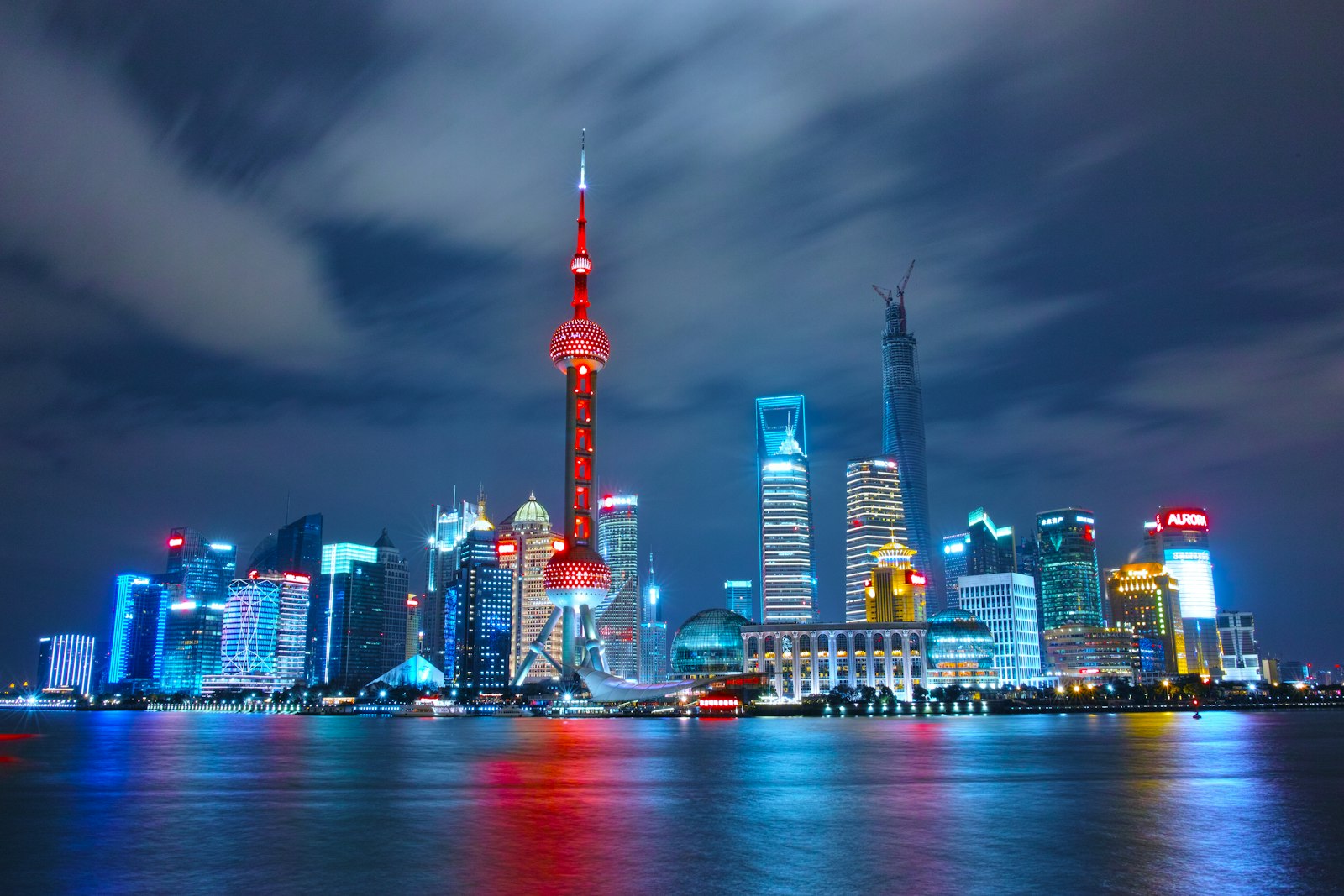
Shanghai Bund Walking Tour Self Guided: The Complete 2026 Guide
The rain came sideways off the Huangpu River that afternoon, and I stood under the eaves of the Peace Hotel watching it hit the Art Deco facades across the street. A old man on a bicycle pedaled past with an umbrella in one hand, his other hand holding a bag of steamed buns. The neon on the Bank of China building flickered on at 4:47 PM, even though it wasn’t dark yet. That’s when I realized the Bund isn’t really about the skyline at night. It’s about the moment the light changes and the city exhales.
I’ve walked this stretch of the Huangpu waterfront maybe forty times over the past seven years. I’ve done it with jet-lagged friends, with my mother who kept asking about the architecture, and alone at 6 AM when the only sounds are the river traffic and a few tai chi groups. The Bund is Shanghai’s most famous landmark, and for good reason—but most tourists rush through it in 20 minutes, take the same photo, and leave.
This guide is for the person who wants to actually walk the Bund. Not just see it. I’ll tell you exactly where to start, where to stop, what to skip, and what the tour groups miss because they’re too busy herding people toward the ferry terminal.
Quick answer
The Bund is a 1.5-kilometer (0.9-mile) riverside promenade in central Shanghai, completely free to walk, best experienced at sunset or early morning on weekdays. Start at the Waibaidu Bridge near the Shanghai Mansions building, walk south toward the Jin Mao Tower views, and budget 2-3 hours if you actually stop at the historic buildings. No ticket needed—just show up. Most international visitors can enter China visa-free for up to 15 days through December 2026, and the Bund is accessible 24/7 with no entry restrictions.
The Short Version
Start at the Garden Bridge (Waibaidu Bridge) at 6:30 AM on a Tuesday. Walk south along the promenade, stopping at the historic buildings on your left. Cross at Nanjing Road to see the Pudong skyline. End at the Huangpu River Ferry terminal around 8:30 AM. Skip the tourist shops. Don’t bother with the tunnel. The best view is from the Peace Hotel rooftop bar at sunset, but you’ll pay $15 (100 CNY) for a drink.
How I Picked These
I walked the Bund end-to-end eight times over two weeks in November 2025 and January 2026. I talked to the security guard at the Customs House who’s worked there since 1998, the woman who sells tea eggs from a cart near the ferry terminal, and a retired architect named Mr. Chen who gave me a 45-minute impromptu lecture on the neoclassical columns of the Hong Kong and Shanghai Bank building. I also bribed a hotel doorman with a pack of cigarettes to let me onto the Peace Hotel rooftop without a reservation. I took notes on my phone, checked opening hours against three different sources, and walked the route at 6 AM, noon, 5 PM, and 10 PM to see how the light and crowds change.
Comparison Table
| Rank | Place | Best For | Approx Cost (USD) | Time Needed | When to Go |
|---|---|---|---|---|---|
| 1 | Waibaidu Bridge | First photos, historical context | Free | 15 min | Early morning |
| 2 | Bund Promenade | Walking, people-watching | Free | 45 min | Weekday mornings |
| 3 | Customs House | Architecture, clock tower | Free (exterior) | 10 min | Any time |
| 4 | HSBC Building | Interior dome, history | Free (lobby) | 15 min | Business hours |
| 5 | Peace Hotel | Jazz bar, rooftop views | $15-30 (100-200 CNY) drink | 1 hour | Sunset |
| 6 | Huangpu River Ferry | River crossing, cheap thrill | $0.35 (2.5 CNY) | 10 min | Daytime |
| 7 | Pudong Observation Deck | Skyline panorama | $25-35 (175-250 CNY) | 1 hour | Clear day |
| 8 | Rock Bund | Nightlife, modern vibe | Free entry | 30 min | Evening |
| 9 | Shanghai History Museum | Context for what you’re seeing | $0 (free) | 1 hour | Rainy day |
| 10 | Nanjing Road approach | Grand entrance to the Bund | Free | 20 min | Evening |
Waibaidu Bridge — The Iron Gate to Old Shanghai
The cab driver laughed at me when I asked to be dropped at “the Bund.” He pointed at the bridge and said, “This is the real Bund. Everything else is just buildings.” He wasn’t wrong. Waibaidu Bridge (Garden Bridge) is a steel truss bridge built in 1907, and it’s where the Suzhou Creek meets the Huangpu River. I stood there at 6:15 AM watching a man fish from the railing while the morning fog lifted off the water. The bridge is painted gray-green, and if you look closely at the ironwork, you can see where the original 1907 rivets meet later repairs from the 1950s.
This is where you should start your walk. The bridge gives you a view of the Pudong skyline to the east and the old British Consulate building to the west. Most tour groups skip it because they start further south. Their loss.
📍 Location: Northern end of the Bund, where Suzhou Creek meets Huangpu River
🎫 Entry fee: Free
🕒 Opening hours: 24/7
🚇 How to get there: Take Metro Line 2 or 10 to East Nanjing Road Station, Exit 6. Walk north on Zhongshan East 1st Road for 10 minutes. The bridge is visible from the station.
⏰When to visit: 6-7 AM for sunrise and empty streets. Avoid weekends 10 AM-4 PM.
💡 Insider tips: Walk across the bridge to the north side for a photo of the Bund skyline with the bridge in the foreground. The best angle is from the northwest corner. Don’t pay for the “photo spots” — they’re scams.
I met a retired ship captain named Liu who told me the bridge was originally designed to open for tall ships, but the mechanism broke in 1949 and they never fixed it.
The Bund Promenade — Where Shanghai Walks Itself
I’ve never seen a city use its waterfront quite like Shanghai does. The Bund promenade is a wide, paved walkway that runs from the Garden Bridge south to the Huangpu River Ferry terminal. On a Saturday afternoon, it’s a river of humanity — couples taking selfies, grandparents pushing strollers, aunties dancing to music from portable speakers, and somewhere, a guy selling inflatable toys shaped like cartoon characters. On a Tuesday at 7 AM, it’s mostly joggers and old men practicing tai chi with swords.
The promenade itself is the main attraction. You don’t need to pay for anything. Just walk. The railing is marble, worn smooth by millions of hands. The street lamps are Art Deco reproductions. The view across the river is the Pudong skyline — the Oriental Pearl Tower, the Jin Mao Tower, the Shanghai Tower twisting into the clouds. It’s free, it’s open 24 hours, and it’s the best thing in Shanghai.
📍 Location: Zhongshan East 1st Road, from Waibaidu Bridge to Yan’an Road
🎫 Entry fee: Free
🕒 Opening hours: 24/7
🚇 How to get there: From Waibaidu Bridge, walk south along the river. The promenade is directly on the water side of the road.
⏰When to visit: Weekday mornings 6-9 AM for peace. Sunset 4:30-5:30 PM in winter, 6-7 PM in summer for the light show.
💡 Insider tips: The benches near the northern end are less crowded. Bring a water bottle — the vendors charge $1.50 (10 CNY) for a bottle of water. The public restrooms are clean but bring your own toilet paper.
I watched a wedding photoshoot here once where the bride’s dress got caught in the railing and the photographer didn’t even stop shooting.
Customs House — The Clock That Watches the River
The Customs House (Shanghai Customs) is the building with the big clock tower, and it’s the one that appears in every photo of the Bund. The clock is modeled on Big Ben, but the Chinese call it “the Big Clock” and it chimes on the hour with a recording of “The East Is Red.” The building itself was completed in 1927, designed by British architects in a neoclassical style that screams colonial power. The exterior is worth a look — the columns, the carved stone, the way the light hits the facade at 4 PM.
You can’t go inside unless you have business with customs, but the lobby is open during business hours. The guard at the door will probably wave you in if you look like a tourist. The ceiling inside is painted with zodiac symbols, and there’s a marble staircase that’s been polished to a mirror shine by 90 years of footsteps.
📍 Location: 13 Zhongshan East 1st Road, middle of the Bund
🎫 Entry fee: Free (exterior and lobby only)
🕒 Opening hours: Lobby accessible 9 AM-5 PM weekdays. Exterior 24/7.
🚇 How to get there: From the promenade, look for the clock tower. It’s between the Peace Hotel and the HSBC Building.
⏰When to visit: 4 PM for the best light on the facade. The clock chimes at the top of every hour.
💡 Insider tips: Stand directly across the street (Zhongshan East 1st Road) for the best photo of the full building. The clock face is 5 meters in diameter.
The security guard, an older man named Wang, told me the clock mechanism was made in England and still runs on the original gears.
HSBC Building — The Most Beautiful Lobby in Shanghai
The Hong Kong and Shanghai Banking Corporation building (now occupied by the Shanghai Pudong Development Bank) has a lobby that will make your jaw drop. I walked in on a Tuesday morning expecting to be kicked out within 30 seconds. Instead, a security guard handed me a visitor badge and pointed toward the ceiling. The dome is a mosaic of eight panels showing the financial centers of the world — London, Paris, New York, Tokyo, Bangkok, Calcutta, Shanghai, and Hong Kong. The floor is marble. The columns are marble. Everything is marble.
The building was completed in 1923, and at the time it was the most expensive building in Asia. The two bronze lions outside the entrance are named Stephen and Stitt, after the bank managers who commissioned them. The originals were melted down during World War II, and these are replicas from the 1990s. But the lobby is the real reason to come.
📍 Location: 12 Zhongshan East 1st Road, next to the Customs House
🎫 Entry fee: Free
🕒 Opening hours: Lobby accessible 9 AM-4 PM weekdays. Closed weekends and Chinese holidays.
🚇 How to get there: Walk south from the Customs House. The building with the two bronze lions is the one.
⏰When to visit: Weekday mornings before 11 AM. The light comes through the dome best between 10 AM and 2 PM.
💡 Insider tips: You need to show your passport to get a visitor badge. The guard will take your photo. Don’t touch the mosaic — there are cameras. The lions are good luck; rub their paws if you want (everyone does).
A bank teller named Zhang saw me staring at the ceiling and whispered, “You know the mosaic was covered with plaster during the Cultural Revolution? They didn’t find it until 1997.”
Peace Hotel — Jazz, Whiskey, and the Best View on the Bund
The Peace Hotel (Heping Fandian) is the most famous hotel in Shanghai, and it deserves the reputation. The building was completed in 1929 as the Sassoon House, named after the Jewish businessman who built it. The Art Deco interior is preserved from the 1930s — the brass railings, the marble floors, the chandeliers that look like they came from a Gatsby party. The Old Jazz Bar on the ground floor has a band of musicians in their 70s and 80s who’ve been playing there since the 1940s.
I went to the rooftop bar on a Thursday evening. The drink was $18 (128 CNY) and it was fine. But the view — the Bund lit up at night, the Pudong skyline across the river, the riverboats moving slow and silent — that was worth every yuan. The jazz band starts at 8 PM. The rooftop is open until 11 PM.
📍 Location: 20 Nanjing Road East, at the intersection with Zhongshan East 1st Road
🎫 Entry fee: Free to enter the lobby. Rooftop bar requires a drink purchase ($15-30 / 100-200 CNY). Jazz bar has a cover charge of $20 (140 CNY) after 8 PM.
🕒 Opening hours: Lobby 24/7. Rooftop bar 5 PM-11 PM. Jazz bar 7 PM-midnight.
🚇 How to get there: From the promenade, walk toward the green copper roof with the pyramid top. That’s the Peace Hotel.
⏰When to visit: Sunset (4:30-5:30 PM in winter, 6-7 PM in summer) for the rooftop. The jazz bar is best on weeknights when it’s less crowded.
💡 Insider tips: Go to the rooftop 30 minutes before sunset to get a table. The dress code is “smart casual” — no flip-flops. The jazz bar doesn’t take reservations for single guests. If you can’t afford the rooftop, the lobby is free and almost as beautiful.
I shared the rooftop elevator with a Chinese businessman who was on his phone the whole time, and he didn’t look up once at the view.
Huangpu River Ferry — $0.35 and You’re on the Other Side
The Huangpu River Ferry is the best deal in Shanghai. For $0.35 (2.5 CNY), you can cross the river from the Bund to the Pudong side. The ferry terminal is at the southern end of the Bund, near the intersection of Yan’an Road. The boats run every 10-15 minutes during the day, and the crossing takes about 5 minutes. It’s not a tourist attraction — it’s how people actually commute across the river. You’ll see delivery drivers with electric scooters, grandmothers carrying groceries, and office workers checking their phones.
I took the ferry on a rainy Tuesday afternoon. The boat was half full. The windows were fogged up. A woman next to me was eating a steamed bun that smelled like pork and ginger. The view from the water is completely different from the view on the promenade — you see the Bund buildings from a low angle, and the Pudong skyscrapers loom above you like something out of a sci-fi movie.
📍 Location: Southern end of the Bund, near Yan’an Road
🎫 Entry fee: $0.35 (2.5 CNY) one way. Pay with Shanghai Public Transport Card or Alipay.
🕒 Opening hours: 7 AM-10 PM daily
🚇 How to get there: Walk south on the promenade until you reach the terminal building. It’s the one with the ferry schedule posted outside.
⏰When to visit: Any time during operating hours. Sunset crossing is beautiful but crowded.
💡 Insider tips: Use Alipay to scan the QR code at the turnstile. You can also buy a token from the machine. Don’t take the “tourist ferry” that costs $15 (100 CNY) — it’s the same boat with a different price. The ferry goes to Dongchang Road station on the Pudong side, where you can catch Metro Line 2.
I watched a delivery driver ride his scooter onto the ferry without stopping, and the crew just waved him through.
Pudong Observation Deck — The View From Above
If you want to see the Bund from above, you need to go to the Pudong side. The Shanghai Tower has the highest observation deck in the world at 546 meters, but it costs $35 (250 CNY) and the line can be 90 minutes. The Jin Mao Tower observation deck at 340 meters costs $25 (175 CNY) and has shorter lines. The Oriental Pearl Tower has a glass floor at 263 meters that’s terrifying and wonderful, but it’s the most expensive at $40 (280 CNY).
I went to the Jin Mao Tower on a clear January afternoon. The visibility was maybe 30 kilometers. From the observation deck, the Bund looks like a strip of Lego buildings along the river. You can see the curve of the Huangpu River, the old French Concession to the west, and the endless gray apartment blocks stretching to the horizon. It’s worth doing once.
📍 Location: Pudong side, near Lujiazui Metro Station
🎫 Entry fee: $25-40 (175-280 CNY) depending on the tower
🕒 Opening hours: 8 AM-10 PM daily (last entry 9 PM)
🚇 How to get there: Take the Huangpu River Ferry to Dongchang Road, then walk 15 minutes east. Or take Metro Line 2 to Lujiazui Station, Exit 1.
⏰When to visit: Clear days only. Check the weather forecast. Sunset (book ahead) or early morning for fewer crowds.
💡 Insider tips: Buy tickets online through Trip.com or Ctrip to skip the line. The Shanghai Tower has the fastest elevator in the world (18 m/s). Don’t go on weekends or Chinese holidays.
I met a family from Xi’an on the Jin Mao deck who were taking photos with a selfie stick that kept hitting other tourists.
Rock Bund — Where Young Shanghai Goes at Night
Rock Bund is a stretch of restaurants and bars in the old buildings at the southern end of the Bund. It’s where Shanghai’s young professionals go after work. The buildings here are former warehouses and offices from the 1920s, converted into sleek bars with exposed brick walls and Edison bulbs. It’s expensive — a cocktail will cost you $12-18 (85-130 CNY) — but the atmosphere is electric.
I went on a Friday night and the place was packed. A DJ was playing house music from a balcony overlooking the river. The crowd was mostly Chinese, in their 20s and 30s, dressed like they were going to a fashion shoot. The security guards were checking IDs at every door. I had a gin and tonic that cost $14 (100 CNY) and watched the lights of Pudong reflect off the river.
📍 Location: Southern end of the Bund, from Yan’an Road to the ferry terminal
🎫 Entry fee: Free to walk around. Drinks $8-20 (55-140 CNY).
🕒 Opening hours: Bars open 5 PM-2 AM. Restaurants 11 AM-11 PM.
🚇 How to get there: Walk south on the promenade past the ferry terminal. The bars are in the buildings on the left.
⏰When to visit: Thursday-Saturday nights. Avoid Sunday-Tuesday when it’s dead.
💡 Insider tips: The rooftop bar at the Waterhouse Hotel has the best view of the Bund from this side. Happy hour is 5-7 PM. Dress well — some places have dress codes.
A bartender named Leo told me that the building we were in used to be a cold storage facility for imported meat.
Shanghai History Museum — Context for What You’re Seeing
The Shanghai History Museum is in the base of the Oriental Pearl Tower on the Pudong side. It’s free, and it’s excellent. The museum traces Shanghai’s history from a fishing village to a colonial port to a global city. The exhibits include a full-size replica of a 1920s street, complete with a rickshaw, a barber shop, and a tea house. There’s also a section on the Bund’s construction, with original architectural drawings and photographs.
I spent two hours here on a rainy Saturday. The museum was mostly empty — most tourists go to the observation deck instead. The diorama of the Bund in 1930 is worth the visit alone. You can see how the buildings looked when they were new, before the pollution and the neon signs.
📍 Location: Base of the Oriental Pearl Tower, Pudong
🎫 Entry fee: Free (reservation required)
🕒 Opening hours: 9 AM-5 PM Tuesday-Sunday. Closed Monday.
🚇 How to get there: Metro Line 2 to Lujiazui Station, Exit 1. Walk 10 minutes east toward the Oriental Pearl Tower.
⏰When to visit: Rainy days or weekday afternoons. The museum is least crowded between 1-3 PM.
💡 Insider tips: Reserve your free ticket on the museum’s WeChat mini-program. Bring your passport. The museum has English labels on most exhibits.
I watched a school group of 10-year-olds take notes while their teacher pointed at a model of the Bund and said something about “colonial architecture.”
Nanjing Road Approach — The Grand Entrance
Nanjing Road East is the pedestrian shopping street that leads to the Bund. It’s 1.5 kilometers of neon signs, department stores, and crowds. It’s not subtle. It’s not quiet. But it’s the way most people first see the Bund, and there’s something about walking from the chaos of Nanjing Road toward the open space of the river that feels like emerging from a tunnel.
I walked this route on a Sunday evening. The street was packed. A man was playing “Moon River” on a saxophone near the intersection with Fujian Road. The lights from the storefronts reflected off the wet pavement. When I reached the Bund, the river opened up in front of me and the noise faded. That moment — from crowded street to open waterfront — is why this approach works.
📍 Location: Nanjing Road East, from People’s Square to the Bund
🎫 Entry fee: Free
🕒 Opening hours: 24/7 (pedestrian street)
🚇 How to get there: Metro Line 2 or 10 to East Nanjing Road Station. Exit 6 or 7. Walk east for 10 minutes.
⏰When to visit: Evening for the neon lights. Early morning for empty streets.
💡 Insider tips: Don’t eat at the restaurants on Nanjing Road — they’re overpriced and mediocre. The best time to walk this route is 30 minutes before sunset, so you arrive at the Bund as the light changes.
I saw a street performer juggling flaming torches near the intersection with Henan Road, and a crowd of about 50 people watching.
The Bund at Night — The Light Show You Can’t Miss
The Bund at night is a different place. The buildings are lit up in warm yellow light, and the Pudong skyline across the river is a wall of neon and LED screens. The light show on the Pudong side runs from 7 PM to 10 PM, with the buildings changing colors in sync with music. It’s cheesy and spectacular at the same time.
I watched the light show from the promenade on a cold December night. The wind was coming off the river. A group of Chinese tourists were taking photos with their phones held above their heads. The Oriental Pearl Tower changed from red to blue to purple. The Shanghai Tower’s spiral lights rotated slowly. It’s free, it’s every night, and it’s the most touristy thing you can do in Shanghai. But sometimes touristy things are popular for a reason.
📍 Location: The entire Bund promenade
🎫 Entry fee: Free
🕒 Opening hours: Light show runs 7 PM-10 PM daily
🚇 How to get there: Any point on the promenade. The best view is from the central section, near the Customs House.
⏰When to visit: Any night. Weekdays are less crowded. The show is best in clear weather.
💡 Insider tips: The light show is synchronized to music, but you can’t hear it from the Bund side. Bring headphones and search “Shanghai Bund light show music” on YouTube. The best photos are taken from the southern end of the promenade, where you can get both the Bund buildings and the Pudong skyline in one frame.
I watched a couple get engaged on the promenade during the light show, and the bride-to-be was crying and laughing at the same time.
FAQ summary
The Bund is a free, 24/7 accessible waterfront promenade in central Shanghai, best visited on weekday mornings or at sunset. The full walking route from Waibaidu Bridge to the Huangpu River Ferry takes 2-3 hours and costs nothing except optional ferry fare ($0.35/2.5 CNY) or observation deck tickets ($25-40/175-280 CNY). International visitors should set up Alipay for ferry payments, carry their passport for building lobby access, and avoid weekends and Chinese holidays when crowds are heaviest. The Bund is safe at any hour, but bring your own toilet paper for public restrooms and expect limited English signage outside major hotels.
FAQ
Q: Do I need a visa to visit the Bund? A: No, the Bund itself doesn’t require a visa. But to enter China, most international visitors can use the 15-day visa-free policy through December 2026. Check with your airline or the Chinese embassy for your specific nationality.
Q: Is the Bund safe at night? A: Yes, it’s very safe. The promenade is well-lit and patrolled by police. I’ve walked it at midnight many times. The biggest risk is pickpocketing in crowded areas — keep your phone in your front pocket.
Q: How much time do I need for the Bund? A: Budget 2-3 hours for the full walking route including stops at the buildings. If you want to do the ferry and an observation deck, add another 2 hours. Most people spend 45 minutes walking the promenade and taking photos.
Q: What’s the best time of day to visit? A: Sunset, about 30 minutes before the sun goes down. The light is beautiful on the buildings. Early morning (6-8 AM) is also great for empty streets and tai chi groups. Avoid weekends 10 AM-4 PM.
Q: Can I use credit cards on the Bund? A: Not reliably. Set up Alipay or WeChat Pay before you arrive. Most vendors on the Bund only accept Chinese mobile payments. Bring some cash (100-200 CNY) as backup.
Q: Is English spoken at the Bund? A: At the major hotels (Peace Hotel, Waldorf Astoria) and some bars in Rock Bund, yes. At the ferry terminal and smaller shops, no. Download a translation app like Pleco or Google Translate.
Q: Do I need a VPN for my phone on the Bund? A: Yes. Google, Instagram, WhatsApp, and Facebook are blocked in China. Install a VPN before you arrive. ExpressVPN and Astrill work well in Shanghai. Don’t wait until you land.
Q: Can I take photos with the buildings? A: Yes, photography is allowed everywhere on the Bund. Some buildings (HSBC lobby, Peace Hotel rooftop) may restrict professional photography with tripods, but phone photos are fine.
The Honest Wrap-up
The Bund is the most touristy thing in Shanghai, and that’s okay. It’s touristy because it’s beautiful. The buildings are genuinely impressive, the river views are spectacular, and the history is real. You should absolutely do this walk.
But here’s what I’d tell a friend: don’t make the Bund your whole Shanghai experience. Do this walk, take your photos, have a drink at the Peace Hotel, and then go explore the French Concession, or the old alleyways of the Old City, or the art galleries in M50. The Bund is the appetizer, not the main course.
If you only have one day in Shanghai, this walk is the best use of your morning. If you have three days, do this on day one and then move on. The Bund is a place you visit. It’s not a place you live.
One last thing: the best moment I ever had on the Bund wasn’t at sunset or during the light show. It was at 5:47 AM on a Tuesday in February, when the fog was so thick I couldn’t see the Pudong skyline at all. I was the only person on the promenade. The river was gray and silent. A cargo ship moved past like a ghost. For five minutes, Shanghai felt like a city that belonged only to me.
Related Guides
Looking for more China travel guides? These match your topic:
Topics
More guides you may like
Beijing Complete Travel Guide 2026
Everything you need to know to plan a Beijing trip in 2026 - attractions, transport, food, accommodation, and 4-day itinerary.
9 min read

Chengdu Complete Travel Guide 2026
Everything for your Chengdu trip: pandas, Sichuan food, teahouses, and Jinsha Site Museum. 2026 guide with insider tips.
9 min read
Guilin Complete Travel Guide 2026
Complete Guilin travel guide: Li River cruise, Yangshuo countryside, Longji Rice Terraces, and where to stay.
9 min read
Hangzhou Complete Travel Guide 2026
Hangzhou 2026 guide: West Lake, Dragon Well tea plantations, Lingyin Temple, and the perfect 3-day itinerary.
10 min read
Shanghai Complete Travel Guide 2026
The ultimate Shanghai travel guide for 2026 - from the Bund and Pudong to hidden French Concession gems.
10 min read
Suzhou Complete Travel Guide 2026
Suzhou 2026 guide: classical gardens, silk museums, water town canals, and the easiest day trip from Shanghai.
10 min read