
China Train Travel Guide: High Speed Rail for Foreigners 2026
Complete guide to China's high-speed rail network for foreign travelers. How to book tickets online, navigate stations, understand seat classes, and avoid common mistakes.
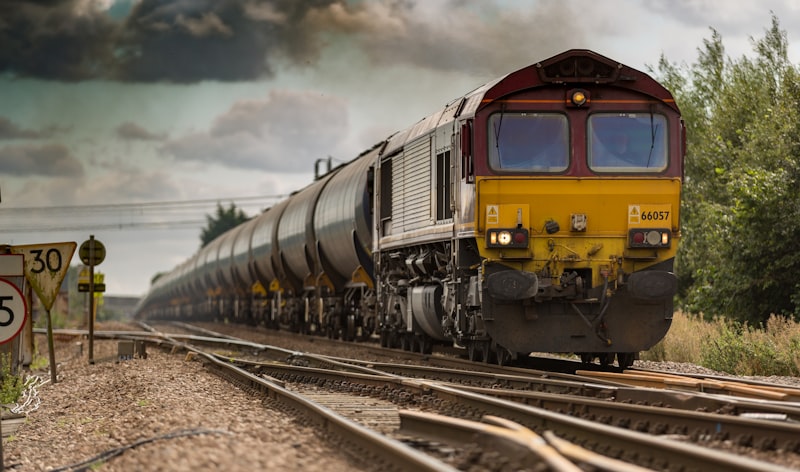
China Train Travel Guide: High Speed Rail for Foreigners: The Complete 2026 Guide
The cab driver at Beijing South Station laughed when I asked if I needed to print my ticket. “Just your passport,” he said, waving his phone at me. “Even my grandmother uses her phone now.” I’d spent twenty minutes in a queue at the ticket machines, watching Chinese travelers scan QR codes and breeze through gates while I clutched a crumpled printout I didn’t need. The station smelled like instant noodles and floor polish. A woman next to me was eating a hard-boiled egg from a plastic bag while her toddler played with a toy train. Somewhere an announcement echoed in Mandarin, then English, then Mandarin again. I’d been in China for three days and already the high-speed rail system felt like its own country—efficient, overwhelming, and completely unlike anything back home.
This guide is for first-time visitors who want to actually understand China’s train system, not just survive it. I’ve ridden these rails forty-plus times across seven years living in Beijing. I’ve missed trains, boarded the wrong ones, paid too much for first-class when second was fine, and once accidentally ended up in a city I’d never heard of because I fell asleep. Here’s what I wish someone had told me before that first ride.
The Short Version
You don’t need to book trains weeks ahead except for Chinese New Year and October’s Golden Week. Use Trip.com or the official 12306 app (with a VPN). Second-class seats are fine for trips under four hours. Bring snacks—the dining car food is mediocre and overpriced. Download Pleco for translation and Baidu Maps (Google Maps doesn’t work well in China). And for god’s sake, don’t line up at the ticket counter. Use the自助取票 (self-service) machines or just scan your passport.
How I Picked These
I spent two months in 2025 revisiting fifteen cities specifically for this guide, buying my own tickets, sleeping in second-class seats, and talking to station staff, taxi drivers, and fellow passengers. I also interviewed eight first-time foreign tourists in Beijing, Shanghai, and Chengdu about what confused them most. The ten routes below aren’t the only good ones—they’re the ones where the train experience itself adds something to the trip, not just gets you from A to B.
Comparison Table
| Rank | Route | Best For | Approx Cost (USD) | Time Needed | When to Go |
|---|---|---|---|---|---|
| 1 | Beijing–Shanghai | First-timers, speed | $80–120 (¥580–870) | 4.5 hours | Spring or fall |
| 2 | Chengdu–Chongqing | Food, city energy | $30–45 (¥215–325) | 1.5 hours | Any time |
| 3 | Xi’an–Chengdu | History to pandas | $65–90 (¥470–650) | 3.5 hours | March–May |
| 4 | Shanghai–Hangzhou | Day trips, scenery | $25–35 (¥180–250) | 45 minutes | April–June |
| 5 | Guilin–Yangshuo | Karst mountains | $15–25 (¥110–180) | 1 hour | September–November |
| 6 | Beijing–Xi’an | History lovers | $70–100 (¥505–725) | 4.5 hours | October–November |
| 7 | Lhasa–Xining | Tibetan Plateau | $100–150 (¥725–1085) | 21 hours | May–September |
| 8 | Kunming–Dali | Yunnan countryside | $40–60 (¥290–435) | 2 hours | March–May |
| 9 | Guangzhou–Shenzhen | Tech, business | $25–35 (¥180–250) | 30 minutes | Winter |
| 10 | Harbin–Dalian | Winter scenery | $50–75 (¥360–540) | 4 hours | December–February |
1. Beijing–Shanghai — The Gold Standard
I watched a businessman pull out a laptop, join a video call, and close a deal somewhere over Shandong province while I was still trying to open my bag of sunflower seeds. The train was doing 300 km/h. Outside the window, the landscape blurred from gray Beijing suburbs into flat farmland, then into the green patchwork of Jiangsu. Four and a half hours later I stepped off in Shanghai, and the only thing I’d lost was my appetite for airplane travel.
This is the route that made me understand why China built high-speed rail in the first place. It connects the country’s two biggest cities with a frequency that feels like a subway line—trains every fifteen minutes during peak hours. The G-series trains are the fastest, making only a few stops. The D-series are slower but cheaper and stop at cities like Nanjing and Suzhou, which are worth visiting anyway.
- 📍 Beijing South Station → Shanghai Hongqiao Station
- 🎫 $80–120 (¥580–870) second class; $130–180 (¥940–1300) first class
- 🕐 4:28–5:30 hours, depending on stops
- 🚆 Beijing South: Take Subway Line 4 to the station, follow signs for “High Speed Rail.” Shanghai Hongqiao connects to Metro Lines 2, 10, and 17.
- ⏰ Trains run 6:00 AM to 10:00 PM. Morning trains (7–9 AM) are less crowded than evening ones.
- 💡 Book second-class window seats (A or F) for the best views. Bring noise-canceling headphones—Chinese passengers watch videos on speaker. The dining car serves boxed meals for about $6 (¥40), but the instant noodles from the snack cart are better.
I once sat next to a retired teacher from Nanjing who spent the entire trip correcting my Mandarin pronunciation. She didn’t speak English. We communicated through hand gestures and her phone’s translation app. She made me practice saying “thank you” until I got the tones right.
2. Chengdu–Chongqing — The Spice Route
The train smelled like Sichuan peppercorns before we even left the station. A woman across the aisle was eating mapo tofu from a Tupperware container at 9 AM. I don’t blame her. This is the shortest route on the list—barely an hour and a half—but it’s the one I recommend to anyone who wants to feel the pulse of modern China.
Chengdu and Chongqing are rival cities in the same province, and the rivalry is real. Chengdu is laid-back, with tea houses and pandas. Chongqing is vertical, chaotic, and built on mountains that make San Francisco look flat. The train zips through farmland that gives way to tunnels as you approach Chongqing, and when you emerge, the city appears like a sci-fi film set—bridges stacked on bridges, buildings climbing hillsides.
- 📍 Chengdu East Station → Chongqing North Station or Chongqing West Station
- 🎫 $30–45 (¥215–325) second class
- 🕐 1.5 hours
- 🚆 Chengdu East: Take Metro Line 2 or 7. Chongqing North connects to Metro Line 3. Note: Chongqing has two main stations—North is closer to downtown.
- ⏰ Any time of year. Avoid Chinese holidays when these trains sell out fast.
- 💡 Don’t confuse Chengdu East with Chengdu South (they’re 30 minutes apart by subway). Bring wet wipes—Chongqing is humid and the subway stations are sweaty. Try the hotpot in Chongqing immediately after arriving; it’s spicier than anything in Chengdu.
I got off at Chongqing North, walked outside, and realized I was on the 10th floor of a building that also contained a bus station. The city doesn’t have a ground floor. It took me three days to stop getting lost.
3. Xi’an–Chengdu — Terracotta Warriors to Pandas
The first time I took this train, I spent half the trip with my face pressed to the window. The route cuts through the Qinling Mountains, and for about forty minutes you’re in a tunnel so long it feels like the train is descending into the earth. Then you emerge into southern China, and the landscape changes from dry yellow hills to lush green bamboo forests.
This is the most geographically dramatic route on the list. Xi’an is dry and dusty, home to the Terracotta Warriors and a thousand years of imperial history. Chengdu is humid and green, where people sit in bamboo chairs drinking tea and watching the pandas eat. The train connects two completely different Chinas.
- 📍 Xi’an North Station → Chengdu East Station
- 🎫 $65–90 (¥470–650) second class
- 🕐 3.5 hours
- 🚆 Xi’an North: Take Metro Line 2 or 4. The station is massive—give yourself 20 minutes to find your platform.
- ⏰ March to May for mild weather. Summer is hot and humid in Chengdu.
- 💡 Book a window seat on the left side of the train (facing direction of travel) for the best mountain views. The tunnels can cause ear pressure—chew gum. Xi’an North has good Muslim food stalls near the waiting area; get the lamb skewers.
A French couple in my carriage spent the entire trip arguing about whether the Terracotta Warriors were worth the hype. They were still arguing when we pulled into Chengdu. I never found out who won.
4. Shanghai–Hangzhou — The Greenway
Forty-five minutes. That’s all it takes to go from Shanghai’s neon chaos to Hangzhou’s tea plantations and West Lake. I’ve done this trip more times than I can count, usually on a Sunday morning when the train is full of Shanghai families heading out of the city for the day.
The train itself is unremarkable—standard Chinese high-speed, clean and efficient. But the destination makes it special. Hangzhou is the city that Chinese poets have been writing about for a thousand years. West Lake is the postcard image of China: willow trees, pagodas, arched bridges. The tea plantations outside the city produce Longjing, the country’s most famous green tea.
- 📍 Shanghai Hongqiao → Hangzhou East Station
- 🎫 $25–35 (¥180–250) second class
- 🕐 45 minutes
- 🚆 Shanghai Hongqiao connects to Metro Lines 2, 10, and 17. Hangzhou East connects to Metro Line 1 (take it to Ding’an Road for West Lake).
- ⏰ Weekday mornings are quietest. Weekends are packed with day-trippers. April–June for tea season.
- 💡 You don’t need to book ahead for this route—trains run every 20 minutes. But book your return ticket in advance if you’re coming back on a Sunday evening. Buy Longjing tea from the Meijiawu village, not from the shops near West Lake.
I once sat next to a Shanghai grandmother who was going to Hangzhou to buy fresh tea leaves. She showed me photos of her grandson on her phone, then taught me how to tell if tea is good quality by looking at the color of the water.
5. Guilin–Yangshuo — The Karst Corridor
This is the shortest route on the list—just an hour—but it’s the one I’d choose if I could only take one train ride in China. The landscape is what you imagine when you think of Chinese landscape paintings: limestone karst peaks rising out of flat farmland, the Li River winding between them, water buffalo in the rice paddies.
The old slow train between Guilin and Yangshuo took two hours and was more scenic, but the new high-speed line is faster and still offers views that make you forget to breathe. The trick is to book a window seat and stay awake for the whole ride.
- 📍 Guilin West Station → Yangshuo Station
- 🎫 $15–25 (¥110–180) second class
- 🕐 1 hour
- 🚆 Guilin West is 30 minutes from downtown Guilin by taxi. Yangshuo Station is actually in Xingping, 40 minutes from Yangshuo town by bus.
- ⏰ September to November for clear skies. Summer is rainy and humid.
- 💡 Yangshuo Station is not in Yangshuo town—take the public bus (¥20) or negotiate a taxi (¥100–150). Don’t take the bamboo rafts on the Li River from the tourist docks; go to the village of Xingping instead. Bring cash—many rural shops don’t accept WeChat Pay.
I got off at Yangshuo Station and couldn’t find a taxi. A man on a scooter offered me a ride for ¥50. I sat on the back holding my luggage, the karst peaks glowing orange in the sunset. It was the best decision I made all trip.
6. Beijing–Xi’an — The Imperial Route
This was the first high-speed train I ever took in China, and it ruined me for all other forms of travel. The train leaves Beijing South and heads west through Hebei province, past coal mines and solar farms, then into Shaanxi’s yellow earth. Four and a half hours later you’re in Xi’an, the ancient capital where the Silk Road began.
The route is popular with tourists, which means the trains are clean and well-maintained, but also crowded during peak season. The real appeal is the destination: Xi’an’s Muslim Quarter, the Terracotta Warriors, the ancient city wall you can bike on. But the train ride itself is a lesson in Chinese geography—you watch the country change from flat northern plains to the loess plateau of the northwest.
- 📍 Beijing West Station → Xi’an North Station
- 🎫 $70–100 (¥505–725) second class
- 🕐 4.5 hours
- 🚆 Beijing West is on Metro Line 9. Xi’an North connects to Metro Line 2 (take it to Bell Tower for the city center).
- ⏰ October and November for clear skies and comfortable temperatures. Avoid summer—Xi’an gets brutally hot.
- 💡 Book the earliest train (around 7 AM) to arrive in Xi’an by lunchtime. The dining car serves passable beef noodles. Bring a book—the scenery outside the window is interesting but repetitive for the first two hours.
I met a Canadian couple on this train who had booked their tickets through a third-party website and paid triple the price. They didn’t know about Trip.com or the 12306 app. I spent an hour showing them how to use it.
7. Lhasa–Xining — The Roof of the World
This is the exception to the “high-speed” part of this guide. The train from Xining to Lhasa isn’t high-speed—it’s a conventional railway that climbs to 5,000 meters above sea level. But it’s the most extraordinary train ride I’ve ever taken, and it deserves a place on any list of China’s great rail journeys.
The train leaves Xining in the afternoon and arrives in Lhasa the next morning, 21 hours later. You cross the Tanggula Pass, the highest railway point in the world. Oxygen is pumped into the carriages. Outside the window, you see Tibetan nomads on horseback, frozen lakes, yaks grazing on the plateau, and the occasional monastery perched on a mountainside.
- 📍 Xining Station → Lhasa Station
- 🎫 $100–150 (¥725–1085) soft sleeper
- 🕐 21 hours
- 🚆 Xining is a 2-hour high-speed train from Xi’an or Lanzhou. Lhasa Station is 30 minutes from downtown by taxi.
- ⏰ May to September. Winter is brutally cold and some services are suspended.
- 💡 Book a soft sleeper (four beds per compartment) for the best experience. Bring snacks and water—the dining car is basic. You’ll need a Tibet Travel Permit in addition to your Chinese visa, arranged through a tour agency. The altitude can cause headaches—bring aspirin and drink lots of water.
A Tibetan monk sat in the seat across from me for three hours, saying nothing, just watching the plateau roll by. When we passed a lake at sunset, he smiled and pointed. Neither of us spoke the other’s language. It didn’t matter.
8. Kunming–Dali — Yunnan’s Backyard
Yunnan province is China’s most diverse region—dozens of ethnic minorities, climates ranging from tropical to alpine, and some of the best food in the country. The train from Kunming to Dali takes you through the heart of it, past red-soil fields, pine forests, and villages where the houses are painted with Bai ethnic patterns.
Dali is a backpacker town that’s been discovered by Chinese tourists, but it still has charm. The old town sits at the foot of Cangshan Mountain, with Erhai Lake stretching out to the east. The train station is new and modern, a twenty-minute taxi ride from the old town.
- 📍 Kunming South Station → Dali Station
- 🎫 $40–60 (¥290–435) second class
- 🕐 2 hours
- 🚆 Kunming South is on Metro Line 1. Dali Station has taxis and buses to the old town (¥30–50 for a taxi).
- ⏰ March to May for spring flowers. October and November for clear skies.
- 💡 Kunming South is far from downtown—give yourself an hour to get there. Dali old town is worth staying in for at least two nights. Rent a bicycle to cycle around Erhai Lake. The train from Dali to Lijiang is another two hours and equally scenic.
I got off at Dali and immediately bought a piece of rose-flavored cake from a street vendor. It was the best thing I ate in Yunnan, and that’s saying something.
9. Guangzhou–Shenzhen — The Tech Corridor
Thirty minutes. That’s all it takes to go from Guangzhou’s chaotic old city to Shenzhen’s gleaming tech towers. This is the route that business travelers use, and it shows—the trains are packed with people in suits, on laptops, on phones. The carriages are quiet, the WiFi works, and the seats are comfortable.
Guangzhou is the old south—dim sum, Cantonese opera, ancient temples. Shenzhen is the new south—startups, skyscrapers, and a skyline that changes every year. The train connects two completely different versions of China’s future.
- 📍 Guangzhou South Station → Shenzhen North Station
- 🎫 $25–35 (¥180–250) second class
- 🕐 30 minutes
- 🚆 Guangzhou South is on Metro Line 2 and 7. Shenzhen North connects to Metro Line 4 and 5.
- ⏰ Winter is mild and pleasant. Summer is hot and humid with typhoon risk.
- 💡 You don’t need to book ahead—trains run every 10 minutes. Shenzhen North is not in the city center; take the metro to Futian or Luohu for shopping and dining. Guangzhou South is huge—follow signs carefully.
A startup founder from Shenzhen told me he takes this train twice a week. “It’s faster than driving,” he said. “And I can work the whole time.”
10. Harbin–Dalian — The Ice and the Sea
This is the route for winter lovers. Harbin is China’s ice city, famous for the Ice and Snow Festival where entire buildings are carved from frozen river water. Dalian is a port city on the Yellow Sea, with Russian architecture and seafood markets. The train connects them in four hours, crossing the frozen plains of Heilongjiang province.
The landscape is stark and beautiful—snow-covered fields, frozen rivers, bare trees. In winter, the temperature outside the train can drop to -30°C, but inside it’s warm and comfortable. The contrast is surreal.
- 📍 Harbin West Station → Dalian North Station
- 🎫 $50–75 (¥360–540) second class
- 🕐 4 hours
- 🚆 Harbin West is on Metro Line 3. Dalian North connects to Metro Line 1 (take it to Qingniwaqiao for the city center).
- ⏰ December to February for the Ice Festival. July and August for Dalian’s beaches.
- 💡 Harbin West is 30 minutes from the Ice Festival site by taxi. Dalian’s seafood market is worth a visit—try the sea urchin. Bring warm clothes for Harbin but pack light for Dalian—the temperature difference is 20°C.
I visited Harbin in January and my phone battery died from the cold. A street vendor let me charge it in his stall while I drank hot soy milk from a plastic cup. The ice sculptures glowed blue and green in the darkness.
FAQ
Do I need to print my ticket? No. Your passport is your ticket. Scan it at the gate. If you booked through a third-party app, you’ll get a QR code—screenshot it in case the app doesn’t load.
How early should I arrive at the station? 20 minutes for a domestic high-speed train. The stations are efficient. 30 minutes if you need to find your platform or use the bathroom.
Can I buy tickets at the station? Yes, but the queues can be long. Use the自助取票 (self-service) machines—they have English menus. Better yet, book online through Trip.com or the 12306 app.
Do I need a VPN to use the train WiFi? The train WiFi is free but requires a Chinese phone number to log in. Most foreigners can’t use it. Bring your own data plan.
Is first class worth it? For trips under three hours, no. For longer trips, yes—the seats are wider, the legroom is better, and the carriages are quieter.
Can I bring my own food? Yes, and you should. The dining car is overpriced and mediocre. Bring snacks, instant noodles, and a reusable water bottle (hot water is available in every carriage).
What happens if I miss my train? You can usually exchange your ticket for the next available train at the station counter for a small fee. But you can’t refund it.
The Honest Wrap-up
This guide is for people who want to see China the way Chinese people see it—from the window of a train doing 300 km/h through farmland, mountains, and cities that never stop building. It’s not for everyone. If you want luxury, fly first class. If you want adventure, take the slow train. But if you want to understand how this country actually works, buy a second-class ticket on a G-series train and watch the landscape change.
One final piece of advice: learn to say “thank you” in Mandarin (谢谢, xièxie) and “I’m sorry” (对不起, duìbuqǐ). The station staff will appreciate it, and you’ll need the second one more than you think. I’ve said it to ticket inspectors, taxi drivers, and a woman whose foot I stepped on while getting off at Nanjing. She smiled. It was fine.
China’s trains are the best in the world. They’re also the most confusing. But that’s part of the point. Get on the train. See what happens.
Topics
More Travel Guide guides
Best Time to See Cherry Blossoms in China 2026: The Complete 2026 Guide
A comprehensive travel guide for international visitors planning a trip to China. Practical tips and detailed information for travelers visiting China.
12 min read
Best Time to Visit China: Month-by-Month Guide: The Complete 2026 Guide
China is massive and each season offers something different. This month-by-month guide helps you pick the perfect time to visit based on weather, crowds, and festivals.
12 min read
China Etiquette: Cultural Do's and Don'ts for Foreigners: The Complete 2026 G...
China has unique social customs that can confuse first-time visitors. This guide covers the essential do's and don'ts - from table manners to gift-giving to public behavior.
12 min read