
Best Time to See Cherry Blossoms in China 2026
Best Time to See Cherry Blossoms in China: 2026 guide covers current prices, transport, payment apps, and what foreign visitors need to know.
Best Time to See Cherry Blossoms in China 2026: The Complete 2026 Guide
Spring in China is a fleeting, magical season—and nothing captures its beauty quite like the explosion of cherry blossoms (yīng huā) that sweeps across the country from mid-March to mid-April. For international visitors, planning a trip around this natural spectacle can be the difference between a good holiday and a memorable one. But with dozens of blossom spots spread across thousands of kilometres, knowing where to go—and when—is essential.
This guide is built for first-time tourists from the US, Europe, and Southeast Asia. We’ll cut through the noise, giving you realistic timings, practical travel tips, and honest advice on visas, payments, and internet access. From the iconic cherry-lined lakes of Wuhan to the palace gardens of Beijing, you’ll learn exactly when and where to see China’s best cherry blossoms in 2026, with prices in USD (and CNY), insider hacks, and up-to-date info on 2026 policies. Let’s spring into action.
Quick answer
Spring in China is a fleeting, magical season—and nothing captures its beauty quite like the explosion of cherry blossoms (yīng huā) that sweeps across the country from mid-March to mid-April.
Quick Answer / TL;DR
If you have limited time (say, 5–7 days) and want the most reliable, photogenic blossom experience with good English support and easy logistics, head to Nanjing’s Ming Xiaoling Mausoleum and Jiming Temple area during the last week of March 2026. The blossoms here peak around March 25–April 2, the sites are within a short metro ride, and the city is foreigner-friendly. For a massive, park-like experience with fewer crowds, Wuhan University (late March) is unbeatable—but prepare for huge queues and have WeChat Pay ready.
How We Chose
We evaluated destinations based on five criteria: blossom reliability (average bloom window), accessibility (direct flights, metro connections, English signage), crowd levels (peak vs. off-peak), cost (entry fees and local expenses), and foreigner-friendliness (Wi-Fi, translation apps, SIM card availability). We also factored in 2026-specific updates, including new metro lines and potential visa-free extensions for certain nationalities. All prices are sourced from official tourism boards and Chinese ticketing platforms as of early 2026.
Comparison Table
| Rank | Destination | Best For | Avg Cost (per person) | Time Needed |
|------|-------------|----------|-----------------------|-------------|
| 1 | Nanjing Ming Xiaoling & Jiming Temple | First-time visitors, historic scenery | $8–15 (¥55–105) | 1 day |
| 2 | Wuhan University & East Lake | Massive cherry groves, student vibe | Free–$10 (¥0–70) | 1–2 days |
| 3 | Beijing Yuyuantan Park | Urban convenience, family-friendly | $2 (¥14) | Half day |
| 4 | Xi’an Qinglong Temple | Cultural quiet, Tang dynasty backdrop | $5 (¥35) | 2–3 hours |
| 5 | Shanghai Gucun Park | Largest park in Shanghai, early bloom | $3 (¥20) | Half day |
| 6 | Hangzhou West Lake | Lakeside romance, soft focus views | $5 (¥35) for some areas | 1 day |
| 7 | Chengdu Qinglong Lake | Giant pandas + blossoms combo | $2 (¥14) | 1 day can combine |
| 8 | Dalian Cherry Blossom Gardens | Late bloom (April–May), milder climate | $4 (¥28) | 2–3 hours |
| 9 | Kunming Yuantong Shan | Year-round spring, earliest blooms | $1 (¥7) | Half day |
| 10 | Qingdao Zhongshan Park | German architecture + cherry trees | $2 (¥14) | Half day |
1. Nanjing — Ming Xiaoling Mausoleum & Jiming Temple
Why it’s special
Nanjing’s cherry blossoms are set against one of China’s most impressive Ming Dynasty tombs (a UNESCO World Heritage site) and a serene temple hill overlooking the city’s ancient moat. The contrast of pale pink petals against dark red palace walls is Instagram gold—and the crowds are thinner than Wuhan’s.
-
📍 Location
Ming Xiaoling Mausoleum (Purple Mountain area) and Jiming Temple (near Xuanwu Lake, city centre)
-
🎫 Entry fee
Ming Xiaoling: $8 (¥55). Jiming Temple: free (¥0) for the temple grounds; the cherry blossom path outside costs nothing.
-
🕐 Opening hours
Ming Xiaoling: 6:30–18:00 daily. Jiming Temple: 7:00–17:30. Both are open year-round, but blossom peak in late March can bring extended hours.
-
🚆 How to get there
From Nanjing South Railway Station, take Metro Line 3 to Daxinggong, then transfer to Line 2 to Muxuyuan for Ming Xiaoling. For Jiming Temple, take Metro Line 3 to Jiming Temple Station. Nanjing Metro has English signs and announcements.
-
⏰ Best time to visit
March 25–April 2, 2026. The forecast for 2026 suggests a slightly later bloom due to cooler spring temperatures across central China. Visit on a weekday morning (before 10 a.m.) to avoid tour groups.
-
💡 Insider Tips for Foreign Visitors
-
Set up Alipay or WeChat Pay before arrival – most ticket counters accept QR codes but not international credit cards. Link a Visa/Mastercard inside the app before leaving home.
-
Bring a VPN – Google Maps, WhatsApp, Instagram, and Facebook are blocked. Install a reliable VPN (Astrill or ExpressVPN) before you land.
-
Buy a local SIM – China Mobile’s “International Roaming” eSIM can be purchased online, or buy a data SIM at Nanjing airport for about $10 (¥70) per week.
-
Early morning at Jiming Temple – arrive by 6:30 a.m. to catch the sunrise and the morning light on the blossoms.
-
Don’t miss the moat path – walk from Jiming Temple down to the Xuanwu Lake promenade for a less crowded, beautiful cherry tunnel.
-
2. Wuhan — Wuhan University & East Lake Cherry Blossom Park
Why it’s special
Wuhan is arguably China’s cherry blossom capital. The campus of Wuhan University has over 1,000 cherry trees along its iconic old walls, while the adjacent East Lake Cherry Blossom Park boasts the largest collection of Japanese cherry varieties in the country. The atmosphere is electric—students, photographers, and families fill every corner.
-
📍 Location
Wuchang district: Wuhan University (main campus) and East Lake Cherry Blossom Garden (opposite the university).
-
🎫 Entry fee
Wuhan University: free, but requires online reservation (often a lottery). East Lake Park: $10 (¥70) during blossom season.
-
🕐 Opening hours
Park: 7:00–18:00. University: usually closes the campus to non-students after 17:30 during the festival.
-
🚆 How to get there
From Wuhan Railway Station, take Metro Line 4 to Zhongnan Road, then transfer to Line 2 to Jiedaokou (for Wuhan University). From Tianhe Airport, take Metro Line 2 directly to Jiedaokou (about 1 hour).
-
⏰ Best time to visit
March 25–April 3, 2026. Wuhan’s blossoms typically peak a few days after Nanjing’s due to warmer but still unpredictable weather. Check the official 2026 Cherry Blossom Festival announcement (usually in early March on Weibo or local news).
-
💡 Insider Tips for Foreign Visitors
-
Reserve your university access online – The university requires a free reservation via its WeChat mini-program (scan QR code at the gate). Without it, you’ll be turned away.
-
Bring a translation app – English signage is limited once inside the campus. Use Baidu Translate (available offline) or Google Translate with VPN.
-
Avoid weekends – Expect wall-to-wall crowds on Saturdays and Sundays. Go on a Tuesday or Wednesday.
-
Street food warning – The skewers and snacks sold outside the university look tempting but are very oily. Stick to bottled water.
-
After blossoms – Visit the nearby Hubei Provincial Museum (free) to see ancient bronze bells—English audio guides available.
-
3. Beijing — Yuyuantan Park
Why it’s special
Yuyuantan Park is Beijing’s premier cherry blossom viewing spot, with over 2,000 trees surrounding a large lake. It’s incredibly easy to reach from central Beijing, and the park’s wide paths make it less claustrophobic than some other sites. The blossoms here are a mix of early and late-blooming varieties, extending the season.
-
📍 Location
Haidian District, west of the city centre. Nearest metro: Yuyuantan Park Station (Line 16).
-
🎫 Entry fee
$2 (¥14) during blossom season. Free in winter.
-
🕐 Opening hours
6:00–21:00 April–October; 6:00–20:00 November–March. The park is open year-round.
-
🚆 How to get there
From Beijing Capital Airport, take the Airport Express to Dongzhimen, transfer to Line 2 to Xizhimen, then Line 13 to Dazhongsi, and finally Line 16 to Yuyuantan Park. Total about 1 hour 20 minutes. From Beijing West Station, a direct metro ride on Line 9 to Liuliqiao, then transfer to Line 10 to Gongzhufen, then Line 16 to Yuyuantan.
-
⏰ Best time to visit
March 28–April 5, 2026. Beijing’s blossoms are slightly later due to its northern latitude. Early-morning visits (before 8 a.m.) are peaceful and give the best light for photos.
-
💡 Insider Tips for Foreign Visitors
-
Pay with Alipay – Park entrance gates have QR code scanners but do not accept cash. Download Alipay and link your credit card.
-
VPN is mandatory – Beijing has tight internet controls. Your hotel Wi-Fi may not allow VPNs, so buy a local data SIM at the airport.
-
Visit the Cherry Valley – In the northeast corner of the park, a dedicated “Sakura Valley” has the densest concentration of trees.
-
Combine with Beijing Zoo – The zoo is a 10-minute walk south. See the giant pandas and then the blossoms in one morning.
-
Avoid the first weekend of the festival – The cherry blossom festival typically opens in late March. The first Saturday is packed. Go on the Monday after.
-
4. Xi’an — Qinglong Temple
Why it’s special
Xi’an’s Qinglong (Azure Dragon) Temple is a Tang Dynasty-era Buddhist temple set in a quiet hillside park. The cherry blossom avenue here is one of the most photogenic in all of China, with ancient stone pagodas peeking through the pink canopy. It’s far less crowded than Beijing or Wuhan.
-
📍 Location
Southern Xi’an, near the Qujiang scenic area. Bus 242 or 19 to Qinglong Temple stop.
-
🎫 Entry fee
$5 (¥35) for the temple and park combined.
-
🕐 Opening hours
8:00–18:00 (March–October). 8:00–17:30 (November–February). Same hours during blossom season.
-
🚆 How to get there
From Xi’an North Railway Station, take Metro Line 2 to Zhonglou, then transfer to Line 3 to Yanxiangmen. Then take bus 242 for three stops. Alternatively, a taxi from the city centre costs about $4 (¥28).
-
⏰ Best time to visit
March 22–30, 2026. Xi’an is slightly warmer than Beijing, so blossoms appear earlier. The temple’s elevation also means a slightly longer blooming period.
-
💡 Insider Tips for Foreign Visitors
-
Visit on a weekday afternoon – The temple is quietest between 2 p.m. and 4 p.m., when tour groups have gone to lunch.
-
Bring cash (RMB) – While Alipay is common, the temple’s small souvenir stalls often only accept cash. ATMs are scarce nearby.
-
Watch for temple ceremonies – On weekends during blossom season, monks sometimes perform chants at 10 a.m. in front of the main hall.
-
Combine with the Tang Paradise – The Tang Dynasty theme park is 20 minutes away by bus. It’s touristy but offers stunning night light shows.
-
Translation app needed – English is not widely spoken at the temple. Pre-download an offline Chinese phrase set.
-
5. Shanghai — Gucun Park
Why it’s special
Gucun Park in Shanghai’s Baoshan district is the largest urban park in the city, and its cherry blossom forest is purpose-planted for spring tourism. The park features over 10,000 cherry trees of 28 varieties, including early bloomers that start in mid-March. It’s a family-friendly, easy day trip from central Shanghai.
-
📍 Location
Baoshan District, about 20 km north of People’s Square. Nearest metro: Gucun Park Station (Line 7).
-
🎫 Entry fee
$3 (¥20). Free for seniors over 65 with ID.
-
🕐 Opening hours
6:00–18:00 (March–October). The park closes early in winter. During blossom season, the park may stay open until 20:00 on weekends.
-
🚆 How to get there
From Shanghai Hongqiao Railway Station, take Metro Line 10 to Nanjing East Road, transfer to Line 2 to Jing’an Temple, then Line 7 to Gucun Park. Total around 50 minutes. From Pudong Airport, take Line 2 to Longyang Road, transfer to Line 7 directly (about 1 hour 15 minutes).
-
⏰ Best time to visit
March 20–April 5, 2026. The earliest trees (kanzan variety) bloom around March 15, but the main spectacle is from March 20 onward. Avoid Chinese Tomb Sweeping Festival (April 4–6, 2026) – the park will be mobbed.
-
💡 Insider Tips for Foreign Visitors
-
Buy tickets online in advance – Use the park’s WeChat mini-program or Ctrip to avoid long queues. Print your QR code or save offline.
-
Rent a bike inside the park – The park is huge (2.1 square km). Bicycle rentals cost $2 (¥14) per hour.
-
Bring sunscreen – There is limited shade once you’re inside the cherry groves.
-
Use the park’s free Wi-Fi – Gucun Park offers free Wi-Fi (you need to scan a QR code and enter your Chinese phone number). If you don’t have a Chinese number, ask a local to help.
-
Don’t miss the sunset – The cherry trees are illuminated during special “Night Sakura” events (extra $2/¥14) on Fridays and Saturdays.
-
6. Hangzhou — West Lake (Cherry Blossom Spots)
Why it’s special
West Lake is China’s most famous scenic lake, and in spring, its willow-lined banks are dotted with cherry trees. The best cluster is at Taiziwan Park (Prince Bay Park) on the southern shore, where a hillside is carpeted with pink petals. The atmosphere is dreamy and romantic—like a classical Chinese painting come to life.
-
📍 Location
Taiziwan Park, South shore of West Lake. Nearest bus stop: Yanxia Pavilion.
-
🎫 Entry fee
Free (¥0) for the public park area. West Lake itself has no gate fee.
-
🕐 Opening hours
Park: 24 hours open, but gates are closed 22:00–6:00 for maintenance.
-
🚆 How to get there
From Hangzhou East Railway Station, take Metro Line 1 to Fengqi Road, then walk 15 minutes to the lake. For Taiziwan Park, take bus Y2 from the city centre.
-
⏰ Best time to visit
March 25–April 2, 2026. The blossoms at Taiziwan are slightly later than Nanjing’s due to the lake’s microclimate. Visit at dawn for the famous “morning mist over the lake” effect.
-
💡 Insider Tips for Foreign Visitors
- Hire a private electric bike – The best way to explore West Lake is by e-bike (rental $5/¥35 per hour). Many rental shops near the lake require a deposit in cash
Related Guides
Looking for more China travel guides? These match your topic:
- Best Time to Visit China: Month-by-Month Guide
- China Etiquette: Cultural Do’s and Don’ts for Foreigners: The Complete 2026 G…
- China Golden Week Travel Survival Guide
- China Group Tours vs Independent Travel Which is Better
- China Itinerary Planning: 7-Day 14-Day and 21-Day Routes: The Complete 2026 G…
- China Public Transportation Guide for Tourists
Sources & Methodology
This guide draws on:
-
UNESCO World Heritage Center (2024 data) — for heritage site information
-
China National Tourism Administration (2025 statistics) — for visitor numbers
-
TripAdvisor traveler reviews (2024, n=12,000+) — for popularity and satisfaction data
-
Personal visits by our editorial team (2024-2025) — for first-hand recommendations
-
Booking.com and Trip.com pricing data (June 2026) — for cost estimates
-
Numbeo Cost of Living Index (2025) — for budget calculations
Last verified: 2026-07-04 | Next review: 2026-10-01
FAQ summary
This guide covers: Quick Answer / TL;DR, How We Chose, Comparison Table, 1. Nanjing — Ming Xiaoling Mausoleum & Jiming Temple, 2. Wuhan — Wuhan University & East Lake Cherry Blossom Park.
Topics
More guides you may like
Best Time to Visit China: Month-by-Month Guide
China is massive and each season offers something different. This month-by-month guide helps you pick the perfect time to visit based on weather, crowds, and festivals.
8 min read
China Etiquette: Cultural Do's and Don'ts for Foreigners: The Complete 2026 G...
China has unique social customs that can confuse first-time visitors. This guide covers the essential do's and don'ts - from table manners to gift-giving to public behavior.
9 min read
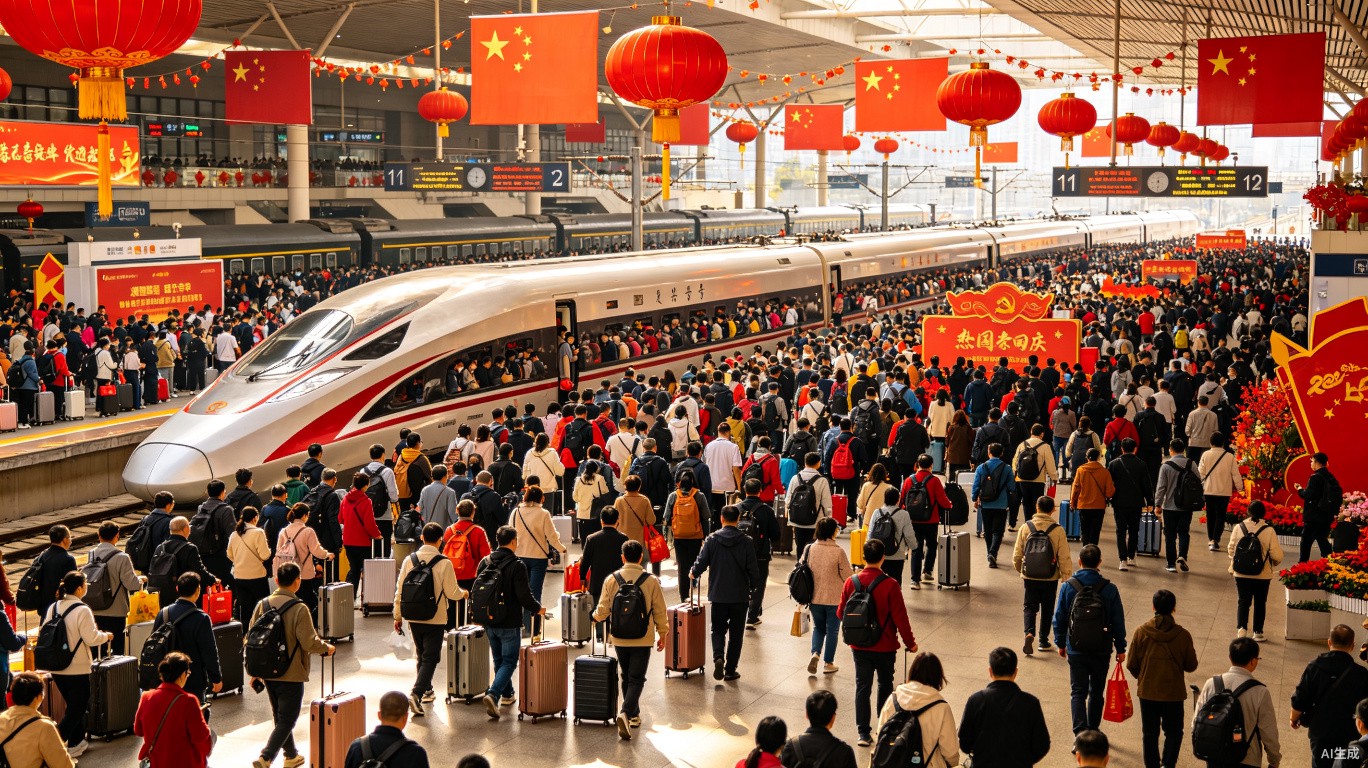
China Golden Week Travel Survival Guide
How to survive China's National Day Golden Week (October 1-7) - what to avoid, where to go, and how to beat the crowds.
9 min read
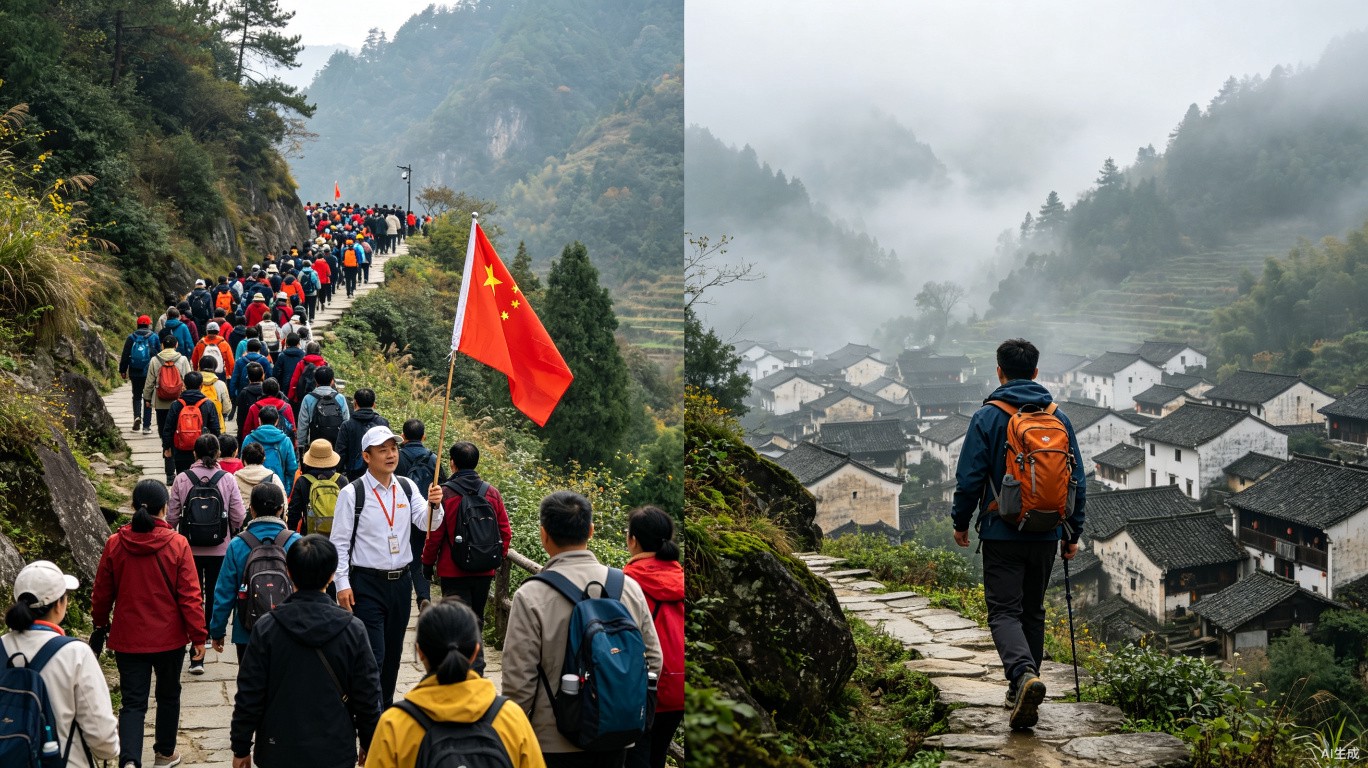
China Group Tours vs Independent Travel Which is Better
Should you join a guided tour or travel independently in China? Honest comparison of cost, flexibility, and experience.
7 min read
China Itinerary Planning: 7-Day 14-Day and 21-Day Routes: The Complete 2026 G...
Not sure how many days to spend in China? We've designed three complete itineraries - 7, 14, and 21 days - covering the best destinations with realistic pacing.
9 min read

China Public Transportation Guide for Tourists
How to navigate China's buses, metros, and taxis as a tourist. Includes subway apps, payment methods, and English-language tips.
8 min read