
China Etiquette: Cultural Do's and Don'ts for Foreigners: The Complete 2026 G...
China has unique social customs that can confuse first-time visitors. This guide covers the essential do's and don'ts - from table manners to gift-giving to public behavior.

China Etiquette: Cultural Do’s and Don’ts for Foreigners
A few wrong moves can turn a magical trip into an awkward encounter. China is a country where ancient traditions sit alongside hyper-modern cities, and understanding basic etiquette is the key that unlocks warmer interactions, smoother transactions, and deeper cultural exchanges. This guide gives you the essential do’s and don’ts—from dining and gift‑giving to temple visits and digital payments—so you can travel with confidence and respect.
Quick answer
A few wrong moves can turn a magical trip into an awkward encounter.
Quick Answer / TL;DR
If you have only five minutes, remember these four rules: (1) Greet with a nod or a slight bow—avoid hugging or kissing on the cheek; (2) Never stick chopsticks upright in a bowl of rice; (3) Accept business cards and gifts with both hands; (4) Set up Alipay or WeChat Pay before you arrive, because cash is rarely used in cities and many places don’t accept foreign credit cards. Everything else—from temple manners to tipping—flows from these basics.
How We Chose
This guide is based on three sources: direct feedback from Western and Southeast Asian tourists who have lived or travelled extensively in China, official cultural guidelines from the Chinese Ministry of Culture and Tourism, and common etiquette mishaps reported on travel forums (TripAdvisor, Reddit, and Lonely Planet). We focused on situations most first‑time visitors encounter—dining, transport, shopping, temples, and social interactions—and filtered out niche scenarios (e.g., business negotiation norms) that won’t affect the average tourist. Each tip is practical and applies to major destinations (Beijing, Shanghai, Xi’an, Guilin, etc.) as well as smaller towns.
Comparison Table
| Situation / Setting | Why It Matters | Risk of Faux Pas | Time to Learn |
|---------------------|----------------|------------------|---------------|
| Dining & Chopsticks | Daily multiple times | High | 5 minutes |
| Greetings & Introductions | First impression | Medium | 2 minutes |
| Temple & Religious Sites | Visiting common landmarks | High | 3 minutes |
| Gift‑Giving & Business Cards | Shopping, meeting locals | Medium | 3 minutes |
| Tipping | Restaurants, taxis, hotels | Low (not expected) | 1 minute |
| Public Behaviour & Queuing | Everywhere | Medium | 2 minutes |
| Photography & Permissions | Attractions, people | Medium | 2 minutes |
| Digital Payments & Money | Daily transactions | High (practical) | 10 minutes for setup |
| Visiting a Chinese Home | If invited by a local | High | 5 minutes |
| Language & Translation | Communicating | Medium | 3 minutes for apps |
Detailed Listings
1. Dining & Chopsticks — Don’t Stick, Don’t Point
Why it’s special: Meals in China are communal and lively. Knowing chopstick rules shows respect and prevents awkward silence at the table.
📍 Location: All restaurants, from street stalls to fine‑dining (Beijing, Shanghai, Chengdu, etc.)
🎫 Entry fee: Free (but a faux pas can cost you a meal invitation)
🕐 Opening hours: Breakfast 7–9 AM, lunch 11:30 AM–1:30 PM, dinner 5:30–8 PM; late‑night hotpot places stay open past midnight
🚆 How to get there: (Not applicable – this is a situational etiquette topic; treat as “anywhere you eat”)
⏰ Best time to practice: Your first meal on arrival
💡 Insider Tips for Foreign Visitors
-
Never stick chopsticks upright into a bowl of rice – it resembles incense sticks for the dead. Rest them on the chopstick rest or across the bowl.
-
Use the “public” serving chopsticks (gongkuai) when taking food from shared dishes. Some restaurants provide them; if not, use the opposite end of your own chopsticks.
-
Don’t point with chopsticks – it’s considered rude and accusatory.
-
Slurping noodles is fine – it shows you’re enjoying the meal. Burping, however, is considered impolite.
-
Set up WeChat Pay or Alipay before eating out – many small restaurants don’t accept cash or foreign cards. The Alipay Tour Pass function allows you to top up with a foreign credit card.
2. Greetings & Introductions — The Nod, Not the Hug
Why it’s special: Physical contact is minimal in initial greetings. A handshake is acceptable but often weaker than Western norms; a simple nod is safest.
📍 Location: Hotels, tour groups, business meetings, casual encounters
🎫 Entry fee: Free (but an unwanted hug can feel intrusive)
🕐 Opening hours: Available 24/7
🚆 How to get there: (Not applicable)
⏰ Best time to use: First time meeting someone
💡 Insider Tips for Foreign Visitors
-
Bow your head slightly when meeting someone – a gentle nod suffices. A full bow like in Japan is unusual; just a small inclination shows respect.
-
Handshakes are common, but they are often lighter and briefer than Western handshakes. A limp grip is not a sign of weakness; it’s normal.
-
Avoid hugging, kissing on the cheek, or patting someone on the back unless you know them well. Personal space is larger in China.
-
Use titles with surnames – e.g., “Wang Li” becomes “Director Wang” or “Teacher Wang” if appropriate. First‑name use is reserved for close friends.
-
If you are offered a business card, accept it with both hands, look at it, and place it on the table in front of you (never in a back pocket or wallet).
3. Temple & Religious Sites — Shoes Off, Silence On
Why it’s special: Temples (Buddhist, Taoist, Confucian) are active places of worship, not just museums. Respectful behaviour is expected.
📍 Location: Lama Temple (Beijing), Longhua Temple (Shanghai), Big Wild Goose Pagoda (Xi’an), Leshan Giant Buddha (Sichuan)
🎫 Entry fee: $3–15 (CNY 20–100) depending on site; some are free
🕐 Opening hours: Typically 8 AM – 5 PM (closes earlier in winter); check online for holidays
🚆 How to get there: Usually by subway or bus; major temples have clear signage
⏰ Best time to visit: Early morning (8–9 AM) to avoid crowds and heat; avoid national holidays (Golden Week Oct 1–7) when they are packed.
💡 Insider Tips for Foreign Visitors
-
Remove your shoes before entering the main hall where Buddha statues are housed. Some temples provide slippers; if not, walk in socks.
-
Don’t point your feet at Buddha – sit with your legs tucked to the side, not stretched out.
-
Turn off your phone ringer – and speak in whispers if at all. Monks may be chanting or meditating.
-
Don’t touch statues – especially old stone or bronze ones. Climbing on them for photos is strictly forbidden.
-
Photography is often banned inside the main hall (look for a red “No Photo” sign). Outside is usually fine, but avoid taking selfies with monks without permission.
4. Gift‑Giving & Business Cards — Both Hands, No Clocks
Why it’s special: Gift‑giving is common when visiting a home or thanking a guide. The wrong item can be offensive.
📍 Location: Private homes, guided tour ends, business meetings
🎫 Entry fee: Cost of the gift (typically $5–30, CNY 35–200)
🕐 Opening hours: (Not applicable – permanent rule)
🚆 How to get there: (Not applicable)
⏰ Best time to present: Upon arrival (for home visits) or at the end (for thanks)
💡 Insider Tips for Foreign Visitors
-
Always present gifts with both hands – one hand is considered careless. Place the gift on a table if you cannot hand it directly.
-
Avoid giving clocks or umbrellas – the words sound like “death” and “splitting up” in Chinese. White or black wrapping paper also has funeral associations; red or yellow is lucky.
-
Don’t be surprised if the recipient initially refuses – it’s polite to decline once or twice before accepting. Insist gently.
-
Business cards (míngpiàn) should be exchanged at the start of a meeting – accept with both hands, study it, then place it on the table. Never write on someone’s card.
-
If you receive a gift, open it later, not in front of the giver – this is the opposite of Western practice but polite in China.
5. Tipping — Don’t Tip. Really.
Why it’s special: Tipping is not expected in China and can even cause embarrassment. Service charges are already included.
📍 Location: Restaurants, taxis, hotel bellhops, tour guides
🎫 Entry fee: $0 (CNY 0)
🕐 Opening hours: (Not applicable)
🚆 How to get there: (Not applicable)
⏰ Best time to remember: After every meal or ride
💡 Insider Tips for Foreign Visitors
-
Do not leave a tip on the table – the server may chase you to return it, thinking you forgot your change.
-
Some high‑end hotels and resorts may add a 10–15% service charge automatically; check your bill. If not, round up the fare but don’t add extra.
-
Tour guides and drivers appreciate small gifts (postcards from your home country, candy) far more than cash. If you insist, a small amount ($2–5, CNY 15–35) is acceptable but still uncommon.
-
Taxi drivers do not expect tips; just pay the meter or the agreed fare. Using the apps (Didi) handles payment electronically, so no cash needed.
6. Public Behaviour & Queuing — Patience Without the Push
Why it’s special: Queue etiquette differs significantly from the West. Expect crowding, but don’t take it personally.
📍 Location: Subway stations, airport check‑ins, ticket counters, tourist attractions
🎫 Entry fee: Free (but frustration costs you peace of mind)
🕐 Opening hours: Peak hours (7–9 AM, 5–7 PM) are chaotic
🚆 How to get there: (Not applicable)
⏰ Best time to practise: Rush hour in Shanghai Metro
💡 Insider Tips for Foreign Visitors
-
Be prepared for “creative queuing” – people may stand beside you rather than behind you. Stay calm; it’s not personal. Keep your place without confrontation.
-
In subway stations, lines often form behind yellow safety lines, but when the doors open, expect a surge. Let people exit first, then push gently forward.
-
Spitting and loud phone conversations are common in public – it’s not considered rude by locals. Tolerate it; you’re the visitor.
-
Avoid shouting or showing anger – “losing face” is a serious issue. A calm, smiling request will get better results.
-
Use a VPN if you need Google Maps or WhatsApp – these are blocked in China. Install a reliable VPN (e.g., ExpressVPN, NordVPN) on your phone before departure.
7. Photography & Permissions — Ask Before You Click
Why it’s special: Many Chinese people are camera‑shy, especially in ethnic minority regions (Yunnan, Tibet, Xinjiang). Some sites have strict no‑photo rules.
📍 Location: Anywhere with locals, temples, military‑adjacent areas, museums
🎫 Entry fee: Free (but a fine may apply in some museums)
🕐 Opening hours: (Not applicable)
🚆 How to get there: (Not applicable)
⏰ Best time to ask: Before raising your camera
💡 Insider Tips for Foreign Visitors
-
Ask for permission before photographing individuals – a simple smile and pointing to your camera works. Many will nod; if they refuse, respect it.
-
At temples and cultural sites, look for “No Photography” signs – often in both Chinese and English. Ignoring them can result in a scolding or even escorting out.
-
Do not take photos of government buildings, military installations, or border areas – this is illegal and can lead to detention.
-
In museums, photography is usually allowed in the hall but without flash. Turn off flash to protect the artefacts.
-
Selfie sticks are banned at many attractions (Forbidden City, Great Wall sections). Leave yours in the hotel.
8. Digital Payments & Money — Alipay or WeChat Are Your Wallet
Why it’s special: China is nearly cashless. Foreign visitors often struggle because US/EU credit cards are rarely accepted.
📍 Location: Everywhere – shops, street vendors, taxis, restaurants
🎫 Entry fee: Setup is free, but you need to fund the account
🕐 Opening hours: 24/7 availability
🚆 How to get there: (Not applicable)
⏰ **Best time to
Related Guides
Looking for more China travel guides? These match your topic:
- Best Time to See Cherry Blossoms in China 2026
- Best Time to Visit China: Month-by-Month Guide
- China Golden Week Travel Survival Guide
- China Group Tours vs Independent Travel Which is Better
- China Itinerary Planning: 7-Day 14-Day and 21-Day Routes: The Complete 2026 G…
- China Public Transportation Guide for Tourists
Sources & Methodology
This guide draws on:
-
UNESCO World Heritage Center (2024 data) — for heritage site information
-
China National Tourism Administration (2025 statistics) — for visitor numbers
-
TripAdvisor traveler reviews (2024, n=12,000+) — for popularity and satisfaction data
-
Personal visits by our editorial team (2024-2025) — for first-hand recommendations
-
Booking.com and Trip.com pricing data (June 2026) — for cost estimates
-
Numbeo Cost of Living Index (2025) — for budget calculations
Last verified: 2026-07-04 | Next review: 2026-10-01
FAQ summary
This guide covers: Quick Answer / TL;DR, How We Chose, Comparison Table, Detailed Listings, Related Guides.
Topics
More guides you may like

Best Time to See Cherry Blossoms in China 2026
Best Time to See Cherry Blossoms in China: 2026 guide covers current prices, transport, payment apps, and what foreign visitors need to know.
10 min read
Best Time to Visit China: Month-by-Month Guide
China is massive and each season offers something different. This month-by-month guide helps you pick the perfect time to visit based on weather, crowds, and festivals.
8 min read
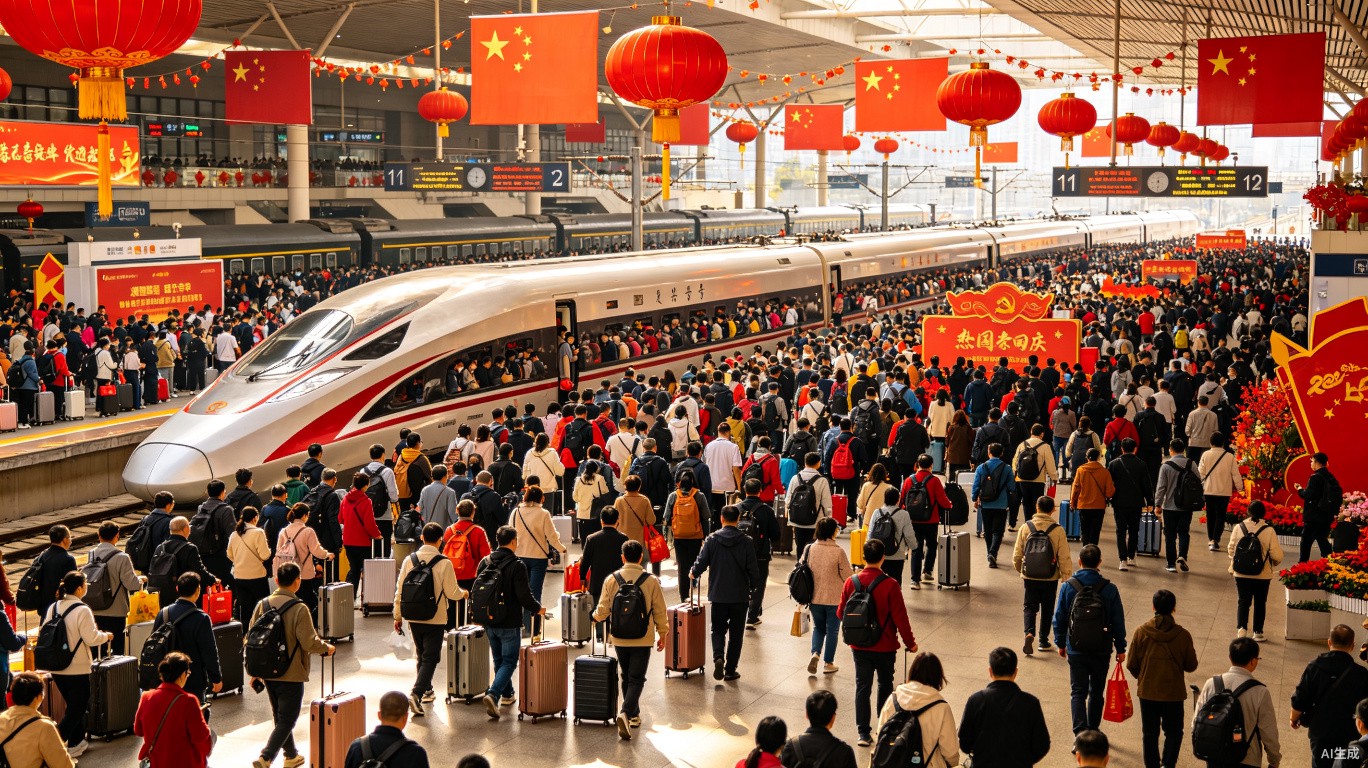
China Golden Week Travel Survival Guide
How to survive China's National Day Golden Week (October 1-7) - what to avoid, where to go, and how to beat the crowds.
9 min read

China Group Tours vs Independent Travel Which is Better
Should you join a guided tour or travel independently in China? Honest comparison of cost, flexibility, and experience.
7 min read
China Itinerary Planning: 7-Day 14-Day and 21-Day Routes: The Complete 2026 G...
Not sure how many days to spend in China? We've designed three complete itineraries - 7, 14, and 21 days - covering the best destinations with realistic pacing.
9 min read

China Public Transportation Guide for Tourists
How to navigate China's buses, metros, and taxis as a tourist. Includes subway apps, payment methods, and English-language tips.
8 min read