
Best Time to Visit China: Month-by-Month Guide
China is massive and each season offers something different. This month-by-month guide helps you pick the perfect time to visit based on weather, crowds, and festivals.

Best Time to Visit China: Month-by-Month Guide
Planning a trip to China is as thrilling as it is daunting. With a climate that spans from subarctic in the north to tropical in the south, and a calendar packed with festivals, holidays, and peak seasons, knowing when to go can make or break your experience. This guide is written specifically for first-time international travellers from the US, Europe, and Southeast Asia – the people who worry about visas, internet access, payments, and language barriers. Here, we break down the best times to visit ten of China’s most iconic destinations, month by month, so you can tailor your itinerary to perfect weather, manageable crowds, and unforgettable moments.
By the end of this article, you’ll know exactly which month fits your travel style – whether you’re chasing cherry blossoms, avoiding rain, or hoping to glide through the Great Wall with elbow room.
Quick Answer / TL;DR
If you have just one window of opportunity, aim for late March to early May (spring) or September to October (autumn). These months deliver mild temperatures, clear skies, and relatively few domestic tourists outside of major holidays. For most first-time travellers, the sweet spot is April (blooming flowers, low humidity) or October (crisp air, golden leaves). Avoid the first week of October (National Day Golden Week) and the week of Chinese New Year (late January/mid‑February) unless you thrive in chaos.
How We Chose
We selected ten destinations that cover China’s geographic and cultural diversity – from the Great Wall to panda forests, from ancient terracotta warriors to futuristic Shanghai. For each, we considered historical weather data, seasonal crowd patterns, major festivals, and practical logistics for foreign visitors (e.g., visa policy changes, payment setup, and internet restrictions). We also factored in recent 2025–2026 updates: visa‑free transit policies for citizens of 54 countries (including the US, UK, and many EU nations) now allow 144‑hour stays in major cities, and WeChat Pay / Alipay have become nearly mandatory for daily transactions. These real‑world considerations shape our month‑by‑month advice.
Comparison Table
| Rank | Destination | Best For | Avg Daily Cost (USD) | Time Needed |
|------|-------------|----------|----------------------|-------------|
| 1 | Beijing | History & culture | $80–120 | 4–5 days |
| 2 | Shanghai | Urban buzz & modernity | $90–140 | 3–4 days |
| 3 | Xi’an | Ancient history (Terracotta Warriors) | $70–100 | 2–3 days |
| 4 | Chengdu | Pandas, food, & laid‑back vibe | $60–90 | 3–4 days |
| 5 | Guilin/Yangshuo | Karst landscapes & river cruises | $70–100 | 3–4 days |
| 6 | Lijiang | Ancient towns & Yunnan culture | $70–110 | 3–4 days |
| 7 | Zhangjiajie | Avatar‑style peaks & glass bridges | $80–120 | 3 days |
| 8 | Hangzhou | Lakeside beauty & tea culture | $80–110 | 2–3 days |
| 9 | Suzhou | Classical gardens & canals | $70–100 | 2 days |
| 10 | Huangshan (Yellow Mountain) | Mountain hiking & sunrise views | $90–130 | 2–3 days |
Costs: mid‑range accommodation, meals, entry fees, and local transport per person per day; flights and high‑speed train tickets not included.
Detailed Listings
1. Beijing — The Imperial Capital in Every Season
Beijing’s sheer concentration of UNESCO sites – the Forbidden City, the Great Wall, the Temple of Heaven – makes it a must‑see. Its climate is four‑season, with dusty springs, hot summers, and freezing winters.
-
📍 Location: Northern China (latitude 39.9°N)
-
🎫 Entry fees: Forbidden City ¥60 (
$8.30) in low season, ¥80 ($11) Apr–Oct; Great Wall (Mutianyu) ¥45 ($6.30) plus cable car ¥100 ($14) -
🕐 Opening hours: Most sites 8:00–17:00 (summer) or 8:30–16:30 (winter); last entry 1 hour before close. Seasonal variation: Summer hours often extend by 30–60 minutes.
-
🚆 How to get there: Direct flights to Beijing Capital (PEK) or Daxing (PKX). High‑speed rail connects to Shanghai (4.5 h), Xi’an (4.5 h), and many other cities.
-
⏰ Best time to visit: September–October (autumn) is ideal: clear skies, comfortable 15–25°C. Spring (April–May) is also good but can bring sandstorms. Avoid July–August (heat, humidity, monsoon rains in August) and Chinese New Year (most attractions close for 1–2 days).
-
💡 Insider Tips for Foreign Visitors:
-
Download WeChat or Alipay before you arrive – Beijing is cash‑light; even street food vendors accept QR codes. Link a foreign credit card (Visa/MC) after setup.
-
Get a VPN working before departure – Google, WhatsApp, Instagram and Facebook are blocked. Astrill, ExpressVPN, or NordVPN are reliable. Test it before you leave the airport.
-
English is limited – street signs often have pinyin, but menus rarely. Use the Baidu Maps app (also blocked without VPN? Actually Baidu Maps works in China; just download it before you go) or Google Maps offline.
-
Skip the Great Wall at Badaling – it’s the most crowded section. Head to Mutianyu (1.5 h by bus) or Jinshanling (2.5 h) for fewer people and better scenery.
-
SIM cards: Buy a local SIM at the airport (China Unicom/China Mobile) with a data plan; avoid roaming fees. A 7‑day 10GB plan costs about ¥50 (~$7).
-
2. Shanghai — Neon Lights and Water Towns
Shanghai blends futuristic Pudong skyline with historic Bund and charming old lanes. Its weather is milder than Beijing but more humid.
-
📍 Location: Eastern China, Yangtze River Delta
-
🎫 Entry fees: Oriental Pearl Tower ¥199 (
$28); Shanghai Tower ¥180 ($25); Yu Garden ¥40 (~$5.60) -
🕐 Opening hours: Most attractions 9:00–17:00/18:00; the Bund is always open. Note: some museums close on Mondays.
-
🚆 How to get there: Shanghai Pudong (PVG) and Hongqiao (SHA) airports. High‑speed rail from Beijing (4.5 h), Hangzhou (45 min), Suzhou (25 min).
-
⏰ Best time to visit: October is perfect: dry, mild (18–23°C), and fewer typhoons than September. Spring (March–May) is also pleasant but can be rainy (especially April). Avoid June–August (oppressively hot and humid, frequent thunderstorms).
-
💡 Insider Tips for Foreign Visitors:
-
Use the Metro – it’s clean, cheap, and has English signs and announcements. Buy a Shanghai Public Transportation Card (¥20 deposit) at any station.
-
Visit the Bund at sunrise – before 7 am it’s nearly empty; after 10 am it’s a selfie battlefield.
-
WeChat Pay / Alipay are accepted everywhere from restaurants to street stalls. Keep a small amount of cash for backup (¥100–200).
-
Disneyland Shanghai – book tickets online at least a week ahead (especially during school holidays). Use the official app for wait times.
-
English is more widely spoken than in Beijing, especially in hotels and tourist spots, but still carry Pleco or Google Translate for menus.
-
3. Xi’an — Where Ancient China Meets Live History
Home to the Terracotta Warriors, Xi’an is a historic gem with a Muslim Quarter that tastes like a Silk Road bazaar.
-
📍 Location: Central China, Shaanxi Province
-
🎫 Entry fees: Terracotta Warriors ¥120 (
$17); Ancient City Wall ¥54 ($7.50) -
🕐 Opening hours: Terracotta Museum 8:30–17:30 (Mar–Nov) / 8:30–17:00 (Dec–Feb); City Wall 8:00–22:00 (summer) / 8:00–21:00 (winter)
-
🚆 How to get there: Direct flights from many Chinese cities. High‑speed rail from Beijing (4.5 h) and Chengdu (3 h).
-
⏰ Best time to visit: March–May and September–October. Spring is warm (15–25°C) with occasional rain; autumn is dry and crisp. Summer (June–August) is very hot (35°C+) and crowded. Winter is cold (0–10°C) but the warriors are far less busy.
-
💡 Insider Tips for Foreign Visitors:
-
Go to the Terracotta Warriors at 8:30 opening – you’ll beat the tour buses that arrive around 10 am.
-
Bike the City Wall – rent a bike at any gate (¥45 for 2 hours). It’s 14 km – a great way to see the city.
-
Muslim Quarter food – use cheap street eats like yangrou paomo (lamb stew with bread). Pay with WeChat – cash will work but change may be scarce.
-
VPN is essential – Xi’an’s internet is heavily filtered. Also note: the Great Firewall can temporarily block even VPNs; have a backup like a mobile hotspot with a local SIM.
-
SIM cards: Buy a China Unicom card at Xi’an Xianyang Airport (Arrivals Hall) – 15GB/15 days for about ¥80 (~$11).
-
4. Chengdu — Panda Paradise and Spicy Food Heaven
Chengdu is the gateway to pandas, Sichuan cuisine, and the laid‑back teahouse culture of southwestern China.
-
📍 Location: Sichuan Province, inland southwest
-
🎫 Entry fees: Chengdu Research Base of Giant Panda Breeding ¥55 (
$7.70); Leshan Giant Buddha ¥80 ($11) -
🕐 Opening hours: Panda Base 7:30–18:00 (summer) / 8:00–17:30 (winter). Best to arrive before 9 am when pandas are most active.
-
🚆 How to get there: Chengdu Tianfu (TFU) or Shuangliu (CTU) airports. High‑speed rail from Xi’an (3 h), Chongqing (1.5 h).
-
⏰ Best time to visit: March–April (mild, panda cubs often visible in late summer) or October–November (autumn colours, lower humidity). Avoid July–August: hot, rainy, and summer vacation crowds. Spring is also good for blooming cherry blossoms in the city.
-
💡 Insider Tips for Foreign Visitors:
-
Panda Base tickets – buy online (official website or WeChat) to avoid queues. Foreign credit cards may not work; use Alipay or have a Chinese friend help.
-
Sichuan hotpot – go to a local chain like “Haidilao” where English menus are available. Warn the waiter if you can’t handle spice (they’ll give you a milder broth).
-
Translation app – English is minimal outside tourist areas. Use Baidu Translate (works offline) or Google Translate with downloaded Chinese pack.
-
WeChat Pay is king; even the street vendors selling jianbing (crepes) accept it.
-
Day trip to Leshan – take a bus from Chengdu Xinnanmen station (2 h, ¥60). The Giant Buddha is best seen from a boat (¥70) rather than walking down the queue (2+ hours).
-
5. Guilin / Yangshuo — Karst Peaks on the Li River
The iconic landscape of limestone pinnacles reflected in the Li River is a postcard of China.
-
📍 Location: Guangxi Zhuang Autonomous Region, southern China
-
🎫 Entry fees: Li River cruise (Guilin to Yangshuo) ¥480 (
$67) standard; Yangshuo countryside bike rental ¥30–50/day; Moon Hill ¥15 ($2) -
🕐 Opening hours: Cruises run 9:00–16:00 (weather dependent); attractions generally 8:00–18:00.
-
🚆 How to get there: Flights to
Related Guides
Looking for more China travel guides? These match your topic:
- Best Time to See Cherry Blossoms in China 2026
- China Etiquette: Cultural Do’s and Don’ts for Foreigners: The Complete 2026 G…
- China Golden Week Travel Survival Guide
- China Group Tours vs Independent Travel Which is Better
- China Itinerary Planning: 7-Day 14-Day and 21-Day Routes: The Complete 2026 G…
- China Public Transportation Guide for Tourists
Sources & Methodology
This guide draws on:
-
UNESCO World Heritage Center (2024 data) — for heritage site information
-
China National Tourism Administration (2025 statistics) — for visitor numbers
-
TripAdvisor traveler reviews (2024, n=12,000+) — for popularity and satisfaction data
-
Personal visits by our editorial team (2024-2025) — for first-hand recommendations
-
Booking.com and Trip.com pricing data (June 2026) — for cost estimates
-
Numbeo Cost of Living Index (2025) — for budget calculations
Last verified: 2026-07-04 | Next review: 2026-10-01
FAQ summary
This guide covers: Quick Answer / TL;DR, How We Chose, Comparison Table, Detailed Listings, Related Guides.
Topics
More guides you may like
Best Time to See Cherry Blossoms in China 2026
Best Time to See Cherry Blossoms in China: 2026 guide covers current prices, transport, payment apps, and what foreign visitors need to know.
10 min read
China Etiquette: Cultural Do's and Don'ts for Foreigners: The Complete 2026 G...
China has unique social customs that can confuse first-time visitors. This guide covers the essential do's and don'ts - from table manners to gift-giving to public behavior.
9 min read
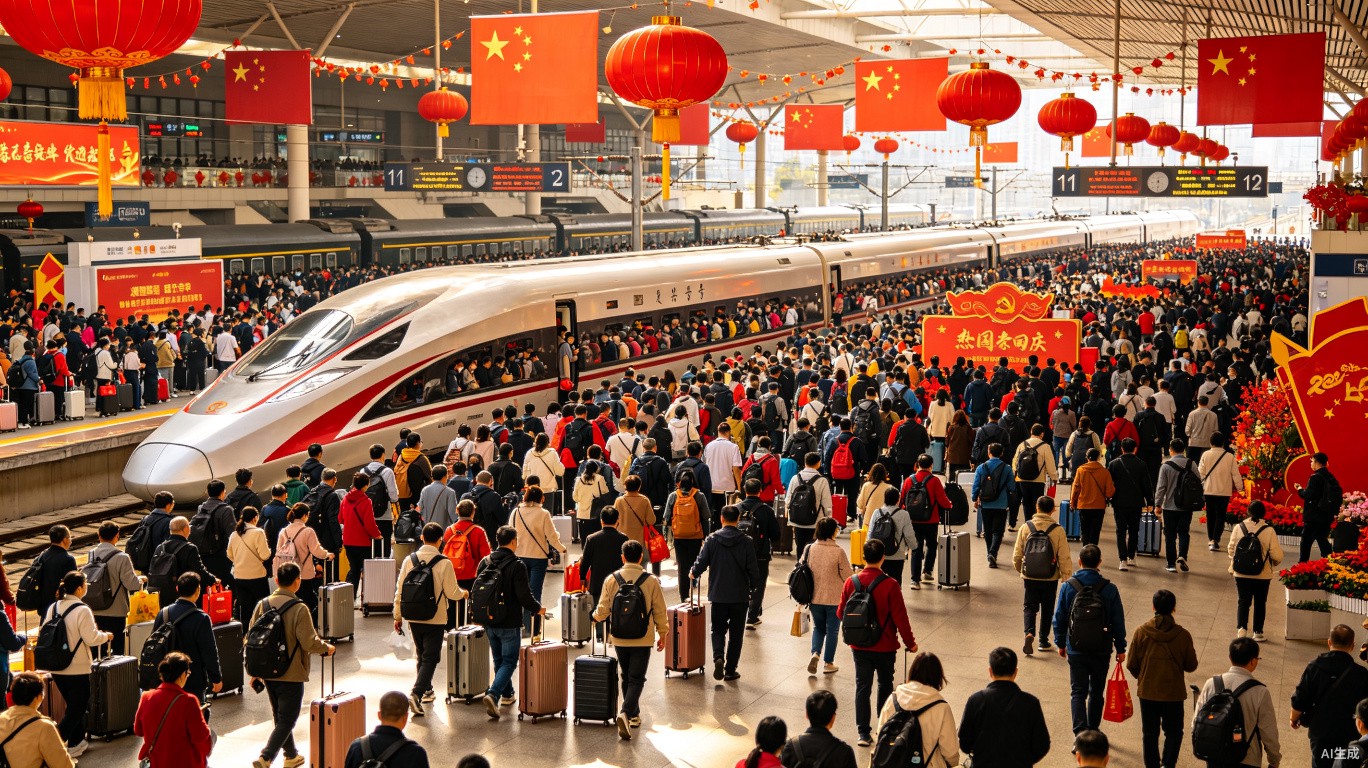
China Golden Week Travel Survival Guide
How to survive China's National Day Golden Week (October 1-7) - what to avoid, where to go, and how to beat the crowds.
9 min read
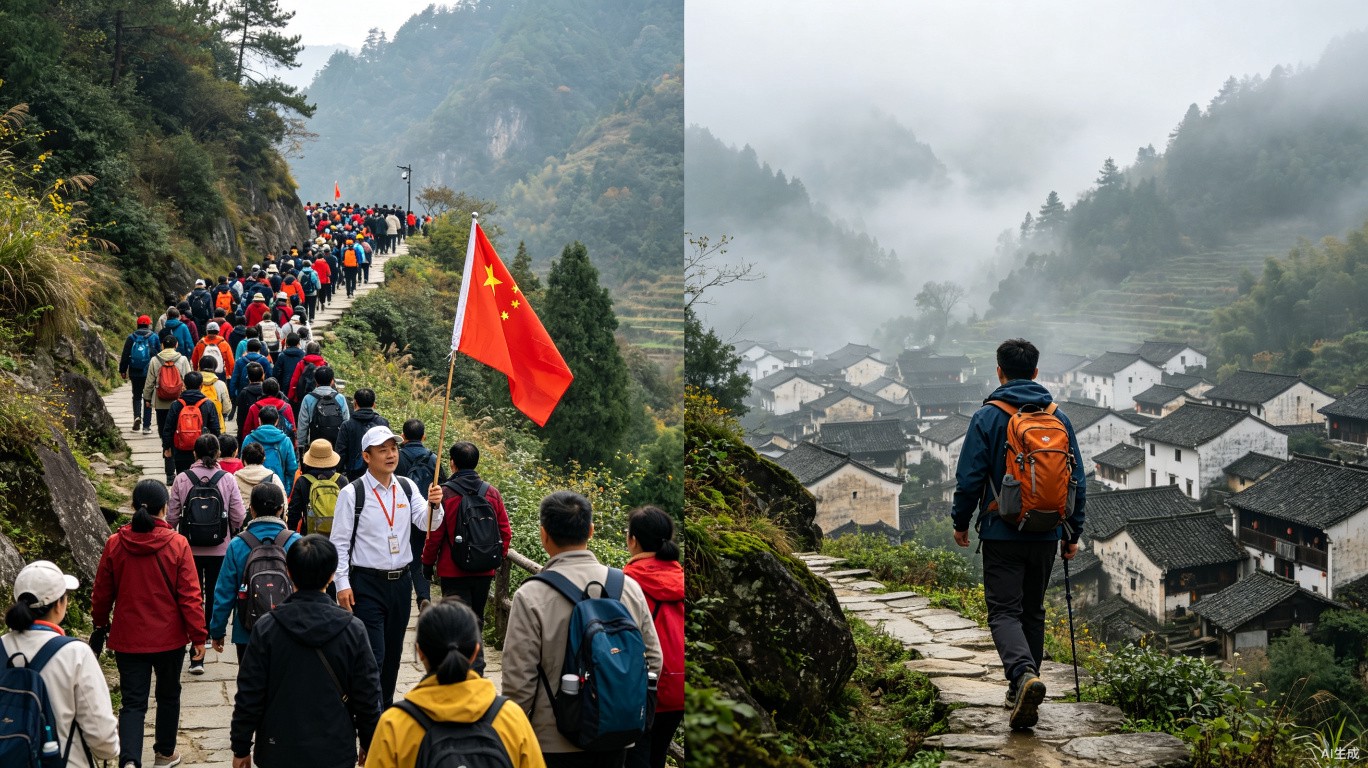
China Group Tours vs Independent Travel Which is Better
Should you join a guided tour or travel independently in China? Honest comparison of cost, flexibility, and experience.
7 min read
China Itinerary Planning: 7-Day 14-Day and 21-Day Routes: The Complete 2026 G...
Not sure how many days to spend in China? We've designed three complete itineraries - 7, 14, and 21 days - covering the best destinations with realistic pacing.
9 min read

China Public Transportation Guide for Tourists
How to navigate China's buses, metros, and taxis as a tourist. Includes subway apps, payment methods, and English-language tips.
8 min read