
Best Places to Visit in Summer: The Complete 2026 Guide
A comprehensive travel guide for international visitors planning a trip to China. Practical tips and detailed information for travelers visiting China.
Best Places to Visit in Summer: The Complete 2026 Guide
The cab driver laughed at me when I asked if he could roll up the window. It was July in Beijing, 38 degrees Celsius, and the air conditioner in his battered Jetta was basically a suggestion. “Summer in China,” he said in Mandarin, wiping sweat from his forehead with a rag, “is not for the weak.” He was right. I’ve spent seven summers here now, and I’ve learned the hard way which places cook you alive and which ones actually let you breathe.
That first summer, I made every mistake. I went to the Great Wall in August and nearly passed out on the stairs. I wandered through Shanghai’s Old Town at noon and regretted every life choice that led me there. But I also discovered things I never expected—a mountain town where the air smelled like pine and cold beer, a lakeside village where the only sound was water lapping against wooden boats, a temple courtyard so high in the mountains that you needed a jacket in July.
This guide is for people who want to see China in summer without suffering through it. I’ve been to every place on this list at least twice, most of them three or four times. Some I hated on first visit and grew to love. Others were love at first sight. All of them will keep you cool, dry, or both—which, trust me, is the whole game in a Chinese summer.
The Short Version
Skip Beijing and Shanghai in July and August unless you enjoy sweating through your shirt before breakfast. Go to Yunnan (Kunming, Dali, Lijiang) for perfect 22°C days. Go to Qingdao for seafood and ocean breezes. Go to Guilin for green mountains that actually look like the photos. Go to Tibet if you have the time and money. Avoid the Yangtze River cruise unless you like humidity that feels like breathing through a wet towel.
How I Picked These
I’ve traveled through every province in China except Taiwan and Xinjiang. For this list, I went back to 12 places during peak summer months over three years, keeping notes on temperature, humidity, tourist density, and how much I wanted to cry at 3 PM. I talked to taxi drivers, hostel owners, street food vendors, and random old men playing chess in parks. I asked them: “Where do YOU go when it’s hot?” This list is the result. It’s subjective, it’s opinionated, and it’s based on actual suffering and joy.
Comparison Table
| Rank | Place | Best For | Approx Cost (USD) | Time Needed | When to Go |
|---|---|---|---|---|---|
| 1 | Dali, Yunnan | Mild weather, lake views, cycling | $30-50/day | 3-5 days | June-September |
| 2 | Qingdao, Shandong | Beaches, beer, seafood | $40-60/day | 2-3 days | July-August |
| 3 | Guilin/Yangshuo, Guangxi | Karst mountains, river rafting | $35-55/day | 4-6 days | June-September |
| 4 | Lijiang, Yunnan | Old town, mountain views | $30-50/day | 3-4 days | June-September |
| 5 | Chengdu, Sichuan | Food, pandas, teahouses | $35-55/day | 3-4 days | June-September |
| 6 | Lhasa, Tibet | High-altitude culture | $60-100/day | 5-7 days | June-August |
| 7 | Kunming, Yunnan | ”Spring City,” flowers, day trips | $25-40/day | 2-3 days | Year-round |
| 8 | Zhangjiajie, Hunan | Avatar mountains, glass bridges | $40-60/day | 3-4 days | June-September |
| 9 | Harbin, Heilongjiang | Russian architecture, cool summer | $30-50/day | 2-3 days | June-August |
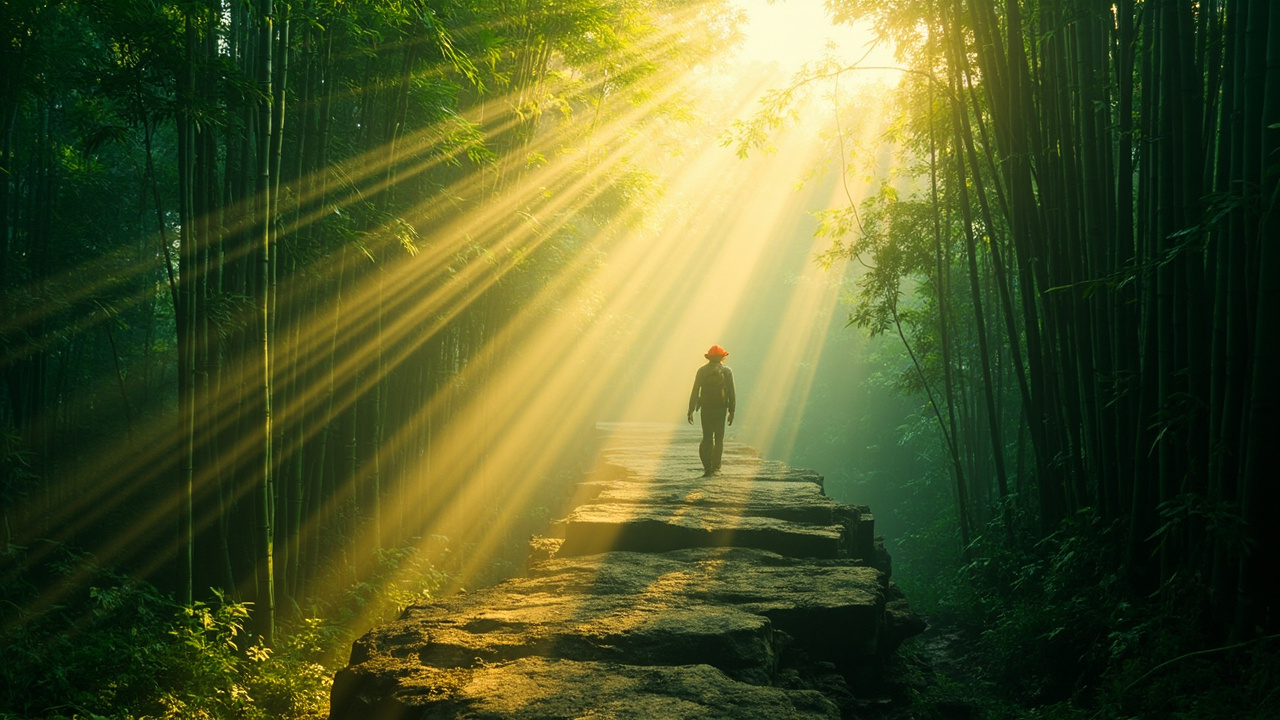
| 10 | Moganshan, Zhejiang | Mountain escape, bamboo forests | $50-80/day | 2-3 days | June-September |
1. Dali, Yunnan — The Town That Made Me Stay
I got off the night bus from Kunming at 6 AM, stiff and tired, and walked toward Erhai Lake. The sun was just coming up over the Cangshan Mountains, turning the water pink and orange. A woman was selling steaming rice noodles from a cart. The air was cool, maybe 18°C. I sat down on a stone bench and ate noodles while watching fishermen paddle out on wooden boats. I stayed for two weeks.
Dali is special because it’s not trying to impress you. The old town has white-walled buildings with gray tile roofs, narrow streets lined with bakeries and tea shops, and a slow pace that feels almost lazy. The lake is the real draw—you can rent a bicycle for $3 (20 RMB) and ride along the eastern shore for hours, passing villages and temples and fields of flowers. The mountains behind the town have hiking trails that lead to waterfalls and monasteries. In July, the temperature rarely goes above 26°C, and it drops to 18°C at night.
📍 Dali Old Town, Dali Bai Autonomous Prefecture, Yunnan 🎫 Free entry to old town. Erhai Lake bike rental: $3 (20 RMB). Cable car up Cangshan: $30 (200 RMB) 🕐 Old town is open 24/7. Shops open 9 AM to 10 PM. Cable car runs 8:30 AM to 5 PM 🚆 Take the bullet train from Kunming to Dali Station (2 hours, $25/170 RMB). From the station, take bus 8 or Didi ($4/30 RMB) to the old town, about 30 minutes ⏰ Visit June through September. Best time: early morning for the lake, late afternoon for the old town. Avoid weekends when domestic tourists flood in 💡 Insider tips: Rent a bike from the shop on Renmin Road near the south gate, not from your hotel (cheaper). Eat at the night market near the north gate for real local food, not the tourist restaurants on Foreigner Street. The Three Pagodas are overrated—skip them and hike the Cangshan instead. Buy a light jacket because evenings get cold. The coffee culture here is surprisingly good—try a local Yunnan pour-over at any of the small cafes on the back streets I met a French guy named Pierre who had come for a weekend and stayed three months. “The lake,” he said, “it does something to your brain.”
2. Qingdao, Shandong — Where Germans Left Beer and the Ocean
The first thing you notice in Qingdao is the smell—salt water mixed with hops from the Tsingtao brewery. The second thing is the architecture: red-roofed German colonial buildings that look like they were dropped here by mistake. I walked along the boardwalk at sunset and watched locals swimming in the Yellow Sea, their heads bobbing in the waves like seals. A man next to me was drinking beer from a plastic bag. “Welcome to Qingdao,” he said, handing me one.
This is China’s best beach city, hands down. The beaches aren’t white sand paradise—they’re urban beaches with showers and lifeguards and vendors selling grilled squid—but the water is clean enough to swim in, and the weather in July and August is warm without being oppressive. The real reason to come is the beer culture. Tsingtao brewery tours cost $6 (40 RMB) and end with a tasting room where you can drink unlimited fresh beer for an hour. The beer is different here—lighter, crisper, nothing like the bottled version you get overseas.
📍 Shinan District, Qingdao, Shandong 🎫 Beer Museum: $6 (40 RMB). Zhanqiao Pier: free. Laoshan Mountain: $15 (100 RMB) 🕐 Beer Museum: 8:30 AM to 5:30 PM. Beaches: open 24/7 but lifeguards on duty 9 AM to 6 PM 🚆 Take the high-speed train from Beijing South to Qingdao Station (3 hours, $45/300 RMB). From the station, it’s a 15-minute walk to the beach ⏰ Visit July and August for beach weather, September for fewer crowds. Best time of day: late afternoon for swimming, evening for beer street 💡 Insider tips: The beer street (Beer Street, literally) on Dengzhou Road is touristy but worth it for the atmosphere—go with a group. The real local experience is buying fresh beer from a plastic bag at a street-side dispenser for $0.50 (3 RMB). Laoshan Mountain has a Taoist temple halfway up that most tourists miss. The seafood market near the pier is cheaper than restaurants—buy live crab and have it cooked at a nearby stall for $5 (35 RMB). English is not widely spoken outside tourist areas, so have your translation app ready I ate a sea urchin from a street cart and the vendor laughed at my face when I tasted it. “Too fresh for you,” he said. He was right.
3. Guilin and Yangshuo, Guangxi — The Postcard Is Real
I rented a scooter in Yangshuo and drove through rice paddies at dusk, the karst mountains rising out of the mist like something from a dream. I’m not usually poetic about landscapes, but this place makes you sound like a bad travel writer because there’s no other way to describe it. The mountains are absurdly beautiful—tall, jagged, green, wrapped in fog. The Li River winds between them, and bamboo rafts float downstream with tourists holding umbrellas.
Guilin city itself is fine—the main draw is the river cruise to Yangshuo, which takes 4-5 hours and costs $50 (350 RMB). Yangshuo is where you want to stay. The town is touristy but in a good way: Western Street (Xijie) is full of bars and restaurants, but five minutes outside town you’re in farmland with water buffalo and old women selling pomelos. The summer heat here is real—35°C with humidity—but the Li River and the caves (Reed Flute Cave, Silver Cave) stay cool. The best activity is renting a bicycle or scooter and exploring the countryside on your own.
📍 Yangshuo County, Guilin, Guangxi 🎫 Li River cruise: $50 (350 RMB). Reed Flute Cave: $12 (80 RMB). Bicycle rental: $3 (20 RMB/day) 🕐 Reed Flute Cave: 8 AM to 5:30 PM. Yangshuo town: shops open 9 AM to 11 PM 🚆 Take the high-speed train from Guilin to Yangshuo Station (30 minutes, $8/55 RMB). From the station, take bus 5 or a Didi ($5/35 RMB) to Yangshuo town, 20 minutes ⏰ Visit June through September. Best time: early morning for the river, late afternoon for cycling. Avoid Chinese holidays (May Day, October National Day) when it’s overcrowded 💡 Insider tips: Skip the Li River cruise and rent a bamboo raft from a local village instead—it’s cheaper and less crowded. The Xianggong Mountain viewpoint is worth the $5 (35 RMB) entry fee for sunset photos. Eat beer fish (li yu) at a restaurant on the side streets, not on West Street. Learn to say “duo shao qian” (how much) because prices double for foreigners. Bring mosquito repellent—the rice paddies are beautiful but buggy I got lost on my scooter and ended up in a village where an old woman invited me into her house for tea. She showed me photos of her son who worked in Shenzhen. We communicated through hand gestures and smiles.
4. Lijiang, Yunnan — The Old Town That Feels Like a Movie Set
The canals in Lijiang’s old town run everywhere—along the streets, under the bridges, past the cafes. The water is clear and cold, straight from the Jade Dragon Snow Mountain. I sat in a second-floor tea house, watching rain fall on the gray tile roofs, listening to the water rush below. A woman in traditional Naxi clothing walked by carrying a basket of vegetables. For a moment, I forgot what year it was.
Lijiang’s old town is a UNESCO World Heritage site, and it shows. The cobblestone streets, the wooden buildings with carved windows, the bridges that date back to the Ming Dynasty—it’s all beautifully preserved. But it’s also crowded, loud, and commercialized. The main streets are wall-to-wall tourists and shops selling the same scarves and silver jewelry. The magic is in the side streets, the ones without signs, where you can wander and find a quiet courtyard or a temple with no one inside. The summer weather is mild—22-26°C during the day, cool at night.
📍 Old Town, Lijiang, Yunnan 🎫 Old town entry: free (was $12/80 RMB until 2023, now waived). Jade Dragon Snow Mountain: $30 (200 RMB) plus cable car $35 (240 RMB) 🕐 Old town: open 24/7. Shops and restaurants: 9 AM to 11 PM 🚆 Take the bullet train from Kunming to Lijiang (3 hours, $30/200 RMB). From the station, take bus 4 or a Didi ($6/40 RMB) to the old town, 25 minutes ⏰ Visit June through September. Best time: early morning (before 9 AM) when the streets are empty. Avoid weekends and Chinese holidays 💡 Insider tips: Stay in a guesthouse outside the old town walls—cheaper and quieter. The Black Dragon Pool is free before 7 AM. Skip the tourist shows at the Naxi Orchestra—they’re overpriced and touristy. Eat at the food market near the north gate for real Naxi cuisine: yak meat, flower pancakes, and a local liquor called su li ma. The Jade Dragon Snow Mountain requires a permit in summer—book online at least a week ahead. Altitude sickness is real here—the mountain base is 3,000 meters I watched a Chinese wedding procession cross one of the old bridges, the bride in red silk, the groom looking nervous, a photographer shouting directions. The locals barely glanced up.
5. Chengdu, Sichuan — The City That Doesn’t Care About Summer
I sat in a bamboo chair at a teahouse in People’s Park, drinking jasmine tea and watching old men play mahjong. It was 34°C outside, but under the canopy of trees, with a fan blowing mist, it felt fine. A man next to me was napping with his mouth open. A woman was having her ears cleaned by a street ear-cleaner—yes, that’s a thing here. Nobody was in a hurry. Chengdu has a way of making you slow down.
The city is famous for two things: pandas and spicy food. The Panda Breeding Base is worth the trip—you’ll see baby pandas rolling around like furry potatoes, and the bamboo gardens are beautiful. The food is the real reason to come. Sichuan cuisine is spicy, numbing, and addictive. Mapo tofu, dan dan noodles, hot pot—you’ll eat things that make your lips go numb and your forehead sweat, and you’ll love it. Summer in Chengdu is hot and humid, but the city handles it well—air conditioning is everywhere, and the locals drink cold beer and eat cold noodles to cope.
📍 Chengdu, Sichuan 🎫 Panda Base: $10 (70 RMB). People’s Park: free. Wuhou Shrine: $8 (55 RMB) 🕐 Panda Base: 7:30 AM to 5 PM (pandas are most active in the morning). People’s Park: 6 AM to 10 PM 🚆 Take the metro to Panda Base Station (Line 3, Exit B). From the station, it’s a 10-minute walk or a free shuttle bus. For People’s Park, take Line 2 to People’s Park Station, Exit A ⏰ Visit June through September. Best time: morning for pandas (they nap in the afternoon), evening for food. Weekdays are less crowded 💡 Insider tips: Go to the Panda Base at 7:30 AM when it opens—the pandas are fed at 8 AM and are most active. Skip the line for the VIP panda viewing—the regular queue moves fast. For hot pot, go to a local chain like Shu Jiuxiang instead of the touristy places on Jinli Street. Learn to say “wei dao hao ji le” (tastes amazing) to impress your waiter. The teahouses in People’s Park are the cheapest in the city—$1 (7 RMB) for a pot of tea with unlimited hot water refills A taxi driver named Mr. Chen told me that Chengdu people don’t care about money. “We care about eating well and enjoying life,” he said. “Everything else is secondary.”
6. Lhasa, Tibet — The Place That Changes How You See the World
I stepped off the train at Lhasa Station and felt dizzy. Not from the altitude—though that came later—but from the light. The sun here is different. It’s brighter, sharper, like someone turned up the contrast on the world. The sky is a blue I’ve never seen anywhere else. The Potala Palace rose in the distance, white and red against the mountains, and I stood there for five minutes not moving.
Lhasa is not an easy trip. You need a permit (Tibet Travel Permit), which your tour operator arranges. You need to deal with altitude sickness—Lhasa is at 3,650 meters. You need to respect local customs and avoid sensitive topics. But if you can handle all that, it’s one of the most extraordinary places in China. The Jokhang Temple, the Barkhor Street kora, the Sera Monastery’s debating monks—these are experiences that stick with you. Summer is the best time to visit because the weather is mild (15-25°C) and the skies are clear.
📍 Lhasa, Tibet Autonomous Region 🎫 Potala Palace: $30 (200 RMB) in summer. Jokhang Temple: $12 (85 RMB). Sera Monastery: $8 (55 RMB) 🕐 Potala Palace: 9 AM to 4 PM (closed Mondays). Jokhang Temple: 7 AM to 5:30 PM 🚆 Take the Qinghai-Tibet train from Xining to Lhasa (20 hours, $60/400 RMB for a soft sleeper). Flights from Chengdu or Beijing are faster (3 hours, $200-400/1400-2800 RMB) ⏰ Visit June through August for the best weather. Avoid winter (November-February) when it’s freezing and many sites close 💡 Insider tips: Acclimatize for two days before visiting high-altitude sites. Drink lots of water and avoid alcohol. The Potala Palace has a strict time limit—you get 1 hour inside. Hire a local Tibetan guide for $30 (200 RMB) for a half-day—they’ll explain things you’d never understand on your own. Don’t take photos inside temples. Bring cash—many places don’t accept cards or WeChat Pay. The Barkhor Street kora is best at dawn when pilgrims walk clockwise around the Jokhang Temple I watched a Tibetan woman prostrate herself flat on the ground in front of the Jokhang Temple, her hands sliding forward on wooden blocks, her face peaceful. She did this for an hour without stopping.
7. Kunming, Yunnan — The City of Eternal Spring (Yes, It’s Real)
The first time I landed in Kunming in July, I walked out of the airport and stopped. The air was cool and dry, like a perfect autumn day. I checked my phone: 23°C. The sky was blue, the flowers were blooming, and I realized I’d made a terrible mistake by spending my first summer in Beijing. Kunming is called “Spring City” for a reason—the temperature stays between 15-25°C year-round. Summer here is a joke. A beautiful, wonderful joke.
The city itself isn’t the main attraction—it’s a modern Chinese city with traffic and malls and high-rises. The draw is the day trips. Stone Forest (Shilin) is a 2-hour bus ride away—a surreal landscape of limestone pillars that look like petrified trees. Dianchi Lake is right in the city, with a boardwalk and birdwatching. The Yunnan Provincial Museum is excellent. And the food—Yunnan cuisine is unique, with influences from Tibet, Burma, and Thailand. Try the “crossing the bridge noodles” (guo qiao mi xian) and the wild mushrooms (in season June-September).
📍 Kunming, Yunnan 🎫 Stone Forest: $25 (175 RMB). Dianchi Lake: free. Yunnan Provincial Museum: free 🕐 Stone Forest: 7:30 AM to 6 PM. Museum: 9 AM to 5 PM (closed Mondays) 🚆 Kunming has two major train stations: Kunming Station (city center) and Kunming South Station (high-speed trains). From the airport, take Metro Line 6 to the city center, 45 minutes ⏰ Visit any time—the weather is always good. Best time for wild mushrooms: July and August. Weekdays are fine 💡 Insider tips: The Stone Forest is crowded on weekends—go on a weekday and arrive at 8 AM. Skip the electric cart inside the forest and walk instead—you’ll see more. The flower market (Dounan Flower Market) is the largest in Asia and worth a visit even if you don’t buy anything. Eat at the night market near Kunming University for cheap, authentic Yunnan food. The local beer is Dali Beer—it’s light and refreshing. English is limited outside tourist areas I ate a wild mushroom hotpot in Kunming that was so good I went back the next night. The owner remembered me and added extra mushrooms. “You understand good food,” he said.
8. Zhangjiajie, Hunan — The Mountains That Inspired Avatar
The glass bridge across the Grand Canyon is 300 meters high. I stepped onto it, looked down at the trees below, and my legs went weak. A Chinese grandmother walked past me without a second glance, taking selfies. I inched forward, gripping the railing. The mountains in the distance—tall, thin pillars of rock rising out of the mist—looked like something from another planet. Which, technically, they are: the floating mountains in Avatar were based on these.
Zhangjiajie National Forest Park is the main attraction. The quartzite sandstone pillars are unlike anything else in China—hundreds of them, some 200 meters tall, covered in green vegetation. The park has cable cars, glass elevators, and hiking trails that take you through the peaks. Summer is hot and humid (30-35°C), but the park is at altitude, so it’s cooler than the lowlands. The crowds are intense—this is one of China’s most popular summer destinations—but the scenery is worth it.
📍 Zhangjiajie, Hunan Province 🎫 National Forest Park: $30 (200 RMB) for 4 days. Tianmen Mountain: $40 (275 RMB). Grand Canyon Glass Bridge: $30 (200 RMB) 🕐 Park: 6:30 AM to 6 PM (summer). Glass Bridge: 7:30 AM to 5 PM 🚆 Take the high-speed train from Changsha to Zhangjiajie (3 hours, $25/170 RMB). From the station, take bus 6 or a Didi ($5/35 RMB) to the park entrance, 20 minutes ⏰ Visit June through September. Best time: early morning (7 AM) to avoid crowds. Weekdays are better than weekends. Avoid Chinese holidays at all costs 💡 Insider tips: Enter through the South Gate instead of the main gate—it’s less crowded. The Bailong Elevator (glass elevator built into a cliff) has a 2-hour wait in summer—skip it and hike the stairs instead (it takes 45 minutes). Tianmen Mountain’s glass walkway is scarier than the Grand Canyon bridge—go if you want a real adrenaline rush. Bring rain gear—the weather changes fast. The park is huge—plan two full days minimum. Stay in Wulingyuan town near the park entrance for easy access I shared a cable car with a family from Shanghai. The grandmother was terrified, clutching her grandson. The grandson, age 6, was calmly explaining the geological formation of the pillars to her. “They’re made of quartzite, grandma. Don’t worry.”
9. Harbin, Heilongjiang — The Russian City That Forgets It’s Summer
Harbin in winter is famous—the Ice Festival, the freezing temperatures, the Russians in fur hats. Harbin in summer is a secret. I walked down Central Street (Zhongyang Dajie) in July, eating a Russian ice cream, past European-style buildings that looked like St. Petersburg. The temperature was 26°C. The air was dry. I could see my breath? No—that’s winter. In summer, Harbin is just… pleasant.
The city was built by Russian engineers during the construction of the Trans-Siberian Railway, and it shows. The architecture is a mix of Russian Orthodox, Art Nouveau, and Chinese. St. Sophia Cathedral, now a museum, is a beautiful red-brick building with green onion domes. The Sun Island park across the Songhua River has beaches and bike paths. The real reason to come in summer is to escape the heat of southern China—Harbin is cool, dry, and relaxed.
📍 Harbin, Heilongjiang Province 🎫 St. Sophia Cathedral: $5 (35 RMB). Sun Island: $6 (40 RMB). Siberian Tiger Park: $15 (100 RMB) 🕐 St. Sophia: 8:30 AM to 5 PM. Sun Island: 8 AM to 5 PM. Tiger Park: 8:30 AM to 4:30 PM 🚆 Take the high-speed train from Beijing to Harbin (5 hours, $60/400 RMB). From the station, take Metro Line 1 to Museum Station, then transfer to Line 2 to Central Street ⏰ Visit June through August. Best time: July for the Harbin Summer Music Festival. Weekdays are quiet 💡 Insider tips: The Russian restaurants on Central Street are overpriced—go to the side streets for better food. The Siberian Tiger Park is controversial (the tigers are in enclosures) but educational—go early when they’re fed. Take a ferry across the Songhua River to Sun Island instead of the bridge—it costs $1 (7 RMB) and is more fun. Buy Russian souvenirs at the market near St. Sophia, not the tourist shops. The beer here is Harbin Beer—it’s the oldest brewery in China and tastes better fresh I sat in a park near St. Sophia and watched a group of old Russian women playing chess with Chinese men. No one spoke the same language. They communicated through the game.
10. Moganshan, Zhejiang — Where Rich Chinese Go to Escape the Heat
The road up Moganshan winds through bamboo forests so thick you can barely see the sky. I rented a room in a converted villa from the 1920s, built by a British merchant who came here to escape Shanghai’s summer heat. The room had high ceilings, a wooden balcony, and no air conditioner—because you don’t need one. At night, the temperature drops to 20°C, and you sleep with the windows open, listening to cicadas and wind through bamboo.
Moganshan was a summer retreat for foreign diplomats and missionaries in the early 20th century, and it still has that colonial feel—stone villas, pine forests, hiking trails that connect old churches and tea houses. Today it’s a weekend getaway for Shanghai’s wealthy, who come here for the boutique hotels, the organic farms, and the cool mountain air. It’s not cheap, but it’s beautiful. The bamboo forests are endless, the trails are well-marked, and the views from the mountaintop are worth the hike.
📍 Moganshan, Deqing County, Zhejiang 🎫 Park entry: $12 (80 RMB). Hiking trails: free. Bike rental: $8 (55 RMB/day) 🕐 Park: 8 AM to 5 PM. Trails: open 24/7 but not lit at night 🚆 Take the high-speed train from Shanghai to Deqing (1 hour, $15/100 RMB). From Deqing station, take bus Y1 or a Didi ($10/70 RMB) to the mountain entrance, 30 minutes. From the entrance, take a shuttle bus up the mountain ($10/70 RMB round trip) ⏰ Visit June through September. Best time: weekdays to avoid Shanghai crowds. Early morning for hiking, evening for sunset 💡 Insider tips: Stay at a guesthouse run by a local family, not a luxury hotel—cheaper and more authentic. The bamboo shoots in spring are a local specialty—try them stir-fried with pork. The trails are well-marked in English—pick up a map at the visitor center. Bring warm clothes for evening—it gets cold. The mountain has no cars allowed—you walk or bike everywhere. The best view is from the “Observatory” at the top of the mountain, an old stone tower built by missionaries I met a retired English teacher named Mr. Zhang who runs a small tea house on the mountain. He served me green tea and told me stories about the foreigners who lived here before 1949. “They knew good places,” he said. “They found this one first.”
FAQ
1. Do I need a visa to visit China in 2026? It depends on your passport. As of 2026, citizens of 54 countries (including the US, UK, Canada, Australia, and most of Europe) can visit for up to 144 hours (6 days) visa-free if transiting through certain cities like Beijing, Shanghai, Guangzhou, or Chengdu. For longer stays, you need a tourist visa (L visa), which costs about $140 (1000 RMB) and takes 4-7 business days to process. Check with your local Chinese embassy for the latest rules—they change often.
2. How do I pay for things in China? WeChat Pay and Alipay are the only ways to pay for almost everything—street food, taxis, train tickets, even temple entry fees. Set them up before you arrive by linking a foreign credit card (Visa/Mastercard) through the app. Some places still accept cash, but you’ll struggle without mobile payment. Bring some cash as backup—about $200 (1400 RMB) for emergencies.
3. Do I need a VPN? Yes. China blocks Google, Facebook, Instagram, WhatsApp, and many other websites and apps. Install a VPN on your phone and laptop before you arrive—Astrill and ExpressVPN work well. Without a VPN, you won’t be able to use Google Maps (use Baidu Maps instead, but it’s in Chinese), check email, or post to social media. Buy a Chinese SIM card at the airport for about $10 (70 RMB) for 10GB of data.
4. Is it safe to travel alone in China? Yes, very safe. China has one of the lowest crime rates in the world for tourists. I’ve traveled alone as a woman through dozens of cities and never felt unsafe. The main risks are scams (overpriced taxis, fake tea ceremonies) and traffic (crossing streets is chaotic). Keep your phone charged, carry your passport, and trust your instincts.
5. How do I get around between cities? High-speed trains are the best option. They’re fast, clean, and cheap—a 3-hour trip costs about $30-50 (200-350 RMB). Book tickets through the Trip.com app (formerly Ctrip) in English. Flights are also an option for longer distances (Beijing to Kunming, 3.5 hours, $100-200/700-1400 RMB). Avoid overnight buses—they’re uncomfortable and slow.
6. What should I pack for summer in China? Light, breathable clothing (cotton, linen), a hat, sunscreen, mosquito repellent, and a reusable water bottle. Pack a light jacket for evenings in mountain towns (Dali, Lijiang, Moganshan) and a rain jacket for sudden storms. Comfortable walking shoes are essential—you’ll walk 10,000+ steps a day. Don’t forget a power bank—you’ll use your phone for everything.
7. Will I get sick from the food? Probably not, but take precautions. Stick to cooked food from busy restaurants (high turnover means fresh ingredients). Avoid street food that’s been sitting out. Drink only bottled or boiled water—tap water is not safe. Bring Imodium and rehydration salts just in case. Your stomach will adjust after a few days.
The Honest Wrap-up
This list is for people who want to see China in summer without suffering. If you’re the type who can handle 40°C heat and 90% humidity, go ahead and visit Beijing and Shanghai in July—they’re incredible cities, and the crowds are thinner because everyone else is smart enough to leave. But if you want to actually enjoy your vacation, if you want to walk outside without immediately regretting it, if you want to sit in a teahouse and watch the world go by without sweating through your shirt—go to Yunnan. Go to Qingdao. Go to the mountains.
My final piece of advice: slow down. China is not a checklist. You don’t need to see 10 cities in 14 days. Pick two or three places from this list, spend a week in each, and let yourself get lost. The best moments I’ve had in China—the ones I still think about years later—were never planned. They were the times I took a wrong turn, sat down at a random restaurant, or said yes to an invitation from a stranger.
Summer in China is hard. But it’s also beautiful. You just have to know where to go.
Topics
More Travel Guide guides
Best Time to See Cherry Blossoms in China 2026: The Complete 2026 Guide
A comprehensive travel guide for international visitors planning a trip to China. Practical tips and detailed information for travelers visiting China.
12 min read
Best Time to Visit China: Month-by-Month Guide: The Complete 2026 Guide
China is massive and each season offers something different. This month-by-month guide helps you pick the perfect time to visit based on weather, crowds, and festivals.
12 min read
China Etiquette: Cultural Do's and Don'ts for Foreigners: The Complete 2026 G...
China has unique social customs that can confuse first-time visitors. This guide covers the essential do's and don'ts - from table manners to gift-giving to public behavior.
12 min read