
China Tea Culture Guide: The Complete 2026 Guide
A comprehensive travel guide for international visitors planning a trip to China. Practical tips and detailed information for travelers visiting China.
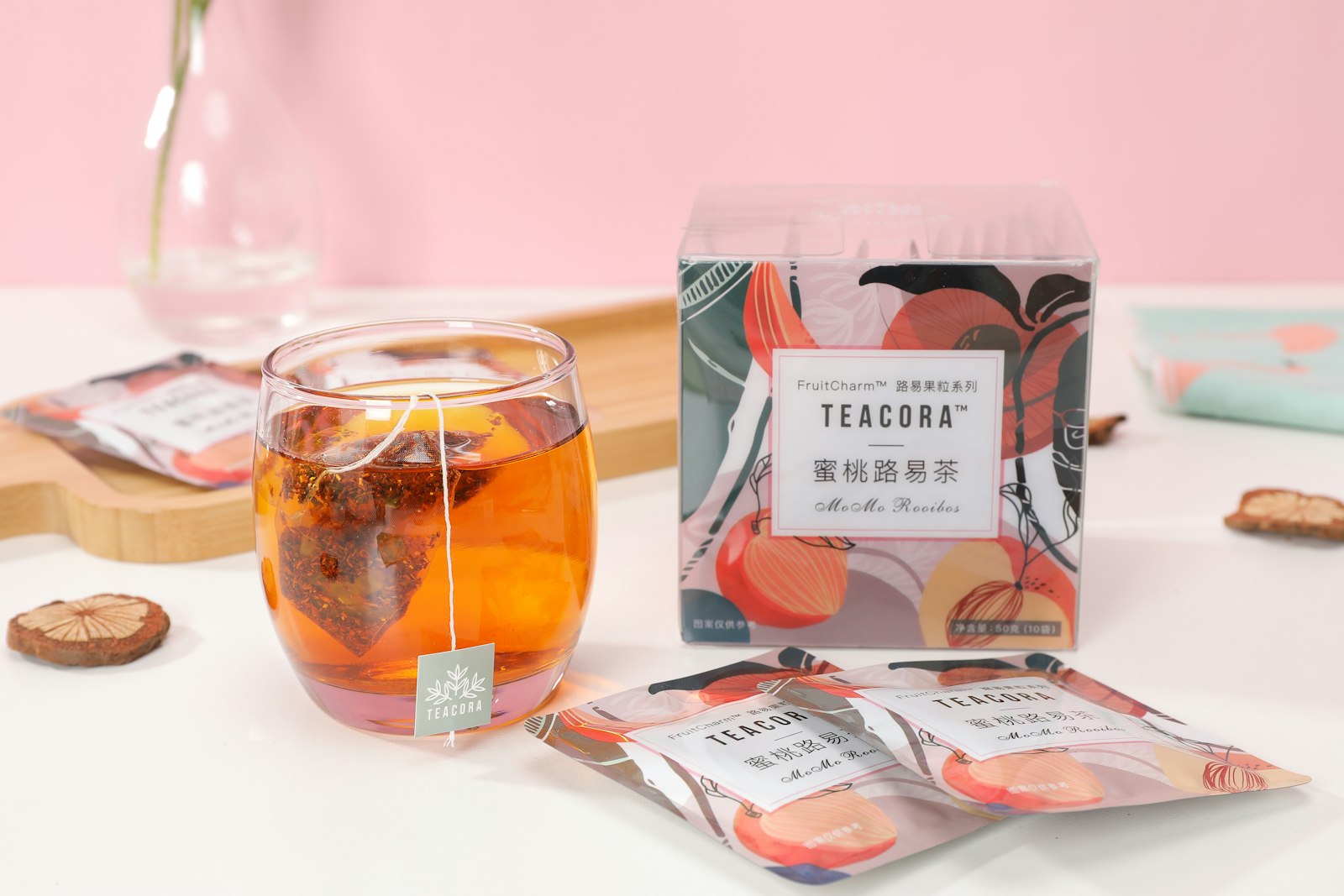
China Tea Culture Guide: The Complete 2026 Guide
The rain had been falling for three hours when I finally found the teahouse. I was soaked through, my phone had died, and the narrow alley in Hangzhou’s Longjing Village seemed to lead nowhere. An old woman in a blue apron gestured from a doorway—come in, come in—and sat me down at a wooden table. She didn’t ask what I wanted. She just put a ceramic cup in front of me, poured water over pale green leaves, and waited.
That first sip changed how I think about China.
Tea isn’t just a drink here. It’s the thing people do when they have nothing to say. It’s the excuse for a negotiation, the peace offering after an argument, the reason to sit still for twenty minutes in a country that moves at bullet-train speed. I’ve been living in Beijing since 2019, and I’ve traveled to every tea-producing region in the country at least twice. This guide is the one I wish I’d had when I first arrived—specific, honest, and built on actual cups of tea drunk in actual places.
You’ll learn where to taste, what to order, how much to pay, and which teahouses are worth your time. You’ll also learn which ones aren’t.
The Short Version
Skip the tourist teahouses near the Forbidden City. Go straight to Hangzhou for green tea, Fujian for oolong, and Yunnan for pu’er. Drink what’s local—don’t ask for jasmine in a village that grows Tieguanyin. Tea ceremonies that cost $50 are for Instagram. Tea that costs $5 and comes from a grandmother’s thermos is the real thing. Bring cash for small shops. Download a translation app. And never, ever pour your own tea if someone else is at the table.
How I Picked These
I spent four years visiting tea mountains, sitting in factory tasting rooms, and getting lost in provincial capital tea markets. I’ve had tea with a 78-year-old farmer in Wuyi Mountain who charged me $2 for a cup of rock oolong that would cost $80 in Shanghai. I’ve also paid $60 for a “premium tasting” in a Beijing mall that was basically hot water with leaves from last year. I cross-checked prices with local friends, asked taxi drivers where they buy their own tea, and went back to places multiple times to make sure the quality was consistent. These ten are the ones I’d send my own parents to.
Comparison Table
| Rank | Place | Best For | Approx Cost (USD) | Time Needed | When to Go |
|---|---|---|---|---|---|
| 1 | Longjing Village, Hangzhou | Green tea origin experience | $10–30 for tasting | Half day | Late March–April |
| 2 | Wuyi Mountain, Fujian | Rock oolong, dramatic scenery | $15–50 for tour+tasting | 1–2 days | October–November |
| 3 | Menghai County, Yunnan | Authentic pu’er, no tourist markup | $5–20 for tasting | Full day | November–March |
| 4 | Malian Dao Tea Market, Beijing | Bulk buying, variety | $5–100+ per 100g | 2–3 hours | Any weekday |
| 5 | Wuyi Tea Museum, Fuzhou | History, free entry | Free | 1–2 hours | Any weekday |
| 6 | Yunnan Tea Museum, Kunming | Pu’er education | Free | 1–2 hours | Any day |
| 7 | Chengdu People’s Park | Cheap tea, local life | $2–5 per pot | 2–3 hours | Any day, morning |
| 8 | Chaozhou Gongfu Tea Houses | Traditional ceremony | $5–15 per session | 1 hour | Afternoon |
| 9 | Shanghai Teahouse Culture Street | Curated shops, easy access | $10–50 per session | Half day | Weekday mornings |
| 10 | Qingdao Laoshan Tea Plantation | Scenic, less crowded | $10–20 for tour | Half day | May–June |
1. Longjing Village — The Place That Made Me Understand Green Tea
The bus dropped me at a roundabout surrounded by tea fields. I’d read that Longjing was special, but I wasn’t prepared for the smell—a grassy, almost buttery scent that hung in the humid air. A farmer named Chen waved me over to his courtyard, where bamboo baskets of leaves sat drying in the sun. He handed me a cup of tea that looked pale, almost watery. I took a sip and my brain stuttered. It tasted like chestnuts and fresh grass and something I still can’t name.
Longjing is the most famous green tea in China, and the village is the real thing—not a tourist replica. The fields climb the hillsides in neat terraces, and every family processes their own harvest in small workshops behind their homes. You can walk through the village in an hour, but plan to sit down at a family-run shop for a proper tasting. The tea here costs about $20–40 (140–280 CNY) per 100g for decent quality, but the tasting is usually free if you buy something.
📍 Xihu District, southwest Hangzhou, at the foot of the mountains
🎫 Free to enter village; tastings $5–15 (35–105 CNY)
🕐 Shops open 8 AM–6 PM daily; best to go before noon
🚆 Take Line 1 to Longxiangqiao Station, Exit A, then bus 27 to Longjing Village stop (30 minutes). Or take a taxi from Hangzhou city center for about $8 (55 CNY).
⏰ Visit in late March to early April for the spring harvest. Weekdays are quiet; weekends are packed with Chinese tourists.
💡 Don’t buy tea from the first shop you see. Walk to the upper part of the village where prices drop. The farmers use a specific hand-flattening technique—ask to watch them work. Most shops accept WeChat Pay but not credit cards. Bring cash just in case. The water temperature matters: 80°C, not boiling, or you’ll burn the leaves.
I bought 200g from Chen and he threw in a free tin and a handwritten note about steeping times. I still have the note.
2. Wuyi Mountain — Where Tea Grows on Cliffs and Costs a Fortune
The first thing you notice is the rock. Wuyi Mountain isn’t a mountain—it’s a range of sheer sandstone cliffs that look like they were dropped from space. Tea grows in the cracks. The most famous, Da Hong Pao, comes from six bushes on a cliff face that are over 350 years old. A tasting of the real stuff can cost $200. I drank the village version for $8 and it was still the best oolong I’ve ever had.
This is the home of rock oolong (yancha), a category that includes Da Hong Pao, Rou Gui, and Shui Xian. The flavor is mineral and complex, with a finish that lingers for minutes. The village of Wuyishan at the base of the mountains has dozens of small shops where you can taste and buy directly from growers. Prices range from $10 to $100 per 100g depending on quality.
📍 Wuyishan City, northern Fujian Province
🎫 Park entry $20 (140 CNY); tea tastings $5–50 (35–350 CNY)
🕐 Park open 6 AM–6 PM; shops in village open 8 AM–9 PM
🚆 Take the high-speed train to Wuyishan North Station, then bus 6 or taxi ($5/35 CNY) to the scenic area entrance.
⏰ October and November are best—harvest season, cool weather, fewer crowds.
💡 Don’t buy Da Hong Pao from a shop that claims to sell the original bushes. The real ones are protected and not for sale. Look for “Bei Dou” or “Que She” cultivars instead—they’re clones of the original and taste nearly identical. Bring a thermos for hot water; many shops will let you taste for free if you bring your own cup. The hiking trails in the park are steep but worth it—the view from the top of Tianyou Peak is ridiculous.
I got lost on the trail and a local noodle shop owner walked me back to the village, then insisted I try his private stash of 15-year-old aged oolong. I tried to pay him. He refused.
3. Menghai County — The Raw Heart of Pu’er
The road to Menghai winds through rubber plantations and banana groves before the tea mountains appear. This is where the serious pu’er drinkers go. The county produces about 30% of all pu’er in China, and the villages here—Nannuo, Banzhang, Bulang—are legendary among collectors. I went to a farmer’s house in Nannuo and he pulled out a cake of raw pu’er from 2005, pressed with bamboo leaves. The flavor was like dried apricots and leather and time.
Pu’er comes in two forms: raw (sheng) and ripe (shou). Raw is aged naturally over years; ripe is artificially fermented in months. Both are worth trying, but raw is where the complexity lives. A good cake from Menghai costs $30–100 (210–700 CNY) and will last you months.
📍 Menghai County, Xishuangbanna Prefecture, Yunnan
🎫 Free to enter villages; tastings $5–20 (35–140 CNY)
🕐 Villages active 8 AM–6 PM; tea factories open for tours 9 AM–5 PM
🚆 Fly to Xishuangbanna Gasa Airport (JHG), then take a taxi or bus to Menghai (1.5 hours, $20/140 CNY). No train yet.
⏰ November to March is dry season—better for travel and tea processing. Avoid June–August (rainy season, muddy roads).
💡 Most pu’er is sold in 357g cakes. A good price for decent raw pu’er is $0.10–0.20 per gram. If a shop charges more than $0.50 per gram, you’d better know what you’re buying. Learn the difference between “gushu” (old tree) and “taidi” (plantation) tea—old tree is smoother and more expensive. Bring a translation app; English is rare in the villages. Don’t buy ripe pu’er that smells like fish—that’s poor fermentation.
I bought a cake from a woman who didn’t speak a word of English. We communicated through gestures and shared cups of tea for two hours. She wrote her phone number on the wrapper in case I wanted more.
4. Malian Dao Tea Market — Beijing’s Best Place to Buy Without Getting Ripped Off
The first time I walked into Malian Dao, I felt like I was in a tea-themed casino. Rows of stalls, each piled high with ceramic jars, bamboo baskets, and loose leaves spread across counters. The sellers shout at you to try their tea. It’s overwhelming. But once you learn the system, this is the best place in Beijing to buy quality tea at fair prices.
The market has about 200 vendors, each specializing in different regions. Some focus on Longjing, others on oolong or pu’er. The trick is to walk the entire market first, note which shops have the tea you want, then go back and negotiate. Prices are 30–50% lower than what you’d pay in a tourist shop.
📍 Malian Dao, Xicheng District, Beijing (near Guang’anmen)
🎫 Free entry
🕐 9 AM–7 PM daily
🚆 Take Line 7 to Guang’anmennei Station, Exit B, walk south 500 meters.
⏰ Weekday mornings are best—fewer customers, more attention from sellers.
💡 Never buy from the first shop. Say “I’m just looking” and keep walking. When you find tea you like, ask for the “lowest price” (zuidi duoshao qian). Offer 50% of what they quote and negotiate up. Bring cash for small purchases; larger shops take WeChat Pay. Don’t buy tea that’s sold in sealed plastic bags—it’s usually old or low quality. Ask to smell the dry leaves before you commit.
I once spent three hours at a pu’er stall run by a guy named Zhang. He made me try seven different cakes, told me about his hometown in Yunnan, and charged me $25 for a cake that would’ve been $80 in a boutique.
5. Wuyi Tea Museum, Fuzhou — Free History Lesson
I walked into this museum expecting a dusty collection of pots and scrolls. What I got was a beautifully curated space that explained the entire history of Chinese tea—from its origins in Yunnan through the Tang Dynasty tea culture to the modern industry. The exhibits are in Chinese and English, and there’s a small tasting room where you can try Fujian teas for free.
It’s not flashy, but it’s thorough. You’ll learn about the six categories of tea, the difference between hand-processing and machine-processing, and why Fujian became the center of oolong production. The museum is in a quiet part of Fuzhou, far from the tourist crowds.
📍 Gushan, Jin’an District, Fuzhou
🎫 Free
🕐 9 AM–5 PM, closed Mondays
🚆 Take bus 29 or 70 to Gushan stop, walk 200 meters.
⏰ Any weekday. Avoid weekends when school groups visit.
💡 The museum has a small shop that sells tea at reasonable prices—good for souvenirs. The staff can explain the differences between Tieguanyin, Da Hong Pao, and Wuyi rock oolong in simple terms. Bring your passport; the museum sometimes requires registration for foreign visitors.
I spent two hours there and learned more than I had in three years of drinking tea in Beijing.
6. Yunnan Tea Museum, Kunming — Where Pu’er Finally Made Sense
Before I visited this museum, I thought I understood pu’er. I didn’t. The museum in Kunming has exhibits on the ancient Tea Horse Road, the fermentation process, and the aging of pu’er cakes. There’s a room where you can smell different vintages—2010, 2005, 1998—and taste how the flavor changes over time.
The museum is small and slightly faded, but the information is solid. The staff are retired tea researchers who will talk your ear off if you show genuine interest. One of them spent 20 minutes explaining why ripe pu’er was invented in the 1970s (to mimic aged raw pu’er for a growing market).
📍 119 Qingnian Road, Kunming
🎫 Free
🕐 9 AM–5 PM, closed Sundays
🚆 Take bus 2 or 54 to Qingnian Road stop.
⏰ Weekday mornings, when the researchers are around.
💡 Ask to see the “tea cave”—a temperature-controlled room where they age cakes. It’s not always open to the public, but if you ask nicely, they’ll let you in. The museum shop sells good pu’er at factory prices. Bring cash; the shop doesn’t take cards.
I bought a 200g cake of 2015 raw pu’er for $15. The researcher who sold it to me wrote the brewing instructions on the wrapper in English.
7. Chengdu People’s Park — Tea for the Price of a Bottle of Water
You want to see how Chinese people actually drink tea? Go to People’s Park in Chengdu on a Sunday morning. The park has several outdoor teahouses where locals sit on bamboo chairs, drink from lidded bowls, and play cards for hours. A pot of jasmine tea costs about $2 (14 CNY). No ceremony, no fuss. Just tea and conversation.
The teahouse near the lake is the most popular. You’ll see old men with caged birds, couples on dates, and groups of friends arguing over mahjong. The tea is basic—it’s not high-end—but the experience is priceless. This is tea as a social ritual, not a luxury product.
📍 People’s Park, Qingyang District, Chengdu
🎫 Free park entry; tea $2–5 (14–35 CNY)
🕐 Teahouses open 7 AM–7 PM
🚆 Take Line 2 to People’s Park Station, Exit B, walk 100 meters east.
⏰ Sunday mornings for the full local experience.
💡 Grab a seat near the lake—better breeze, better people-watching. Don’t expect service; you order at the counter and carry your own tea. The lids on the bowls are for skimming leaves, not for drinking through. Watch how locals hold the lid and tilt the bowl—it takes practice. Bring small bills; the teahouses don’t take cards.
I sat there for three hours, drank three pots of tea, and paid less than $7. A man at the next table offered me a cigarette and a nod. No words needed.
8. Chaozhou Gongfu Tea Houses — The Most Serious Tea Ceremony You’ll Ever See
Chaozhou doesn’t get many foreign tourists, which is exactly why you should go. The city in eastern Guangdong is the home of gongfu tea—a precise, almost obsessive method of brewing that uses tiny cups, a small clay pot, and multiple infusions. The ceremony takes about 15 minutes for a single session, and every step has a purpose.
The teahouses here are family-run and no-nonsense. You sit at a wooden table, the tea master heats the water, rinses the cups, and pours the first infusion. The tea is usually Phoenix Dan Cong, a fragrant oolong that changes flavor with each steeping. It’s intense, bitter-sweet, and absolutely addictive.
📍 Chaozhou Old City, Guangdong Province
🎫 $5–15 (35–105 CNY) for a session
🕐 Teahouses open 10 AM–10 PM
🚆 Take the high-speed train to Chaozhou Station, then taxi to the old city ($5/35 CNY).
⏰ Evening sessions are best—the tea masters are relaxed and the old city is quiet.
💡 Don’t touch the cups until the tea master places them in front of you. The small cups are for aroma as much as drinking—smell the empty cup after you finish. Phoenix Dan Cong has a natural sweetness that doesn’t need sugar. If you want to buy tea, ask for “Mi Lan Xiang” (honey orchid fragrance)—it’s the most approachable for beginners. Bring a translation app; English is rare.
The tea master at my favorite teahouse, Mr. Lin, told me he’d been doing this for 40 years. He poured 12 infusions from the same leaves, each one different.
9. Shanghai Teahouse Culture Street — Curated, Clean, and Easy
If you only have a day in Shanghai and want a proper tea experience without leaving the city, go to the Teahouse Culture Street on Tianyaoqiao Road. It’s a pedestrian street lined with shops that sell everything from $5 tea eggs to $500 pu’er cakes. The shops are curated—no obvious tourist traps—and the owners speak some English.
The street has about 20 teahouses, each with a different focus. Some specialize in Japanese-style matcha, others in Taiwanese oolong. The best one for beginners is a small shop called “Tea Story” run by a woman named Li. She’ll walk you through a tasting of three teas for about $15 (105 CNY) and explain each one without the pretension.
📍 Tianyaoqiao Road, Xuhui District, Shanghai
🎫 Free entry; tastings $10–30 (70–210 CNY)
🕐 Shops open 10 AM–8 PM
🚆 Take Line 1 to Shanghai Indoor Stadium Station, Exit 3, walk 300 meters north.
⏰ Weekday mornings, when the street is empty and owners have time to chat.
💡 Don’t buy tea from the shops that have loud music or flashy signs—they’re targeting tourists. Look for shops with wooden shelves, ceramic jars, and a person sitting at a tea table. Ask for a “tasting menu” (changcha) before you buy. Most shops will brew you samples for free if you show genuine interest.
I bought a small bag of Taiwanese oolong from Li and she gave me a card with brewing instructions in English. I’ve reordered from her three times since.
10. Qingdao Laoshan Tea Plantation — Green Tea by the Sea
Most people go to Qingdao for the beer. I went for the tea. Laoshan, a mountain on the city’s eastern edge, is one of the northernmost tea-growing regions in China. The climate is cooler and wetter than the south, which gives the tea a distinct flavor—lighter, more vegetal, with a hint of sea breeze.
The plantations here are small and family-owned. You can walk through the fields, watch the processing, and sit on a terrace overlooking the Yellow Sea while you drink. It’s less famous than Longjing, which means fewer crowds and lower prices. A good Laoshan green tea costs about $10–20 (70–140 CNY) per 100g.
📍 Laoshan Scenic Area, Qingdao, Shandong
🎫 Park entry $15 (105 CNY); tea plantation tours $10–20 (70–140 CNY)
🕐 Plantations open 8 AM–5 PM
🚆 Take bus 304 or 802 from Qingdao city center to Laoshan Taiqing Scenic Area.
⏰ May and June, when the spring harvest is fresh. Avoid weekends.
💡 The best tea comes from the upper slopes—ask for “Laoshan Yunwu” (cloud mist). The plantations near the coast produce a slightly salty flavor that pairs well with seafood. Don’t expect English; bring a translation app. The hike up Laoshan is steep but worth it—the temple at the top has a small teahouse.
I drank a cup of Laoshan green tea while watching fishing boats in the distance. It was the quietest hour of my entire trip.
FAQ
Q: Do I need to bring my own tea when visiting China?
A: No. You can buy excellent tea everywhere. But if you have a favorite from home, bring a small bag—it’s a great conversation starter with locals.
Q: How do I pay for tea in small shops?
A: Cash is still king in villages and small markets. In cities, WeChat Pay and Alipay are standard. Set up Alipay before you arrive—it works with foreign credit cards now. Credit cards are rarely accepted at tea shops.
Q: Do I need a VPN to use Google Maps or WhatsApp in China?
A: Yes. Download a VPN before you leave. Without it, Google Maps, Gmail, and WhatsApp won’t work. I use Astrill or ExpressVPN. WeChat works without a VPN.
Q: How do I know if I’m being overcharged for tea?
A: Compare prices at multiple shops. For green tea, $10–30 per 100g is reasonable for good quality. For oolong, $15–50. For pu’er, $0.10–0.30 per gram. If a shop charges more than double these ranges, walk away.
Q: Is it rude to bargain for tea?
A: In markets and shops, bargaining is expected. In teahouses and tasting rooms, it’s considered rude. If you’re sitting down for a ceremony, accept the price they quote.
Q: What’s the best tea for a beginner?
A: Start with a good Tieguanyin (oolong) or a Longjing (green tea). Both are forgiving to brew and have flavors that Western palates recognize. Avoid pu’er until you’ve had some practice.
Q: Can I bring tea back home?
A: Yes. Dried tea leaves are allowed in most countries. Pack them in your checked luggage. The US allows up to $800 worth of tea duty-free. The EU allows up to €430. Check your country’s customs limits before you buy.
The Honest Wrap-up
This list is for people who want to taste China, not just see it. If you want a photo of yourself holding a teacup with a mountain in the background, go to the tourist teahouses—they’re fine. But if you want to understand why tea matters here, you need to sit in a village kitchen or a park bench or a dusty shop and let someone pour you a cup.
My final advice: buy less tea than you think you need. You’ll find better stuff around the next corner. And when you do find something you love, buy double. You’ll regret it when you’re back home and the bag is empty.
The best cup of tea I ever had in China was free, served in a cracked ceramic cup by a woman who didn’t speak English, in a village I can’t find on a map. I’ve been chasing that cup ever since.
Topics
More Travel Guide guides
Best Time to See Cherry Blossoms in China 2026: The Complete 2026 Guide
A comprehensive travel guide for international visitors planning a trip to China. Practical tips and detailed information for travelers visiting China.
12 min read
Best Time to Visit China: Month-by-Month Guide: The Complete 2026 Guide
China is massive and each season offers something different. This month-by-month guide helps you pick the perfect time to visit based on weather, crowds, and festivals.
12 min read
China Etiquette: Cultural Do's and Don'ts for Foreigners: The Complete 2026 G...
China has unique social customs that can confuse first-time visitors. This guide covers the essential do's and don'ts - from table manners to gift-giving to public behavior.
12 min read