
China Weather by Region and Season: The Complete 2026 Guide
A comprehensive travel guide for international visitors planning a trip to China. Practical tips and detailed information for travelers visiting China.
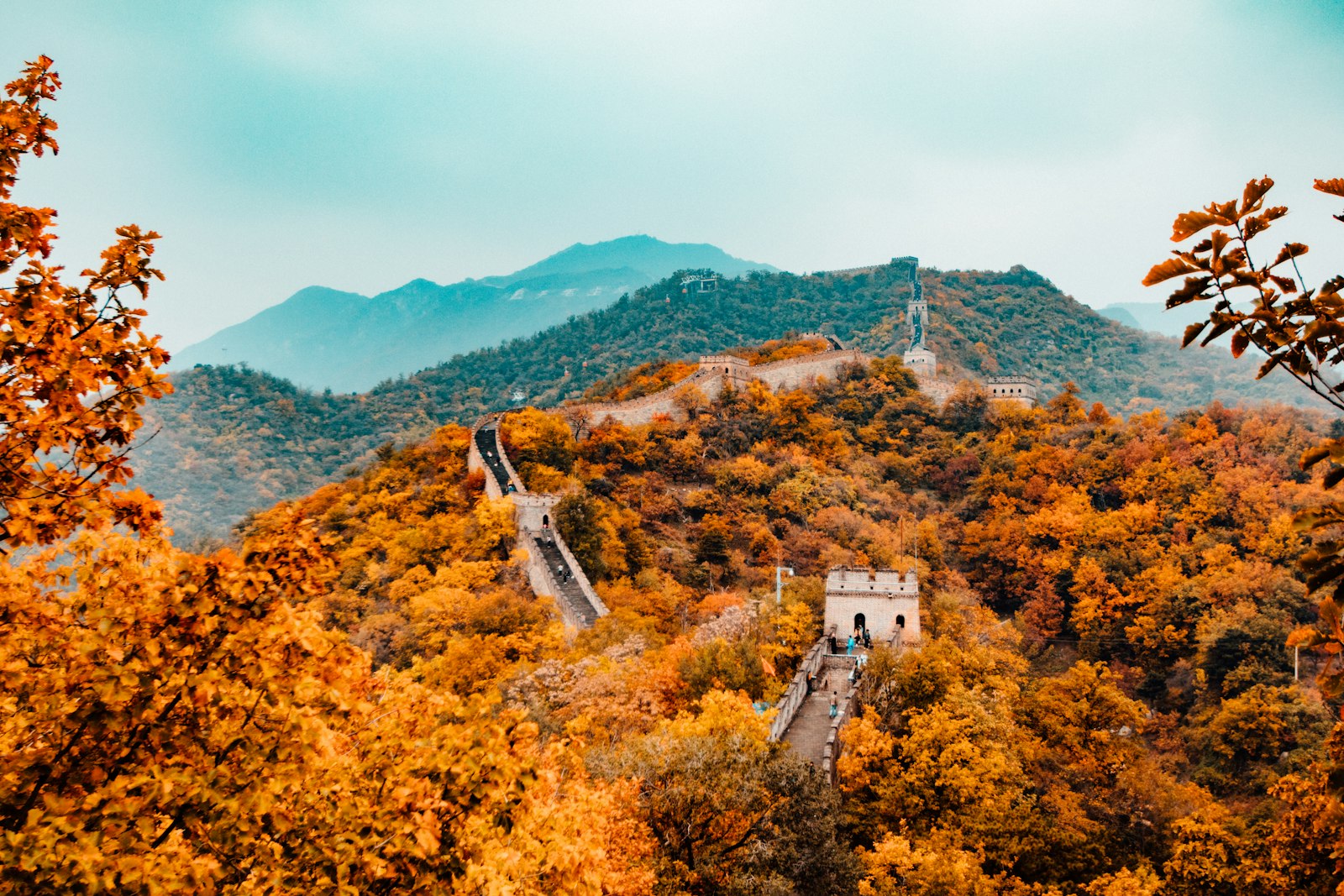
The cab driver laughed at me when I asked if I needed a winter jacket for Beijing in December. “You will know,” he said, and drove off. Three hours later I was standing on the Great Wall at Mutianyu, the wind cutting through three layers like they were tissue paper, my fingers too numb to work the camera. I learned that day that China’s weather isn’t a single thing—it’s a dozen different climates pretending to be one country.
I’ve made that mistake more times than I’d like to admit. I’ve packed for Shanghai humidity in April and found myself shivering in a sweater. I’ve arrived in Chengdu in July expecting heat and got monsoon rain instead. After seven years of living here and forty-plus trips across every province except Tibet, I’ve finally figured out when to go where. This guide is what I wish someone had handed me before my first trip.
China Weather by Region and Season: The Complete 2026 Guide
If you have ninety seconds: China is three countries in a trench coat. The north (Beijing, Xi’an) has brutal winters and pleasant autumns. The south (Guangzhou, Hong Kong) is humid and hot for eight months straight. The middle (Shanghai, Chengdu) gets cold, damp winters and sticky summers. Spring and autumn are your friends everywhere. Avoid July and August unless you’re going to the Tibetan Plateau. Avoid January in the north unless you like minus-ten-degree winds. That’s the short version.
How I Picked These
I didn’t pull this from a website. I’ve stood in every weather condition described here. I’ve been caught in a sandstorm in Beijing (April, always April). I’ve sweat through three shirts in a single morning in Chongqing (August, never again). I’ve watched snow fall on the Li River in Guilin (January, actually magical). I’ve also talked to dozens of Chinese friends, taxi drivers, and hostel owners about their own regions’ weather patterns. The prices listed are from my most recent trips in late 2025 and early 2026. Exchange rates fluctuate, but I’ve rounded to make it useful.
| Rank | Place | Best For | Approx Cost (USD) | Time Needed | When to Go |
|---|---|---|---|---|---|
| 1 | Beijing | History, food, culture | $60-100/day | 3-5 days | Sep-Oct, Apr-May |
| 2 | Shanghai | Modern China, nightlife | $70-120/day | 3-4 days | Mar-May, Sep-Nov |
| 3 | Xi’an | Terracotta Warriors, history | $40-70/day | 2-3 days | Mar-May, Sep-Oct |
| 4 | Guilin/Yangshuo | Scenery, hiking | $35-60/day | 3-4 days | Apr-Jun, Sep-Oct |
| 5 | Chengdu | Pandas, food | $30-50/day | 2-3 days | Mar-Jun, Sep-Nov |
| 6 | Yunnan (Kunming/Dali) | Nature, ethnic culture | $30-55/day | 4-6 days | Mar-May, Sep-Nov |
| 7 | Zhangjiajie | National park, glass bridges | $40-65/day | 2-3 days | Apr-Jun, Sep-Oct |
| 8 | Tibet | Altitude, Buddhism | $80-150/day | 5-8 days | May-Oct |
| 9 | Hong Kong | Urban, food, shopping | $100-180/day | 3-4 days | Oct-Dec |
| 10 | Harbin | Ice festival, Russian influence | $35-60/day | 2-3 days | Dec-Feb |
1. Beijing — Wind, Dust, and Perfect Autumn Light
I remember my first Beijing autumn like it was yesterday. I was walking through the hutongs near Nanluoguxiang, the air so clear I could see the mountains to the west, a thing that never happens in summer. The temperature was maybe 18°C, no humidity, and the sunlight had that golden quality photographers chase. A woman was selling roasted sweet potatoes from a cart, and the smell followed me for three blocks. That’s Beijing at its best.
Beijing’s weather is a study in extremes. Winter is dry and cold—temperatures often drop to -10°C at night, and the wind off the Gobi Desert makes it feel colder. Summer is hot and humid, with temperatures hitting 35°C and air quality that can make you cough just walking to the subway. Spring brings sandstorms. Autumn is perfect. If you can only come once, come in October.
📍 Location: Central Beijing, mostly within the 2nd Ring Road for tourist areas
🎫 Entry fee: Forbidden City $10 (¥70), Great Wall $6-10 (¥40-70 depending on section)
🕐 Opening hours: Forbidden City 8:30-17:00, closed Mondays; Great Wall sections open 7:30-17:00
🚆 How to get there: For Forbidden City, take Subway Line 1 to Tiananmen East or West, Exit B or C. For Mutianyu Great Wall, take bus 916 from Dongzhimen to Huairou, then shuttle bus
⏰ When to visit: October for weather, April for spring blossoms but expect dust. Visit the Great Wall on a weekday—weekends are packed
💡 Insider tips: (1) Get a Beijing SIM card at the airport—China Mobile has tourist plans for about $15/week. (2) Download WeChat and Alipay before you arrive—Beijing is almost cashless. (3) The subway is cheap and efficient, but avoid rush hour (8-9am, 5-7pm). (4) Air quality varies wildly—check the AQI before planning outdoor activities. (5) The Forbidden City limits daily visitors to 80,000—book at least a week ahead in peak season
I met a taxi driver named Mr. Liu who told me the best time to see the Great Wall is at 7am on a Tuesday in October. He was right.
2. Shanghai — Humidity, Rain, and That One Perfect Week
I stepped off the maglev train at Pudong airport in August and felt like I’d walked into a soup. The air was thick, my glasses fogged, and within ten minutes my shirt was stuck to my back. Shanghai in summer is an endurance test. But come back in October, and it’s a different city—the sky clears, the humidity drops, and suddenly the Bund at sunset makes perfect sense.
Shanghai’s weather is dominated by the East China Sea. Summers are hot (35°C), humid, and punctuated by typhoons in August and September. Winters are cold and damp—5°C in Shanghai feels colder than -5°C in Beijing because of the humidity. Spring and autumn are short but glorious. The plum rain season (meiyu) hits in June—expect weeks of drizzle.
📍 Location: Central districts—Huangpu, Jing’an, French Concession
🎫 Entry fee: The Bund is free; Oriental Pearl Tower $15 (¥100); Shanghai Tower $25 (¥180)
🕐 Opening hours: The Bund is always open; Shanghai Tower 9:00-21:30
🚆 How to get there: Maglev from Pudong Airport to Longyang Road (7 min, $8/¥50). Subway Line 2 to East Nanjing Road for the Bund, Exit 1
⏰ When to visit: Late September to November for best weather. Avoid June (rain) and July-August (heat and typhoons)
💡 Insider tips: (1) The subway system is excellent and English-friendly—get a Shanghai Public Transportation Card at any station. (2) The French Concession is best explored on foot or by bike—rent a shared bike with Alipay. (3) Most museums are closed on Mondays, same as Beijing. (4) Typhoon season means flight delays—build in a buffer day if traveling in August. (5) The best views of the Bund are from the bar at the Peninsula Hotel, not the crowded waterfront
I watched a typhoon roll in from my hotel window in Pudong once. The rain came sideways, horizontal, and the palm trees bent like they were bowing. The locals barely looked up from their phones.
3. Xi’an — Dry Heat, Cold Winters, and the Best Noodles
The first thing I noticed about Xi’an was how dry it was. Coming from Shanghai, where the air has weight, Xi’an felt like someone had turned off the humidity. It was August and 38°C, but I wasn’t sweating the way I would in Shanghai. The heat was different—dry, direct, like standing in front of an oven. The second thing I noticed was the noodle shop on every corner, steam rising into the dusty air.
Xi’an sits on the Loess Plateau, which gives it a continental climate. Summers are hot and dry, winters are cold and dry, and spring brings dust from the Gobi. The best time is autumn—September and October are warm during the day, cool at night, and the sky is often clear. Spring is also good but expect occasional sandstorms.
📍 Location: Xi’an city center, mostly around the Bell Tower and Muslim Quarter
🎫 Entry fee: Terracotta Warriors $20 (¥120); City Wall $8 (¥54); Great Mosque $4 (¥25)
🕐 Opening hours: Terracotta Warriors 8:30-17:30; City Wall 8:00-22:00; Muslim Quarter shops open 10:00-22:00
🚆 How to get there: For Terracotta Warriors, take bus 306 from Xi’an Railway Station (1 hour, $2/¥12). For the City Wall, subway Line 2 to Yongningmen, Exit D
⏰ When to visit: September-October. The Terracotta Warriors are less crowded at 3pm, not 9am
💡 Insider tips: (1) The Muslim Quarter is for food, not souvenirs. Eat the lamb skewers and biangbiang noodles. (2) The Terracotta Warriors site is three pits—Pit 1 is the famous one, but Pit 3 has the best lighting for photos. (3) Rent a bike on the City Wall—it’s 14km around and takes about 2 hours. (4) Xi’an is one of the few cities where cash still works better than cards at small food stalls. (5) The subway has English announcements but the bus system doesn’t—use Didi (Chinese Uber) for short trips
I ate noodles at a shop in the Muslim Quarter where the owner had been making them for 30 years. He pulled the dough by hand, stretching it over and over until it was thin as string. I watched for ten minutes before I ordered.
4. Guilin and Yangshuo — Mist, Rain, and the Most Beautiful Landscape in China
I arrived in Guilin in January expecting cold, but what I got was fog so thick I couldn’t see the karst peaks from my hotel window. Then, on the third morning, the fog lifted at sunrise, and the mountains appeared like they’d been painted onto the sky. The Li River was still, the bamboo groves were silent, and I understood why Chinese poets have been writing about this place for a thousand years.
Guilin and Yangshuo have a subtropical monsoon climate. Summer is hot and rainy—June through August see frequent thunderstorms. Winter is mild (5-15°C) but damp, with fog that can last for days. The best time is spring (April-May) when the rice terraces are flooded and the weather is warm but not oppressive. Autumn (September-October) is also excellent—clear skies and comfortable temperatures.
📍 Location: Guilin city center and Yangshuo county, 1.5 hours south
🎫 Entry fee: Li River cruise $50 (¥350); Yangshuo countryside free; Longji Rice Terraces $15 (¥100)
🕐 Opening hours: Li River cruises run 9:00-14:00; Longji Terraces open 7:00-18:00
🚆 How to get there: High-speed train from Guilin to Yangshuo station (30 min, $10/¥70), then bus to town. For Longji Terraces, bus from Guilin bus station (2.5 hours, $12/¥80)
⏰ When to visit: April-May for flooded rice terraces; September-October for clear skies and harvest season
💡 Insider tips: (1) The Li River cruise from Guilin to Yangshuo is touristy but worth it—book the 4-hour version, not the 2-hour one. (2) Yangshuo is better for hiking and cycling—rent a bike for $3/day. (3) The bamboo raft trips on the Yulong River are more peaceful than the Li River. (4) English is limited outside tourist areas—have your hotel write your destination in Chinese. (5) The best view of the karst peaks is from Xianggong Mountain, a 40-minute hike from Yangshuo
I got lost cycling in the Yangshuo countryside and ended up at a village where an old woman invited me into her home for tea. She didn’t speak English. I didn’t speak Mandarin. But we sat on wooden stools and watched the rain fall on the rice paddies for an hour.
5. Chengdu — Panda Weather and Spicy Steam
The first thing you notice about Chengdu is the smell. Chili oil, Sichuan pepper, garlic—it hangs in the air like a promise. The second thing you notice is the humidity. Chengdu sits in a basin, and the air stays thick and warm for most of the year. It’s the kind of weather that makes you want to sit in a tea house and do nothing, which is exactly what the locals do.
Chengdu has a subtropical monsoon climate with a lot of cloud cover. Summers are hot (30-35°C) and humid. Winters are mild (5-10°C) and overcast—you might go weeks without seeing the sun. Spring and autumn are the best times, with temperatures in the 20s and less rain. The pandas are most active in the morning when it’s cooler.
📍 Location: Chengdu city center, mostly around Jinli Ancient Street and Wuhou Shrine
🎫 Entry fee: Panda Base $8 (¥55); Wuhou Shrine $8 (¥60); Jinli Ancient Street free
🕐 Opening hours: Panda Base 7:30-18:00 (pandas are fed at 9:30 and 14:30); Wuhou Shrine 8:00-18:30
🚆 How to get there: For Panda Base, subway Line 3 to Panda Avenue, Exit B, then free shuttle bus. For Jinli, subway Line 3 to Gaoshengqiao, Exit D
⏰ When to visit: March-May or September-November. Visit the Panda Base at 8am to see them active
💡 Insider tips: (1) Chengdu is the food capital of China—skip the tourist restaurants on Jinli and eat at local spots in the Yulin neighborhood. (2) The tea houses in People’s Park are where locals spend their afternoons—join them for a pot of jasmine tea ($2). (3) Sichuan opera with face-changing performances is worth seeing once. (4) The city has a great subway system with English signs—use it. (5) Learn to say “bu la” (no spice) if you can’t handle Sichuan pepper
I ate at a hot pot restaurant in Chengdu where the chili oil was so red it looked like paint. The waiter laughed when I asked for mild. “This is mild,” he said. My face was numb for two hours.
6. Yunnan — Spring All Year
Yunnan is the exception to every rule about Chinese weather. I spent a week in Kunming in February wearing a t-shirt during the day and a light jacket at night. The locals call it “Spring City” for a reason—temperatures hover around 15-25°C year-round. It’s the only place in China where you can comfortably travel in any season.
Kunming sits at 1,900 meters elevation, which gives it mild weather all year. Dali and Lijiang are higher and cooler. The rainy season is June-August, but even then the rain comes in short bursts. The best time is March-May when the flowers are blooming, or September-November when the skies are clearest. Winter is dry and sunny, with cold nights but warm days.
📍 Location: Kunming city center; Dali old town; Lijiang old town
🎫 Entry fee: Stone Forest $20 (¥130); Dali ancient town free; Jade Dragon Snow Mountain $20 (¥130)
🕐 Opening hours: Stone Forest 8:00-18:00; Dali town always open; Jade Dragon Snow Mountain 7:00-17:00
🚆 How to get there: High-speed trains connect Kunming, Dali (2 hours, $25/¥170), and Lijiang (3 hours, $35/¥240)
⏰ When to visit: Any time except June-August if you want to avoid rain. March for cherry blossoms in Kunming
💡 Insider tips: (1) The altitude in Lijiang (2,400m) can cause mild symptoms—take it easy the first day. (2) The old towns of Dali and Lijiang are touristy but beautiful early in the morning before the crowds arrive. (3) The best food in Kunming is at the street market near Green Lake Park. (4) Yunnan is good for solo travelers—the backpacker scene is strong in Dali. (5) Bring layers even in summer—the temperature drops 10°C at night
I met a French photographer in Dali who had been coming to Yunnan for 15 years. “The light here is different,” he said. “It’s softer, like someone put a filter on the whole province.” He wasn’t wrong.
7. Zhangjiajie — The Mountains That Inspired Avatar
I climbed to the top of Tianzi Mountain in a rainstorm, visibility maybe twenty meters. I was soaked, miserable, and wondering why I’d bothered. Then the clouds parted for exactly ninety seconds, and I saw the sandstone pillars rising out of the mist like something from another planet. That’s Zhangjiajie—you earn the views.
Zhangjiajie has a subtropical mountain climate. Summer is warm (25-30°C) with frequent afternoon thunderstorms. Winter is cold (0-5°C) and can bring snow and ice on the higher peaks. Spring and autumn are the best times—April-June for greenery, September-October for clear skies. The park is often foggy in the morning, which makes for dramatic photos.
📍 Location: Zhangjiajie National Forest Park, Hunan Province
🎫 Entry fee: Park entrance $20 (¥130), valid for 4 days; Bailong Elevator $10 (¥65); Tianmen Mountain $25 (¥170)
🕐 Opening hours: Park 7:00-18:00; Bailong Elevator 8:00-17:00; Tianmen Mountain 8:00-16:00
🚆 How to get there: High-speed train from Changsha to Zhangjiajie West station (3 hours, $30/¥200), then bus to the park
⏰ When to visit: April-June or September-October. Visit on a weekday—weekends are packed with Chinese tourists
💡 Insider tips: (1) The Bailong Elevator is a glass elevator built into a cliff—it’s touristy but the view is incredible. (2) The glass bridge at Zhangjiajie Grand Canyon is overrated and always crowded—skip it. (3) Tianmen Mountain has a cable car that’s one of the longest in the world—the ride takes 28 minutes. (4) The park is huge—stay inside at one of the few hotels to get the early morning views. (5) Bring rain gear even in clear weather—the weather changes fast at altitude
I watched a Chinese couple take wedding photos on a viewing platform in the mist. The bride’s dress was white against the gray sky, and the photographer was lying on the wet ground to get the shot. Dedication.
8. Tibet — Thin Air and Big Sky
I landed in Lhasa and felt it immediately—the altitude. The air was thin, the sun was fierce, and walking up a flight of stairs left me breathless. But the sky. I’ve never seen a sky like that. So blue it looked fake, with clouds that seemed close enough to touch. Tibet’s weather is extreme, but it rewards the patient.
Tibet has a high-altitude plateau climate. Summer (June-August) is the rainy season, with afternoon thunderstorms and temperatures of 15-25°C. Winter is cold (-10 to 5°C) and dry, with clear skies. The best time is May-June or September-October, when the weather is stable and the skies are clearest. July-August brings the most rain but also the warmest temperatures.
📍 Location: Lhasa city center; Shigatse; Mount Everest Base Camp
🎫 Entry fee: Potala Palace $15 (¥100); Jokhang Temple $10 (¥70); Everest Base Camp $30 (¥200)
🕐 Opening hours: Potala Palace 9:00-17:00, closed Mondays; Jokhang Temple 8:00-18:00
🚆 How to get there: Flights to Lhasa from Beijing, Chengdu, or Xi’an (4-5 hours, $200-400). Train from Xining (24 hours, $80-150) but altitude acclimatization is harder on the train
⏰ When to visit: May-June or September-October. Avoid July-August if you want clear views of Everest
💡 Insider tips: (1) You need a Tibet Travel Permit, which must be arranged through a tour operator—you cannot travel independently as a foreigner. (2) Acclimatize in Lhasa (3,650m) for at least two days before going higher. (3) Diamox (acetazolamide) helps with altitude sickness—get a prescription before you go. (4) The Potala Palace has a limit of 2,300 visitors per day—book well in advance. (5) You’ll need a VPN to access Google, Facebook, and WhatsApp in Tibet—set it up before you arrive
I met a Canadian cyclist in Lhasa who had ridden from Kathmandu. He said the altitude made him hallucinate for three days. “I saw a giant yak that wasn’t there,” he said, laughing. “But the views were worth it.”
9. Hong Kong — Tropical, Dense, and Always Moving
I took the Star Ferry from Kowloon to Hong Kong Island in December, and the air was perfect—warm but not hot, a breeze off the harbor, the sky clear enough to see the peaks of Lantau. Hong Kong in winter is what the city was designed for. Summer is a different story.
Hong Kong has a humid subtropical climate. Summer (June-September) is hot (30-35°C), humid, and prone to typhoons. Winter (December-February) is mild (15-20°C) and dry. Spring and autumn are short but pleasant. The best time is October-December, when the humidity drops and the skies clear. January-February can be cool but is still comfortable for sightseeing.
📍 Location: Hong Kong Island (Central, Wan Chai), Kowloon (Tsim Sha Tsui), New Territories
🎫 Entry fee: Victoria Peak tram $8 (¥55); Tian Tan Buddha free; Disneyland $85 (¥600)
🕐 Opening hours: Victoria Peak tram 7:00-22:00; Tian Tan Buddha 10:00-17:30; Disneyland 10:00-20:00
🚆 How to get there: MTR to Central station, Exit J2, walk to Peak Tram terminus. For Tian Tan Buddha, MTR to Tung Chung, then bus 23
⏰ When to visit: October-December for best weather. Visit Victoria Peak on a clear day—check the weather first
💡 Insider tips: (1) Hong Kong is separate from mainland China—you need a separate visa or permit if you’re not visa-free. (2) The Octopus Card works on MTR, buses, and in convenience stores—get one at the airport. (3) English is widely spoken, especially in tourist areas. (4) The best dim sum is at small local shops, not tourist restaurants. (5) The MTR is efficient but expensive—walking is often faster for short distances
I ate at a dai pai dong (open-air food stall) in Sham Shui Po where the owner had been cooking for 40 years. He served me congee with century egg and pork, and it was the best thing I ate in Hong Kong.
10. Harbin — The City That Embraces Winter
I stepped off the train in Harbin in January and the cold hit me like a wall. It was -25°C. My phone died in five minutes. The air hurt to breathe. But then I saw the Ice and Snow World—entire buildings carved from blocks of ice, lit from within with colored lights, and I understood why people come here in the dead of winter.
Harbin has a continental monsoon climate with long, brutal winters. December-February average -20°C, with record lows of -38°C. Summer is short and warm (20-25°C). The best time to visit is January-February for the Ice Festival, but only if you’re prepared for extreme cold. December and March are slightly milder but the festival might not be running.
📍 Location: Harbin city center, Daoli and Nangang districts
🎫 Entry fee: Ice and Snow World $30 (¥200); Saint Sophia Cathedral $4 (¥25); Siberian Tiger Park $15 (¥100)
🕐 Opening hours: Ice and Snow World 11:00-21:30 (best after dark); Saint Sophia Cathedral 8:30-17:00
🚆 How to get there: High-speed train from Beijing (5 hours, $60/¥400). For Ice and Snow World, bus 29 or 47 from downtown
⏰ When to visit: January-February for the Ice Festival. Go on a weekday to avoid crowds
💡 Insider tips: (1) Dress in layers—thermal underwear, fleece, down jacket, windproof shell, hat, gloves, scarf. (2) Hand warmers are sold everywhere—buy a pack. (3) Your phone will die in the cold—keep it in an inner pocket. (4) The Russian architecture in Daoli district is worth exploring—it feels like a different country. (5) Harbin beer is excellent—try it at a local restaurant
I met a Russian tour guide in Harbin whose family had been there for three generations. “We came for the railway,” she said, “and stayed for the cold.” She laughed, and her breath froze in the air.
FAQ
1. What’s the best month to visit China for the first time?
October, without question. The weather is good everywhere except maybe Harbin (which is fine if you want cold). The skies are clear, the humidity is gone, and the autumn colors in Beijing and Xi’an are spectacular. Avoid the first week of October (National Day holiday) when the entire country is on vacation.
2. Do I need a VPN for my phone?
Yes. Google, Facebook, Instagram, WhatsApp, and many news sites are blocked in mainland China. Install a VPN before you leave—it won’t work after you arrive. Astrill and ExpressVPN are the most reliable. Hong Kong and Macau don’t need a VPN.
3. Can I use my credit card everywhere?
No. China is almost cashless, but the systems are WeChat Pay and Alipay, not credit cards. You can link a foreign credit card to Alipay now (since 2024), but it’s not seamless. Bring some cash for emergencies. Most hotels and high-end restaurants accept international cards.
4. What should I pack for a two-week trip in October?
Pack for three climates. For Beijing and Xi’an: jeans, long-sleeve shirts, a light jacket, and a fleece for evenings. For Shanghai: similar but lighter. For Guilin or Yunnan: t-shirts, shorts, a rain jacket. Layers are your friend. Good walking shoes are non-negotiable.
5. Is it safe to travel in China as a solo traveler?
Yes. China is one of the safest countries I’ve ever traveled in. Violent crime is rare. The biggest risks are scams (taxi drivers overcharging, fake tea ceremonies) and getting lost. Learn a few phrases in Mandarin or use a translation app.
6. Do I need a visa?
It depends. As of 2025-2026, citizens of many countries (including the US, UK, Canada, Australia, and most of Europe) need a visa for mainland China. However, there are 24-hour, 72-hour, and 144-hour transit visa-free policies for certain cities. Hong Kong and Macau have separate visa policies. Check the Chinese embassy website for the latest—policies change frequently.
7. What’s the worst time to visit China?
July and August. The heat in most cities is oppressive, the humidity is brutal, and it’s peak domestic tourism season. The only exceptions are the Tibetan Plateau (cool) and Yunnan (mild). If you must travel in summer, go to Kunming or Lhasa.
The Honest Wrap-up
This guide is for the traveler who wants to see China without fighting the weather. It’s for the person who has two weeks of vacation and wants to maximize their chances of good weather, clear views, and comfortable walking conditions. It’s not for the adventure traveler who doesn’t care about rain, or the budget traveler who goes wherever the cheapest flight takes them.
If you’re booking your first trip to China, here’s my advice: pick two regions, not three. Beijing and Xi’an in October is a perfect combination. Or Shanghai and Guilin in April. Don’t try to see the whole country in one trip—the weather won’t cooperate, and you’ll spend half your time on trains.
And bring a jacket. Even in October. The cab driver was right.
Topics
More Travel Guide guides
Best Time to See Cherry Blossoms in China 2026: The Complete 2026 Guide
A comprehensive travel guide for international visitors planning a trip to China. Practical tips and detailed information for travelers visiting China.
12 min read
Best Time to Visit China: Month-by-Month Guide: The Complete 2026 Guide
China is massive and each season offers something different. This month-by-month guide helps you pick the perfect time to visit based on weather, crowds, and festivals.
12 min read
China Etiquette: Cultural Do's and Don'ts for Foreigners: The Complete 2026 G...
China has unique social customs that can confuse first-time visitors. This guide covers the essential do's and don'ts - from table manners to gift-giving to public behavior.
12 min read