
Chinese New Year Travel Guide: The Complete 2026 Guide
A comprehensive travel guide for international visitors planning a trip to China. Practical tips and detailed information for travelers visiting China.
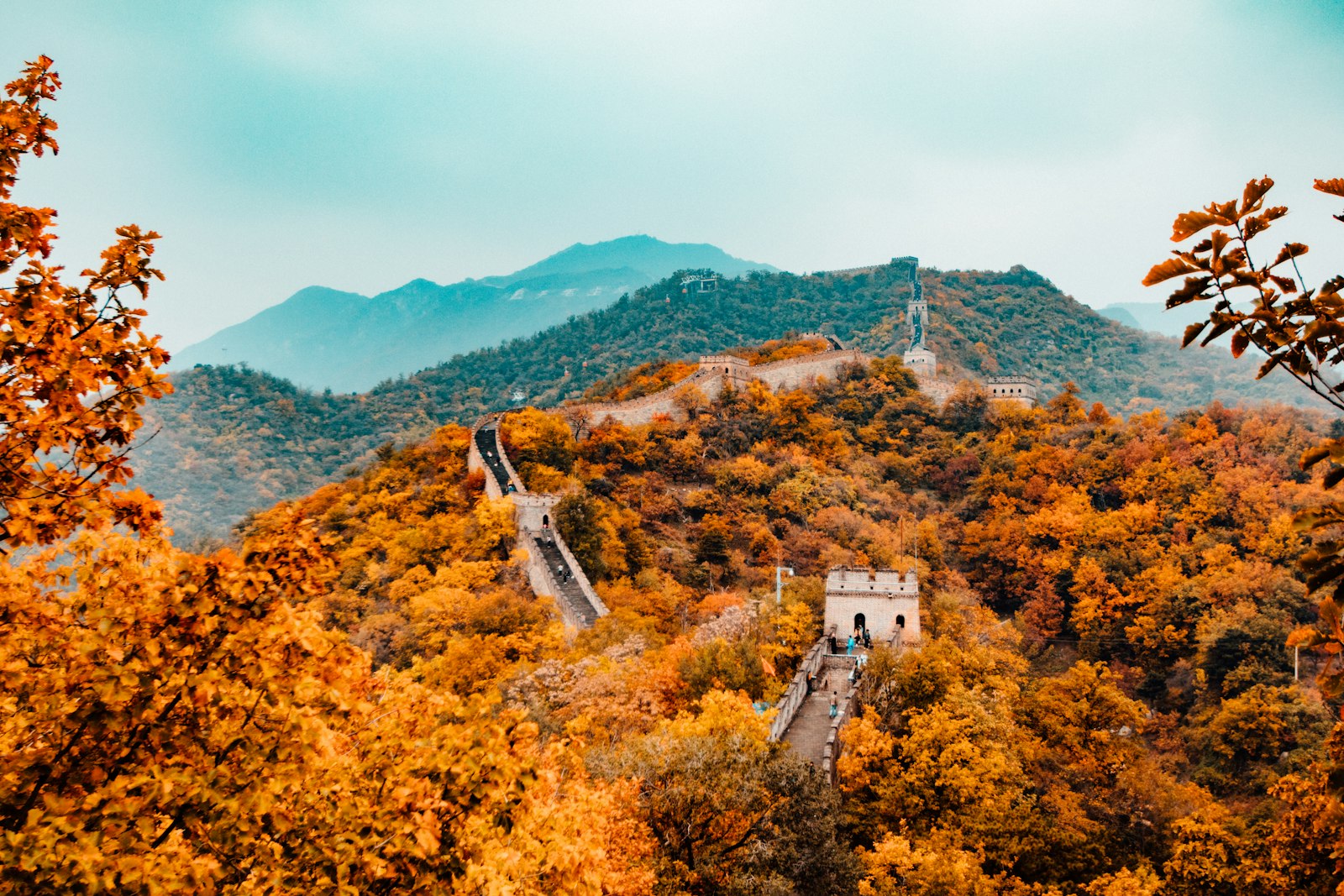
Chinese New Year Travel Guide: The Complete 2026 Guide
The cab driver laughed at me when I asked if he could drop me off at the Temple of Heaven on Lunar New Year’s Eve. “Too many people,” he said, waving his hand. “You’ll be stuck for hours.” I didn’t listen. I got out at the south gate and walked into a crowd so thick I couldn’t see the temple at all—just a sea of red jackets, floating balloons, and the smell of grilled lamb skewers mixing with incense smoke. A woman next to me was FaceTiming her family in Guangzhou, holding her phone up so they could see the fireworks that hadn’t even started yet. That’s when I understood: Chinese New Year isn’t a holiday you watch. It’s a holiday you get swallowed by.
I’ve been in Beijing for seven years now, and I’ve made every mistake you can imagine during Spring Festival—booking trains too late, showing up to restaurants that were closed for two weeks, wandering into empty cities where every shop had a handwritten sign taped to the door saying “回家过年” (going home for New Year). But I’ve also learned where to go, what to skip, and how to actually enjoy this chaos. This guide is for first-time visitors who want to experience Chinese New Year without losing their minds—or their savings.
The Short Version
If you only have 90 seconds: Book everything three months ahead—trains, flights, hotels, even restaurant reservations. Avoid major cities during the actual New Year week (January 28–February 3, 2026). Go to smaller towns for real celebrations, or come after February 10 when everything reopens. Bring cash as backup. Download WeChat and Alipay before you leave home. And for God’s sake, don’t try to take a taxi anywhere in Beijing on New Year’s Eve.
How I Picked These
I spent the last three Spring Festivals traveling through different regions—Shanghai during the exodus, Xi’an during the lantern festival, a tiny village in Yunnan where I was the only foreigner for miles. I talked to taxi drivers, hostel owners, a retired professor who insisted on buying me tea, and a noodle shop owner in Chengdu who told me exactly which days to avoid the tourist spots. I also called friends in five different cities to ask what they actually do with their families. This list isn’t from a guidebook. It’s from showing up, getting it wrong, and asking a lot of questions.
Comparison Table
| Rank | Place | Best For | Approx Cost (USD) | Time Needed | When to Go |
|---|---|---|---|---|---|
| 1 | Xi’an | Lantern Festival atmosphere | $30–60/day | 3–4 days | Feb 8–15 |
| 2 | Pingyao | Traditional New Year vibe | $25–50/day | 2–3 days | Jan 30–Feb 5 |
| 3 | Harbin | Ice & snow festivals | $40–70/day | 3–4 days | Jan 25–Feb 10 |
| 4 | Chengdu | Food & pandas during holiday | $35–55/day | 3–5 days | Feb 5–12 |
| 5 | Beijing | Temple fairs & history | $50–80/day | 4–5 days | Jan 25–28 or Feb 10+ |
| 6 | Shanghai | Modern celebrations | $60–90/day | 3–4 days | Feb 8–15 |
| 7 | Hong Kong | Fireworks & parades | $80–120/day | 3–4 days | Jan 28–Feb 2 |
| 8 | Lijiang | Minority New Year traditions | $30–50/day | 4–5 days | Feb 5–12 |
| 9 | Guilin/Yangshuo | Scenic quiet time | $25–45/day | 3–5 days | Feb 10–20 |
| 10 | Kaifeng | Ancient capital celebrations | $20–40/day | 2–3 days | Feb 1–8 |
1. Xi’an — The Lantern Festival You Actually Want to See
I stood on the city wall last February, watching thousands of lanterns float up into a sky that was already thick with smoke from firecrackers. A kid next to me was holding a rabbit-shaped lantern that flickered in the wind. His grandfather was explaining something in rapid Mandarin—probably the same thing my own grandfather would’ve said about patience and tradition. I didn’t understand the words, but I understood the feeling.
Xi’an does Chinese New Year better than almost any other city in China. The Tang Paradise Lantern Festival is the main draw—hundreds of massive, handcrafted lanterns shaped like dragons, phoenixes, and historical scenes from the Tang Dynasty. But what makes it special is how the whole city participates. The Muslim Quarter stays open late, the city wall gets lit up with projections, and the locals actually dress up in traditional clothing. It’s not a tourist show. It’s a city that genuinely loves its own history.
📍 Beilin District (around the South Gate of the City Wall, plus Tang Paradise in Qujiang New District) 🎫 Tang Paradise: $18 (¥130) during festival. City Wall: $10 (¥70). Muslim Quarter: free. 🕐 Tang Paradise: 9am–10pm during festival. City Wall: 8am–10pm. Muslim Quarter: shops open 10am–midnight. 🚆 Take Metro Line 2 to Yongningmen Station (Exit D for South Gate). For Tang Paradise, take Line 3 to Dayanta Station, Exit C, walk 10 minutes east. ⏰ Visit Tang Paradise after 6pm for the lanterns. Weekdays are less crowded. Avoid the first three days of New Year. 💡 Insider tips: Buy Tang Paradise tickets online at least a week ahead—they sell out. Bring a power bank; your phone will die from photos. The Muslim Quarter gets packed after 7pm—go at 4pm instead. Learn to say “新年快乐” (xīn nián kuài lè) for discounts at smaller shops. Don’t bother with the official “New Year Gala” show—it’s overpriced and in Chinese only.
I ate a lamb skewer from a guy named Mr. Wang who’d been working the same corner for 22 years. He gave me an extra one “for luck” and told me to come back after the 15th when the crowds thin out.
2. Pingyao — The Ancient City That Actually Feels Ancient
The first thing you notice in Pingyao during New Year is the silence. Not quiet—silence. Because the old city walls block out the modern world so completely that the only sounds are footsteps on stone and the occasional firecracker echoing off the Ming Dynasty buildings. I walked down South Street at 7am on New Year’s Day and saw a line of red lanterns stretching into the fog, hung from rooftops that haven’t changed in 400 years.
Pingyao is one of the best-preserved ancient walled cities in China, and during Spring Festival, it transforms into something out of a period drama. The local government organizes temple fairs, traditional performances, and a massive lantern display along the main street. But the real magic is just walking the alleys at night, when the crowds thin out and the only light comes from paper lanterns hanging outside the courtyard hotels.
📍 Pingyao Ancient City, Shanxi Province 🎫 City entry: free. Combined ticket for 22 attractions: $18 (¥130). Valid for 3 days. 🕐 Attractions: 8am–6pm. City gates: open 24 hours. Temple fair: 10am–9pm during New Year week. 🚆 Take a high-speed train from Beijing West to Pingyao Ancient City Station (about 2.5 hours, $35/¥250). From the station, take bus 108 or a taxi ($3/¥20) to the south gate. ⏰ Visit during the week before New Year (Jan 25–28) or after Feb 5. The actual New Year week is crowded but atmospheric. 💡 Insider tips: Stay inside the old city walls—book a courtyard hotel (四合院) at least two months ahead. The “Rishengchang” draft bank museum is worth the ticket. Don’t eat at restaurants on the main street—walk two blocks north for better food at half the price. The city wall is best at sunset. If you’re there on New Year’s Eve, join the locals setting off firecrackers at midnight—just stand back.
I got lost in the back alleys at 10pm and an old woman selling steamed buns waved me into her shop. She didn’t speak a word of English, but she poured me tea and pointed at a photo of her granddaughter in a red dress.
3. Harbin — The Ice City That Doesn’t Care About Your Comfort Zone
The cold hits you like a door slamming shut. I stepped off the train in Harbin at -28°C and my phone died within three minutes. My eyelashes froze. My beard turned into a block of ice. And I loved every second of it, because Harbin during Chinese New Year is completely insane in the best possible way.
The Harbin International Ice and Snow Festival runs through February, and it’s exactly as ridiculous as it sounds—entire buildings made of ice, illuminated from within by colored lights, stretching across the frozen Songhua River. The city itself goes all out for New Year, with ice lanterns on every street corner and Russian-influenced architecture that makes you feel like you’ve stumbled into a Siberian fairytale. But here’s the thing: it’s cold. Really cold. If you’re not prepared for actual arctic conditions, skip this one.
📍 Daoli District and Songbei District 🎫 Ice and Snow World: $35 (¥250) after 4pm. Sun Island Snow Expo: $25 (¥180). Zhaolin Park Ice Lanterns: $10 (¥70). 🕐 Ice and Snow World: 11am–9:30pm (best after dark). Sun Island: 8am–5pm. 🚆 Take the high-speed train from Beijing to Harbin West (5 hours, $60/¥430). From there, Metro Line 3 to the city center. For Ice and Snow World, take bus 29 or a taxi ($5/¥35). ⏰ Visit Jan 25–Feb 5 for best ice sculptures. Weekday evenings are less crowded. Avoid weekends and the first three days of New Year. 💡 Insider tips: Rent a full-body snowsuit at the train station for $8 (¥60)—don’t try to bring your own, it won’t be warm enough. Hand warmers are essential (buy at any convenience store). The ice sculptures are best on clear nights. The Russian-style “Central Street” is touristy but worth one walk. Try the Harbin beer—it’s served warm in winter.
I watched a group of local teenagers slide across the frozen river on plastic sleds, screaming with laughter. One of them crashed into me and apologized in English: “Sorry, foreign friend! Happy New Year!“
4. Chengdu — Where the Panda Eats Dumplings and Nobody Rushes
I was eating mapo tofu at a hole-in-the-wall restaurant in Chengdu on the second day of New Year when the owner came out with a plate of dumplings and sat down at my table. “For you,” he said in broken English. “New Year. Eat.” Then he poured us both glasses of baijiu and told me about his son who was studying in Australia. We didn’t understand half of what each other said, but we toasted three times and laughed at everything.
Chengdu is the opposite of the Spring Festival chaos you’ll find in Beijing or Shanghai. The city slows down. People stay home with family. The teahouses fill up with multi-generational groups playing mahjong. And the pandas at the Giant Panda Breeding Research Base get special New Year treats—frozen fruit popsicles shaped like dumplings. It’s adorable and absurd and exactly the kind of low-key celebration you want if the idea of crowds makes you twitch.
📍 Chenghua District (panda base) and Jinli Ancient Street (Wuhou District) 🎫 Panda Base: $8 (¥58). Jinli Ancient Street: free. Wuhou Shrine: $8 (¥60). 🕐 Panda Base: 7:30am–6pm (arrive by 8am to see active pandas). Jinli: 24 hours, shops open 9am–10pm. 🚆 Take Metro Line 3 to Panda Avenue Station, Exit B, then free shuttle bus. For Jinli, take Metro Line 3 to Gaoshengqiao Station, Exit D, walk 5 minutes east. ⏰ Visit pandas before 9am—they sleep all afternoon. Jinli is best after 5pm when the lanterns come on. Avoid Jan 28–30 if possible. 💡 Insider tips: Book panda tickets online—same-day tickets often sell out by 10am. The “New Year Panda Treats” happen around 10am on the first few days of the festival. Skip the tourist restaurants on Jinli Street—walk two blocks west to the small alleys. Learn to say “加麻加辣” (extra numbing, extra spicy) if you want real Sichuan food. Bring tissues—most small restaurants don’t have napkins.
The panda keeper let me watch while she fed a panda named “Mei Lan” a frozen fruit popsicle shaped like a fish. The panda held it with both paws and ate it like a child eating a popsicle on a hot day.
5. Beijing — The Capital Gets Quiet, Then Explodes
I made the mistake of staying in Beijing during New Year exactly once. The city empties out so fast that by January 27th, the streets feel post-apocalyptic. No traffic. No crowds. Half the restaurants closed. It’s eerie. But then, on New Year’s Eve, everyone comes back to the temple fairs, and the city remembers how to party.
Beijing’s Spring Festival is a study in contrasts. The first few days are dead quiet—perfect for visiting the Forbidden City without crowds. Then the temple fairs start, and suddenly you’re shoulder-to-shoulder with thousands of locals eating candied hawthorn berries and watching acrobats. The best fair is at Ditan Park (the Temple of Earth), which feels more authentic than the touristy one at the Temple of Heaven. If you time it right—arrive a few days before New Year, leave during the chaos—you get the best of both worlds.
📍 Ditan Park (Temple of Earth Fair), Dongcheng District. Forbidden City: Dongcheng District. 🎫 Ditan Fair: $3 (¥20). Forbidden City: $10 (¥70) in low season. Temple of Heaven: $5 (¥35). 🕐 Ditan Fair: Jan 29–Feb 4, 8am–5pm. Forbidden City: 8:30am–5pm (closed Mondays). 🚆 For Ditan: Metro Line 2 to Yonghegong Station, Exit A, walk 10 minutes south. For Forbidden City: Metro Line 1 to Tiananmen East Station, Exit B. ⏰ Visit Forbidden City Jan 25–28 (before the crowds). Visit Ditan Fair Jan 30–Feb 3. Weekday mornings are best. 💡 Insider tips: Book Forbidden City tickets two weeks ahead—they sell out during New Year. The Ditan Fair is cheaper and less crowded than the Temple of Heaven fair. Bring cash for temple fair food stalls—many don’t take cards. The hutongs around Nanluoguxiang are worth walking even if shops are closed. Don’t try to take a taxi anywhere on New Year’s Eve—the subway runs late and is faster.
A taxi driver named Liu told me he was heading back to his hometown in Henan on January 27th. “I drive until midnight,” he said, “then I sleep in the car, then I drive 8 more hours.” He didn’t seem tired. He seemed excited.
6. Shanghai — The Modern City That Tries Really Hard
Shanghai during Chinese New Year feels like a party where half the guests didn’t show up. The city is famous for emptying out as millions of migrant workers head home, and the result is a weird ghost-town vibe in the financial district. But the Bund still lights up, the Yu Garden Lantern Festival is spectacular, and the city government puts on a massive fireworks display that rivals Hong Kong’s.
The Yu Garden Lantern Festival is the main event—hundreds of lanterns in classical Chinese styles, reflecting off the water in the old garden. It’s beautiful, but it’s also a tourist trap. Expect wall-to-wall crowds, overpriced snacks, and vendors selling the same plastic toys you saw at the last three festivals. If you’re okay with that, it’s worth an evening. If you want something more authentic, skip the garden and walk the French Concession instead—the tree-lined streets are empty and beautiful.
📍 Yu Garden: Huangpu District. The Bund: Huangpu District. French Concession: Xuhui District. 🎫 Yu Garden Garden: $5 (¥40). Lantern Festival area: free (some sections require tickets). The Bund: free. 🕐 Yu Garden: 8am–10pm during festival. The Bund: 24 hours. French Concession: 24 hours. 🚆 Yu Garden: Metro Line 10 to Yuyuan Station, Exit 1. The Bund: Metro Line 2 to East Nanjing Road Station, Exit 3, walk 10 minutes east. ⏰ Visit Yu Garden after 7pm for lanterns. Visit the Bund at 5pm for sunset. Avoid Jan 28–30 in central Shanghai. 💡 Insider tips: The Yu Garden lanterns are best on weekdays—weekends are unbearable. Eat at the small restaurants on Fuyou Road instead of the tourist spots inside the garden. The Huangpu River cruise is overpriced but worth it for the skyline view. If you’re in Shanghai on New Year’s Eve, go to the Bund by 10pm to get a good spot for fireworks. Download the “Metro Shanghai” app—it works without VPN.
I watched a group of expats try to order dumplings at a restaurant that was clearly closed. The owner came out, laughed, and pointed at a sign I couldn’t read. “回家过年,” she said, and locked the door.
7. Hong Kong — The Fireworks Are Worth the Hype
Hong Kong does New Year differently. It’s louder, brighter, and more commercial than the mainland celebrations, but there’s an energy here that’s hard to match. The Victoria Harbour fireworks on the second day of New Year are genuinely spectacular—a 20-minute display synchronized to music, with lasers and lights reflecting off the skyscrapers. I watched from the Tsim Sha Tsui promenade, packed in with maybe 50,000 other people, and when the first firework exploded, everyone cheered like we were all old friends.
The city also has the best New Year markets in the region—the one at Victoria Park in Causeway Bay is massive, with hundreds of stalls selling everything from handmade lanterns to roasted chestnuts. And because Hong Kong is a special administrative region, the holiday schedule is slightly different—most shops and restaurants stay open, so you won’t run into the “everything is closed” problem that plagues mainland cities.
📍 Tsim Sha Tsui Promenade (fireworks). Victoria Park, Causeway Bay (markets). 🎫 Fireworks: free (arrive early for a good spot). Victoria Park Market: free entry. 🕐 Victoria Park Market: Jan 26–Feb 1, 12pm–midnight. Fireworks: Feb 1 (second day of New Year), 8pm. 🚆 For fireworks: MTR to Tsim Sha Tsui Station, Exit E, walk to the promenade. For Victoria Park: MTR to Tin Hau Station, Exit A2, walk 5 minutes. ⏰ Arrive at the promenade by 6pm for fireworks. Visit the market on weekdays before 5pm. 💡 Insider tips: Bring a small stool or mat to sit on—you’ll be waiting for hours. The best fireworks viewing spot is the Tsim Sha Tsui promenade, not the Hong Kong Island side. The market is best for atmosphere, not bargains. Use Octopus card for everything. If you’re staying on Hong Kong Island, take the Star Ferry across—it’s cheaper and more scenic than the MTR.
A woman next to me at the fireworks was holding her toddler on her shoulders. The kid was wearing noise-canceling headphones and waving a small flag. When the finale hit, she started crying—not from fear, but from joy. I almost joined her.
8. Lijiang — New Year in the Shadow of the Snow Mountains
I arrived in Lijiang on the third day of the New Year and found the old town almost empty. The Naxi minority residents had mostly gone to their home villages, leaving the tourist shops shuttered and the cobblestone streets silent. I walked through Sifang Street at dusk, and the only sound was water running through the ancient canal system that runs beneath the town. A single red lantern swayed in the wind. It felt like I’d stumbled into a painting.
Lijiang during Spring Festival is a strange experience. The Naxi people celebrate their own New Year traditions, which are different from the Han Chinese version. You’ll see unique ceremonies, traditional music performances, and food that you won’t find anywhere else in China. But the old town is also a major tourist destination, so it’s a mix of authentic minority culture and tourist kitsch. The trick is to get out of the old town and into the surrounding villages, where the real celebrations happen.
📍 Old Town (Dayan). Jade Dragon Snow Mountain: 15km north. 🎫 Old Town: free (¥50 “maintenance fee” sometimes charged, often waived during New Year). Jade Dragon Snow Mountain: $20 (¥140) plus cable car $25 (¥180). 🕐 Old Town: 24 hours. Jade Dragon Snow Mountain: 7am–6pm (last cable car at 4pm). 🚆 Fly from major cities to Lijiang Sanyi Airport. From the airport, take bus 27 or a taxi ($12/¥80) to the old town. ⏰ Visit Jan 28–Feb 5 for Naxi celebrations. Weekday mornings are best for the old town. Visit Jade Dragon Snow Mountain on a clear day. 💡 Insider tips: Stay in a Naxi guesthouse in the old town—book ahead. The “Impression Lijiang” show at Jade Dragon Snow Mountain is touristy but visually stunning. Try the Naxi “baba” bread (巴巴)—it’s like a savory pancake. The Black Dragon Pool is free and has the best view of the snow mountain. Learn to say “新年快乐” in Naxi: “Xī nián kuài lè” (same characters, different pronunciation).
An old Naxi woman selling handmade scarves in a back alley taught me how to say “thank you” in her language. She laughed at my pronunciation and gave me a scarf for half price.
9. Guilin/Yangshuo — The Quiet Escape You Didn’t Know You Needed
I took a bamboo raft down the Li River on February 5th, and I was the only tourist on the water. The mist was so thick that the karst mountains looked like ink wash paintings, appearing and disappearing as the fog shifted. My boatman, a man named Chen who’d been doing this for 30 years, pointed at a mountain and said something in Mandarin. I didn’t understand, but he kept pointing, so I nodded. Later I learned he was telling me the mountain looked like a horse. I think I agreed at the wrong moment.
Guilin and Yangshuo are the perfect destinations for the second half of Spring Festival, when the crowds have thinned and the weather starts to warm up. The rice terraces are still dormant, the rivers are quiet, and the small towns feel like they belong to you. It’s not a “New Year experience” in the traditional sense—there are no lantern festivals or temple fairs. But if you want to escape the chaos and see China’s most famous landscapes without the crowds, this is the time to come.
📍 Guilin city center (Li River cruises). Yangshuo county (West Street, countryside). 🎫 Li River cruise (Guilin to Yangshuo): $50 (¥360). Yangshuo countryside: free (bike rental $5/¥35 per day). 🕐 Li River cruises: 9am–2pm. Yangshuo West Street: shops open 10am–11pm. 🚆 High-speed train from Guangzhou to Guilin West (2.5 hours, $30/¥210). From Guilin, bus to Yangshuo ($5/¥35, 1.5 hours). ⏰ Visit after Feb 5 for best weather and fewest crowds. Weekdays are empty. Morning is best for the Li River. 💡 Insider tips: Skip the official Li River cruise—hire a private bamboo raft from a local in Yangshuo for half the price. Rent an e-bike to explore the countryside. The “Liu Sanjie” light show at Yangshuo is touristy but impressive. Eat at the night market on West Street—try the beer fish (啤酒鱼). Book hotels in Yangshuo, not Guilin.
My boatman Chen stopped the raft in the middle of the river and pulled out a flask of rice wine. We toasted to the New Year, floating between mountains that looked like they’d been painted by a god.
10. Kaifeng — The Song Dynasty Capital That Time Forgot
I went to Kaifeng on a whim during Spring Festival last year, and it turned out to be the best decision I made. The city was the capital of the Northern Song Dynasty, and during New Year, the government organizes a massive historical reenactment along the Millennium City Park. Thousands of performers in Song Dynasty costumes fill the streets, recreating the famous “Qingming Festival” scroll painting in real life. I watched a man dressed as a Song emperor walk past a woman selling modern cell phone cases, and the anachronism was so jarring it made me laugh out loud.
Kaifeng isn’t on most tourist itineraries, which is exactly why you should go during Spring Festival. The celebrations feel less manufactured than in Xi’an or Beijing. The food is incredible—Kaifeng is famous for its soup dumplings (灌汤包) and a dish called “stuffed pancake” that dates back a thousand years. And because the city is smaller, you can walk everywhere and actually feel like you’re part of the celebration, not just watching it from behind a rope.
📍 Millennium City Park (Qingming Riverside Landscape Garden), Longting District 🎫 Millennium City Park: $15 (¥110) during festival. Longting Park: $10 (¥70). Free: city streets during reenactments. 🕐 Millennium City Park: 8am–10pm during festival. Reenactments: 10am, 2pm, 7pm daily. 🚆 High-speed train from Zhengzhou East to Kaifeng North (20 minutes, $5/¥35). From the station, take bus 21 or a taxi ($3/¥20) to the park. ⏰ Visit Jan 30–Feb 8 for full festival programming. Evenings are best for the lantern displays. Weekdays are less crowded. 💡 Insider tips: The soup dumplings at “First Building” (第一楼) on Zhongshan Road are the real deal—arrive by 11am to avoid the queue. The reenactments are free on the streets outside the park. The night market on Gulou Square has the best street food in Henan province. Learn to say “再来一笼” (another basket) for dumplings. Book a hotel near Gulou Square for easy walking access.
A performer dressed as a Song Dynasty scholar saw me taking photos and struck a pose. Then he broke character, grinned, and asked in English: “You like my costume? My girlfriend made it. She’s a seamstress.”
FAQ
1. Do I need a visa for China in 2026? Yes, most nationalities still need a visa, but the 2025–2026 policies have expanded visa-free transit to 72–144 hours for citizens of 54 countries at major airports. If you’re just stopping over, check the visa-free transit rules. For longer stays, apply for a tourist visa (L-visa) at least a month ahead. The 15-day visa-free policy for citizens of France, Germany, Italy, Netherlands, Spain, Malaysia, and Singapore is still in effect as of early 2026—check the latest updates.
2. Will everything be closed during Chinese New Year? Yes and no. Major tourist attractions stay open (sometimes with reduced hours). Most restaurants, shops, and services close for 3–7 days starting from New Year’s Eve. In big cities like Beijing and Shanghai, about 40% of businesses close. In smaller cities, it’s closer to 80%. Plan to eat at hotel restaurants or convenience stores during Jan 28–Feb 1. Everything reopens by Feb 5–10.
3. How do I set up WeChat Pay and Alipay as a foreigner? Download both apps before you leave home. For WeChat Pay, you’ll need a foreign credit card (Visa/Mastercard) and a Chinese bank account—or use the “Tourist Card” feature that launched in 2024. Alipay now accepts foreign credit cards directly for most transactions. Both require a Chinese phone number for full functionality. Bring $200–300 in cash as backup—some small vendors and taxis only take cash.
4. Do I need a VPN in China? Yes. Google, Facebook, Instagram, WhatsApp, and many news sites are blocked. Install a reliable VPN on your phone and laptop before you arrive. ExpressVPN, NordVPN, and Astrill work well in 2026. Test it before you leave—some VPNs get blocked during peak travel seasons. Download offline maps (Google Maps won’t work—use Baidu Maps or Apple Maps).
5. How do I get a Chinese SIM card? Buy one at the airport arrival hall. China Mobile, China Unicom, and China Telecom all have tourist SIMs with data packages. A 7-day plan with 10GB costs about $10 (¥70). You’ll need your passport to register. If you already have a SIM, check if your carrier offers China roaming—but it’s usually more expensive.
6. What should I wear for Chinese New Year? Red is the traditional color—wear it for good luck. Avoid black and white, which are associated with mourning. For Harbin, bring arctic-level gear (thermal layers, waterproof boots, thick gloves). For southern cities like Guilin, bring layers—mornings are cold, afternoons are mild. For temple visits, cover your shoulders and knees. Comfortable walking shoes are non-negotiable.
7. Is it safe to travel alone during Chinese New Year? Yes, China is very safe for solo travelers, even during the chaos of Spring Festival. Petty theft is rare but possible in crowded areas—keep your phone and wallet in front pockets. The biggest risk is getting stranded without a hotel or train ticket, so book everything in advance. If you’re a woman traveling alone, you’ll be fine—just use the same common sense you’d use anywhere.
The Honest Wrap-up
This list is for people who want to see China at its most intense, most family-oriented, and most chaotic. It’s not for people who want a relaxing beach vacation. It’s not for people who hate crowds. And it’s definitely not for people who refuse to eat street food.
If you’re on the fence, come during the second half of Spring Festival (after February 5th) when the crowds thin out and the weather starts to warm. You’ll still see the lanterns, eat the dumplings, and hear the firecrackers—but you’ll also find empty temples, open restaurants, and locals who have time to talk to you.
One last thing: book your train tickets as soon as they go on sale (14 days ahead for high-speed trains). I learned this the hard way, sleeping in a Beijing train station on New Year’s Eve because I thought I could buy a ticket the day of. I was wrong. Don’t be me.
Topics
More Travel Guide guides

Best Time to See Cherry Blossoms in China 2026: The Complete 2026 Guide
A comprehensive travel guide for international visitors planning a trip to China. Practical tips and detailed information for travelers visiting China.
12 min read
Best Time to Visit China: Month-by-Month Guide: The Complete 2026 Guide
China is massive and each season offers something different. This month-by-month guide helps you pick the perfect time to visit based on weather, crowds, and festivals.
12 min read
China Etiquette: Cultural Do's and Don'ts for Foreigners: The Complete 2026 G...
China has unique social customs that can confuse first-time visitors. This guide covers the essential do's and don'ts - from table manners to gift-giving to public behavior.
12 min read