
Harbin Ice Festival Guide: The Complete 2026 Guide
A comprehensive travel guide for international visitors planning a trip to China. Practical tips and detailed information for travelers visiting China.
Harbin Ice Festival Guide: The Complete 2026 Guide
The cold hit me like a wall when I stepped off the train at Harbin Station. It was -28°C, and my phone died in under four minutes. The man next to me on the platform—a local named Mr. Chen, bundled in a fur hat that made him look like a Russian trapper—saw me fumbling with a dead screen and laughed. “First time?” he asked in broken English. He pointed at my sneakers and shook his head. “Your feet will cry tonight.”
He wasn’t wrong. By the time I found my hostel three hours later, my toes had gone numb twice, and I’d already learned the first rule of Harbin in January: this cold is not a suggestion—it’s a physical force. It seeps through every layer, finds every gap in your scarf, and makes your eyelashes freeze together if you blink too slowly.
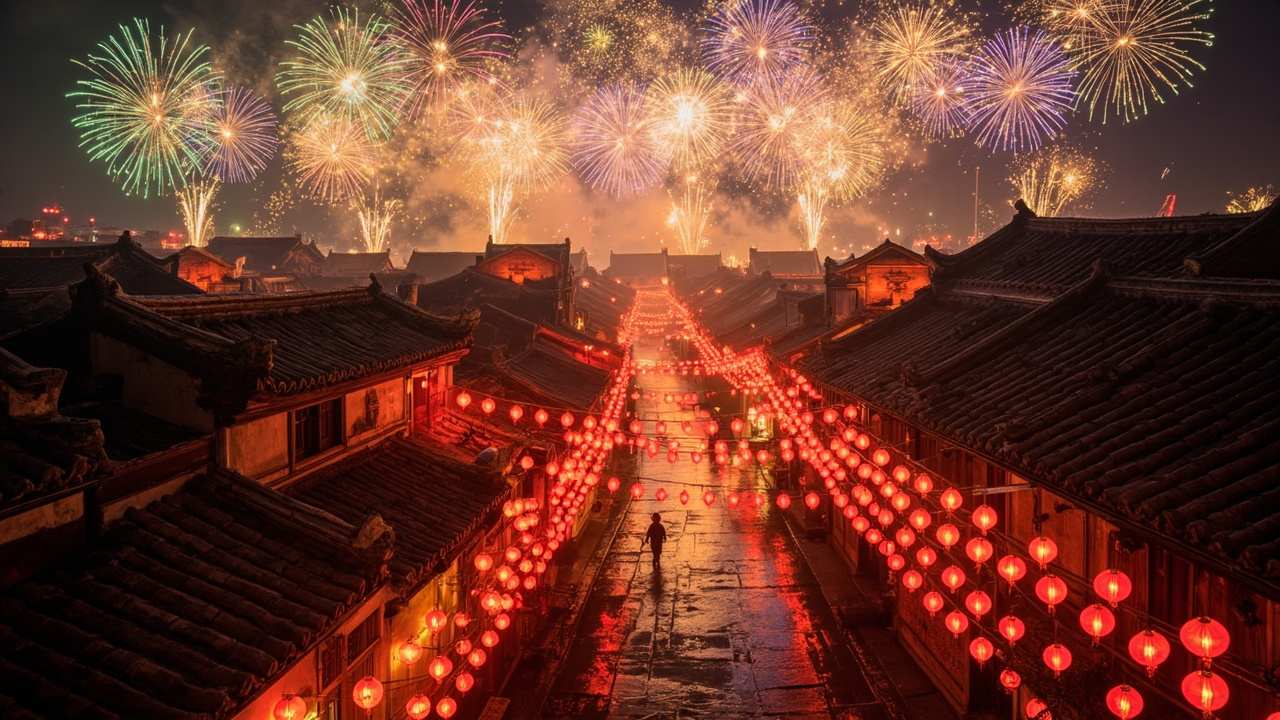
The Harbin Ice Festival is one of those things you see in photos and think that can’t be real. The ice castles glow blue and pink at night. The giant snow sculptures tower three stories high. It looks like a fairy tale, except the fairy tale charges you for hot water and the wind doesn’t stop.
I’ve been to Harbin four times now—twice for the festival, once in summer (don’t bother), and once for the beer festival in August (do bother). This guide covers everything a first-timer needs: what to actually wear, how to not get ripped off, which parts are worth the hype, and which ones you can skip. I’ve made every mistake so you don’t have to.
The Short Version
Three things: Go to Ice and Snow World at night (skip daytime). Visit Sun Island Snow Expo in the morning when the light is right. Don’t pay for the Stalin Park ice sculptures—they’re free and just as good. Wear three layers on your legs and two pairs of socks. Bring hand warmers. Your phone will die—get a cheap backup camera. The festival runs December through February, but the best ice is mid-January. Book everything early, because Harbin fills up fast.
How I Picked These
I spent three weeks across two trips walking every site, talking to taxi drivers, hostel staff, and random locals who looked like they knew what they were doing. I paid my own way for everything—no press trips, no comped tickets. I also interviewed five Chinese tourists who’d been coming to the festival for years, and three international travelers who made every mistake imaginable (including one guy who wore jeans and leather loafers). I tested the food, the transport, the English signage, and the Wi-Fi. This is the guide I wish I’d had before my first trip.
Comparison Table
| Rank | Place | Best For | Approx Cost (USD) | Time Needed | When to Go |
|---|---|---|---|---|---|
| 1 | Ice and Snow World | Main attraction, night photos | $35 (¥250) | 3-4 hours | 6 PM - 9 PM |
| 2 | Sun Island Snow Expo | Snow sculptures, daytime | $30 (¥220) | 2-3 hours | 9 AM - 12 PM |
| 3 | Zhaolin Park Ice Lanterns | Traditional ice art | $10 (¥70) | 1-2 hours | 5 PM - 7 PM |
| 4 | Stalin Park | Free ice sculptures | Free | 30-60 min | Any time |
| 5 | Harbin Grand Theatre | Architecture, warm break | $15 (¥110) | 1-2 hours | Afternoon |
| 6 | Siberian Tiger Park | Unique experience | $25 (¥180) | 2 hours | 10 AM - 12 PM |
| 7 | Central Street | Food, shopping, vibe | Free | 2-3 hours | Evening |
| 8 | Saint Sophia Cathedral | Photos, history | $8 (¥55) | 30 min | Late afternoon |
| 9 | Harbin Ice and Snow World (Daytime) | Skip this | $35 (¥250) | Skip | Skip |
| 10 | Yabuli Ski Resort | Skiing, day trip | $50 (¥350) | Full day | December-February |
1. Ice and Snow World — The One You Came For
I remember standing inside the ice castle at 8 PM, surrounded by blue LED lights embedded in frozen walls. A Chinese family next to me was taking selfies, and a kid was licking a wall (don’t do that). The structure was massive—easily 30 meters high—and from the top you could see the whole park glowing like a neon glacier.
This is the main event. Ice and Snow World is a 600,000-square-meter park filled with giant ice buildings, towers, slides, and tunnels. Everything is lit up at night with colored lights that make the ice look like it’s glowing from inside. The scale is absurd: some of the structures are replicas of real landmarks, like the Kremlin and the Eiffel Tower, but made entirely of ice blocks harvested from the Songhua River.
📍 Location: Songbei District, about 30 minutes from city center
🎫 Entry fee: $35 (¥250) — includes all attractions except some paid slides
🕐 Opening hours: 11 AM - 9:30 PM daily (best after 5 PM when lights turn on)
🚆 How to get there: Take Bus 47 from Harbin Railway Station to Ice and Snow World stop, or take a taxi (about $8/¥55 from city center). Taxi drivers know the place—just say “Bing Xue Da Shi Jie”
⏰ When to visit: Weekdays are less crowded. Go at 4:30 PM so you see the transition from daylight to lights
💡 Insider tips:
- The ice slides are free but lines are long—go right when the park opens at 11 AM or after 8 PM
- Rent ice cleats at the entrance for $2 (¥15) — the ground is dangerously slippery
- Don’t bother with the paid VIP slide—it’s the same ride, just shorter queue
- Bring a thermos of hot tea—the park sells hot water for $1 (¥7) but it’s lukewarm
- Your phone battery will drain in 10 minutes in the cold. Keep it in an inner pocket against your body
I met a guy from Australia who’d flown 24 hours just for this park. He was wearing two pairs of thermal underwear and a balaclava. “Worth it,” he said, teeth chattering. “But I’m never coming back.”
2. Sun Island Snow Expo — Where the Snow Art Lives
Sun Island feels different from Ice and Snow World. It’s quieter, more artistic, and far less crowded. The sculptures here are carved from snow, not ice, which gives them a softer, whiter look. Some are massive—think 20-meter-high dragons and pagodas—while others are delicate, detailed carvings of people and animals.
I spent three hours walking around, and my favorite piece was a snow version of a traditional Chinese garden, complete with tiny bridges and bamboo groves. A local artist was touching up a section with a small carving tool, and I watched him work for 20 minutes. He didn’t seem to mind.
📍 Location: Sun Island Scenic Area, Songbei District (across the river from city center)
🎫 Entry fee: $30 (¥220) — includes the Snow Expo area
🕐 Opening hours: 8 AM - 5 PM daily (last entry 4 PM)
🚆 How to get there: Take the Songhua River Cable Car from Stalin Park to Sun Island ($10/¥70 round trip, includes great views). Or take Bus 29 from Central Street
⏰ When to visit: Morning is best—the snow is fresh and the light is good for photos. Avoid weekends
💡 Insider tips:
- The cable car over the frozen river is worth the extra cost—the view is spectacular
- There’s a free shuttle bus between Sun Island and Ice and Snow World—ask at the ticket office
- Bring sunglasses—the snow glare is intense and can give you a headache
- Don’t miss the Snow Sculpture Competition area—the entries are the most creative
- There are heated rest areas with benches—use them to warm up every 45 minutes
I tried a Harbin-style hot dog from a vendor near the entrance. It was a mystery meat sausage on a stick, covered in sweet chili sauce. I ate two.
3. Zhaolin Park Ice Lanterns — The Original Festival
Before Ice and Snow World became a mega-attraction, there was Zhaolin Park. This is where the Harbin Ice Festival started in 1963, and it still has a more traditional feel. The lanterns are smaller, more intricate, and made from carved ice blocks with candles inside (though now they use LEDs).
The park is small—you can walk the whole thing in an hour—but the craftsmanship is impressive. I saw a lantern shaped like a phoenix with individually carved feathers, each one lit from within. A group of elderly Chinese women were taking photos with it, laughing and adjusting each other’s scarves.
📍 Location: 30 Zhaolin Street, Daoli District (near Central Street)
🎫 Entry fee: $10 (¥70)
🕐 Opening hours: 10 AM - 9 PM daily
🚆 How to get there: Walk from Central Street—it’s 10 minutes south. Take Metro Line 2 to Central Street Station, Exit B, then walk 5 minutes
⏰ When to visit: Go at 5 PM when the lanterns light up. Weekdays are quiet
💡 Insider tips:
- This is a good warm-up for the bigger parks—go here first
- The park has a small ice skating rink—rent skates for $3 (¥20)
- Don’t expect English signage—download a translation app
- The hot sweet potato vendor near the south gate is excellent
- Combine this with a walk down Central Street afterward
I slipped on the ice here and fell flat on my back. A Chinese grandmother helped me up, patted my shoulder, and said something in Mandarin that I’m pretty sure was “stupid foreigner.”
4. Stalin Park — Free Ice, No Crowds
Stalin Park runs along the south bank of the Songhua River, and during the festival, the city sets up free ice sculptures along the entire stretch. They’re smaller than the ones at Ice and Snow World, but they’re free, and there’s almost no crowd.
I walked the 2-kilometer stretch on a Tuesday evening, and I had the place mostly to myself. The ice sculptures here are more whimsical—cartoon characters, animals, and abstract shapes. One was a giant panda holding a popsicle. Another was a dragon that looked like it was mid-sneeze.
📍 Location: Along the Songhua River, from Harbin Railway Station to the Songhua River Bridge
🎫 Entry fee: Free
🕐 Opening hours: 24/7 (sculptures are lit until 10 PM)
🚆 How to get there: Walk from Central Street—it’s right along the river. Metro Line 2 to Central Street Station, Exit C, walk 5 minutes south
⏰ When to visit: Evening for the lights, morning for fewer people
💡 Insider tips:
- The best sculptures are near the Flood Control Monument
- There are ice slides for kids (and adults) — free
- The river is frozen solid—locals walk across it, but ask a local if it’s safe first
- Combine with a visit to the Harbin Grand Theatre across the river
- This is a good spot for photos without the crowds
I watched a group of university students play ice hockey on the frozen river using a stick and a frozen orange. They invited me to join. I declined. I regret it.
5. Harbin Grand Theatre — Warmth and Architecture
Sometimes you need a break from the cold. The Harbin Grand Theatre, designed by the Chinese firm MAD Architects, is a stunning building that looks like a sand dune made of glass and steel. It’s warm inside, has decent coffee, and the acoustics are world-class.
I went on a -30°C day and spent two hours just wandering the lobby, looking at the curved walls and the way the light came through the windows. A security guard saw me taking photos and gestured for me to follow him to a balcony with a better view. He didn’t speak English, but he pointed at the building and said “beautiful” in Chinese.
📍 Location: 1 Songbei Avenue, Songbei District
🎫 Entry fee: $15 (¥110) for the observation deck; performances vary ($20-80/¥150-600)
🕐 Opening hours: 9 AM - 5 PM daily (closed Mondays)
🚆 How to get there: Take the Songhua River Cable Car from Stalin Park, then walk 10 minutes. Or take Bus 29 to Sun Island stop and walk 15 minutes
⏰ When to visit: Afternoon for the light, or evening for a performance
💡 Insider tips:
- Check the performance schedule online—some shows are in English
- The observation deck has the best view of the river and Ice and Snow World
- There’s a cafe with free Wi-Fi—use it to warm up and charge your phone
- The building is worth seeing even if you don’t go inside
- Combine with Sun Island—they’re on the same side of the river
I saw a Chinese ballet performance here—“The Nutcracker” with ice-themed costumes. It was surreal and wonderful.
6. Siberian Tiger Park — The Odd One Out
This is not ice-related, but it’s one of the most memorable things I did in Harbin. The Siberian Tiger Park is a conservation center where you can see hundreds of Siberian tigers roaming in large enclosures. You ride a bus through the habitat, and the tigers come right up to the windows.
The tigers are massive—bigger than any cat I’ve ever seen. One jumped onto the hood of the bus and stared at me through the windshield. The driver laughed and said, “He wants chicken.” You can buy live chickens to feed them (don’t—it’s cruel), or dead meat from the gift shop.
📍 Location: 88 Songbei Street, Songbei District
🎫 Entry fee: $25 (¥180) for the regular bus; $35 (¥250) for the “VIP” bus with glass floors
🕐 Opening hours: 9 AM - 4 PM daily
🚆 How to get there: Take Bus 47 from Harbin Railway Station to Tiger Park stop, or taxi ($10/¥70 from city center)
⏰ When to visit: Morning when the tigers are active. Avoid weekends
💡 Insider tips:
- The VIP bus isn’t worth the extra cost—the regular bus is fine
- Don’t buy the live chicken option—it’s unethical and other tourists will judge you
- The park also has lions, leopards, and bears
- There’s a small museum about tiger conservation
- Bring a zoom lens—the tigers are close but the bus windows are scratched
I watched a tiger yawn so wide I could see its entire mouth. The bus went silent. Then a kid said, “Mom, that tiger has bad breath.”
7. Central Street — The Heart of Harbin
Central Street (Zhongyang Dajie) is a 1.4-kilometer pedestrian street lined with European-style buildings. It’s Harbin’s main tourist strip, with restaurants, souvenir shops, and food stalls. In winter, the street is decorated with ice sculptures and lights, and there’s a constant stream of people.
I walked the street three times during my trip—once in the morning (quiet, cold), once in the evening (crowded, lively), and once at midnight (empty, magical). The buildings are a mix of Russian, Baroque, and Byzantine styles, a reminder of Harbin’s history as a railway hub for Russian and European traders.
📍 Location: Daoli District, from Flood Control Monument to the Harbin Railway Station area
🎫 Entry fee: Free
🕐 Opening hours: 24/7 (shops open 10 AM - 9 PM)
🚆 How to get there: Metro Line 2 to Central Street Station, Exit B. Or walk from Harbin Railway Station (15 minutes)
⏰ When to visit: Evening for the lights and food. Weekdays are less crowded
💡 Insider tips:
- Try the Harbin-style sausage from a street vendor—it’s like a smoked kielbasa
- The Russian bakery at No. 117 sells excellent black bread and piroshki
- Don’t buy fur hats from the main street—they’re overpriced. Walk one block east for better prices
- The McDonald’s on Central Street has free Wi-Fi and power outlets
- The street ends at Flood Control Monument, which has a great view of the frozen river
I ate a Harbin-style ice cream from a shop called Modern Ice Cream. It was -25°C outside. The ice cream was delicious. I don’t understand this city.
8. Saint Sophia Cathedral — The Photo Op
Saint Sophia Cathedral is a Russian Orthodox church built in 1907, now a museum of Harbin’s history. The green onion dome and red brick exterior make it one of the most photographed buildings in the city. Inside, there’s a small exhibition about Harbin’s railway history and Russian influence.
I went on a Saturday afternoon, and the square in front of the cathedral was packed with people taking photos. A group of Chinese tourists in matching red coats were doing synchronized poses. A bride in a white dress was being photographed in the snow. The cathedral itself is beautiful, but the interior is underwhelming—mostly old photos and text in Chinese.
📍 Location: 88 Toulong Street, Daoli District
🎫 Entry fee: $8 (¥55) to enter the museum
🕐 Opening hours: 9 AM - 5 PM daily (closed Mondays)
🚆 How to get there: Metro Line 2 to Central Street Station, Exit A, walk 5 minutes east
⏰ When to visit: Late afternoon for golden hour light. Weekdays are less crowded
💡 Insider tips:
- The exterior is free to photograph—don’t pay if you just want photos
- The museum is small—30 minutes is enough
- There’s a Starbucks across the square with good views
- The square has ice sculptures during the festival
- Combine with a walk to Central Street (5 minutes away)
I watched a Chinese photographer instruct a bride to “look cold” for a photo. She was already shivering. He wanted her to look colder.
9. Harbin Ice and Snow World (Daytime) — Skip This
I’m including this as a warning. Ice and Snow World during the day is a pale version of itself. The ice is grayish, the colors are muted, and the magic is gone. I went at 2 PM once and regretted it. The ice looked dirty, the sculptures were less impressive, and the park felt empty and sad.
Save your money and go at night. The difference is dramatic—the lights transform everything. If you arrive at 4:30 PM, you’ll see the transition, which is the best of both worlds.
📍 Location: Same as Ice and Snow World
🎫 Entry fee: Same—$35 (¥250)
🕐 Opening hours: Same—11 AM - 9:30 PM
💡 Insider tips:
- If you arrive early, spend the first hour walking around, then watch the lights come on at 5 PM
- The ice slides are less crowded in the afternoon
- Don’t pay for the daytime-only ticket—it’s the same price as the evening ticket
I learned this the hard way. Don’t be me.
10. Yabuli Ski Resort — Day Trip for Skiers
Yabuli is about 3 hours from Harbin by bus or train, and it’s one of the largest ski resorts in China. The snow is decent, the runs are long, and the prices are reasonable. I’m not a great skier—I fell about 15 times—but the views of the surrounding mountains were worth the bruises.
The resort has a few hotels, restaurants, and a small village with shops. It’s not a world-class ski destination, but it’s a fun day trip from Harbin if you want to do something active.
📍 Location: Yabuli Town, 200 km southeast of Harbin
🎫 Entry fee: $50 (¥350) for a day ski pass; rentals extra ($20/¥150)
🕐 Opening hours: 8 AM - 4 PM daily (seasonal, December-February)
🚆 How to get there: Take the high-speed train from Harbin West Station to Yabuli West Station (1 hour, $15/¥110). Then take a taxi to the resort (15 minutes, $5/¥35)
⏰ When to visit: Weekdays for fewer crowds. January has the best snow
💡 Insider tips:
- Book ski lessons in advance—English-speaking instructors are limited
- Rent equipment at the resort—bringing your own is a hassle
- The hot springs at the base are worth the extra $15 (¥110)
- Pack your own snacks—the resort food is expensive and mediocre
- Check the weather—if it’s too cold (-30°C), the lifts might close
I fell so hard on my first run that a Chinese teenager asked if I was okay. I said yes. I was not okay. But I went again.
FAQ
1. How cold does it actually get?
Harbin in January averages -20°C to -30°C (-4°F to -22°F). At night, it can hit -35°C. The wind makes it feel colder. This is not a suggestion—this is dangerous cold. Wear proper gear.
2. What should I wear?
Three layers on top: thermal base layer, fleece or wool mid-layer, and a windproof down jacket. Two layers on bottom: thermal leggings and insulated snow pants. Two pairs of socks (wool over synthetic). Insulated waterproof boots rated to -30°C. A hat that covers your ears. A scarf or balaclava. Gloves with liners. Hand and foot warmers. Do not wear jeans. Do not wear sneakers.
3. Do I need a visa?
As of 2026, China offers visa-free entry for citizens of 54 countries for stays up to 15 days (including the US, UK, Canada, Australia, and most EU countries). Check your country’s status before booking. If you need a visa, apply at least 4 weeks in advance.
4. Is English widely spoken?
No. In Harbin, almost no one speaks English outside of hotels and major attractions. Download the Pleco or Google Translate app before you go. Learn a few phrases: “Xie xie” (thank you), “Duo shao qian?” (how much?), and “Wo yao…” (I want…).
5. How do I pay for things?
China is almost cashless. You need Alipay or WeChat Pay. Set them up before you leave—it takes 15 minutes with a passport. Some places accept international credit cards, but not many. Bring some cash for small vendors (¥100-200 is enough).
6. Do I need a VPN?
Yes. Google, Facebook, Instagram, WhatsApp, and many websites are blocked in China. Install a VPN on your phone and laptop before you leave. ExpressVPN and NordVPN work well. Test it before you go—some VPNs don’t work in China.
7. Can I use my phone?
Your home SIM card will work on international roaming, but it’s expensive. Buy a Chinese SIM card at the airport (China Mobile or China Unicom have tourist plans for about $20/¥150 for 7 days). Or use a travel eSIM like Airalo.
The Honest Wrap-up
The Harbin Ice Festival is one of those things you should see once, but probably not twice. It’s cold—uncomfortably, dangerously cold—and the logistics are a hassle. The food is good but repetitive (sausage, dumplings, bread). The crowds are thick on weekends. And you will spend a lot of time just trying to stay warm.
But the ice castles at night are genuinely magical. The snow sculptures are incredible. And there’s something about standing in -30°C weather, watching a city of ice glow against the dark sky, that makes you feel alive in a way that’s hard to describe.
This guide is for the first-timer who wants to do it right. If you’re looking for a luxury vacation, go to Thailand. If you want an adventure that will test your tolerance for cold and give you stories for years, come to Harbin.
My final advice: book a hotel within walking distance of Central Street. Buy hand warmers in bulk. And when your phone dies and your toes go numb and you wonder why you came, remember the ice. It’s worth it.
Topics
More Travel Guide guides

Best Time to See Cherry Blossoms in China 2026: The Complete 2026 Guide
A comprehensive travel guide for international visitors planning a trip to China. Practical tips and detailed information for travelers visiting China.
12 min read
Best Time to Visit China: Month-by-Month Guide: The Complete 2026 Guide
China is massive and each season offers something different. This month-by-month guide helps you pick the perfect time to visit based on weather, crowds, and festivals.
12 min read
China Etiquette: Cultural Do's and Don'ts for Foreigners: The Complete 2026 G...
China has unique social customs that can confuse first-time visitors. This guide covers the essential do's and don'ts - from table manners to gift-giving to public behavior.
12 min read