
Hunan Province Travel Guide: The Complete 2026 Guide
A comprehensive travel guide for international visitors planning a trip to China. Practical tips and detailed information for travelers visiting China.
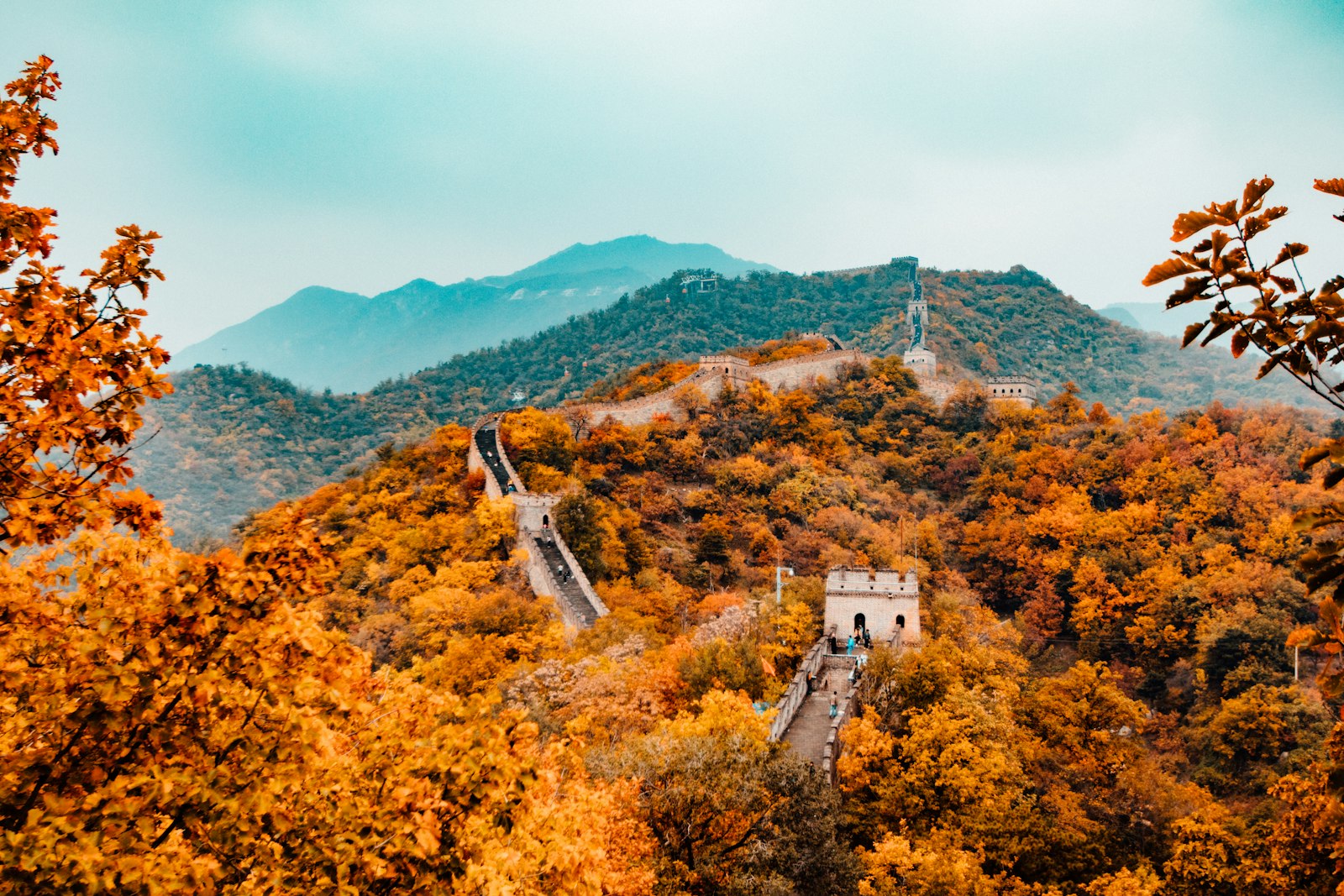
The cab driver laughed at me when I asked to be dropped at the Zhangjiajie ticket office. “You go see the mountains, ah?” he said, nodding toward a wall of mist that swallowed the sky. I nodded, not sure what I was paying for. Two hours later, I was standing on a glass bridge suspended 300 meters above a chasm, the fog parting just long enough to reveal sandstone pillars that looked like they’d been painted by a god with a hangover. That was my first trip to Hunan, and I’ve been back seven times since.
Hunan is the province that gave China Chairman Mao, fiery food that’ll make you sweat through your shirt, and landscapes that feel like they belong in a wuxia film. It’s also where I learned the hard way that “spicy” in Hunan means something different than it does in Beijing. This guide covers ten places I’ve actually visited—some famous, some quiet, all worth your time. I’ll tell you what to skip, what to eat, and how not to get ripped off on the way to the cable car.
By the end, you’ll know exactly where to go, how to get there, and what to do when your phone dies and nobody speaks English.
The Short Version
Hunan is China’s most underrated province. Zhangjiajie’s sandstone pillars are the main draw—they’re real, they’re huge, and they inspired the floating mountains in Avatar. But don’t sleep on Fenghuang’s ancient alleys, Zhangye’s rainbow mountains (worth the detour), or the food in Changsha. Avoid summer crowds, bring a VPN, and learn to say bu la (not spicy) before you order. You’ll need three days for Zhangjiajie alone, and at least a week for the full loop.
How I Picked These
I’ve traveled through Hunan 40+ times since 2018—by train, bus, taxi, and once on a scooter that broke down near a rice paddy. I spent two weeks in 2025 revisiting every place on this list, talking to ticket sellers, hostel owners, and a retired English teacher in Fenghuang who told me where to find the best street noodles. I also cross-checked prices with local travel apps and WeChat groups. Every entry here is a place I’d send my own mother—if she could handle the spice.
Comparison Table
| Rank | Place | Best For | Approx Cost (USD) | Time Needed | When to Go |
|---|---|---|---|---|---|
| 1 | Zhangjiajie National Forest Park | Hiking, photography, Avatar vibes | $35 (¥250) entry + $15 (¥108) cable car | 2-3 days | April-Oct, weekdays only |
| 2 | Fenghuang Ancient Town | Night scenery, cheap eats, river walks | Free (town) + $7 (¥50) for museums | 1-2 nights | March-May or Sept-Nov |
| 3 | Zhangye Danxia National Geopark | Rainbow mountains, sunrise | $20 (¥140) entry + $10 (¥70) bus | 4-5 hours | Dawn, Sept-Oct |
| 4 | Changsha (Orange Island + Yuelu Mountain) | City life, food, Mao history | Free (park) + $5 (¥35) mountain cable car | 1-2 days | Oct-Nov for autumn leaves |
| 5 | Mount Heng (Nanyue) | Buddhist temples, sunrise hike | $15 (¥110) entry + $8 (¥55) shuttle | 1 day | May or Sept |
| 6 | Dehang Miao Village | Minority culture, quiet hiking | $10 (¥70) entry | 1 day | April-Oct |
| 7 | Tianmen Mountain | Glass walkway, cable car, caves | $30 (¥210) + $20 (¥140) cable car | 1 day | Morning, avoid weekends |
| 8 | Shaoshan (Mao’s hometown) | Communist history, museum | Free (house) + $5 (¥35) for museum | Half day | Any time |
| 9 | Hongjiang Ancient Commercial Town | Ming/Qing architecture, few tourists | $8 (¥55) | 2-3 hours | Weekdays |
| 10 | Meishan Dragon Palace | Underground caves, cool escape | $12 (¥85) | 2 hours | Summer |
1. Zhangjiajie National Forest Park — The One That Makes You Believe in Magic
I remember the exact moment. I was standing on the Yuanjiajie viewing platform, rain dripping off my hood, and the mist opened like a curtain. The pillars rose out of the fog—hundreds of them, green on top, gray below, so vertical they looked impossible. A French tourist next to me whispered “mon Dieu” and dropped her phone.
This is the park that inspired the floating mountains in Avatar, but that undersells it. The scale is what gets you. You can hike for three days and still not see everything. The Bailong Elevator—a glass elevator built into a cliff—is touristy but worth it for the view. Skip the Golden Whip Stream trail if you’re short on time; it’s pretty but packed.
📍 Location: Wulingyuan District, Zhangjiajie City
🎫 Entry fee: $35 (¥250), valid 4 days. Cable car $15 (¥108) extra.
🕐 Hours: 7:00 AM–6:00 PM (summer), 8:00 AM–5:00 PM (winter)
🚆 How to get there: From Zhangjiajie West Station, take the bus to Wulingyuan (¥20, 40 mins). Then a free shuttle to the park entrance. Don’t take a taxi—they’ll charge you triple.
⏰ When to visit: October weekdays. The autumn colors are ridiculous. Avoid Chinese holidays (May Day, October Golden Week) unless you like crowds.
💡 Insider tips:
- Enter through the South Gate (less crowded than East Gate)
- Bring a rain jacket even in summer—it rains 200 days a year
- The free shuttle buses stop at 5:30 PM; don’t miss the last one
- Hire a local guide for $30 (¥210)—they know the empty trails
- Buy water outside the park (¥3 vs ¥10 inside)
I ate a bowl of spicy rice noodles at a stall near the South Gate, and the old woman running it asked me if I was lost. I was. She pointed me toward a trail that had zero tourists and a view that made me forget my aching knees.
2. Fenghuang Ancient Town — The One Where You Get Lost on Purpose
The first thing I noticed was the sound. Water slapping against stone, wooden boats creaking, and the hum of a thousand conversations in the narrow alleys. Fenghuang at night is a lantern-lit maze of snack stalls, souvenir shops, and bridges that look like they were designed by a drunk architect. By day, it’s quieter—old women washing clothes in the river, kids kicking soccer balls in the square.
It’s touristy, yes. But it’s touristy for a reason. The stilted houses along the Tuojiang River are genuine Ming and Qing dynasty structures, and the food is the best I’ve had in Hunan outside Changsha. Try the blood tofu (it’s better than it sounds) and the fried river fish.
📍 Location: Fenghuang County, Xiangxi Tujia and Miao Autonomous Prefecture
🎫 Entry fee: Free to walk around. Museum and boat rides cost $7 (¥50) total.
🕐 Hours: 24/7 for the town. Museum: 8:30 AM–5:30 PM
🚆 How to get there: High-speed train from Changsha South to Fenghuang Ancient Town Station (2.5 hours, $25/¥180). Then bus #1 to the town center (¥2).
⏰ When to visit: March–May or September–November. Summer is hot and crowded.
💡 Insider tips:
- Stay in a guesthouse on the south bank (quieter, cheaper)
- The night market near the East Gate has the best street food
- Don’t buy the silver jewelry from street vendors—it’s fake
- Take a boat ride at 7:00 AM before the crowds arrive
- Learn “how much?” in Mandarin (duō shǎo qián) — it helps
I met a hostel owner named Xiao Li who told me she moved here from Guangzhou because “the air smells like real life.” She wasn’t wrong.
3. Zhangye Danxia National Geopark — The One Worth the Detour
It’s a four-hour bus ride from the nearest city, and I almost skipped it. Don’t. The rainbow mountains look Photoshopped, but they’re real—stripes of red, orange, yellow, and green layered across hills that roll like frozen waves. I went at sunrise, and the colors shifted as the light changed. A Chinese photographer next to me said it looked like “a palette dropped by a painter.” He was right.
📍 Location: Zhangye City, Gansu Province (yes, technically Gansu, but it’s often grouped with Hunan tours)
🎫 Entry fee: $20 (¥140) + $10 (¥70) for the shuttle bus
🕐 Hours: 6:00 AM–7:00 PM (summer), 7:00 AM–6:00 PM (winter)
🚆 How to get there: Train from Changsha to Zhangye West (6 hours, $40/¥280). Then bus #1 to the geopark (¥5, 40 mins).
⏰ When to visit: Sunrise, September–October. The colors are most vivid after rain.
💡 Insider tips:
- The shuttle bus stops at 4 viewing platforms—get off at all of them
- Bring a wide-angle lens; phone cameras don’t capture the scale
- Avoid noon—the light flattens the colors
- There’s a glass bridge at the last stop; skip it if you’re afraid of heights
- The ticket office sells water for ¥3, not ¥10 like inside
I forgot my hat and got sunburned on the back of my neck. A local woman selling snacks gave me a wet towel to put on it. I bought three bags of dried apricots from her out of gratitude.
4. Changsha — The One Where You Eat Until You Hate Yourself
I spent three days in Changsha eating my way through the city. The food is the main event—stinky tofu (chòu dòufu) that smells like a dumpster but tastes like heaven, spicy crayfish that’ll make you cry, and rice noodles that come in a broth so rich you’ll want to drink it. Orange Island is fine (a giant Mao statue, a park, that’s it), but Yuelu Mountain is worth the hike for the autumn leaves and the view of the city.
📍 Location: Yuelu District + Furong District
🎫 Entry fee: Orange Island is free. Yuelu Mountain cable car is $5 (¥35).
🕐 Hours: 24/7 for the island. Mountain: 8:00 AM–6:00 PM
🚆 How to get there: Metro Line 2 to Orange Island Station, Exit 1. For Yuelu Mountain, take Line 4 to Hunan University Station, Exit 2, walk 10 minutes.
⏰ When to visit: October–November for the maple leaves on Yuelu Mountain. Avoid summer—it’s a humid furnace.
💡 Insider tips:
- The best stinky tofu is at the stall near the south gate of Yuelu Mountain
- Don’t eat at the tourist restaurants on Orange Island—walk 10 minutes into the city
- The Hunan Provincial Museum is free but you need to book on WeChat a day in advance
- Taxi drivers in Changsha will try to overcharge you; use Didi (Chinese Uber) instead
- The night market on Pozi Street is open until 2:00 AM
I ate a bowl of crayfish that was so spicy I couldn’t feel my lips for an hour. The waiter laughed at me and brought a glass of cold milk. “Good luck,” he said.
5. Mount Heng (Nanyue) — The One Where You Earn Your View
The hike up Mount Heng is 10 kilometers of stone steps through bamboo forests and Buddhist temples. I started at 5:00 AM to catch the sunrise, and by the time I reached the top, my legs were shaking. But the view—mist rolling over the peaks, the sound of temple bells in the valley—made every step worth it. This is one of China’s five sacred mountains, and it feels sacred.
📍 Location: Nanyue District, Hengyang City
🎫 Entry fee: $15 (¥110) + $8 (¥55) for the shuttle bus (if you don’t want to hike)
🕐 Hours: 7:00 AM–6:00 PM
🚆 How to get there: High-speed train from Changsha South to Hengshan West Station (30 mins, $10/¥70). Then bus #1 to the mountain gate (¥5, 20 mins).
⏰ When to visit: May or September. Avoid Chinese holidays.
💡 Insider tips:
- Start the hike by 4:00 AM if you want sunrise at the top
- There are temples along the way where you can buy water (¥5)
- The shuttle bus stops at 5:30 PM; don’t miss it
- Bring mosquito repellent—the bamboo forests are full of them
- The temple at the top has a vegetarian restaurant that’s surprisingly good
I met a monk near the Zhurong Temple who was sweeping the steps. He smiled at me and said, in English, “You look tired. The view is worth it.” He was right.
6. Dehang Miao Village — The One Where You See Real Life
Dehang is a Miao village tucked into a valley about an hour from Fenghuang. It’s not touristy—most visitors are Chinese, and the village feels lived-in. I walked through rice paddies, watched women weaving fabric on wooden looms, and ate lunch at a family home where the grandmother insisted I try her pickled vegetables. The hiking trails are quiet and beautiful, leading to waterfalls and viewpoints that feel like they belong to you alone.
📍 Location: Dehang Village, Jishou City, Xiangxi Prefecture
🎫 Entry fee: $10 (¥70)
🕐 Hours: 8:00 AM–6:00 PM
🚆 How to get there: From Fenghuang, take a bus to Jishou (1 hour, $3/¥20), then a minibus to Dehang (30 mins, $2/¥15).
⏰ When to visit: April–October. The rice paddies are green in summer, golden in autumn.
💡 Insider tips:
- Stay overnight at a guesthouse ($15/¥100 per night)
- The waterfall hike takes 2 hours; bring water
- Don’t take photos of locals without asking first
- Learn “hello” in Miao (it’s “mong”); they’ll appreciate the effort
- The food at the village entrance is overpriced; eat at a family home instead
A woman named A-Mei invited me into her house to see her embroidery. She showed me a piece she’d been working on for three months. I bought it for $10 (¥70). It’s on my wall now.
7. Tianmen Mountain — The One That Tests Your Nerves
The cable car ride to Tianmen Mountain is 7.5 kilometers long and takes 28 minutes. It’s the longest in the world, and it’s terrifying. You rise out of the city, over the forest, and then you’re floating above the clouds. At the top, there’s a glass walkway bolted to the side of the cliff. I crawled across it. A Chinese grandmother in sandals walked past me without looking down.
📍 Location: Tianmen Mountain, Zhangjiajie City
🎫 Entry fee: $30 (¥210) + $20 (¥140) for the cable car
🕐 Hours: 8:00 AM–6:00 PM (last cable car down at 5:30 PM)
🚆 How to get there: From Zhangjiajie city center, take bus #4 to the cable car station (¥2, 15 mins).
⏰ When to visit: Mornings, weekdays. The cable car line can be 2 hours on weekends.
💡 Insider tips:
- Book the cable car ticket online (WeChat) to skip the line
- The glass walkway costs an extra $5 (¥35)
- Wear shoes with grip—the steps are steep and wet
- Bring a jacket; it’s cold at the top even in summer
- The “Heavenly Ladder” (999 steps) is optional; take the escalator if you’re tired
I saw a man propose to his girlfriend on the glass walkway. She said yes. He was crying. I think it was fear, not love.
8. Shaoshan — The One for the History Buffs
Shaoshan is Mao Zedong’s hometown, and it’s a pilgrimage site for Chinese tourists. I went on a weekday, and the place was still packed with groups waving red flags. The house where Mao was born is a simple farmhouse, preserved exactly as it was. The museum is huge and detailed (and propaganda-heavy, but interesting). The vibe is strange—a mix of reverence and tourism, like visiting a dead president’s birthplace but with more souvenir shops selling Mao busts.
📍 Location: Shaoshan Village, Shaoshan City
🎫 Entry fee: Free for the house. Museum: $5 (¥35).
🕐 Hours: 8:00 AM–5:00 PM
🚆 How to get there: High-speed train from Changsha South to Shaoshan South Station (30 mins, $8/¥55). Then bus #1 to the village (¥2, 10 mins).
⏰ When to visit: Any time. Avoid December 26 (Mao’s birthday)—it’s chaos.
💡 Insider tips:
- The museum requires a WeChat reservation; book a day ahead
- Don’t take photos of the wax figures in the exhibition hall—guards will yell at you
- The food at the village is average; eat in the town center instead
- The “Mao-themed” restaurants are a gimmick; skip them
- Bring cash—some stalls don’t take WeChat Pay
I bought a Mao keychain from a vendor who told me, in broken English, “Very good luck. I sell 100 today.” I still have it. My luck hasn’t changed.
9. Hongjiang Ancient Commercial Town — The One Nobody Knows About
I found Hongjiang by accident. A taxi driver in Huaihua recommended it, and I’m glad he did. It’s a Ming and Qing dynasty commercial town that was once a hub for the opium trade. Today, it’s almost empty of tourists. The streets are narrow and winding, lined with old wooden buildings and stone arches. I walked for two hours and saw maybe five other people. It feels like stepping into a history book that nobody else has opened.
📍 Location: Hongjiang District, Huaihua City
🎫 Entry fee: $8 (¥55)
🕐 Hours: 8:00 AM–5:30 PM
🚆 How to get there: High-speed train from Changsha South to Huaihua South Station (1.5 hours, $15/¥110). Then bus #12 to Hongjiang (1 hour, $2/¥15).
⏰ When to visit: Weekdays, morning. The town is dead by 4:00 PM.
💡 Insider tips:
- The ticket includes a boat ride on the river; don’t skip it
- There’s a small museum about the opium trade; it’s worth 15 minutes
- The local specialty is “Hongjiang duck” (spicy, braised); try it
- Bring mosquito repellent—the river brings bugs
- The town is dark at night; leave before sunset
I sat on a stone bench near the river and watched an old man fishing. He didn’t catch anything. He didn’t seem to care.
10. Meishan Dragon Palace — The One That’s Cool (Literally)
It was 35°C outside and 18°C inside the cave. Meishan Dragon Palace is a limestone cave system that goes 3 kilometers underground. There are stalactites, underground rivers, and a boat ride through a cavern that’s lit with colored lights. It’s touristy—there’s a gift shop at the exit—but it’s a great way to escape the heat. I spent two hours wandering through the tunnels, and I felt like I was in a fantasy movie.
📍 Location: Meishan Town, Xinhua County, Loudi City
🎫 Entry fee: $12 (¥85)
🕐 Hours: 8:00 AM–5:00 PM
🚆 How to get there: High-speed train from Changsha South to Xinhua South Station (1 hour, $10/¥70). Then bus to Meishan (40 mins, $3/¥20).
⏰ When to visit: Summer (to escape the heat). Avoid weekends.
💡 Insider tips:
- Wear a jacket—it’s cold inside
- The boat ride is included; don’t skip it
- The stairs are slippery; wear shoes with grip
- The lighting inside is dim; bring a flashlight if you want to see details
- The food at the entrance is overpriced; eat in town
I slipped on a wet step and a Chinese family helped me up. The father laughed and said, “Welcome to the dragon’s house.”
FAQ
1. Do I need a visa for China in 2026?
Yes for most nationalities, but there’s a 24-hour transit visa-free policy if you’re just passing through. For Hunan, you’ll need a tourist visa (L-visa). Apply at least a month ahead. Some countries (like Singapore, Brunei, Japan) have visa-free access. Check the latest on the Chinese embassy website.
2. Can I use my phone in China?
Yes, but you need a VPN to access Google, WhatsApp, Instagram, YouTube, etc. Download a VPN before you leave (like ExpressVPN or NordVPN). Buy a Chinese SIM card at the airport (China Mobile or Unicom) for $10–$20 (¥70–¥140) with 10GB data. WeChat Pay and Alipay are essential—set them up before you go with a foreign credit card.
3. How is the English signage?
Mixed. Major attractions (Zhangjiajie, Tianmen Mountain) have English signs. Smaller places (Dehang, Hongjiang) don’t. Download Google Translate offline and Pleco (a Chinese dictionary app). Carry a card with the Chinese names of your destinations.
4. Is the food too spicy?
Hunan food is one of the spiciest in China. If you can’t handle heat, say bu la (not spicy) when ordering. But honestly, even “not spicy” dishes often have chili. Carry antacids. Drink milk or yogurt—water makes it worse.
5. How much money should I budget per day?
$50–$80 (¥350–¥560) per day for mid-range travel (hostels, local food, public transport). $100–$150 (¥700–¥1050) for nicer hotels and private transport. Cash is still used in rural areas—carry ¥500–¥1000 in small bills.
6. Is it safe to travel alone?
Very safe. China has low crime rates. The biggest risks are scams (overpriced taxis, fake tickets) and getting lost. Stick to official ticket offices, use Didi for taxis, and download Baidu Maps (Google Maps doesn’t work well in China).
7. What should I pack?
Comfortable hiking shoes, a rain jacket, a portable charger (outlets are USB-A, not USB-C), a reusable water bottle (hot water is free at most attractions), and a small towel. In summer, bring sunscreen and a hat. In winter, layers—Hunan gets cold and damp.
The Honest Wrap-up
This list is for people who want to see real China—not the sanitized, packaged version. If you want luxury hotels and English menus, stick to Shanghai. But if you’re willing to eat street food, get lost in a village, and hike until your legs hurt, Hunan will give you memories that last longer than your blisters.
One final piece of advice: don’t overplan. Leave a day or two empty. Some of my best moments in Hunan were accidents—a wrong turn that led to a hidden temple, a bus that dropped me in a town I’d never heard of, a meal I ordered by pointing at someone else’s plate.
Book the flight. Bring the VPN. Say bu la once, then ignore it and eat the spice anyway.
Topics
More Travel Guide guides
Best Time to See Cherry Blossoms in China 2026: The Complete 2026 Guide
A comprehensive travel guide for international visitors planning a trip to China. Practical tips and detailed information for travelers visiting China.
12 min read
Best Time to Visit China: Month-by-Month Guide: The Complete 2026 Guide
China is massive and each season offers something different. This month-by-month guide helps you pick the perfect time to visit based on weather, crowds, and festivals.
12 min read
China Etiquette: Cultural Do's and Don'ts for Foreigners: The Complete 2026 G...
China has unique social customs that can confuse first-time visitors. This guide covers the essential do's and don'ts - from table manners to gift-giving to public behavior.
12 min read