
Sichuan Province Travel Guide: The Complete 2026 Guide
A comprehensive travel guide for international visitors planning a trip to China. Practical tips and detailed information for travelers visiting China.
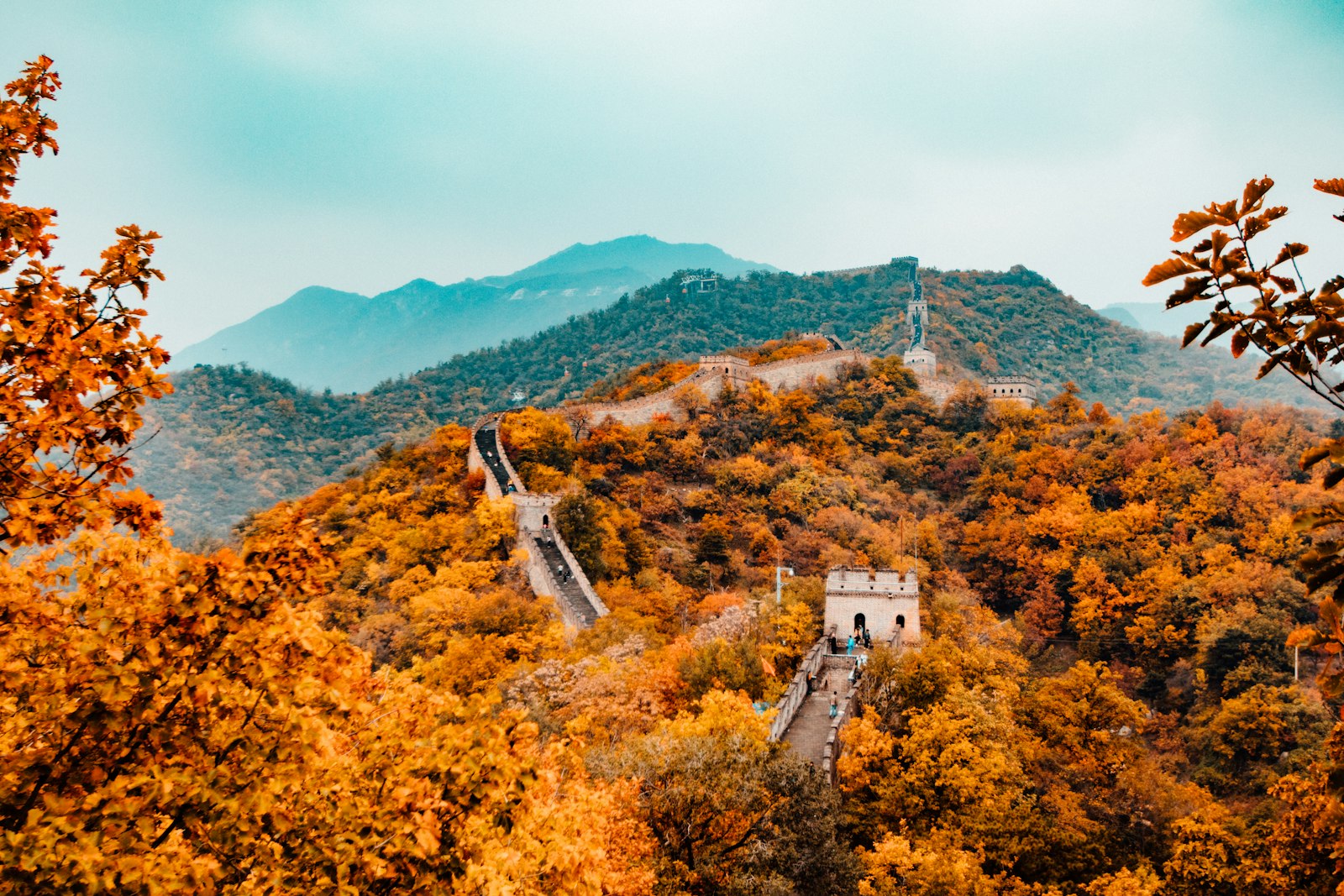
Sichuan Province Travel Guide: The Complete 2026 Guide
The cab driver laughed at me when I asked to go to “the panda base.” He was an old guy named Liu, driving a beat-up Jetta with a jasmine-scented air freshener swinging from the rearview mirror. “There are three,” he said in Mandarin, holding up three fingers. “Which one?” I’d been in Chengdu for exactly four hours, my phone was dying, and I had no idea there were multiple panda bases. That was seven years ago. I’ve been back to Sichuan 12 times since, and I still find new things every trip.
This province is ridiculous in the best way. It’s got the world’s most famous animal, food that’ll ruin you for all other food, mountains that make you feel small in the right way, and a Buddhist heritage that survived centuries of upheaval. But it’s also overwhelming for a first-timer. The distances are huge. The food is genuinely spicy — not “spicy for tourists” spicy. The transport system is excellent once you understand it, but the learning curve is real.
This guide is the thing I wish I’d had in my pocket that first afternoon when I was standing outside the wrong panda base, sweating through my shirt, trying to figure out where the hell to go next. I’ve written it for someone who’s never been to China, who’s maybe a little nervous, and who wants actual useful information — not marketing fluff.
The Short Version
Sichuan is worth the jet lag. Spend 3-4 days in Chengdu for food and pandas, then pick ONE other place — either Jiuzhaigou for unreal turquoise lakes or Mount Emei for a real hiking pilgrimage. Skip Leshan unless you have extra days. Don’t try to do everything. The food will wreck you in a good way. Get a VPN before you arrive. Bring wet wipes. You’ll need them.
How I Picked These
I’ve traveled to every place on this list at least twice. Some I’ve visited five or six times — Chengdu’s food scene alone has taken me years to understand. I’ve gotten lost on Mount Emei in fog so thick I couldn’t see my hand, eaten street food in Leshan that gave me a fever for two days, and sat in a Jiuzhaigou bus that broke down for three hours at 3,000 meters. I talked to taxi drivers, hostel owners, monks, and noodle shop ladies. The prices and hours are from my most recent trips in late 2025. They’ll change slightly, but they’re close enough to plan around.
Comparison Table
| Rank | Place | Best For | Approx Cost (USD) | Time Needed | When to Go |
|---|---|---|---|---|---|
| 1 | Chengdu | Food, pandas, city culture | $40-80/day | 3-4 days | Mar-Jun, Sep-Nov |
| 2 | Jiuzhaigou National Park | Turquoise lakes, autumn colors | $30 entry + $25 bus | 2 days | Oct (peak autumn) |
| 3 | Mount Emei | Buddhist pilgrimage, hiking | $25 entry | 2-3 days | Apr-Oct |
| 4 | Leshan Giant Buddha | World’s largest Buddha | $15 entry | 1 day | Mar-May, Sep-Nov |
| 5 | Dujiangyan | Ancient irrigation system | $12 entry | 4-6 hours | Mar-Nov |
| 6 | Kangding | Tibetan culture, gateway to western Sichuan | $20-30/day | 2-3 days | May-Oct |
| 7 | Siguniangshan (Four Sisters Mountains) | Alpine hiking, fewer crowds | $20 entry | 2-4 days | Jun-Sep |
| 8 | Huanglong National Park | Travertine pools, altitude | $30 entry | 1 day | Jun-Oct |
| 9 | Langzhong Ancient City | Ming/Qing architecture, quiet | $15 entry | 1-2 days | Mar-May, Sep-Nov |
| 10 | Zigong | Dinosaur museum, lantern festival | $10 entry | 1 day | Feb (lantern festival) or anytime for dinos |
Ten Detailed Entries
1. Chengdu — The City That Made Me Forget About Beijing
I was sitting at a plastic stool outside a noodle shop in the backstreets of Kuanzhai Alley when a woman on a scooter pulled up, handed the cook a bag of live frogs, and drove off without a word. The cook dumped them into a wok. Nobody blinked. That’s Chengdu — chaotic, unpretentious, and absolutely obsessed with food.
Chengdu is the only Chinese city where I’d happily live. It’s big enough to have everything — 20 million people — but it doesn’t feel like Beijing or Shanghai. The pace is slower. People sit in tea houses for hours. The air is cleaner than it was five years ago. The food scene is the best in China, and I’ll fight anyone who says otherwise. The pandas are here. The nightlife is real. The history is deep.
📍 Location: Central Chengdu, Sichuan’s capital. Most attractions are within the Second Ring Road.
🎫 Entry fees: Jinli Ancient Street is free. Wuhou Shrine is $10 (¥70). Jinli Temple is $8 (¥55). Panda Base is $12 (¥85). Most temples and museums are $5-15.
🕐 Opening hours: Most attractions 8am-6pm. Food markets start around 7am and run until midnight. Tea houses open 9am-10pm.
🚆 Getting there: Chengdu has two major airports — Shuangliu (CTU, closer) and Tianfu (TFU, newer, farther). Take Metro Line 10 from Shuangliu or Line 18 from Tianfu into the city. For high-speed rail, Chengdu East Station is the main hub. From Beijing, it’s 7.5 hours. From Xi’an, 3.5 hours.
⏰ When to visit: March to June and September to November. July and August are hot and wet. December to February is cold but the food is even better in winter.
💡 Insider tips:
- The “tourist” hotpot places on Kuanzhai Alley are overpriced. Walk 10 minutes to Shuijin Street for real hotpot.
- Go to the Panda Base at 7:30am when it opens. Pandas are most active in the morning. By 10am they’re all asleep.
- Download 滴滴 (Didi) for taxis. Uber doesn’t work. Didi has an English mode.
- The subway is excellent. Buy a天府通 (Tianfutong) card at any station. It works on buses too.
- Learn to say “bu la” (no spice) if you can’t handle heat. But seriously, just try the spicy stuff. You’ll adjust.
I met a guy named Wang at a hotpot place who spent 20 minutes teaching me the correct dipping sauce ratio — two parts sesame oil, one part garlic, a splash of vinegar, and a pinch of MSG. He was right. It changed everything.
2. Jiuzhaigou National Park — The Place That Broke My Camera
The rain came sideways off the mountains for an hour before it stopped. When it cleared, the lake in front of me turned a shade of turquoise I still can’t describe. I took 200 photos. None of them look real. People tell me they look edited. They’re not.
Jiuzhaigou is a UNESCO World Heritage site in northern Sichuan, and it’s the most beautiful place I’ve seen in China. The water is absurd — bright blue, green, turquoise, sometimes all three in one lake. The reason is travertine deposits and algae, but it feels like magic. The park is huge — 720 square kilometers — and you ride shuttle buses between the main scenic spots. It’s well-organized, but it gets crowded.
📍 Location: Jiuzhaigou County, about 330km north of Chengdu.
🎫 Entry fee: $30 (¥210) plus $25 (¥170) for the mandatory shuttle bus. Yes, you have to buy both. Book online in advance during peak season.
🕐 Opening hours: 7:30am-5:30pm (summer), 8:30am-4:30pm (winter). The park closes completely during winter if there’s heavy snow. Check before you go.
🚆 Getting there: Fly from Chengdu to Jiuzhaigou Huanglong Airport (JZH) — about 1 hour, $80-150 depending on season. Then take a bus (2 hours, $10) to the park entrance. Alternatively, take a bus from Chengdu’s Chadianzi Bus Station — 8 hours, $20. The road is winding. Bring motion sickness pills.
⏰ When to visit: October is peak. The autumn colors are unreal. July-August is green and rainy. December-February is cold and some trails close. May-June is good but the water levels are lower.
💡 Insider tips:
- Stay in the town of Zhangzha, right outside the park entrance. Walk to the gate in 10 minutes.
- Bring your own food. The park restaurants are expensive and mediocre.
- The shuttle buses go to the top first (Original Forest stop), then work down. Do the opposite — go to the bottom stops first, then work up. You’ll beat the crowds.
- Five Flower Lake and Panda Lake are the most photographed. They’re worth it.
- Altitude is 2,000-3,100 meters. Take it easy the first day. I saw a guy pass out from running up the stairs.
I dropped my phone into a puddle at Mirror Lake trying to get a reflection shot. A Tibetan woman selling yak meat skewers saw me, laughed, handed me a napkin, and said in broken English, “Is okay. Water is clean.” She wasn’t wrong.
3. Mount Emei — The Hike That Took Three Days and Changed My Knees
I started the climb at 6am from the base temple. By noon, I was soaked in sweat and wondering why I thought this was a good idea. By 3pm, I was in a cloud so thick I couldn’t see the path. A monk passed me going downhill, moving twice as fast as me, and said something in Chinese that I’m pretty sure was “you’re going the wrong way.” I wasn’t. He was just faster.
Mount Emei is one of China’s four sacred Buddhist mountains. It’s 3,099 meters tall, and you can hike the whole thing — 50 kilometers of stone steps through forest, temples, and fog. Or you can take the bus and cable car like a sensible person. I’ve done both. The hike is unforgettable. The cable car is fine. Either way, the summit at sunrise is worth every step or yuan.
📍 Location: Emeishan City, about 150km southwest of Chengdu.
🎫 Entry fee: $25 (¥175) for the park. Bus from the base to mid-mountain: $10 (¥70). Cable car from mid-mountain to summit: $15 (¥100) one way.
🕐 Opening hours: Park opens 6am-6pm. The summit temple is open 24 hours for sunrise viewers.
🚆 Getting there: Take a high-speed train from Chengdu East Station to Emeishan Station — 1 hour, $10. From there, bus #5A goes to the park entrance. Or take a taxi for $5.
⏰ When to visit: April to October. July and August are rainy but warm. October has clear skies. Winter is beautiful but some trails close due to ice.
💡 Insider tips:
- If you hike the whole thing, stay overnight at one of the mid-mountain temples. Hongchunping Temple has basic rooms for $15-30. Book ahead in summer.
- Buy a bamboo walking stick at the base for $1. You’ll need it. The steps are uneven.
- The monkeys at the “Monkey Zone” are aggressive. Don’t carry food in your hands. Don’t make eye contact. One stole my water bottle and drank from it.
- Sunrise at the Golden Summit (Jinding) is around 6:30am in summer, 7:30am in winter. Arrive by 5:30am to get a good spot.
- The cable car from the summit back down stops at 6pm. If you miss it, you’re walking 6 hours down in the dark. I know someone who did this. She does not recommend it.
I ate a bowl of noodles at a temple guesthouse that had exactly four ingredients — noodles, broth, chili oil, and pickled vegetables. It was the best meal I had that week.
4. Leshan Giant Buddha — Bigger Than You Think, But Also Crowded
The Buddha is 71 meters tall. You’ve seen photos. They don’t convey the scale. I stood at its feet and felt like an ant. The toenail is the size of a dining table. It took 90 years to carve, starting in 713 AD. The story goes that a monk named Haitong raised the money by gouging out his own eye to prove his sincerity. I don’t know if that’s true, but I believe it.
The problem with Leshan is the crowds. On weekends and holidays, the queue to walk down the cliffside staircase alongside the Buddha can be 2-3 hours. You’re shuffling along a narrow path with 500 other people, all trying to take the same selfie. It’s worth doing once, but plan carefully.
📍 Location: Leshan City, about 140km south of Chengdu.
🎫 Entry fee: $15 (¥100) for the park. The boat tour is an additional $10 (¥70) and is worth it for the full-body view.
🕐 Opening hours: 7:30am-6:30pm (summer), 8am-5:30pm (winter).
🚆 Getting there: High-speed train from Chengdu East Station to Leshan Station — 45 minutes, $7. From Leshan Station, take bus #3 or a taxi ($5) to the park.
⏰ When to visit: Go on a weekday. Tuesday-Thursday is best. Arrive at 7:30am when the park opens. The boat tours start at 8am. Do the boat first, then the park. You’ll beat the worst of the crowds.
💡 Insider tips:
- The boat tour gives you the classic photo angle. Do it early. The boats fill up by 10am.
- If you skip the boat, walk to the far end of the cliffside path for a different angle. Few people go that far.
- Don’t bother with the “Buddha’s head” area at the top. Everyone goes there. The feet are more impressive.
- Leshan is famous for 跷脚牛肉 (qiaojiao niurou) — “crossed-leg beef.” It’s a spicy beef soup served in small bowls. Find a shop on East Street. It costs $3-5.
- If you have extra time, walk across the bridge to the island in the river. There’s a small temple there with almost no tourists.
I spent 20 minutes watching a Chinese tour guide explain the Buddha to a group of elderly tourists. She pointed at the drainage system carved into the Buddha’s hair. “This is why it’s still standing after 1,300 years,” she said. I’d never noticed that detail in any photo.
5. Dujiangyan — The 2,200-Year-Old Irrigation System That Still Works
I stood on the bridge at Dujiangyan watching water rush through a channel that was dug by hand in 256 BC. The guy next to me was scrolling on his phone. I wanted to shake him. This thing is older than the Roman aqueducts and it’s still diverting water to farmland. That’s not history — that’s engineering that outlasted empires.
Dujiangyan is a working irrigation system that turned the Sichuan Basin into China’s breadbasket. It’s not a museum piece. It’s still in use. The design is elegant — a fish-shaped levee splits the river, a channel drains away silt, and a “treasure bottle” regulates flow. No pumps. No computers. Just rocks and bamboo and 2,200 years of accumulated wisdom.
📍 Location: Dujiangyan City, about 60km northwest of Chengdu.
🎫 Entry fee: $12 (¥85) for the main park. The nearby Mount Qingcheng is an additional $15 (¥100).
🕐 Opening hours: 8am-6pm.
🚆 Getting there: Take Metro Line 2 from Chengdu to Xipu Station (terminal), then transfer to the Chengdu-Dujiangyan high-speed train — 30 minutes, $3. Get off at Dujiangyan Station and walk 15 minutes east.
⏰ When to visit: March-November is best. The water flow is highest in summer (June-August), which makes the system most impressive. Avoid Chinese holidays.
💡 Insider tips:
- The Anlan Suspension Bridge (夫妻桥) is worth crossing. It wobbles. It’s fun. It connects the two sides of the park.
- Hire a guide at the entrance for $10. The site is complex and the English signage is minimal. Without a guide, you’ll miss the clever details.
- Mount Qingcheng is right next door. It’s a Taoist mountain with beautiful temples. You can do both in one day if you start early.
- The fish market near the south gate has amazing street food. Try the grilled fish skewers — $1 each, spicy, perfect.
- Bring water. The park is large and the walking paths are exposed. There’s no shade on the main levee.
I met a retired engineer from Shanghai who was visiting with his grandson. He spent 15 minutes explaining the “four principles” of Dujiangyan’s design to me in broken English. I understood maybe 60% of it. That was enough.
6. Kangding — The Gateway to Tibet, Without the Visa Hassle
The first thing I noticed in Kangding was the sound — Tibetan chanting mixed with Chinese pop music, both competing through cheap speakers in the market square. The second thing was the altitude. At 2,800 meters, walking up stairs felt like I was carrying a backpack full of rocks.
Kangding sits at the edge of the Tibetan Plateau, where Sichuan’s green valleys give way to the stark, brown mountains of Kham. It’s not a touristy place in the way Chengdu is. It’s a real town where Tibetan nomads come to trade, where the air is thin, and where you can drink butter tea with monks who don’t speak English. It’s also the starting point for some of the best high-altitude trekking in China.
📍 Location: Garzê Tibetan Autonomous Prefecture, about 330km west of Chengdu.
🎫 Entry fee: The town is free. Nearby attractions like Mugecuo Lake cost $15 (¥100).
🕐 Opening hours: Varies by attraction. Most things are open 8am-6pm.
🚆 Getting there: Take a bus from Chengdu’s Chadianzi Bus Station to Kangding — 6-7 hours, $15. The road is winding and goes over the Zheduo Pass at 4,300 meters. Bring altitude sickness pills. Alternatively, fly to Kangding Airport (KGT) from Chengdu — 1 hour, $100-150 — but the airport is 40km from town and flights are often canceled due to weather.
⏰ When to visit: May to October. July and August are the warmest. September has clear skies. Winters are brutal — temperatures drop to -15°C and roads close.
💡 Insider tips:
- Acclimate for a day before doing any hiking. The altitude hits hard. Drink lots of water. Avoid alcohol.
- The market street (Gongnong Street) has excellent Tibetan food. Try tsampa (roasted barley flour) and yak butter tea. It’s an acquired taste.
- Mugecuo Lake is beautiful but touristy. Skip it and hike to the nearby Yala Snow Mountain instead. Fewer people, better views.
- Learn a few Tibetan phrases. “Tashi delek” (hello/blessings) goes a long way. People appreciate the effort.
- Bring cash. ATMs are unreliable and most places don’t take cards.
I got stuck in Kangding for an extra day when a landslide closed the road back to Chengdu. A local family let me stay in their guesthouse for $5 a night. The grandmother didn’t speak a word of Mandarin, let alone English, but she fed me yak stew and showed me photos of her grandchildren. I still think about that meal.
7. Siguniangshan (Four Sisters Mountains) — The Hike You’ll Tell Your Friends About
I was the only foreigner on the trail for two days. The Chinese hikers I passed kept stopping to take photos of me, which was weird until I realized they were probably thinking the same thing I was — “what is that person doing here?” The mountains were insane. Sharp, snow-covered peaks that looked like they were drawn by a kid who really likes triangles.
Siguniangshan is in the Aba Tibetan and Qiang Autonomous Prefecture, about 200km northwest of Chengdu. It’s part of the Qionglai Mountain range, and it’s one of the best hiking destinations in China that almost no international tourists know about. There are three main valleys — Changping, Shuangqiao, and Haizi — each offering different levels of difficulty. Shuangqiao is the easiest (you can take a bus). Changping is moderate (horse trekking). Haizi is hard (full-day hike at altitude).
📍 Location: Rilong Town, Xiaojin County, about 200km from Chengdu.
🎫 Entry fee: $20 (¥150) for the park. Horse treks in Changping Valley cost $30-50 for a full day.
🕐 Opening hours: 7am-6pm (summer), 8am-5pm (winter). The park closes during heavy snow.
🚆 Getting there: Take a bus from Chengdu’s Chadianzi Bus Station to Rilong Town — 4-5 hours, $12. The road goes through the Balangshan Pass at 4,500 meters. It’s beautiful but the altitude can hit hard. Alternatively, hire a private driver from Chengdu for $80-100.
⏰ When to visit: June to September. July and August are the greenest. September has clear skies. October has autumn colors but it’s colder. May is okay but some trails are muddy.
💡 Insider tips:
- Stay in Rilong Town. There are plenty of guesthouses. I stayed at the Siguniangshan Hiker’s Hostel for $10/night. Basic but clean.
- Rent a horse for Changping Valley. It’s $30 for a half-day and the horses are well-trained. You’ll cover more ground and save your knees.
- The altitude in Rilong is 3,200 meters. Haizi Valley goes up to 4,500. Take it slow. I saw a group of Chinese hikers turn back because of altitude sickness.
- Bring your own snacks. The food options in Rilong are limited — mostly Tibetan momos (dumplings) and instant noodles.
- The weather changes fast. I went from sunny to hailstorm in 20 minutes. Bring layers and a waterproof jacket.
I shared a horse with a Tibetan guide named Dorje for an hour. He didn’t speak English, but he pointed at the mountains and said “four sisters” in Mandarin, then held up four fingers. Then he pointed at the sky and said “god lives there.” I believed him.
8. Huanglong National Park — The Yellow Dragon That Almost Killed Me
The walkway is 4 kilometers of wooden boardwalks through a series of travertine pools that look like terraced rice paddies filled with turquoise water. It’s stunning. It’s also at 3,500 meters, and I made the mistake of walking too fast. By the time I reached the top pool, I had a splitting headache and my vision was going fuzzy. I sat down for 20 minutes and drank two bottles of water. The headache faded. The view didn’t.
Huanglong is often paired with Jiuzhaigou, and they’re only 100km apart, but they’re completely different. Jiuzhaigou is about lakes and forests. Huanglong is about the travertine pools — layer after layer of calcium carbonate deposits that create natural swimming pools in impossible colors. The main pool, Five Color Pond, is at the top of the valley. The hike up takes about 2 hours. There’s also a cable car, but it only covers the first part of the route.
📍 Location: Songpan County, about 360km north of Chengdu.
🎫 Entry fee: $30 (¥210). Cable car is an additional $15 (¥100) one way.
🕐 Opening hours: 8am-6pm (summer), 9am-4pm (winter). The park closes entirely from December to March due to snow.
🚆 Getting there: Most people visit Huanglong as a day trip from Jiuzhaigou. Buses run between the two parks — 2 hours, $10. Or fly to Jiuzhaigou Airport and take a bus from there.
⏰ When to visit: June to October. October has autumn colors. July and August are rainy but the pools are full. May is okay but some upper trails are closed.
💡 Insider tips:
- Take the cable car up, then walk down. The cable car drops you near the top, but you still have to walk 2km to Five Color Pond. The walk down is easier on the knees and lungs.
- Bring oxygen cans. They sell them at the entrance for $3. I didn’t buy one and regretted it. The altitude is no joke.
- Go early. The park gets crowded by 10am. Arrive at 8am and head straight to Five Color Pond.
- The boardwalks are slippery when wet. Watch your step. I saw an old woman fall and break her wrist.
- The town of Songpan, about 30km away, is worth a visit. It’s an old border town with a Ming dynasty wall and good Tibetan food.
I sat next to a French couple at the top who were both crying. Not from the altitude — from the beauty. “I’ve never seen anything like this,” the woman said. “It looks like another planet.” She was right.
9. Langzhong Ancient City — The One Tourists Somehow Miss
I walked through the south gate at 7pm on a Tuesday and the street was almost empty. A shopkeeper was closing up his paper umbrella store. An old woman was sweeping the stone steps of her courtyard. A cat was sleeping on a Ming dynasty lion statue. This is what Chinese ancient cities used to feel like before they became tourist traps.
Langzhong is a well-preserved Ming and Qing dynasty city in northern Sichuan, about 300km from Chengdu. It’s not as famous as Lijiang or Pingyao, which means it’s not overrun with selfie sticks and souvenir shops. The old town is about 2 square kilometers, surrounded by a city wall, with narrow streets, traditional courtyard houses, and a few working temples. It’s the kind of place where you can just wander for a day and feel like you’ve stepped back in time.
📍 Location: Langzhong City, Nanchong Prefecture, about 300km northeast of Chengdu.
🎫 Entry fee: The old town is free. Individual attractions (temples, the tower, the examination hall) cost $3-5 each. A combined ticket is $15 (¥110).
🕐 Opening hours: The old town is open 24 hours. Individual attractions are open 8:30am-6pm.
🚆 Getting there: Take a high-speed train from Chengdu North Station to Langzhong Station — 2.5 hours, $15. From the station, take bus #1 or a taxi ($3) to the old town.
⏰ When to visit: March to May and September to November. Summer is hot and humid. Winter is cold but the town is quieter. Avoid Chinese holidays.
💡 Insider tips:
- Stay overnight in a courtyard guesthouse. I stayed at the Huaguang Lou Guesthouse for $25/night. The room was basic but the courtyard was beautiful.
- The Zhang Fei Temple is worth visiting. Zhang Fei was a famous general from the Three Kingdoms period. The temple has his statue and some impressive murals.
- Langzhong is famous for 张飞牛肉 (Zhang Fei beef) — a spicy, dried beef that’s sold everywhere. It’s good. Buy some to take home.
- The old examination hall is fascinating. It’s one of the few surviving imperial exam halls in China. The English signage is decent.
- Climb the Huaguang Tower at sunset for a view over the old town’s rooftops. It’s $2 to go up.
I bought a paper umbrella from the shopkeeper I mentioned earlier. He was a 70-year-old man who had been making them for 50 years. He showed me how the bamboo frame was made. I paid $8. It broke in my suitcase on the flight home. I still have the pieces.
10. Zigong — Dinosaurs and Lanterns and Nothing Else
The dinosaur skeleton was 20 meters long. I stood underneath it, looking up at its ribs, and felt the same thing I felt at the Leshan Buddha — small. But this wasn’t carved by monks. This thing actually walked the earth 160 million years ago. The museum is built right on top of the excavation site. You can see the fossilized bones still embedded in the rock walls.
Zigong is a small city in southern Sichuan that has exactly two things worth seeing: one of the world’s best dinosaur museums and a lantern festival that makes everything else look like a garden party. That’s it. There’s nothing else. But those two things are so good that Zigong is worth a detour if you have an extra day and you’re coming from Chengdu.
📍 Location: Zigong City, about 200km south of Chengdu.
🎫 Entry fee: Dinosaur Museum: $10 (¥70). Lantern Festival (February only): $15-25 (¥100-180), depending on the day.
🕐 Opening hours: Dinosaur Museum: 8:30am-5:30pm. Lantern Festival: 6pm-10pm.
🚆 Getting there: Take a high-speed train from Chengdu East Station to Zigong Station — 1 hour, $10. From the station, take bus #35 or a taxi ($5) to the Dinosaur Museum.
⏰ When to visit: For the dinosaurs, any time of year. For the lantern festival, the two weeks around Chinese New Year (late January to mid-February). The festival is incredible but the crowds are massive.
💡 Insider tips:
- The Dinosaur Museum is world-class. The English signage is good. Plan for 2-3 hours.
- The lantern festival is not a small event. It’s a 200-acre park filled with giant lantern sculptures — dragons, pagodas, animals, scenes from Chinese mythology. It’s spectacular.
- If you go during the lantern festival, book accommodation months in advance. Hotels fill up.
- Zigong’s local food is 自贡盐帮菜 (Zigong salt gang cuisine) — incredibly spicy, very oily, delicious. Try the 冷吃兔 (cold rabbit) — it’s a local specialty.
- The Salt History Museum is also interesting if you care about industrial history. Most people don’t. Skip it unless you’re really into brine wells.
I ate cold rabbit at a street stall near the dinosaur museum. The vendor didn’t speak English. I pointed at the rabbit and held up one finger. She handed me a bowl of shredded rabbit meat in chili oil. It was so spicy I cried. It was so good I bought another bowl.
FAQ
Q: Do I need a visa to visit Sichuan in 2026? A: Most nationalities need a visa. But check the latest policies — China has expanded visa-free transit to 54 countries. If you’re transiting through Chengdu to a third country, you might get 144 hours (6 days) visa-free. This changes frequently. Check with your local Chinese embassy before booking.
Q: Can I use my phone in China? A: Yes, but you need a VPN installed before you leave home. Google, Facebook, Instagram, WhatsApp, and YouTube are blocked. I use ExpressVPN. It works. You’ll also need a Chinese SIM card — buy one at the airport for $10-20 for a month of data. WeChat and Alipay are essential for payments. Set them up before you leave. Link a credit card.
Q: Is the food really that spicy? A: Yes. Sichuan food uses Sichuan peppercorns (numbing) and chili peppers (hot). It’s a different kind of spice than Thai or Mexican. You can ask for “bu la” (not spicy), but the food will be bland. My advice: eat the spicy stuff, drink lots of tea, and have yogurt or milk handy for the burn. Your stomach will adjust after 2-3 days.
Q: How do I get around Sichuan without speaking Chinese? A: It’s harder than Beijing or Shanghai, but doable. Download Pleco (dictionary app) and Google Translate (with offline packs). The subway in Chengdu has English signs. Buses do not. Taxis are hit or miss — use Didi (Chinese Uber) with the English interface. In smaller towns, write down your destination in Chinese characters and show it to people. Most young people speak basic English. Older people don’t.
Q: Is Sichuan safe for solo travelers? A: Very safe. I’ve traveled solo through Sichuan as a woman and never felt unsafe. Petty theft happens in crowded areas, same as anywhere. Keep your phone in your front pocket. Don’t flash cash. The bigger risk is getting lost or sick. Carry Imodium and rehydration salts. The food can upset your stomach even if you’re used to spicy food.
Q: How much should I budget per day? A: $40-60 per day is comfortable — mid-range hotels ($20-30), local food ($5-10), transport ($5-10), and entry fees ($5-15). You can do it cheaper ($20-30/day) by staying in hostels and eating street food. Or spend more ($80-100/day) for nicer hotels and private drivers. Sichuan is cheaper than Beijing or Shanghai.
Q: What should I pack? A: Layers. Sichuan has huge temperature swings. In Chengdu, you’ll need T-shirts and a light jacket. In the mountains, you’ll need a warm fleece and rain gear. Good walking shoes are essential — you’ll be walking a lot. Bring wet wipes (public toilets often don’t have toilet paper), a reusable water bottle (you can buy water everywhere), and a power bank (your phone will die from all the map usage).
The Honest Wrap-up
This list isn’t for everyone. If you only have a week and you want to see pandas and eat hotpot, just go to Chengdu and Jiuzhaigou. That’s enough. You’ll have a great trip. If you’re the kind of traveler who wants to get off the beaten path, who doesn’t mind a 6-hour bus ride on a winding mountain road, who thinks altitude sickness is worth it for a view of a turquoise lake — then add Kangding or Siguniangshan.
The one thing I’d tell a friend before they book the flight: slow down. Don’t try to see everything. Sichuan is massive and the distances are real. Pick 2-3 places and spend real time in each. The best moments I’ve had here weren’t at the famous sights — they were sitting in a tea house in Chengdu watching old men play mahjong, eating noodles at a plastic table on a random street, or getting lost in a foggy mountain trail and finding a temple I wasn’t looking for.
That’s the Sichuan I want you to find. Go find it.
Topics
More Travel Guide guides
Best Time to See Cherry Blossoms in China 2026: The Complete 2026 Guide
A comprehensive travel guide for international visitors planning a trip to China. Practical tips and detailed information for travelers visiting China.
12 min read
Best Time to Visit China: Month-by-Month Guide: The Complete 2026 Guide
China is massive and each season offers something different. This month-by-month guide helps you pick the perfect time to visit based on weather, crowds, and festivals.
12 min read
China Etiquette: Cultural Do's and Don'ts for Foreigners: The Complete 2026 G...
China has unique social customs that can confuse first-time visitors. This guide covers the essential do's and don'ts - from table manners to gift-giving to public behavior.
12 min read