
Tiger Leaping Gorge Guide: The Complete 2026 Guide
A comprehensive travel guide for international visitors planning a trip to China. Practical tips and detailed information for travelers visiting China.
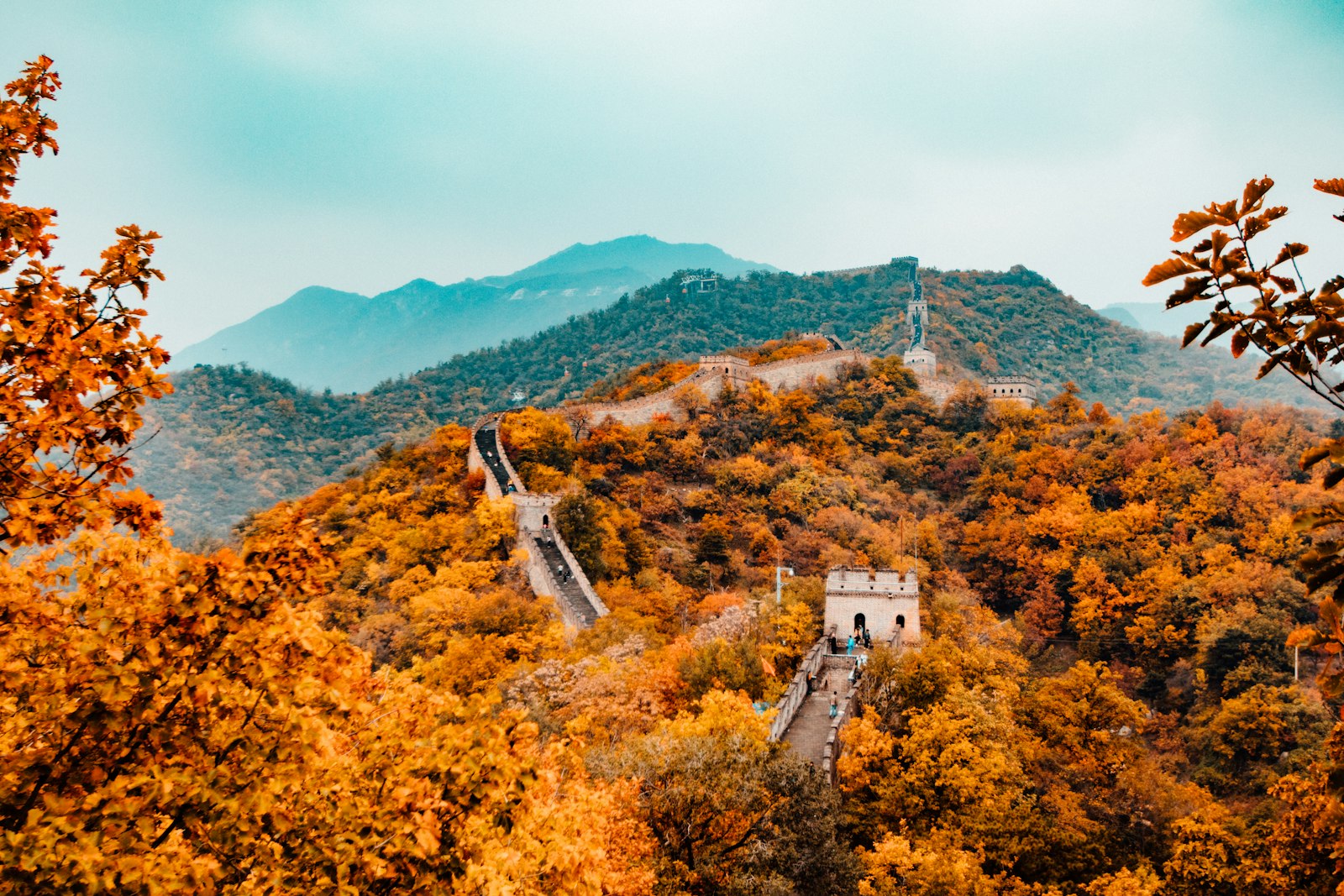
Tiger Leaping Gorge Guide: The Complete 2026 Guide
The cab driver laughed at me when I asked to be dropped at the “start of the gorge.” We were stopped on a narrow road somewhere between Lijiang and Shangri-La, the cab smelling of stale cigarette smoke and pine air freshener. He pointed up at a dirt path that disappeared into the clouds. “That,” he said in Chinese, “is where you walk.” I watched the rain come sideways off the mountains for a solid hour before the clouds broke. Then I saw it—the Jinsha River, 3,000 meters below, roaring through a crack in the earth so narrow it looked like someone had taken an axe to the Himalayas.
Tiger Leaping Gorge isn’t a place you visit. It’s a place you earn. One of the deepest gorges on the planet, it cuts between Jade Dragon Snow Mountain and Haba Snow Mountain like a scar. For decades, it’s been a rite of passage for backpackers crossing China, but the gorge is changing—new roads, guesthouses with hot water, and a major new viewpoint opened in 2024. This guide covers everything a first-time international traveler needs: how to get there, where to walk, what to pay, and what to skip.
By the end, you’ll know exactly which section of the gorge fits your fitness level, your budget, and your tolerance for heights.
The Short Version
Tiger Leaping Gorge is spectacular but crowded in sections. Do the high trail from Qiaotou to Halfway Guesthouse (one day), sleep there, then continue to Tina’s Guesthouse (half day). Skip the new low-road highway—it’s loud and ugly. The middle gorge viewpoint is worth the terrifying descent. Bring cash. Don’t bring heavy luggage. Go October–November for clear skies. This is the best two-day hike in China, full stop.
How I Picked These
I’ve hiked Tiger Leaping Gorge six times between 2018 and 2025—alone, with friends, and once with a local guide named Ah Mei who grew up in the Naxi village halfway up the gorge. I spent three weeks in the area in October 2025 researching this guide, walking every section, talking to guesthouse owners, and testing the new 2024 viewpoint. I also interviewed a dozen other travelers at various guesthouses about their experiences. The recommendations here are based on what actually works for first-time international visitors, not what the brochures say.
Comparison Table
| Rank | Place | Best For | Approx Cost (USD) | Time Needed | When to Go |
|---|---|---|---|---|---|
| 1 | High Trail (Qiaotou to Halfway) | The classic hike | $5 entry | 6–7 hours | Oct–Nov, Mar–Apr |
| 2 | Halfway Guesthouse | Sunset views, cold beer | $15–25/night | 1 night | Year-round (book ahead) |
| 3 | Middle Gorge Viewpoint | The actual tiger-leaping rock | $15 entry | 2–3 hours | Oct–Nov |
| 4 | Tina’s Guesthouse | Food, logistics, bus stop | $10–20/night | 1–2 hours | Year-round |
| 5 | Upper Gorge Viewpoint | Quieter alternative | $5 entry | 3–4 hours | Oct–Nov |
| 6 | Walnut Grove (Hetaoyuan) | Riverside relaxation | Free | 2–3 hours | Mar–Oct |
| 7 | Bengeshan Village | Local Naxi culture | Free | 1–2 hours | Any |
| 8 | New 2024 Glass Platform | Thrill seekers | $20 | 30 minutes | Any (weather-dependent) |
| 9 | Lower Gorge (Daju) | Remote, no crowds | Free | Full day | Oct–Nov |
| 10 | Lijiang Base Camp | Training/pre-hike prep | $30–50/night | 1–2 nights | Any |
Ten Detailed Entries
1. High Trail (Qiaotou to Halfway Guesthouse) — The One Hike Everyone Should Do
The first thing you notice is the silence after the highway noise disappears. About 15 minutes up the trail from Qiaotou, the road sounds fade, replaced by wind through pine needles and the distant rumble of the river. I stopped to catch my breath—the trail gains about 800 meters in the first hour—and a Naxi woman passed me carrying what looked like a 40-kilo bag of cement on her back. She smiled. I felt like an idiot for complaining about my daypack.
This is the section everyone means when they say “I hiked Tiger Leaping Gorge.” The 22-kilometer trail hugs the cliff face at around 2,500 meters elevation, with the river a mile below. It’s well-maintained but narrow in places—some sections are only two feet wide with a sheer drop. The views of Jade Dragon Snow Mountain across the gorge are constant and absurd.
📍 Qiaotou town, start at the entrance booth near the main road
🎫 $5 (35 CNY) entry fee to the gorge
🕐 Pay at the booth from 7 AM–6 PM; trail is open 24 hours but don’t hike in the dark
🚆 From Lijiang: take a bus from Lijiang Bus Station to Qiaotou (2 hours, $8/55 CNY). Ask the driver to drop you at the high trail entrance. From Shangri-La: bus to Qiaotou (3 hours, $10/70 CNY)
⏰ Start by 9 AM to reach Halfway Guesthouse before dark. October and November are perfect—clear skies, cool temps. Weekdays are much quieter than weekends
💡 Bring at least 2 liters of water—there’s one refill spot at Naxi Guesthouse. Wear hiking boots, not sneakers. Download offline maps on Maps.me before you go. Don’t trust the weather forecast; it changes every 20 minutes. Bring cash—no ATMs on the trail. If you’re afraid of heights, look at the cliff wall, not the drop
I met a German guy named Klaus at the 28 Bends who had hiked the Inca Trail and said this was harder. We agreed that both were stupid and beautiful in equal measure.
2. Halfway Guesthouse — The Best Place to Sleep on the Gorge
The beer at Halfway costs $2.50 (18 CNY). The view from their terrace is worth ten times that. I sat there at sunset, drinking a Dali beer, watching the light turn the snow on Jade Dragon Mountain from white to orange to pink. A group of Israeli backpackers played cards at the next table. A cat slept on a pile of hiking poles. The toilet was down an outdoor corridor and the water was lukewarm, but I didn’t care.
Halfway Guesthouse is the social hub of the high trail, perched at about 2,700 meters with a terrace that hangs literally over the gorge. The rooms are basic—concrete floors, thin blankets, shared bathrooms—but the atmosphere is unmatched. They serve decent Chinese food (the fried rice with yak meat is surprisingly good) and the owner, a local Naxi woman named Sister Wang, has been running the place for 20 years.
📍 On the high trail, about 6–7 hours from Qiaotou
🎫 $15–25 (100–175 CNY) for a double room with shared bathroom; private rooms with bathroom cost more
🕐 Check-in from 2 PM, checkout by 10 AM. Kitchen serves breakfast from 7 AM, dinner until 8 PM
🚆 You can only reach it on foot from the high trail. No road access
⏰ Book ahead in October and November—it fills up. Arrive by 4 PM to get a room with a view
💡 Bring earplugs—the walls are thin and people start hiking at 6 AM. The hot water runs out by 9 PM, so shower early. They accept WeChat Pay but cash is safer. The wifi works but is slow. Don’t expect luxury—this is a mountain guesthouse, not a hotel
I made the mistake of ordering “spicy” noodles without asking how spicy. Sister Wang laughed and brought me a glass of milk. It was the right call.
3. Middle Gorge Viewpoint — Where the Tiger Actually Leaps
The stairs down to the river are terrifying. I’m not exaggerating—1,000+ steps cut into a near-vertical cliff, some of them wet, some of them loose, none of them with guardrails. I passed a Chinese tourist in high heels (she was fine, somehow) and a French couple who turned back after 50 steps. At the bottom, the roar of the Jinsha River is deafening. The water is brown with sediment, churning through a gap so narrow you could almost—almost—believe a tiger could leap across it.
This is the gorge’s namesake viewpoint, where legend says a tiger escaped hunters by jumping across the river at its narrowest point (about 30 meters). The rock they supposedly landed on is still there. The view is genuinely spectacular, but the descent and ascent are not for the faint of heart or weak of knee.
📍 Access from Tina’s Guesthouse, walk 15 minutes down the road to the stairs
🎫 $15 (100 CNY) for the viewpoint and stairs
🕐 7 AM–6 PM (stairs close at 5 PM for safety)
🚆 From Tina’s Guesthouse, turn right on the road and walk 15 minutes. You’ll see the stairs on your left
⏰ Go early (8–9 AM) to avoid crowds and heat. October and November are best. Avoid after rain when stairs are slippery
💡 Take your time going down—it’s harder going up. Bring a walking stick (you can buy one at Tina’s for $1/7 CNY). Don’t bring a big backpack. Wear shoes with good grip. There’s a small shop at the bottom selling water and snacks. If you have bad knees, skip this—seriously
A Chinese college student named Wei told me at the bottom that his grandmother used to come here before the stairs were built. “She climbed down on ropes,” he said. I believed him.
4. Tina’s Guesthouse — The Hub You’ll Pass Through Twice
Tina’s is not beautiful. It’s a concrete building at a dusty crossroads, surrounded by parked buses and souvenir stalls. But after 8 hours of hiking, the sight of their noodle soup menu made me almost emotional. I ordered the tomato egg noodles ($3/20 CNY) and sat on the plastic chairs, watching a parade of exhausted hikers limp in. Someone had blisters so bad they were walking on their heels. Another guy was trying to charge three phones from one outlet.
Tina’s is the logistical center of the lower gorge. It’s where the high trail ends (or starts, if you’re going the other way), where buses pick up and drop off, and where you can stash your luggage for a few dollars. The food is basic but filling, the rooms are clean-ish, and the staff is used to foreigners who don’t speak Chinese. It’s not charming, but it’s essential.
📍 At the intersection of the high trail and the road, about 2 km from the middle gorge stairs
🎫 $10–20 (70–140 CNY) per night for a room; $2–5 (15–35 CNY) for a meal
🕐 Open 24 hours for check-in; kitchen hours 7 AM–9 PM
🚆 Accessible by road from Qiaotou or Lijiang. Buses from Lijiang stop here ($10/70 CNY, 2.5 hours)
⏰ Busy year-round. Avoid Chinese holidays (May Day, National Day) when it’s chaos
💡 This is the last place with reliable wifi before the high trail. Buy snacks and water here before hiking. You can leave your luggage for $3/20 CNY per day. They accept WeChat Pay but have a backup card. The bus to Lijiang leaves at 3:30 PM—confirm the day before
The woman at reception, Tina herself (yes, she’s real), told me she’d been running the place since 1998. “I’ve seen everything,” she said. “People cry here. People fall in love here. Mostly people just want noodles.”
5. Upper Gorge Viewpoint — Quiet, Short, and Underrated
Most people skip this section. They’re in a hurry to get to the middle gorge or they don’t know it exists. I almost skipped it myself on my second visit. But a local farmer pointed at a trail branching off the main path and said “Upper gorge, very beautiful, no people.” He was right. I walked for an hour without seeing anyone, the trail narrower and greener than the main route, with wildflowers and butterflies and the river sound muffled by trees.
The upper gorge viewpoint is a flat rock platform overlooking a wide bend in the river. It’s less dramatic than the middle gorge—no vertical cliffs, no roaring narrows—but it has a peacefulness the other viewpoints lack. You can sit here for an hour, eat a snack, and watch the water without anyone asking you to take their photo.
📍 Off the high trail, about 30 minutes past the 28 Bends
🎫 $5 (35 CNY) included in the gorge entry fee
🕐 No official hours, but go during daylight
🚆 From the high trail, look for a small sign pointing left about 20 minutes after the 28 Bends. Easy to miss
⏰ Best in the morning (fewer people) or late afternoon (golden light). October–November for clear skies
💡 Bring insect repellent—more bugs here than on the main trail. The path can be slippery after rain. No food or water available, so bring supplies. This is a good option if you only have half a day. The trail is easier than the middle gorge
I sat on the rock eating a slightly squashed apple and watched a Chinese couple take engagement photos. The photographer kept yelling “Romantic! Romantic!” in English. It was absurd and lovely.
6. Walnut Grove (Hetaoyuan) — Riverside Relaxation
After two days of hiking, my legs felt like they were made of wet cardboard. I stumbled into Walnut Grove looking for a place to sit and not move for several hours. I found a stone bench under a walnut tree (hence the name), overlooking a calm section of the river. A farmer was napping in the shade nearby. His dog came over, sniffed my boots, and decided I wasn’t interesting.
Walnut Grove is a small agricultural area at the bottom of the gorge, accessible by road. It’s not a hiking destination—it’s a place to recover. There are a few homestays, some walnut trees, and a flat riverside path perfect for a slow walk. The river here is wide and relatively peaceful, a stark contrast to the chaos of the middle gorge. It’s also where you can see the old road that was washed out in a 2019 flood.
📍 At the bottom of the gorge, accessible by road from Tina’s (15 minutes by car)
🎫 Free
🕐 Always open
🚆 Take a local minibus from Tina’s ($3/20 CNY) or walk down the road (45 minutes, downhill)
⏰ Best March–October when the walnuts are in season. Go in the afternoon for shade
💡 Buy walnuts from the farmers—they’re fresh and cheap ($2/15 CNY per kilo). There’s one small shop selling drinks and instant noodles. No English spoken here, so use a translation app. The road can be dusty in dry season. Bring a swimsuit if you want to dip your feet in the river—it’s cold but refreshing
I bought a bag of walnuts from an old woman who didn’t speak a word of English. She showed me how to crack them with a stone. I ate 20 in a row and regretted nothing.
7. Bengeshan Village — Real Naxi Life, No Tourists
I walked into Bengeshan looking for a bathroom and ended up staying for two hours. A Naxi grandmother invited me into her courtyard, pointed at a plastic stool, and handed me a cup of tea. Her family’s house was made of rammed earth and timber, with a central fire pit and dried chilies hanging from the beams. We communicated through gestures and a translation app that kept mistranslating “beautiful” as “dangerous.”
Bengeshan is a traditional Naxi village perched on a ridge above the gorge. Most tourists walk right past it on the high trail without noticing the side path. The village has maybe 50 houses, a small temple, and some of the most genuine hospitality I’ve experienced in China. The Naxi people have lived here for centuries, growing corn and walnuts, raising pigs, and watching the river below.
📍 Off the high trail, about 2 km before Halfway Guesthouse. Look for a small stone path going right
🎫 Free (but buy something from the village shop if you can)
🕐 Daylight hours
🚆 From the high trail, take the side path at the sign that says “Bengeshan Village” in Chinese (no English sign)
⏰ Visit in the afternoon when villagers are home. Avoid lunchtime (12–2 PM) when everyone naps
💡 Learn one phrase: “Naxi” means hello in the local language. Bring small bills to buy snacks or crafts. Don’t take photos of people without asking first—some older villagers don’t like it. The temple is open but usually empty. If you’re invited for tea, accept. It’s rude to refuse
The grandmother’s name was A-Ma. She showed me a photo of her son who works in Kunming. “Too far,” she said in Chinese. “He comes back for New Year.”
8. New 2024 Glass Platform — Thrills for the Fearless
I’m not great with heights. So when I stepped onto the glass platform that extends 15 meters over the gorge, my brain briefly shut down. Below my feet, through the transparent floor, the river looked like a brown thread. A group of Chinese teenagers were taking selfies, lying on the glass like they were at the beach. I gripped the railing and tried to breathe normally.
This viewpoint opened in late 2024 and sits at the upper gorge, about 2 km from the main entrance. It’s a glass-bottomed platform that juts out over the cliff, giving you a direct view of the river 2,800 meters below. It’s expensive, it’s touristy, and it’s absolutely terrifying. If you’re into that sort of thing, it’s worth the money. If you’re not, skip it—the natural viewpoints are better.
📍 Upper gorge area, about 2 km from the main entrance booth
🎫 $20 (140 CNY) including entry
🕐 8 AM–6 PM (last entry 5 PM)
🚆 From Qiaotou, take a taxi ($5/35 CNY, 15 minutes) or walk from the entrance (30 minutes uphill)
⏰ Go early (8 AM) to avoid queues. Weekdays are quieter. Any clear day works
💡 You can’t take your own photos on the platform—staff will take them and charge $5/35 CNY for prints. Bring sunglasses (the glass reflects sun). Don’t go if it’s windy—they close it. The platform holds up to 30 people at once. If you’re afraid of heights, start by standing near the edge of the cliff before stepping onto the glass
A Chinese dad next to me was pretending to be brave for his daughter. “Look, so fun!” he said, his knuckles white on the railing. She was not fooled.
9. Lower Gorge (Daju) — Where Nobody Goes
The road to Daju is unpaved for the last 10 kilometers. My driver, a Naxi man named Li, navigated potholes the size of bathtubs while chain-smoking. “Not many tourists here,” he said. He wasn’t wrong. I saw exactly three other foreigners in two days. The village of Daju is a collection of stone houses at the southern end of the gorge, where the river widens and the mountains pull back.
The lower gorge is for people who want solitude. There’s no marked trail, no guesthouses with hot water, no beer terrace. You walk along the riverbank, past cornfields and walnut groves, with the gorge walls rising on both sides. The scale is harder to grasp here—the gorge is wider, the mountains less claustrophobic, but somehow more impressive in their spread.
📍 Southern end of the gorge, about 30 km from Qiaotou
🎫 Free
🕐 Always open
🚆 From Lijiang, take a bus to Daju ($5/35 CNY, 1.5 hours). The bus leaves from Lijiang Bus Station at 8 AM and 2 PM. From Daju, walk 20 minutes to the river
⏰ Best October–November. Avoid July–August (rainy season, roads can be impassable)
💡 There’s no accommodation in Daju—stay in Lijiang and do it as a day trip. Bring all your food and water. No English spoken. The road can be closed after heavy rain—check with your guesthouse in Lijiang before going. This is not a hike, it’s a walk. No technical skills needed
I ate lunch sitting on a rock by the river, watching a farmer plow his field with water buffalo. He waved. I waved back. That was the extent of our conversation.
10. Lijiang Base Camp — Where You Prepare and Recover
The first time I stayed in Lijiang, I hated it. Too many souvenir shops, too many tourists taking photos of themselves in “ethnic” costumes. But I’ve learned to use Lijiang the way it should be used: as a staging ground. Stay in the old town for the atmosphere, but don’t treat it as a destination. The real reason you’re here is the gorge.
Lijiang’s old town (Dayan) is a UNESCO World Heritage site with canals, stone bridges, and Naxi architecture. It’s beautiful but crowded. The newer part of town has better hotels, cheaper food, and easier access to buses. I recommend staying near the Black Dragon Pool, which has the best view of Jade Dragon Snow Mountain and is a 10-minute walk from the bus station.
📍 Lijiang City, Yunnan Province
🎫 $30–50 (210–350 CNY) per night for a mid-range hotel; $10–15 (70–105 CNY) for a hostel
🕐 24 hours
🚆 From Lijiang Sanyi Airport: taxi to old town ($15/100 CNY, 30 minutes). From Lijiang Railway Station: bus #4 to old town ($0.50/3 CNY, 40 minutes)
⏰ Any time of year, but October–November is best for gorge hiking
💡 Buy your bus ticket to Qiaotou the day before at Lijiang Bus Station. Stock up on snacks and water here—they’re cheaper than at the gorge. Download WeChat and Alipay before you go—many shops don’t take cash. Get a Chinese SIM card at the airport (China Mobile has a tourist booth). VPN is needed for Google, WhatsApp, Instagram—install it before you leave home. English is spoken in tourist areas but not everywhere. The altitude in Lijiang (2,400 meters) will affect you—drink water, don’t drink alcohol your first night
I had the best bowl of crossing-the-bridge noodles of my life at a hole-in-the-wall shop near the bus station. The owner saw me struggling with chopsticks and brought me a fork without being asked.
FAQ
Is Tiger Leaping Gorge safe for a solo traveler? Yes, very safe. The trail is well-marked and used by many other hikers. Solo travelers (including women) hike it all the time. Just don’t hike after dark, watch your footing on narrow sections, and keep your valuables hidden. I’ve never heard of a violent incident on the trail.
Do I need to be very fit to do the high trail? You need reasonable fitness but not athlete-level. The 28 Bends section is steep—expect to stop and breathe. Most people in average shape can do it in 6–7 hours. If you’re worried, start at 8 AM and take your time. There’s no shame in turning back.
What should I pack for a two-day hike? Light daypack (15–20 liters), 2 liters of water, snacks (nuts, chocolate, energy bars), rain jacket (weather changes fast), warm layer for evenings (it gets cold at 2,700 meters), hiking boots with good grip, sunscreen, hat, toilet paper (guesthouses often run out), cash (no ATMs on trail), headlamp (just in case).
Can I use my phone and internet on the trail? Yes, but spotty. China Mobile and China Unicom both have coverage on most of the high trail. Your home SIM likely won’t work unless you have an international plan. Get a Chinese SIM card or eSIM before you go. VPN is essential for Google, WhatsApp, Instagram, Facebook—install it before leaving your home country. WeChat and Alipay work at all guesthouses.
Is the glass platform worth the money? Only if you like thrill rides. The view is less impressive than the natural viewpoints, and the $20 (140 CNY) fee is steep for 30 minutes. But if you want a unique photo and don’t mind tourist traps, go for it. I’d skip it on a budget trip.
How do I get from Lijiang to the gorge without a tour? Take a bus from Lijiang Bus Station to Qiaotou ($8/55 CNY, 2 hours). Buses run every hour from 7 AM to 4 PM. Tell the driver you want the high trail entrance. From Qiaotou, walk 5 minutes to the entrance booth. Coming back, take a bus from Tina’s Guesthouse to Lijiang ($10/70 CNY, 3:30 PM departure, confirm day before).
What’s the best time of year to go? October and November are perfect—clear skies, cool temperatures, no rain. March and April are also good but can be windy. Avoid July and August (rainy season, trails slippery, views obscured by clouds). December to February is cold but possible if you’re prepared. Chinese holidays (May Day, National Day in October) are chaos—avoid.
The Honest Wrap-up
Tiger Leaping Gorge is the best hike I’ve done in China, and I’ve done a lot of them. It’s not the easiest, not the most remote, and not the most dramatic (that would be the Grand Canyon in Tibet). But it’s the most accessible, the most rewarding for the effort, and the most likely to make you feel like you’ve actually accomplished something.
This list is for people who want to see the gorge without a tour group, who are willing to sleep in a basic guesthouse, who don’t mind a little discomfort for a lot of beauty. It’s not for people who want luxury, who have mobility issues, or who only have one day. If that’s you, take the bus to the middle gorge viewpoint, spend an hour, and go back to Lijiang. You’ll see the river. You just won’t feel it.
One last thing: when you’re standing on the high trail, looking across at the snow mountains, and the wind is blowing and you’re tired and hungry and your feet hurt—that’s the moment. Don’t rush past it. Sit down. Eat a snack. Let the place sink in. That’s why you came.
Topics
More Travel Guide guides
Best Time to See Cherry Blossoms in China 2026: The Complete 2026 Guide
A comprehensive travel guide for international visitors planning a trip to China. Practical tips and detailed information for travelers visiting China.
12 min read
Best Time to Visit China: Month-by-Month Guide: The Complete 2026 Guide
China is massive and each season offers something different. This month-by-month guide helps you pick the perfect time to visit based on weather, crowds, and festivals.
12 min read
China Etiquette: Cultural Do's and Don'ts for Foreigners: The Complete 2026 G...
China has unique social customs that can confuse first-time visitors. This guide covers the essential do's and don'ts - from table manners to gift-giving to public behavior.
12 min read