
Yunnan Travel Guide: The Complete 2026 Guide
A comprehensive travel guide for international visitors planning a trip to China. Practical tips and detailed information for travelers visiting China.
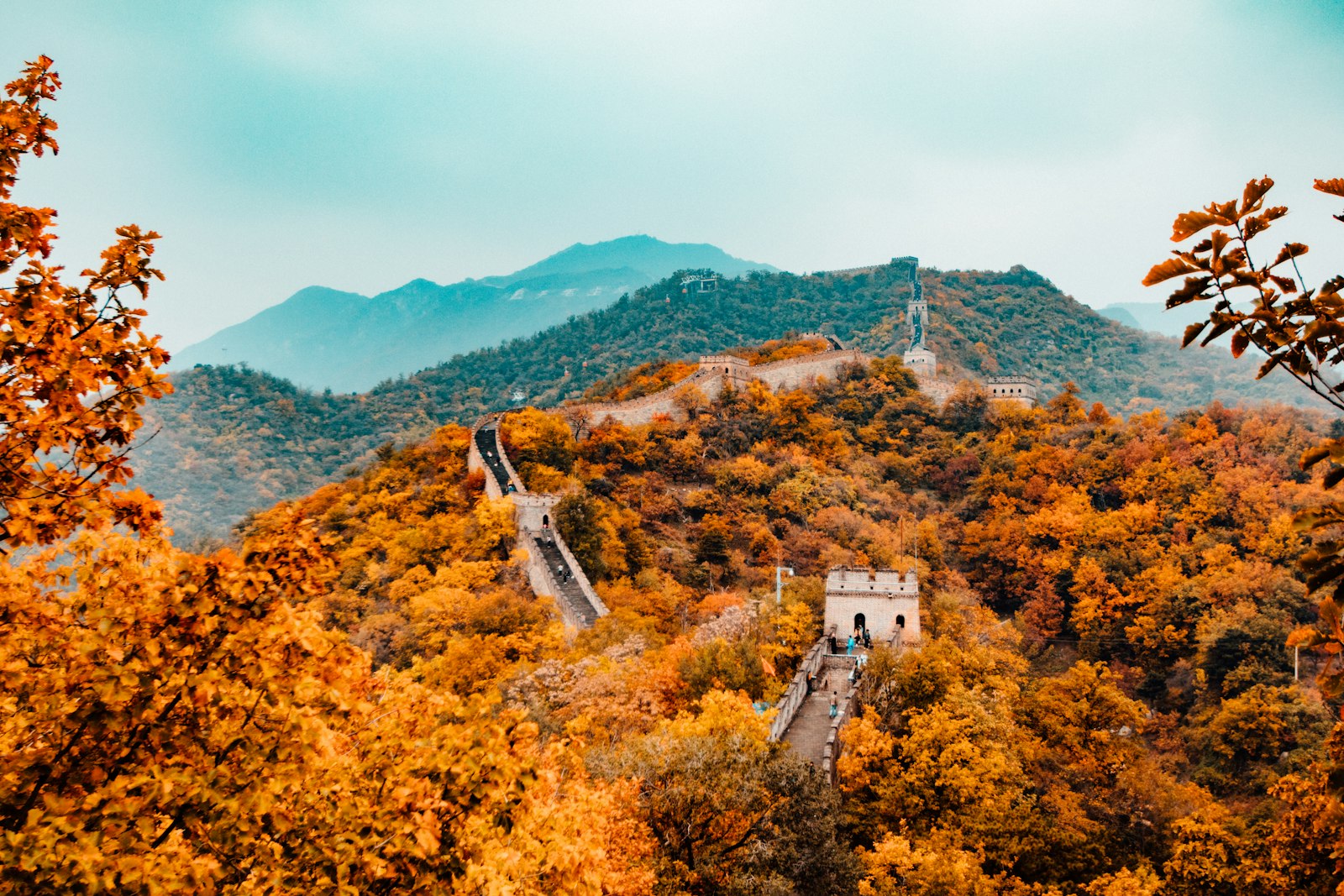
Yunnan Travel Guide: The Complete 2026 Guide
The cab driver laughed at me when I asked if we could make it to Dali in four hours. “Miss,” he said, switching to English because my Mandarin was failing, “the mountains don’t care about your schedule.” He was right. We hit a landslide near a village called Shaxi, sat for two hours watching farmers lead goats past our window, and I ate the best grilled tofu of my life from a woman who set up a charcoal grill between stalled cars. That was my first lesson about Yunnan: this province doesn’t cooperate with itineraries. It makes you slow down.
Yunnan is China’s most geographically diverse province—snow-capped mountains in the north, tropical rainforest in the south, rice terraces carved into hills that have stood for a thousand years. It’s where Buddhist stupas sit next to Naxi Dongba temples, where you can drink coffee grown at 1,500 meters in the morning and eat mushrooms foraged from the same mountains at dinner. For first-time visitors to China, it’s the best entry point: less intense than Beijing, less overwhelming than Shanghai, and English goes further here than you’d expect.
This guide comes from seven years of living in Beijing and more than forty trips across China, including five dedicated Yunnan runs. I’ve missed buses, overpaid for everything, eaten things I couldn’t identify, and made friends with people whose names I still have in my phone. Here’s what I actually know.
The Short Version
If you have 90 seconds: fly into Kunming, skip the city, head straight to Dali for three days, then Lijiang for two, then Shangri-La for the altitude and the Tibetan culture. If you have two weeks, add Yuanyang rice terraces and Xishuangbanna. Don’t miss Shaxi Old Town between Dali and Lijiang—it’s what Lijiang looked like before the tour buses found it. Bring cash for small towns, download Pleco and Didi before you arrive, and don’t trust the weather forecast. Yunnan changes its mind every twenty minutes.
How I Picked These
I visited every place on this list at least twice. I took buses, hired drivers, hitchhiked once (not recommended). I sat in local tea shops and asked the owners where they’d send their own relatives. I made a spreadsheet of prices, distances, and frustration levels. I eliminated places that are beautiful but impossible to reach without a private car and a Chinese-speaking companion. I kept places where a solo English speaker can actually figure things out without crying. The ten entries below are the ones I’d send my own mother to—and she does not handle chaos well.
Comparison Table
| Rank | Place | Best For | Approx Cost (USD) | Time Needed | When to Go |
|---|---|---|---|---|---|
| 1 | Dali Old Town | First-timers, lakeside cycling, relaxed vibe | $30-50/day | 3-4 days | Mar-May, Sep-Nov |
| 2 | Lijiang Old Town | Naxi culture, nightlife, photo ops | $35-55/day | 2-3 days | Apr-Jun, Oct |
| 3 | Shangri-La | Tibetan culture, high-altitude scenery | $40-60/day | 3-4 days | May-Oct |
| 4 | Yuanyang Rice Terraces | Photography, sunrise, hiking | $25-40/day | 2-3 days | Nov-Mar |
| 5 | Shaxi Old Town | Authentic village, no crowds, tea horse road history | $20-35/day | 2 days | Mar-May, Sep-Nov |
| 6 | Xishuangbanna | Tropical jungle, Dai minority culture, elephants | $30-50/day | 3-4 days | Nov-Feb |
| 7 | Kunming | Spring city, stone forest, transit hub | $25-40/day | 1-2 days | Year-round |
| 8 | Tiger Leaping Gorge | Hiking, dramatic canyon views | $15-25/day | 2 days | Mar-May, Sep-Nov |
| 9 | Puzhehei | Lotus lakes, karst scenery, quiet | $20-30/day | 2 days | Jun-Aug |
| 10 | Weishan | Untouched old town, fewer tourists, real life | $15-25/day | 1-2 days | Year-round |
1. Dali Old Town — The One I Send Everyone To
I was sitting on a rooftop at 7 AM, coffee in hand, watching mist peel off Cangshan Mountain like a bedsheet being slowly pulled away. Below me, the old town was waking up—shutters opening, a woman sweeping her doorway, the distant clatter of a breakfast cart. A French couple at the next table was arguing about whether to rent scooters. I’d been in China for three years by then, and Dali was the first place that made me think I could stay forever.
Dali is special because it’s beautiful without being precious. The old town sits between Erhai Lake and the Cangshan range, with cobblestone streets, white Bai minority architecture, and a pace that feels deliberately slow. It’s touristy, sure, but it’s touristy in a way that works—good coffee shops, decent food, plenty of English menus, and a lakefront you can cycle around in a day. The Three Pagodas are worth the entrance fee, but what I actually remember is renting a bicycle and riding through the countryside, past farms and temples, stopping at a village market to buy roasted chestnuts from an old woman who refused to let me pay full price.
- 📍 Dali Old Town, Dali Bai Autonomous Prefecture
- 🎫 Free to enter the old town. Three Pagodas: $8 (¥55). Cangshan cable car: $20 (¥140)
- 🕐 Old town open 24/7. Shops open 9 AM-10 PM
- 🚆 Take the high-speed train from Kunming to Dali Station (2 hours, $25/¥175). Then take bus 8 or Didi to the old town (30 minutes, $4/¥28)
- ⏰ Visit April-May or September-October. Weekdays are quiet. Weekends get busy with domestic tourists
- 💡 Insider tips: Rent an e-bike for $8/day and ride to Xizhou village (20 minutes north) for the Bai-style courtyard houses and the best milk fan (ru shan) in the region. Skip the foreigner bars on Foreigner Street—they’re overpriced. Eat at a local noodle shop called “Zaifu” near the south gate. Bring a light jacket even in summer; the lake creates a breeze. Learn to say “duō shao qián” (how much) because market vendors won’t speak English.
- I met a guy named Liu who ran a tea shop and spent two hours teaching me how to properly brew pu’er. I bought three cakes of tea I didn’t need. No regrets.
2. Lijiang Old Town — Beautiful, Crowded, Worth It
The first thing you notice in Lijiang is the water. Canals run through every street, clean and fast, carrying meltwater from the Jade Dragon Snow Mountain. The second thing you notice is the noise—a thousand tourists shuffling through Sifang Street, selfie sticks raised like antennae. I hated it for the first hour. Then I got lost in the back alleys, found a Naxi woman playing an ancient flute by a stone bridge, and understood why people put up with the crowds.
Lijiang is a UNESCO World Heritage site, and it shows. The Naxi minority architecture is intact—wooden buildings with flying eaves, stone-paved lanes, and a water system that’s been running since the Song Dynasty. The old town is a maze, and that’s the point. You’re supposed to get lost. The Black Dragon Pool offers postcard views of the snow mountain. The Mu Palace is worth an hour. But the real magic is in the side streets, where old women sell embroidery and teenagers play guitar in doorways.
- 📍 Lijiang Old Town, Yulong Naxi Autonomous County
- 🎫 Free to enter old town. Mu Palace: $8 (¥55). Black Dragon Pool: $7 (¥50)
- 🕐 Old town open 24/7. Most attractions 8 AM-6 PM
- 🚆 High-speed train from Kunming to Lijiang Station (3.5 hours, $35/¥245). Then bus 4 or Didi to the old town (20 minutes, $3/¥20)
- ⏰ Visit April-June or October. Avoid Chinese national holidays (May 1-5, October 1-7) unless you enjoy being packed like a sardine
- 💡 Insider tips: Stay in the old town but in a quieter section near the north gate. The south gate area is where the party hostels are and it stays loud until 2 AM. Eat Naxi barbecue on Wuyi Street—grilled fish and yak meat, cheap and good. Don’t buy silver jewelry from street vendors; most of it’s fake. If you want to see the snow mountain without the crowds, go to Baisha village instead (15 minutes north) for a quieter view. The Naxi people are matrilineal—women run the businesses, men do the art and music. Respect that dynamic.
- I watched a drunk Australian try to haggle for a hand-carved wooden mask at 11 PM. The vendor, a tiny Naxi grandmother, didn’t budge a single yuan. He bought it at full price.
3. Shangri-La — Where the Air Gets Thin and the Prayer Flags Flap
The bus from Lijiang climbs for three hours, and you feel it in your ears. By the time you reach Shangri-La, altitude 3,300 meters, you’re looking at a Tibetan town that could be in Nepal or Bhutan. The Songzanlin Monastery glows gold against a grey sky. Monks in maroon robes walk past souvenir shops selling yak butter tea. I got a headache within an hour and didn’t care.
Shangri-La (formerly Zhongdian) was renamed in 2001 after James Hilton’s fictional paradise in “Lost Horizon.” The name stuck because it fits. The old town is smaller than Lijiang’s, more Tibetan than Han Chinese, with whitewashed buildings and brightly painted prayer wheels. The monastery is the real draw—it’s the largest Tibetan Buddhist monastery in Yunnan, modeled after the Potala Palace. Take the guided tour; the monks who lead it speak decent English and will explain things you’d never figure out on your own.
- 📍 Shangri-La, Diqing Tibetan Autonomous Prefecture
- 🎫 Old town free. Songzanlin Monastery: $12 (¥80). Pudacuo National Park: $15 (¥100)
- 🕐 Monastery 8 AM-6 PM. Park 7:30 AM-4 PM
- 🚆 Bus from Lijiang (3 hours, $12/¥85). Or fly from Kunming (1 hour, $80-120/¥560-840)
- ⏰ Visit May-October. Winter is brutally cold (below freezing) and many hotels close
- 💡 Insider tips: Acclimate for a day before doing any hiking. Drink lots of water. Avoid alcohol for the first 24 hours. The old town at night is dead by 9 PM—bring a book. Eat at a Tibetan restaurant called “Tsampa” near the square; their momos (dumplings) are the real deal. If you’re fit, hike the three-hour trail around the monastery for views of the entire valley. Don’t take photos of monks without asking—some will wave you off, some will demand money. Bring cash; ATMs are unreliable.
- A monk at the monastery asked me where I was from, then said, “America? Too much running.” He wasn’t wrong.
4. Yuanyang Rice Terraces — The Most Beautiful Thing You’ll See in China
I woke up at 5:30 AM, stumbled to a viewpoint with fifty other people, and watched the sun hit the rice terraces. The water in the paddies turned from black to silver to gold to green in about twelve minutes. An old Hani woman in traditional blue clothing walked along a narrow ridge between terraces, carrying a basket of vegetables. Nobody spoke. Even the Chinese tourists with their drones went quiet.
Yuanyang is not easy to get to. That’s why it’s worth it. The Hani people have been carving these terraces into the Ailao Mountains for 1,300 years. The result is a landscape that looks like a topographic map drawn by a god—layers of water-filled paddies cascading down valleys, reflecting the sky. The best time to visit is between November and March, when the terraces are flooded and catch the light. In summer, they’re green with rice and less dramatic.
- 📍 Yuanyang County, Honghe Hani and Yi Autonomous Prefecture
- 🎫 Single-day ticket: $15 (¥100). Multi-day: $25 (¥170)
- 🕐 Viewpoints open sunrise to sunset. Duoyishu is best for sunrise. Bada for sunset
- 🚆 Bus from Kunming South Bus Station to Yuanyang (6-7 hours, $15/¥105). Or take the train to Jianshui (2 hours, $12/¥85) then bus to Yuanyang (2.5 hours, $6/¥42)
- ⏰ Visit November-March for flooded terraces. December and January have the best light
- 💡 Insider tips: Stay in the village of Pugao Laozhai, not in the main town of Xinjie. The village has family-run guesthouses with better views and better food. Hire a local guide for $15/day—they’ll take you to viewpoints the tourist buses don’t reach. Bring warm clothes; it gets cold at 1,800 meters. The local specialty is bamboo rice—sticky rice cooked inside bamboo tubes, smoky and sweet. Don’t expect English menus; use the Google Translate camera feature.
- My guesthouse owner, a Hani woman named A-mei, walked me to a hidden viewpoint at dawn. She pointed at the mist and said, “Clouds are the mountain’s breath.” I wrote that down.
5. Shaxi Old Town — What Lijiang Used to Be
I got off the bus in Shaxi and felt like I’d time-traveled. The main street was cobblestone, no cars, just a few old men playing cards under a banyan tree. A horse walked past carrying supplies. The only sound was water running in the canal and someone hammering metal in a workshop. I sat down at a tea stall and the owner handed me a cup without asking. “You’re the only foreigner today,” she said. “Relax.”
Shaxi was a major stop on the Ancient Tea Horse Road, the trade route that connected Yunnan to Tibet and beyond. The old market square, Sideng Street, is still intact—a Ming dynasty theater, a Buddhist temple, and a row of shops that haven’t changed much. There’s no entrance fee, no ticket booth, no tour groups. Just a living village where people farm, cook, and go about their days while you wander through.
- 📍 Shaxi Town, Jianchuan County, Dali Prefecture
- 🎫 Free
- 🕐 Open 24/7
- 🚆 Bus from Dali (3 hours, $8/¥55). Or from Lijiang (2 hours, $6/¥42). No train station—you need the bus
- ⏰ Visit March-May or September-November. Avoid July-August (rainy) and Chinese New Year (packed with returning locals)
- 💡 Insider tips: Stay at a guesthouse in the old town, not the new town (which is ugly and 10 minutes away). The Friday market is the real event—farmers, craftspeople, and livestock traders from surrounding villages. Go early. Try the Jianchuan ham, which is cured for two years and tastes like prosciutto. The coffee at “Old Inn” is surprisingly good. Bring cash; only two ATMs in town and they sometimes run out. Learn to say “xiè xiè” (thank you) because you’ll be saying it a lot.
- I bought a hand-forged knife from a blacksmith named Chen. He tested the edge on a piece of paper, then on his own arm hair. “Good steel,” he said. I believed him.
6. Xishuangbanna — China’s Tropical Surprise
The heat hits you like a wall when you step off the plane. 32°C, 80% humidity, and the air smells like jackfruit and diesel. Xishuangbanna is nothing like the rest of Yunnan—it’s tropical, it’s Dai minority territory, and it feels more like Thailand or Laos than China. The Mekong River runs through it. The streets are lined with palm trees. People wear flip-flops year-round.
The main draw is the Dai culture. The water-splashing festival in April is famous, but even outside of that, the temples and villages are worth the trip. The Wild Elephant Valley is hit-or-miss—you might see elephants, you might not. I saw two. They were eating bamboo and ignoring everyone. The night market in Jinghong is excellent, with grilled fish, sticky rice, and a fermented pork sausage called “sour meat” that I still dream about.
- 📍 Jinghong City, Xishuangbanna Dai Autonomous Prefecture
- 🎫 Wild Elephant Valley: $10 (¥70). Manting Park: $6 (¥40). Dai Garden: $8 (¥55)
- 🕐 Most attractions 8 AM-6 PM. Night market starts around 6 PM
- 🚆 Fly from Kunming (1 hour, $60-100/¥420-700). Or take the new high-speed train (3.5 hours, $30/¥210)
- ⏰ Visit November-February for cooler weather. April for the water festival. Avoid June-September (rainy and humid)
- 💡 Insider tips: Get a dengue fever vaccine before coming—mosquitoes are aggressive here. Learn a few Dai phrases; older people won’t speak Mandarin. The Dai Garden is touristy but worth it for the architecture. Eat at the night market near the Mekong River—try the grilled tilapia with lemongrass. Don’t pet the elephants at the sanctuaries unless you’re sure it’s an ethical operation. The “Elephant Valley” is more ethical than the “Elephant Camp.” Bring insect repellent, strong stuff.
- A Dai woman at the night market taught me how to eat sticky rice properly—roll it into a ball with your fingers, dip it in chili salt, eat it with grilled meat. I ate four portions.
7. Kunming — The City You Pass Through (But Shouldn’t Skip)
I spent two years flying into Kunming and leaving immediately. That was a mistake. Kunming isn’t spectacular—it’s not Dali or Shangri-La—but it’s a genuinely pleasant city with good food, a spring-like climate, and a relaxed energy that’s rare in Chinese cities. The Green Lake Park is full of old people dancing, playing cards, and singing opera. The Yunnan Provincial Museum is excellent. And the food scene is some of the best in the province.
The Stone Forest (Shilin) is the big attraction, and it’s worth a day trip. The karst formations are absurd—towering limestone pillars that look like a petrified forest. It’s touristy, yes, but there’s a reason for that. The park is enormous; you can walk for hours and lose the crowds. The local Yi minority women in colorful costumes will offer to pose for photos for a small fee. It’s a bit cheesy, but the photos are good.
- 📍 Kunming City, Yunnan Province
- 🎫 Stone Forest: $20 (¥140). Yunnan Museum: free
- 🕐 Stone Forest 7:30 AM-6 PM. Museum closed Mondays
- 🚆 Kunming Changshui Airport has flights from major Asian cities. High-speed trains connect to Dali (2 hours), Lijiang (3.5 hours), and Xishuangbanna (3.5 hours)
- ⏰ Visit year-round. Spring (March-April) for flowers. Autumn (September-October) for clear skies
- 💡 Insider tips: The best food in Kunming is at the night market on Wenlin Street. Try “crossing the bridge noodles” (guo qiao mi xian)—it’s a famous local dish where you cook raw ingredients in boiling broth at your table. The Yunnan Provincial Museum has English labels and is genuinely world-class. Skip the flower market unless you’re really into flowers; it’s mostly wholesale and overwhelming. The Green Lake Park is best at sunrise when the tai chi groups are out.
- I watched an old man in the park write calligraphy on the pavement with a brush dipped in water. He wrote a Tang dynasty poem, then stood back and nodded. The characters evaporated in ten minutes.
8. Tiger Leaping Gorge — The Hike That Changes You
I’m not a hiker. I sit at desks and write. But I did the Tiger Leaping Gorge hike, and I’m still proud of it. Two days, 28 kilometers, following a narrow trail cut into the side of a cliff, with the Jinsha River roaring 3,000 meters below. The views are obscene—snow-capped peaks on one side, a chasm on the other, and nothing between you and the drop except a stone wall and your own nerve.
The gorge is named after a legend: a tiger, chased by a hunter, leaped across the narrowest point of the canyon. You can see that spot from the trail. The hike is moderate—steep in sections, but manageable for anyone with basic fitness. The guesthouses along the way are basic but charming, with hot showers, decent food, and views that make you forget the sore legs.
- 📍 Tiger Leaping Gorge, Shangri-La County
- 🎫 $6 (¥45) entrance fee. Guesthouses $10-20/night
- 🕐 Trail open year-round, but check conditions in winter
- 🚆 Bus from Lijiang (2 hours, $8/¥55) to Qiaotou village, where the trail starts. Or from Shangri-La (1.5 hours, $6/¥42)
- ⏰ Visit March-May or September-November. July-August is rainy and trails can be slippery
- 💡 Insider tips: Start from Qiaotou and go north to Tina’s Guesthouse. The trail is better maintained in that direction. Pack light—you’ll carry everything. Bring water purification tablets; the guesthouses sell bottled water but it’s expensive. The “Halfway Guesthouse” has the best views and the best food on the trail. Don’t attempt the gorge in winter without proper gear; ice makes the trail dangerous. Hire a guide only if you’re nervous; the trail is well-marked.
- I met a German woman at the Halfway Guesthouse who was doing the hike barefoot. She said it “connected her to the earth.” I kept my boots on.
9. Puzhehei — The Place Nobody Talks About
I found Puzhehei by accident. A Chinese friend told me to go to “the place with the lakes and the lotus flowers.” I booked a bus, ended up in a small town in Wenshan Prefecture, and discovered a landscape that looked like a Vietnamese postcard—hundreds of limestone karst peaks rising out of clear water, covered in lotus flowers in summer. There were almost no foreign tourists. I saw exactly three in three days.
Puzhehei is a network of lakes connected by waterways. You rent a small boat (motorized or rowed by a local woman) and drift through the karst formations, past villages and fishing platforms. It’s quiet, slow, and deeply relaxing. The lotus flowers bloom from June to August, turning the lakes pink and green. The town itself is unremarkable—ugly concrete buildings and karaoke bars—but the lake area is pure magic.
- 📍 Puzhehei Scenic Area, Qiubei County, Wenshan Prefecture
- 🎫 $12 (¥85) for the main scenic area. Boat rides $8-15 extra
- 🕐 8 AM-6 PM
- 🚆 High-speed train from Kunming to Puzhehei Station (1.5 hours, $15/¥105). Then bus or Didi to the scenic area (20 minutes, $3/¥20)
- ⏰ Visit June-August for lotus flowers. September-October for clear skies and fewer crowds
- 💡 Insider tips: Stay at a guesthouse near the lake, not in the town. The best boat rides are early morning when the mist is on the water. Negotiate the boat price before getting in—ask “duō shao qián” and agree on a number. The local specialty is lotus root soup and grilled fish from the lake. Bring a hat and sunscreen; there’s no shade on the water. Most restaurants have picture menus; point and hope.
- My boat rower, an elderly Zhuang woman, sang a folk song while she rowed. I didn’t understand a word, but I didn’t need to.
10. Weishan — The One That’s Still Real
I almost didn’t write about Weishan. Part of me wants to keep it secret. It’s a small town south of Dali, off the tourist trail, where the old streets are filled with locals going about their lives—buying vegetables, repairing bicycles, drinking tea in the afternoon sun. There are no souvenir shops selling the same mass-produced crap. No tour guides with flags. Just a Ming dynasty old town that’s been there for 600 years and doesn’t care if you visit.
Weishan was the capital of the Nanzhao Kingdom, a powerful empire that ruled this region before the Mongols came. The old town has preserved its original layout—a grid of streets centered on a drum tower that you can climb for views of the entire valley. The market is real, not a performance. The food is local, not adapted for tourists. I ate at a noodle shop where the owner looked surprised to see a foreigner, then shrugged and handed me a bowl.
- 📍 Weishan County, Dali Prefecture
- 🎫 Free. Drum tower: $1 (¥5)
- 🕐 Open 24/7. Shops open 8 AM-9 PM
- 🚆 Bus from Dali (1.5 hours, $4/¥28). Or take the train to Weishan Station (1 hour, $3/¥20)
- ⏰ Visit year-round. The market is busiest on Sundays
- 💡 Insider tips: Climb the drum tower at sunset for the best light. The Weishan market (Sunday) is one of the most authentic in Yunnan—farmers sell everything from live chickens to handwoven baskets. Try the “Weishan cold noodles” (liang fen)—they’re made from pea starch and served with chili oil and vinegar. There’s no English spoken here; you’ll rely on a translation app. Bring cash; only one ATM in town. The guesthouses are basic but clean. Don’t expect luxury; expect authenticity.
- A shopkeeper named Wang saw me taking photos of his doorway and invited me inside for tea. We sat for an hour, communicating through gestures and smiles. He showed me photos of his grandchildren. I showed him photos of my cat. It was the best hour of my trip.
FAQ
1. Do I need a visa for Yunnan in 2026? China’s visa-free policies expanded in 2024-2025. As of 2026, citizens from 54 countries (including the US, UK, Canada, Australia, and most EU nations) can enter visa-free for up to 15 days if transiting through certain cities. For longer stays, you still need a tourist visa (L visa), which costs about $140 (¥1000) and takes 4-7 business days to process. Check the Chinese embassy website in your country before booking.
2. Can I use my phone in Yunnan? Yes, but you need a VPN installed BEFORE you leave home. Google, WhatsApp, Instagram, and Facebook are blocked in China. Download a VPN like ExpressVPN or NordVPN on your phone and laptop before you arrive. For a SIM card, buy one at the airport—China Mobile and China Unicom have tourist SIMs for about $30 (¥210) for 15 days with 20GB of data. Or use an eSIM from Airalo or Holafly.
3. How do I pay for things? China is nearly cashless. You need WeChat Pay or Alipay. Link your foreign credit card (Visa/Mastercard) to Alipay before you leave—it’s easier than WeChat. In 2024, Alipay started accepting foreign cards directly. In cities, you can pay with your phone everywhere. In small towns like Shaxi and Weishan, bring cash—some stalls and old shops don’t take digital payments. ATMs accept foreign cards but charge fees.
4. Is English widely spoken? In tourist areas (Dali, Lijiang, Kunming), you’ll find English menus and some English speakers. In smaller towns, almost no one speaks English. Download Google Translate (works offline if you download the language pack) or Pleco for Chinese phrases. Learn these three phrases: “duō shao qián” (how much), “xiè xiè” (thank you), and “cè suǒ zài nǎ lǐ” (where’s the bathroom). You’ll use them constantly.
5. Is Yunnan safe for solo travelers? Extremely safe. China is one of the safest countries for solo travel, including for women. Violent crime is rare. The biggest risks are scams (overpriced tea, fake tour tickets) and altitude sickness in Shangri-La. Use common sense: don’t walk alone at 2 AM in unfamiliar areas, keep your phone charged, and don’t trust strangers who approach you offering “special deals.” The Didi app (China’s Uber) works in cities and is safer than hailing taxis on the street.
6. What should I pack? Layers. Yunnan’s weather changes dramatically. In the same day, you might need a t-shirt at noon and a jacket at sunset. Bring comfortable walking shoes—the old towns have uneven stone streets. A reusable water bottle (tap water isn’t drinkable, but hotels have kettles). Sunscreen and a hat (the UV is strong at altitude). A power bank (you’ll use your phone for maps and translation). Earplugs (Chinese hotels can be noisy). And a small backpack for day trips.
7. How do I get around Yunnan? The high-speed train network is excellent. Kunming connects to Dali (2 hours), Lijiang (3.5 hours), and Xishuangbanna (3.5 hours). Buses are slower but reach smaller towns. Didi (ride-hailing) works in cities and between nearby towns—it’s about $0.50/km. Renting a car is not recommended for first-time visitors; Chinese driving habits and road signs are challenging. Domestic flights from Kunming to Shangri-La or Xishuangbanna are cheap ($60-100) and save time.
The Honest Wrap-Up
This list is for people who want to see Yunnan without rushing, who are okay with getting lost, who don’t need five-star hotels, and who understand that the best moments happen when you stop following a schedule. It’s not for people who want luxury resorts, air-conditioned buses, and guides who speak perfect English. Those exist in Yunnan, but they cost more and deliver less.
If you’re booking a flight right now, here’s my advice: skip Kunming, go straight to Dali, spend four days there, then take the bus to Shaxi for two days, then go to Lijiang for two, then decide if you want altitude (Shangri-La) or heat (Xishuangbanna). Don’t try to do everything. Yunnan rewards slow travel. The mountains don’t care about your schedule. Neither should you.
Topics
More Travel Guide guides

Best Time to See Cherry Blossoms in China 2026: The Complete 2026 Guide
A comprehensive travel guide for international visitors planning a trip to China. Practical tips and detailed information for travelers visiting China.
12 min read
Best Time to Visit China: Month-by-Month Guide: The Complete 2026 Guide
China is massive and each season offers something different. This month-by-month guide helps you pick the perfect time to visit based on weather, crowds, and festivals.
12 min read
China Etiquette: Cultural Do's and Don'ts for Foreigners: The Complete 2026 G...
China has unique social customs that can confuse first-time visitors. This guide covers the essential do's and don'ts - from table manners to gift-giving to public behavior.
12 min read