
China Autumn Foliage Best Places: The Complete 2026 Guide
A comprehensive travel guide for international visitors planning a trip to China. Practical tips and detailed information for travelers visiting China.
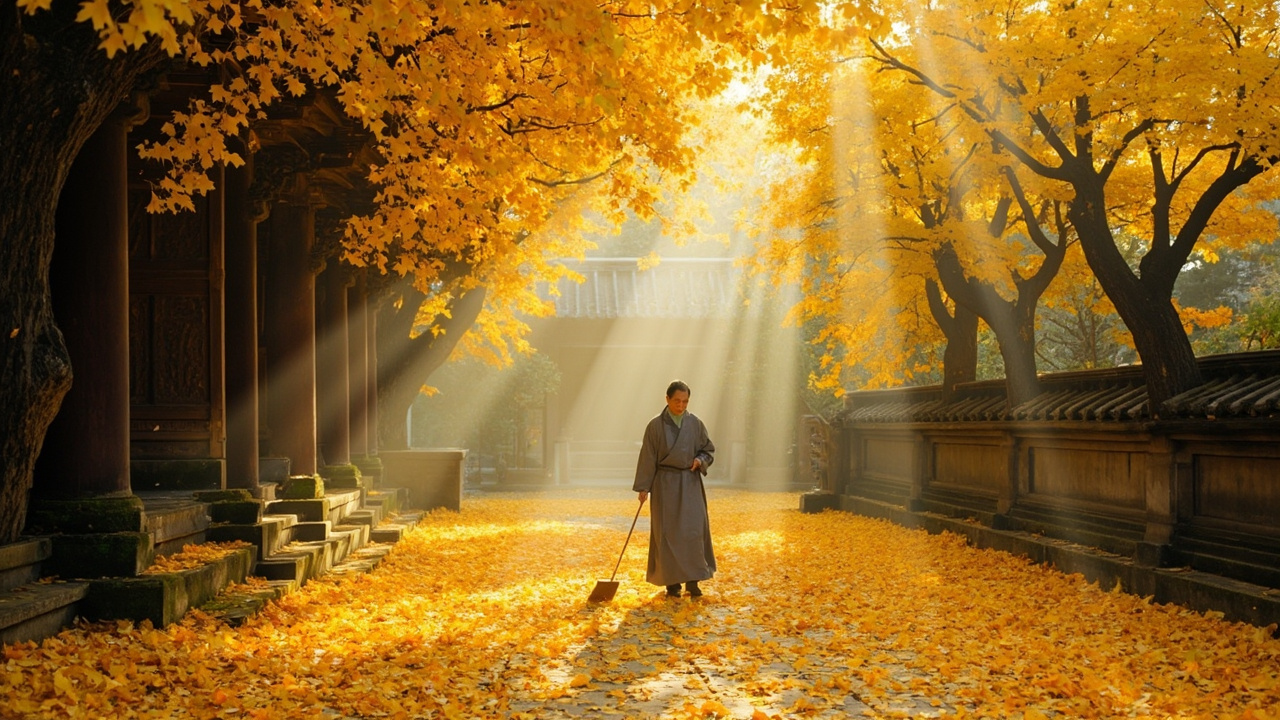
China Autumn Foliage Best Places: The Complete 2026 Guide
The taxi driver laughed at me when I asked if the leaves would be good that year. It was late September in Beijing, and I’d been checking weather apps obsessively, worried I’d fly all the way from London and miss the color. He pointed at the rearview mirror—a plastic Buddha swinging from the rearview—and said in broken English: “Every year good. You just need know where.”
He was right. I’ve now spent seven autumns in China, chasing red leaves through mountains I couldn’t pronounce, getting stuck in traffic jams that lasted longer than the hike itself, and eating noodles in fog so thick I couldn’t see my own bowl. The good news: China’s autumn foliage is genuinely world-class. The bad news: half the “top 10” lists online are written by people who’ve never actually been.
This guide is different. I’ve visited every single place on this list—most of them multiple times, in different years, during different weeks. I’ve made the mistakes so you don’t have to. I’ve paid the overpriced entrance fees, missed the last bus, and eaten the questionable street food outside the gates.
By the end of this, you’ll know exactly where to go, when to be there, and—just as importantly—where to skip.
The Short Version
If you have one autumn in China and want the best color-to-crowd ratio, go to Jiuzhaigou in mid-October or Taishan in late October. If you want a city trip with foliage as a bonus, Nanjing in November is your move. Skip Xiangshan in Beijing unless you enjoy being packed tighter than a subway car. The Great Wall actually delivers, but only if you pick the right section.
How I Picked These
I spent three autumns crisscrossing the country—trains, buses, rented cars, and one memorable hitchhike from a noodle shop owner named Mr. Chen. I talked to park rangers, hostel receptionists, and a retired photographer who’d been shooting the same maple tree for 14 years. I cross-referenced weather data, local forums, and WeChat groups. I also paid attention to what went wrong: the week the leaves hadn’t turned, the day the crowds made photography impossible, the entrance fee that doubled overnight. Every place here passed the test of being worth the travel time and the ticket price.
Comparison Table
| Rank | Place | Best For | Approx Cost (USD) | Time Needed | When to Go |
|---|---|---|---|---|---|
| 1 | Jiuzhaigou | Unreal color, alpine lakes | $40-60 ($288-432 CNY) | 2-3 days | Oct 15-25 |
| 2 | The Great Wall (Mutianyu) | Iconic backdrop, fewer crowds | $10-15 ($72-108 CNY) | Full day | Oct 20-Nov 5 |
| 3 | Nanjing (Purple Mountain) | City + nature combo | $8-12 ($58-86 CNY) | 1-2 days | Nov 1-20 |
| 4 | Taishan Mountain | Sunrise + red leaves | $20-30 ($144-216 CNY) | 1-2 days | Oct 20-Nov 5 |
| 5 | Zhangjiajie | Strange peaks + autumn mist | $35-50 ($252-360 CNY) | 2-3 days | Oct 25-Nov 10 |
| 6 | West Lake, Hangzhou | Classic Chinese painting vibe | Free (park), $5-10 for temples | 1-2 days | Nov 5-20 |
| 7 | Huangshan (Yellow Mountain) | Pine trees + red foliage | $30-45 ($216-324 CNY) | 2-3 days | Oct 15-Nov 5 |
| 8 | Yuelu Mountain, Changsha | University town, cheap eats | Free | Half day | Nov 10-25 |
| 9 | Benxi Water Caves | Water + fall color (underrated) | $15-20 ($108-144 CNY) | 1 day | Oct 5-20 |
| 10 | Chengde Mountain Resort | Less crowded, royal gardens | $15-25 ($108-180 CNY) | 1 day | Oct 10-25 |
1. Jiuzhaigou — The One That Ruins You for Everything Else
I sat on a bench at Five Flower Lake and watched the water change color three times in ten minutes. It went from turquoise to emerald to something between jade and robin’s egg. Around the edges, maple leaves had fallen onto the surface, and they looked like someone had arranged them on purpose. A Chinese tourist next to me kept saying “漂亮” under her breath—beautiful—like she couldn’t help herself.
Jiuzhaigou is the single most visually stunning place I’ve seen in China, and I’ve been to 38 provinces. The combination of crystal-clear alpine lakes, waterfalls, and autumn foliage creates something that photographs don’t capture. The leaves here are mostly maple and birch, turning yellow, orange, and deep red against a sky that somehow stays blue even when the rest of China is gray.
📍 Location: Jiuzhaigou County, Aba Tibetan and Qiang Autonomous Prefecture, Sichuan Province 🎫 Entry fee: $45 ($324 CNY) including shuttle bus. Yes, it’s expensive. Yes, it’s worth it. 🕐 Hours: 7:30 AM - 5:30 PM (opens later in winter, check ahead) 🚆 How to get there: Fly to Jiuzhaigou Huanglong Airport (JZH) from Chengdu, Beijing, or Xi’an. From the airport, it’s a 1.5-hour bus ride ($10-15). Alternatively, take an overnight bus from Chengdu (8 hours, $20). The new high-speed railway from Chengdu to Zhenjiangguan opened in 2023, but you still need a bus from there. ⏰ Best time: October 15-25 is the peak. Go on a weekday. The park limits daily visitors to 41,000, but weekends still get crowded. 💡 Insider tips:
- Get the earliest shuttle bus (7:30 AM) and go straight to the back of the park (Original Forest). Work your way forward.
- Bring your own food. The restaurants inside are overpriced and mediocre.
- The high-altitude walk from Long Lake to the Primeval Forest is worth the effort—fewer people, better views.
- You need a VPN. The park’s Wi-Fi blocks most Western sites.
- Download offline maps before you go. Cell service is spotty.
I met a retired teacher from Chengdu who’d been coming here every autumn for 11 years. She pointed at a specific maple tree and said, “That one turns red three days before the others. I come back to check.”
2. The Great Wall (Mutianyan Section) — Where History Meets Autumn
The wind was strong enough that I had to hold my hat with one hand and the railing with the other. Below me, the wall snaked through hills that had turned the color of rust and honey. A group of French tourists stopped to take photos, and one of them said, “C’est incroyable.” I agreed.
Mutianyu is the right section for autumn foliage. Badaling gets the crowds and the tour buses. Jinshanling is beautiful but harder to reach. Mutianyu gives you the iconic wall experience with manageable crowds and absolutely stunning leaf color in October. The hills are covered in oak, maple, and sumac, and the wall itself provides a perfect foreground for photos.
📍 Location: Huairou District, Beijing (about 70km from city center) 🎫 Entry fee: $10 ($72 CNY). The toboggan ride down is an extra $15—worth it once. 🕐 Hours: 7:30 AM - 5:30 PM (winter hours 8:00 AM - 4:30 PM) 🚆 How to get there: Take bus 916 from Dongzhimen Bus Station to Huairou (1.5 hours, $2), then transfer to bus H23 or H24 to the wall (40 minutes). Alternatively, take a Didi (Chinese Uber) from central Beijing—about $40-50. I recommend the bus for the experience. ⏰ Best time: October 20 to November 5. Go on a Tuesday or Wednesday. Arrive by 8:00 AM to beat the tour groups. 💡 Insider tips:
- The toboggan slide down is fun but can get backed up. Walk down if there’s a line.
- Bring water and snacks. The vendors at the top charge triple.
- The north side of the wall is steeper but less crowded.
- English signage is decent. Download a translation app anyway.
- WeChat Pay works at the ticket office. Alipay too.
I watched a Chinese grandfather teach his grandson how to use a DSLR on the wall. The kid couldn’t have been more than eight, but he was framing shots like a pro.
3. Nanjing (Purple Mountain) — The City Break You Didn’t Know You Needed
The ginkgo trees on the way to Ming Xiaoling Mausoleum turn a color I can only describe as “aggressive yellow.” It’s so bright it almost hurts to look at, especially at 4 PM when the sun hits them from the side. I stood there for twenty minutes, just watching the leaves fall.
Nanjing is my top recommendation for someone who wants autumn foliage without committing to a full nature trip. Purple Mountain (Zijin Shan) is a massive park complex that includes the Ming Tomb, Sun Yat-sen Mausoleum, and the Linggu Temple area. The ginkgo avenue alone is worth the trip. The maples around Linggu Temple are quieter and more atmospheric.
📍 Location: Purple Mountain Scenic Area, Xuanwu District, Nanjing 🎫 Entry fee: Free for the park. Individual sites cost $3-8 each ($22-58 CNY). The combined ticket is $15 ($108 CNY). 🕐 Hours: Park is open 24 hours. Sites open 8:00 AM - 5:00 PM. 🚆 How to get there: Take Metro Line 2 to Muxuyuan Station, Exit 1. Walk 10 minutes east to the park entrance. Or take Line 4 to Jiangsu Yishu Chuangzuo Zhongxin Station, Exit 6. ⏰ Best time: November 1-20. Weekdays are quiet. Sunday afternoons get busy with local families. 💡 Insider tips:
- The Meihua Valley area has fewer crowds and good color.
- Rent a bike at the park entrance for $2 per hour. The park is huge.
- The Sun Yat-sen Mausoleum has 392 steps. Take breaks.
- Nanjing’s salted duck is a must-try. Get it at a local restaurant, not a tourist spot.
- The Confucius Temple area is touristy but worth a walk at night.
I got lost trying to find Linggu Temple and ended up in a bamboo grove where an old man was practicing tai chi. He didn’t seem surprised to see me. He just nodded and kept moving.
4. Taishan Mountain — Sunrise, Sweat, and Red Leaves
I started climbing at 3 AM because the hostel receptionist told me the sunrise was worth the sleep deprivation. She was right. By the time I reached the top, the sky was turning pink, and the mountains below were covered in a patchwork of red and gold. I sat on a rock and ate a steamed bun I’d bought from a vendor halfway up.
Taishan is one of China’s Five Great Mountains, and it’s the most accessible for autumn foliage. The trail is lined with maples that turn brilliant red in late October. The combination of ancient stone steps, temples, and autumn color makes this feel like walking through a scroll painting. The sunrise from the summit is genuinely spectacular, but you don’t need to do the overnight hike to enjoy the foliage.
📍 Location: Tai’an City, Shandong Province 🎫 Entry fee: $20 ($144 CNY) for entrance. Cable car is an additional $12 ($86 CNY) one way. 🕐 Hours: Open 24 hours. Cable car runs 6:00 AM - 6:00 PM (weather dependent). 🚆 How to get there: Take a high-speed train from Beijing (2 hours, $35) or Shanghai (3 hours, $40) to Tai’an Station. From there, take bus 19 or a taxi ($5) to the mountain entrance. ⏰ Best time: October 20 to November 5. The sunrise hike is best on clear days—check the forecast. Weekdays are less crowded. 💡 Insider tips:
- Take the cable car up and walk down. Your knees will thank you.
- The Red Gate (Hongmen) entrance has the best foliage on the lower section.
- Bring cash. Some vendors don’t accept mobile payments.
- The temperature at the summit can be 15°F colder than at the base. Bring layers.
- There’s a temple at the top where you can buy a “peace lock” for good luck.
I shared my steamed bun with a college student from Qingdao who was hiking alone. He told me his grandmother used to climb Taishan every year until she was 70.
5. Zhangjiajie — The Place That Looks Like a Movie Set
The fog rolled in while I was on the glass bridge, and for ten minutes I couldn’t see more than ten feet in any direction. Then it lifted, and the sandstone pillars appeared like ghosts in the distance, their tops covered in red and orange leaves. A woman next to me grabbed her husband’s arm and said, “This is not real.”
Zhangjiajie is famous for the pillar-like karst formations that inspired the floating mountains in Avatar. In autumn, the leaves add color to an already surreal landscape. The mist that often settles between the peaks creates layers of color—green at the bottom, red in the middle, gray at the top. It’s crowded, expensive, and absolutely worth seeing once.
📍 Location: Wulingyuan District, Zhangjiajie, Hunan Province 🎫 Entry fee: $35 ($252 CNY) for the national forest park. The glass bridge at Zhangjiajie Grand Canyon is an additional $20 ($144 CNY). 🕐 Hours: 7:00 AM - 6:00 PM (last entry at 4:00 PM) 🚆 How to get there: Fly to Zhangjiajie Hehua Airport (DYG) from Beijing, Shanghai, or Guangzhou. Alternatively, take a high-speed train from Changsha (3 hours, $25). From the city, take bus 4 or a taxi ($8) to the park entrance. ⏰ Best time: October 25 to November 10. The mist adds to the atmosphere, but heavy fog can obscure views. Go on a clear day if possible. 💡 Insider tips:
- The Bailong Elevator (glass elevator built into a cliff) has long waits. Go early or skip it.
- Yuanjiajie (the “Avatar” area) is the most crowded. Tianzi Mountain has similar views with fewer people.
- The mountain-top hotels are expensive and basic. Stay in Wulingyuan town instead.
- Bring rain gear. The weather changes fast.
- English signage is limited. Have a translation app ready.
I ate a bowl of spicy Hunan noodles at a stall near the park entrance. The owner, a woman in her 60s, asked where I was from and then laughed when I tried to say “spicy” in Chinese. She added more chili to my bowl anyway.
6. West Lake, Hangzhou — The Classic Autumn Walk
I walked around the lake at dusk, and the ginkgo trees along the Su Causeway were dropping leaves like yellow snow. An elderly couple sat on a bench, sharing a bag of roasted chestnuts. A group of students was painting the scene. It was so stereotypically beautiful that I almost felt like I was in a movie.
West Lake in autumn is exactly what you imagine when you think of classical Chinese beauty. The lake itself is calm and reflective, surrounded by weeping willows, pagodas, and gardens. The autumn color comes from the ginkgo and maple trees that line the causeways and surround the temples. It’s not dramatic like Jiuzhaigou—it’s subtle, elegant, and deeply satisfying.
📍 Location: West Lake Scenic Area, Xihu District, Hangzhou 🎫 Entry fee: Free to walk around the lake. Individual temples and gardens cost $3-8 each ($22-58 CNY). 🕐 Hours: The lake area is open 24 hours. Gardens open 7:00 AM - 5:30 PM. 🚆 How to get there: Take Metro Line 1 to Longxiangqiao Station, Exit C. Walk 5 minutes east to the lake. Or take Line 4 to Ding’an Road Station, Exit E. ⏰ Best time: November 5-20. The ginkgo trees peak around November 10. Go on a weekday morning to avoid crowds. 💡 Insider tips:
- Rent a bike to circle the lake. It’s about 10km and takes 1-2 hours.
- The Lingyin Temple area has excellent maple trees, but it gets crowded.
- The tea plantations near Longjing Village have autumn color too, and fewer tourists.
- Hangzhou’s Dongpo pork is famous. Try it at a local restaurant, not a tourist spot.
- The musical fountain at the lake’s edge is cheesy but fun at night.
I shared a taxi with a woman from Shanghai who was taking her mother to see the leaves. She told me her mother had visited West Lake on her honeymoon in 1985 and wanted to see it again.
7. Huangshan (Yellow Mountain) — The Painful One That’s Worth It
My legs hurt for three days after Huangshan. I’m not young, and I’m not particularly fit, but I made it to the top and stood in a crowd of people watching the sun set over a sea of clouds. The pine trees on the peaks were silhouetted against orange and purple, and the autumn leaves below looked like scattered embers.
Huangshan is famous for its oddly-shaped pine trees, granite peaks, and seas of clouds. In autumn, the maples and oaks add color to the lower elevations, while the pines remain green at the top. The contrast between the dark stone, green pines, and red leaves is striking. It’s a physically demanding trip, but the views are unlike anything else.
📍 Location: Huangshan City, Anhui Province 🎫 Entry fee: $30 ($216 CNY) for the mountain. Cable car is an additional $12 ($86 CNY) one way. 🕐 Hours: 6:00 AM - 5:00 PM (winter hours 7:00 AM - 4:00 PM) 🚆 How to get there: Take a high-speed train from Shanghai (2.5 hours, $30) or Beijing (4.5 hours, $60) to Huangshan North Station. From there, take bus 21 to the Tangkou transfer center ($3), then a shuttle bus to the cable car entrance ($4). ⏰ Best time: October 15 to November 5. The sea of clouds is most common in autumn. Check the weather—avoid rainy days. 💡 Insider tips:
- Take the cable car up and down. The hike is brutal unless you’re very fit.
- Stay overnight on the mountain if you can. The sunrise is incredible.
- Book mountain-top hotels months in advance. They fill up fast.
- Bring cash. The mountain-top vendors don’t always have card readers.
- The “Welcome Pine” is famous but crowded. The less famous pines are just as beautiful.
I met a photographer from Japan who had been coming to Huangshan for 20 years. He showed me a photo he took in 2018—the same tree, same angle, different season. “Every time is different,” he said.
8. Yuelu Mountain, Changsha — The Student’s Choice
I walked up the mountain on a Saturday afternoon, and the path was full of university students taking photos on their phones. A group was having a picnic on a patch of grass, and someone was playing a guitar badly. The maple leaves above them were bright red, and the air smelled like roasted sweet potatoes.
Yuelu Mountain is in Changsha, a city known for its food and its university. The mountain is small and easy to hike, with a famous pavilion (Aiwan Ting) that’s surrounded by maple trees. In November, the leaves turn a deep crimson, and the whole area feels like a painting. It’s not as dramatic as Huangshan or Jiuzhaigou, but it’s free, accessible, and has great food nearby.
📍 Location: Yuelu District, Changsha, Hunan Province 🎫 Entry fee: Free. The Yuelu Academy (at the base) costs $5 ($36 CNY). 🕐 Hours: Open 24 hours. The academy is open 8:00 AM - 5:30 PM. 🚆 How to get there: Take Metro Line 2 to Yingwanzhen Station, Exit 1. Walk 10 minutes south. Or take Line 4 to Hunan University Station, Exit 2. ⏰ Best time: November 10-25. Weekdays are quiet. Weekends are busy with students and families. 💡 Insider tips:
- The Aiwan Ting pavilion is the most photographed spot. Go early to avoid crowds.
- Changsha’s street food is legendary. Try stinky tofu (choudoufu) and spicy crayfish.
- The Hunan University campus is worth exploring. It’s beautiful in autumn.
- English is limited outside the university area. Have a translation app.
- The mountain is small enough to hike in 1-2 hours. Combine it with a food tour.
I bought roasted chestnuts from a vendor at the base of the mountain. He gave me extra because I was a foreigner. “You need energy,” he said, smiling.
9. Benxi Water Caves — The Underrated Gem
I almost skipped this one. The name doesn’t sound exciting, and it’s in Liaoning Province, which isn’t on most tourist itineraries. But a local friend insisted, and I’m glad she did. The water caves themselves are impressive—a massive underground river system—but the real surprise was the autumn color above ground.
The area around Benxi has dense forests of maple and oak that turn brilliant colors in early October. The combination of the caves, the river, and the fall foliage creates a unique landscape that most tourists miss. It’s not as polished as Jiuzhaigou, but it’s quieter, cheaper, and feels more authentic.
📍 Location: Benxi Manchu Autonomous County, Liaoning Province 🎫 Entry fee: $15 ($108 CNY) for the water caves. The above-ground park is free. 🕐 Hours: 8:00 AM - 5:00 PM (caves close at 4:30 PM) 🚆 How to get there: Take a high-speed train from Shenyang (45 minutes, $10) to Benxi Station. From there, take bus 16 or a taxi ($8) to the scenic area. ⏰ Best time: October 5-20. The leaves peak early here due to the northern latitude. 💡 Insider tips:
- The boat ride through the caves is short (20 minutes) but worth it.
- The above-ground hiking trails are better than the caves themselves.
- Bring a jacket. The caves are cold (around 50°F).
- The nearby Guanmenshan National Forest Park has even better foliage.
- English is almost nonexistent. Download a translation app and have your hotel write down the destination in Chinese.
I got lost trying to find the trailhead and ended up in a small village where an old woman invited me in for tea. She didn’t speak a word of English, but we communicated through gestures and smiles.
10. Chengde Mountain Resort — The Quiet Alternative to Beijing
I went to Chengde on a whim, expecting a smaller version of the Summer Palace. What I found was a massive imperial garden complex surrounded by autumn color, with hardly any tourists. The pagodas, lakes, and temples were reflected in ponds covered with red and yellow leaves.
Chengde was the summer retreat of the Qing emperors, and the Mountain Resort (Bishu Shanzhuang) is a UNESCO World Heritage site. In autumn, the gardens are spectacular. The combination of Chinese and Tibetan architecture, the lake areas, and the surrounding hills creates a peaceful, photogenic landscape. It’s an easy day trip from Beijing and far less crowded than the Great Wall or the Forbidden City.
📍 Location: Shuangqiao District, Chengde, Hebei Province 🎫 Entry fee: $15 ($108 CNY) for the main resort area. The surrounding temples cost $5-10 each. 🕐 Hours: 8:00 AM - 5:30 PM (winter hours 8:30 AM - 4:30 PM) 🚆 How to get there: Take a high-speed train from Beijing (2 hours, $20) to Chengde South Station. From there, take bus 5 or a taxi ($5) to the resort. ⏰ Best time: October 10-25. The leaves turn earlier here than in Beijing. 💡 Insider tips:
- The Putuo Zongcheng Temple (a smaller version of the Potala Palace) is worth the extra ticket.
- Rent a bike inside the resort to cover more ground.
- The lake area in the southern part of the resort has the best foliage.
- Chengde’s local specialty is “lama noodles” (lamian). Try them at a small shop near the resort.
- English signage is limited. Have your hotel write down key phrases in Chinese.
I sat on a bench near the lake and watched a family of ducks swim through a patch of fallen leaves. A Chinese tourist sat down next to me and said, “This is better than Beijing, yes?”
FAQ
Q: Do I need a visa to visit China in autumn 2026? A: It depends on your passport. As of 2026, citizens of 54 countries (including the US, UK, Canada, Australia, and most EU countries) can enter visa-free for up to 15 days if they’re transiting through certain cities. For longer stays, you need a visa. Check the latest policies on the Chinese embassy website—they’ve been changing frequently.
Q: How do I pay for things in China? A: WeChat Pay and Alipay are everywhere. Set them up before you go—you’ll need to link a foreign credit card. Some places still take cash, but it’s rare. Carry a small amount of RMB ($50-100) for emergencies. Most vendors won’t accept foreign credit cards.
Q: Do I need a VPN? A: Yes. Google, Instagram, WhatsApp, Facebook, and many news sites are blocked. Install a VPN on your phone and laptop before you leave China. I use ExpressVPN or NordVPN. Test it before you go—some VPNs don’t work reliably.
Q: Is English widely spoken at these places? A: At major tourist sites like Jiuzhaigou and the Great Wall, you’ll find some English signage and staff. At smaller places like Benxi or Yuelu Mountain, English is rare. Download Google Translate (offline mode) or Pleco before you go.
Q: What should I pack for an autumn foliage trip? A: Layers. Chinese autumn weather is unpredictable. Bring a warm jacket, comfortable walking shoes, a rain jacket, and a hat. The mountains can be 20-30°F colder than the cities. Also bring a reusable water bottle and snacks.
Q: How do I get a Chinese SIM card? A: You can buy one at the airport or a China Mobile/China Unicom store. You’ll need your passport. A 30-day plan with data costs about $20-30. Alternatively, get an eSIM through apps like Airalo before you go.
Q: Can I use Uber in China? A: Uber doesn’t work. Use Didi (the Chinese equivalent). It has an English interface. You’ll need to link a payment method—WeChat Pay or Alipay work best.
The Honest Wrap-Up
This list is for someone who wants to see China’s autumn at its best, but who also understands that travel involves getting lost, overpaying for noodles, and standing in lines. If you want a perfectly curated, stress-free vacation, hire a guide. If you want to actually experience these places—to smell the roasted chestnuts, to feel the cold wind on a mountain top, to sit on a bench and watch leaves fall—then pick one or two places from this list and give them the time they deserve.
My final piece of advice: don’t try to do too much. I once met a couple who were trying to visit five autumn foliage destinations in ten days. They spent more time on trains than looking at leaves. Pick one region—Sichuan for dramatic color, Jiangsu for city breaks, or Beijing for the iconic Great Wall—and go deep.
The leaves will be there next year. But you’ll remember the one you actually stopped to look at.
Topics
More Travel Guide guides
Best Time to See Cherry Blossoms in China 2026: The Complete 2026 Guide
A comprehensive travel guide for international visitors planning a trip to China. Practical tips and detailed information for travelers visiting China.
12 min read
Best Time to Visit China: Month-by-Month Guide: The Complete 2026 Guide
China is massive and each season offers something different. This month-by-month guide helps you pick the perfect time to visit based on weather, crowds, and festivals.
12 min read
China Etiquette: Cultural Do's and Don'ts for Foreigners: The Complete 2026 G...
China has unique social customs that can confuse first-time visitors. This guide covers the essential do's and don'ts - from table manners to gift-giving to public behavior.
12 min read