
Hunan Province Travel Guide: The Complete 2026 Guide
A comprehensive travel guide for international visitors planning a trip to China. Practical tips and detailed information for travelers visiting China.
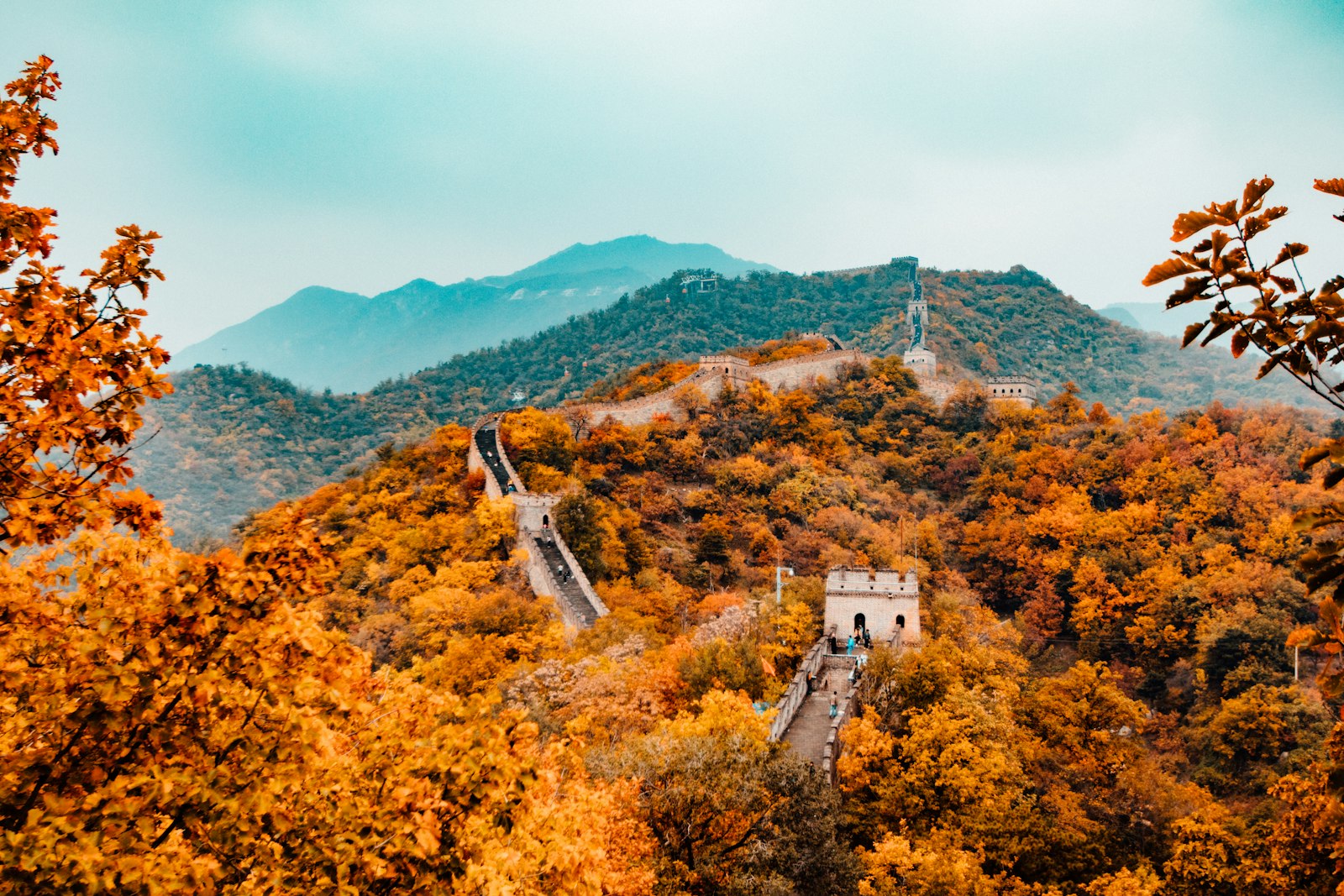
Hunan Province Travel Guide: The Complete 2026 Guide
The cab driver—a middle-aged man named Liu with a cigarette permanently tucked behind his ear—laughed when I asked him to take me to the noodle shop I’d read about online. “That place is for tourists,” he said, waving a hand. He took me instead to a fluorescent-lit hole-in-the-wall down an alley so narrow the taxi mirrors scraped both walls. I ate the best bowl of rice noodles of my life while old men played Chinese chess at the next table, slamming pieces down like they were settling grudges. That was my first hour in Hunan, and I’ve been coming back for seven years.
Hunan is the province that gave China Chairman Mao, the spiciest cuisine in the country, and some of the most beautiful landscapes you’ve never heard of. It’s the place where Zhangjiajie’s sandstone pillars inspired the floating mountains in Avatar, where ancient villages cling to mountainsides like they’re afraid of falling, and where every meal is a test of your tolerance for chili. For first-time visitors to China, Hunan offers a perfect middle ground: it’s less overwhelming than Beijing or Shanghai, but more authentic than the tourist-factory version of China you might find elsewhere.
This guide covers ten places I’ve visited multiple times over seven years of living in Beijing and 40+ trips through China. I’ll tell you what’s worth your time, what’s overrated, and exactly how to get there without getting ripped off.
The Short Version
If you only have 90 seconds: Go to Zhangjiajie (the mountains are unreal), eat in Changsha (the food capital of China), and skip Fenghuang Ancient Town unless you like crowds and souvenir shops. Zhangjiajie is the main draw—three days minimum. Changsha deserves two days for eating alone. Hire a driver for the countryside—public buses are unreliable. Bring cash for rural areas, but use WeChat Pay everywhere else. And for the love of god, learn to say “no spice” in Chinese before you arrive: bú yào là (不 要 辣).
How I Picked These
I visited every place on this list at least twice, most of them three or four times, between 2019 and 2025. I took trains, buses, taxis, and—once—a motorbike that I’m still not sure was intended for passengers. I ate street food until my stomach gave up, hiked until my knees gave out, and talked to anyone who would talk to me: hostel owners, temple monks, noodle shop grandmas, and a guide named Xiao Wang who taught me the local slang for “this is way too spicy.” I eliminated places that felt too touristy, too hard to reach, or that I wouldn’t recommend to a friend. The ones that survived are the ones I’d go back to tomorrow.
Comparison Table
| Rank | Place | Best For | Approx Cost (USD) | Time Needed | When to Go |
|---|---|---|---|---|---|
| 1 | Zhangjiajie National Forest Park | Epic landscapes, hiking | $35-50/day ($250-350 CNY) | 3-4 days | Apr-Oct, weekdays |
| 2 | Changsha Street Food | Eating, nightlife | $15-25/day ($100-180 CNY) | 2 days | Mar-Nov |
| 3 | Mount Fanjingshan | Spiritual hiking, clouds | $20-30 ($140-210 CNY) | 1 day | May-Oct, clear days |
| 4 | Yuelu Mountain & Yuelu Academy | History, autumn leaves | Free-$8 ($0-55 CNY) | Half day | Oct-Dec for foliage |
| 5 | Tianmen Mountain | Glass walkway, cable car | $35-45 ($250-315 CNY) | 1 day | Apr-Oct, morning |
| 6 | Dehang Miao Village | Minority culture, rice terraces | $5-10 ($35-70 CNY) | 1-2 days | May-Oct |
| 7 | Furong Ancient Town | Waterfall town, photos | $15-20 ($105-140 CNY) | Half day | May-Oct, sunset |
| 8 | Langshan Mountain | Danxia landforms, quiet | $15-25 ($105-175 CNY) | 1-2 days | Apr-Oct |
| 9 | Fenghuang Ancient Town | Night scenery (skip daytime) | $0 (old town free) | 1 night | Oct-Apr, weeknights |
| 10 | Dongjiang Lake | Morning fog, cycling | $10-20 ($70-140 CNY) | 1 day | Jun-Aug, 6-8am |
1. Zhangjiajie National Forest Park — The Reason You Came to Hunan
I stood on a viewing platform at sunrise, and I swear the mountains looked like they were breathing. Mist curled between the sandstone pillars—hundreds of them, some 200 meters tall—and for a solid ten minutes I couldn’t speak. A Chinese woman next to me was crying. I didn’t think she was being dramatic.
Zhangjiajie is the crown jewel of Hunan, and it deserves every bit of hype. The park covers 11 square miles of these quartz-sandstone pillars that look like they belong on another planet—because they were designed for one. James Cameron’s team used these formations as inspiration for the floating mountains in Avatar. The park is massive, with multiple sections connected by shuttle buses, cable cars, and the world’s tallest outdoor elevator (Bailong Elevator, 326 meters).
📍 Wulingyuan District, Zhangjiajie City 🎫 $35-50 ($250-350 CNY) depending on season. Valid for 4 days. 🕐 7:00 AM - 6:00 PM (shorter in winter, 7:30-5:00) 🚆 Take high-speed train from Changsha South to Zhangjiajie West (3 hours, $30/210 CNY). From the station, take bus route 17 or a taxi (20 min, $5/35 CNY) to the park’s forest entrance. Don’t use the main entrance—use the south gate for smaller crowds. ⏰ Visit April-October, weekdays only. Start at 7 AM. Weekends are a zoo. 💡 Insider tips: 1) Buy tickets online through WeChat or Trip.com—the queue can be 90 minutes in peak season. 2) Skip the Bailong Elevator unless you like waiting 2 hours; hike the Yaozi Village trail instead. 3) Bring a rain jacket even on clear days—weather changes in minutes. 4) Stay in Wulingyuan town, not Zhangjiajie city—it’s 40 minutes closer. 5) The “Avatar Hallelujah Mountain” viewing platform is crowded; walk 100 meters east for the same view with no people. 🍜 I ate a bowl of spicy beef noodles at a shack near the south gate and the owner, a woman in her 60s named Auntie Chen, insisted I add a second chili. I did. I regretted it. I ate the whole bowl anyway.
2. Changsha — The City That Eats Itself Alive
The air in Changsha smells like chili oil, cigarette smoke, and optimism. Every night, the streets around Taiping Street and Pozi Street fill with people eating from plastic stools, drinking local beer, and shouting at each other over sizzling pans. This is the food capital of China, and it’s not close.
Changsha is the capital of Hunan province and the birthplace of Chairman Mao, but locals will tell you its real contribution to civilization is stinky tofu (chòu dòufu). The black, fermented tofu smells like a garbage fire but tastes like heaven—crispy outside, soft inside, drenched in chili sauce. You’ll also find the best rice noodles in China here, along with spicy crayfish, grilled skewers, and a dish called “Chairman Mao’s favorite red-braised pork” that’s exactly as indulgent as it sounds.
📍 Yuelu District and Tianxin District (city center) 🎫 Street food: $5-15 per person ($35-105 CNY) for a full evening 🕐 Night markets run 6 PM - 2 AM. Most shops open 10 AM - 10 PM. 🚆 Changsha South Station is the main high-speed hub. From Beijing: 5.5 hours ($80/560 CNY). From Guangzhou: 2.5 hours ($30/210 CNY). Take Metro Line 2 to Wuyi Square Station, Exit 3. ⏰ Avoid Chinese holidays (Golden Week, National Day). Weeknights are better than weekends. 💡 Insider tips: 1) Don’t eat at the main tourist streets (Taiping Street); walk two blocks north to Xiyue Street for better food at half the price. 2) Get a translation app—very few people speak English. 3) The local beer is called “Lao Changsha”—it’s cheap ($1/7 CNY) and goes down easy. 4) Bring wet wipes; you will get chili oil on everything you own. 5) The Orange Island Mao statue is free but skippable unless you really like giant heads. 👵 An old woman on Pozi Street taught me how to eat stinky tofu properly: “Don’t smell it,” she said. “Just put it in your mouth. Your nose is a coward.”
3. Mount Fanjingshan — The Temple in the Clouds
I watched the rain come sideways off the mountain for an hour before it stopped. When it cleared, the temple appeared—perched on a narrow stone peak like a bird that had decided to land and never leave. The clouds parted just long enough for me to see it, then closed again. I stood there soaked and freezing and completely happy.
Mount Fanjingshan is a UNESCO World Heritage site in northeastern Guizhou province, right on the border with Hunan. It’s worth the detour. The mountain rises 2,570 meters and is capped by two temples—one Buddhist, one Taoist—connected by a narrow bridge. On clear days, the temples float above a sea of clouds. On foggy days, which is most days, they appear and disappear like a magic trick. The hike up takes 3-4 hours on 8,000 stone steps. There’s also a cable car that cuts the time to 20 minutes.
📍 Tongren City, Guizhou (2 hours from Zhangjiajie by bus) 🎫 $20-30 ($140-210 CNY) including cable car 🕐 8:00 AM - 4:00 PM (last entry). Closed in severe weather. 🚆 Take a bus from Zhangjiajie West Station to Tongren (2 hours, $10/70 CNY), then a local bus to the mountain gate (1 hour, $3/20 CNY). Or hire a driver for $50/350 CNY. ⏰ Visit May-October. Go on a clear day—check the weather forecast for “Fanjingshan” specifically, not just Tongren. 💡 Insider tips: 1) The stairs are steep and uneven—wear hiking boots, not sneakers. 2) Bring a waterproof jacket even in summer; the weather changes every 20 minutes. 3) The cable car closes at 4 PM—if you hike down, you’ll be walking in the dark. 4) There’s a temple at the top that offers free tea and a place to sit. 5) Go on a weekday; weekends are packed with domestic tourists. 🧘 A young monk at the Red Cloud Golden Summit told me he’d been there for three years and had never seen the view. “That’s not the point,” he said, smiling.
4. Yuelu Mountain & Yuelu Academy — Where History Feels Alive
I walked through Yuelu Academy’s main gate and the noise of Changsha disappeared. The courtyard was silent except for wind in the bamboo. Students sat on stone benches reading. A calligraphy class was happening in an open pavilion. The place felt less like a tourist site and more like a university that had simply been running for 1,000 years and didn’t see any reason to stop.
Yuelu Academy was founded in 976 AD, making it one of the four oldest academies in China. It sits at the foot of Yuelu Mountain, which rises 300 meters above Changsha. The mountain itself is a pleasant 45-minute hike with views of the Xiang River and the city. In autumn, the maple trees turn crimson and the whole place looks like a traditional Chinese painting come to life.
📍 Yuelu District, Changsha (west of the Xiang River) 🎫 Academy: $5 (35 CNY). Mountain: free. 🕐 Academy: 8:00 AM - 5:30 PM. Mountain: open 24 hours. 🚆 Take Metro Line 4 to Hunan University Station, Exit 2. Walk east 5 minutes. The entrance is behind the university’s main building. ⏰ October-December for autumn colors. Go at 8 AM to beat the crowds. 💡 Insider tips: 1) The academy is still a working university—you can sit in on public lectures if you ask politely. 2) The mountain path starts behind the academy; follow the stone steps up. 3) There’s a tea house halfway up that serves local Hunan green tea ($2/14 CNY). 4) The “Love Pavilion” at the top is where Mao Zedong wrote poetry as a student. 5) Don’t take the cable car—it’s ugly and misses all the best views. 📚 A student named Li showed me the classroom where Mao studied. “He sat in the back,” she said. “Same as me.”
5. Tianmen Mountain — The Road to Heaven
The cable car ride takes 28 minutes. It’s the longest in the world by distance, and for the first 10 minutes you’re climbing a 45-degree angle over sheer cliffs. I gripped the handrail so hard my knuckles went white. The Chinese family across from me was taking selfies. I don’t know how.
Tianmen Mountain is Zhangjiajie’s other big attraction, and honestly, it’s more dramatic than the national park. The mountain has a natural arch called “Heaven’s Gate” that’s 131 meters high and 57 meters wide. To reach it, you drive up a road with 99 turns—locals call it the “Highway to Heaven”—or take the world’s longest cable car. At the top, there’s a glass walkway bolted to the cliff face. It’s terrifying. It’s amazing.
📍 Tianmen Mountain National Forest Park, Zhangjiajie City 🎫 $35-45 ($250-315 CNY) including cable car 🕐 8:00 AM - 6:00 PM (summer), 8:30 - 5:00 (winter) 🚆 From Zhangjiajie West Station, take bus route 10 or a taxi (15 min, $4/28 CNY). The cable car station is 5 minutes from the train station. ⏰ Visit in the morning (8 AM) to avoid crowds. April-October for clear skies. 💡 Insider tips: 1) Buy the “A Line” ticket—it goes up by cable car and down by bus. The “B Line” does the opposite and is worse. 2) The glass walkway costs an extra $2 (15 CNY) and requires shoe covers. 3) Skip the glass walkway if it’s foggy—you can’t see anything. 4) The 99-bend bus ride will make you carsick; take motion sickness pills. 5) There’s a temple at the top that’s free to enter and has excellent views. 🚌 My bus driver, a man named Zhang, drove the 99 turns at 40 km/h while eating sunflower seeds. I’ve never been more impressed or more terrified.
6. Dehang Miao Village — The Real Minority Experience
I arrived at Dehang at dusk, and the village was lit only by cooking fires and the last light of the sky. Women in embroidered Miao clothing sat in doorways, weaving. A child ran past carrying a live chicken. The rice terraces on the hillside caught the orange light. I’d read about “authentic minority villages” before, and I’d been disappointed. This one was real.
Dehang is a Miao village in western Hunan, about an hour from Fenghuang. It’s not polished for tourists. The houses are wooden, the paths are dirt, and the main economic activity is still farming, not selling keychains. You can hike through the surrounding rice terraces, visit the village school, and eat dinner with a local family. It’s the kind of place where you’ll be invited into someone’s home for tea without asking.
📍 Dehang Village, Jishou City, Xiangxi Prefecture 🎫 $5-10 ($35-70 CNY) for the village. Hiking is free. 🕐 Open all day. Guesthouses have no curfew. 🚆 Take a bus from Zhangjiajie West Station to Jishou (2 hours, $8/56 CNY), then a local bus to Dehang (1 hour, $2/14 CNY). Or hire a driver for $40/280 CNY. ⏰ May-October for rice terraces. Avoid rainy season (June-July) when paths get muddy. 💡 Insider tips: 1) Stay overnight in a guesthouse ($15-25/105-175 CNY)—the evening is the best time. 2) Bring cash—there’s no ATM in the village. 3) Learn to say “thank you” in Miao: gheix mongx. 4) The hike to the waterfall takes 2 hours; bring water. 5) Don’t take photos of people without asking—some elders find it disrespectful. 👵 A woman named Auntie Wu invited me into her kitchen for dinner. She served rice, pickled vegetables, and a whole fish fried with chilies. I ate everything. She seemed pleased. Then she added more fish to my bowl.
7. Furong Ancient Town — The Waterfall Town
I found Furong by accident. I was supposed to go to Fenghuang, but my bus broke down and the driver dropped me here instead. I’m still grateful to that broken bus. Furong is a 2,000-year-old town built on a cliff next to a 40-meter waterfall. At night, the town lights up and the waterfall glows blue and green. It looks like a fantasy novel cover.
Furong means “hibiscus,” and the town is named after the flowers that grow everywhere. The main street is a single cobblestone lane lined with stilt houses, snack stalls, and shops selling Miao silver jewelry. The waterfall runs right through the middle of town—you can walk behind it on a tunnel path. It’s smaller and less famous than Fenghuang, which means it’s also less crowded and more genuine.
📍 Furong Town, Yongshun County, Xiangxi Prefecture 🎫 $15-20 ($105-140 CNY) for the old town 🕐 Open 24 hours. The waterfall lights turn on at 7 PM. 🚆 Take a high-speed train from Changsha South to Furong Town Station (2.5 hours, $25/175 CNY). From the station, take the free shuttle bus to the town entrance (10 minutes). ⏰ Visit on a weekday, arriving at 4 PM. Stay until 9 PM for the lights. 💡 Insider tips: 1) The entrance fee is only charged during the day—enter after 6 PM and it’s free. 2) Stay in a guesthouse with a waterfall view ($30-50/210-350 CNY). 3) The Miao embroidery here is the best in Hunan—buy directly from the women making it. 4) Try the local rice wine (mǐjiǔ)—it’s sweet and only 10% alcohol. 5) The tunnel behind the waterfall is slippery; wear non-slip shoes. 🍶 A shop owner named Mr. Chen poured me a cup of rice wine and refused to let me pay. “You’re my first foreign guest,” he said. “This one is free. The next one costs double.”
8. Langshan Mountain — The Quiet Beauty
I had Langshan almost to myself. On a Saturday in October, I saw maybe 20 other people on the entire mountain. Compare that to Zhangjiajie, where you’re elbowing tourists on a Tuesday. Langshan is what happens when a landscape this dramatic exists in a province with an even more famous mountain. It’s overlooked, and that’s its superpower.
Langshan is known for its danxia landforms—red sandstone peaks shaped by millions of years of erosion into razor-thin ridges and deep valleys. The most famous feature is “Camel Peak,” a ridge that looks like a giant camel’s hump. The hike to the top takes 2-3 hours and rewards you with views of rolling red peaks that stretch to the horizon. There’s also a glass walkway here, but it’s less crowded than Zhangjiajie’s.
📍 Xinning County, Shaoyang City 🎫 $15-25 ($105-175 CNY) depending on season 🕐 7:30 AM - 5:30 PM (summer), 8:00 - 5:00 (winter) 🚆 Take a bus from Changsha South Station to Shaoyang (2 hours, $12/84 CNY), then another bus to Xinning (1.5 hours, $6/42 CNY). From Xinning, take a local bus to the mountain gate (30 minutes, $1/7 CNY). ⏰ April-October. Go on a clear day—fog ruins the views. 💡 Insider tips: 1) The “Honeymoon Valley” trail is easier and more scenic than the main peak hike. 2) Bring your own food—the mountain restaurants are overpriced and mediocre. 3) The glass walkway is free with your ticket. 4) Stay in Xinning town ($15-20/105-140 CNY) for the best access. 5) The sunrise from Camel Peak is spectacular—start hiking at 5 AM. 🚶 A park ranger named Wang walked with me for an hour, pointing out birds and telling me the names of peaks. “You’re the only foreigner I’ve met this year,” he said. “Most people go to Zhangjiajie.”
9. Fenghuang Ancient Town — The Tourist Trap That’s Worth One Night
Fenghuang is beautiful. I’ll give it that. The wooden stilt houses along the Tuo River, the stone bridges, the red lanterns at night—it’s postcard-perfect. But it’s also crowded, overpriced, and about as authentic as a Disneyland version of ancient China. The main street is wall-to-wall souvenir shops selling the same mass-produced “Miao silver” you’ll find in every other tourist town. I walked the full length of it in 20 minutes and saw three shops selling identical items.
So why is it on this list? Because at night, when the day-trip crowds leave, Fenghuang transforms. The lights come on, the river reflects the buildings, and the noise drops to a hum. You can walk the back alleys, eat street food with locals, and see why people love this place. One night is enough. Don’t stay longer.
📍 Fenghuang County, Xiangxi Prefecture 🎫 Old town: free. Paid attractions: $15-20 ($105-140 CNY) for a combined ticket. 🕐 Open 24 hours. The river lights go off at midnight. 🚆 Take a high-speed train from Changsha South to Fenghuang Ancient Town Station (2 hours, $20/140 CNY). From the station, take bus route 1 to the old town (20 minutes, $1/7 CNY). ⏰ Visit October-April for fewer crowds. Go on a weeknight. Arrive at 5 PM, leave at 10 AM the next day. 💡 Insider tips: 1) Don’t buy the combined ticket—it includes attractions you won’t use. 2) Stay in a guesthouse on the south side of the river (quieter, cheaper). 3) Eat at the night market near the east gate—the grilled fish is excellent. 4) The “Miao silver” sold on the main street is fake; buy from the back-alley workshops. 5) Skip the daytime river cruise—it’s overpriced and crowded. 🎭 A bar owner named Xiao Zhang told me he moved here from Shanghai five years ago. “I wanted the quiet life,” he said. “Then the tourists came. Now I’m thinking about moving again.”
10. Dongjiang Lake — The Morning Mist
I woke up at 5:30 AM to see the mist on Dongjiang Lake. I wasn’t sure it was worth it until I got there. The lake was covered in a layer of fog so thick you couldn’t see the far shore. Boats emerged from the mist like ghosts. A fisherman in a conical hat stood on a bamboo raft, casting a net in slow motion. I stood on the shore for an hour, watching the sun burn through the fog. I didn’t take a single photo. I just watched.
Dongjiang Lake is a reservoir about an hour from Chenzhou city, and it’s famous for one thing: the morning mist that forms on the water between June and August. The phenomenon happens because the lake is fed by cold mountain springs, while the summer air is warm and humid. The temperature difference creates a fog that sits on the water until about 9 AM. It’s one of the most beautiful things I’ve seen in China.
📍 Zixing City, Chenzhou Prefecture 🎫 $10-20 ($70-140 CNY) for the lake area. Boat rides extra ($5-10/35-70 CNY). 🕐 Open 24 hours. The mist is best 6-8 AM. 🚆 Take a high-speed train from Changsha South to Chenzhou West (1 hour, $15/105 CNY). From there, take bus 201 to Zixing (1 hour, $3/20 CNY), then a local bus to the lake (20 minutes, $1/7 CNY). ⏰ June-August only. The mist doesn’t form in other months. Go on a clear day after a rainy night. 💡 Insider tips: 1) The best viewing spot is the “Fishing Platform” on the east shore—arrive by 5:45 AM. 2) Bring a jacket—it’s cold on the water even in summer. 3) The fisherman on the raft is a paid performer; he’ll pose for photos if you tip him $2 (15 CNY). 4) Rent a bicycle and ride the 10-km lakeside path—it’s flat and beautiful. 5) The local fish is excellent; try the steamed Dongjiang fish at a lakeside restaurant. 🐟 A fisherman named Uncle Chen let me sit on his boat while he worked. “Foreigners always take photos,” he said. “You just watch. That’s better.”
FAQ
1. Do I need a visa to visit Hunan in 2026? If you’re from the US, UK, Canada, Australia, or most European countries, you need a visa—unless you qualify for the 144-hour visa-free transit policy, which allows you to stay in Changsha for up to 6 days without a visa if you’re transiting to a third country. Check with your local Chinese embassy for updates.
2. How spicy is Hunan food, really? It’s very spicy. Hunan cuisine uses fresh green chilies, dried red chilies, and chili oil in almost every dish. If you can’t handle heat, say bú yào là (no spice) before ordering. Some restaurants won’t believe you and will add a little anyway. Carry a bottle of milk—dairy helps with the burn.
3. Do I need a VPN for my phone in China? Yes. Google, Facebook, Instagram, WhatsApp, and YouTube are all blocked. Install a VPN before you arrive—Astrill and ExpressVPN work best. Download WeChat and Alipay before you leave home too; you’ll need them for payments.
4. Can I use my credit card in Hunan? No. China is a cashless society. You need WeChat Pay or Alipay. Set them up with a foreign credit card before you arrive. Some hotels and high-end restaurants accept foreign cards, but street food, taxis, and small shops won’t.
5. Is it safe to travel alone in Hunan? Very safe. China has one of the lowest crime rates in the world. The main risks are getting lost (Google Maps doesn’t work—use Baidu Maps or Apple Maps), getting scammed on taxi fares (use Didi, the Chinese Uber), and getting sick from the food (carry Imodium).
6. How do I get around Hunan? High-speed trains connect all major cities. For rural areas, hire a driver through your hotel or use Didi. Public buses exist but are unreliable and have no English signage. Avoid taxis at train stations—they’ll overcharge you.
7. What should I pack for Hunan? Comfortable walking shoes (you’ll walk 15,000+ steps daily), a rain jacket, a portable charger, wet wipes (for chili oil), a translation app (Pleco is best), and a reusable water bottle (tap water isn’t drinkable, but hotels have kettles).
The Honest Wrap-Up
This list is for travelers who want to see the real China—the one that’s loud, spicy, chaotic, and beautiful. It’s not for people who want a sanitized, resort-style vacation. Hunan will test your stomach, your patience, and your tolerance for crowds. It will also give you views that make you forget to breathe, meals that ruin you for all other food, and moments of quiet that feel like they belong to another century.
If you only have a week, do Zhangjiajie and Changsha. If you have two weeks, add Dehang and Langshan. Skip Fenghuang unless you’re passing through anyway. And whatever you do, eat the stinky tofu. Trust me on this.
The best advice I can give you is the same thing Auntie Wu told me in her kitchen in Dehang: “Don’t plan too much. Just come. The mountains will still be here.”
Topics
More Travel Guide guides
Best Time to See Cherry Blossoms in China 2026: The Complete 2026 Guide
A comprehensive travel guide for international visitors planning a trip to China. Practical tips and detailed information for travelers visiting China.
12 min read
Best Time to Visit China: Month-by-Month Guide: The Complete 2026 Guide
China is massive and each season offers something different. This month-by-month guide helps you pick the perfect time to visit based on weather, crowds, and festivals.
12 min read
China Etiquette: Cultural Do's and Don'ts for Foreigners: The Complete 2026 G...
China has unique social customs that can confuse first-time visitors. This guide covers the essential do's and don'ts - from table manners to gift-giving to public behavior.
12 min read