
Tiger Leaping Gorge Guide: The Complete 2026 Guide
A comprehensive travel guide for international visitors planning a trip to China. Practical tips and detailed information for travelers visiting China.
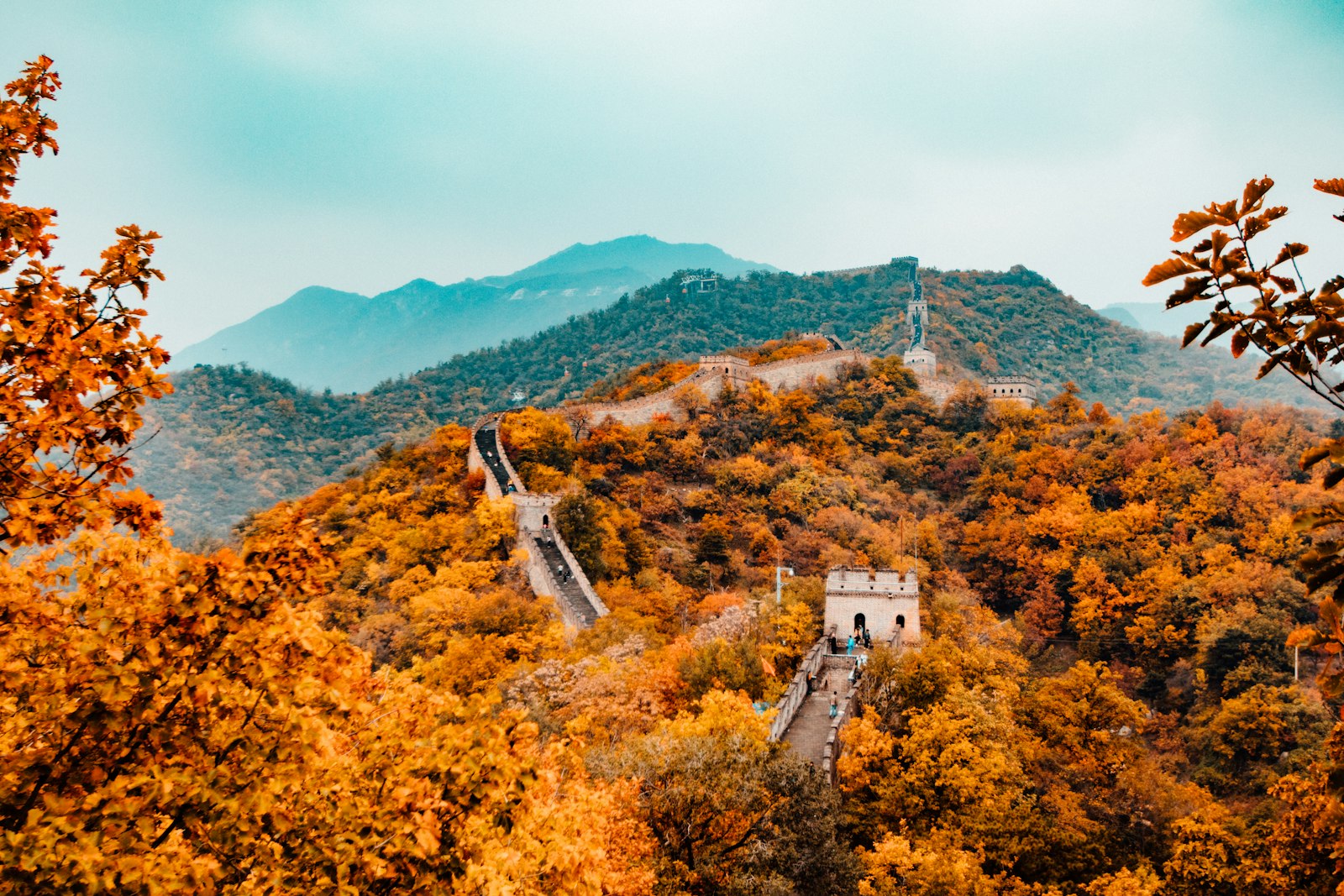
The cab driver laughed at me when I asked if he could drive me all the way to Tiger Leaping Gorge. “No road,” he said, shaking his head. “You walk. Or you don’t go.” He dropped me at the Qiaotou bus stop instead, pointed at a dusty minibus, and drove off. I stood there with my backpack, a half-empty water bottle, and absolutely no idea what I was in for. That was seven years ago. I’ve been back four times since.
Tiger Leaping Gorge is the kind of place that rewires your sense of scale. The gorge runs for about 15 kilometers between Jade Dragon Snow Mountain and Haba Snow Mountain, with the Jinsha River roaring 3,000 meters below the trail at its deepest point. It’s not just a hike. It’s a three-day walk through a landscape that makes you feel small in the best possible way. The trail is carved into cliffs so sheer that you’ll pass waterfalls spraying directly onto the path. You’ll hear the river before you see it — a low, constant thunder that follows you for hours.
This guide covers everything I’ve learned from those five trips: which sections of the gorge are worth your time, how to avoid the crowds, where to sleep, what to eat, and the honest truth about the difficulty. I’ve made every mistake so you don’t have to — wrong turns, bad shoe choices, missed buses, overpriced guesthouses. Here’s what actually works.
The Short Version
Tiger Leaping Gorge is China’s deepest canyon and one of the best day-hikes in Asia. Skip the touristy Upper Gorge. The High Trail (Middle Gorge) is where the magic happens. Three days, two nights, about 22 kilometers of walking on cliff-side paths with guesthouses every few hours. You don’t need a guide, but you do need good shoes, cash, and a sense of humor about squat toilets. Go between March and May or September and November. The summer monsoon turns the trail into a mud slide.
How I Picked These
I walked every section of the gorge on four separate trips between 2018 and 2024. I stayed at every guesthouse on the High Trail — some twice. I talked to the owners, the farmers who maintain the paths, and the drivers who shuttle hikers between trailheads. I also spent a week in Lijiang and Shangri-La before and after each trip, figuring out the logistics. The advice here comes from those conversations and from the 200+ kilometers I’ve logged on these trails. I’m not a professional mountaineer. I’m a guy who likes to walk and eat noodles.
Comparison Table
| Rank | Place | Best For | Approx Cost (USD) | Time Needed | When to Go |
|---|---|---|---|---|---|
| 1 | High Trail (Middle Gorge) | The real experience | $0 (trail fee $3) | 2-3 days | Mar-May, Sep-Nov |
| 2 | Tina’s Guesthouse | Rest, food, logistics | $10-20/night | 1 night | Year-round |
| 3 | Sean’s Guesthouse | Sunset views | $12-18/night | 1 night | Mar-May, Sep-Nov |
| 4 | Halfway Guesthouse | Social atmosphere | $10-15/night | 1 night | Year-round |
| 5 | Upper Gorge (Bus Route) | Quick visit | $5 (entry) | 2-3 hours | Year-round |
| 6 | Lower Gorge | Solitude | Free | 4-5 hours | Mar-May, Sep-Nov |
| 7 | Walnut Grove | Photography | Free | 1-2 hours | Morning light |
| 8 | 28 Bends | The hardest climb | $0 | 1.5-2 hours | Early morning |
| 9 | Jade Dragon Snow Mountain Base | Alternative perspective | $15 (entry) | Half day | Clear weather |
| 10 | Lijiang Old Town | Pre-hike prep | Free to enter | 1-2 days | Year-round |
High Trail (Middle Gorge) — The only section that matters
I remember standing on a rock ledge about halfway through the first day, eating a dusty apple, and realizing I hadn’t seen another person in three hours. The river was somewhere below, invisible but loud. The trail ahead was a thin line cut into a cliff face. I sat there for ten minutes, just listening.
The High Trail is why you come here. It’s the 22-kilometer path that runs along the eastern side of the gorge, about 800 meters above the river. You start at Qiaotou (elevation 1,800m), climb the 28 Bends to 2,600m, then walk along the cliff for two days to Tina’s Guesthouse. The views are absurd — snow-capped peaks on one side, the gorge dropping away on the other. The trail is well-maintained but narrow in places, with sheer drops and no railings. It’s not dangerous if you’re careful and the weather is dry. In rain, it gets slick and sketchy.
📍 Qiaotou to Tina’s Guesthouse, Tiger Leaping Gorge Town, Yunnan
🎫 $3 (CNY 20) trail maintenance fee at the start
🕐 Trail is open 24/7, but don’t walk after dark
🚆 Take a bus from Lijiang Bus Station to Qiaotou (2 hours, $8/CNY 60). From Qiaotou, walk 10 minutes north to the trail entrance.
⏰ March to May or September to November. Start at 8 AM to avoid afternoon heat.
💡 Carry at least 2 liters of water. The guesthouses sell bottles but they’re overpriced. Bring cash — no card or WeChat on the trail. Wear hiking boots with ankle support, not sneakers. The 28 Bends is the hardest part — take breaks. Don’t try to do the whole trail in one day unless you’re very fit.
I met a German couple on the trail who had done the hike in sandals. They turned back after an hour. Don’t be the sandal people.
Tina’s Guesthouse — The unofficial headquarters
Tina’s smells like wood smoke and fried rice. I ate there three times in two days because the food is good and the owner remembers your name. She’s been running the place for 20 years. The dining room has a huge fireplace, and in October, that fireplace is the best thing in Yunnan.
Tina’s sits at the end of the High Trail, where the path drops down to the river. It’s the most popular guesthouse on the gorge, and for good reason. The rooms are basic but clean — concrete floors, thin blankets, shared bathrooms. The real value is the information desk. Tina’s staff know the trail conditions, bus schedules, and weather forecasts better than any website. They’ll also store your extra luggage for free while you hike.
📍 End of the High Trail, Lower Gorge section
🎫 Free to enter. Rooms $10-20 (CNY 70-140) per night
🕐 Guesthouse open 24/7. Restaurant 7 AM-9 PM
🚆 From Lijiang, take a bus to Qiaotou, then a local minibus to Tina’s (30 minutes, $3/CNY 20). Or hike there from Qiaotou in 2 days.
⏰ Year-round, but book ahead in October (Golden Week) and May
💡 The bus from Tina’s back to Lijiang leaves at 3:30 PM sharp. Don’t miss it. The fried rice with Yunnan ham is the best thing on the menu. Bring earplugs — the river is loud at night. The shared showers have hot water but it’s intermittent.
I once watched a French traveler try to order a cappuccino at Tina’s. The owner just laughed and brought him tea. Drink the tea.
Sean’s Guesthouse — The sunset spot
The terrace at Sean’s faces west, directly at Haba Snow Mountain. I sat there for two hours one evening, watching the light change from white to gold to pink to blue. A dog named Xiaohuang sat next to me the whole time, hoping for food. He got some of my noodles.
Sean’s is higher up than the other guesthouses, about 2,400 meters, which means better views and colder nights. The rooms are basic — think wooden bunks and thin mattresses — but the common area has a fire pit and a small library of books left by previous hikers. Sean himself is a local Naxi guy who speaks good English and knows every trail in the area. He’ll draw you a map on a napkin if you ask.
📍 High Trail, about 6 km from Qiaotou
🎫 Free to enter. Rooms $12-18 (CNY 85-130) per night
🕐 Year-round, but call ahead in winter (Dec-Feb)
🚆 From Qiaotou, hike 2-3 hours on the High Trail. There’s no road access.
⏰ March to May for clear skies. Book the terrace table for sunset.
💡 Sean’s serves the best dandan noodles on the gorge. The hot water for showers is solar-powered — go before 7 PM. The rooms don’t have heating, so bring a warm sleeping bag in winter. Sean can arrange a guide for the Lower Gorge for $15 (CNY 100).
I made the mistake of not booking ahead in April. I slept in the common room on a bench. Book ahead.
Halfway Guesthouse — The social hub
Halfway is the loudest place on the gorge. I walked in at 6 PM and found 20 people sitting around a long table, sharing bottles of beer and comparing blisters. A guy from Melbourne was playing guitar. Someone had brought a bottle of baijiu. It was chaos, and it was wonderful.
Halfway sits at the midpoint of the High Trail, about 11 km from Qiaotou. It’s the largest guesthouse on the route, with dorm beds and private rooms, a restaurant that seats 50, and a terrace with views of the gorge. The vibe is backpacker-friendly and social. If you’re traveling solo, this is where you’ll meet people. If you want quiet, book Sean’s instead.
📍 High Trail, 11 km from Qiaotou
🎫 Free to enter. Dorms $6 (CNY 40), private rooms $10-15 (CNY 70-105)
🕐 Year-round, restaurant 7 AM-10 PM
🚆 Hike from Qiaotou (4-5 hours) or from Tina’s (3-4 hours)
⏰ Year-round, but avoid Chinese holidays unless you like crowds
💡 The hot showers cost an extra $1 (CNY 7) — pay at the front desk. The beer is cold and cheap ($2/CNY 15). The breakfast pancakes with honey are excellent. Don’t leave your food unattended — the guesthouse cats will steal it.
I watched a cat named Huahua steal a whole baozi from someone’s plate in one smooth motion. The guy just laughed and ordered another.
Upper Gorge (Bus Route) — The tourist version
The Upper Gorge is where the tour buses go. I did it once, on my second trip, because a friend wanted to see the “Tiger Leaping Rock” — the actual stone in the river where the tiger supposedly jumped across. The rock is real. The experience is not.
The Upper Gorge is a paved road that runs along the riverbank. You can drive it in 30 minutes. There are ticket booths, souvenir stalls, and crowds of tourists taking selfies with the rock. The view of the river is impressive — the water is a violent green-white, churning through a narrow channel — but it lacks the scale and solitude of the High Trail. If you only have one day, do this. If you have two or three, skip it.
📍 Near the entrance of Tiger Leaping Gorge Scenic Area
🎫 $5 (CNY 35) entry fee
🕐 8 AM-6 PM daily
🚆 Take a bus from Lijiang to Qiaotou, then a minibus to the Upper Gorge entrance ($3/CNY 20)
⏰ Morning, before the tour buses arrive at 10 AM
💡 The Tiger Leaping Rock is a 10-minute walk from the parking lot. The stairs down are steep and slippery. The souvenir prices are double what you’ll pay in Lijiang. Don’t eat at the restaurant at the entrance — it’s overpriced and bland.
I watched a woman in heels try to walk down to the rock. She made it about 20 steps before giving up. Wear real shoes.
Lower Gorge — The quiet alternative
The Lower Gorge is the section south of Tina’s Guesthouse, where the trail follows the river for about 6 kilometers through a narrow canyon. I hiked it on my third trip, on a rainy morning in September, and saw exactly two other people. The trail is rougher than the High Trail — more rocks, more mud, more fallen trees to climb over — but the solitude is worth it.
The Lower Gorge ends at a small village called Walnut Grove, where the canyon opens up into farmland and walnut trees. There’s a guesthouse there that serves simple meals. The walk back to Tina’s takes about 2 hours. Most hikers skip this section. That’s exactly why you should do it.
📍 South of Tina’s Guesthouse, Walnut Grove village
🎫 Free
🕐 No restrictions, but don’t hike after 4 PM (limited daylight in the canyon)
🚆 From Tina’s, walk south along the river for 2 hours. The trail starts behind the guesthouse.
⏰ March to May or September to November. Avoid rainy days — the trail gets slippery.
💡 The trail is not marked well. Download the maps.me app before you go. Bring a rain jacket even if the forecast is clear. The guesthouse at Walnut Grove serves good noodle soup for $2 (CNY 15). The walnuts sold by farmers along the trail are excellent.
I got lost in the Lower Gorge for an hour because I missed a turn. A farmer on a donkey showed me the way. I gave him $1 (CNY 7). He seemed happy.
28 Bends — The climb that separates the casual from the committed
The 28 Bends is a 2-kilometer section of switchbacks that climbs 800 meters in elevation. It’s the hardest part of the High Trail, and it comes in the first 90 minutes. I remember stopping six times on my first attempt, lungs burning, legs shaking, wondering why I thought this was a good idea. The seventh stop was at the top, and the view made it all worth it.
The trail is wide enough for two people to pass, but there are no guardrails. The surface is loose rock and dirt. In dry weather, it’s manageable. In wet weather, it’s dangerous. Take your time. Drink water. Don’t try to prove anything.
📍 Beginning of the High Trail, 2 km north of Qiaotou
🎫 Included in the $3 (CNY 20) trail fee
🕐 No restrictions, but start early to avoid afternoon heat
🚆 From Qiaotou, walk north 10 minutes to the trail entrance. The 28 Bends starts immediately.
⏰ Start at 8 AM. The sun hits this section by 10 AM and it gets hot.
💡 You can hire a horse to carry your backpack for $15 (CNY 100) — ask at the trail entrance. The horse handlers are local farmers and know the trail well. Bring a small towel to wipe sweat. The water refill station at the top is $0.50 (CNY 3.5) per liter.
I saw a guy try to run the 28 Bends. He made it to bend 12 and collapsed. Don’t be that guy.
Walnut Grove — The photographer’s spot
Walnut Grove is a small farming village at the southern end of the Lower Gorge. I arrived there at 7 AM on a clear October morning. The light was soft and golden, hitting the walnut trees and the stone houses. An old woman was washing vegetables in a stream. The river was a distant roar. I took about 200 photos in 20 minutes.
The village is tiny — maybe 20 houses — and most of them are farms. The walnuts are harvested in September and October, and you can buy them directly from the farmers for about $2 (CNY 15) per kilo. There’s a small guesthouse that serves lunch, but it’s basic. The real reason to come here is the light.
📍 Southern end of the Lower Gorge
🎫 Free
🕐 No restrictions
🚆 From Tina’s, hike 2 hours south along the river trail. Or take a minibus from Qiaotou to Walnut Grove ($5/CNY 35).
⏰ Morning light (7-9 AM) for photography. October for walnut harvest.
💡 The best photo spot is on the bridge crossing the stream at the village entrance. The guesthouse owner, a woman named A-Mei, speaks some English and makes excellent tea. Bring cash — no card or WeChat in the village.
I bought a kilo of walnuts from A-Mei and ate them on the hike back. They were the best walnuts I’ve ever had.
Jade Dragon Snow Mountain Base — The alternative view
Jade Dragon Snow Mountain is the 5,600-meter peak that towers over the gorge. I took the cable car to the base station on a clear day in November. The view of the gorge from above is completely different — you see the whole canyon laid out like a map, the river a thin silver line, the peaks rising on both sides.
The base station is at 4,500 meters, and the altitude hits hard. I got dizzy walking up the stairs. The cable car ride itself is spectacular — 20 minutes of rising through clouds and pine forests. This is not a hike. It’s a tourist attraction. But if you want the perspective of the gorge from above, this is the way to do it.
📍 Jade Dragon Snow Mountain Scenic Area, 30 km north of Lijiang
🎫 $15 (CNY 100) entry fee + $25 (CNY 175) cable car
🕐 7 AM-6 PM daily
🚆 Take a bus from Lijiang Bus Station to the scenic area (1 hour, $5/CNY 35). Then take the cable car from the base station.
⏰ November to March for clear skies. Go early (8 AM) to avoid crowds.
💡 Bring altitude sickness pills if you’re not used to high elevation. The oxygen cans sold at the entrance ($3/CNY 20) are mostly placebo but help psychologically. The temperature at the top can be 15°C colder than Lijiang — bring a jacket.
I forgot my gloves and had to buy a pair at the top for $10 (CNY 70). They were ugly and thin. Bring your own gloves.
Lijiang Old Town — The pre-hike staging ground
Lijiang Old Town is a UNESCO World Heritage site that has been thoroughly commercialized. I walked through it on my first night and felt like I was in a theme park — same souvenir shops, same music, same overpriced coffee. But it’s also the best place to prepare for the gorge.
The old town has dozens of outdoor gear shops, cheap restaurants, and bus stations. You can buy hiking boots, rain jackets, water bottles, and snacks here for half the price you’d pay in the gorge. The bus to Qiaotou leaves from the main bus station. The guesthouses near the old town are cheap and friendly. Use Lijiang as a base, not a destination.
📍 Old Town District, Lijiang City
🎫 Free to enter
🕐 24/7, but shops close by 10 PM
🚆 From Lijiang Airport, take a taxi to the old town ($10/CNY 70, 40 minutes). From the train station, take bus 4 ($0.50/CNY 3.5, 30 minutes).
⏰ Year-round. Avoid Chinese holidays if you dislike crowds.
💡 The gear shops on Wuyi Street have the best prices. The Yunnan ham shop on Sifang Street is worth a visit. Don’t eat at the restaurants on the main square — they’re tourist traps. Walk 5 minutes off the main path for better food at half the price.
I bought a pair of hiking boots on Wuyi Street for $20 (CNY 140). They lasted three trips. Best $20 I ever spent.
FAQ
Do I need a guide for Tiger Leaping Gorge?
No. The High Trail is well-marked and easy to follow. Download maps.me before you go. If you want a guide, Sean’s Guesthouse can arrange one for $15 (CNY 100) per day.
How fit do I need to be?
Moderately fit. The 28 Bends is a tough climb but it’s only 90 minutes. If you can walk 6 hours with a 10-kg backpack, you’ll be fine. People in their 60s do this hike.
Can I use WeChat Pay or Alipay on the trail?
No. The guesthouses and shops on the trail only accept cash. Bring about $50 (CNY 350) for two days — enough for accommodation, food, and water.
Do I need a VPN?
Yes. Google, WhatsApp, Instagram, and Facebook are blocked in China. Install a VPN before you arrive. ExpressVPN and NordVPN work well. Test it before you leave the airport.
Is English spoken on the trail?
A little. The guesthouse owners speak basic English. Younger staff speak more. Older farmers speak none. Download Google Translate (offline mode) before you go.
When is the best time to go?
March to May (spring, clear skies, wildflowers) or September to November (autumn, cool temperatures, clear views). Avoid July and August (monsoon, mud, leeches) and December to February (snow, cold, some sections closed).
Is the trail safe?
Yes, in dry weather. No railings, so don’t be careless. In wet weather, the trail gets slippery and dangerous. Check the forecast before you go. If it’s raining, postpone.
The Honest Wrap-up
Tiger Leaping Gorge is not a luxury vacation. You will sleep in a concrete room with a thin mattress. You will eat noodles for three days straight. You will sweat, get blisters, and probably step in something you’d rather not identify. But you will also stand on a cliff edge at sunset, watching the light die on a 5,600-meter peak, and feel like you’re the only person in the world. That feeling is worth every uncomfortable night.
This list is for people who want to earn their views. It’s not for people who want a guided bus tour with a buffet lunch. If you’re the latter, go to the Upper Gorge, take your photo with the rock, and be happy. If you’re the former — if you want to walk until your legs ache and your mind goes quiet — then book the bus to Qiaotou, pack light, and go. The trail is waiting.
Topics
More Travel Guide guides
Best Time to See Cherry Blossoms in China 2026: The Complete 2026 Guide
A comprehensive travel guide for international visitors planning a trip to China. Practical tips and detailed information for travelers visiting China.
12 min read
Best Time to Visit China: Month-by-Month Guide: The Complete 2026 Guide
China is massive and each season offers something different. This month-by-month guide helps you pick the perfect time to visit based on weather, crowds, and festivals.
12 min read
China Etiquette: Cultural Do's and Don'ts for Foreigners: The Complete 2026 G...
China has unique social customs that can confuse first-time visitors. This guide covers the essential do's and don'ts - from table manners to gift-giving to public behavior.
12 min read