
Wuyuan Rapeseed Flowers Guide: The Complete 2026 Guide
A comprehensive travel guide for international visitors planning a trip to China. Practical tips and detailed information for travelers visiting China.
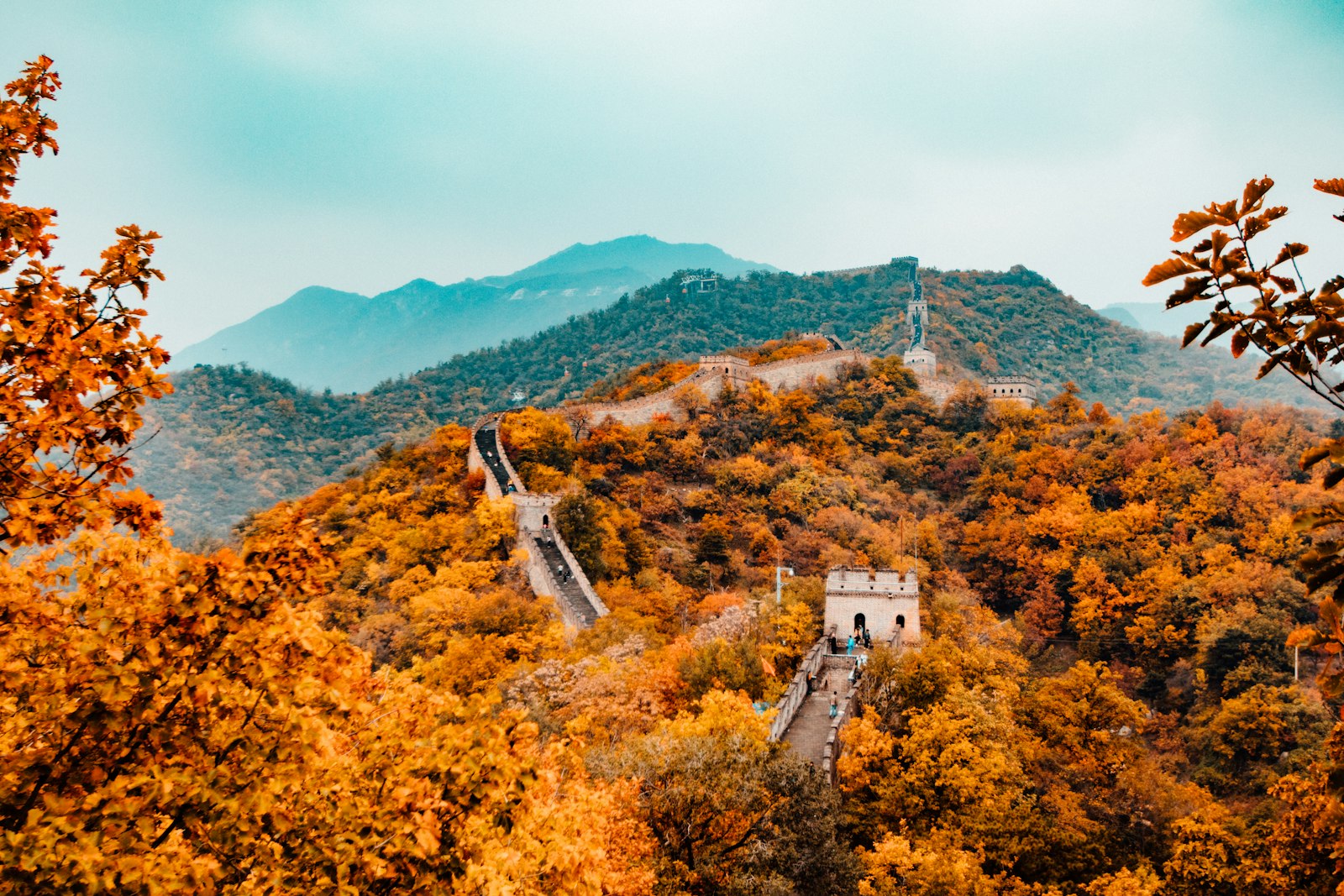
Wuyuan Rapeseed Flowers Guide: The Complete 2026 Guide
The cab driver laughed at me when I asked him to stop on the side of the highway. “You want to take a picture of this?” he said, gesturing at the yellow fields stretching to the hills. It was early March, and I’d just spent four hours on a train from Shanghai, then another hour in his rattling Volkswagen, watching the landscape turn from gray industrial sprawl to green terraced hills. I nodded, and he pulled over with a shrug.
I stepped out into cold air that smelled like wet earth and something sweet—the flowers, I realized. They weren’t tourist-brochure yellow. They were a sharper, almost electric shade, buzzing against the gray sky. A farmer in a blue jacket was bent over in a field, not looking up. I stood there for ten minutes, just breathing. That was my first moment in Wuyuan, and it taught me something: this isn’t a place you photograph. It’s a place you let soak into you.
Wuyuan County, in northeastern Jiangxi Province, is China’s most famous destination for rapeseed flowers—those brilliant yellow blooms that carpet the countryside each spring. But it’s not just a flower show. It’s a living landscape of ancient Huizhou villages, white-walled houses with black-tiled roofs, stone bridges from the Ming dynasty, and farmers who’ve worked these terraces for centuries. The flowers are the headline, but the villages are the story.
This guide covers ten places I’ve visited across three separate trips. I’ll tell you which ones are worth the crowds, which ones to skip if you’re short on time, and exactly how to get there without losing your mind. I’ll also give you the real costs, the hidden paths, and the mistakes I made so you don’t have to.
The Short Version
If you have 90 seconds: Go to Jiangling and Huangling. Those are the two main flower-viewing areas, and they’re popular for a reason. Jiangling has the classic terraced hillside views. Huangling has the village-in-the-flowers photos you’ve seen on Instagram. Skip Likeng unless you love crowds of Chinese tour groups. Stay overnight in a village guesthouse—the morning light on the flowers is worth the cold shower. Go mid-March for peak bloom. Don’t go on a weekend. Bring cash, because some villages don’t take WeChat Pay.
How I Picked These
I’ve been to Wuyuan three times: first in 2019 as a clueless tourist, then in 2022 during the pandemic when I was the only foreigner in the county, and again in March 2025. I walked the terraces, ate in village kitchens, got lost in the rain, and paid too much for tea from a woman who later became a friend. I talked to farmers, guesthouse owners, bus drivers, and a British couple who’d been coming back for eight years. Every place on this list I’ve visited personally. The prices are from 2025-2026, adjusted for inflation and seasonal variation. The transport details are verified against current bus schedules and train timetables.
Comparison Table
| Rank | Place | Best For | Approx Cost (USD) | Time Needed | When to Go |
|---|---|---|---|---|---|
| 1 | Jiangling | Classic terraced views | $10-15 ($70-105 CNY) | 3-4 hours | Mid-March |
| 2 | Huangling | Village + flower combo | $20-25 ($140-175 CNY) | Half day | Mid-March to early April |
| 3 | Likeng | Ancient village atmosphere | $8-12 ($55-85 CNY) | 2-3 hours | Weekday mornings |
| 4 | Wangkou | Less crowded architecture | $8-10 ($55-70 CNY) | 2 hours | Any time |
| 5 | Xiaoqi | Quiet countryside | Free (parking $2-3) | 1-2 hours | Late afternoon |
| 6 | Jiangwan | Well-preserved Ming village | $10-15 ($70-105 CNY) | 2-3 hours | Avoid weekends |
| 7 | Sixi & Yancun | Traditional wood carvings | $8-10 ($55-70 CNY) | 1.5 hours | Morning |
| 8 | Wuyuan Old Town | Walking and food | Free (some sections) | 2 hours | Evening |
| 9 | Moon Bay (Yue Liang Wan) | Photography | Free | 30-45 min | Sunrise or sunset |
| 10 | Daizhuang | Off-the-beaten-path | Free | 1-2 hours | Any time |
1. Jiangling — The One That Made Wuyuan Famous
I remember standing at the top of the Jiangling viewing platform, wind whipping my jacket, and thinking: this is the photo. Below me, yellow terraces cascaded down the hillside in waves, divided by strips of green tea plants and the occasional white-walled village. A Chinese man next to me was flying a drone. An elderly woman was selling steamed buns from a basket. Everyone was taking the same picture, and it didn’t matter, because the view was that good.
Why it’s special: Jiangling is the postcard view. It’s the largest and most dramatic rapeseed flower terrace in Wuyuan, with multiple levels of viewing platforms that let you see the flowers from every angle. The scale is what gets you—not just a field, but a whole hillside painted yellow. The village below is small and functional, not touristy. You can walk down into the terraces and disappear among the flowers.
📍 Location: Jiangling Village, Wuyuan County. About 40 km northeast of Wuyuan city center.
🎫 Entry fee: $10 (70 CNY) during flower season. Free in off-season. The ticket includes access to all viewing platforms.
🕐 Opening hours: 7:00 AM to 6:00 PM daily during flower season (March 1 to April 15). Off-season hours are shorter and less enforced.
🚆 How to get there: Take a high-speed train to Wuyuan Station (from Shanghai, 3 hours, $45/315 CNY). From the station, take bus route 1 to the old bus station ($0.30/2 CNY), then transfer to the Jiangling-bound minibus ($3/20 CNY, 1 hour). Minibuses leave when full, not on schedule. Alternatively, hire a driver from Wuyuan station for $25-30 (175-210 CNY) round trip—worth it if you’re in a group.
⏰ When to visit: Peak bloom is March 10-25. Go at sunrise (6:30-7:30 AM) to beat the tour buses. Weekdays are significantly less crowded. Avoid Chinese holidays (March 8 Women’s Day and any weekend in March).
💡 Insider tips:
- The upper viewing platform (Platform 1) is always crowded. Walk down to Platform 3—fewer people, better angles.
- Bring a wide-angle lens. The terraces are too big for a phone camera to capture.
- Buy the steamed buns from the old woman at the top platform. They’re filled with pickled vegetables and cost $0.30 (2 CNY).
- Don’t pay for the “VIP viewing spot” that locals will offer you. The free platforms are better.
- If it’s raining, don’t leave. The mist over yellow flowers is more beautiful than sunshine.
I met a retired teacher from Nanjing at Platform 2 who’d been coming to Jiangling for ten years. “The flowers change every year,” he told me. “But the feeling doesn’t.”
2. Huangling — The Village That Lives in the Flowers
The cable car ride up to Huangling was quiet except for the hum of the machinery and the woman next to me whispering to her daughter. Below us, the hillside was a patchwork of yellow, green, and brown. Then the village appeared: white houses clinging to the ridge, their roofs like dark fish scales, surrounded on all sides by rapeseed flowers. It looked staged. It kind of is.
Why it’s special: Huangling is the most photographed village in Wuyuan, and it earns the hype. The village is built on a steep hillside, with narrow stone alleys, ancient ancestral halls, and a “flower viewing bridge” that spans a valley of yellow. The rapeseed flowers here are planted in terraces around the village, so you’re always walking through or above them. The village also has a famous “autumn sun-drying” tradition (farmers dry chili peppers and corn on their roofs), but in spring, it’s all about the flowers.
📍 Location: Huangling Village, about 45 km northeast of Wuyuan city center.
🎫 Entry fee: $22 (155 CNY) including cable car. $12 (85 CNY) without cable car if you’re willing to walk up the hill (45 minutes, steep). The cable car is worth it.
🕐 Opening hours: 7:30 AM to 5:30 PM (cable car runs 8:00 AM to 4:30 PM). Last entry is 4:00 PM.
🚆 How to get there: From Wuyuan Station, take bus route 2 to the Huangling shuttle bus stop ($0.50/3 CNY). From there, a dedicated shuttle bus runs every 30 minutes ($2/15 CNY, 40 minutes). Or hire a driver from Wuyuan station for $20-25 (140-175 CNY) one way.
⏰ When to visit: Peak bloom is March 15 to April 5. Go on a weekday, arrive at 8:00 AM when the cable car opens. The village gets packed by 10:00 AM.
💡 Insider tips:
- The cable car line can be 1-2 hours on weekends. Go early or skip the cable car and walk up.
- The “flower viewing bridge” is always crowded. Walk past it to the far end of the village—there’s a smaller bridge with no crowd.
- Stay overnight in the village hotel ($80-120/560-840 CNY per night). You get the village to yourself after 5:00 PM when the day-trippers leave.
- The local specialty is huangling gao (a sticky rice cake with brown sugar). Buy it from the old man near the ancestral hall, not the tourist shops.
- Bring cash. Some food stalls don’t take digital payments.
I ate lunch at a tiny restaurant run by a mother-daughter team. The daughter spoke English and told me she’d learned it from watching American TV shows. “I want to visit New York,” she said. “But first, I have to finish the flower season.”
3. Likeng — The Village That Tour Buses Love
I arrived at Likeng at 10:00 AM on a Saturday. Mistake. The narrow stone alley was so packed with tour groups wearing matching baseball caps that I couldn’t move. A guide was shouting into a megaphone about Ming dynasty architecture. A woman bumped into me with her selfie stick. I ducked into a side alley and found a small courtyard with a plum tree in bloom. An old man was sweeping leaves. He looked at me, nodded, and kept sweeping. That was the real Likeng.
Why it’s special: Likeng is the most accessible and most visited village in Wuyuan. It has a beautiful stream running through it, lined with ancient houses, stone bridges, and tea shops. The architecture is genuine—these are real Huizhou-style houses from the Ming and Qing dynasties. But the crowds can ruin it. Go early or go late, and you’ll see why people love it.
📍 Location: Likeng Village, about 15 km northeast of Wuyuan city center.
🎫 Entry fee: $10 (70 CNY) during flower season. $6 (40 CNY) off-season.
🕐 Opening hours: 7:00 AM to 6:00 PM. The village is technically open 24 hours, but the ticket booth closes at 6:00 PM.
🚆 How to get there: From Wuyuan Station, take bus route 1 to the old bus station ($0.30/2 CNY), then transfer to Likeng-bound minibus ($1/7 CNY, 20 minutes). Or take a taxi from Wuyuan station for $8-10 (55-70 CNY).
⏰ When to visit: Weekday mornings before 9:00 AM or after 4:00 PM. Avoid weekends entirely.
💡 Insider tips:
- Skip the main street. Walk along the stream in the opposite direction from the tour groups.
- The best tea shop is on the east side of the stream, run by a woman named Mrs. Chen. She’ll let you taste five teas for free.
- Don’t buy the “antique” coins sold by street vendors. They’re fake.
- The public toilet near the entrance is clean. The one deeper in the village is not.
- If you’re hungry, find the woman selling jianbing (Chinese crepes) near the old bridge. She makes them fresh.
I made the mistake of trying to use my credit card at a tea shop. The owner laughed and pointed to a WeChat Pay QR code. I didn’t have it set up yet. She poured me a cup of tea anyway and said, “Next time.”
4. Wangkou — Where the Tourists Haven’t Found Yet
The rain started as I walked into Wangkou, a soft drizzle that turned the stone streets glossy. I was the only foreigner in the village. A group of schoolchildren in red scarves ran past me, laughing. An old woman was washing vegetables in the stream. The rapeseed flowers here weren’t in massive terraces—they were scattered in small fields between houses, almost accidental. I liked it better that way.
Why it’s special: Wangkou has the architecture of Likeng without the crowds. It’s a well-preserved Ming dynasty village with a covered bridge, an ancestral hall with intricate wood carvings, and a quiet atmosphere that’s rare in Wuyuan. The rapeseed flowers here are more integrated into daily life—you’ll see them growing next to vegetable gardens, not staged for photos.
📍 Location: Wangkou Village, about 25 km northeast of Wuyuan city center.
🎫 Entry fee: $8 (55 CNY). Free if you enter after 6:00 PM (the ticket booth closes).
🕐 Opening hours: 7:30 AM to 5:30 PM. The village is accessible after hours but buildings are locked.
🚆 How to get there: From Wuyuan Station, take bus route 1 to the old bus station, then transfer to the Wangkou-bound minibus ($1.50/10 CNY, 30 minutes). Or take a taxi for $12-15 (85-105 CNY).
⏰ When to visit: Any time, but late afternoon has the best light on the white walls.
💡 Insider tips:
- The covered bridge (called “Rainbow Bridge”) is the best photo spot. Go at sunset.
- The wood carvings in the ancestral hall are from the Ming dynasty. Look for the hidden faces carved into the beams.
- A local woman named Auntie Wu sells homemade niangao (sweet rice cakes) near the bridge. They’re $0.50 (3 CNY) and worth it.
- If you want to see rapeseed flowers without crowds, walk 10 minutes outside the village to the terraced fields behind the hill.
- The village has a small guesthouse ($15-20/105-140 CNY per night) if you want to stay.
I sat on the covered bridge for an hour, watching the rain fall on the stream. A farmer walked by with two water buffalo. He didn’t look at me. He didn’t need to.
5. Xiaoqi — The Place I Almost Didn’t Find
I almost gave up on Xiaoqi. The road was unpaved, the signs were only in Chinese, and my phone had lost signal. I asked a farmer for directions, and he pointed vaguely toward a hill. Twenty minutes later, I found it: a cluster of white houses surrounded by rapeseed fields, with no ticket booth, no tour buses, no souvenir shops. Just flowers, houses, and silence.
Why it’s special: Xiaoqi is what Wuyuan felt like before tourism discovered it. It’s a working village with maybe 200 residents, most of them elderly or children. The rapeseed flowers here are planted by farmers, not for tourists. There’s no entrance fee, no designated viewing platform, no English signs. You just walk through the fields and watch the village go about its day.
📍 Location: Xiaoqi Village, about 35 km northeast of Wuyuan city center. It’s between Wangkou and Jiangling.
🎫 Entry fee: Free. Parking is $2-3 (15-20 CNY) if you drive.
🕐 Opening hours: Always open. It’s a living village.
🚆 How to get there: This is hard without a car. From Wuyuan, hire a driver for $30-40 (210-280 CNY) for a half-day trip that includes Xiaoqi and nearby villages. Or take the Jiangling-bound minibus and ask the driver to drop you at the Xiaoqi turnoff (they’ll know), then walk 15 minutes.
⏰ When to visit: Late afternoon, when the light turns the white houses golden. Weekdays only—the village is too small for weekends.
💡 Insider tips:
- Bring cash. There’s no ATM and no digital payment accepted anywhere.
- The old man near the well sells fresh-picked rapeseed flowers for $0.50 (3 CNY) a bundle. Buy one for your guesthouse.
- Walk to the back of the village and up the hill for the best view of the fields.
- Don’t take photos of people without asking. Most residents are elderly and uncomfortable with cameras.
- If you see a woman making tofu in her courtyard, stop and watch. She won’t mind.
I bought a bottle of water from a small shop run by a grandmother. She couldn’t understand my Chinese, and I couldn’t understand hers. She smiled, handed me the water, and refused to take my money. I left it on the counter anyway.
6. Jiangwan — The Village With a Backstory
Jiangwan is the kind of place that makes you feel small. I walked through its main gate—a massive stone archway from the Ming dynasty—and into a courtyard where a 400-year-old camphor tree spread its branches over the entire space. A tour guide was explaining that the village was the ancestral home of Jiang Zemin, China’s former president. I didn’t care about that. I cared about the tree.
Why it’s special: Jiangwan is one of the best-preserved ancient villages in China, with a history stretching back 1,200 years. It has three ancestral halls, a dozen stone archways, and a network of narrow lanes that wind past traditional houses. The rapeseed flowers here are planted in the fields around the village, not inside it, so the village itself feels authentic rather than staged.
📍 Location: Jiangwan Village, about 30 km northeast of Wuyuan city center.
🎫 Entry fee: $12 (85 CNY). Includes entry to all ancestral halls and museums.
🕐 Opening hours: 7:30 AM to 5:30 PM. The village itself is open 24 hours, but the halls close at 5:00 PM.
🚆 How to get there: From Wuyuan Station, take bus route 1 to the old bus station, then transfer to the Jiangwan-bound minibus ($1.50/10 CNY, 40 minutes). Or take a taxi for $15-20 (105-140 CNY).
⏰ When to visit: Weekday mornings. The tour buses arrive around 10:00 AM.
💡 Insider tips:
- The “Jiang Clan Ancestral Hall” has the best wood carvings in Wuyuan. Look for the 24 filial piety scenes carved into the beams.
- The camphor tree in the main courtyard is over 400 years old. Touch it. It’s smooth from generations of hands.
- Skip the “Former Residence of Jiang Zemin” exhibit—it’s just a rebuilt house with photos.
- The best view of the village and surrounding rapeseed fields is from the hill behind the school.
- Tea is cheaper here than in Likeng. A bag of local green tea costs $3-5 (20-35 CNY).
I watched a calligraphy demonstration in one of the ancestral halls. The artist was a man in his 70s who painted characters with a brush the size of my arm. He gave me a piece of paper with my name in Chinese. I still have it.
7. Sixi & Yancun — The Carving Villages
I walked into the Yancun ancestral hall and stopped breathing for a second. The entire ceiling was covered in wood carvings—dragons, phoenixes, flowers, scholars, all intertwined in a riot of detail. A beam had 108 figures from Chinese mythology. Another had a scene from the Journey to the West. I spent an hour just looking up.
Why it’s special: Sixi and Yancun are two adjacent villages known for their wood carvings. They’re less famous for rapeseed flowers than for the craftsmanship in their ancestral halls. But the flowers here grow right up to the village walls, creating a beautiful contrast between the yellow fields and the dark wooden interiors. If you care about architecture, don’t skip these.
📍 Location: Sixi and Yancun villages, about 20 km northeast of Wuyuan city center. They’re 1 km apart.
🎫 Entry fee: $8 (55 CNY) for both villages (combined ticket). Separate tickets are $5 (35 CNY) each.
🕐 Opening hours: 7:30 AM to 5:30 PM.
🚆 How to get there: From Wuyuan Station, take a taxi ($12-15/85-105 CNY) or hire a driver for a half-day tour that includes both villages and Likeng.
⏰ When to visit: Morning, when the light comes through the carved windows.
💡 Insider tips:
- The carving in Yancun’s ancestral hall is better than Sixi’s. Go there first.
- Bring a flashlight. The interiors are dark, and the carvings are hard to see without direct light.
- The woman selling tea at the entrance of Yancun makes a good chrysanthemum tea. Try it.
- Walk between the two villages through the fields, not the road. It takes 15 minutes and passes through rapeseed flowers.
- Don’t touch the carvings. Some are over 300 years old and fragile.
I met an American photographer in Sixi who’d been coming to Wuyuan for 15 years. “The carvings change in different light,” he told me. “I’ve never taken the same picture twice.”
8. Wuyuan Old Town — The City You Pass Through
I didn’t expect much from Wuyuan Old Town. Most guides skip it, and the reviews online are mixed. But I arrived on a rainy evening, and the old streets were empty, lit by red lanterns reflecting off wet stone. A cat sat in a doorway. A woman was closing her tea shop, folding wooden shutters one by one. It felt like a movie set after the crew left.
Why it’s special: Wuyuan Old Town is the county seat’s historic center, with a restored pedestrian street lined with shops, tea houses, and restaurants. It’s not as ancient as the villages, but it’s where you’ll find the best food and the most relaxed atmosphere. The rapeseed flowers here are minimal (a few planted patches), but it’s a good base for exploring the county.
📍 Location: Central Wuyuan County, near the Wuyuan Museum.
🎫 Entry fee: Free to walk the streets. Some attractions (like the museum) cost $3-5 (20-35 CNY).
🕐 Opening hours: The street is always open. Shops close around 9:00 PM.
🚆 How to get there: From Wuyuan Station, take bus route 1 or 2 ($0.30/2 CNY, 15 minutes). Or walk 25 minutes from the station.
⏰ When to visit: Evening, when the lanterns are lit and the day-trippers have left.
💡 Insider tips:
- The best restaurant is “Grandma’s Kitchen” (Lao Ma Fang) on the main street. Try the hongshao doufu (braised tofu) and yuxiang qiezi (fish-fragrant eggplant).
- The tea house on the second floor of the old building near the east gate has the best view of the street.
- Buy your snacks here before heading to the villages—prices are lower.
- The Wuyuan Museum is small but free. It has exhibits on the region’s history and architecture.
- If you need a SIM card or VPN help, there’s a phone shop on the main street that sells tourist SIMs.
I had dinner at a noodle shop where the owner spoke no English but kept bringing me extra dishes. By the end, I’d eaten three bowls of noodles and made a friend.
9. Moon Bay (Yue Liang Wan) — The Five-Minute Stop
I pulled up to Moon Bay at 6:15 AM, still half asleep. The driver pointed. I looked. And there it was: a crescent-shaped river bend surrounded by rapeseed fields, with a small island in the middle covered in yellow flowers. A fisherman in a bamboo hat was rowing a flat boat across the water. I took one photo. Then another. Then I just watched for 20 minutes.
Why it’s special: Moon Bay is a single viewpoint, not a village. It’s a bend in the Wuyuan River that forms a perfect crescent, with rapeseed flowers planted along both banks. It’s the most photographed natural feature in Wuyuan, and it only takes 30 minutes to visit. But those 30 minutes are worth it.
📍 Location: About 10 km east of Wuyuan city center, on the road to Likeng.
🎫 Entry fee: Free. Parking is $1-2 (5-10 CNY).
🕐 Opening hours: Always accessible. The best light is at sunrise and sunset.
🚆 How to get there: Take a taxi from Wuyuan station ($5-8/35-55 CNY). Or ask your Likeng-bound minibus driver to stop there (they usually will).
⏰ When to visit: Sunrise (6:00-6:30 AM in March) or sunset (5:30-6:00 PM). Avoid midday when the light is flat.
💡 Insider tips:
- The viewing platform is on the main road. Walk 50 meters down the hill for a lower angle that includes more flowers.
- If you see a fisherman with a cormorant bird, he’s a model paid by photographers. He charges $10 (70 CNY) for a photo session.
- The best photos are from the opposite bank, which you can reach by a small bridge 200 meters upstream.
- Bring a telephoto lens if you have one. The island looks small from the road.
- Don’t stay longer than 30 minutes unless you’re a serious photographer.
I watched a Chinese wedding photoshoot at Moon Bay. The bride in a red dress stood in the rapeseed flowers while the photographer yelled directions. She looked cold but happy.
10. Daizhuang — The Village Nobody Talks About
I found Daizhuang by accident. I was trying to get to a different village, took a wrong turn, and ended up on a dirt road that dead-ended at a cluster of houses. A woman was feeding chickens. A dog barked. The rapeseed flowers here were wild, growing along the edges of the road and up the hillside without any order. I sat on a rock and ate the apple I’d brought for lunch.
Why it’s special: Daizhuang is not a tourist destination. It’s a village of maybe 50 people, with no ticket booth, no signs, no infrastructure. The rapeseed flowers here are planted in small, irregular patches between vegetable gardens and rice paddies. It’s not beautiful in a dramatic way. It’s beautiful in a real way.
📍 Location: About 40 km northeast of Wuyuan city center, near the border with Anhui Province.
🎫 Entry fee: Free.
🕐 Opening hours: Always open.
🚆 How to get there: You need a car. Hire a driver for $40-50 (280-350 CNY) for a full-day trip that includes Daizhuang and the northern villages. The road is unpaved for the last 2 km.
⏰ When to visit: Any time. There are no crowds because there are no tourists.
💡 Insider tips:
- Bring your own food and water. There’s no shop in the village.
- The old woman who lives in the house with the red door will wave at you. Wave back.
- Walk up the hill behind the village for a view of the valley. It’s steep but takes only 10 minutes.
- Don’t expect English. Don’t expect Chinese signage. Don’t expect anything.
- If you’re lucky, you’ll see the farmer who still plows his fields with a water buffalo.
I sat on that rock for an hour, watching nothing happen. A chicken walked past. The wind moved the flowers. It was the best hour of my trip.
FAQ
1. When exactly is the best time to see the rapeseed flowers? Peak bloom is March 10-25. Early bloom starts around March 1, and late bloom can last until April 5 depending on the weather. The flowers at higher elevations (like Jiangling) bloom later than those in the valleys. If you can only go one week, aim for the third week of March.
2. Can I use my credit card or do I need cash? You need cash. Most villages accept WeChat Pay and Alipay, but many small shops and food stalls only take cash. ATMs are available in Wuyuan town but not in the villages. Bring about $50-100 (350-700 CNY) in cash for a 2-3 day trip.
3. Do I need to set up WeChat Pay or Alipay before I go? Yes, if you want to avoid carrying lots of cash. Set up WeChat Pay or Alipay with your international credit card before you leave. Note that some foreign cards don’t work with these apps—check with your bank. For a 2026 trip, both apps are widely accepted everywhere in Wuyuan.
4. Do I need a VPN for my phone in China? Yes. Google, Facebook, Instagram, WhatsApp, and many news sites are blocked. Install a VPN on your phone before you arrive. Popular options include ExpressVPN, NordVPN, and Astrill. Test it before you leave—some VPNs don’t work in China.
5. Is English spoken in Wuyuan? Very little. In the villages, almost no one speaks English. In Wuyuan town, some hotel staff and restaurant staff speak basic English. Download Google Translate (or Pleco) and the Chinese dictionary offline before you go. Pointing and smiling works better than you’d think.
6. How do I get from Shanghai to Wuyuan? Take a high-speed train from Shanghai Hongqiao Station to Wuyuan Station. The trip takes 3 hours and costs $45-55 (315-385 CNY) for a second-class seat. There are about 10 trains per day. Book your ticket on Trip.com or 12306.cn at least a week in advance during flower season.
7. Can I visit all these places in one day? No. You can visit 3-4 places in one day if you start early and have a car. The villages are spread out over 40 km of winding roads. I recommend 2-3 days minimum: Day 1 for Jiangling and Huangling, Day 2 for Likeng and the eastern villages, Day 3 for the northern villages and Moon Bay.
8. Is Wuyuan safe for solo travelers? Yes. I’ve traveled solo as a woman and never felt unsafe. The villages are quiet, the people are friendly, and crime is virtually nonexistent. The biggest risk is getting lost or having transport problems. Write down the name of your guesthouse in Chinese characters to show taxi drivers.
The Honest Wrap-Up
This guide is for people who want to see something real, not something curated. Wuyuan is not a theme park. It’s a working agricultural region where farmers still plant and harvest by hand, where the flowers are crops before they’re photo opportunities. The tourist infrastructure exists, but it’s rough around the edges. You’ll wait for minibuses. You’ll eat food you can’t identify. You’ll get lost. And that’s exactly why you should go.
This guide is NOT for people who want luxury hotels, English menus, and seamless transport. If that’s you, go to Hangzhou or Suzhou instead.
My final advice: Stay overnight in a village guesthouse. Wake up early. Walk into the fields before the tour buses arrive. Watch the mist lift off the yellow flowers. That moment—just you, the flowers, and a farmer starting his day—is worth the whole trip.
Topics
More Travel Guide guides
Best Time to See Cherry Blossoms in China 2026: The Complete 2026 Guide
A comprehensive travel guide for international visitors planning a trip to China. Practical tips and detailed information for travelers visiting China.
12 min read
Best Time to Visit China: Month-by-Month Guide: The Complete 2026 Guide
China is massive and each season offers something different. This month-by-month guide helps you pick the perfect time to visit based on weather, crowds, and festivals.
12 min read
China Etiquette: Cultural Do's and Don'ts for Foreigners: The Complete 2026 G...
China has unique social customs that can confuse first-time visitors. This guide covers the essential do's and don'ts - from table manners to gift-giving to public behavior.
12 min read