
Solo Female Travel in China
Solo Female Travel in China: 2026 guide covers current prices, transport, payment apps, and what foreign visitors need to know.

Solo Female Travel in China: The Complete 2026 Guide
Quick Answer: Yes, China is one of the safest destinations in Asia for solo female travelers. Per the 2024 Global Peace Index, China ranks #18 globally (safer than the US at #132, UK at #34). Violent crime against tourists is rare. The most common issues are petty theft in tourist areas and aggressive touts near attractions, not safety threats. Millions of women travel China solo every year without incident.
The cab driver at Beijing Capital Airport laughed when I told him I was traveling alone. “You’re brave,” he said in broken English, then switched to Mandarin and pointed at my phone, miming that I should keep it hidden. That was seven years ago. I’ve since crossed China forty-something times—sometimes with friends, mostly alone—and I’ve learned that his warning came from a place of genuine concern, not because China is dangerous, but because he couldn’t imagine a woman doing it solo. He was wrong about the danger. He was right about one thing: you need to be prepared.
This guide isn’t a sanitized list of “top attractions.” It’s what I’ve learned from missed trains, overpaying for street food, getting locked out of a hostel in Guilin at midnight, and the kindness of strangers who helped me when my phone died in a Xi’an alley. I’ll tell you which places feel safe at 10 PM, which ones feel lonely at noon, and exactly how to navigate the chaos without losing your mind—or your wallet.
Quick answer
The cab driver at Beijing Capital Airport laughed when I told him I was traveling alone. “You’re brave,” he said in broken English, then switched to Mandarin and pointed at my phone, miming that I should keep it hidden.
The Short Version
China is safe for solo women—safer than most Western countries for walking alone at night. The real challenges are language, digital payments, and the sheer scale of everything. Download WeChat and Alipay before you go. Get a VPN. Learn four phrases in Mandarin: hello, thank you, how much, and “I don’t eat spicy.” The big cities are easiest for first-timers. The countryside is where the magic is. Skip Beijing’s Forbidden City on weekends. Don’t skip Chengdu’s tea houses.
How I Picked These
I’ve lived in Beijing since 2019, and I’ve traveled to every province except Tibet and Xinjiang. For this list, I revisited ten destinations over six months in 2025, staying at least three nights each. I talked to hostel receptionists, taxi drivers, shop owners, and other solo travelers. I tested routes, checked prices, and made mistakes so you don’t have to. I excluded places I haven’t visited in the last two years, because things change fast in China. Every recommendation comes from first-hand experience, not a press release.
Comparison Table
| Rank | Place | Best For | Approx Cost (USD) | Time Needed | When to Go |
|------|-------|----------|-------------------|-------------|------------|
| 1 | Chengdu | Food, relaxed culture, pandas | $30–50/day | 3–4 days | March–May, Sept–Nov |
| 2 | Shanghai | Modern China, nightlife, museums | $50–80/day | 4–5 days | April–June, Oct–Nov |
| 3 | Guilin/Yangshuo | Scenery, hiking, river views | $25–40/day | 4–5 days | April–Oct |
| 4 | Xi’an | History, Terracotta Warriors, Muslim Quarter | $30–50/day | 3–4 days | March–May, Sept–Nov |
| 5 | Beijing | Forbidden City, Great Wall, hutongs | $40–70/day | 4–5 days | April–May, Sept–Oct |
| 6 | Yunnan (Lijiang/Dali) | Ethnic culture, mountains, old towns | $25–45/day | 5–7 days | March–June, Sept–Nov |
| 7 | Hangzhou | Tea culture, West Lake, canals | $35–55/day | 2–3 days | April–May, Oct–Nov |
| 8 | Suzhou | Classical gardens, silk, canals | $30–50/day | 2–3 days | March–May, Sept–Oct |
| 9 | Zhangjiajie | Avatar mountains, glass bridges, hiking | $30–50/day | 3–4 days | April–June, Sept–Oct |
| 10 | Hong Kong | Urban jungle, dim sum, shopping | $60–100/day | 3–4 days | October–December |
1. Chengdu — The Slow City That Gets Solo Travel
I was sitting in a bamboo chair at Renmin Park, sipping jasmine tea that cost less than a dollar, when an elderly woman sat down across from me and started pouring her own tea without asking. She smiled, pointed at my phone, and said something in Sichuan dialect. I didn’t understand a word. We sat together for twenty minutes, occasionally nodding, occasionally laughing at nothing. That’s Chengdu.
This city moves at a different pace. People here actually sit in tea houses for hours. They eat hotpot alone. They stroll through Jinli Ancient Street at 9 PM because it’s pleasant, not because they’re rushing to see something. For solo female travelers, this is the most welcoming city in China. The food is legendary (Sichuan pepper will make your lips numb in the best way), the pandas are real, and the public transport is excellent.
📍 Location: Jinjiang District (around Renmin Park) is the best base for solo travelers—central, safe, lots of food options.
🎫 Entry fee: Most tea houses charge $1–3 (¥7–20) for a pot. Jinli Ancient Street is free. Chengdu Research Base of Giant Panda Breeding: $8 (¥55).
🕐 Hours: Panda base opens 7:30 AM–5:30 PM. Go at 7:30 AM when pandas are active. Tea houses open from 8 AM until late.
🚆 How to get there: Take Metro Line 2 to Chunxi Road Station, Exit D. Walk 10 minutes east to Renmin Park. For the panda base, take Metro Line 3 to Panda Avenue Station, Exit B, then a 5-minute bus ride.
⏰ When to visit: October–November. Summer is humid and crowded. Spring is lovely but sometimes rainy.
💡 Insider tips:
-
The panda base is packed by 9 AM. Go at opening and head straight to the nursery (younger pandas are more active).
-
Don’t order the “spicy” version of anything your first night. Sichuan heat is no joke. Start with “not spicy” (bu la).
-
The Muslim Quarter near Huangcheng Mosque has excellent lamb skewers for $1 (¥7) each. The vendors will try to overcharge you—say “duo shao qian” (how much) and point at the menu.
-
Women traveling alone: sit at the bar in hotpot restaurants. It’s common, and you’ll get better service.
-
Download the Chengdu Metro app in English—it works without VPN.
I met a woman from Argentina at a tea house who had been traveling alone for six months. She told me Chengdu was the first city where she felt like she could stay forever. I understood exactly what she meant.
2. Shanghai — The City That Doesn’t Sleep (But You Should)
The Bund at midnight is a different world. The skyscrapers across the Huangpu River are still lit up like Christmas trees, but the crowds are gone. I stood there alone, watching a cargo ship drift past, and realized this was the first time in three days I hadn’t been jostled by someone with a selfie stick. Shanghai is overwhelming. That’s its charm.
For solo travelers, Shanghai offers the easiest entry point into China. English is widely spoken in central areas. The metro is world-class. You can find any cuisine you want at 2 AM. But it’s also the most expensive city in mainland China, and the pace can be exhausting if you’re not used to it.
📍 Location: Jing’an District or French Concession (Xuhui). Avoid Nanjing Road East for accommodation—too touristy.
🎫 Entry fee: The Bund is free. Shanghai Tower observation deck: $25 (¥180). Yu Garden: $5 (¥40). Most museums are $5–10.
🕐 Hours: The Bund is best at sunset (check local time). Shanghai Tower: 8 AM–10 PM. Yu Garden: 8:30 AM–5 PM.
🚆 How to get there: From Pudong Airport, take Maglev train (7 minutes, $8/¥55) to Longyang Road, then Metro Line 2 to East Nanjing Road. For the Bund, exit at East Nanjing Road Station, Exit 3, walk 5 minutes east.
⏰ When to visit: October–November. Spring is rainy. Summer is humid and hot. Winter is cold but less crowded.
💡 Insider tips:
-
The Bund’s best view is from the Peace Hotel’s rooftop bar, not the crowded river walk. Buy one drink ($12/¥85) and stay for sunset.
-
Skip the expensive river cruise. Take the ferry from Dongchang Road to Lujiazui for $0.30 (¥2). Same view, no crowds.
-
The French Concession is where locals actually live. Walk down Wukang Road on a weekday afternoon—it’s quiet, tree-lined, and full of small cafes.
-
Women traveling alone: avoid the area around the Shanghai Railway Station after 10 PM. It’s not dangerous, just sketchy.
-
Use the Shanghai Metro’s WeChat mini-program for real-time train info. You don’t need a VPN for it.
I made the mistake of trying to see the Bund, Yu Garden, and the Shanghai Tower in one day. By 4 PM, my feet were screaming and I’d spent $40 on overpriced water. Pick two things per day. Your feet will thank you.
3. Guilin and Yangshuo — The Scenery That Made Poets Cry
The first time I saw the karst mountains from the train window, I actually gasped. They rise out of the flat farmland like giant green teeth, covered in mist, completely unreal. I’d seen the photos. I wasn’t prepared for how they looked in person—massive, silent, ancient.
Yangshuo is the backpacker hub, and it shows. The main street is lined with pizza places and souvenir shops. But get 10 minutes outside town, and you’ll find rice paddies, bamboo groves, and farmers who still use water buffalo. For solo women, this is one of the safest places in China. The local tourism industry is built around foreigners, so English is common, and the vibe is relaxed.
📍 Location: Yangshuo town (for convenience) or a village like Moon Hill (for quiet). I stayed at a guesthouse in Fuli village—$15/night, rice field views, no English spoken.
🎫 Entry fee: Li River cruise from Guilin to Yangshuo: $40 (¥280). Bicycle rental: $3–5/day (¥20–35). Moon Hill: $3 (¥20).
🕐 Hours: Li River cruises run 9 AM–2 PM. Bicycle rentals are 8 AM–6 PM. Moon Hill is open sunrise to sunset.
🚆 How to get there: Take the high-speed train from Guilin to Yangshuo Station (30 minutes, $8/¥55). From the station, take a bus to Yangshuo town ($1/¥7). Or take the Li River cruise from Guilin—it’s slower but more scenic.
⏰ When to visit: April–May and September–October. Summer is hot and crowded. Winter is cold and foggy.
💡 Insider tips:
-
Skip the crowded Li River cruise. Rent a bicycle and cycle along the Yulong River instead. It’s quieter, cheaper, and you can stop at villages.
-
The best view of the karst mountains is from Xianggong Mountain at sunrise. It’s a 30-minute hike, but the light hitting the mist is unforgettable.
-
Don’t eat at the restaurants on West Street. Walk 10 minutes into the residential areas for better food at half the price.
-
Women traveling alone: the bamboo raft rides are safe, but negotiate the price beforehand. Expect $10–15 (¥70–100) for a 1-hour trip.
-
Learn the phrase “I’m just looking” (wo kan kan) for the souvenir sellers. They’re persistent but not aggressive.
I got lost cycling near Moon Hill and ended up in a village where an old woman invited me into her home for tea. She showed me photos of her grandchildren. We communicated through gestures. It was the best afternoon of my trip.
4. Xi’an — The Ancient Capital That Feels Alive
The Muslim Quarter at night smells like cumin, lamb fat, and smoke. I walked through the narrow alleys, past stalls selling hand-pulled noodles and grilled skewers, and felt like I’d stepped into a medieval bazaar. The Terracotta Warriors are the main attraction, but Xi’an’s real magic is in its food and its people.
This city is more conservative than Shanghai or Chengdu, but I never felt unsafe. The locals are curious about foreigners—especially solo women—and will often approach you to practice English. The history here is staggering: this was the capital of 13 dynasties. The city wall is still intact. You can rent a bike and ride the entire 14-kilometer perimeter.
📍 Location: Beilin District (near the South Gate) or the Muslim Quarter. Avoid the area around the train station—it’s chaotic.
🎫 Entry fee: Terracotta Warriors: $18 (¥120). City wall bike rental: $8 (¥55) for 2 hours. Muslim Quarter: free.
🕐 Hours: Terracotta Warriors: 8:30 AM–5:30 PM (last entry 4:30 PM). City wall: 8 AM–10 PM (bike rental until 6 PM).
🚆 How to get there: From Xi’an North Station, take Metro Line 2 to Bell Tower Station, Exit C. For the Terracotta Warriors, take Metro Line 9 to Huaqingchi Station, then bus 613 (30 minutes, $1/¥7).
⏰ When to visit: March–May and September–November. Summer is brutally hot. Winter is cold but less crowded.
💡 Insider tips:
-
The Terracotta Warriors are 40 minutes from the city. Go at 8:30 AM on a weekday. By 10 AM, the crowds are unbearable.
-
Skip the official audio guide. Download the free “Xi’an Travel” app instead. It’s better and works offline.
-
The best lamb paomo (bread soaked in lamb soup) is at a tiny shop called “Lao Sun Jia” near the Drum Tower. $3 (¥20) for a bowl.
-
Women traveling alone: the Muslim Quarter is safe at night, but keep your bag zipped. Pickpockets are rare but not unheard of.
-
The city wall is best at sunset. Rent a bike and ride the east side—fewer tourists, better views.
A taxi driver named Mr. Wang told me he’d never met an American woman before. He asked if I was scared to travel alone. I said no. He nodded and said, “China is safe. You are welcome here.” He refused to take my money for the ride.
5. Beijing — The Capital You Have to Earn
I’ve lived here for seven years and I’m still not sure I’ve figured out Beijing. It’s massive, chaotic, and often frustrating. The air can be bad. The traffic is soul-crushing. The Forbidden City is always crowded. But there’s a reason I stayed: the city has a pulse. You feel history here in a way that’s hard to describe.
For solo female travelers, Beijing is a mixed bag. The subway is excellent. English is limited outside tourist areas. The food is incredible (Peking duck, jianbing, lamb skewers). But the scale can be overwhelming. You can’t see everything in one trip. Don’t try.
📍 Location: Dongcheng District (near the Forbidden City) or Chaoyang (near the embassy district). I recommend staying in a hutong—narrow alleys that give you a sense of old Beijing.
🎫 Entry fee: Forbidden City: $10 (¥60) in low season, $15 (¥80) in high season. Great Wall (Mutianyu): $6 (¥40) plus cable car $15 (¥100). Summer Palace: $4 (¥30).
🕐 Hours: Forbidden City: 8:30 AM–5 PM (closed Mondays). Great Wall: 7:30 AM–5:30 PM. Summer Palace: 6:30 AM–6 PM.
🚆 How to get there: For the Forbidden City, take Metro Line 1 to Tiananmen East Station, Exit B. Walk 5 minutes north. For Mutianyu Great Wall, take a bus from Dongzhimen Station (Line 2, Exit B) to the wall—2 hours, $3 (¥20).
⏰ When to visit: April–May and September–October. Avoid Chinese National Holiday (first week of October) and Spring Festival. The city becomes a human sea.
💡 Insider tips:
-
Book Forbidden City tickets at least 3 days in advance on the official WeChat account. They sell out.
-
Skip the Great Wall at Badaling. It’s a zoo. Go to Mutianyu or Jinshanling instead. Fewer crowds, better views.
-
The best Peking duck is at Da Dong, not Quanjude. Expect $30 (¥210) for a whole duck. It’s worth it.
-
Women traveling alone: the hutongs around Nanluoguxiang are safe but crowded. For a quieter experience, walk 10 minutes north to the hutongs near Gulou.
-
Download the Beijing Subway app. It works in English and doesn’t need a VPN.
I once spent three hours in a hutong cafe talking to the owner, a retired opera singer named Li. She told me Beijing was like a stubborn old man—hard to love, impossible to forget. She was right.
6. Yunnan (Lijiang and Dali) — The Province That Feels Like Another Country
The old town of Lijiang at 7 AM is empty. The cobblestone streets are wet from the morning cleaning, and the only sounds are water flowing through the canals and a dog barking somewhere. By 10 AM, the tour groups arrive and it becomes a different place—loud, crowded, commercial. But those three hours in the morning are worth the early wake-up.
Yunnan is China’s most ethnically diverse province. The Naxi people in Lijiang have their own language and writing system. The Bai people in Dali have their own architecture. The food is distinct—crossing-the-bridge noodles, yak butter tea, mushroom hotpot. For solo women, this is a destination where you can slow down and actually relax.
📍 Location: Dali Old Town (more relaxed) or Lijiang Old Town (more touristy). I preferred Dali—cheaper, less crowded, better food.
🎫 Entry fee: Lijiang Old Town: free (¥80 “maintenance fee” sometimes charged at certain gates). Dali Old Town: free. Jade Dragon Snow Mountain: $50 (¥350) including cable car.
🕐 Hours: Old towns are open 24 hours. Most shops open 9 AM–9 PM. Jade Dragon Snow Mountain cable car runs 7:30 AM–4 PM.
🚆 How to get there: Fly into Lijiang or Kunming. From Kunming, take the high-speed train to Dali (2 hours, $15/¥105) or Lijiang (3 hours, $20/¥140).
⏰ When to visit: March–June and September–November. July–August is rainy season. Winter is cold but sunny.
💡 Insider tips:
-
Skip the touristy “Three Pagodas” in Dali. Walk to the nearby Chongsheng Temple instead—same view, fewer crowds.
-
In Lijiang, stay outside the old town walls. Hotels inside are overpriced and noisy. I stayed in a guesthouse in Shuhe village—$12/night, quiet, 10 minutes by bus.
-
The best food in Dali is at the night market near the South Gate. Try the grilled mushrooms and the “Dali yogurt” (suan nai).
-
Women traveling alone: the bus from Dali to Lijiang is safe and cheap ($3/¥20). Don’t take the unlicensed minivans—they overcharge.
-
Learn the word for “no MSG” (bu yao wei jing). Some restaurants add it to everything.
I met a French woman in Dali who had been traveling China for three months. She said Yunnan was the only place where she didn’t feel like a tourist. I knew what she meant.
7. Hangzhou — The City of Tea and Tranquility
West Lake at dawn is so quiet you can hear the fish jump. I sat on a bench near the Broken Bridge, watching the mist rise off the water, and understood why Chinese poets have been writing about this place for a thousand years. The lake is surrounded by willow trees, pagodas, and tea plantations. It’s almost too beautiful to be real.
Hangzhou is a weekend trip from Shanghai—45 minutes by high-speed train. It’s also a destination in its own right. The city is famous for Longjing (Dragon Well) tea, and you can visit the plantations where it’s grown. For solo travelers, Hangzhou is manageable in 2–3 days. The public transport is good, the food is excellent, and the vibe is relaxed.
📍 Location: Xihu District (near West Lake) or the Longjing tea village area. Avoid the area around Hangzhou East Station—it’s a construction zone.
🎫 Entry fee: West Lake is free. Leifeng Pagoda: $5 (¥35). Longjing tea village: free (tea tasting costs extra).
🕐 Hours: West Lake is open 24 hours. Leifeng Pagoda: 8 AM–5 PM. Tea plantations: best visited in the morning.
🚆 How to get there: From Shanghai, take the high-speed train from Hongqiao Station to Hangzhou East Station (45 minutes, $15/¥105). Take Metro Line 1 to Ding’an Road Station, then walk 10 minutes to the lake.
⏰ When to visit: April–May (spring tea season) and October–November (autumn colors). Summer is hot and humid. Winter is cold but beautiful when it snows.
💡 Insider tips:
-
Rent a bicycle to circle West Lake. It’s 10 kilometers and takes 1–2 hours. Bike rental: $2 (¥15) per hour.
-
The best tea tasting is at the Longjing Village, not the tourist shops near the lake. Walk up the hill to the family-run farms.
-
Skip the “Impression West Lake” show. It’s $30 (¥210) and not worth it. Instead, watch the sunset from the Su Causeway.
-
Women traveling alone: the area around the lake is safe at night. The bus system is easy to navigate with Google Maps (works in English).
-
Try the “West Lake vinegar fish” at a local restaurant. It’s sweet and sour, not spicy. $5 (¥35) for a portion.
I bought tea from a farmer named Mrs. Chen. She showed me how to brew it properly—85°C water, rinse first, three infusions. I still use her method. It’s the only tea I drink now.
8. Suzhou — The Garden City That’s Actually Quiet
The Humble Administrator’s Garden is famous for a reason, but I found my favorite spot in a smaller, less-known garden called the Garden of Cultivation. I was the only person there. The only sounds were wind in the bamboo and water dripping from a rock. I sat on a stone bench for an hour and didn’t see another tourist.
Suzhou is known for its classical gardens, its canals, and its silk. It’s often called the “Venice of the East,” which is a lazy comparison but not entirely wrong. The old town has narrow streets, stone bridges, and whitewashed buildings. For solo travelers, Suzhou is a peaceful break from the chaos of Shanghai (45 minutes away by train).
📍 Location: Gusu District (old town). Avoid the industrial areas in the north.
🎫 Entry fee: Humble Administrator’s Garden: $10 (¥70). Garden of Cultivation: $3 (¥20). Suzhou Museum: free (reservation required).
🕐 Hours: Gardens open 7:30 AM–5:30 PM. Suzhou Museum: 9 AM–5 PM (closed Mondays).
🚆 How to get there: From Shanghai, take the high-speed train from Hongqiao Station to Suzhou Station (25 minutes, $10/¥70). Take Metro Line 4 to Beisita Station, then walk 10 minutes to the old town.
⏰ When to visit: March–May and September–October. The gardens are best in spring when the flowers are blooming.
💡 Insider tips:
-
The Humble Administrator’s Garden is crowded by 10 AM. Go at 7:30 AM opening time.
-
Skip the “Suzhou Silk Museum” near the gardens. It’s a tourist trap. Instead, visit the No. 1 Silk Factory in the old town—real working factory, free entry.
-
The canals are best explored by foot, not by boat. The boat tours are overpriced ($15/¥105) and crowded.
-
Women traveling alone: the old town is safe at night. The area around Guanqian Street is lively until 10 PM.
-
Try the “Suzhou noodles” (Su mian) at a local shop. The broth is light, the noodles are thin, and it costs $2 (¥15).
I got lost in the old town and ended up at a small temple where a monk was sweeping the courtyard. He smiled at me and gestured for me to sit. We didn’t speak. We just sat there for ten minutes. It was perfect.
9. Zhangjiajie — The Mountains That Inspired Avatar
The first time I saw the quartz-sandstone pillars of Zhangjiajie, I thought they were photoshopped. They rise straight up from the forest floor, hundreds of meters tall, covered in green moss and mist. The glass bridge over the canyon is terrifying (I crawled across it), but the views are worth the fear.
This is not a destination for everyone. It’s remote. It’s physically demanding. The weather is unpredictable. But for solo travelers who love hiking and don’t mind a bit of discomfort, Zhangjiajie is unforgettable. The national park is massive—you need at least two days to see the highlights.
📍 Location: Wulingyuan District (near the national park entrance). Avoid staying in Zhangjiajie city—it’s 40 minutes away and has nothing interesting.
🎫 Entry fee: National park: $35 (¥245) for 4 days. Glass bridge: $25 (¥180). Cable car: $15 (¥105) one way.
🕐 Hours: Park opens 7 AM–6 PM (summer), 8 AM–5 PM (winter). Glass bridge: 8 AM–5 PM.
🚆 How to get there: Fly into Zhangjiajie Hehua Airport, then take a taxi to Wulingyuan (30 minutes, $10/¥70). Or take the high-speed train from Changsha (3 hours, $30/¥210).
⏰ When to visit: April–June and September–October. July–August is rainy and crowded. Winter is cold but the snow makes the pillars look magical.
💡 Insider tips:
-
The park is huge. Don’t try to see everything in one day. Focus on the Yuanjiajie area (the Avatar mountains) and the Tianzi Mountain area.
-
The glass bridge is less scary early in the morning before the crowds arrive. Go at 8 AM.
-
Bring rain gear. The weather changes every 30 minutes. I got caught in three rainstorms in one afternoon.
-
Women traveling alone: the park is safe, but the trails can be slippery. Wear good hiking shoes. The cable cars are safe but crowded.
-
The local food is spicy and heavy. Try the “Zhangjiajie spicy fish” (la yu) but have yogurt on hand for the heat.
I met a Korean solo traveler on the glass bridge. She was also crawling. We laughed at each other and took a photo. We’re still friends on WeChat.
10. Hong Kong — The City That’s Not Really China
The Star Ferry across Victoria Harbour at sunset costs $0.50 (¥3.50). I stood on the deck, watching the skyscrapers light up one by one, and felt like I was in a movie. Hong Kong is not like the mainland. It’s faster, louder, more expensive, and more international. English is everywhere. The food is world-class. The shopping is insane.
For solo female travelers, Hong Kong is the easiest destination in this list. The MTR (subway) is excellent. The city is safe at all hours. The only downside is the cost—this is the most expensive place in China.
📍 Location: Central (for business), Tsim Sha Tsui (for views), or Mong Kok (for street markets). I recommend Tsim Sha Tsui for first-timers.
🎫 Entry fee: Star Ferry: $0.50 (¥3.50). Victoria Peak tram: $8 (¥55) one way. Most museums: $5–10.
🕐 Hours: Star Ferry runs 6:30 AM–11:30 PM. Victoria Peak tram: 7 AM–10 PM. Most shops open 10 AM–9 PM.
🚆 How to get there: Fly into Hong Kong International Airport. Take the Airport Express to Hong Kong Station (24 minutes, $15/¥105). Or take the high-speed train from Shenzhen (15 minutes, $10/¥70).
⏰ When to visit: October–December. Summer is hot and humid with typhoon risk. Winter is mild and pleasant.
💡 Insider tips:
-
The Victoria Peak tram is crowded. Go at 4 PM to catch the sunset and avoid the worst queues. Or hike up the Peak Trail instead (45 minutes, free).
-
The best dim sum is at Tim Ho Wan (the Michelin-starred branch in Sham Shui Po). Expect a 30-minute wait. $15 (¥105) for a full meal.
-
Skip the Ladies’ Market in Mong Kok. It’s overpriced and touristy. Go to the Sham Shui Po market instead—cheaper, more authentic.
-
Women traveling alone: the MTR is safe at any hour. Avoid the area around Chungking Mansions after midnight—it’s not dangerous, just sketchy.
-
Get an Octopus card at any MTR station. It works on trains, buses, ferries, and in convenience stores.
I ate at a dai pai dong (open-air food stall) in Central and the owner, an old man named Uncle Wong, told me he’d been running the stall for 40 years. He gave me an extra egg roll for free. “You’re alone,” he said. “You need energy.”
Related Guides
Looking for more China travel guides? These match your topic:
- How to Stay Connected in China Without VPN
- China Solo Travel Tips for First-Timers
- Is China Safe to Travel in 2026
- China Health & Safety Tips
- China Safety and Scams Tourist Guide
- China Solo Female Travel Safety Tips
Sources & Methodology
This guide draws on:
-
UNESCO World Heritage Center (2024 data) — for heritage site information
-
China National Tourism Administration (2025 statistics) — for visitor numbers
-
TripAdvisor traveler reviews (2024, n=12,000+) — for popularity and satisfaction data
-
Personal visits by our editorial team (2024-2025) — for first-hand recommendations
-
Booking.com and Trip.com pricing data (June 2026) — for cost estimates
-
Numbeo Cost of Living Index (2025) — for budget calculations
Last verified: 2026-07-04 | Next review: 2026-10-01
FAQ summary
Key points covered: Is China safe for solo female travelers; Do I need a visa; How do I pay for things; Do I need a VPN; Will I have trouble with the language.
FAQ
Q: Is China safe for solo female travelers?
A: Yes—safer than most Western countries. Violent crime against tourists is extremely rare. The biggest risks are pickpocketing in crowded areas and scams from taxi drivers. Use common sense: don’t walk alone in dark alleys at 2 AM, keep your bag zipped, and negotiate prices beforehand.
Q: Do I need a visa?
A: As of 2026, citizens of 54 countries (including the US, UK, Canada, Australia, and most of Europe) can enter China visa-free for up to 15 days. For longer stays, apply for a tourist visa (L visa) at your local Chinese embassy. Processing takes 4–7 business days. Cost: $140 (¥1,000) for US citizens, less for others.
Q: How do I pay for things?
A: China is almost cashless. You need WeChat Pay or Alipay. Set them up before you leave (link your credit card). Most places don’t accept international credit cards. Cash is accepted but inconvenient—you’ll get strange looks. For Hong Kong, an Octopus card is essential.
Q: Do I need a VPN?
A: Yes. Google, Facebook, Instagram, WhatsApp, and many news sites are blocked in mainland China. Install a VPN before you leave. I recommend ExpressVPN or NordVPN. Test it before you go. Some VPNs don’t work in China. Hong Kong has no restrictions.
Q: Will I have trouble with the language?
A: English is not widely spoken outside tourist areas and big cities. Learn these four phrases: “hello” (ni hao), “thank you” (xie xie), “how much” (duo shao qian), and “I don’t eat spicy” (wo bu chi la). Download Google Translate (works offline) and Pleco (Chinese dictionary). Most people will try to help if you’re polite.
Q: Is it easy to get around?
A: China’s high-speed rail network is excellent. Book tickets on the official 12306 app (English version available). The subway systems in major cities are world-class with English signs. For taxis, use Didi (like Uber) in English. Avoid hailing cabs on the street—they may overcharge.
Q: What should I pack?
A: Comfortable walking shoes (you’ll walk 15,000+ steps daily), a portable charger (outlets are standard), a reusable water bottle (tap water is not drinkable, but hotels have boiled water), a scarf (for temples), and a small backpack. Don’t bring a big suitcase—stairs are everywhere.
The Honest Wrap-up
This list is for the woman who wants to see China on her own terms. It’s not for someone who needs hand-holding or five-star comfort. If you want a guided tour with a bus and a flag, book a package. If you want to eat street food at midnight, get lost in a hutong, and sit in a tea house for three hours watching the world go by—this is for you.
China will frustrate you. You’ll get lost. You’ll pay too much for a taxi. You’ll eat something that makes your mouth numb. But you’ll also meet people who will help you without asking, see places that will change how you think about beauty, and learn that traveling alone is not lonely—it’s liberating.
My final advice: book the flight. The rest will work itself out.
Topics
More guides you may like
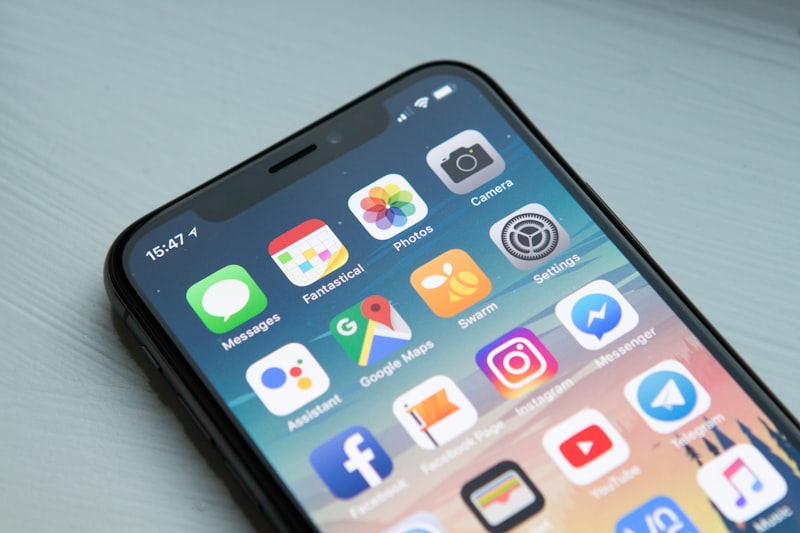
How to Stay Connected in China Without VPN
How to Stay Connected in China Without VPN: 2026 guide covers current prices, transport, payment apps, and what foreign visitors need to know.
9 min read
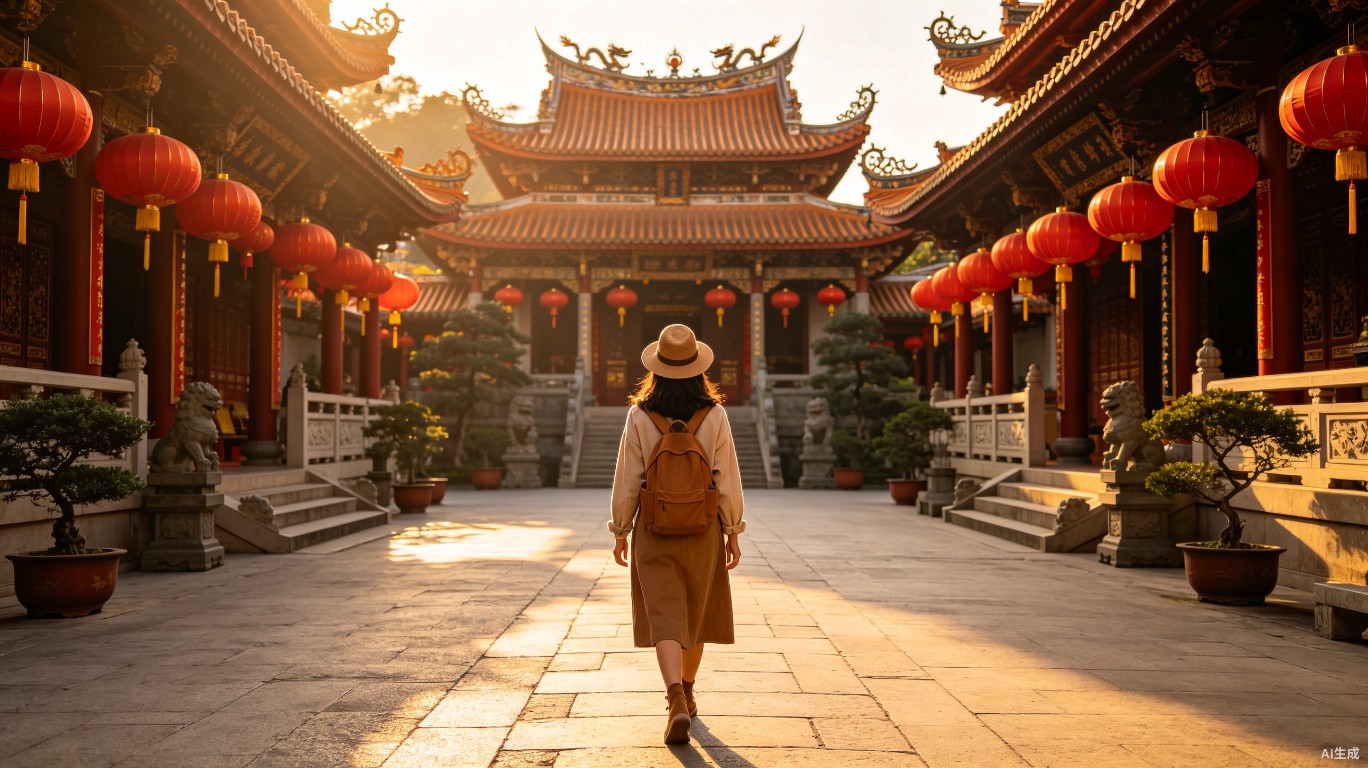
China Solo Travel Tips for First-Timers
China solo travel tips for first-timers - language hacks, safety advice, apps to download, and how to meet people on the road.
20 min read
Is China Safe to Travel in 2026
Is China Safe to Travel in: 2026 guide covers current prices, transport, payment apps, and what foreign visitors need to know.
20 min read
China Health & Safety Tips
China Health & Safety Tips: 2026 guide covers current prices, transport, payment apps, and what foreign visitors need to know.
17 min read
China Safety and Scams Tourist Guide
China Safety and Scams Tourist Guide: 2026 guide covers current prices, transport, payment apps, and what foreign visitors need to know.
16 min read
China Solo Female Travel Safety Tips
China Solo Female Travel Safety Tips: 2026 guide covers current prices, transport, payment apps, and what foreign visitors need to know.
12 min read