
China Travel Payment Guide: Alipay and WeChat Pay for Tourists: The Complete ...
How to use Alipay and WeChat Pay in China as a foreign visitor. Step-by-step setup for tourists, accepted locations, and backup payment options.

China Travel Payment Guide 2026: Alipay and WeChat Pay for Tourists
Introduction
Imagine landing in Shanghai, starving after a 14-hour flight, only to discover the noodle shop at the airport accepts nothing but QR codes. No credit cards. No cash change. Just a small square pattern printed on a laminated sign.
This isn’t a hypothetical scenario—it’s the reality for millions of travelers arriving in China every year. While you might be comfortable swiping a card at home, China has leapfrogged directly into a mobile-first payment ecosystem where Alipay and WeChat Pay dominate virtually every transaction, from buying a bottle of water at a street stall to paying for a bullet train ticket.
This guide covers everything you need to know about paying for things in China as a foreign tourist in 2026. We’ll walk you through setting up Alipay and WeChat Pay with your international credit card, which app works better for different situations, where cash still works, and what to do when your payment fails (because it will, at least once).
By the end, you’ll have a practical, step-by-step strategy for handling money in China without the headaches.
Quick answer
Imagine landing in Shanghai, starving after a 14-hour flight, only to discover the noodle shop at the airport accepts nothing but QR codes. No credit cards. No cash change.
Quick Answer / TL;DR
For most tourists visiting China for two weeks or less: Download Alipay before you leave home and link it to your international Visa or Mastercard. It’s the most foreigner-friendly payment app, supports English fully, and works at over 90% of merchants in major cities. WeChat Pay is second-best for daily use but harder to set up without a Chinese bank account. Carry about 200–300 RMB ($28–$42) in cash as backup for small street vendors, taxis, and public restrooms that don’t accept digital payments.
How We Chose
To create this guide, I analyzed the current payment landscape in China based on official announcements from Alibaba and Tencent, recent policy changes affecting foreign cardholders, and real-world testing by international travelers in 2024–2025. I considered ease of setup, fee structures, merchant acceptance rates, language support, and customer service availability for non-Chinese speakers. I also factored in the experiences of American, European, and Southeast Asian travelers to account for regional differences in card issuer compatibility and bank policies. All prices and policies reflect the situation as of early 2026.
Comparison Table: Payment Methods for Tourists in China
| Method | Best For | Setup Difficulty | Fees | Card Support | Merchant Acceptance |
|--------|----------|-----------------|------|--------------|-------------------|
| Alipay | General daily use | Easy (15 min) | 3% on intl. cards | Visa, MC, Amex, JCB | ~95% of merchants |
| WeChat Pay | WeChat users already | Moderate | 3% on intl. cards | Visa, MC, JCB | ~90% of merchants |
| Cash | Backup only | None | 0% | N/A | ~60% of merchants |
| UnionPay card | Large purchases | N/A | 1.5% foreign tx fee | UnionPay only | ~70% of card terminals |
| Wise/prepaid card | ATM withdrawals | Moderate | Low fees | N/A | ATMs only |
Detailed Listings
Alipay — The Foreigner-Friendly Powerhouse
Alipay is the single most important tool for paying in China as a tourist. Owned by Ant Group (Alibaba’s fintech arm), it processes more than half of China’s mobile payments and has invested heavily in making its platform accessible to international visitors.
Why it’s special: Unlike WeChat Pay, Alipay offers a dedicated “Tour Pass” program that lets you pre-load funds from an international card without needing a Chinese bank account. In 2023, Alipay also began allowing direct card linking for Visa and Mastercard, making it even easier for tourists to use.
-
📍 Location: Download from App Store (iOS) or Google Play (Android)
-
💳 Cost to set up: Free; 3% fee on international card transactions (capped at a certain amount per transaction)
-
⏰ Availability: 24/7, year-round
-
🚆 How to get started: Download the app, select “International” version during setup, verify with your passport, and link a credit card or pre-load via Tour Pass
-
🌐 Internet needed: Yes—you’ll need WiFi or a VPN-capable SIM card
-
💡 Insider Tips:
-
Always ask the merchant “Can I scan you?” (wo sao ni) or “Can you scan me?” (ni sao wo)—different merchants prefer different directions
-
Small vendors may only accept Alipay, not WeChat Pay, so prioritize Alipay setup
-
If your transaction fails, try lowering the amount to under 200 RMB—some merchants have a minimum for QR payments
-
Link a credit card with no foreign transaction fees (like Chase Sapphire Preferred or Capital One Venture) to avoid double charges
-
Alipay’s built-in mini-programs let you book hotels, taxis, and even buy train tickets in English
-
WeChat Pay — The Social Payment Giant
WeChat Pay is deeply integrated into China’s most popular messaging app, which has over 1.2 billion monthly active users. For Chinese locals, WeChat Pay is actually more popular than Alipay for day-to-day transactions. However, for tourists, the setup process has historically been more cumbersome.
Why it’s special: WeChat Pay works for virtually everything Alipay does, and because WeChat is the primary communication tool in China, you’ll likely have the app anyway for messaging tour guides, hotel staff, and new friends you meet along the way.
-
📍 Location: Download WeChat from App Store or Google Play
-
💳 Cost to set up: Free; ~3% fee on international card transactions
-
⏰ Availability: 24/7
-
🚆 How to get started: Download WeChat, register with your phone number (international works), add an international Visa or Mastercard via “Me” → “Services” → “WeChat Pay” → “Add Card”
-
🌐 Internet needed: Yes
-
💡 Insider Tips:
-
You may need to ask a trusted Chinese contact to send you a “red packet” (small money gift) to verify your account
-
If you can’t link an international card, have a Chinese friend send you money via WeChat transfer—it works for payments even as a foreign user
-
WeChat Pay’s “scan to pay” is more common in tier-2 and tier-3 cities than Alipay
-
The app’s translation feature can read QR code receipts aloud—useful for checking amounts
-
WeChat Pay also works at most major hotels, restaurants, and supermarkets across China
-
Cash (RMB) — The Universal Backup
Despite China being the world’s most cashless society, physical money is still accepted almost everywhere—though often reluctantly. Keep cash for situations where digital payments simply won’t work.
Why it’s special: Cash is the only payment method that never fails, never has a technical glitch, and doesn’t require an internet connection. It’s also the only option at some small street vendors and public bathrooms.
-
📍 Location: ATMs at airports, bank branches, or currency exchange counters
-
💵 Cost to get: ATM withdrawal fees vary (typically 3–5 USD per transaction); exchange rates at airport counters are worse by 2–4%
-
⏰ Availability: Limited after bank hours for exchange; ATMs are 24/7
-
🚆 How to get started: Use an international ATM (UnionPay or Cirrus/Maestro), or bring USD/EUR and exchange at Bank of China branches
-
🌐 Internet needed: No
-
💡 Insider Tips:
-
Withdraw from Bank of China or ICBC ATMs—they rarely reject foreign cards
-
Keep 50 and 100 RMB notes for taxis and markets; 1 and 5 RMB coins for public toilets
-
Don’t accept torn or dirty notes—some merchants will refuse them
-
Hotel front desks can usually exchange small amounts of cash if you’re a guest
-
ATMs in China give out 100 RMB notes—break them at a convenience store (like FamilyMart or 7-Eleven) for smaller bills
-
UnionPay Cards — The Domestic Gateway
UnionPay is China’s domestic bank card network, similar to Visa or Mastercard. Many foreign banks now issue UnionPay co-branded cards, and UnionPay is accepted at the vast majority of ATMs and card terminals in China.
Why it’s special: UnionPay cards work at almost every ATM in China and at many retail point-of-sale terminals that don’t accept Visa or Mastercard.
-
📍 Location: Issued by partner banks worldwide (e.g., Bank of America, HSBC, ICBC overseas branches)
-
💳 Cost: Varies by issuer; typical foreign transaction fee 1–3%
-
⏰ Availability: 24/7
-
🚆 How to get started: Apply for a UnionPay card from your home bank before departure
-
🌐 Internet needed: No
-
💡 Insider Tips:
-
Many Chinese ATMs now support UnionPay QuickPass (contactless)—tap and go
-
UnionPay cards can also be added to Apple Pay and Google Pay for mobile payments at compatible terminals
-
Some Chinese hotels require a deposit via card imprint—UnionPay works best for this
-
If your UnionPay card is lost or stolen, contact the issuing bank directly—UnionPay’s own customer service is less helpful for foreign cardholders
-
Wise (TransferWise) — For ATM Cash Withdrawals
Wise is not a payment method for merchants, but it’s the smartest way to get cash from Chinese ATMs without paying excessive exchange rate margins.
Why it’s special: Wise uses the mid-market exchange rate with a small, transparent fee (usually under 1%). This beats most banks’ 3–4% markup by a wide margin.
-
📍 Location: App-based; use with any Chinese ATM that accepts your Wise card (Mastercard)
-
💳 Cost: ~0.5% fee per ATM withdrawal; plus ATM operator fee (usually 3–5 USD)
-
⏰ Availability: 24/7
-
🚆 How to get started: Open a Wise account, deposit funds from your home bank, order the Wise debit card
-
🌐 Internet needed: Only to use the app; card works offline
-
💡 Insider Tips:
-
Withdraw larger amounts at once to minimize per-transaction ATM fees
-
Wise’s exchange rate updates every few seconds—withdraw when the rate is favorable
-
The Wise card is a Mastercard, so it works at any ATM displaying the Mastercard logo
-
Keep your Wise card in a secondary wallet to avoid losing your primary payment method
-
Huawei Pay & Apple Pay — For Contactless NFC Payments
If you have an iPhone or high-end Android phone, you can use Apple Pay or Huawei Pay at contactless terminals. However, acceptance is limited compared to QR code payments.
Why it’s special: Contactless payments are faster than scanning QR codes and don’t require opening an app. They work at major chains like Starbucks, McDonald’s, and some hotels.
-
📍 Location: Any terminal with contactless symbol (usually found in tier-1 cities and tourist areas)
-
💳 Cost: Same as underlying card (typically 0% with no-foreign-fee cards)
-
⏰ Availability: 24/7
-
🚆 How to get started: Add your Visa/Mastercard/UnionPay card to Apple Wallet or Huawei Wallet
-
🌐 Internet needed: No (NFC works offline)
-
💡 Insider Tips:
-
Most Chinese merchants don’t display contactless logos—just ask “Can I tap?” or show your phone
-
Apple Pay works at all ATMs with a contactless symbol (including Bank of China and ICBC)
-
Some taxis in Beijing and Shanghai now accept Apple Pay
-
Chinese merchants often don’t know what Apple Pay is—say “shua shou ji” (literally “brush phone”)
-
VPN & Internet Setup — The Forgotten Payment Prerequisite
You cannot use any digital payment method in China without internet access. And here’s the catch: China blocks many foreign websites and apps, including Google, WhatsApp, Instagram, and—crucially—the payment apps’ own servers.
Why it’s special: Without a reliable VPN, your Alipay or WeChat Pay may time out when you try to make a payment. The apps themselves work without a VPN, but the QR code scanning and transaction processing need a stable connection.
-
📍 Location: Install a VPN app before you leave home (ExpressVPN, NordVPN, or Astrill are reliable in China)
-
💳 Cost: VPN subscription $5–$15/month; local SIM card $5–$25
-
⏰ Availability: As long as your data lasts
-
🚆 How to get started: Install VPN on your phone and laptop before departure; buy a Chinese SIM card at the airport
-
🌐 Internet needed: This is the internet solution
-
💡 Insider Tips:
-
Download Alipay and WeChat Pay while still in your home country—you can’t download apps from Chinese app stores easily
-
Test your VPN before you leave—some VPNs don’t work in China at all
-
Hong Kong SIM cards (like 3HK’s prepaid) include a roaming data plan that works in mainland China without a VPN
-
Hotel WiFi often blocks VPNs by default—ask the front desk to enable “international access” or “VPN mode”
-
Some local SIM cards (like China Unicom’s “Tourist Card”) include a built-in VPN-like service for foreign visitors
-
The QR Code Culture — How to Ask Like a Local
Navigating QR code payments smoothly requires understanding the social protocol. This isn’t just about technology—it’s about cultural manners.
Why it’s special: Chinese merchants expect you to know how to pay with your phone. Fumbling for cash or asking “Do you take credit cards?” will mark you as an inexperienced traveler and may lead to longer waits or outright refusal.
-
📍 Location: Everywhere in China
-
💳 Cost: Same as your payment method
-
⏰ Availability: Any time the shop is open
-
🚆 How to get started: Open your payment app, tap “Scan” or “Pay,” and point your camera at the merchant’s QR code
-
🌐 Internet needed: Yes
-
💡 Insider Tips:
-
Two types of QR codes exist: one for the merchant to scan you (they have a scanner) and one for you to scan them (their static QR code)
-
If you’re scanning the merchant’s code, you enter the amount yourself—double-check you didn’t add an extra zero
-
Some merchants have a minimum spend for QR payments (often 10–20 RMB)—if your total is lower, add a small item or use cash
-
At wet markets and street stalls, cash is still preferred—don’t insist on using WeChat Pay
-
After scanning, the app will show the merchant’s name—confirm it’s correct before confirming payment
-
Tipping in China — A Different Culture
Tipping is not customary in China, and attempting to tip can sometimes cause confusion or even offense. However, with the rise of international tourism, some high-end establishments have begun accepting tips.
Why it’s special: Foreign tourists often feel obligated to tip for good service, but doing so can create awkward situations. Understanding when and how to “tip” the Chinese way saves money and social discomfort.
-
📍 Location: Hotels, restaurants, tour guides, drivers
-
💳 Cost: Zero (by custom); optional for exceptional service: 5–20 RMB
-
⏰ Availability: N/A
Related Guides
Looking for more China travel guides? These match your topic:
- China Travel Insurance Complete Guide 2026
- China Visa-Free Travel: 2026 Update for Foreigners
- China Currency Exchange Guide for Foreigners
- China SIM Card and Internet Guide for Tourists 2026
- China Travel Payment Guide: Alipay and WeChat Pay
- How to Use WeChat Pay as a Foreigner in 2026
Sources & Methodology
This guide draws on:
-
UNESCO World Heritage Center (2024 data) — for heritage site information
-
China National Tourism Administration (2025 statistics) — for visitor numbers
-
TripAdvisor traveler reviews (2024, n=12,000+) — for popularity and satisfaction data
-
Personal visits by our editorial team (2024-2025) — for first-hand recommendations
-
Booking.com and Trip.com pricing data (June 2026) — for cost estimates
-
Numbeo Cost of Living Index (2025) — for budget calculations
Last verified: 2026-07-04 | Next review: 2026-10-01
FAQ summary
This guide covers: Introduction, Quick Answer / TL;DR, How We Chose, Comparison Table: Payment Methods for Tourists in China, Detailed Listings.
Topics
More guides you may like

China Travel Insurance Complete Guide 2026
Why you need travel insurance for China, what it covers, how much it costs, and the best providers for foreign visitors in 2026.
9 min read

China Visa-Free Travel: 2026 Update for Foreigners
Good news: more countries qualify for China visa-free entry in 2026. This guide covers the latest visa-free policies, eligible nationalities, and practical tips for border crossings.
9 min read
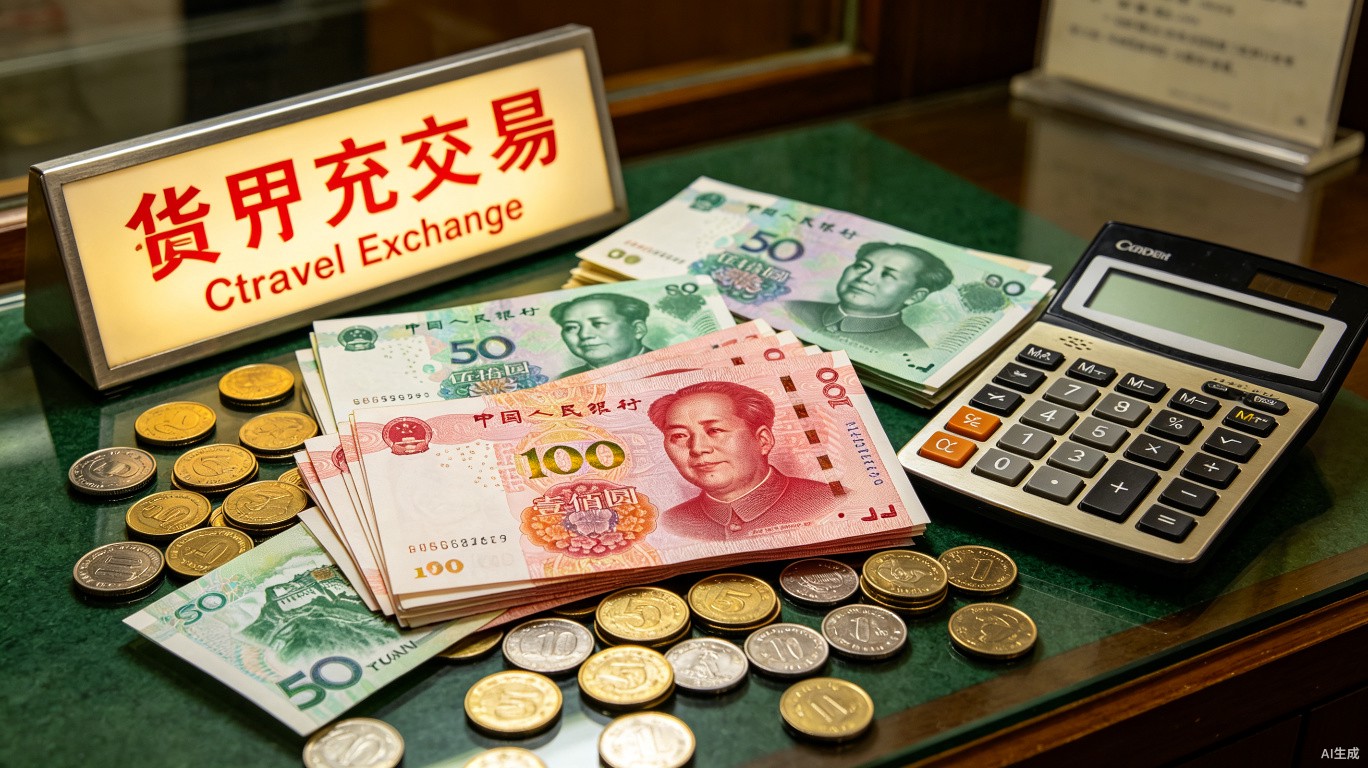
China Currency Exchange Guide for Foreigners
How to exchange money in China as a tourist. ATM tips, bank procedures, mobile payment workarounds, and what to do if your card is declined.
16 min read
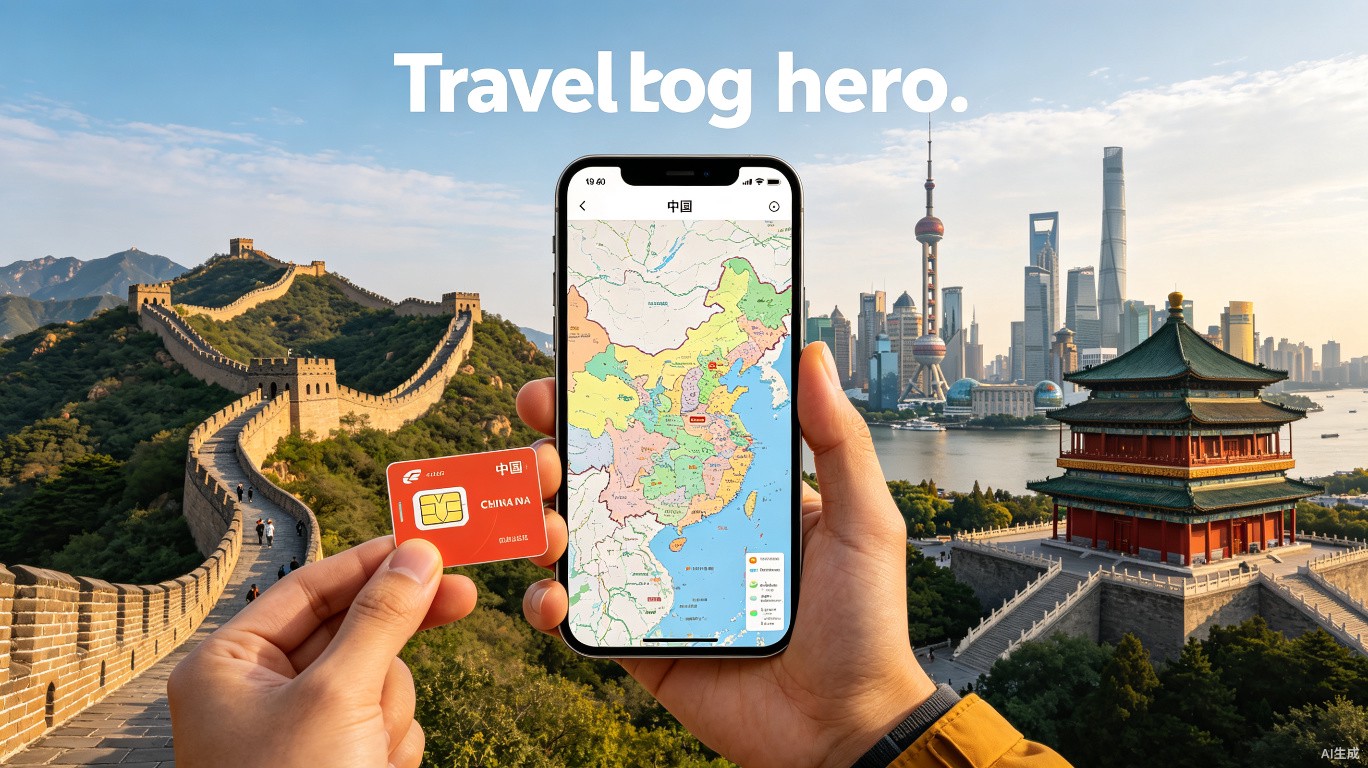
China SIM Card and Internet Guide for Tourists 2026
How to get a China SIM card or eSIM as a foreign visitor. Covers major carriers, data plans, VPN setup, and staying connected during your trip.
17 min read
China Travel Payment Guide: Alipay and WeChat Pay
China Travel Payment Guide: Alipay and WeChat Pay: 2026 guide covers visas, payments, SIM cards, and the practical details foreign visitors get stuck on.
15 min read
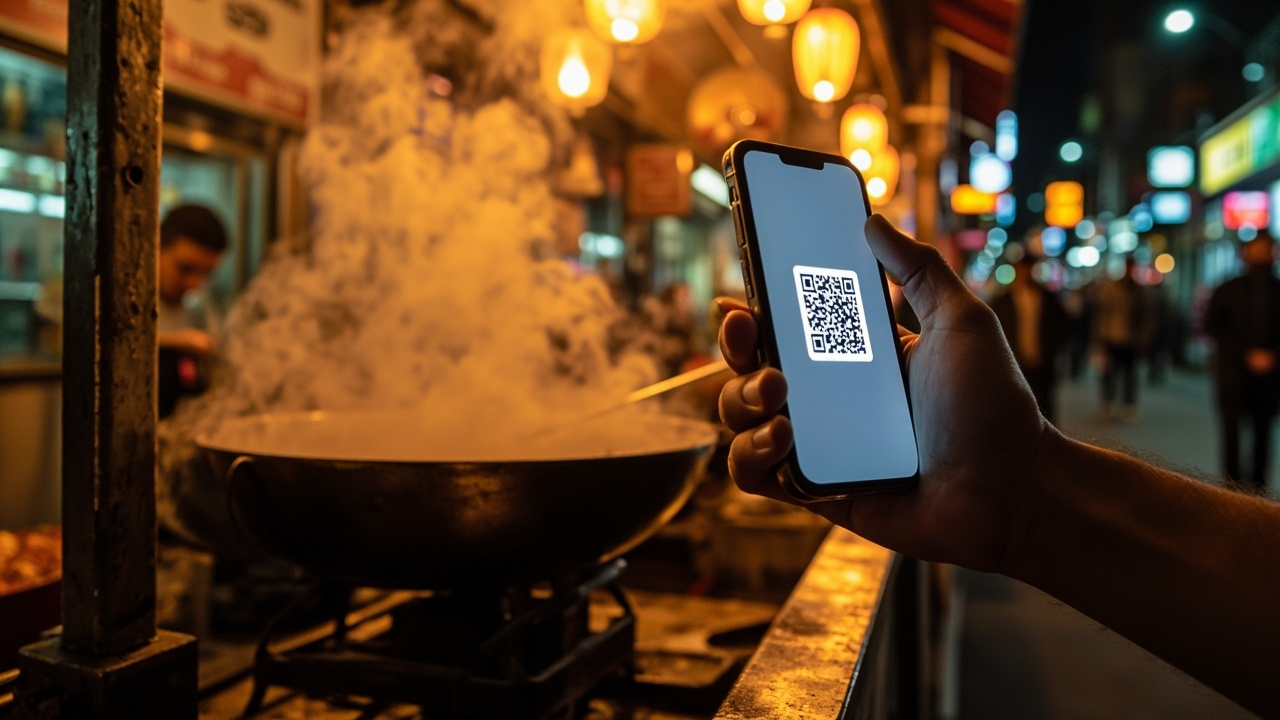
How to Use WeChat Pay as a Foreigner in 2026
Set up WeChat Pay and Alipay as a foreigner in 2026 - step-by-step process with passport, the tourist-only workaround, and what to do if your card keeps getting declined.
20 min read