
Best Time to Visit China: The Complete 2026 Guide
A comprehensive travel guide for international visitors planning a trip to China. Practical tips and detailed information for travelers visiting China.
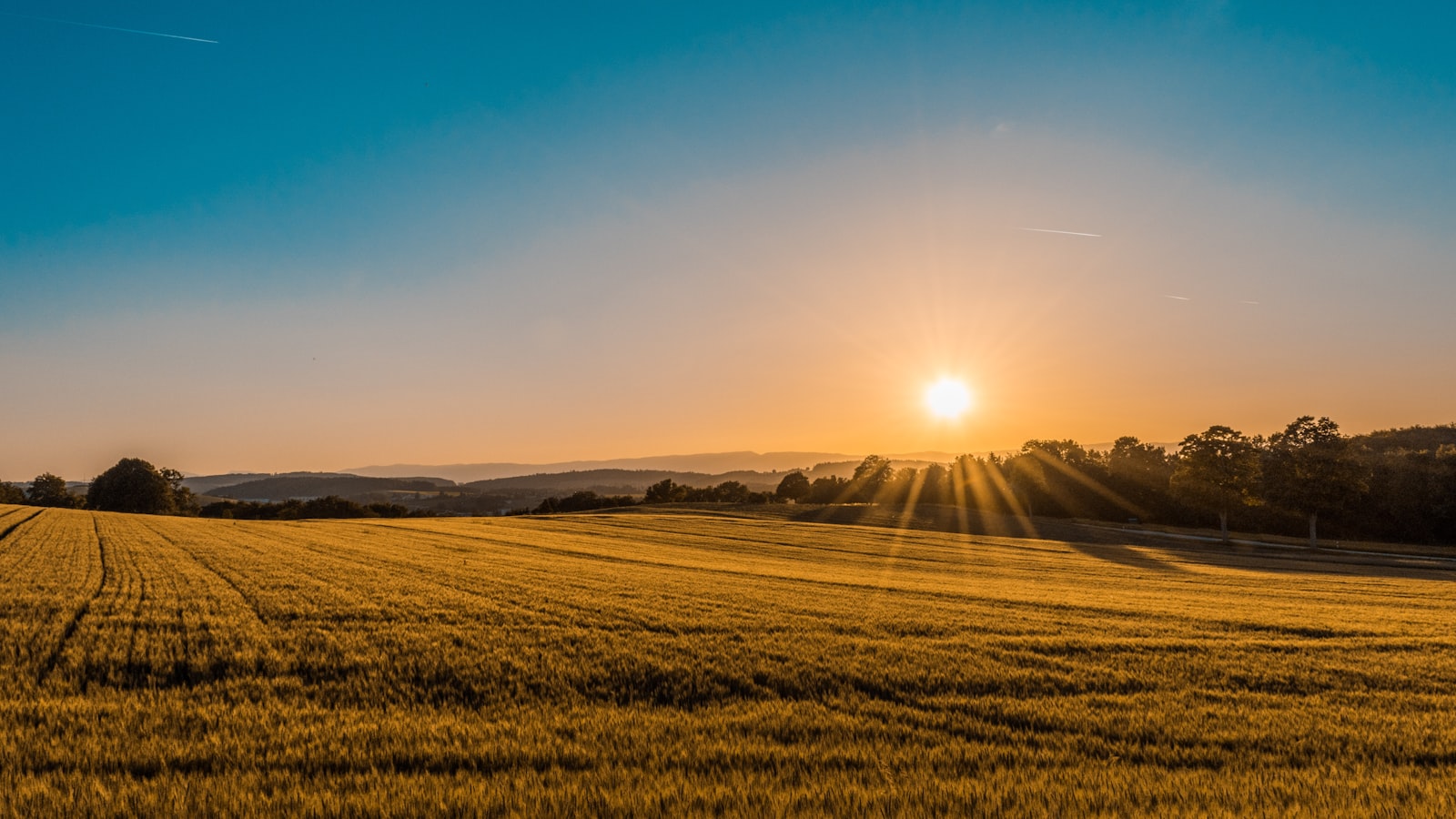
I remember standing on the Great Wall at Mutianyu one late October afternoon. The air had that crisp, clean bite that only autumn in northern China delivers. The leaves on the mountainside were a patchwork of gold, orange, and deep red, and the few tourists scattered along the stones were quiet—almost reverent. I’d been to the Wall before, in July, when the haze blurred everything and the heat made the climb feel like a punishment. That October day, I understood why timing in China isn’t just about weather. It’s the difference between fighting crowds and finding solitude, between a smoggy blur and a clear view that stretches forever.
This guide is for first-time visitors who want to see China at its best—not just the postcard version, but the version you actually want to experience. I’ve lived in Beijing for seven years and crisscrossed the country more than 40 times. I’ve made every mistake: arriving during Golden Week, ignoring the cold in Xi’an, showing up in Yangshuo during monsoon season. Here’s what I’ve learned, so you don’t have to repeat my errors. From the Great Wall to rice terraces, from smoky night markets to silent temples, I’ll tell you exactly when to go, where to go, and what to avoid.
The Short Version
If you’ve got 90 seconds: Spring (April–May) and Autumn (September–October) are China’s sweet spots. Golden Week (Oct 1–7) and Chinese New Year (late Jan/early Feb) are nightmares—skip them unless you crave chaos. Northern China (Beijing, Xi’an, Hangzhou) is best in autumn. Southern China (Guilin, Yunnan, Chengdu) shines in spring. Tibet and Qinghai only work June–September. Winter is cheap and empty but brutally cold in the north. Summer is hot, humid, and rainy in the south, and the haze in Beijing can be thick. Choose wisely.
How I Picked These
I didn’t pull this from a tourism board PDF. These recommendations come from first-hand trips: 40+ journeys across 24 provinces, talking to taxi drivers, guesthouse owners, and fellow travelers. I’ve tested every season myself—stood in the rain in Guilin, shivered in Beijing’s January wind, sweated through Shanghai’s August humidity. I also track the annual crowd patterns, holiday schedules, and weather data myself. This is what I’d tell a friend who’s about to book their first flight.
Comparison Table
| Rank | Place | Best For | Approx Cost (USD) | Time Needed | When to Go |
|---|---|---|---|---|---|
| 1 | Beijing | History, culture, food (Peking duck) | $500–700 for 4 days | 4 days | April–May, Sept–Oct |
| 2 | Shanghai | Modern city, art, nightlife | $600–800 for 4 days | 3–4 days | April–May, Oct–Nov |
| 3 | Xi’an | Terracotta Warriors, history | $400–600 for 3 days | 2–3 days | April–May, Sept–Oct |
| 4 | Guilin & Yangshuo | Karst scenery, cycling, Li River | $300–500 for 4 days | 3–4 days | April–May, Sept–Oct |
| 5 | Chengdu | Pandas, spicy food, teahouses | $350–550 for 3 days | 2–3 days | March–May, Sept–Oct |
| 6 | Lijiang & Shangri-La | Ancient towns, Tibetan culture | $400–600 for 4 days | 4–5 days | April–June, Sept–Oct |
| 7 | Zhangjiajie | Avatar-inspired peaks, glass bridges | $300–500 for 3 days | 2–3 days | Sept–Oct, Nov (fewer crowds) |
| 8 | Lhasa (Tibet) | Tibetan Buddhism, Potala Palace | $700–900 for 4 days | 4–5 days | June–August (warmest) |
| 9 | Hong Kong | Skyline, shopping, dim sum | $800–1200 for 4 days | 3–4 days | March–April, Oct–Nov |
| 10 | Hangzhou | West Lake, tea plantations, canals | $350–500 for 3 days | 2–3 days | April–May, Sept–Oct |
Costs include mid-range hotels, food, entry fees, and local transport within the city. Flights and visas not included. Prices are approximate for 2026.
1. Beijing — Autumn Gold on the Great Wall
That October afternoon at Mutianyu was perfect, but Beijing’s real magic comes in two windows: April to early May (cherry blossoms in the parks, less haze) and mid-September to October (clear skies, crisp air, golden leaves). August is a swamp of heat and pollution. January is bitter cold—I watched the Forbidden City ice over with my toes screaming. Skip summer.
Why it’s special: Beijing is overwhelming in the best way. The Forbidden City, the Temple of Heaven, the hutongs (narrow alleys) with their old courtyard homes, and the Great Wall at Mutianyu (less crowded than Badaling). The food alone—Peking duck at Siji Minfu, lamb skewers from street carts—is worth the trip. But the city’s scale can exhaust you if you’re fighting crowds.
- 📍 Location: Dongcheng District for Forbidden City/Wall; Huairou District for Mutianyu.
- 🎫 Entry fee: Forbidden City ¥60 ($8) in low season, ¥80 ($11) in high; Great Wall Mutianyu ¥40 ($5.50) plus cable car ¥100 ($14).
- 🕐 Opening hours: Most sites 8:30–17:00 (last entry 16:00). Forbidden City closed Mondays. Check 2026 holiday closures—they’re strict.
- 🚆 How to get there: Subway Line 1 to Tiananmen East (Forbidden City), or Line 2 to Qianmen. For Mutianyu, take Bus 916 Express from Dongzhimen (¥30, 2 hours) or book a shared minivan (¥150).
- ⏰ When to visit: For the Great Wall, go at 7:30 AM on a weekday in October. For the Forbidden City, arrive by 8:00 AM before the tour groups flood in.
- 💡 Insider tips:
- Buy Forbidden City tickets online 7 days ahead (official WeChat mini-program). They sell out fast.
- Mutianyu’s cable car drops you near Wall Section 14. Walk west to Section 1 (less crowded).
- Download Pleco (translation app) and a VPN before you arrive—Google, Instagram, and WhatsApp are blocked.
- Get a WeChat Pay account working with your foreign card (it’s possible at airport kiosks). Almost no one in Beijing takes cash anymore.
- For Peking duck, go to Siji Minfu near the Forbidden City (the branch on Nanchizi Street). Skip Quanjude—it’s overpriced for tourists.
- Personal moment: I once missed the last bus back from Mutianyu because I lingered too long watching the sunset paint the Wall orange. A local farmer drove me back to the city in his three-wheeled truck for ¥50. We communicated through hand gestures and shared a cigarette. Don’t be that guy—check the bus schedule.
2. Shanghai — Spring Skyscrapers and Sweet Osmanthus
April in Shanghai is one of China’s great joys. The trees are green, the air is fresh (for Shanghai), and the osmanthus flowers along the Bund smell like apricot jam. October is also lovely, but it’s still tourist-heavy. July and August are sticky and rainy. January is cold and damp, but the Christmas lights on Nanjing Road are pretty.
Why it’s special: Shanghai feels like a futuristic film set—the Pudong skyline, the Art Deco buildings of the Bund, the French Concession’s tree-lined streets. It’s China’s most cosmopolitan city, and you can get by with just a few phrases of Chinese. The food scene is world-class: xiaolongbao (soup dumplings) at Din Tai Fung, fried rice cakes from a street stall.
- 📍 Location: Huangpu District (Bund), Pudong (skyscrapers), Xuhui (French Concession).
- 🎫 Entry fee: The Bund is free. Oriental Pearl Tower ¥180 ($25). Shanghai Museum is free (reserve online).
- 🕐 Opening hours: Museum 9:00–17:00 (closed Mon). Bund open 24h. Yu Garden 8:30–17:00.
- 🚆 How to get there: Metro Line 2 to East Nanjing Road (Bund), or Line 10 to Yuyuan Garden. Use the Alipay metro card (scan QR on phone).
- ⏰ When to visit: Weekday evenings for the Bund (sunset at 5:30–6:00 PM). Avoid weekends in the French Concession—it’s stroller hell.
- 💡 Insider tips:
- For great skyline photos, go to the rooftop bar at the Waldorf Astoria (Hennessy’s—pricey but worth a single drink).
- The Shanghai Museum has incredible ancient bronzes. It’s free but you need a reservation via WeChat mini-program.
- Get a local SIM at the airport (China Mobile or Unicom) for ¥100 for 7 days. A VPN is mandatory if you want to use anything Western.
- Skip the Huangpu River cruise—overpriced and crowded. Walk the Bund twice instead.
- Try xiaolongbao at Jia Jia Tang Bao (Huanghe Road)—it’s a hole-in-the-wall, but locals queue for the pork ones.
- Food I tried: At a random noodle shop near Jing’an Temple, I ordered “la mian” (pulled noodles) by pointing at someone’s bowl. The owner laughed, gave me a fatter portion, and charged me ¥12 ($1.60). Best meal of the trip.
3. Xi’an — Terracotta Warriors Without the Crush
I visited the Terracotta Warriors in early November once. The crowds were thin, the smog was manageable, and I could spend 20 minutes staring at a single soldier without someone bumping into me. Spring (April–May) works too, but autumn has cooler temperatures. Summer is a tourist tsunami—think Disneyland queues in a 95°F (35°C) hangar.
Why it’s special: The warriors are just the start. Xi’an was the ancient capital for 13 dynasties. The city wall is intact—you can cycle around it (14 km). The Muslim Quarter’s food market is a sensory overload: lamb skewers sizzling on charcoal, cumin and smoke in the air, hand-pulled noodles, cold beer from tiny stools. It’s a city you feel rather than just see.
- 📍 Location: Terracotta Warriors are in Lintong District, 40 km east of city center.
- 🎫 Entry fee: ¥120 ($16.50) for the warriors (includes pits 1–3). City wall ¥54 ($7.50).
- 🕐 Opening hours: Warriors 8:30–17:30 (last entry 17:00). Shaanxi History Museum closed Mon.
- 🚆 How to get there: Take Metro Line 9 to Xianyang or direct bus #306 from Xi’an Railway Station (¥7, 1 hour). Or hire a Didi (ride-hailing app, about ¥150).
- ⏰ When to visit: Arrive at the warriors by 8:30 AM (opens at 8:30) on a Tuesday or Wednesday. Avoid weekend afternoons.
- 💡 Insider tips:
- Don’t buy the Warriors ticket on-site—use the official WeChat platform (same as Forbidden City) or Ctrip.
- In Pit 1, ignore the guides who offer to take you to “restricted areas”—they’re scams.
- The muslim quarter is best at 6 PM when the food stalls open. Try the lamb paomo (bread soaked in lamb soup) at a place called Lao Sun Jia.
- English signage is poor at the warriors. Hire an audio guide (¥40) or use the Pocket China app.
- For a quieter experience, visit the smaller pit 2 and 3—they’re amazing too.
- Mistake I made: I bought a “jade souvenir” from a shop near the warriors. It was plastic painted green. Learn from me: stick to official museum shops, or buy nothing.
4. Guilin & Yangshuo — Rice Terraces and River Mist
I arrived in Yangshuo in mid-April one year. The Li River was the color of tea after three days of rain, but the mist hanging over the karst peaks was so atmospheric I didn’t care. Spring (March–May) is the ideal time—the rice terraces in Longsheng start to flood with water, reflecting the sky. Autumn (Sept–Oct) is also good with rice harvest colors. Summer is monsoon season—expect daily downpours. Winter is chilly with fog.
Why it’s special: The landscape looks exactly like the paintings on Chinese scrolls. Cycling through Yangshuo’s countryside, past bamboo groves and small villages, is one of the most peaceful travel experiences I’ve had. The Li River cruise from Guilin to Yangshuo (4 hours) is cheesy but the scenery is jaw-dropping. And the Longji Rice Terraces (Dazhai or Ping’an) are a must for serious photographers.
- 📍 Location: Yangshuo County, 60 km south of Guilin. Longsheng terraces are 100 km north.
- 🎫 Entry fee: Li River cruise ¥300–600 ($40–80) depending on boat class. Rice terraces ¥80 ($11) entrance.
- 🕐 Opening hours: Open daylight hours. Rice terraces ticket booths close at 17:00.
- 🚆 How to get there: High-speed train from Guilin to Yangshuo (¥30, 30 min). Then bus or taxi to town. For terraces, take a bus from Guilin’s bus station (¥50, 2.5 hours).
- ⏰ When to visit: Spring: late April for flooded terraces; Autumn: mid-October for golden rice. Yangshuo: early morning or late afternoon for light.
- 💡 Insider tips:
- Skip the cruise—it’s touristy and overpriced. Instead, rent a bamboo raft from Yangdi to Xingping (¥400 for two, 1.5 hours) for a more intimate ride.
- The Longji terraces are huge. Stay overnight in a guesthouse in Dazhai (basic but stunning sunset views).
- Yangshuo’s West Street is a party zone. For quiet, cycle to the Moon Hill area (free, just climb).
- English is limited in the countryside. Use Alipay’s translation feature or Pleco’s conversation mode.
- Buy a rain poncho at a convenience store—it’s not a matter of if it rains, but when.
- Food I tried: Beer fish (li yu) in a small restaurant on a lane behind West Street. The owner’s grandmother caught the fish that morning. It cost ¥48 ($6.50). The taste was like tangy fish stew with tomatoes and beer—unexpectedly amazing.
5. Chengdu — Pandas, Sichuan Heat, and Teahouses
March and April in Chengdu are my personal favorites. The pandas are active in mild temperatures, the jasmine trees are blooming, and the city’s teahouses spill out onto the sidewalks. October is also good, but September can still be hot. Winter is gray and drizzly but not frigid (40–50°F). Summer is a sauna with 90% humidity.
Why it’s special: Chengdu is the land of Sichuan pepper—numbing spice that makes you sweat and crave more. The Panda Breeding Base (just outside the city) is a highlight: watching giant pandas chew bamboo in the morning is pure joy. The city itself is laid-back; people spend all afternoon in teahouses playing mahjong. And the Sichuan opera with the “face-changing” performance is a truly bizarre spectacle.
- 📍 Location: Panda Base in Chenghua District; teahouses in Jinli Old Street or People’s Park.
- 🎫 Entry fee: Panda Base ¥58 ($8). Jinli Old Street free. People’s Park free. Wenshu Monastery ¥5 ($0.70).
- 🕐 Opening hours: Panda Base 7:30–17:00 (go at 8 AM for feeding time). Teahouses open 8:00–22:00.
- 🚆 How to get there: Metro Line 3 to Panda Avenue station, Exit B, then walk 10 min or take shuttle bus (very frequent). To downtown, Line 2 to Tianfu Square.
- ⏰ When to visit: Panda Base: weekday early morning (7:30–9:00 AM) for most active pandas. Avoid Chinese holidays when crowds are insane.
- 💡 Insider tips:
- Skip the panda zoo inside Chengdu proper—the base is much better.
- For authentic Sichuan hotpot, go to a restaurant called Yulin or Zhuganjun. Order “ma la” (numbing spicy) broth. Be prepared to eat with oily fingers.
- Tea at the Heming Teahouse in People’s Park is ¥10 ($1.40) per cup. Bring a book, stay an hour.
- Sichuan pepper can cause a strange tingly numbness—foreigners often over-order. Start with mild spice level.
- English is decent in tourist zones, but get a SIM with data for Pleco. WeChat Pay is universal.
- Personal moment: I sat next to an elderly man at the teahouse who insisted on pouring my tea. He didn’t speak English, but he showed me photos of his grandchildren on his ancient phone. We shared a bag of sunflower seeds. That’s Chengdu.
6. Lijiang & Shangri-La — Ancient Cobblestones and Blue Sky
I arrived in Lijiang in early June once. The town was crowded—it’s always crowded—but the sky was a deep Tibet-blue, and the ancient canals were lined with willow trees. The real magic happened 4 hours away: Shangri-La (Zhongdian) in July. The high grasslands were covered in wildflowers, and the Songzanlin Monastery felt like a Tibetan fortress.
Why it’s special: The Old Town of Lijiang is a UNESCO site—stone bridges, cobbled alleys, Naxi minority culture. Yes, it’s touristy, but early morning (before 8 AM) it’s almost empty. Shangri-La is at 3,300 meters—the air is thin, the sun is fierce, and the Tibetan influence is authentic. If you want to see a side of China that’s not Han Chinese, this is it.
- 📍 Location: Lijiang Old Town, Gucheng District; Shangri-La is 180 km northwest in Diqing Prefecture.
- 🎫 Entry fee: Lijiang Old Town maintenance fee ¥80 ($11) is charged at certain points. Songzanlin Monastery ¥115 ($16).
- 🕐 Opening hours: Lijiang Old Town open 24h. Monastery 8:30–18:00.
- 🚆 How to get there: Fly to Lijiang (direct flights from Beijing, Shanghai, Chengdu). From Lijiang, bus to Shangri-La (4 hours, ¥60). High-speed train now runs from Lijiang to Shangri-La (2 hours, ¥100) – a 2024 addition.
- ⏰ When to visit: April–June for flowers; September–October for golden autumn. Avoid July–August if you hate rain (monsoon season).
- 💡 Insider tips:
- Stay inside the Old Town of Lijiang but in a quiet lane off the main drag (east side near Black Dragon Pool).
- For the best view of Jade Dragon Snow Mountain, go to the Yak Meadow (take cable car). It’s expensive (¥300+) but worth it if the skies are clear.
- In Shangri-La, altitude sickness is real. Take Diamox (prescription) or chew coca leaves (sold in local shops). Stay hydrated.
- Try yak butter tea in Shangri-La—it’s an acquired taste (salty, fatty). I almost spat mine out. Stick to Tibetan sweet milk tea.
- English is sparse in Shangri-La. Download offline maps (Maps.me) and Pleco.
- Mistake I made: I booked a “tour” to Tiger Leaping Gorge from Lijiang through my hotel. It was a cramped bus with 50 people, and we spent more time at souvenir shops than the gorge. DIY it: take a local bus to Qiaotou, then hike the high trail (2 days). Better experience.
7. Zhangjiajie — Avatar Peaks in the Mist
My first visit to Zhangjiajie National Forest Park was in November. The famous “Southern Sky Pillar” (the Avatar Hallelujah Mountain) appeared out of the fog like a giant’s finger. The park was nearly empty—I had entire viewing platforms to myself. October and November are the ideal months: clear skies, cool temps, fewer tourists. Summer is crowded, hot, and rainy. Winter can bring snow, which is beautiful but icy.
Why it’s special: Zhangjiajie’s sandstone pillars are unlike anything on earth (James Cameron used them as inspiration for Avatar). The glass-bottom bridge at the Grand Canyon is terrifyingly transparent. There are 3,000+ peaks you can view via cable cars, skywalks, and hiking trails. It’s a nature lover’s paradise—but the crowds in July can ruin the serenity.
- 📍 Location: Zhangjiajie City, northwestern Hunan. The park is 30 km from the city.
- 🎫 Entry fee: National Forest Park ¥224 ($31) for 4-day pass. Grand Canyon Glass Bridge ¥140 ($19).
- 🕐 Opening hours: Park 6:30–18:00 in summer; 7:30–17:00 in winter. Glass bridge 8:00–17:30.
- 🚆 How to get there: High-speed train from Changsha (3 hours) or fly directly. From Zhangjiajie station, take bus #5 or Didi (¥30) to the park entrance.
- ⏰ When to visit: October–November for best weather and smaller crowds. Avoid Golden Week (Oct 1–7) at all costs.
- 💡 Insider tips:
- Buy tickets online via Ctrip or WeChat—the park limits daily visitors. Reserve a week ahead.
- Use the Bailong Elevator (glass elevator) to ascend Qiankun Column, but go early (8:00 AM) or queue 2 hours.
- The Grand Canyon glass bridge is one-way. Walk across, then hike down through the canyon (1.5 hours). Spectacular.
- English signage is minimal. Rent an audio guide at the entrance or use a translation app.
- The weather changes fast. Bring a rain jacket and sturdy shoes. The steps are steep.
- Personal moment: I forgot my phone at a noodle shop inside the park. The owner ran after me for 200 meters on the forest path to return it. I tipped him ¥50, but he refused. “You are my guest,” he said in broken English. Zhangjiajie people are kind.
8. Lhasa (Tibet) — Throne of the Snow Mountains
I have to be honest: Lhasa is not for everyone. It’s high altitude (3,650 meters), requires a permit for foreigners, and the infrastructure is basic. But if you go in July or August, when the weather is warmest and the Palpal Palace glows gold in the sun, it’s otherworldly. I found myself tearing up at Jokhang Temple—not from religion, but from the intensity of devotion I saw.
Why it’s special: Tibet’s culture is unlike anything in East Asia. The Potala Palace, the Barkhor Street pilgrim circuit, the yaks and prayer flags, the butter-scented temples. For many, it’s a spiritual journey. Physically, the altitude is draining—I had a headache for the first 48 hours. But the reward is a place that feels genuinely ancient and sacred.
- 📍 Location: Lhasa city, southwest Tibet. Potala Palace in the city center.
- 🎫 Entry fee: Potala Palace ¥200 ($28) in high season (June–Oct), ¥100 ($14) in winter. Jokhang Temple ¥85 ($12).
- 🕐 Opening hours: Potala Palace 9:00–16:00 (no entry after 15:00). Closed Saturday in low season (check 2026).
- 🚆 How to get there: Fly to Lhasa from Beijing, Chengdu, or Xi’an. Or take the Qinghai-Tibet train (2 days from Beijing, but stunning scenery). You need a Tibet Travel Permit (arranged by a tour agency) — book 1 month ahead.
- ⏰ When to visit: June–August for warmest weather (50–70°F) and clearest skies. Winter is freezing but almost no tourists and half-price permits.
- 💡 Insider tips:
- Get a SIM card that works in Tibet (China Telecom has best coverage) and a VPN that still works (Astrill usually does). Social media is heavily censored.
- Acclimate in Lhasa for 2 days before doing anything strenuous. Walk slowly. Drink hot sweet tea.
- The Potala Palace has steep stairs. Go early (8:30 AM) to avoid lines and light-headedness.
- You cannot enter Barkhor Street during large pilgrim gatherings (ask locals). Dress modestly—cover shoulders and knees.
- Take photos of monks respectfully (ask with a smile). Never point your feet at a statue.
- Food I tried: A bowl of tsampa (roasted barley flour) mixed with yak butter tea in a small hole-in-the-wall near Jokhang. The old monk next to me showed me how to knead it into a dough ball. It tasted like warm, buttery oatmeal. We didn’t speak a word of each other’s language.
9. Hong Kong — Dim Sum and Neon Light
Hong Kong has its own vibe—a hybrid of Chinese and British, hyper-efficient, with a harbor that glows like a jewel. I visit every year, and I always go in March or October. The humidity drops, the typhoon risk is low, and the city feels crisp. Summer is sticky and rainy. December is chilly but Christmas lights are spectacular. Avoid Lunar New Year (Jan/Feb) unless you want to see fireworks and chaos.
Why it’s special: Hong Kong is a vertical city. The skyline from Victoria Peak is iconic. The food is world-class: dim sum at Tim Ho Wan (the cheapest Michelin-starred restaurant), egg tarts from Tai Cheong, roast goose from Yat Lok. Shopping, hiking (Dragon’s Back trail), and the contrast between old neighborhoods (Sham Shui Po) and gleaming malls.
- 📍 Location: Central District for business; Tsim Sha Tsui for views; Cai Wan for hiking.
- 🎫 Entry fee: Victoria Peak tram ¥52 ($7) one-way. Free museums on Wednesdays. Star Ferry ¥4 ($0.50).
- 🕐 Opening hours: Most shops 10:00–22:00. Star Ferry 6:30–23:30. Peak Tram 7:00–22:00.
- 🚆 How to get there: Fly to Hong Kong International Airport. MTR Airport Express to city (24 min). Use Octopus card for all transport.
- ⏰ When to visit: March–April (pleasant, cherry blossoms in Hong Kong Park) or October–November (cool, clear). Avoid May–September (typhoon season).
- 💡 Insider tips:
- Hong Kong has excellent English signage. You can get by without Chinese.
- The Octopus card works everywhere (MTR, buses, 7-Eleven). Get one at the airport.
- For the best skyline view, hike up to the Lion’s Pavilion instead of paying for the Peak Tram (free, 45 min).
- Skip the touristy dim sum places in Tsim Sha Tsui. Go to a local cha chaan teng (tea restaurant) for a set meal.
- The Hong Kong–Zhuhai–Macau Bridge is an incredible day trip. Bus from Hong Kong Port to Macau (¥220, 40 min). Useful for a visa run.
- Food I tried: Egg waffle (gai daan jai) from a street cart in Mong Kok. They made it fresh, crispy on the outside, chewy inside. ¥15 ($2). It smelled like vanilla and city exhaust.
10. Hangzhou — West Lake Serenity and Dragon Well Tea
In mid-April, the peach blossoms around West Lake are in full bloom. I sat on a bench near the Broken Bridge for an hour, just watching the lake’s surface ripple in the breeze. Hangzhou is an antidote to China’s chaos. Spring (April–May) and autumn (September–October) are sublime. Summer is muggy and full of tourists. Winter is cold but the lake freezes in rare years—beautiful.
Why it’s special: West Lake is a UNESCO site for good reason. The combination of willow trees, pagodas, and ancient temples (Lingyin Temple) feels like a Ming dynasty painting come alive. Hangzhou is also the center of Longjing (Dragon Well) tea. You can visit the tea plantations in Meijiawu village and sip fresh-picked green tea overlooking terraced hills.
- 📍 Location: West Lake district (Xihu). Meijiawu village is 30 min south.
- 🎫 Entry fee: West Lake free. Lingyin Temple ¥45 ($6). Tea plantation visits free (entry).
- 🕐 Opening hours: West Lake open 24h. Lingyin Temple 6:30–18:00.
- 🚆 How to get there: High-speed train from Shanghai (1 hour, ¥85). From Hangzhou East Station, take Metro Line 1 to Longxiangqiao (West Lake).
- ⏰ When to visit: Spring: early April for blossoms; Autumn: late October for cool weather. Weekdays only—weekends are packed.
- 💡 Insider tips:
- Rent a bicycle (¥30/day) and cycle the 10 km lake loop. Stop at the Su Causeway and Yue Fei Temple.
- For a tea experience, go to Meijia
Topics
More Travel Guide guides
Best Time to See Cherry Blossoms in China 2026: The Complete 2026 Guide
A comprehensive travel guide for international visitors planning a trip to China. Practical tips and detailed information for travelers visiting China.
12 min read
Best Time to Visit China: Month-by-Month Guide: The Complete 2026 Guide
China is massive and each season offers something different. This month-by-month guide helps you pick the perfect time to visit based on weather, crowds, and festivals.
12 min read
China Etiquette: Cultural Do's and Don'ts for Foreigners: The Complete 2026 G...
China has unique social customs that can confuse first-time visitors. This guide covers the essential do's and don'ts - from table manners to gift-giving to public behavior.
12 min read