
China for Digital Nomads: The Complete 2026 Guide
A comprehensive travel guide for international visitors planning a trip to China. Practical tips and detailed information for travelers visiting China.
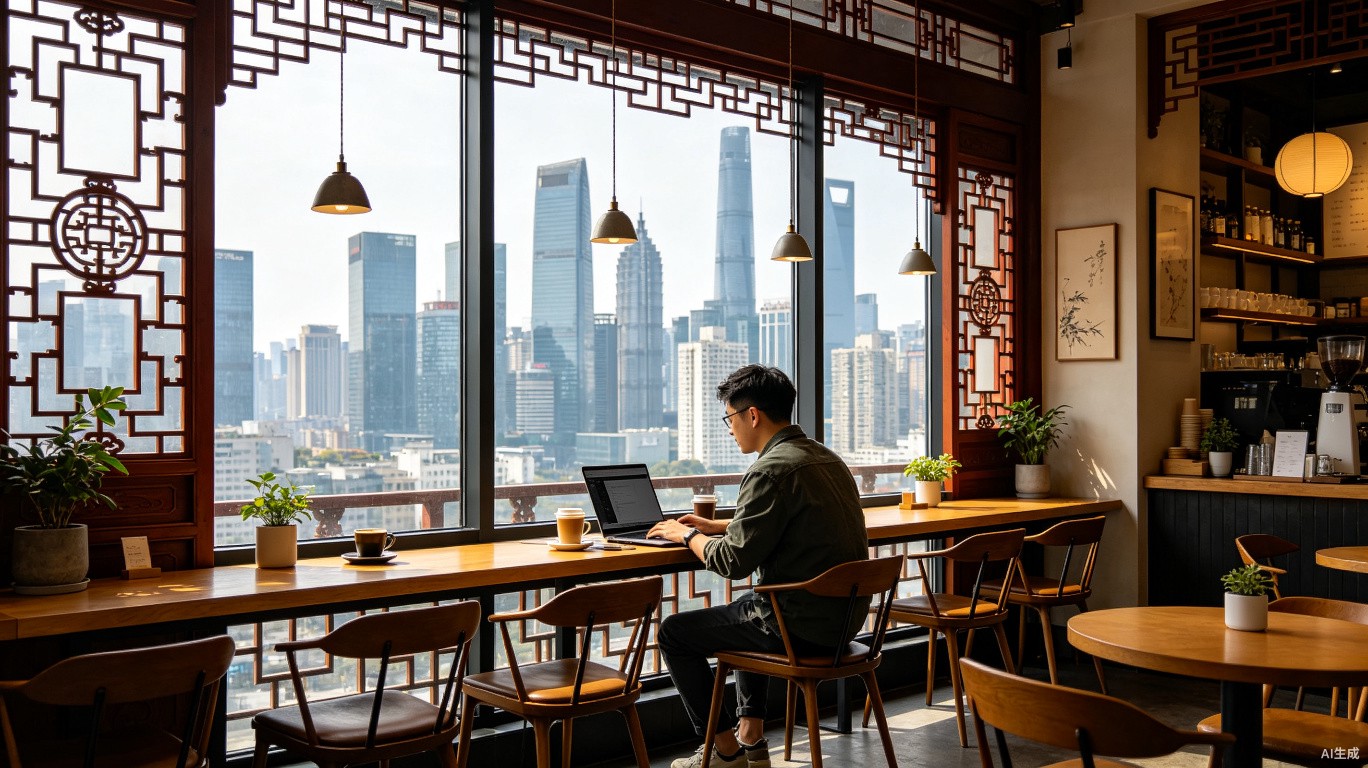
China for Digital Nomads: The Complete 2026 Guide
The cab driver laughed at me when I asked if I could pay with my foreign credit card. We were stuck in Beijing traffic near the Third Ring Road, and I was trying to buy a SIM card at a convenience store that didn’t take anything except WeChat Pay. I’d been in China for exactly four hours. The driver, a man named Liu who’d been driving a taxi for twenty-two years, handed me his phone and showed me how to scan his QR code. “No cash, no card,” he said in broken English. “Only phone.” That was 2019. Seven years later, I’ve been through forty-something trips across China, and I still remember that moment because it was my first real lesson: China doesn’t work like anywhere else, and that’s exactly why it’s worth figuring out.
This guide is for the digital nomad who’s been thinking about China but keeps finding reasons to put it off. The Great Firewall scares you. The payment systems confuse you. The language barrier feels impossible. I get it. I felt all of that too. But here’s what I’ve learned after living here for seven years: China is the most misunderstood country for remote work on the planet. The internet is actually fast. The coworking spaces are cheap. The food is incredible. And once you get past the initial setup—SIM card, VPN, WeChat Pay—it’s smoother than most European capitals.
I’ll walk you through ten cities where you can actually work remotely, with real prices, real directions, and the mistakes I made so you don’t have to.
The Short Version
If you have ninety seconds: Get a VPN before you arrive. Set up Alipay or WeChat Pay within your first day. Skip Shanghai if you’re on a budget—it’s expensive and overhyped for nomads. Go to Chengdu instead. The internet is faster than you think. The food is better than you’ve heard. And the people are friendlier than anywhere I’ve been in Asia. Start with a 30-day visa-free entry if you’re from one of the 54 eligible countries. Don’t overplan. China rewards flexibility.
How I Picked These
I didn’t read blog posts to write this. I went to every single city on this list, usually multiple times. I worked from coffee shops, coworking spaces, hostel lobbies, and once from a KFC in Kunming because the power went out in my hotel. I talked to other nomads I met along the way—a German software developer in Chengdu, an American English teacher in Guilin, a British graphic designer who’d been in Dali for two years. I asked them what worked, what didn’t, and what they wished they’d known. I also made plenty of my own mistakes: booking a hostel without checking if the WiFi worked, showing up to a coworking space that had closed permanently, trying to pay with cash at a restaurant that only took QR codes. This list is the result of all that.
Comparison Table
| Rank | Place | Best For | Approx Cost (USD/Day) | Time Needed | When to Go |
|---|---|---|---|---|---|
| 1 | Chengdu | Food, affordability, community | $25-35 | 1-2 weeks | Mar-May, Sep-Nov |
| 2 | Kunming | Year-round weather, slow living | $20-30 | 1-2 weeks | Any time |
| 3 | Shanghai | Infrastructure, networking | $40-60 | 1 week | Apr-Jun, Oct-Nov |
| 4 | Shenzhen | Tech scene, modern vibes | $35-50 | 3-5 days | Oct-Dec |
| 5 | Beijing | History, digital nomad hubs | $35-50 | 1 week | Sep-Oct, Apr-May |
| 6 | Hangzhou | Nature + city balance | $30-45 | 3-5 days | Mar-May, Sep-Oct |
| 7 | Guilin | Scenery, cheap living | $20-30 | 3-5 days | Apr-Oct |
| 8 | Dali | Hippie nomad scene | $15-25 | 1-2 weeks | Mar-Jun, Sep-Nov |
| 9 | Xi’an | History, food | $25-35 | 3-5 days | Mar-May, Sep-Nov |
| 10 | Guangzhou | Food, transport hub | $30-40 | 3-5 days | Oct-Dec |
1. Chengdu — The Panda Capital That Actually Works for Nomads
I was sitting in a tea house in Chengdu’s Kuanzhai Alley, drinking a cup of jasmine tea that cost about 80 cents, when I realized my internet speed was faster than my apartment in Beijing. The tea house had no walls—just bamboo chairs set out on a cobblestone street, and I was running a Zoom call with a client in London without a single glitch. That’s Chengdu for you. It’s relaxed, it’s cheap, and it somehow has better infrastructure than cities that cost three times as much.
Chengdu’s special because it’s big enough to have everything you need—coworking spaces, international food, decent nightlife—but it hasn’t been ruined by tourism yet. The nomad community here is growing but still small enough that you’ll actually meet people. The food is the best in China, and I’ll fight anyone who says otherwise. Mapo tofu from a street stall costs two dollars and will ruin you for any other version.
📍 Location: Jinjiang District (downtown), especially near Chunxi Road or the Wuhou Shrine area
🎫 Entry fee: Free to enter the city. Jinli Ancient Street is free. Wuhou Shrine is about $7 (¥50). The Panda Base is $8 (¥55).
🕐 Opening hours: Most coffee shops and coworking spaces open 8am-10pm. The Panda Base opens at 7:30am—go early.
🚆 How to get there: Fly into Chengdu Tianfu International Airport (TFU). Take Metro Line 18 to Chengdu South Station, then transfer. Or fly into Shuangliu (CTU) for cheaper domestic flights. From the airport, the metro is about $1.50 (¥10) and takes 45 minutes.
⏰ When to visit: March to May or September to November. Summer is humid and hot. Winter is gray but mild.
💡 Insider tips:
- Get a Tianfu Tong card for the metro—it works on your phone
- The best coworking space is Naked Hub near Chunxi Road
- Don’t eat at the tourist restaurants on Jinli Street. Walk two blocks north to the actual local spots
- Learn to say “bu la” (no spice) if you can’t handle Sichuan pepper
- The metro is excellent and covers most of the city
I met a French software developer named Pierre at a coffee shop called Three Coffees. He’d been in Chengdu for eight months and told me he was paying $300 a month for a one-bedroom apartment near the river. I almost moved that day.
2. Kunming — The City of Eternal Spring (No, Really)
The first time I landed in Kunming, I stepped off the plane and immediately took off my jacket. It was February. I’d left Beijing in sub-zero temperatures, and here it was 18 degrees Celsius with clear blue sky. The airport smelled like flowers—actual flowers, because Kunming is the flower capital of China. I stood there for a minute, just breathing, before I even collected my luggage.
Kunming is the most underrated nomad city in China. The weather is genuinely perfect year-round—never too hot, never too cold. The cost of living is low. The internet is reliable. And it’s the gateway to Yunnan province, which means you can take weekend trips to Dali, Lijiang, or the rice terraces in Yuanyang. The only downside is that the nomad scene is smaller here, so you’ll need to be more proactive about meeting people.
📍 Location: Wuhua District or Guandu District, near Green Lake Park or the city center
🎫 Entry fee: Free to enter the city. Green Lake Park is free. Yunnan Nationalities Village is about $12 (¥90). The Stone Forest is $20 (¥140) but worth it.
🕐 Opening hours: Most places open 9am-9pm. The flower market operates from early morning until noon for wholesale, then reopens in the evening.
🚆 How to get there: Fly into Kunming Changshui International Airport (KMG). Take the metro to the city center—about $1.50 (¥10) and 40 minutes. The airport bus is $3 (¥20).
⏰ When to visit: Any time. The temperature rarely drops below 5°C or rises above 25°C. April and May have the most flowers.
💡 Insider tips:
- The Doujiao Night Market has the best street food in the city
- Green Lake Park is free and has excellent WiFi from the nearby coffee shops
- There’s a coworking space called “Kunming Work” near Dongfeng Square
- The flower market at Dounan is open 24 hours—go at 2am for the best prices
- Learn to say “guo qiao mi xian” (crossing bridge noodles)—it’s the local specialty
I ate crossing bridge noodles at a tiny shop near Green Lake Park. The owner, an elderly woman named Auntie Chen, showed me how to dip the raw meat into the boiling broth. I burned my tongue. It was worth it.
3. Shanghai — The City That Works (If You Have Money)
Shanghai is the most foreigner-friendly city in China, and it’s also the most expensive. I spent a week there last year working from a coworking space in the French Concession, and I paid more for a month of coworking than I did for a month of rent in Chengdu. But the trade-off is that everything works perfectly. The metro is clean and efficient. The coffee is excellent. The internet is fast. And you can find a coworking space on every corner.
Shanghai is best for short stays—a week or two. It’s a place to get work done, network with other nomads, and enjoy the creature comforts of a global city. But it’s not a place to stretch your budget. A decent one-bedroom apartment in a good area will cost you $800-1200 a month. A coffee is $5. A meal at a mid-range restaurant is $15-20. You can do it cheaper, but you’ll be sacrificing the things that make Shanghai worth visiting.
📍 Location: Jing’an District or French Concession (Xuhui District) are the best for nomads
🎫 Entry fee: Free to enter the city. The Bund is free. Yu Garden is about $5 (¥40). The Shanghai Tower observation deck is $25 (¥180).
🕐 Opening hours: Coworking spaces open 8am-10pm. Coffee shops open earlier. Most museums close on Mondays.
🚆 How to get there: Fly into Shanghai Pudong (PVG) or Hongqiao (SHA). From Pudong, take the Maglev train to Longyang Road—$8 (¥55) and 8 minutes. Then transfer to the metro.
⏰ When to visit: April to June or October to November. Summer is humid and rainy. Winter is cold and gray.
💡 Insider tips:
- WeWork has multiple locations in Shanghai and offers day passes
- The French Concession has the best coffee shops—try Manner Coffee
- Don’t eat on the Bund. Walk 10 minutes inland for better food at half the price
- The metro is the best way to get around. Buy a Shanghai Public Transportation Card
- English is widely spoken in central areas, but still download Pleco
I met an Australian graphic designer at a WeWork in Jing’an who told me she’d been in Shanghai for three years and had never learned Chinese. “You don’t need to,” she said. “But it helps.”
4. Shenzhen — The Tech Hub That Feels Like the Future
Shenzhen is what happens when a fishing village becomes a city of 17 million people in forty years. It’s modern, it’s clean, and it’s obsessed with technology. I walked into a electronics market in Huaqiangbei and felt like I’d stepped into a sci-fi movie—rows and rows of stalls selling components, gadgets, and things I couldn’t identify. The energy here is different from anywhere else in China.
For digital nomads, Shenzhen is interesting because it’s close to Hong Kong (30 minutes by train) and has a growing startup scene. The coworking spaces are excellent and cheaper than Shanghai. The food is a mix of Cantonese and international. And the weather is warm year-round. The downside is that it’s not a beautiful city—it’s functional and modern, but it lacks the character of Chengdu or Kunming.
📍 Location: Nanshan District (tech hub) or Futian District (city center)
🎫 Entry fee: Free to enter the city. Huaqiangbei electronics market is free to browse. Splendid China theme park is about $25 (¥180).
🕐 Opening hours: Most electronics markets open 10am-8pm. Coworking spaces open 8am-10pm.
🚆 How to get there: Fly into Shenzhen Bao’an International Airport (SZX). Take Metro Line 11 to the city center—about $1.50 (¥10) and 30 minutes. From Hong Kong, take the high-speed rail from West Kowloon Station—$10 (¥75) and 15 minutes.
⏰ When to visit: October to December. Summer is hot and humid. Spring is rainy.
💡 Insider tips:
- Nanshan District has the best coworking spaces—try Kr Space
- Huaqiangbei is overwhelming. Go with a specific goal in mind
- The seafood at Shekou is excellent and affordable
- Shenzhen has a digital nomad meetup group that meets monthly
- The metro is modern and covers most areas
I bought a fake AirPods case at Huaqiangbei for $3. It stopped working after two days. I went back and the vendor shrugged and handed me a new one. No receipt, no questions.
5. Beijing — The Capital That Never Sleeps (But Sometimes Smells Like Coal)
Beijing is where I live, so I’m biased. But I’ll be honest: it’s not the easiest city for nomads. The air quality can be bad in winter. The city is massive—it takes an hour to get anywhere. And the visa situation is more complicated here than in other cities. But it’s also the most historically rich city in China, and it has a nomad scene that’s been growing for years.
The best thing about Beijing for nomads is the community. There are coworking spaces everywhere, from the hutongs (traditional alleyways) to the CBD. The coffee culture is excellent. The food is diverse—you can find cuisine from every province in China. And the internet is fast, provided you have a good VPN. The worst thing is the size. You can’t just walk to a meeting. You need to plan your day around transport.
📍 Location: Dongcheng District (hutongs) or Chaoyang District (CBD)
🎫 Entry fee: Free to enter the city. The Forbidden City is about $10 (¥70). The Great Wall varies by section—Mutianyu is about $8 (¥55). Temple of Heaven is about $5 (¥35).
🕐 Opening hours: Most attractions open 8am-5pm. Coworking spaces open 8am-10pm. The Forbidden City is closed on Mondays.
🚆 How to get there: Fly into Beijing Capital International Airport (PEK) or Daxing International Airport (PKX). From PEK, take the Airport Express to Dongzhimen—$4 (¥25) and 30 minutes. From PKX, take the Daxing Airport Express to Caoqiao—$5 (¥35) and 20 minutes.
⏰ When to visit: September to October or April to May. Summer is hot and crowded. Winter is cold and smoggy.
💡 Insider tips:
- The best coworking space is “The Other Place” in Gulou—it’s in a hutong
- Get a Beijing Subway card—it works on buses too
- Don’t go to the Great Wall on weekends or holidays
- The 798 Art District has good coffee shops and free WiFi
- Learn to navigate by landmarks, not street names—Beijing’s streets are confusing
I was walking through a hutong near Nanluoguxiang when an old man invited me into his courtyard for tea. We sat on wooden stools and drank oolong while his cat slept in the sun. He didn’t speak English. I didn’t speak much Chinese. We communicated through gestures and smiles. That’s Beijing.
6. Hangzhou — The City That Inspired the Silk Road (and Alibaba)
Hangzhou is one of those cities that feels like it was designed by someone who cared. The West Lake is the centerpiece—a massive body of water surrounded by temples, gardens, and tea plantations. I spent a week here working from a coffee shop overlooking the lake, and I got more done than I had in a month in Beijing. There’s something about the calm that makes you productive.
Hangzhou is also the headquarters of Alibaba, which means the tech infrastructure is excellent. The internet is fast. The payment systems work perfectly. And there’s a growing startup scene that attracts young Chinese entrepreneurs. The downside is that it’s not cheap—not Shanghai expensive, but more than Chengdu or Kunming. And the tourist areas around West Lake can get crowded on weekends.
📍 Location: Xihu District (near West Lake) or Binjiang District (tech hub)
🎫 Entry fee: Free to enter the city. West Lake is free. Lingyin Temple is about $6 (¥45). The Longjing Tea Plantation is free to visit.
🕐 Opening hours: Most attractions open 8am-5pm. Coffee shops open 8am-10pm. The tea plantations are best visited in the morning.
🚆 How to get there: Fly into Hangzhou Xiaoshan International Airport (HGH). Take the metro to the city center—about $2 (¥15) and 40 minutes. From Shanghai, take the high-speed rail—$15 (¥110) and 45 minutes.
⏰ When to visit: March to May or September to October. Summer is hot and humid. Winter is cold but clear.
💡 Insider tips:
- The best coffee shop near West Lake is “Seesaw Coffee”—good WiFi and great views
- Rent a bike to explore the lake—it’s 10km around
- The Longjing tea village is worth a visit, but buy tea from a local farmer, not a tourist shop
- Avoid West Lake on weekends—go on a weekday morning
- The metro is new and efficient
I tried Longjing tea at a farm in the hills above the lake. The farmer, a woman in her sixties, showed me how to brew it properly—water at 80 degrees, not boiling. I bought half a kilo. It was the best tea I’ve ever had.
7. Guilin — The Scenery That Made China Famous
Guilin is the place you’ve seen in every Chinese painting—the karst mountains rising out of the mist, the Li River winding through the valleys, the rice paddies that look like green mirrors. It’s stunning. It’s also a bit of a tourist trap if you’re not careful. I made the mistake of going to the main tourist areas first, and I spent three days fighting crowds and paying inflated prices.
But once I got off the main path—rented a scooter and drove to the countryside—I found what I was looking for. Small villages where farmers still work the fields with water buffalo. Temples that haven’t been renovated for tourists. And the most beautiful scenery I’ve ever seen. Guilin is worth it, but you have to work for it.
📍 Location: Xiangshan District (city center) or Yangshuo County (countryside)
🎫 Entry fee: Free to enter the city. The Li River cruise is about $50 (¥360) for a 4-hour trip. Yangshuo is free to explore. The Longji Rice Terraces are about $12 (¥85).
🕐 Opening hours: Most attractions open 8am-5:30pm. The night market in Yangshuo starts around 6pm.
🚆 How to get there: Fly into Guilin Liangjiang International Airport (KWL). Take the airport bus to the city center—$3 (¥20) and 40 minutes. From Guilin to Yangshuo, take a bus—$3 (¥20) and 1.5 hours.
⏰ When to visit: April to October. The rice terraces are best in May (flooded) or September (harvest). Summer is hot and rainy.
💡 Insider tips:
- Skip the Li River cruise. Rent a scooter and drive along the river instead
- Yangshuo is better than Guilin city for nomads—more cafes, better WiFi
- The best coffee shop in Yangshuo is “Ming’s Coffee”—good WiFi and a rooftop view
- Learn to ride a scooter before you come. It’s the best way to explore
- The beer fish (pijiu yu) is the local specialty—try it at a street stall
I rented a scooter in Yangshuo and drove to a village called Xingping. I got lost, ended up on a dirt road, and found a rice terrace that had no other tourists. I sat there for an hour, just watching the light change.
8. Dali — The Hippie Nomad Paradise
Dali is where nomads go when they want to disappear. It’s a small city in Yunnan province, nestled between Erhai Lake and the Cangshan Mountains. The old town is full of coffee shops, yoga studios, and vegan restaurants. The vibe is more Ubud than Shanghai. I met a guy who’d been living here for five years, working as a freelance writer, and he told me he spent about $400 a month on everything.
Dali is cheap, beautiful, and has a strong nomad community. The internet is good enough for most work. The food is excellent—a mix of Yunnanese and international. And the scenery is incredible. The downside is that it’s remote. The nearest major city is Kunming, which is four hours away by bus. And the nomad scene can feel insular—everyone knows everyone.
📍 Location: Dali Old Town (the main area for nomads) or near Erhai Lake
🎫 Entry fee: Free to enter the city. Erhai Lake is free to visit. The Three Pagodas are about $15 (¥110). Cangshan cable car is about $20 (¥145).
🕐 Opening hours: Most coffee shops open 8am-10pm. The old town is lively until midnight.
🚆 How to get there: Fly into Dali Airport (DLU) from Kunming or other major cities. From the airport, take a taxi to the old town—$10 (¥70) and 30 minutes. From Kunming, take the high-speed rail—$20 (¥145) and 2 hours.
⏰ When to visit: March to June or September to November. Summer is rainy. Winter is cold but sunny.
💡 Insider tips:
- The best coworking space is “Dali Digital Nomads” near the south gate
- Rent a bike to explore Erhai Lake—it’s 120km around
- The local market on the 5th and 10th of each month is worth visiting
- Learn to say “zhe ge duo shao qian” (how much is this) for bargaining
- The altitude is about 2,000 meters—drink more water than you think you need
I met a British graphic designer at a coffee shop called “The Sweet Tooth.” She’d been in Dali for two years and told me she’d stopped checking the news. “Nothing happens here,” she said. “That’s the point.”
9. Xi’an — The Ancient Capital That Still Feels Alive
Xi’an is where Chinese civilization started. The Terracotta Warriors are here. The ancient city wall is here. The Muslim Quarter has some of the best street food in China. But Xi’an isn’t just a museum—it’s a living city with a growing nomad scene. I spent a week here working from a coffee shop near the South Gate, and I was surprised by how easy it was.
The internet is fast. The cost of living is low. The food is incredible—the Muslim Quarter has lamb skewers, biang biang noodles, and persimmon cakes that will change your life. And the history is everywhere. You can walk on the city wall, which is 14 kilometers long, and see the modern city on one side and the ancient city on the other.
📍 Location: Beilin District (near the South Gate) or Lianhu District (Muslim Quarter)
🎫 Entry fee: Free to enter the city. The Terracotta Warriors are about $20 (¥150). The city wall is about $8 (¥60). The Muslim Quarter is free.
🕐 Opening hours: Most attractions open 8am-6pm. The Muslim Quarter is busiest in the evening. The Terracotta Warriors are best visited at 8am.
🚆 How to get there: Fly into Xi’an Xianyang International Airport (XIY). Take the metro to the city center—$2 (¥15) and 50 minutes. From the airport, the bus is $3 (¥20) and 1 hour.
⏰ When to visit: March to May or September to November. Summer is hot. Winter is cold and dry.
💡 Insider tips:
- The best coffee shop is “Moment Coffee” near the South Gate
- Rent a bike to ride the city wall—it takes about 2 hours
- The Terracotta Warriors are 1 hour from the city—go early to avoid crowds
- The Muslim Quarter is best for street food, but avoid the main street—go to the side alleys
- Learn to say “liang qian” (two skewers) for ordering lamb skewers
I ate lamb skewers at a stall in the Muslim Quarter. The owner, a Uyghur man named Ahmat, didn’t speak English but showed me how to eat them with bread and chili. I ate twelve. He laughed and gave me two more for free.
10. Guangzhou — The Food Capital You Can’t Skip
Guangzhou is the most underrated city in China for nomads. It’s cheaper than Shanghai, warmer than Beijing, and has the best food in the country—and I say that as someone who loves Sichuan food. The Cantonese cuisine here is incredible. Dim sum, roast goose, congee, and everything in between. I spent a month here working from a coffee shop in the Tianhe district, and I gained five kilograms.
Guangzhou is also a major transport hub. The high-speed rail connects to Shenzhen (30 minutes), Hong Kong (1 hour), and most other major cities. The airport is one of the busiest in China. And the nomad scene is growing, though it’s still small compared to Shanghai or Beijing. The downside is that the city is huge and can feel overwhelming. But once you find your neighborhood, it’s easy to settle in.
📍 Location: Tianhe District (CBD) or Liwan District (old town)
🎫 Entry fee: Free to enter the city. Canton Tower is about $15 (¥110). Chen Clan Academy is about $5 (¥35). Shamian Island is free.
🕐 Opening hours: Most attractions open 8am-6pm. Dim sum restaurants are busiest from 10am-2pm. The night market on Beijing Road starts around 6pm.
🚆 How to get there: Fly into Guangzhou Baiyun International Airport (CAN). Take the metro to the city center—$2 (¥15) and 40 minutes. From Hong Kong, take the high-speed rail—$30 (¥215) and 1 hour.
⏰ When to visit: October to December. Summer is hot and humid. Spring is rainy.
💡 Insider tips:
- The best coworking space is “Kr Space” in Tianhe
- Dim sum at “Dian Du De” is the best in the city—go early
- The metro is excellent and covers most areas
- Learn to say “mai dan” (check please) at restaurants
- The night market on Beijing Road has good street food, but the prices are inflated for tourists
I ate dim sum at a restaurant in Liwan District. The waiter, an elderly man who’d worked there for forty years, recommended the shrimp dumplings and the egg tarts. He was right.
FAQ
Do I need a visa to enter China in 2026? It depends on your passport. Citizens of 54 countries (including the US, UK, Australia, and most of Europe) can enter visa-free for up to 30 days if arriving by cruise ship or transit through certain cities. For longer stays, you’ll need a visa. The 144-hour transit visa is still available at major airports. Check the latest policies before booking.
How do I set up WeChat Pay or Alipay as a foreigner? Download the app before you arrive. You’ll need a foreign passport and a Chinese phone number. Link a foreign credit card (Visa or Mastercard) or a UnionPay card. The setup takes about 15 minutes. You’ll need it for everything—street food, taxis, even some museums.
Do I need a VPN? Yes. The Great Firewall blocks Google, Facebook, Instagram, WhatsApp, and many other sites. Set up a VPN before you arrive. I use ExpressVPN or Astrill. Test it before you leave—some VPNs don’t work in China. Download everything you need before you arrive.
Can I use my foreign SIM card in China? Yes, but it’s expensive. A better option is to buy a Chinese SIM card at the airport. China Mobile, China Unicom, and China Telecom all sell tourist SIMs. Expect to pay about $20 (¥150) for 30 days with 20GB of data. You’ll need your passport to register.
Is English widely spoken? In major cities and tourist areas, some English is spoken. In smaller cities and rural areas, almost none. Download Pleco (translation app) and Google Translate (with offline packs). Learn a few phrases: “xie xie” (thank you), “ni hao” (hello), “duo shao qian” (how much).
How do I get around between cities? The high-speed rail network is excellent. Book tickets through Trip.com or the official 12306 app. Prices are reasonable—Beijing to Shanghai is about $80 (¥580) and takes 4.5 hours. Flights are also cheap and frequent. For local transport, use the metro or Didi (Chinese Uber).
Is it safe for digital nomads? China is one of the safest countries I’ve traveled to. Violent crime is rare. Petty theft exists but is less common than in Europe or the US. The biggest risks are scams (overpriced taxis, fake products) and health issues (air pollution, food safety). Use common sense and you’ll be fine.
The Honest Wrap-up
This list isn’t for everyone. If you want a seamless, English-speaking, Western-style nomad experience, go to Chiang Mai or Lisbon. China requires effort. You’ll need to set up a VPN, learn to use WeChat Pay, and accept that you’ll be confused for the first week. But if you’re willing to put in that effort, China rewards you with something no other country can offer: a glimpse into a world that most Westerners never see.
The cities I’ve listed here are the ones that worked for me. Chengdu is my favorite. Dali is the most relaxing. Shanghai is the most efficient. But the best city for you depends on what you’re looking for. If you want community, go to Chengdu. If you want solitude, go to Dali. If you want infrastructure, go to Shanghai.
One final piece of advice: don’t overplan. China is a country that rewards spontaneity. Book your first week in one city, then figure out the rest when you get here. The best experiences I’ve had in China were the ones I didn’t plan for—the random invitation to tea, the wrong turn that led to a hidden temple, the conversation with a stranger that turned into an invitation to dinner.
Pack light. Bring a VPN. Download WeChat. And be ready to be surprised.
Topics
More Travel Guide guides

Best Time to See Cherry Blossoms in China 2026: The Complete 2026 Guide
A comprehensive travel guide for international visitors planning a trip to China. Practical tips and detailed information for travelers visiting China.
12 min read
Best Time to Visit China: Month-by-Month Guide: The Complete 2026 Guide
China is massive and each season offers something different. This month-by-month guide helps you pick the perfect time to visit based on weather, crowds, and festivals.
12 min read
China Etiquette: Cultural Do's and Don'ts for Foreigners: The Complete 2026 G...
China has unique social customs that can confuse first-time visitors. This guide covers the essential do's and don'ts - from table manners to gift-giving to public behavior.
12 min read