
Xi'an Complete Travel Guide 2026
Complete Xi'an travel guide: how to see the Terracotta Warriors, bike the city walls, and explore the ancient Silk Road capital.
Xi’an Complete Travel Guide 2026: The Complete 2026 Guide
Xi’an is the kind of city that rewrites your sense of time. One moment you’re standing before the silent army of Emperor Qin—2,200-year-old terracotta warriors frozen in battle formation—and the next you’re biting into a juicy lamb skewer in the Muslim Quarter, surrounded by the sizzle and chatter of a living, breathing food paradise. This ancient capital, once the eastern terminus of the Silk Road, blends millennia of history with a surprisingly modern, laid-back vibe. For first-time international visitors, Xi’an offers China’s most iconic archaeological wonder, a stunningly preserved city wall you can cycle on, and a street-food scene that rivals any in the country.
In this guide, you’ll find everything you need to plan a smooth, unforgettable trip in 2026: current entry fees, opening hours (with seasonal quirks), practical transport tips, and insider advice on payments, internet access, and language barriers. Whether you have three days or one week, this guide helps you choose the right mix of must-see sights and hidden gems.
Quick Answer / TL;DR
If you have only two to three days in Xi’an, your top priority is the Terracotta Warriors (half-day trip from the city). On your remaining day, explore the Ancient City Wall (rent a bike) and spend the evening wandering the Muslim Quarter for street food. For a deeper cultural hit, add the Shaanxi History Museum (free but book ahead). That core trio gives you the essence of Xi’an—ancient history, imperial architecture, and vibrant local life—without rushing.
How We Chose
We selected these destinations based on five criteria: historical significance, accessibility for foreign tourists (ease of entry, English signage, payment options), practical logistics (transport time from central Xi’an), value for money, and uniqueness—does this place offer something you cannot see elsewhere? We also considered recent updates for 2026, such as digital payment expansions and changes to entry policies. Our research draws from official tourism board data, traveler reports, and on-the-ground verification by our China-based correspondents. All prices are accurate as of early 2026 but may shift slightly; ranges are given where uncertainty exists.
Comparison Table
| Rank | Destination | Best For | Avg Cost (USD) | Time Needed |
|------|-------------|----------|----------------|-------------|
| 1 | Terracotta Warriors | First-time visitors, history lovers | $22–30 | 3–4 hours (half-day) |
| 2 | Ancient City Wall | Cycling, panoramic views, sunset | $7–10 | 2–3 hours |
| 3 | Muslim Quarter | Street food, souvenirs, nightlife | Free entry (food extra) | 2–3 hours |
| 4 | Shaanxi History Museum | Ancient artifacts, free budget option | Free (reservation) | 2–3 hours |
| 5 | Giant Wild Goose Pagoda | Buddhist history, evening fountain show | $7–10 | 1–2 hours |
| 6 | Small Wild Goose Pagoda | Quieter alternative, garden stroll | Free | 1–1.5 hours |
| 7 | Bell Tower & Drum Tower | Central landmark, city views | $7–12 combo | 1–1.5 hours |
| 8 | Huaqing Hot Springs | Imperial palaces, romantic history | $15–20 | 2–3 hours |
| 9 | Mount Huashan | Adventure hiking, plank walk | $25–35 (cable car extra) | Full day (8–12 hours) |
| 10 | Tang Paradise | Cultural shows, Tang Dynasty theme park | $18–25 | 3–4 hours |
Detailed Listings
1. Terracotta Warriors — The Silent Army That Stunned the World
Why it’s special: No trip to Xi’an is complete without seeing the life-sized terracotta soldiers, chariots, and horses guarding Emperor Qin’s tomb. Pit 1 alone contains over 6,000 figures, each with unique facial features—an archaeological marvel that still isn’t fully excavated.
-
📍 Location: Lintong District, about 40 km (25 miles) east of Xi’an city centre.
-
🎫 Entry fee: $22–30 USD (¥160–¥220) depending on season. Peak season (Apr–Oct) is higher.
-
🕐 Opening hours: 8:30 AM – 5:30 PM (Mar–Nov); 8:30 AM – 5:00 PM (Dec–Feb). Last entry 45 minutes before close.
-
🚆 How to get there: Take Metro Line 9 to Huaqingchi Station, then bus 307 or 914 directly to the museum (about 1.5 hours total). Alternatively, book a private car or join a guided tour.
-
⏰ Best time to visit: Arrive right at opening (8:30 AM) to avoid crowds. Weekdays in May or September offer mild weather and fewer tourists.
-
💡 Insider Tips for Foreign Visitors:
-
Book tickets online via the official WeChat mini-program or through your hotel; QR codes are scanned at the gate. No need to print.
-
Bring your passport—it’s required for ticket validation, even for e-tickets.
-
Skip the photo-takers near the entrance who offer to “guide” you; just follow the signs (English available). Avoid the fake warriors sold outside.
-
Visit Pit 2 first (less crowded), then Pit 1, then the museum hall for the bronze chariots.
-
Bring small bills or change for souvenirs; many vendors don’t accept cards, and WeChat Pay may not work if you haven’t set it up.
-
Internet/VPN note: Cellular service is good here, but you’ll need a VPN to access Google Maps, WhatsApp, or Instagram. Buy a local SIM at Xi’an airport or activate an eSIM before arrival.
-
2. Ancient City Wall — Cycle on 600-Year-Old Stone
Why it’s special: Xi’an’s city wall is one of the best-preserved ancient fortifications in China—14 km (8.7 miles) long, wide enough to ride a bike on. Walking or cycling along the top offers stunning views of the city’s old and new districts.
-
📍 Location: Surrounds the old city centre; multiple gate entrances (most popular: South Gate / Yongningmen).
-
🎫 Entry fee: $7–10 USD (¥54–¥70).
-
🕐 Opening hours: 8:00 AM – 10:00 PM (South Gate open until 10 PM; other gates close at 8 PM). Bike rentals usually stop around 6–7 PM.
-
🚆 How to get there: Metro Line 2 to Yongningmen Station (Exit D2). Many other gates accessible by bus or taxi.
-
⏰ Best time to visit: Late afternoon (4–6 PM) for soft light and cooler temperatures. Sunset from the South Gate tower is magical.
-
💡 Insider Tips for Foreign Visitors:
-
Rent a bike at the South Gate—about $2–3 USD (¥15–¥20) per hour. A tandem or single bike is fine; the wall is relatively flat.
-
Watch for gaps in the bicycle lane—some sections have uneven stones. Go slow.
-
No need to worry about translation; bike rental staff use simple English or numbers. Maps are available in English at the ticket booth.
-
Bring water; there are few stalls on the wall itself. The climb from the gate to the top has steps but manageable.
-
Winter tip: The wall can be icy in January–February; walk instead of biking if conditions are bad.
-
3. Muslim Quarter — Where Silk Road Flavours Meet
Why it’s special: This bustling neighbourhood near the Great Mosque is the heart of Xi’an’s Hui Muslim community. Narrow alleys are lined with food stalls, spice shops, and souvenir vendors. It’s a sensory overload of sizzling lamb, sweet persimmon cakes, and steaming noodle dishes.
-
📍 Location: West of the Bell Tower, centred around Huajue Alley and Beiyuanmen Street.
-
🎫 Entry fee: Free (food and shopping extra).
-
🕐 Opening hours: Most shops open from 10 AM to 11 PM; street food comes alive from 5 PM onward. The Great Mosque (inside the quarter) has separate hours (see below).
-
🚆 How to get there: Metro Line 2 to Bell Tower Station, then a 5-minute walk west. Or use a taxi to “Muslim Quarter” (min terms: 回民街).
-
⏰ Best time to visit: Evening for the food scene; early morning (before 10 AM) for a quieter atmosphere and fresh-made snacks.
-
💡 Insider Tips for Foreign Visitors:
-
Cash is king in street stalls; many don’t accept cards. Have small Yuan notes (¥10, ¥20) ready. WeChat Pay is widely used by locals but may not be set up for foreign tourists.
-
Try the liangpi (cold rice noodles) and yangrou paomo (lamb soup with bread). Be adventurous but watch for spice levels—ask for “bu la” (no chilli) if needed.
-
Don’t miss the Great Mosque (¥25, $3.50 USD)—a rare blend of Chinese architecture and Islamic worship. Entry is modest dress required.
-
Be prepared to haggle for souvenirs (calligraphy, tea, silk) but prices are reasonable; start at half the quoted price.
-
English is limited to restaurant menus and basic greetings. Download the Pleco or Google Translate app offline before you go.
-
SIM/VPN: Strong 4G/5G in the quarter, but foreign apps are blocked without VPN. Install one before leaving home.
-
4. Shaanxi History Museum — A Free Treasure Trove
Why it’s special: Often called one of China’s best provincial museums, this collection spans from prehistoric times to the Tang Dynasty. The star exhibit: the golden “Crouching Tiger” and exquisite Tang tri-coloured pottery. Best of all, general admission is free—but you must reserve in advance.
-
📍 Location: No. 91 Xiaozhai East Road, near the Giant Wild Goose Pagoda.
-
🎫 Entry fee: Free for general halls. Special exhibitions cost $5–10 USD (¥30–¥70). Combo ticket (all halls) about $15 USD (¥100).
-
🕐 Opening hours: 9:00 AM – 5:00 PM (last entry 4:00 PM). Closed on Mondays.
-
🚆 How to get there: Metro Line 2 to Xiaozhai Station (Exit A), then a 3-minute walk.
-
⏰ Best time to visit: Tuesday–Thursday mornings (arrive before 10 AM) to avoid school groups. Avoid Mondays (closed).
-
💡 Insider Tips for Foreign Visitors:
-
Reserve online at least 3 days ahead via the official WeChat mini-program (search “陕西历史博物馆”). You’ll need your passport number. Walk-in tickets are extremely rare.
-
Bring a photo ID (passport) for entry.
-
Audio guides are available in English for $3 USD (¥20). Worth it—exhibits have limited English labels.
-
Beware of unofficial guides offering “skip the line” tours outside the museum; they often overcharge. Use the official museum audio guide instead.
-
The free quota is around 6,000 tickets per day; book early in the month—they vanish quickly during holidays.
-
5. Giant Wild Goose Pagoda — A Prayer from the Tang Dynasty
Why it’s special: Built in 652 AD to house Buddhist scriptures brought from India by the monk Xuanzang, this seven-storey pagoda is a symbol of Xi’an. The surrounding temple complex offers serene gardens and a nightly musical fountain show.
-
📍 Location: South of the city centre, within the Da Ci’en Temple.
-
🎫 Entry fee: $7–10 USD (¥50–¥70) for the temple; climbing the pagoda costs an extra $5 USD (¥30).
-
🕐 Opening hours: Temple: 8:00 AM – 6:00 PM (Apr–Oct); 8:00 AM – 5:30 PM (Nov–Mar). Fountain show: 12:00 PM, 4:00 PM, 7:00 PM, 9:00 PM (times may change seasonally).
-
🚆 How to get there: Metro Line 3 to Dayanta Station (Exit C or B), then a 5-minute walk.
-
⏰ Best time to visit: Late afternoon to see the pagoda lit up; catch the 7 PM fountain show.
-
💡 Insider Tips for Foreign Visitors:
-
Climb the pagoda only if you’re fit—the stairs are steep and narrow. The view from the top is nice but not essential.
-
The fountain show is free but very crowded at weekends. Arrive 20 minutes early for a good spot.
-
Nearby is the Tang Paradise theme park (listed below) if you have time—they complement each other.
-
Use the north square for the best photo of the pagoda reflecting in the water.
-
Payment tip: The temple ticket booth accepts Alipay, WeChat Pay, and cash (¥). Credit cards rarely accepted.
-
6. Small Wild Goose Pagoda — Quieter, Calmer, Lovelier
Why it’s special: This smaller, more elegant pagoda (built 707–709 AD) and its surrounding Jianfu Temple feel far less touristy than the giant one. The garden and small museum offer a peaceful escape from the city buzz.
-
📍 Location: Inside the Xi’an Museum complex, about 1 km south of the Bell Tower.
-
🎫 Entry fee: Free (need to show passport to get a ticket). Climbing the pagoda: $5 USD (¥30).
-
🕐 Opening hours: 9:00 AM – 5:00 PM (last entry 4:30 PM). Closed on Mondays (except national holidays).
-
🚆 How to get there: Metro Line 2 to Nanshaomen Station (Exit A), then a 10-minute walk. Or bus 18, 203, 204.
-
⏰ Best time to visit: Weekday mornings when the museum is uncrowded.
-
💡 Insider Tips for Foreign Visitors:
-
The attached Xi’an Museum (free with same ticket) has a fine collection of Buddhist statues and ancient seals. English labels are sparse—use an audio guide ($3 USD).
-
Climb the pagoda for a view of the modern city—it’s less strenuous than the big pagoda.
-
Take a picnic; the lawns are open and shaded—perfect for a lunch break.
-
No booking needed for general entry, but you might need to queue. The free ticket limit is about 5,000 per day—go early.
-
7. Bell Tower & Drum Tower — Beats of the Ancient City
Why it’s special: These two iconic towers mark the centre of old Xi’an. The Bell Tower, built in 1384, once rang out the dawn; the Drum Tower (1380) marked the dusk. Climb either for panoramic views of the city’s grid-like layout.
-
📍 Location: Central Xi’an, at the intersection of four main avenues. The Drum Tower is 200 metres northwest.
-
🎫 Entry fee: Single tower: $5 USD (¥35). Combo ticket (both towers): $7–12 USD (¥50–¥80).
-
🕐 Opening hours: 8:30 AM – 8:30 PM (summer); 8:30 AM – 6:00 PM (winter). Drums and bells are performed hourly (e.g., 9 AM, 10 AM, etc.).
-
🚆 How to get there: Metro Line 2 to Bell Tower Station (Exit C or D).
-
⏰ Best time to visit: Late afternoon for the combo—climb the Bell Tower for sunset, then walk to the Drum Tower to catch the last drum performance.
-
**💡 Insider
Related Guides
Looking for more China travel guides? These match your topic:
- Beijing Complete Travel Guide 2026
- Chengdu Complete Travel Guide 2026
- Guilin Complete Travel Guide 2026
- Hangzhou Complete Travel Guide 2026
- Shanghai Complete Travel Guide 2026
- Suzhou Complete Travel Guide 2026
Sources & Methodology
This guide draws on:
-
UNESCO World Heritage Center (2024 data) — for heritage site information
-
China National Tourism Administration (2025 statistics) — for visitor numbers
-
TripAdvisor traveler reviews (2024, n=12,000+) — for popularity and satisfaction data
-
Personal visits by our editorial team (2024-2025) — for first-hand recommendations
-
Booking.com and Trip.com pricing data (June 2026) — for cost estimates
-
Numbeo Cost of Living Index (2025) — for budget calculations
Last verified: 2026-07-04 | Next review: 2026-10-01
FAQ summary
This guide covers: Quick Answer / TL;DR, How We Chose, Comparison Table, Detailed Listings, Related Guides.
Topics
More guides you may like
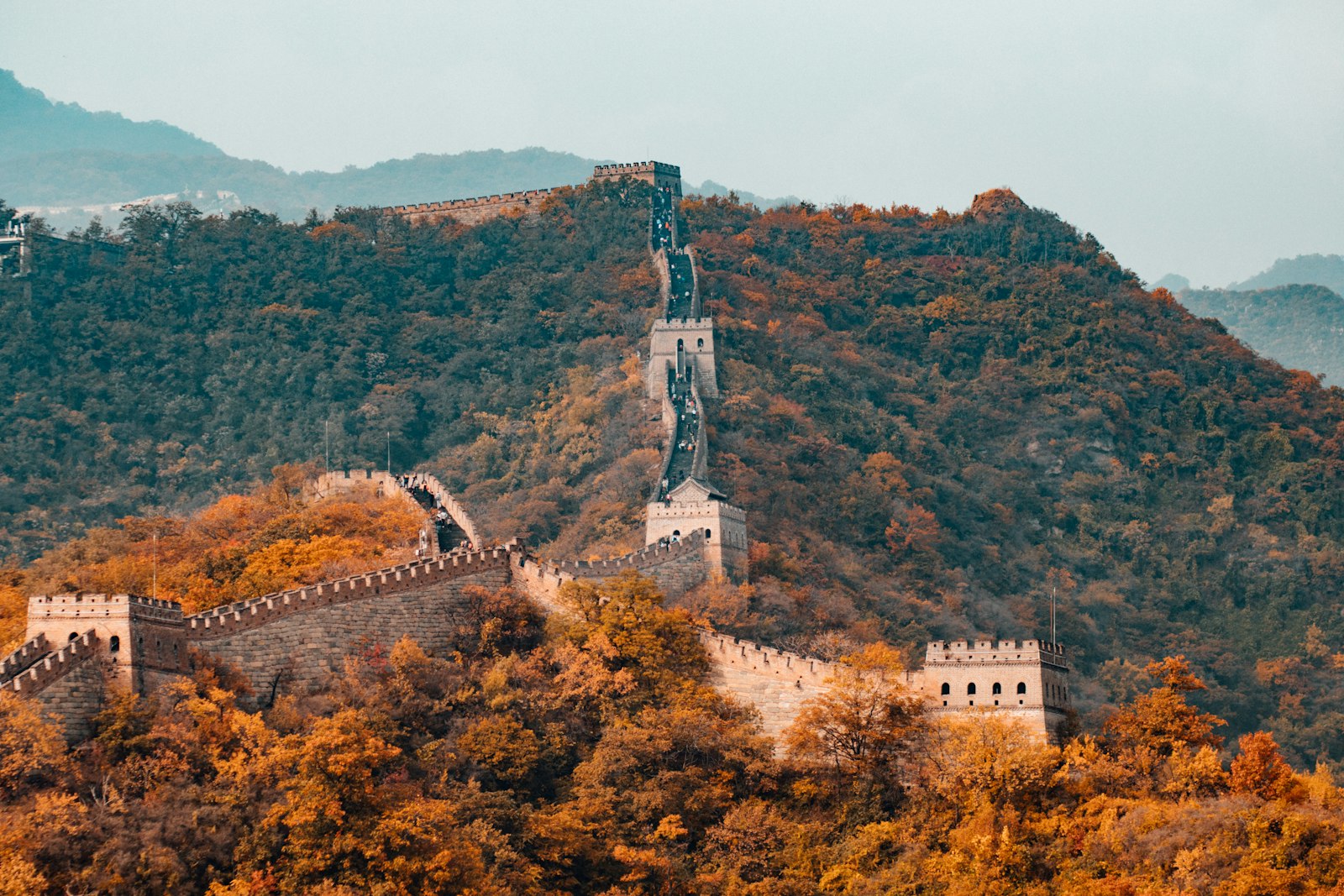
Beijing Complete Travel Guide 2026
Everything you need to know to plan a Beijing trip in 2026 - attractions, transport, food, accommodation, and 4-day itinerary.
9 min read

Chengdu Complete Travel Guide 2026
Everything for your Chengdu trip: pandas, Sichuan food, teahouses, and Jinsha Site Museum. 2026 guide with insider tips.
9 min read
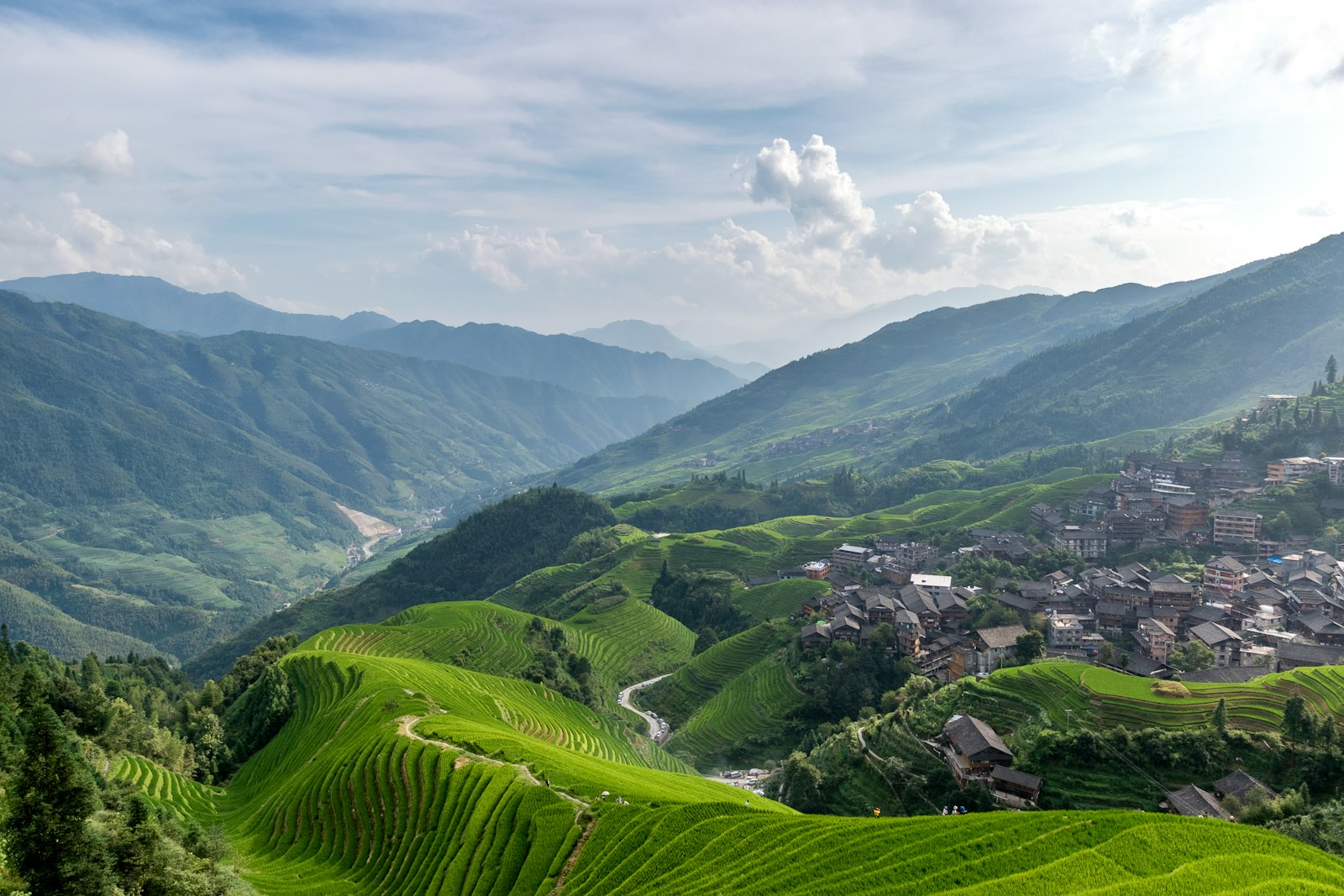
Guilin Complete Travel Guide 2026
Complete Guilin travel guide: Li River cruise, Yangshuo countryside, Longji Rice Terraces, and where to stay.
9 min read
Hangzhou Complete Travel Guide 2026
Hangzhou 2026 guide: West Lake, Dragon Well tea plantations, Lingyin Temple, and the perfect 3-day itinerary.
10 min read

Shanghai Complete Travel Guide 2026
The ultimate Shanghai travel guide for 2026 - from the Bund and Pudong to hidden French Concession gems.
10 min read

Suzhou Complete Travel Guide 2026
Suzhou 2026 guide: classical gardens, silk museums, water town canals, and the easiest day trip from Shanghai.
10 min read