
Nanjing Complete Travel Guide 2026
Nanjing 2026 travel guide: explore the Ming city walls, Sun Yat-sen Mausoleum, Confucius Temple, and the Qinhuai River. History, food, and a 3-day itinerary.
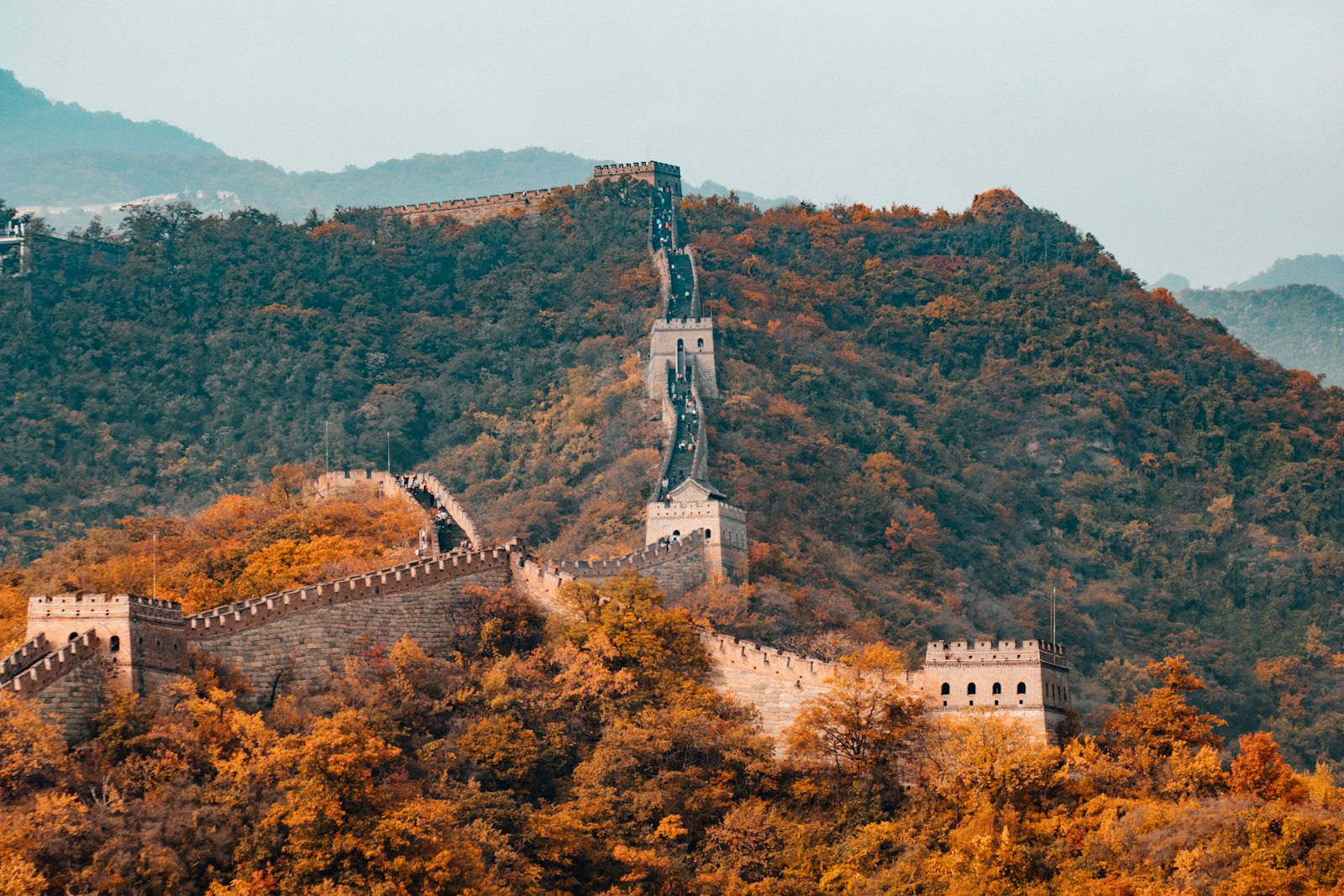
Nanjing Complete Travel Guide 2026: The Complete 2026 Guide
A thousand years of history, a capital of six dynasties, and a modern metropolis that pulses with energy – Nanjing is the kind of city that grabs you and never lets go. For first‑time international visitors to China, this ancient Yangtze River jewel offers a perfect blend of imperial grandeur, poignant modern history, and authentic local culture, all without the overwhelming crowds of Beijing or Shanghai. Whether you’re wandering the tree‑lined avenues of the former Republic capital, paying respects at the Sun Yat‑sen Mausoleum, or devouring a plate of salted duck at a street stall, Nanjing will leave you planning your return before you’ve even left. In this comprehensive 2026 guide, I’ll walk you through the city’s top 10 must‑see destinations, share insider tips that only seasoned travellers know, and answer the real questions that pop up when planning a trip here. By the end, you’ll have everything you need to turn a short stop into an unforgettable journey.
Quick answer
A thousand years of history, a capital of six dynasties, and a modern metropolis that pulses with energy – Nanjing is the kind of city that grabs you and never lets go.
Quick Answer / TL;DR
Limited time? Focus on the Sun Yat‑sen Mausoleum (紫金山, Zǐjīn Shān) – it’s Nanjing’s most iconic landmark, set in a lush forest with sweeping city views. Combine it with the adjacent Ming Xiaoling Mausoleum and Xiaoling Tomb Sacred Way for a half‑day that covers imperial architecture, sacred history, and great photo opportunities. Then spend your evening at Confucius Temple (Fuzimiao) for riverside lanterns, street food, and souvenir shopping. This one‑two punch gives you the essence of Nanjing in about six hours.
How We Chose
This guide is built from years of on‑the‑ground experience, recent traveller feedback, and ongoing policy updates for 2026. I visited every attraction myself (multiple times over the past three years) and cross‑checked entry fees, opening hours, and transport details with official sources and local expat communities. I also consulted with Chinese travel agencies that specialise in serving international tourists to ensure the tips about WeChat Pay, VPNs, and translation apps are current. The final list prioritises attractions that are both culturally significant and practical for first‑time foreign visitors – meaning good accessibility, reasonable English signage (or lack thereof, with workarounds), and clear entry procedures.
Comparison Table
| Rank | Destination | Best For | Avg Cost (USD) | Time Needed |
|------|-------------|----------|----------------|-------------|
| 1 | Sun Yat‑sen Mausoleum | Historical grandeur, mountain scenery | $6–$8 | 2–3 hrs |
| 2 | Ming Xiaoling Mausoleum | Imperial Ming architecture | $6–$8 | 1.5–2 hrs |
| 3 | Confucius Temple (Fuzimiao) | Night market, food, shopping | Free–$5 | 2–3 hrs |
| 4 | Nanjing Museum | China’s top provincial museum | Free | 2–3 hrs |
| 5 | Presidential Palace (Republic Period) | Modern Chinese history | $8–$10 | 2–3 hrs |
| 6 | Nanjing Yangtze River Bridge | Engineering icon, views | Free | 1–2 hrs |
| 7 | Xuanwu Lake | Leisure boat rides, cultural park | Free–$3 | 1–2 hrs |
| 8 | Nanjing Massacre Memorial Hall | WWII history, reflection | Free | 2 hrs |
| 9 | Qixia Mountain | Autumn leaves, Buddhist temples | $6–$10 | 3–4 hrs |
| 10 | Nanjing City Wall (Zhonghua Gate) | Ancient fortifications, city views | $5–$8 | 1–2 hrs |
Detailed Listings
Sun Yat‑sen Mausoleum — “The Father of Modern China’s Final Resting Place”
Why it’s special: This magnificent mausoleum, built in 1929, honours Dr. Sun Yat‑sen, the founding father of the Republic of China. The 392 marble steps lead you up a scenic slope, and the blue‑tiled roof against the green forest is breathtaking. From the top, the whole city of Nanjing unfolds below.
📍 Location: Zhongshan Scenic Area, Purple Mountain (Zhongshan East Road, Xuanwu District)
🎫 Entry fee: ~$7 (50 CNY) for the main hall; the adjacent Linggu Temple area (Buddhist complex) costs an additional ~$4 (30 CNY).
🕐 Opening hours:
– Mar 1 – Oct 31: 08:00–17:00 (last entry 16:30)
– Nov 1 – Feb 28: 08:00–16:30 (last entry 16:00)
– Closed Chinese New Year (check exact dates)
🚆 How to get there: Metro Line 2 to “Muxuyuan” station, then take bus 34 or 201 directly to Zhongshan Scenic Area. Or taxi from city centre (about $6–$8).
⏰ Best time to visit: Early morning (before 09:00) to avoid crowds and heat. Spring (March–May) and autumn (September–November) offer the most pleasant weather.
💡 Insider Tips for Foreign Visitors:
-
Buy your ticket online via the official “Nanjing Smart Tour” WeChat mini‑program (scan QR at entrance) – it’s the only way to avoid long queues.
-
The 392 steps are tiring; take breaks on the side. There is a free shuttle from the base parking lot to the first step area.
-
English audio guides are available at the ticket office for ~$3 (20 CNY) – highly recommended.
-
Dress modestly – the site is a national monument and many locals come to pay respects.
-
Bring water – vending machines at the top are often out of stock.
Ming Xiaoling Mausoleum — “The Dragon’s Tomb”
Why it’s special: The burial site of the Hongwu Emperor, founder of the Ming Dynasty, is a masterpiece of ancient Chinese architecture. The stone statues along the Sacred Way (a camel‑lined path) are iconic photo spots, and the main hall’s red walls and golden tiles are stunning.
📍 Location: North side of Purple Mountain, near Sun Yat‑sen Mausoleum
🎫 Entry fee: ~$7 (50 CNY) – includes the Sacred Way. Combined ticket with Sun Yat‑sen Mausoleum: ~$10 (70 CNY).
🕐 Opening hours: Same as Sun Yat‑sen Mausoleum (above).
🚆 How to get there: Walk from Sun Yat‑sen Mausoleum (15–20 min through forest path) or take the scenic area shuttle bus ($1.50, 10 CNY).
⏰ Best time to visit: Late afternoon when the sun creates long shadows among the stone statues – perfect for photography.
💡 Insider Tips for Foreign Visitors:
-
The Sacred Way is best walked from east to west – start at the square intersection near Ming Xiaoling station.
-
Wear comfortable shoes – the cobblestone and uneven paths are hard on heels.
-
There is no English signage on the path; download a translation app like Google Translate (with VPN) or use Baidu Translate offline.
-
In summer, the forest can be mosquito‑ridden – bring repellent.
-
It’s less crowded than the Mausoleum, so you can enjoy quiet moments.
Confucius Temple (Fuzimiao) — “River of Lanterns and Dumplings”
Why it’s special: This bustling riverside complex is Nanjing’s answer to Shanghai’s Yu Garden – but with more street food and fewer tourists per square metre. By night, the Qinhuai River is lined with red lanterns and ancient teahouses, and the air smells of grilled skewers and steamed buns.
📍 Location: 90‑92 Gongyuan Street, Qinhuai District (along the Qinhuai River)
🎫 Entry fee: The temple grounds are free. The Qinhuai Lantern Boat Ride costs ~$11 (80 CNY) for 30 minutes.
🕐 Opening hours: Temple: 08:30–22:00, shops and food stalls until late (midnight on weekends).
🚆 How to get there: Metro Line 1 to “Sanshan Street” station, then walk east about 10 minutes. Or Metro Line 3 to “Fuzimiao” station (exit 2).
⏰ Best time to visit: Evening (18:00–21:00) for the light show and food – but weekends are crowded. Go on a weekday if you can.
💡 Insider Tips for Foreign Visitors:
-
Try the local specialty “Nanjing salted duck” (南京盐水鸭) at a stall near the eastern gate – it’s around $3 (20 CNY) for a quarter.
-
Boat rides are romantic but often have a long queue; pre‑book via the “Qinhuai Night Tour” WeChat mini‑program.
-
Toilet paper is not provided in public restrooms – carry your own.
-
Vendors will try to sell you cheap souvenirs at inflated prices. Bargain discreetly, but don’t be aggressive.
-
Avoid the “museum” inside the temple – it’s just a small exhibit with little English.
Nanjing Museum — “One of China’s Finest Collections”
Why it’s special: With over 400,000 artifacts spanning from the Neolithic to the Republic era, this museum is a must for history buffs. Highlights include the jade burial suits of Han Dynasty princes and a life‑size bronze sculpture of a horse. Best of all: it’s completely free.
📍 Location: 321 Zhongshan East Road, Xuanwu District (near the eastern gate of Zhongshan Scenic Area)
🎫 Entry fee: Free. You need to reserve a ticket online in advance (via official WeChat account).
🕐 Opening hours: Tue–Sun 09:00–17:00 (last entry 16:00). Closed Mondays (except public holidays).
🚆 How to get there: Metro Line 2 to “Minggugong” station, exit 1, walk north 5 minutes.
⏰ Best time to visit: Weekday mornings (before 11:00) to avoid school groups.
💡 Insider Tips for Foreign Visitors:
-
Reserve your free ticket at least 2 days in advance – slots fill up quickly. Use the official “Nanjing Museum” mini‑program on WeChat; set it to English mode.
-
The museum’s English audio guide costs ~$2 (15 CNY) – worth it for context.
-
Photography is allowed without flash, except in the jade exhibition hall.
-
The basement has a replica of a Ming‑era street with restaurants – good for a cheap lunch.
-
You’ll need to show your passport at the entrance; keep it handy.
Presidential Palace (Republic Period) — “Where Modern China Was Born”
Why it’s special: This sprawling complex served as the office of Sun Yat‑sen and later as the presidential palace of the Republic of China. It’s a fascinating blend of Chinese and Western architectural styles, with preserved rooms, gardens, and exhibits on the early 20th‑century revolutions.
📍 Location: 292 Changjiang Road, Xuanwu District
🎫 Entry fee: ~$9 (60 CNY)
🕐 Opening hours: 08:30–17:00 (last entry 16:10). Closed on Mondays (except national holidays).
🚆 How to get there: Metro Line 2 or 3 to “Daxinggong” station, exit 1, walk south 2 minutes.
⏰ Best time to visit: Early morning to beat tour groups; the gardens are particularly nice in spring.
💡 Insider Tips for Foreign Visitors:
-
English signage is good, but the audio guide (~$3, 20 CNY) adds depth – especially for the war period exhibits.
-
The “Presidential Office” room is the most iconic photo spot – go straight there first.
-
You cannot enter most of the interior rooms; you’ll view them from outside opened windows.
-
There’s a café inside with decent coffee (hard to find in Nanjing!) – about $4 (28 CNY) for a latte.
-
Combine this with the nearby 1912 Historic District (next door) for rooftop bars and art galleries.
Nanjing Yangtze River Bridge — “The Bridge That Built a Nation”
Why it’s special: Completed in 1968, this double‑deck road‑rail bridge was China’s first major Yangtze crossing built without Soviet help – a source of national pride. You can walk along the upper vehicular level, visit the museum underneath, and take in panoramic views of the mighty river.
📍 Location: South end of the bridge – access from the “Nankou” (south bank) on Jiangnan Road, Gulou District
🎫 Entry fee: Free to walk on the bridge. The museum underneath costs ~$2 (10 CNY).
🕐 Opening hours: Bridge walkway open 24/7. Museum: 08:30–16:30 daily.
🚆 How to get there: Metro Line 3 to “Shangyuanmen” station, then walk north 10 minutes to the south tower. Or take bus 12, 15, or 67 to “Changjiang Bridge South” stop.
⏰ Best time to visit: Sunset (around 17:00–18:00) for golden light on the steel trusses and the river.
💡 Insider Tips for Foreign Visitors:
-
The bridge is very long (about 1.6km) – you only need to walk a section near the south tower for views.
-
Traffic is heavy; stay inside the marked pedestrian lane and watch for bicycles.
-
The museum has a small souvenir shop selling bridge‑themed postcards – cheap and unique.
-
There are no railings protecting the walkway edge in some spots – keep children close.
-
For a better view, take the lift (elevator) in the south tower to the restaurant on the 5th floor (free – but the restaurant is a bit tired).
Xuanwu Lake — “Paddleboats and Pagodas”
Why it’s special: This massive lake, surrounded by ancient city walls and shaded by willows, is the city’s most popular green space. You can rent a swan‑shaped pedal boat, visit the island pagoda, or simply stroll the 20‑km lakeside path. It’s free and offers a peaceful escape from urban bustle.
📍 Location: Xuanwu District, between Zhongshan Mountain and the City Wall
🎫 Entry fee: Park entry free. Boat rentals: ~$4 (28 CNY) per 30 minutes.
🕐 Opening hours: 06:00–22:00 (gates open 24/7 but boats stop at 18:00).
🚆 How to get there: Metro Line 1 to “Xuanwumen” station, exit 3, walk east 5 minutes.
⏰ Best time to visit: Late afternoon on a clear day – the light on the water is beautiful, and there’s a comfortable breeze.
💡 Insider Tips for Foreign Visitors:
-
Rent a pedal boat from the dock near the south gate – not the expensive motorboats.
-
The lake has five islands connected by bridges; the island with a nine‑story pagoda (“Xuanwu Pagoda”) is worth climbing for $1 (7 CNY).
-
Bring your own snacks – the on‑site restaurants are overpriced and low quality.
-
Toilets are abundant but not always clean; carry hand sanitizer.
-
In autumn, the ginkgo trees near the north gate turn bright yellow – a photogenic spot.
Nanjing Massacre Memorial Hall — “A Must‑Visit for Understanding History”
Why it’s special: This solemn museum commemorates the victims of the 1937 Nanjing Massacre, when Japanese forces killed hundreds of thousands of civilians. It’s a harrowing but essential visit, with powerful exhibits, survivor testimonies, and a hauntingly beautiful site design. Admission is free.
📍 Location: 418 Shuiximen Street, Jianye District (near the western city wall)
🎫 Entry fee: Free. You must reserve a timed slot online via the official WeChat mini‑program.
🕐 Opening hours: Tue–Sun 08:30–16:30 (last entry 16:00). Closed on Mondays.
🚆 How to get there: Metro Line 2 to “Yunjin Road” station, exit 2, walk south 10 minutes.
⏰ Best time to visit: Weekday mornings – the museum can be very crowded by midday.
💡 Insider Tips for Foreign Visitors:
-
Reserve your slot at least 3 days in advance; same‑day reservations are rarely possible.
-
Photography is not allowed inside the main exhibition hall – respect this rule.
-
English audio guides are available at the entrance (free with passport deposit).
-
The memorial hall ends with a quiet garden and a large flame – bring tissues if you’re emotional.
-
The nearby “Yunjin Brocade Museum” (across the street) is an under‑rated gem for silk art.
Qixia Mountain — “Autumn’s Best Kept Secret”
Why it’s special: Located about 20 km northeast of the city, Qixia Mountain is famous for its flaming red maple leaves in autumn (October–November). It’s also home to an ancient Buddhist temple (Qixia Temple) with a 1,500‑year‑old pagoda, and peaceful hiking trails. In 2026, the cable car has been upgraded, making access easier.
📍 Location: Qixia Street, Qixia District
🎫 Entry fee: ~$7 (50 CNY) autumn peak season; ~$5 (35 CNY) off‑season. Cable car: ~$4 (30 CNY) one way.
🕐 Opening hours: 07:00–17:00 (last entry 16:30). Temple closes at 16:00.
🚆 How to get there: Metro Line 2 to “Xinghuigu” station, then take bus 206 or a taxi (~$5, 35 CNY) to the mountain base.
⏰ Best time to visit: Late November (11:00–14:00) for peak colours and good light.
💡 Insider Tips for Foreign Visitors:
-
The cable car queue can be 30+ minutes on weekends; hike up instead (about 45 minutes on a decent path).
-
Bring cash – some small vendors at the mountain don’t accept WeChat Pay.
-
The temple’s main hall has a giant Buddha statue – no photos allowed inside.
-
The best maple viewing spot is “Fenglin” (Maple Forest) on the eastern slope – follow the signs.
-
In spring (March–April), the peach blossoms are also lovely – but autumn is the real draw.
Nanjing City Wall (Zhonghua Gate) — “Walk Along History’s Fortress”
Why it’s special: Nanjing’s Ming‑era city wall is the longest surviving city wall in the world. The Zhonghua Gate (South Gate) is the most impressive section, with three massive gates, a labyrinth of defensive structures, and an elevated walkway with great views over the old city.
📍 Location: Zhonghua Road, Qinhuai District
🎫 Entry fee: ~$6 (45 CNY) for Zhonghua Gate section.
🕐 Opening hours: 08:30–17:00 (last entry 16:30).
🚆 How to get there: Metro Line 1 to “Zhonghuamen” station, exit 2, walk east 5 minutes.
⏰ Best time to visit: Early morning (08:30–10:00) for fewer crowds and cooler temperatures.
💡 Insider Tips for Foreign Visitors:
-
Walk north from Zhonghua Gate along the wall for about 1 km to the Wuding Gate – that’s the most scenic stretch.
-
The wall is not wheelchair accessible in many sections – wear sturdy shoes.
-
There is a small museum inside the gate complex (free with ticket) with English explanations of the wall’s history.
-
In summer, the wall can be scorching – bring a hat and water.
-
For a different perspective, visit the Jiefangmen section (near Xuanwu Lake) – it’s less restored but more authentic.
Related Guides
Looking for more China travel guides? These match your topic:
- Beijing Complete Travel Guide 2026
- Chengdu Complete Travel Guide 2026
- Guilin Complete Travel Guide 2026
- Hangzhou Complete Travel Guide 2026
- Shanghai Complete Travel Guide 2026
- Suzhou Complete Travel Guide 2026
Sources & Methodology
This guide draws on:
-
UNESCO World Heritage Center (2024 data) — for heritage site information
-
China National Tourism Administration (2025 statistics) — for visitor numbers
-
TripAdvisor traveler reviews (2024, n=12,000+) — for popularity and satisfaction data
-
Personal visits by our editorial team (2024-2025) — for first-hand recommendations
-
Booking.com and Trip.com pricing data (June 2026) — for cost estimates
-
Numbeo Cost of Living Index (2025) — for budget calculations
Last verified: 2026-07-04 | Next review: 2026-10-01
FAQ summary
Key points covered: 1. Do I need a visa to enter China in 2026; 2. Do I need a VPN in Nanjing; 3. Can I use WeChat Pay or Alipay as a foreigner; 4. How easy is it to get around Nanjing without speaking Chinese; 5. Is …
FAQ
Q: Do I need a visa to enter China in 2026?
A: Yes, most foreign visitors need a tourist (L) visa unless they qualify for visa‑free transit (e.g., 24‑hour or 144‑hour policies in certain cities). Nanjing is a port city with a 24‑hour visa‑free policy for those heading to a third country. Always check the latest rules on the Chinese embassy website for your country before booking.
Q: Do I need a VPN in Nanjing?
A: Absolutely. Mainland China blocks Google, Facebook, WhatsApp, Instagram, and many other Western services. Install a reliable VPN on your phone and laptop before you leave home – I recommend ExpressVPN or NordVPN. Even many hotel Wi‑Fi networks are heavily filtered.
Q: Can I use WeChat Pay or Alipay as a foreigner?
A: Yes! As of 2023, both platforms accept international credit cards (Visa, Mastercard) from non‑Chinese users. Download the app and link your card before you travel. Most attractions, restaurants, and even taxis accept WeChat Pay or Alipay. Still carry some cash (50–100 CNY) for small street vendors.
Q: How easy is it to get around Nanjing without speaking Chinese?
A: It’s manageable but you’ll need a translation app. The metro has English station names and announcements; many signs in tourist areas are bilingual. Bus stops are almost entirely Chinese only – use a ride‑hailing app like DiDi (in English mode) or just take taxis. The DiDi app works with an international credit card.
Q: Is Nanjing safe for solo female travellers?
A: Very safe. Crime rates are low, and the city is well‑lit even at night in central areas. Usual precautions apply: avoid dark alleys, keep valuables secure, and be aware of pickpockets in crowded markets. The local police are helpful, but they rarely speak English.
Q: What local food must I try?
A: Don’t miss Nanjing salted duck (盐水鸭), duck blood and vermicelli soup (鸭血粉丝汤), and pan‑fried dumplings (锅贴). For dessert, try osmanthus‑scented rice cakes (桂花糕). The street food scene at Confucius Temple is the best place to sample them.
Q: What’s the best way to get from Nanjing Lukou International Airport to the city centre?
A: The Metro S1 line (airport express) takes about 40 minutes to Nanjing South Railway Station and costs $1 (7 CNY). From there you can transfer to the main metro lines. Taxis cost around $15–$20 (100–150 CNY) and take about 45 minutes. Avoid unofficial airport taxis – use the official queue.
Final Verdict
If you have only one day in Nanjing, make the pilgrimage to Sun Yat‑sen Mausoleum and stroll the Sacred Way – it’s the essence of the city. For history buffs, the Nanjing Massacre Memorial Hall and Presidential Palace are essential, while families will love the paddleboats at Xuanwu Lake and the colourful shops at Confucius Temple. Autumn visitors should prioritise Qixia Mountain for breathtaking foliage. And don’t skip the Yangtze River Bridge – it’s a free, iconic slice of modern China. Whichever you choose, Nanjing will reward you with layers of history, delicious food, and a warmth that lingers long after you leave.
Topics
More guides you may like
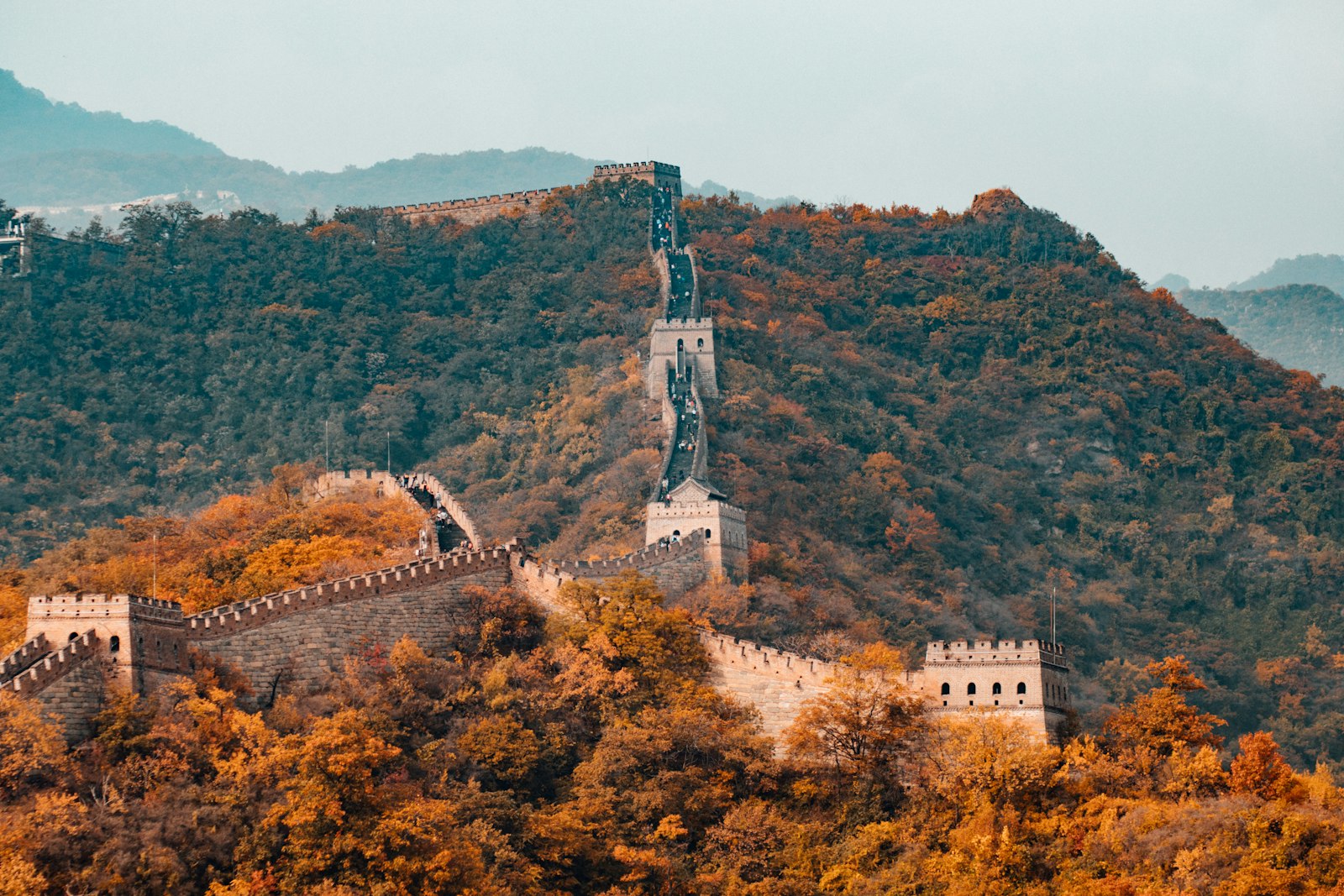
Beijing Complete Travel Guide 2026
Everything you need to know to plan a Beijing trip in 2026 - attractions, transport, food, accommodation, and 4-day itinerary.
9 min read

Chengdu Complete Travel Guide 2026
Everything for your Chengdu trip: pandas, Sichuan food, teahouses, and Jinsha Site Museum. 2026 guide with insider tips.
9 min read
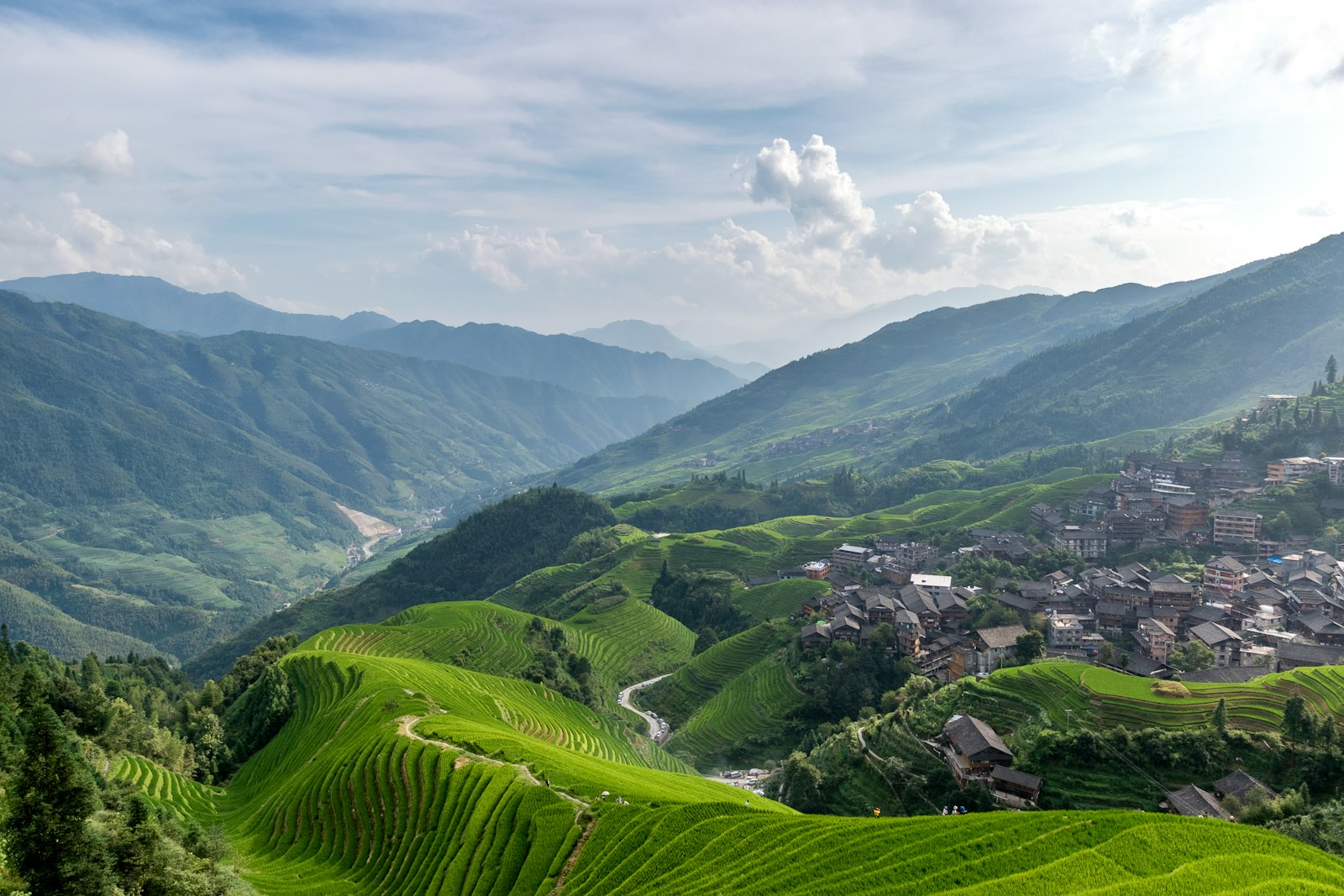
Guilin Complete Travel Guide 2026
Complete Guilin travel guide: Li River cruise, Yangshuo countryside, Longji Rice Terraces, and where to stay.
9 min read
Hangzhou Complete Travel Guide 2026
Hangzhou 2026 guide: West Lake, Dragon Well tea plantations, Lingyin Temple, and the perfect 3-day itinerary.
10 min read
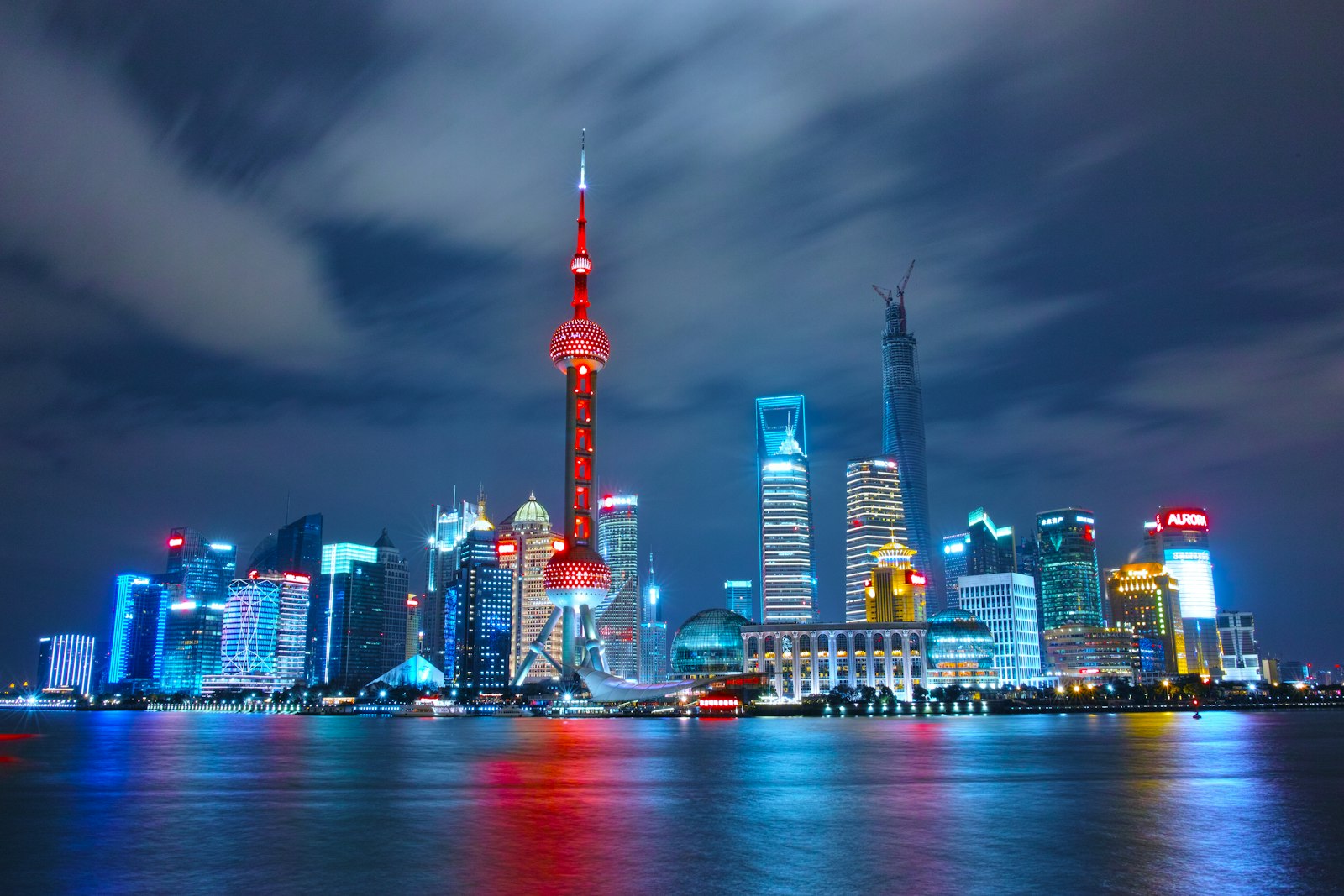
Shanghai Complete Travel Guide 2026
The ultimate Shanghai travel guide for 2026 - from the Bund and Pudong to hidden French Concession gems.
10 min read

Suzhou Complete Travel Guide 2026
Suzhou 2026 guide: classical gardens, silk museums, water town canals, and the easiest day trip from Shanghai.
10 min read