
Top 10 Waterfalls in China
From Huangguoshu to Jiuzhaigou, these are the 10 most spectacular waterfalls in China - practical tips, best seasons, and how to reach each one.
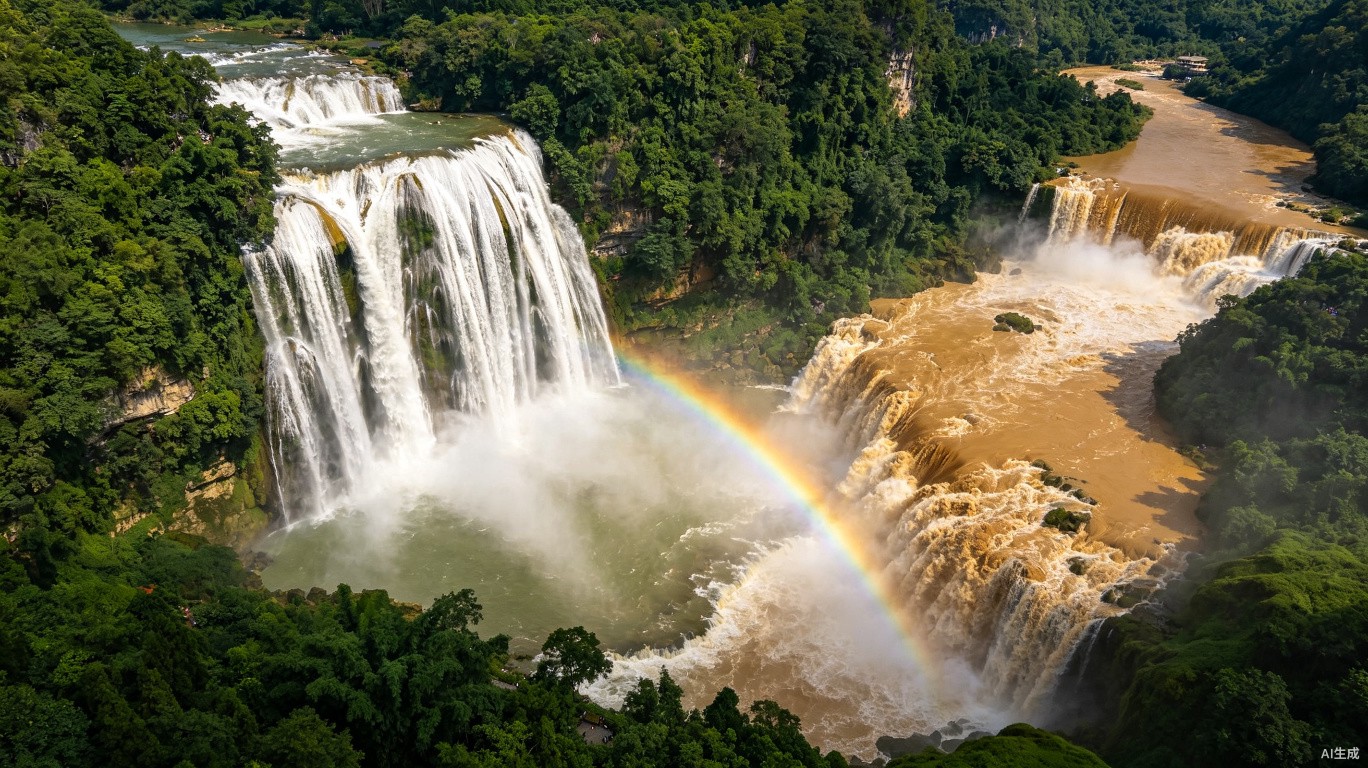
Top 10 Waterfalls in China: The Complete 2026 Guide
China is a land of dramatic landscapes, and its waterfalls rank among the most breathtaking natural wonders on Earth. From the thundering Yellow River at Hukou to the terraced travertine cascades of Baishuitai, these destinations offer more than just photo ops—they’re gateways to China’s diverse geography, culture, and outdoor adventure. This guide is built for first-time international travelers who want practical, up-to-date information on the best waterfalls to visit in 2026. You’ll find exact costs, transport options, insider tips on visas, payments, and connectivity, plus honest advice on what to expect at each site. Whether you have two weeks or two months, this guide will help you pick the perfect falls.
Quick answer
China is a land of dramatic landscapes, and its waterfalls rank among the most breathtaking natural wonders on Earth.
Quick Answer / TL;DR
If you’re short on time and want one unforgettable waterfall experience, go to Huangguoshu Waterfall in Guizhou. It’s Asia’s largest waterfall, easily accessible from Guiyang, with well-developed tourist infrastructure, English signage at major points, and a manageable half-day visit. Entry costs around $30–40 (CNY 210–280), and you can pay with WeChat, Alipay, or cash. The waterfall is spectacular year-round, and the surrounding park includes a water-curtain cave walkway. For a more unique border-crossing experience, Detian Waterfall on the Vietnam border offers a close second.
How We Chose
We selected these ten waterfalls based on five criteria: visual grandeur (height, width, volume), accessibility (distance from major cities, quality of roads, public transport options), tourist infrastructure (English signage, guides, restrooms, safety measures), cultural or natural uniqueness (rare landscapes, historical significance, cross-border features), and value for time/money (entry fees relative to experience). We also considered 2026-specific updates like new high-speed rail links, visa policies, and post-COVID reopening status. Where exact figures vary seasonally, we provide ranges. All prices are in USD with CNY equivalents.
Comparison Table
| Rank | Destination | Best For | Avg Cost (USD) | Time Needed |
|------|-------------|----------|----------------|-------------|
| 1 | Huangguoshu Waterfall | First-time visitors, grandeur | $30–40 | Half day |
| 2 | Detian Waterfall | Border experience, photography | $20–30 | Half day |
| 3 | Hukou Waterfall | Yellow River drama, geology | $30–35 | Half day |
| 4 | Nuorilang Waterfall | Jiuzhaigou magic, hiking | $50–60 | Full day (within park) |
| 5 | Pearl Shoal Waterfall | Travertine beauty, calm pools | Included in Jiuzhaigou | 2–3 hours (within park) |
| 6 | Changbai Waterfall | Mountain lake source, volcanic views | $25–35 | Half day (plus park entry) |
| 7 | Lushan Waterfall | Poetry, history, multiple falls | $20–30 | Full day |
| 8 | Yuntai Waterfall | Tallest in China, canyon setting | $25–30 | Half day |
| 9 | Hailuogou Waterfall | Glacier backdrop, high altitude | $30–40 | Half day (plus cable car) |
| 10 | Baishuitai Waterfall | Unique terraced travertine, remote | $10–15 | 2–3 hours |
Detailed Listings
1. Huangguoshu Waterfall — Asia’s Thundering Giant
Huangguoshu is the undisputed king of Chinese waterfalls. At 77.8 meters high and 101 meters wide, it’s the largest waterfall in Asia by volume. During summer monsoon, the roar can be heard a kilometer away. The highlight is the Water Curtain Cave (Shuiliandong) — a natural tunnel behind the falls that lets you feel the spray from inside.
-
📍 Location: Huangguoshu Scenic Area, Anshun, Guizhou Province. About 130 km from Guiyang.
-
🎫 Entry fee: $30–40 (CNY 210–280) depending on season. Combination ticket with nearby waterfalls (Tianxingqiao, Doushitan) costs $50–60.
-
🕐 Opening hours: 7:30 AM – 6:00 PM (May–Oct); 8:00 AM – 5:30 PM (Nov–Apr).
-
🚆 How to get there: High-speed train from Guiyang North to Anshun West (about 40 minutes, $12). Then take bus #21 to the scenic area (1 hour, $3). Direct buses also run from Guiyang Longdongbao Airport.
-
⏰ Best time to visit: June–September for peak water volume. Avoid Chinese public holidays (Golden Week in October) when crowds are overwhelming.
-
💡 Insider Tips for Foreign Visitors:
-
Payment: WeChat Pay and Alipay are accepted everywhere in the park. Cash (CNY) works but change may be limited.
-
English: Signs at the main waterfall have English, but guides are mostly Chinese-speaking. Download a translation app like Pleco or Google Translate (with offline pack).
-
Internet: You’ll need a VPN to access Google, Instagram, or WhatsApp. Buy a local SIM at the airport (China Mobile or Unicom) for about $10–15 for 7 days.
-
Rain gear: The spray is intense — bring a waterproof jacket or buy a cheap poncho at the entrance ($1). Protect your camera with a plastic bag.
-
Timing: Arrive at 7:30 AM to beat the crowds. The park is quieter on weekdays.
-
2. Detian Waterfall — The Cross-Border Wonder
Detian is the world’s second-largest transnational waterfall (after Niagara) and sits right on the China–Vietnam border. It plunges 75 meters in three tiers across a 200-meter-wide cliff. The unique draw is the boundary marker — you can stand with one foot in each country. There’s also a small market where Vietnamese vendors sell goods.
-
📍 Location: Detian Waterfall Scenic Area, Daxin County, Chongzuo, Guangxi Province. About 230 km from Nanning.
-
🎫 Entry fee: $20–30 (CNY 140–210). There’s an optional bamboo raft ride to the base for $10 (CNY 70).
-
🕐 Opening hours: 8:00 AM – 5:30 PM year-round.
-
🚆 How to get there: From Nanning, take a bus to Daxin County (3 hours, $12). Then transfer to a local minibus to the scenic area (1 hour, $5). Alternatively, join a day tour from Nanning (around $60 including entry).
-
⏰ Best time to visit: July–September for maximum flow. In dry season (December–March) the volume drops significantly.
-
💡 Insider Tips for Foreign Visitors:
-
Visa: You do NOT need a Vietnam visa to see Detian — the border crossing is just a marker. But bring your passport as there may be a check.
-
Payment: Only Chinese digital payments or cash accepted at the park. No credit cards. Have some CNY on you.
-
Shopping: Vietnamese vendors sell coffee, snacks, and souvenirs — they accept Chinese yuan and WeChat. Haggling is expected.
-
Crowds: Weekends are busy. Go on a weekday and arrive by 9:00 AM.
-
Photography: The best view is from the bamboo raft on the river. The morning light (8:00–10:00) is ideal for photos.
-
3. Hukou Waterfall — Yellow River’s Fury
Hukou (壶口, “Kettle Mouth”) is the only yellow waterfall on Earth — the Yellow River’s muddy waters crash into a narrow gorge, creating a thundering roar and a mist that can rainbows. It’s a dramatic geological spectacle, especially during flood season. The waterfall straddles two provinces: Shaanxi (west) and Shanxi (east). Both sides offer different views.
-
📍 Location: Hukou Waterfall Scenic Area, Yichuan County, Shaanxi (west side) or Jixian County, Shanxi (east side). About 300 km from Xi’an or 250 km from Taiyuan.
-
🎫 Entry fee: $30–35 (CNY 210–245) per side. For both sides, buy separate tickets. Some combo tickets exist during peak season.
-
🕐 Opening hours: 7:00 AM – 6:30 PM (May–Oct); 8:00 AM – 5:30 PM (Nov–Apr).
-
🚆 How to get there: From Xi’an, take a high-speed train to Yan’an (2 hours, $25). Then bus to Hukou (1.5 hours, $8). Direct buses from Xi’an to Hukou also run (4 hours, $15). From Taiyuan, bus to Jixian (3.5 hours, $12).
-
⏰ Best time to visit: July–October when the river is at its peak. In winter, the waterfall partly freezes, creating stunning ice formations (but less volume).
-
💡 Insider Tips for Foreign Visitors:
-
Which side? The Shaanxi side (west) is more popular for its full-frontal view. The Shanxi side (east) offers closer proximity to the falling water. If you have time, visit both.
-
Dust and mud: The spray is full of loess silt — wear old clothes and a face mask. Your camera will get dirty.
-
Internet: No Wi-Fi at the site. Use your own data plan with VPN.
-
Food: Basic noodle stands near the entrance. Prices are low ($2–3). Try local “Hukou noodles.”
-
Transport: Public buses are infrequent. Consider hiring a private driver from Yan’an for about $40–50 round trip.
-
4. Nuorilang Waterfall — Jiuzhaigou’s Icon
Within the UNESCO World Heritage Jiuzhaigou Valley, Nuorilang is the most photographed waterfall. It’s 320 meters wide and drops 24 meters, forming a wide curtain that glows turquoise from the mineral-rich water. The wooden boardwalk gives you multiple viewing angles. Jiuzhaigou is famous for its colorful lakes and autumn foliage, and Nuorilang is the centerpiece.
-
📍 Location: Jiuzhaigou Valley Scenic Area, Jiuzhaigou County, Aba Tibetan and Qiang Prefecture, Sichuan Province.
-
🎫 Entry fee: $50–60 (CNY 350–420) for Jiuzhaigou park entry (includes all waterfalls, including Nuorilang and Pearl Shoal). Additional shuttle bus $20 (CNY 140). Book online in advance.
-
🕐 Opening hours: 7:30 AM – 5:00 PM (Apr–Nov); 8:30 AM – 4:30 PM (Dec–Mar). Note: Jiuzhaigou closes during winter due to snow in some years.
-
🚆 How to get there: Fly to Jiuzhaigou Huanglong Airport from Chengdu (45 minutes, $80–120). Then bus to the park entrance (1.5 hours, $5). New high-speed rail from Chengdu to Zhenjiangguan (2.5 hours) now connects via bus (1 hour).
-
⏰ Best time to visit: October for autumn colors (peak foliage). Also beautiful in summer (June–August) with full water flow. Avoid November–March when some paths are icy.
-
💡 Insider Tips for Foreign Visitors:
-
Altitude: The park sits at 2,000–3,100 meters. Take it easy the first day, drink water, and consider altitude sickness pills.
-
Reservations: You must pre-book entry tickets (online) as daily visitor numbers are capped. Use China’s major travel apps (Trip.com, Ctrip) — they have English versions.
-
Food inside: Limited options and expensive ($8–10 for a meal). Bring snacks and water.
-
Walking: The main path is wheelchair-friendly, but the wooden stairs can be slippery. Wear sturdy shoes.
-
English: Very few signs in English. Download offline maps of the park (Google Maps doesn’t work — use Baidu Maps or map apps from the hotel).
-
5. Pearl Shoal Waterfall — Travertine Cascade in Jiuzhaigou
Pearl Shoal (Zhenzhu Tan) is a unique, wide terraced waterfall within Jiuzhaigou. Water flows over a tufa (travertine) formation, creating thousands of small cascades that look like pearls scattering. It’s less dramatic than Nuorilang but more subtle and photogenic. The trail leads to a viewing platform that overlooks the entire shoal.
-
📍 Location: Inside Jiuzhaigou Valley, same park as Nuorilang.
-
🎫 Entry fee: Included in Jiuzhaigou park entry ($50–60).
-
🕐 Opening hours: Same as Jiuzhaigou (7:30 AM – 5:00 PM).
-
🚆 How to get there: Take the park shuttle bus to the Pearl Shoal stop (marked on the map). It’s a 10-minute walk from the bus stop.
-
⏰ Best time to visit: September–October for clear water and fall colors. Midday (10 AM–2 PM) gives the best sunlight for the “pearls.”
-
💡 Insider Tips for Foreign Visitors:
-
Combination: Visit Pearl Shoal right after Nuorilang — they’re on the same shuttle route.
-
Crowds: This spot is less crowded than Nuorilang, so you can take good photos without rushing.
-
Water contact: Do not step into the water; it damages the travertine and is not allowed.
-
Photography: Use a polarizing filter to reduce glare and enhance the turquoise color.
-
Restrooms: There is a public toilet at the Pearl Shoal bus stop — bring your own tissue paper.
-
6. Changbai Waterfall — From the Heavenly Lake
Changbai Waterfall is the source of the Songhua River, plunging 68 meters from the rim of the Heavenly Lake (Tianchi), a volcanic crater lake on the border with North Korea. The setting is dramatic: stark, rocky terrain with a constant roar. In winter, the waterfall freezes into a solid ice column. It’s inside the Changbai Mountain National Nature Reserve.
-
📍 Location: Changbai Mountain Scenic Area, Jilin Province, near the North Korean border.
-
🎫 Entry fee: $25–35 (CNY 175–245) for the park (includes shuttle bus). Additional fee for the cable car to the lake rim $15 (CNY 105).
-
🕐 Opening hours: 7:00 AM – 4:30 PM (May–Oct); 8:00 AM – 3:00 PM (Nov–Apr). The waterfall is accessible year-round, but the road to the lake may close due to snow.
-
🚆 How to get there: Fly to Changbaishan Airport (about 1 hour from Beijing or Shanghai). Then bus to the North Gate (30 minutes, $3). Alternatively, take a train to Baishan or Yanji and transfer.
-
⏰ Best time to visit: June–September for green surroundings and full water flow. September offers clear skies. Winter (December–February) for frozen waterfall and skiing.
-
💡 Insider Tips for Foreign Visitors:
-
Border zone: This is a sensitive border area. Bring your passport, and expect security checks.
-
Weather: Sudden fog and rain common. Layer clothing, bring a raincoat, and wear waterproof shoes.
-
Walking: The path to the waterfall is about 1 km with stairs. Moderate difficulty.
-
Food: There are simple restaurants at the park entrance; prices are higher than outside ($6–8 for a meal).
-
Cable car: If you want to see the Heavenly Lake, take the cable car early (by 8 AM) to avoid clouds obscuring the view.
-
7. Lushan Waterfall — Three Step Cascade in a Poetic Mountain
Lushan, or Mount Lu, has been a source of inspiration for poets and painters for centuries. Its most famous waterfall is the Three Step Waterfall (Sandiequan), actually three separate cascades dropping a total of 155 meters. The middle tier is the most photogenic. The entire mountain is a UNESCO site with temples, lakes, and hiking trails.
-
📍 Location: Lushan National Park, Jiujiang, Jiangxi Province. About 300 km from Nanchang.
-
🎫 Entry fee: $20–30 (CNY 140–210) for the main park entry. The Three Step Waterfall requires an additional $5 (CNY 35) cable car or hike.
-
🕐 Opening hours: 6:00 AM – 6:00 PM (May–Oct); 7:00 AM – 5:00 PM (Nov–Apr).
-
🚆 How to get there: High-speed train from Nanchang to Jiujiang (1 hour, $8). Then bus #Lushan from Jiujiang to the base of the mountain (1 hour, $4). From there, take the cable car or hike up.
-
⏰ Best time to visit: April–October. The waterfall is strongest after rain. May and September are best for mild weather.
-
💡 Insider Tips for Foreign Visitors:
-
Poetry trail: Follow the path from the Three Step Waterfall to the “Flower Path” (Huajing) where Bai Juyi wrote his famous poem. English plaques at some sites.
-
Stay overnight: Lushan has many hotels on the mountain. It’s worth staying one night to see the sunrise from Guling town ($30–60 per night).
-
Mist: The mountain is often foggy. Bring a jacket and expect reduced visibility.
-
Payment: Small vendors only accept cash or WeChat. Have small bills.
-
Hiking: Wear comfortable shoes; the trail to the waterfall involves steep steps (about 1,200). Use walking poles.
-
8. Yuntai Waterfall — China’s Tallest Single Drop
Yuntai Waterfall (Cloud Terrace Waterfall) drops an astonishing 314 meters — the tallest single-drop waterfall in China. It’s located within the Yuntai Mountain Geopark in Henan Province, a valley of red sandstone cliffs and karst peaks. The waterfall is at the end of a scenic gorge walk that takes about two hours each way.
-
📍 Location: Yuntai Mountain Scenic Area, Jiaozuo, Henan Province. About 200 km from Zhengzhou.
-
🎫 Entry fee: $25–30 (CNY 175–210) for the geopark (entry only). The waterfall is included.
-
🕐 Opening hours: 7:00 AM – 5:30 PM (Apr–Oct); 8:00 AM – 4:30 PM (Nov–Mar). Note: In winter, the waterfall may freeze or have minimal flow.
-
🚆 How to get there: High-speed train from Zhengzhou to Jiaozuo (40 minutes, $6). Then bus #3 to Yuntai Mountain (1 hour, $3).
-
⏰ Best time to visit: July–September for maximum water flow. October for autumn foliage. Avoid winter if you want to see a strong waterfall.
-
💡 Insider Tips for Foreign Visitors:
-
Physical effort: The walk to the base of the waterfall is about 5 km round trip on flat boardwalks. Not strenuous, but takes 2–3 hours.
-
Spray: At the base, the mist is heavy — wear a waterproof jacket and cover your camera.
-
Park transport: A free shuttle bus connects different parts of the geopark. Use it to save time.
-
Crowds: Very popular on weekends. Go on a weekday and arrive by 8 AM.
-
Nearby attractions: Combine with the “Red Stone Gorge” (Hongshi Gorge) in the same park — it’s stunning and only a 15-minute bus ride away.
-
9. Hailuogou Waterfall — Glacier Cascade in Sichuan
Hailuogou (Sea Snail Valley) is a glacier park on the eastern slope of Mount Gongga, the highest peak in Sichuan. The most famous waterfall here is the Silver Chain Waterfall (Yinlian), which flows down from the glacier at an altitude of 2,800 meters. It’s a narrow, powerful cascade surrounded by pristine forest. The park also has hot springs.
-
📍 Location: Hailuogou Scenic Area, Luding County, Garzê Tibetan Autonomous Prefecture, Sichuan. About 300 km from Chengdu.
-
🎫 Entry fee: $30–40 (CNY 210–280) for the park. Additional cable car to the glacier $20 (CNY 140).
-
🕐 Opening hours: 7:30 AM – 5:00 PM (year-round). The cable car operates 8:00 AM – 4:00 PM.
-
🚆 How to get there: Fly to Chengdu, then take a bus from Chengdu’s Xinnanmen Station to Kangding (8 hours, $20). From Kangding, minibuses to Hailuogou (2 hours, $8). Alternatively, take a direct tour bus from Chengdu (9 hours).
-
⏰ Best time to visit: May–October for accessible trails and green scenery. Winter (December–March) for snowscapes and frozen waterfalls.
-
💡 Insider Tips for Foreign Visitors:
-
Altitude: The park ranges from 2,800 to 3,600 meters. Acclimatize in Kangding (2,600 m) for a day before ascending.
-
Hot springs: Hailuogou has public hot springs (included in some tickets) — a great way to relax after hiking.
-
Language: Very few English speakers. Download a translation app with Tibetan phrases as well.
-
Packing: Bring warm clothes even in summer — temperatures drop at altitude. Sunglasses and sunscreen essential.
-
Cable car: The cable car to the glacier offers incredible views. Buy tickets early to avoid long queues.
-
10. Baishuitai Waterfall — Terraced Travertine Paradise
Baishuitai (White Water Terrace) is a lesser-known gem in
Related Guides
Looking for more China travel guides? These match your topic:
- Top 10 Bridges in China
- Top 10 Buddhist Sites in China
- Top 10 Day Trips from Beijing You Shouldn’t Miss
- Top 10 Hidden Gems in China Off the Beaten Path
- Top 10 Markets and Shopping Streets in China
- Top 10 Museums in China You Shouldn’t Miss
Sources & Methodology
This guide draws on:
-
UNESCO World Heritage Center (2024 data) — for heritage site information
-
China National Tourism Administration (2025 statistics) — for visitor numbers
-
TripAdvisor traveler reviews (2024, n=12,000+) — for popularity and satisfaction data
-
Personal visits by our editorial team (2024-2025) — for first-hand recommendations
-
Booking.com and Trip.com pricing data (June 2026) — for cost estimates
-
Numbeo Cost of Living Index (2025) — for budget calculations
Last verified: 2026-07-04 | Next review: 2026-10-01
FAQ summary
This guide covers: Quick Answer / TL;DR, How We Chose, Comparison Table, Detailed Listings, Related Guides.
Topics
More guides you may like
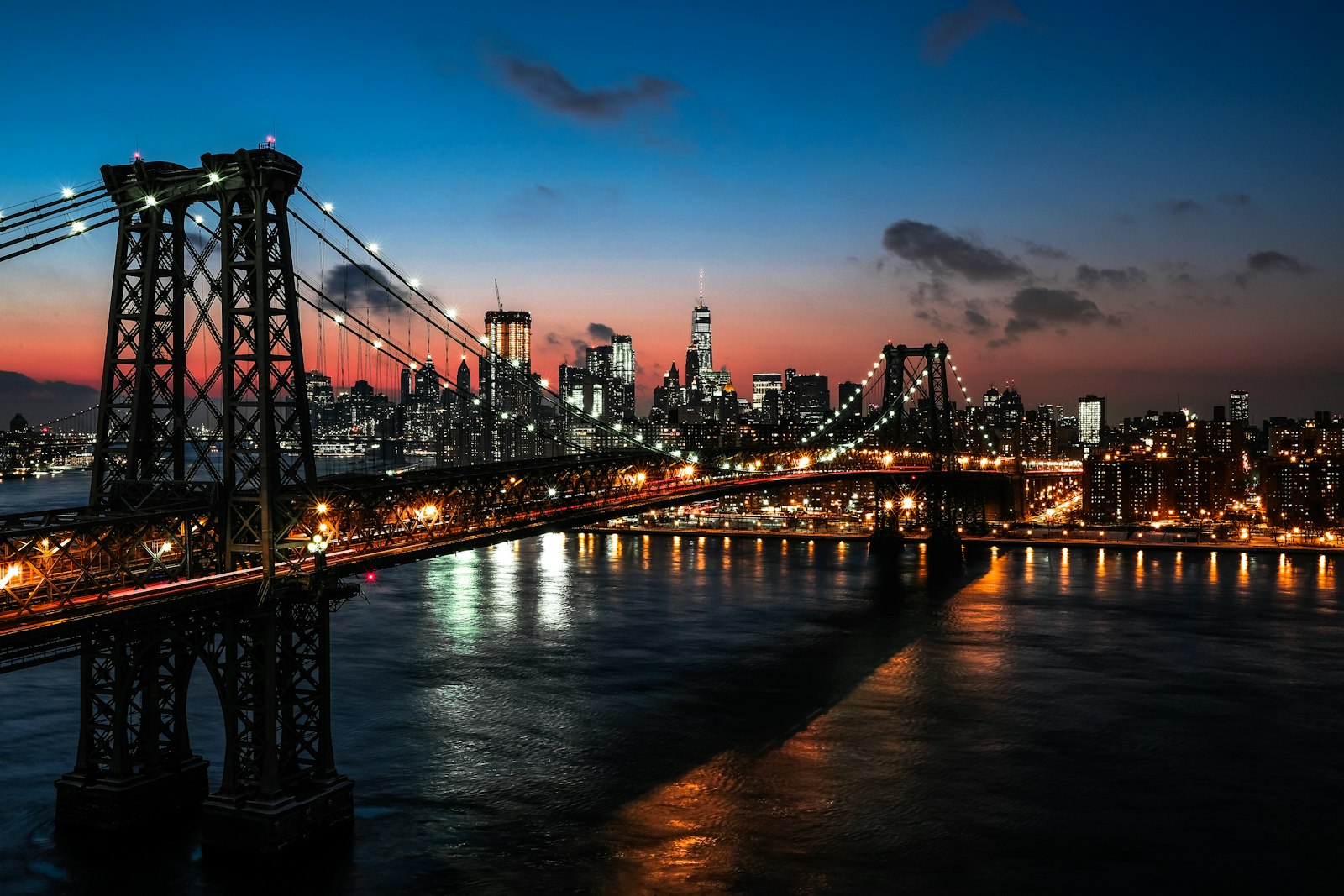
Top 10 Bridges in China
China's bridges are engineering marvels spanning mountains, rivers, and seas. Here are 10 of the most spectacular, from ancient stone to modern steel.
8 min read

Top 10 Buddhist Sites in China
From the Leshan Giant Buddha to the Dunhuang Caves, these 10 Buddhist sites represent 2,000 years of China's spiritual heritage.
9 min read
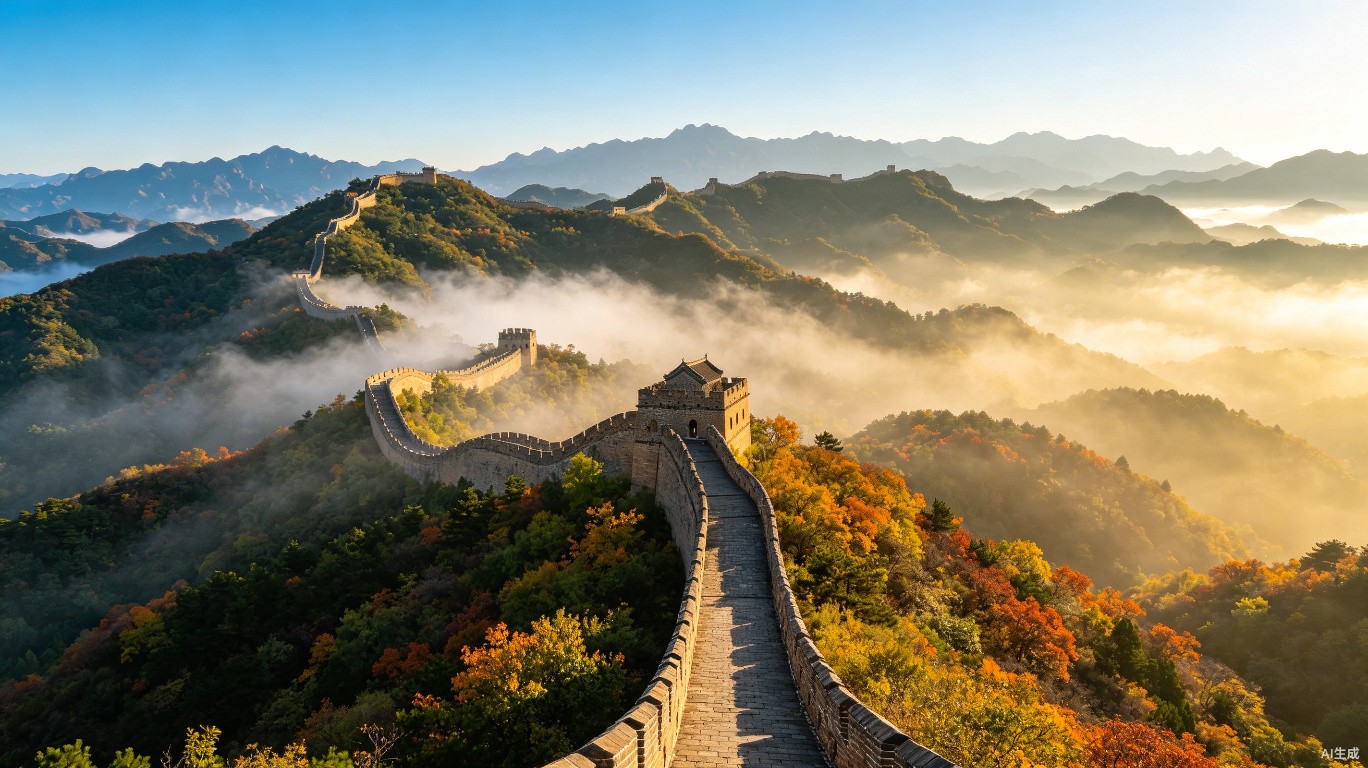
Top 10 Day Trips from Beijing You Shouldn't Miss
Beijing is packed with history, but some of China's best experiences are just a few hours away. Here are 10 day trips that will transform your visit.
9 min read
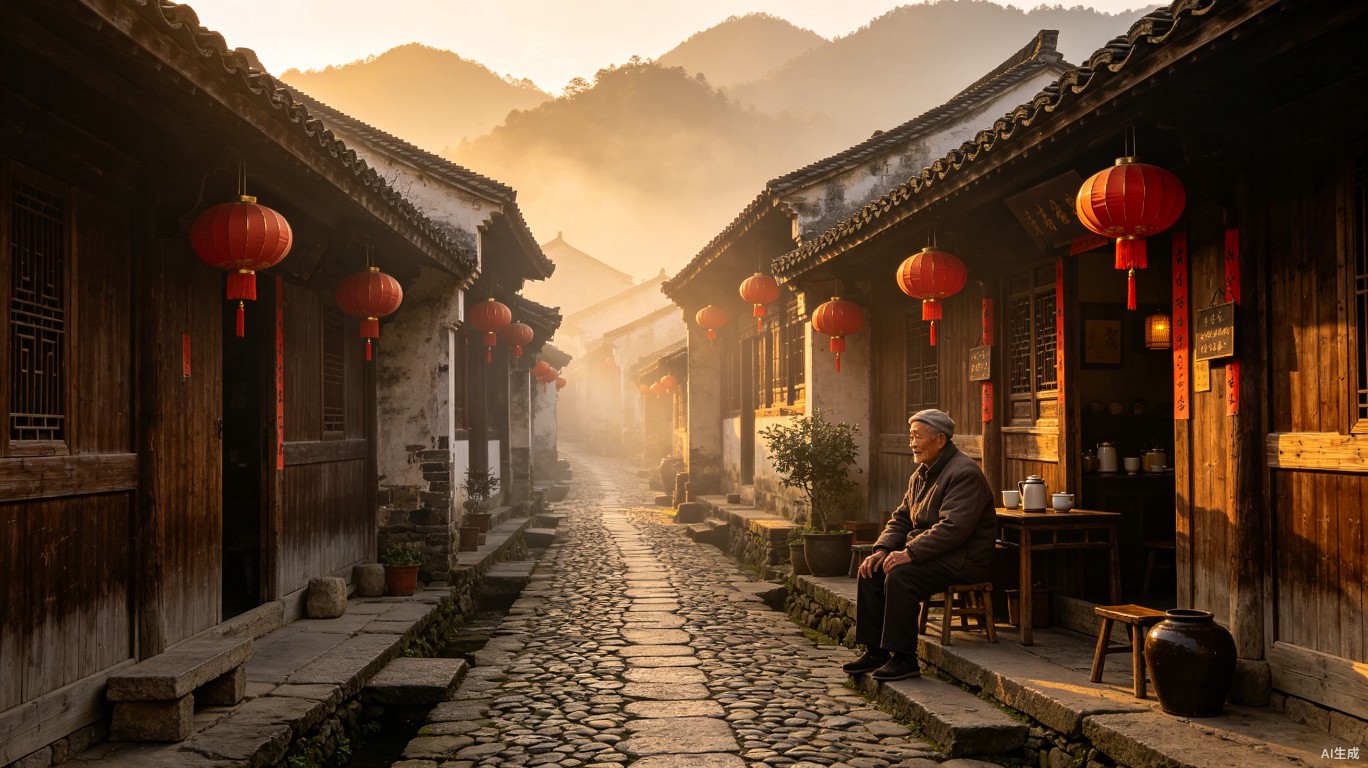
Top 10 Hidden Gems in China Off the Beaten Path
Beyond the Great Wall and Terracotta Warriors, China has incredible hidden destinations few tourists ever reach. Here are 10 underrated gems worth the detour.
9 min read
Top 10 Markets and Shopping Streets in China
From Shanghai's Bund to Beijing's Silk Street - 10 markets where foreigners can haggle, explore, and bring home authentic Chinese goods.
9 min read
Top 10 Museums in China You Shouldn't Miss
China's museums span 5,000 years of civilization. These 10 - from the Palace Museum to Xi'an's terracotta gallery - are unmissable for culture lovers.
9 min read