
Top 10 Markets and Shopping Streets in China
From Shanghai's Bund to Beijing's Silk Street - 10 markets where foreigners can haggle, explore, and bring home authentic Chinese goods.
Quick answer
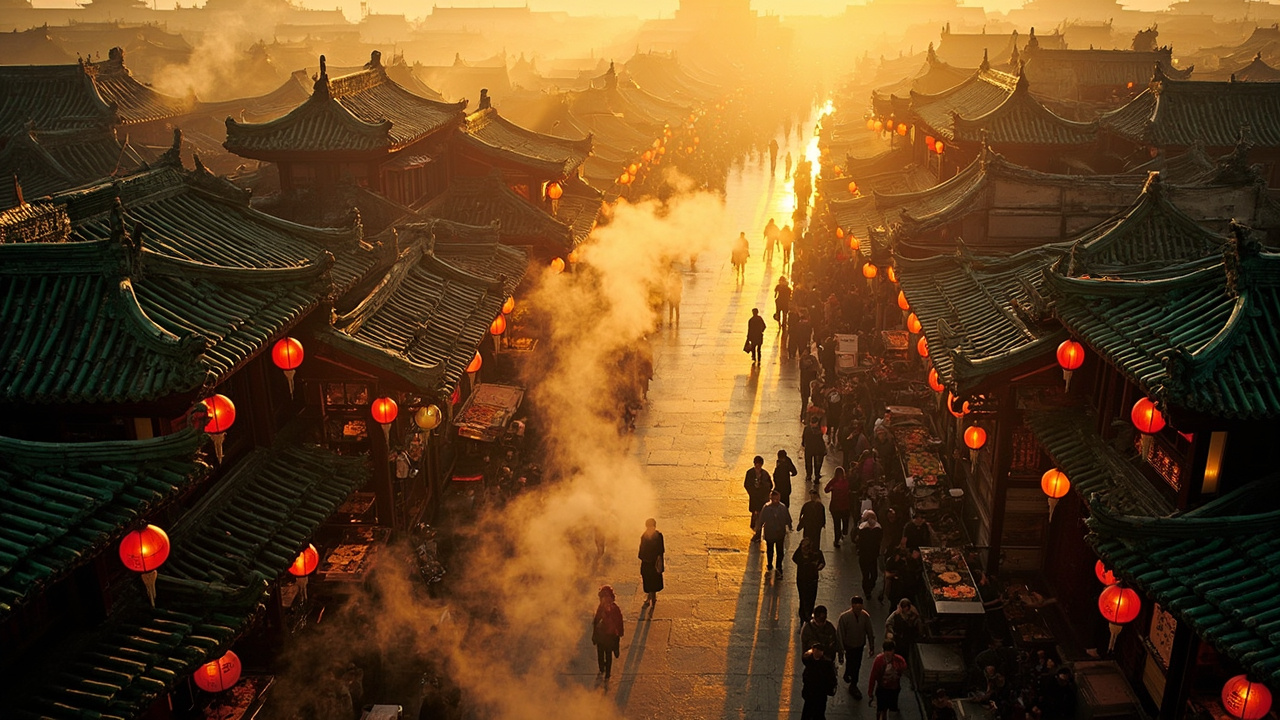
Imagine stepping into a world where the air is thick with the aroma of sizzling street food, vendors call out in melodic Chinese, and every alley reveals a treasure you never knew you needed.
Top 10 Markets and Shopping Streets in China: The Complete 2026 Guide
Imagine stepping into a world where the air is thick with the aroma of sizzling street food, vendors call out in melodic Chinese, and every alley reveals a treasure you never knew you needed. For international visitors, China’s markets and shopping streets are more than just places to spend money—they are vibrant cultural experiences that offer a genuine, unfiltered glimpse into local life. Whether you are hunting for a rare antique, a custom-tailored suit, or simply the perfect souvenir, navigating these bustling hubs can be both exhilarating and overwhelming.
This guide is your essential companion for 2026. We have curated the top 10 destinations based on authenticity, accessibility for foreign tourists, and sheer variety. You will learn how to haggle like a pro, which payment apps to set up before you go, and what to see at each spot. From the ancient alleyways of Beijing to the neon-lit districts of Hong Kong, let’s dive into the best shopping experiences China has to offer.
Quick Answer / TL;DR
If you only have time for one shopping experience, make it Beijing’s Wangfujing Street and the adjacent Hongqiao Pearl Market. This combination offers the ultimate one-day hit: iconic street food, modern retail, and the legendary bargain-hunting of the ” Pearl Market” where you can buy electronics, clothing, and pearls. It is easily accessible by subway, English is relatively common among younger vendors, and you can taste and touch your way through a complete Chinese market experience in a single afternoon.
How We Chose
We selected these ten destinations based on rigorous criteria tailored for first-time international tourists. Our methodology considered:
-
Cultural Authenticity: We favour markets that offer genuine local experiences over purely tourist-trap venues.
-
Practical Accessibility: Proximity to major city centres, reliable public transport, and reasonable entry fees or free access.
-
Foreigner-Friendliness: Prevalence of English signage or basic communication, availability of WeChat Pay/Alipay, and acceptance of international credit cards where possible.
-
Safety and Crowd Management: Well-lit areas, clear directions, and manageable crowds for a comfortable visit.
-
Diverse Offerings: A mix of traditional bazaars, modern shopping streets, and specialty markets to suit different interests and budgets.
We have also factored in 2026 updates, including China’s latest visa-free transit policies for many nationalities and the growing trend of “contactless everything” payments.
Comparison Table
| Rank | Destination | Best For | Avg Cost (Per Person) | Time Needed |
| :--- | :--- | :--- | :--- | :--- |
| 1 | Wangfujing Street & Hongqiao Market | Street food, electronics, pearls, modern retail | $20–$100 | Half-day |
| 2 | Nanjing Road, Shanghai | Luxury brands, flagship stores, classic boulevard | $10–$200+ | 2–3 hours |
| 3 | Qingping Market, Guangzhou | Traditional medicine, exotic ingredients, food | $5–$30 | 1–2 hours |
| 4 | Dongmen Pedestrian Street, Shenzhen | Bargain fashion, electronics, bustling energy | $5–$50 | 2–4 hours |
| 5 | Yuyuan Bazaar, Shanghai | Souvenirs, tea, snacks, historic architecture | $5–$40 | 1–2 hours |
| 6 | Panjiayuan Antique Market, Beijing | Antiques, collectibles, vintage goods | $10–$100+ | Half-day to full day |
| 7 | Muslim Quarter, Xi’an | Street food, Islamic culture, souvenirs | $5–$25 | 2–3 hours |
| 8 | Taikoo Li, Chengdu | Trendy fashion, lifestyle, creative spaces | $10–$150 | 1–2 hours |
| 9 | Shantang Street, Suzhou | Classical gardens, silk shops, water town | $5–$30 | 2–3 hours |
| 10 | Ladies’ Market, Hong Kong | Cheap fashion, souvenirs, bargaining | $10–$50 | 1–2 hours |
Detailed Listings
1. Wangfujing Street & Hongqiao Market — The Ultimate Beijing Shopping Combo
Wangfujing is Beijing’s most famous shopping street, a broad pedestrian boulevard lined with global brands, department stores, and (most importantly) a massive food street that comes alive at night. Just a five-minute walk away is the legendary Hongqiao Market, also known as the “Pearl Market,” a multi-story bazaar where you can buy fresh-water pearls, electronics, clothing, and silk at bargain prices.
-
📍 Location: Dongcheng District, Beijing
-
🎫 Entry fee: Free (street); Hongqiao Market is free to enter.
-
🕐 Opening hours: Shops generally 10:00 AM – 10:00 PM; best food stalls from 5:00 PM onwards.
-
🚆 How to get there: Take Subway Line 1 or Line 5 to Wangfujing Station (Exit E or A). Hongqiao Market is a 5-minute walk south.
-
⏰ Best time to visit: Late afternoon for the food street and market; evenings are busiest but most atmospheric.
-
💡 Insider Tips for Foreign Visitors:
-
Bargaining is expected. Start at 30-40% of the quoted price and walk away if they don’t meet your target. A friendly refusal is part of the game.
-
Cash or Alipay/WeChat Pay are king. International credit cards are rarely accepted at the smaller stalls. Set up Alipay before you arrive (it works with many international cards now).
-
Don’t be shy to try the street food like scorpions on a stick or candied hawthorn. They are safe for most stomachs if you watch them being cooked.
-
Visit the pearl section on the top floors of Hongqiao Market – you can get a beautiful strand for $15–$40, but inspect for quality and ask for matching lustre.
-
English is spoken at most larger shops, but a translation app (like Google Translate, which requires a VPN) or Pleco is helpful for bargaining at smaller stalls.
-
2. Nanjing Road, Shanghai — The Glittering Spine of the City
Nanjing Road is Shanghai’s premier shopping thoroughfare, a 5.5-kilometre stretch that runs from the Bund to Jing’an Temple. The eastern section is a pedestrian-only street packed with historic department stores (like the famous No. 1 Department Store), while the western section is more modern and upscale. It’s less about bargains and more about the spectacle of consumerism and incredible people-watching.
-
📍 Location: Huangpu District, Shanghai
-
🎫 Entry fee: Free
-
🕐 Opening hours: Shops generally 10:00 AM – 10:00 PM. The street itself is always open.
-
🚆 How to get there: Take Subway Line 1, Line 2, or Line 8 to People’s Square Station. For the eastern pedestrian section, get off at Nanjing East Road Station on Line 2 or Line 10.
-
⏰ Best time to visit: Evening, when the neon lights are dazzling and the crowd is at its peak. Weekday mornings are quieter.
-
💡 Insider Tips for Foreign Visitors:
-
It is incredibly crowded on weekends and holidays. Prepare for shoulder-to-shoulder walking.
-
Use Alipay or WeChat Pay for all purchases, including Starbucks and McDonald’s. Majority of stores accept them.
-
Don’t buy electronics or designer goods from street vendors here – they are often counterfeit and poor quality. Stick to the official stores.
-
Walk eastward from People’s Square towards the Bund for the full experience. The walk takes about 20-30 minutes.
-
A VPN is essential if you want to use Google Maps or social media apps in China. Purchase one before your trip.
-
3. Qingping Market, Guangzhou — A Sensory Overload of Traditional Life
Qingping Market is not for the faint of heart. This legendary traditional market in Guangzhou is a sprawling, chaotic labyrinth of stalls selling everything from live turtles and exotic herbs to dried seahorses and traditional Chinese medicines. It offers an unfiltered glimpse into local culinary and medicinal traditions that have existed for centuries. It is less a shopping trip and more a cultural immersion.
-
📍 Location: Liwan District, Guangzhou
-
🎫 Entry fee: Free
-
🕐 Opening hours: Roughly 6:00 AM – 6:00 PM. Best in the morning when it’s freshest.
-
🚆 How to get there: Take Subway Line 1 to Fangcun Station (Exit B) and walk about 10 minutes south. Alternatively, take Line 6 to Huangsha Station (Exit F) and walk across the bridge.
-
⏰ Best time to visit: Early morning (7:00 AM – 9:00 AM) for the most intense and authentic experience.
-
💡 Insider Tips for Foreign Visitors:
-
Be prepared for strong smells – animal enclosures, dried herbs, and live seafood. Bring a face mask if you are sensitive.
-
Do not touch the animals or herbs without permission. Vendors are protective of their goods and may be offended.
-
Photography can be tricky. Always ask before taking photos of people or their stalls; a friendly smile and a gesture usually works.
-
Bring small denominations of cash (CNY) as many stalls do not accept digital payments, especially from foreigners.
-
This is not a place for souvenirs – it’s for observing local life. If you want to buy, dried mushrooms, tea, or medicinal herbs make unique, compact gifts.
-
4. Dongmen Pedestrian Street, Shenzhen — The Bargain Hunter’s Paradise
Shenzhen’s Dongmen (or “Dongmen Pedestrian Street”) is a massive open-air shopping district that is overwhelmingly popular with locals for its incredible range of cheap goods. It is a grid of narrow alleys and larger streets filled with stalls selling clothes, electronics, accessories, and street food. It is chaotic, loud, and absolutely thrilling for anyone who loves a good bargain.
-
📍 Location: Luohu District, Shenzhen
-
🎫 Entry fee: Free
-
🕐 Opening hours: Old street shops: 10:00 AM – 10:00 PM. The entire district is most active from late afternoon onwards.
-
🚆 How to get there: Take Shenzhen Metro Line 1 or Line 3 to Laojie Station (Exit A or D). The street is directly outside.
-
⏰ Best time to visit: Weekday afternoons to avoid the massive weekend crowds. Early evenings are good for food.
-
💡 Insider Tips for Foreign Visitors:
-
Bring a hard-to-refuse bargaining attitude. Prices are inflated for tourists. Offer 30-40% of the asking price and be prepared to walk away.
-
Carry a portable power bank. You will be using your phone constantly for translation and maps, and battery drains fast.
-
Watch out for pickpockets in the densest crowds. Keep your phone and wallet in front pockets or a secure bag.
-
Use Alipay or WeChat Pay – most stalls accept them. You can link a Visa or Mastercard to Alipay now.
-
The “old street” section is more authentic. The newer malls are fine, but the real energy is in the narrow lanes.
-
5. Yuyuan Bazaar, Shanghai — Traditional Charm in a Modern City
Yuyuan Bazaar is a beautifully restored shopping complex adjacent to the famous Yuyuan Garden. It features traditional Chinese architecture with curved roofs, red lanterns, and cobblestone alleys. It is a tourist hub, but a well-executed one, offering quality souvenirs, famous tea shops, and the legendary nanxiang steamed buns (soup dumplings). It’s a perfect half-day outing combining culture and shopping.
-
📍 Location: Huangpu District, Shanghai
-
🎫 Entry fee: Free (entry to the garden itself costs around $4 (¥30) in peak season).
-
🕐 Opening hours: Shops: 10:00 AM – 9:00 PM. The bazaar is always open.
-
🚆 How to get there: Take Subway Line 10 to Yuyuan Garden Station (Exit 1). It is a 5-minute walk.
-
⏰ Best time to visit: Weekday mornings to avoid the worst crowds. Evenings are beautifully lit but packed.
-
💡 Insider Tips for Foreign Visitors:
-
Do not eat at the famous Nanxiang Steamed Bun Restaurant at peak hours (lunch/dinner). The queue is often 45-60 minutes. Try a smaller nearby bun shop instead.
-
Tea houses offer free tastings, but be prepared to buy. It’s a classic upselling technique, but you can try many fine teas for free.
-
Bargaining is possible but less aggressive than at street markets. The prices are generally fixed, but you can negotiate on higher-priced items like jade or silk.
-
Visit the Huxinting Tea House to see the famous zigzag bridge – it’s one of the most photographed spots in Shanghai.
-
Use cash or a domestic payment app. Many small stalls do not accept international credit cards.
-
6. Panjiayuan Antique Market, Beijing — A Treasure Hunter’s Playground
Panjiayuan is the largest and most famous antique market in China. It is a sprawling, dusty outdoor flea market where you can find everything from Mao-era propaganda posters and vintage watches to ancient porcelain and Buddhist statues. Even if you are not a serious collector, it is a fascinating place to wander, observe, and haggle for a unique piece of history.
-
📍 Location: Chaoyang District, Beijing
-
🎫 Entry fee: Free (Weekend markets may have a small fee of ¥5–¥10, but often not). Saturdays and Sundays are the main market days.
-
🕐 Opening hours: 6:00 AM – 6:00 PM. The best finds are early morning (dawn).
-
🚆 How to get there: Take Subway Line 10 to **Pan
Related Guides
Looking for more China travel guides? These match your topic:
- Top 10 Bridges in China
- Top 10 Buddhist Sites in China
- Top 10 Day Trips from Beijing You Shouldn’t Miss
- Top 10 Hidden Gems in China Off the Beaten Path
- Top 10 Museums in China You Shouldn’t Miss
- Top 10 National Parks in China
Sources & Methodology
This guide draws on:
-
UNESCO World Heritage Center (2024 data) — for heritage site information
-
China National Tourism Administration (2025 statistics) — for visitor numbers
-
TripAdvisor traveler reviews (2024, n=12,000+) — for popularity and satisfaction data
-
Personal visits by our editorial team (2024-2025) — for first-hand recommendations
-
Booking.com and Trip.com pricing data (June 2026) — for cost estimates
-
Numbeo Cost of Living Index (2025) — for budget calculations
Last verified: 2026-07-04 | Next review: 2026-10-01
FAQ summary
This guide covers: Top 10 Markets and Shopping Streets in China: The Complete 2026 Guide, Detailed Listings, Related Guides, Sources & Methodology.
Topics
More guides you may like
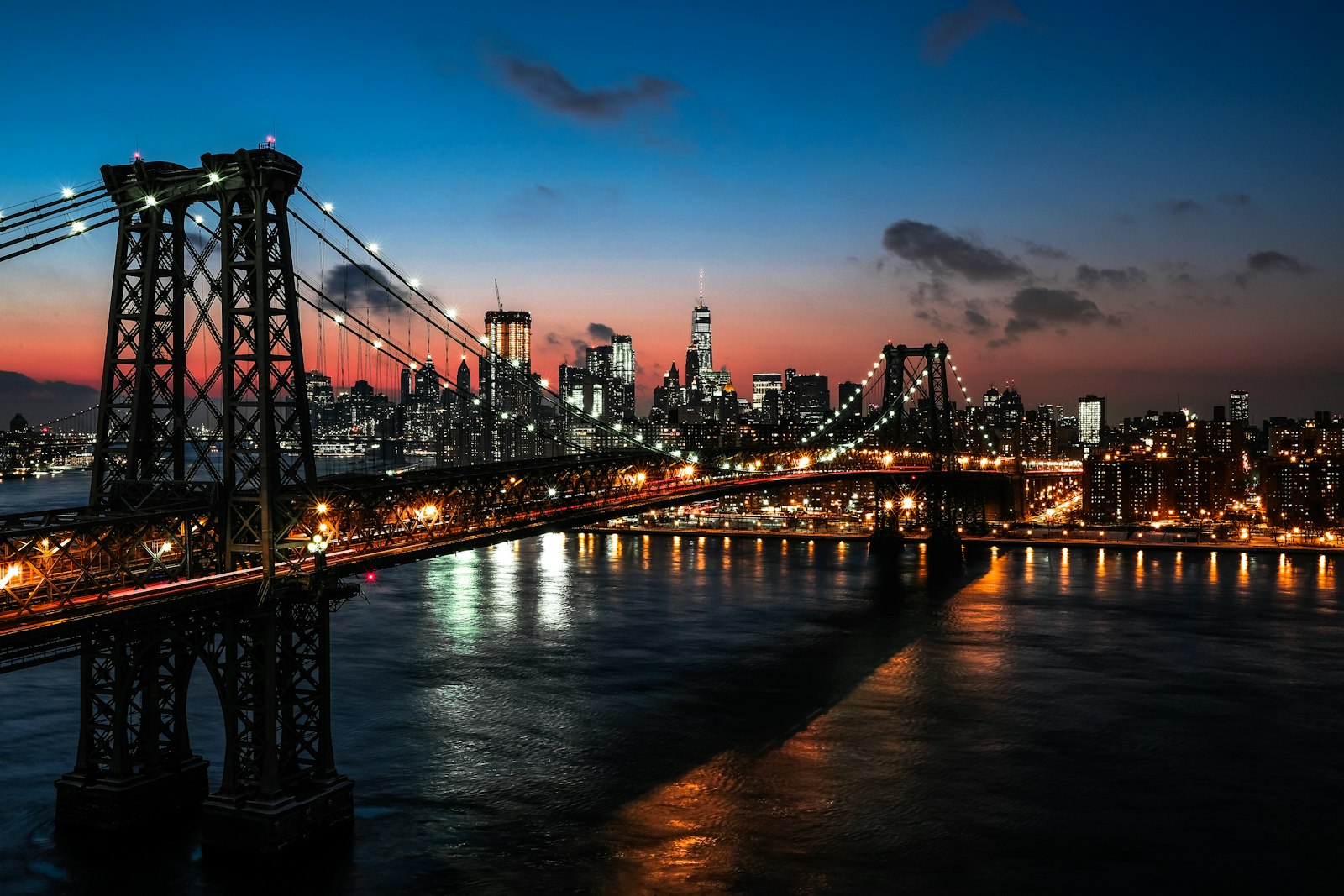
Top 10 Bridges in China
China's bridges are engineering marvels spanning mountains, rivers, and seas. Here are 10 of the most spectacular, from ancient stone to modern steel.
8 min read

Top 10 Buddhist Sites in China
From the Leshan Giant Buddha to the Dunhuang Caves, these 10 Buddhist sites represent 2,000 years of China's spiritual heritage.
9 min read
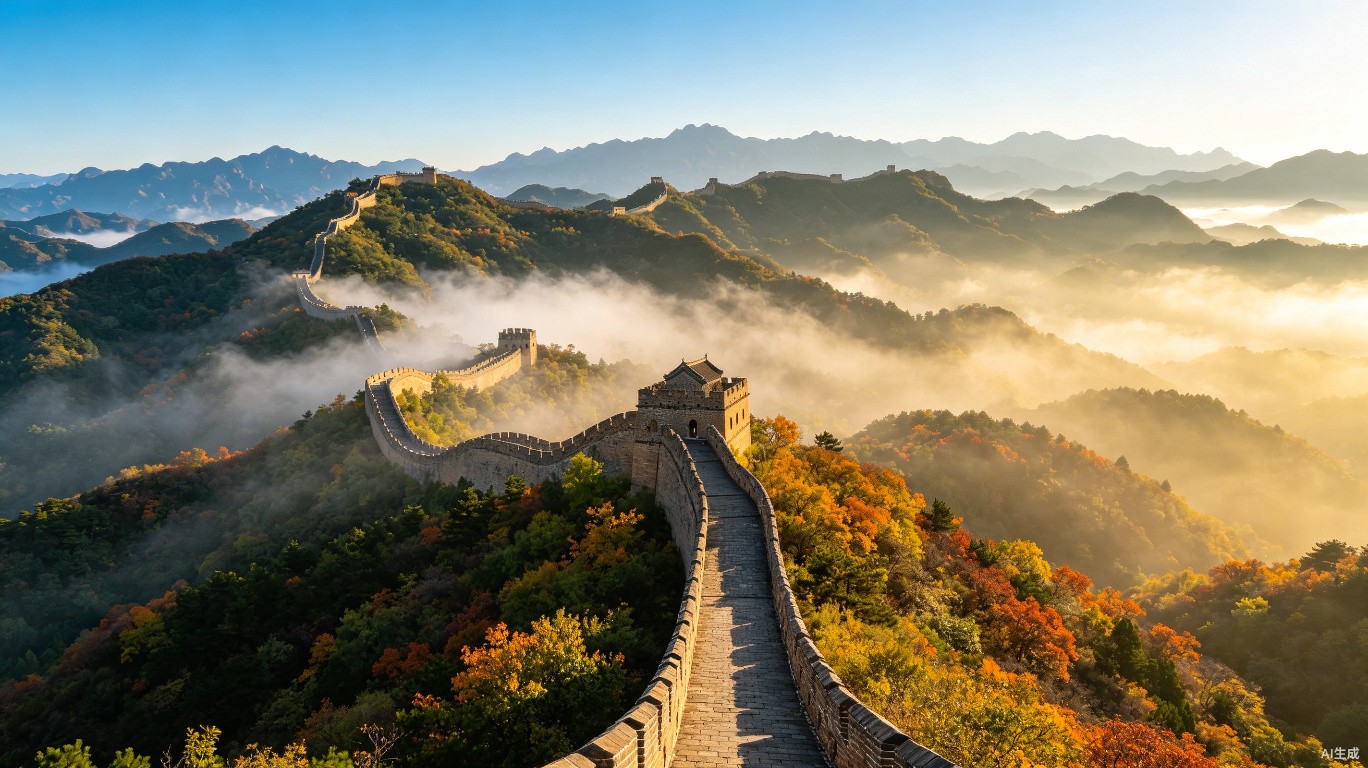
Top 10 Day Trips from Beijing You Shouldn't Miss
Beijing is packed with history, but some of China's best experiences are just a few hours away. Here are 10 day trips that will transform your visit.
9 min read
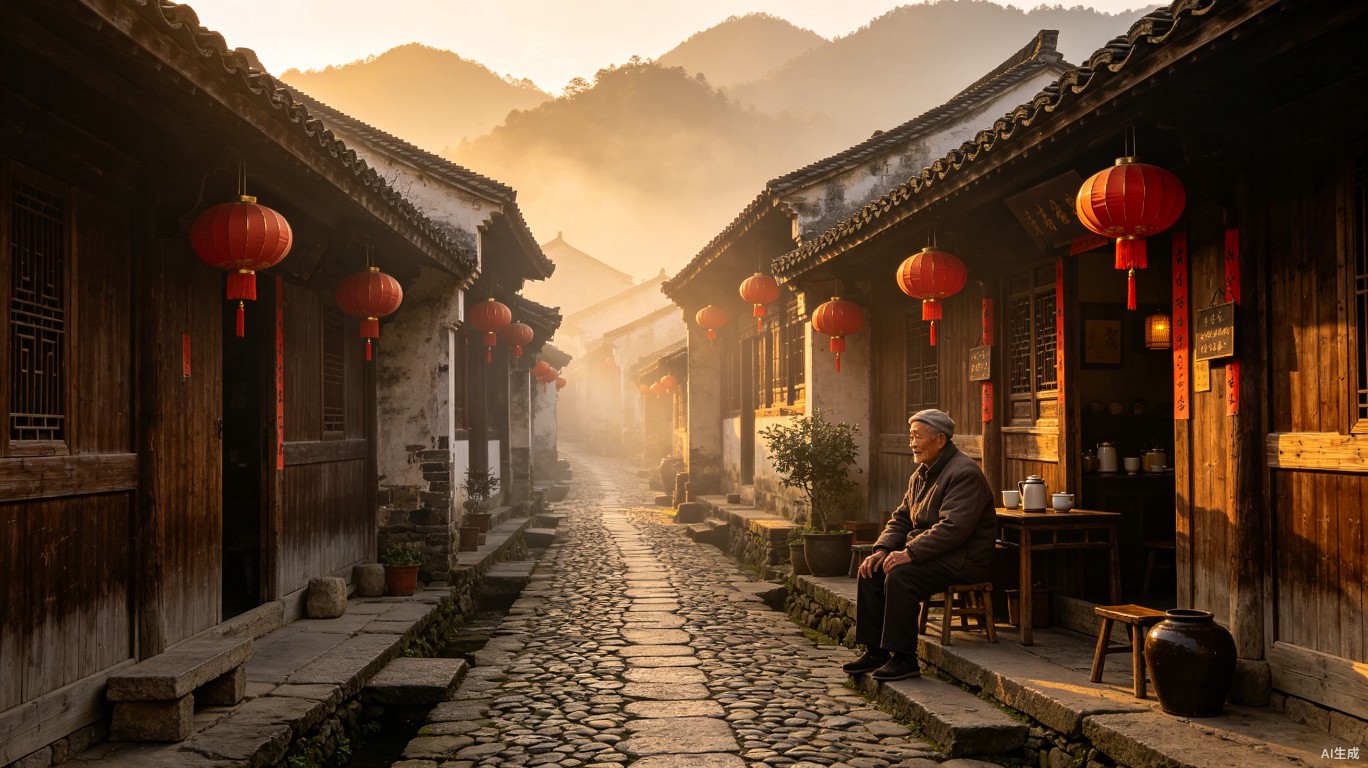
Top 10 Hidden Gems in China Off the Beaten Path
Beyond the Great Wall and Terracotta Warriors, China has incredible hidden destinations few tourists ever reach. Here are 10 underrated gems worth the detour.
9 min read
Top 10 Museums in China You Shouldn't Miss
China's museums span 5,000 years of civilization. These 10 - from the Palace Museum to Xi'an's terracotta gallery - are unmissable for culture lovers.
9 min read

Top 10 National Parks in China
Beyond the Great Wall: 10 national parks that show China's wild side, from Zhangjiajie's pillars to Jiuzhaigou's colorful lakes.
9 min read