
Wuhan Complete Travel Guide 2026
Wuhan 2026 travel guide: Yellow Crane Tower, East Lake, Wuchang district, and Yangtze River ferries. The perfect hub for central China exploration.
Wuhan Complete Travel Guide 2026: The Complete 2026 Guide
If you think China’s great cities are all about Beijing’s history and Shanghai’s skyline, you haven’t met Wuhan. This sprawling metropolis straddling the Yangtze River is the country’s most underrated travel gem—a place where ancient poetry meets high-speed rail, where you can climb a thousand-year-old pagoda in the morning and cruise past futuristic bridges at sunset. For first-time international visitors, Wuhan offers an authentic slice of urban China without the overwhelming crowds of the big two. You’ll find world‑class museums, serene lakefront parks, and a food scene that rivals Chengdu—all at a fraction of the cost.
Quick answer
If you think China’s great cities are all about Beijing’s history and Shanghai’s skyline, you haven’t met Wuhan.
This guide covers everything you need to know for a 2026 trip: visa updates, digital payment setup, VPN requirements, and the 10 must‑see destinations. Whether you’re a history buff, a nature lover, or a foodie, you’ll leave with a practical plan for an unforgettable visit.
Quick Answer / TL;DR
If you have only two or three days in Wuhan, focus on the Yellow Crane Tower (the iconic symbol of the city), the Hubei Provincial Museum (home to the legendary Sword of Goujian), and a stroll along the Yangtze River Bridge. That trio gives you the essence of Wuhan’s ancient culture, modern engineering, and spectacular river scenery. All three are close to the city centre and easy to reach by metro or taxi.
How We Chose
We selected these 10 destinations based on four criteria: cultural significance (historical or architectural value), accessibility for foreign tourists (English signage, ease of payment, metro connectivity), unique experience (something you can’t easily find elsewhere in China), and 2026‑relevant updates (new train lines, renovated sites, and changed entry policies). We cross‑referenced official Wuhan Tourism Bureau data, recent traveller reviews, and on‑the‑ground reports from expat groups. Prices and hours reflect the most current information available as of early 2026; always double‑check for sudden holiday closures.
Comparison Table
| Rank | Destination | Best For | Avg Cost (USD) | Time Needed |
|------|-------------|----------|----------------|-------------|
| 1 | Yellow Crane Tower | First‑time visitors, iconic photo ops | $10–$12 (¥70–¥85) | 2 hours |
| 2 | East Lake Scenic Area | Nature lovers, cycling, picnics | Free to $5 (¥0–¥35) | Half day |
| 3 | Hubei Provincial Museum | History buffs, ancient artefacts | Free (ID required) | 2.5 hours |
| 4 | Wuhan Yangtze River Bridge | Engineering fans, sunset walks | Free | 1 hour |
| 5 | Guiyuan Temple | Buddhist architecture, tranquility | $4 (¥28) | 1.5 hours |
| 6 | Jianghan Road | Shopping, street food, nightlife | Free (spending varies) | 2–3 hours |
| 7 | Hankow Concessions | Colonial architecture, photography | Free | 2 hours |
| 8 | Wuhan University | Campus beauty, cherry blossoms (Mar‑Apr) | Free | 1.5–2 hours |
| 9 | Han Street & Chu River | Modern dining, evening entertainment | Free (spending varies) | 2–3 hours |
| 10 | Mulan Tianchi | Hiking, nature escape from city | $12–$15 (¥85–¥105) | Full day |
Detailed Listings
1. Yellow Crane Tower — The Poetic Heart of Wuhan
Why it’s special: This five‑story pagoda has inspired poets for over 1,700 years. Rebuilt several times, it now stands as the undisputed landmark of Wuhan. The views from the top across the Yangtze River and the city skyline are breathtaking, especially at golden hour.
📍 Location: 1-2 Mayi Avenue, Wuchang District (just south of the Yangtze River Bridge)
🎫 Entry fee: $10–$12 (¥70–¥85) per adult. Discounts available for students and seniors with valid ID. Occasional free entry during certain festivals (check official WeChat mini‑program).
🕐 Opening hours: April–October: 8:00 AM–6:30 PM (last entry 6:00 PM)
November–March: 8:00 AM–5:30 PM (last entry 5:00 PM). Closed on the day of the Chinese New Year (late Jan/early Feb).
🚆 How to get there: Take Metro Line 5 to Sima Road Station (Exit C), then walk 800 metres east. Alternatively, take bus 10 or 61 to the Yellow Crane Tower stop. Taxi from Wuchang railway station costs about $3 (¥20).
⏰ Best time to visit: Early morning (8:00 AM–9:30 AM) to avoid crowds, or late afternoon (4:00 PM) for sunset light and cooler temperatures. Cherry blossom season (mid‑March) adds charm but brings queues.
💡 Insider Tips for Foreign Visitors
-
Buy tickets in advance on the official Yellow Crane Tower WeChat mini‑program (search 黄鹤楼). Pay with WeChat Pay or Alipay; cash is accepted but change may be slow.
-
Use a translation app – signage has English, but historical descriptions are mostly Chinese. Download an offline Chinese dictionary (e.g., Pleco).
-
Combine with the bridge – the tower’s south gate is a 10‑minute walk to the Yangtze River Bridge pedestrian path. Do both in one afternoon.
-
Bring a wide‑angle lens – the tower’s architecture (upturned eaves) is hard to capture with a phone’s standard lens.
-
Visa tip – Keep your passport on you; security may ask for a quick check at the entrance.
2. East Lake Scenic Area — The City’s Lungs
Why it’s special: Seven times larger than West Lake in Hangzhou, East Lake is a sprawling network of lakeside parks, cycling trails, and flower gardens. It’s a favourite weekend retreat for locals and offers a serene escape from Wuhan’s urban bustle.
📍 Location: Multiple entrances; main gate at 1 East Lake Road, Wuchang District
🎫 Entry fee: Most areas are free. The Mo Hill (Mo Shan) botanical garden charges $5 (¥35). The Hubei Provincial Museum (see separate entry) sits within the lake’s eastern zone.
🕐 Opening hours: The park is open 24/7 for walking paths. Mo Hill: 8:30 AM–5:30 PM (Apr–Oct), 8:30 AM–5:00 PM (Nov–Mar).
🚆 How to get there: Metro Line 8 to East Lake Heyuan Station (Exit C) gives direct access to the main cycling area. Bus 402 also stops at several entrances.
⏰ Best time to visit: Spring (March–May) for blooming cherry trees and azaleas; autumn (October–November) for crisp air and golden foliage. Avoid summer hot afternoons.
💡 Insider Tips for Foreign Visitors
-
Rent a bike – shared bikes (HelloBike, Meituan) are everywhere. Scan with Alipay; a deposit of about $7 (¥50) may be required (refundable).
-
Bring your own snacks – food kiosks are limited inside the free zones. There are good noodle shops near the east entrance.
-
Watch for mosquitoes – especially near the lake at dusk in summer. Bring insect repellent.
-
English is limited – park signs have pinyin (Romanised Chinese) but few full English translations. Use a navigation app like Baidu Maps (with English mode) or Apple Maps.
-
SIM & VPN – You’ll need a VPN to access Google Maps, WhatsApp, or Instagram. Buy a local SIM at the airport (China Telecom or Unicom) with a data plan; VPN apps must be installed before arriving in China.
3. Hubei Provincial Museum — A Treasury of Ancient China
Why it’s special: This museum houses one of China’s most famous archaeological finds: the Sword of Goujian, a 2,500‑year‑old bronze blade that still shines. The extensive collection of Zhou and Han dynasty artefacts rivals top museums in Beijing.
📍 Location: 160 Donghu Road, Wuchang District (within East Lake Scenic Area)
🎫 Entry fee: Free – but you must reserve a timed entry ticket online via the official WeChat mini‑program (search 湖北省博物馆). Last‑minute walk‑ins are rarely accepted.
🕐 Opening hours: Tuesday–Sunday 9:00 AM–5:00 PM (last entry 4:00 PM). Closed on Mondays (except public holidays).
🚆 How to get there: Metro Line 8 to Donghu Heyuan Station (Exit A), then a 10‑minute walk. Bus 402, 709, or 810 also stop near the main entrance.
⏰ Best time to visit: Weekday mornings (9:00 AM–11:00 AM) are least crowded. The Sword of Goujian exhibit can have long queues – go straight there first.
💡 Insider Tips for Foreign Visitors
-
Book at least 3 days in advance during peak season (April–October). The reservation system sometimes rejects foreign passport numbers – try using a Chinese friend’s ID or a local hotel concierge to book.
-
Audio guide – available in English for about $3 (¥20) with a deposit. Bring cash as card may not work.
-
Photography allowed – no flash inside the main hall. The sword room has strict no‑flash rules.
-
Don’t miss the chime bells – a musical performance with replica ancient bronze bells occurs at 10:30 AM and 2:30 PM (check schedule). Tickets for that show cost $5 (¥35) extra.
-
Payment note – the museum gift shop accepts Alipay/WeChat but not foreign credit cards. Bring cash as backup.
4. Wuhan Yangtze River Bridge — An Engineering Marvel
Why it’s special: Completed in 1957, this double‑deck bridge was the first road‑rail bridge across the mighty Yangtze. Walking the upper pedestrian lane gives you panoramic views of the river, the Yellow Crane Tower, and the city’s two main districts.
📍 Location: Connects Wuchang (south) and Hanyang (north); pedestrian access from both ends
🎫 Entry fee: Free – the bridge is public infrastructure.
🕐 Opening hours: 24/7 pedestrian access. Best to walk during daylight hours for safety.
🚆 How to get there: Metro Line 5 to Sima Road Station (Exit B) for the Wuchang end. Mosque Road Station (Line 6) for the Hanyang side.
⏰ Best time to visit: Sunset (around 5:30 PM in winter, 7:00 PM in summer) for spectacular golden reflections on the river. Early morning for misty river views.
💡 Insider Tips for Foreign Visitors
-
Walk half or all the way – the bridge is 1.6 km long. It takes about 25 minutes to cross at a leisurely pace.
-
Watch for e‑bikes – the pedestrian lane is shared with cyclists and scooters. Stay to the left.
-
Perfect photo spot – stand on the Wuchang side, frame the bridge with the Yellow Crane Tower in the background. Use a tripod for long‑exposure night shots.
-
No railings on the lower deck – do not attempt to access the railway track; it’s illegal and dangerous.
-
Combined trip – walk from Yellow Crane Tower, cross the bridge, and descend into Hanyang to explore the Qingchuan Pavilion (another historic tower, entry $3 / ¥20).
5. Guiyuan Temple — A Zen Oasis in the City
Why it’s special: One of China’s top four Buddhist temples, Guiyuan (meaning “Return to Source”) is a peaceful compound of halls, gardens, and a famous Arhat Hall containing 500 life‑sized gilded statues.
📍 Location: 20 Guiyuan Temple Road, Hanyang District
🎫 Entry fee: $4 (¥28) per person (includes incense sticks).
🕐 Opening hours: April–October: 8:00 AM–6:00 PM; November–March: 8:00 AM–5:00 PM.
🚆 How to get there: Metro Line 4 to Guiyuan Temple Station (Exit A) – just a 5‑minute walk.
⏰ Best time to visit: Weekday mornings, especially before 10:00 AM on Buddhist holidays (e.g., Buddha’s Birthday in May) when it gets extremely crowded.
💡 Insider Tips for Foreign Visitors
-
Dress modestly – cover shoulders and knees. Shoes are removed at some prayer halls.
-
Arhat Hall experience – you can count the statues to find your “lucky number” and then buy a fortune poem for $1 (¥8). English translations are provided.
-
Vegetarian restaurant – the temple runs a simple canteen serving noodles and dumplings for about $2 (¥15). Cash only.
-
No flash photography inside halls, but courtyard photos are allowed.
-
Donation boxes – have small bills or coins if you wish to contribute; do not use foreign currency.
6. Jianghan Road — The City’s Historic Shopping Spine
Why it’s special: This 1.6‑km pedestrian thoroughfare in Hankow is lined with early‑20th‑century European buildings, now filled with shops, cafés, and street food stalls. It’s the best place to experience Wuhan’s lively urban pulse.
📍 Location: Jianghan Road, Jianghan District (from Dongfang Market to Yanjiang Avenue)
🎫 Entry fee: Free – browse or spend as you wish.
🕐 Opening hours: Shops typically 10:00 AM–10:00 PM. Street food carts are most active from 5:00 PM onward.
🚆 How to get there: Metro Line 2 to Jianghan Road Station (multiple exits). Also accessible from Line 6 at Jianghan Road East.
⏰ Best time to visit: Evening (6:00 PM–9:00 PM) for the neon lights and bustling food scene. Avoid midday in summer due to heat.
💡 Insider Tips for Foreign Visitors
-
Try hot dry noodles (re gan mian) – the local breakfast staple, now available all day. A bowl costs about $1.50 (¥10). Look for shops with queues.
-
Payment everywhere – all vendors accept WeChat/Alipay. Many also take cash, but small change is preferred.
-
English limited – few shop signs have English. Use a translation app for menus.
-
Watch for pickpockets – as in any major shopping street, keep your phone and wallet secure.
-
Street photography – the architecture (Art Deco, Neoclassical) makes for stunning photos. No permit needed.
7. Hankow Concessions — A Walk Through Colonial History
Why it’s special: During the late 19th and early 20th centuries, several foreign powers (British, French, German, Russian, Japanese) established concessions along the Yangtze riverbank. Today, the area is a beautifully preserved district of historic mansions, churches, and former banks.
📍 Location: Yanjiang Avenue area, roughly from the Old British Consulate to the Customs House, in Jianghan District
🎫 Entry fee: Free – all streets and most exteriors are public.
🕐 Opening hours: Best visited during daylight. Some historic buildings (like the Wuhan Customs House Museum) open 9:00 AM–5:00 PM, closed Mondays.
🚆 How to get there: Metro Line 1 to Dazhi Road Station, then walk 500 metres east. Alternatively, walk north from Jianghan Road pedestrian area for 15 minutes.
⏰ Best time to visit: Weekend mornings for fewer cars on the streets. Autumn (September–November) offers mild temperatures for a leisurely walk.
💡 Insider Tips for Foreign Visitors
-
Free walking tour – some local expat groups organise English‑language walks on Saturday mornings. Check WeChat groups or meetup.com.
-
Download a self‑guided tour – the Wuhan Tourism Bureau has a PDF map (scan QR code at the Jianghan Road tourist info office). It’s in Chinese and English.
-
Don’t enter private buildings – many mansions are now restaurants or apartments. Only enter if it’s clearly marked as a museum.
-
Best photo spot – the intersection of Yanjiang Avenue and Nanjing Road, where the old British Consulate faces the river.
-
Combine with a river cruise – the evening cruise from the Customs House pier costs about $8 (¥55) and gives you a different perspective of the concessions’ floodlit facades.
8. Wuhan University — Cherry Blossom Paradise
Why it’s special: Often called China’s most beautiful campus, Wuhan University is especially famous for its cherry blossom avenue in late March. Beyond that season, the old buildings on Luojia Hill and the serene East Lake views make it worthwhile year‑round.
📍 Location: 16 Luojia Hill Road, Wuchang District
🎫 Entry fee: Free to enter the campus; during cherry blossom peak (roughly March 20‑April 5), a free reservation is required via the university’s WeChat mini‑program to limit crowds.
🕐 Opening hours: Open 24/7 for pedestrians. Vehicle entry is restricted.
🚆 How to get there: Metro Line 2 to Street-level (Jiedaokou) Station (Exit C), then walk 1.2 km north. Alternatively, bus 402 stops at the main gate.
⏰ Best time to visit: Cherry blossom season – arrive at 7:00 AM to beat the crush. Other months: autumn (October) for the golden ginkgo trees.
💡 Insider Tips for Foreign Visitors
-
Reservation for blossoms – book at least 48 hours in advance during peak. The system accepts foreign passport numbers (use the full number without spaces).
-
Campus café – the library café sells decent coffee and has free Wi‑Fi (but you still need VPN for Google etc.).
-
Watch for students – the university is an active campus; be respectful of classes and avoid noise.
-
Old Library – a photogenic brick building, but it’s closed to the public. Admire from outside.
-
Restrooms – limited on campus. Use facilities before you enter.
9. Han Street & Chu River — Modern Wuhan at Night
Why it’s special: This massive commercial and entertainment complex along the artificial Chu River offers a modern contrast to the historic sites. With a huge movie theatre, dozens of restaurants, a ferris wheel, and nightly light shows, it’s a favourite for families and young people.
📍 Location: Near East Lake, on the boundary of Wuchang and Hongshan districts
🎫 Entry fee: Free to enter. Attractions like the ferris wheel cost $5 (¥35) per ride.
🕐 Opening hours: Most shops and restaurants: 10:00 AM–10:00 PM. The river light show runs from dusk (about 7:00 PM in summer) until 9:00 PM.
🚆 How to get there: Metro Line 4 to Chuhe Hanjie Station (Exit D). Or take a taxi from East Lake; about $3 (¥20).
⏰ Best time to visit: Evening (6:00 PM onward) for dinner, river lights, and the ferris wheel. Avoid during national holidays (Golden Week Oct 1‑7) when it’s packed.
💡 Insider Tips for Foreign Visitors
-
International food – Han Street has Western‑friendly restaurants (pizza, burgers) alongside local hotpot. Prices are mid‑range; a meal costs $8–$15 (¥55–¥105).
-
Ferris wheel views – the “Wuhan Eye” gondola takes 20 minutes and offers panoramic views of East Lake. Best at sunset.
-
River boat ride – small electric boats for 2‑4 people cost about $6 (¥40) for 30 minutes. Cash deposit required.
-
English speaking staff – almost none. Use a translation app for menus.
-
Payment – Alipay/WeChat required for most purchases at food stalls. The ferris wheel ticket booth accepts cash.
10. Mulan Tianchi — A Mountain Escape
Why it’s special: Named after the legendary warrior Hua Mulan (said to have been born in this area), Mulan Tianchi is a scenic area with a reservoir, waterfalls, and hiking trails. It’s a perfect day trip for nature lovers wanting to escape Wuhan’s urban sprawl.
📍 Location: Mulan Township, Huangpi District, about 50 km north of downtown
🎫 Entry fee: $12–$15 (¥85–¥105) per adult, depending on season.
🕐 Opening hours: 8:00 AM–5:30 PM (Apr–Oct), 8:30 AM–5:00 PM (Nov–Mar). Last entry one hour before closing.
🚆 How to get there: From Hankou Railway Station, take a high‑speed bus to Huangpi (about $2 / ¥15, 1 hour), then a local minibus to Mulan Tianchi (another 30 mins, $1 / ¥7). Alternatively, join a group tour from downtown (around $25 / ¥175, includes transport and guide).
⏰ Best time to visit: Autumn (October–November) for cool weather and colourful foliage. Spring (April) is also nice, but summer can be humid with thunderstorms.
💡 Insider Tips for Foreign Visitors
-
Bring a printed map – mobile signal is weak on some mountain trails. Download offline Baidu Maps.
-
Wear sturdy shoes – the “Waterfall Trail” involves steep steps and slippery rocks.
-
Pack a picnic – on‑site food is limited to basic noodles and snacks. No English menus.
-
Go early – to avoid the weekend crowds, arrive by 8:30 AM at the latest.
-
SIM note – the remote area may have weak data. Pre‑download offline translation files (Pleco, Google Translate offline) before leaving the city.
FAQ
Q: Do I need a visa to visit Wuhan in 2026?
A: Most nationalities require a visa for mainland China. However, as of 2026, several countries (including the US, UK, Canada, Australia, and many EU states) can enter visa‑free for up to 15 days if arriving via Wuhan Tianhe International Airport and holding a valid onward ticket to a third country. Always check with the Chinese embassy for the latest visa‑free transit policies.
Q: How do I pay for things in Wuhan without a Chinese bank account?
A: The two dominant mobile payment apps are WeChat Pay and Alipay. Both now accept international credit/debit cards (Visa, Mastercard, Amex) for top‑ups or direct payment (with a small fee). Download and set them up before your trip. Cash (RMB) is still accepted everywhere, but change may be difficult for large bills (¥100). Foreign credit cards are rarely accepted at smaller shops.
Q: Will my phone work? Do I need a VPN?
A: You’ll need a VPN to access Google services, Facebook, Instagram, WhatsApp, and many news sites. Install a reliable VPN app (e.g., ExpressVPN, NordVPN) on your phone before arriving in China. For internet access, you can buy a local prepaid SIM at the airport (China Mobile, Unicom) or rent a pocket Wi‑Fi device. Hotel Wi‑Fi is usually fast but still blocked for foreign sites.
Q: Is English widely spoken in Wuhan?
A: English is not widely spoken by the general public, though staff in major hotels, the airport, and some tourist attractions (Yellow Crane Tower, Hubei Museum) have basic English. For most interactions, you’ll need a translation app. Pleco (for Chinese‑English dictionary) and Google Translate (with offline packs) are essential.
Q: How do I get around Wuhan?
A: The metro system (12 lines as of 2026) is efficient, cheap, and easy to navigate with English signs at all stations. Buy a single‑use token at the ticket machine (cash or Alipay) or get a Wuhan Metro Card (deposit ¥20). Taxis (DiDi app, similar to Uber) are cheap – a 20‑minute ride costs about $3–$5 (¥20–¥35). Buses are tricky without Chinese literacy; avoid them unless you have a local guide.
Q: What’s the best time of year to visit Wuhan?
A: Spring (March–May) and autumn (September–November) offer the most comfortable temperatures (15–25°C / 59–77°F). Summer (June–August) is extremely hot and humid, with frequent thunderstorms. Winter (December–February) is cold (0–10°C / 32–50°F) but less crowded. Cherry blossom fans should aim for late March.
Q: Are there any safety concerns for solo female travellers?
A: Wuhan is generally very safe for solo female tourists. Violent crime is rare. Take standard precautions: avoid dark alleys late at night, keep valuables secure in crowded markets, and use ride‑hailing apps rather than hailing street taxis. Many women travel alone here without issue.
Final Verdict
Choose Wuhan if you want a taste of authentic Chinese city life without the tourist hordes of Beijing or Shanghai. For first‑timers with only 2–3 days, stick to the classic trio: Yellow Crane Tower, Hubei Provincial Museum, and the Yangtze River Bridge. For history lovers, spend extra time in the Hankow Concessions and the Hubei Museum. For nature enthusiasts, dedicate a full day to East Lake and half a day to Mulan Tianchi. For foodies and nightlife fans, Jianghan Road and Han Street will keep you busy from dusk till late. Whichever you choose, prepare ahead with the right apps and a VPN, and you’ll find Wuhan one of the most rewarding and affordable destinations in China.
FAQ summary
This guide covers: Wuhan Complete Travel Guide 2026: The Complete 2026 Guide, Related Guides.
Related Guides
Looking for more China travel guides? These match your topic:
Topics
More guides you may like
Beijing Complete Travel Guide 2026
Everything you need to know to plan a Beijing trip in 2026 - attractions, transport, food, accommodation, and 4-day itinerary.
9 min read

Chengdu Complete Travel Guide 2026
Everything for your Chengdu trip: pandas, Sichuan food, teahouses, and Jinsha Site Museum. 2026 guide with insider tips.
9 min read
Guilin Complete Travel Guide 2026
Complete Guilin travel guide: Li River cruise, Yangshuo countryside, Longji Rice Terraces, and where to stay.
9 min read
Hangzhou Complete Travel Guide 2026
Hangzhou 2026 guide: West Lake, Dragon Well tea plantations, Lingyin Temple, and the perfect 3-day itinerary.
10 min read
Shanghai Complete Travel Guide 2026
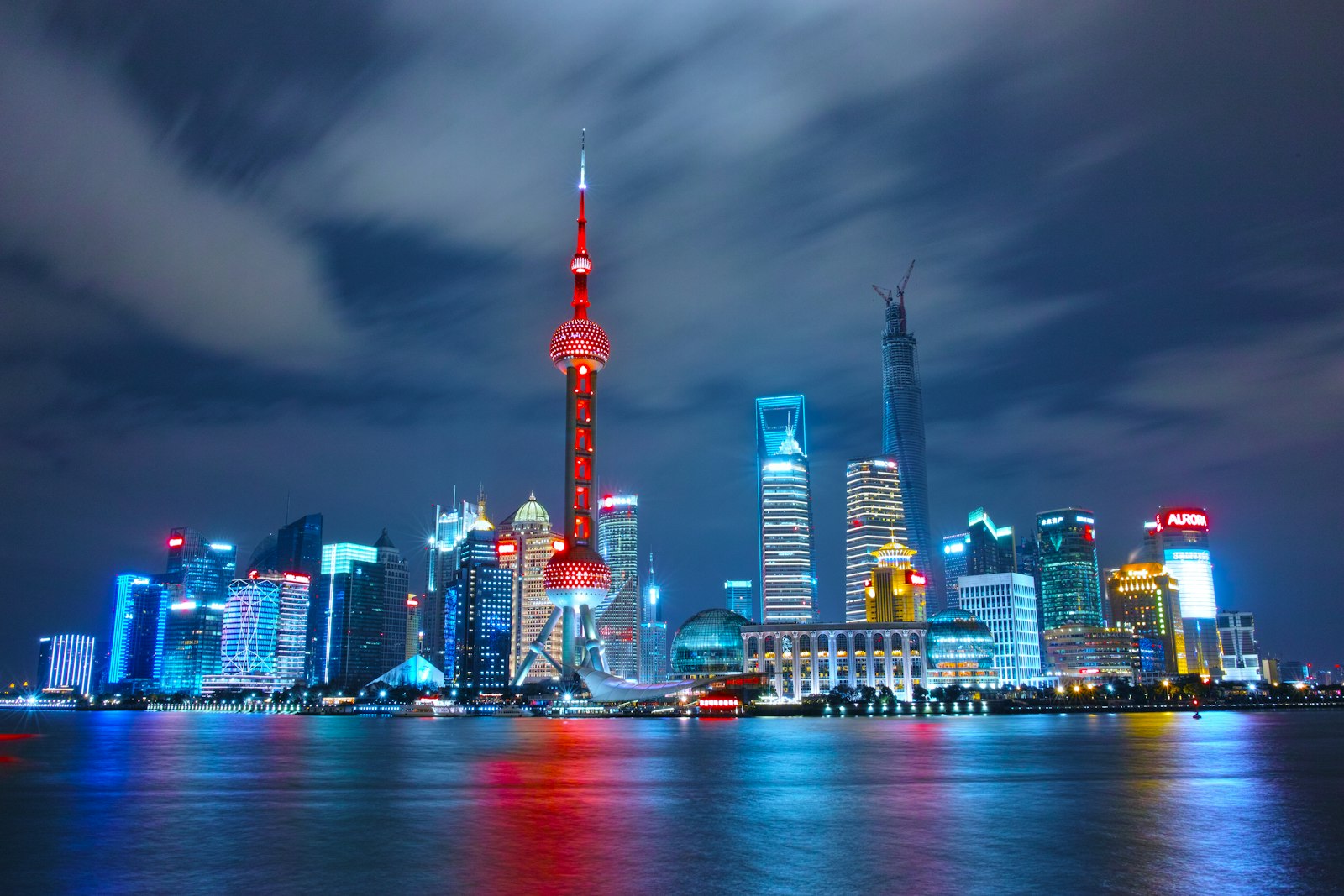
The ultimate Shanghai travel guide for 2026 - from the Bund and Pudong to hidden French Concession gems.
10 min read

Suzhou Complete Travel Guide 2026
Suzhou 2026 guide: classical gardens, silk museums, water town canals, and the easiest day trip from Shanghai.
10 min read