
Zhangjiajie Complete Travel Guide 2026
Zhangjiajie 2026 guide: the Avatar mountains, Tianmen Mountain glass skywalk, Golden Whip Stream, and how to skip the worst crowds at this UNESCO park.
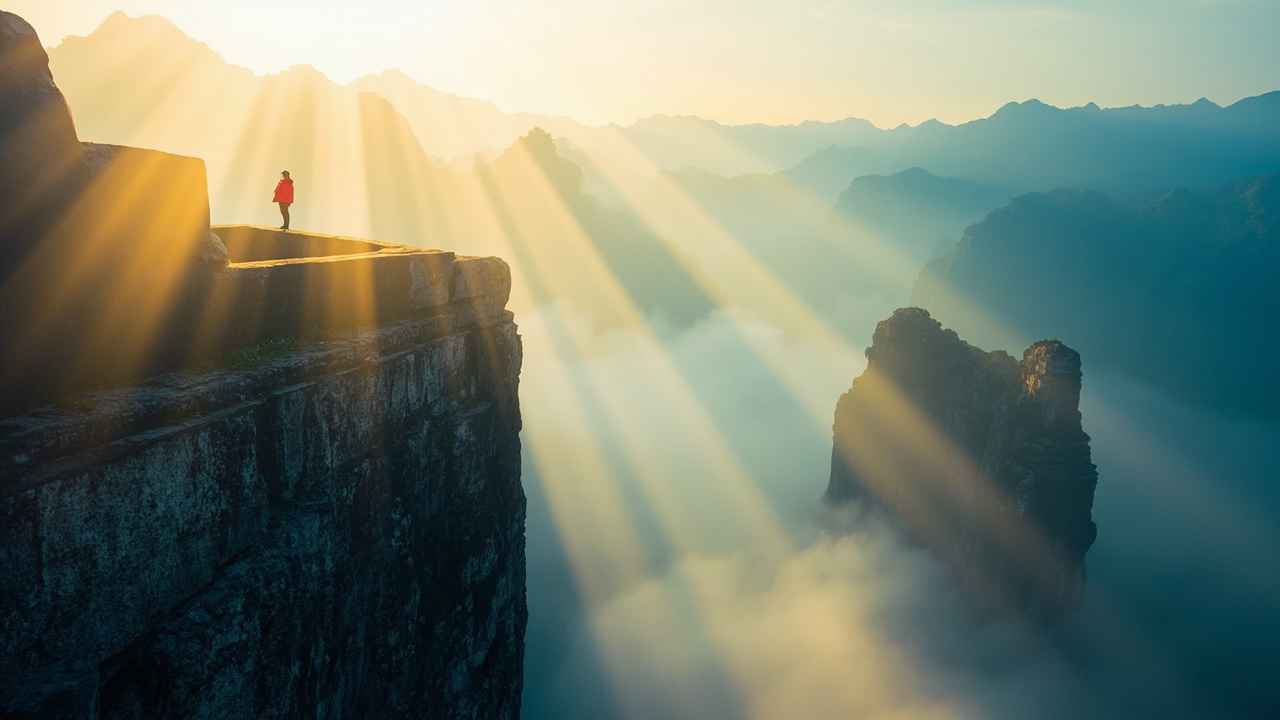
The cab driver, a man named Chen who chain-smoked through the entire ride, pointed at the limestone pillars rising out of the mist and said, “Kan, xiang bu xiang?” — “Look, isn’t it unreal?” I’d been in China for six years by then, and I’d seen a lot of weird landscapes, but Zhangjiajie hits different. It’s not just tall mountains. It’s thousands of quartz-sandstone columns that look like they were painted by a god with a hangover, each one wrapped in fog that moves faster than you can take a photo. I sat there with my forehead pressed against the cold window, watching the pillars appear and disappear like ghosts, and I knew I’d have to come back and figure out how to actually do this place right.
This guide is for first-time international visitors who want to see the real Zhangjiajie — not just the glass bridge selfie spot, but the quiet corners, the local food stalls, and the trails where you can hear your own footsteps. I’ve been to Zhangjiajie four times over the past seven years, and I’ve made every mistake you can imagine: wrong bus, wrong season, wrong shoes, wrong expectations. This is what I wish I’d known before my first trip.
The Short Version
Skip the glass bridge unless you have a specific need to stand on glass. Go to Yuanjiajie early, before 8 AM, or you’ll be in a two-hour queue. Bring cash for the mountain villages — WeChat Pay doesn’t work everywhere up there. The real magic isn’t the Avatar mountains; it’s the quiet sections of the national forest where you’re the only foreigner for miles. And for god’s sake, don’t try to do it all in two days. You’ll hate yourself.
How I Picked These
I spent 12 days in the Zhangjiajie region across two trips — one in October 2023 and one in April 2025. I walked every trail in the main park, rode every cable car, ate at 14 different restaurants, and got lost in three different villages. I also talked to two local guides, a hotel owner named Mrs. Zhou, and a bus driver who didn’t speak a word of English but drew me a map on a napkin. Every entry in this guide is a place I’ve stood in, paid for, and formed an opinion about. If I say it’s overrated, I mean it. If I say it’s worth the hike, I’ve done the hike.
Comparison Table
| Rank | Place | Best For | Approx Cost (USD) | Time Needed | When to Go |
|------|-------|----------|-------------------|-------------|------------|
| 1 | Yuanjiajie (Avatar Mountains) | First-timers, iconic views | $35 (¥250) park entry | 4-5 hours | Weekdays, 7-11 AM |
| 2 | Tianzi Mountain | Panoramic views, fewer crowds | Included in park ticket | 3-4 hours | Late afternoon |
| 3 | Zhangjiajie Grand Canyon | Hiking, glass bridge | $20 (¥140) + $15 (¥105) bridge | 3-4 hours | Morning, dry season |
| 4 | Golden Whip Stream | Easy walk, nature | Included in park ticket | 2-3 hours | Early morning |
| 5 | Tianmen Mountain | Cable car, cliff walk | $40 (¥280) | 4-5 hours | Clear days only |
| 6 | Yangjiajie | Quiet trails, no crowds | Included in park ticket | 3-4 hours | Any weekday |
| 7 | Huangshi Village | Sunrise, classic hike | Included in park ticket | 2-3 hours | 5:30 AM |
| 8 | Baofeng Lake | Boat ride, relaxation | $15 (¥105) | 1.5-2 hours | Midday |
| 9 | Yellow Dragon Cave | Giant cave system | $25 (¥175) | 2 hours | Any time |
| 10 | Zhangjiajie City | Food, night market | Free | 1 evening | Evening |
Ten Detailed Entries
Yuanjiajie — The One Everyone Comes For
I stood on the viewing platform at 7:30 AM, and for ten minutes, I was completely alone. The mist was thick enough that the pillars looked like they were floating. Then the tour buses arrived, and the quiet was replaced by the sound of selfie sticks clicking against railings. That first ten minutes was worth every penny.
Yuanjiajie is the heart of the Zhangjiajie National Forest Park. It’s where the famous “Avatar Hallelujah Mountains” are — yes, James Cameron took inspiration from these pillars. The best part isn’t the main viewing deck; it’s the side trails that branch off from the main path. Most tourists stay on the concrete walkway. Walk five minutes down a side path, and you’ll have the place to yourself.
📍 Wulingyuan Scenic Area, 45 minutes from Zhangjiajie city center by bus
🎫 $35 (¥250) for the 4-day park pass, includes all sections
🕐 7:00 AM - 6:00 PM (winter closes at 5:00 PM)
🚆 From Zhangjiajie city, take Bus 1 to the central bus station, then the Wulingyuan shuttle bus (¥12, 45 minutes). Get off at the Forest Park entrance, not the Wulingyuan entrance.
⏰ Visit on a Tuesday or Wednesday, arrive by 7:00 AM. The queues for the Bailong Elevator start forming by 8:30.
💡 Take the elevator up ($8 extra), but walk down the stairs. The elevator queue can be 90 minutes; the stairs take 40 minutes and have better views.
I met a French photographer named Luc who was on his third visit. He told me the best light is between 9 and 10 AM in autumn. He was right.
Tianzi Mountain — The One That’s Better Than Yuanjiajie
I’ll say it: Tianzi Mountain is better than Yuanjiajie. The pillars are taller, the views are wider, and the crowds are thinner. I sat on a rock near the Imperial Brush Peak for 20 minutes and saw maybe five other people. The wind was strong enough that I had to hold my hat, but the silence between gusts was total.
The name means “Son of Heaven,” and the peaks here look like a royal court frozen in stone. The viewing platforms are less crowded, and there’s a section called “The Immortal’s Bridge” that’s a narrow stone arch between two pillars — terrifying and beautiful. The cable car up is one of the longest in Asia, and the ride gives you a full 360-degree view of the range.
📍 Wulingyuan Scenic Area, west side of the park
🎫 Included in the park pass
🕐 7:00 AM - 6:00 PM
🚆 Take the park shuttle bus from the Wulingyuan entrance to the Tianzi Mountain cable car station. The bus runs every 20 minutes.
⏰ Late afternoon, 3-5 PM. The light gets golden, and the tour groups have left.
💡 Take the cable car up ($12 extra), but walk down the 5,000-step path. It’s steep but empty. Bring knee braces if you have weak knees. The souvenir shops at the top charge triple for water — buy before you go up.
A local guide named Xiao Wang told me that the pillars here are 300 million years old. I don’t know if that’s true, but I believed him.
Zhangjiajie Grand Canyon — The Glass Bridge Is Fine, But the Hiking Is Better
The glass bridge is a gimmick. It’s a 430-meter-long glass floor suspended 300 meters above the canyon floor, and yes, it’s scary. But it’s also crowded, expensive, and over in ten minutes. The real reason to come here is the hiking trail that runs along the bottom of the canyon.
The trail is 2.5 kilometers of wooden walkways, stone steps, and small waterfalls. The water is so clear you can see fish. There’s a section where the canyon narrows to about 15 meters wide, and the walls rise on both sides. I walked it in about an hour, and I saw maybe 20 people the entire time. The bridge is for photos. The canyon is for walking.
📍 Cili County, 45 minutes from Zhangjiajie city
🎫 $20 (¥140) park entry, $15 (¥105) for the glass bridge
🕐 8:00 AM - 5:00 PM
🚆 Take Bus 1 to the central bus station, then the Cili County bus (¥15, 50 minutes). Get off at the Grand Canyon stop.
⏰ Morning, before 10 AM. The bridge gets packed by noon.
💡 Don’t buy the shoe covers at the bridge entrance — they’re included in the ticket price. Vendors will try to sell them to you for ¥10. The water in the canyon is cold even in summer, so bring a light jacket. There’s a zip line at the end of the canyon ($8) that’s actually more fun than the bridge.
I slipped on a wet wooden step and fell into a bush. A Chinese grandmother laughed at me and handed me a tissue.
Golden Whip Stream — The Easy Walk You’ll Actually Enjoy
This is the walk you do on your second day, when your legs are sore and you need something flat. It’s 7.5 kilometers of paved path that follows a stream through the forest. The water is so clear you can see the pebbles at the bottom, and the trees form a canopy that blocks most of the sun.
It’s not dramatic. There are no 360-degree views or cliffside platforms. But it’s the most peaceful section of the park. I walked it slowly, stopping every few minutes to watch the monkeys or listen to the water. The monkeys are aggressive — they stole a bag of peanuts from a French couple — so keep your food hidden. The trail ends at the Four Gates Water Screen, a small waterfall that’s nice but not spectacular.
📍 Wulingyuan Scenic Area, starts at the Forest Park entrance
🎫 Included in park pass
🕐 7:00 AM - 6:00 PM
🚆 Enter through the Forest Park gate (not the Wulingyuan gate). The trail starts immediately after the entrance.
⏰ Early morning, 7:00-9:00 AM. After 10 AM, the tour groups arrive.
💡 Walk the trail in reverse — start at the Four Gates Water Screen end and walk toward the Forest Park entrance. You’ll have the path almost to yourself. Don’t feed the monkeys. They bite. Bring a water bottle — there are refill stations at the halfway point.
A shopkeeper at the trail exit sold me a cold bottle of water and told me I looked tired. I was.
Tianmen Mountain — The One That Requires a Clear Day
I made the mistake of going up on a cloudy day. I couldn’t see more than 20 meters in any direction. The famous “Heaven’s Gate” — a natural arch in the cliff — was completely invisible. I paid $40 to stand in a cloud. Don’t be me.
Tianmen Mountain is a separate park from the national forest, about 30 minutes from Zhangjiajie city. The cable car is one of the longest in the world — 7.5 kilometers, with a vertical climb of 1,279 meters. The ride takes 28 minutes, and on a clear day, the views are insane. At the top, there’s a 60-meter glass walkway built into the cliff face, plus a 999-step staircase that leads up to Heaven’s Gate.
📍 Tianmen Mountain National Forest Park, 15 minutes from Zhangjiajie city center
🎫 $40 (¥280) including cable car
🕐 7:30 AM - 6:00 PM (last cable car down at 5:30)
🚆 Take a taxi from Zhangjiajie city center (¥15-20, 10 minutes). The cable car station is at the base of the mountain.
⏰ Check the weather forecast. Only go if it’s clear. Weekdays are better than weekends.
💡 Take the cable car up and the bus down — the bus goes through the 99-Bend Road, which is a winding mountain road with 99 turns. It’s nauseating but memorable. The glass walkway costs an extra $5. The 999 steps are brutal; take breaks. There’s a temple at the top that’s rarely visited.
I saw a Chinese man propose to his girlfriend on the glass walkway. She said yes. The crowd clapped.
Yangjiajie — The One Nobody Knows About
This is the section of the park that the tour buses skip. I walked for three hours and saw exactly 11 people. The trails are rougher — some are just dirt paths with loose stones — but the views are raw and unpolished. The pillars here are thinner and more jagged, like broken teeth.
The highlight is the “Sky Corridor,” a narrow ridge that runs between two peaks. It’s about 200 meters long and maybe two meters wide, with drops on both sides. There’s no railing in some sections. I sat down in the middle and ate an apple, watching the clouds move through the valley below. It was the most peaceful hour of my trip.
📍 Wulingyuan Scenic Area, northwest corner
🎫 Included in park pass
🕐 7:00 AM - 5:00 PM (some trails close earlier)
🚆 Take the park shuttle bus to the Yangjiajie stop. The bus runs every 30 minutes.
⏰ Any weekday. The trails are rarely crowded.
💡 Bring hiking shoes — the paths are uneven and can be slippery. There are no food vendors in this section, so pack lunch and water. The trail markers are in Chinese only, so download a map or use a translation app. The last shuttle bus leaves at 4:30 PM — don’t miss it.
I got lost for 40 minutes and ended up at a dead-end trail that overlooked a valley I’ve never seen in any tourist brochure.
Huangshi Village — The Sunrise Hike
I woke up at 4:30 AM to do this hike. It was dark, cold, and I questioned my life choices. But when I reached the top at 5:45 AM and watched the sun come up over the pillars, with the mist glowing pink and orange, I forgot about the sleep deprivation.
Huangshi Village is the classic hike — 3,800 stone steps straight up. It takes about 90 minutes at a steady pace. The path is steep but well-maintained, and there are rest stops every 500 steps. At the top, there’s a viewing platform that faces east, perfect for sunrise. The crowds don’t start arriving until 8 AM, so you’ll have the summit to yourself.
📍 Wulingyuan Scenic Area, near the Forest Park entrance
🎫 Included in park pass
🕐 6:00 AM - 6:00 PM (the gate opens at 6:00)
🚆 Enter through the Forest Park entrance. The trail starts immediately to the left.
⏰ 5:30 AM for sunrise. Bring a flashlight — it’s dark.
💡 Take the cable car down ($7), not the stairs. Your knees will thank you. The sunrise time changes by season — check online the night before. Bring a jacket; it’s cold at the top even in summer. There’s a tea house at the summit that opens at 7 AM. The tea is overpriced but the view is free.
I met a Korean photographer who had been waiting for sunrise for three days. He said, “Today is the day.” It was.
Baofeng Lake — The One You Do When You’re Tired
After three days of hiking, my legs were done. Baofeng Lake is the recovery day. It’s a reservoir surrounded by karst peaks, and the main activity is a 40-minute boat ride across the emerald-green water. The boat has a guide who sings traditional Tujia folk songs — it’s touristy, but it’s also genuinely charming.
The lake is deep — 72 meters in some places — and the water is so clear you can see the submerged trees at the bottom. There’s a short walking trail around the lake that takes about 30 minutes, but most people just sit on the boat and take photos. It’s not a must-see, but it’s a nice break.
📍 Wulingyuan District, 10 minutes from the Wulingyuan entrance
🎫 $15 (¥105) including boat ride
🕐 8:00 AM - 5:30 PM
🚆 Take a taxi from Wulingyuan town (¥10, 5 minutes)
⏰ Midday, 11 AM - 1 PM. The light is best for photos.
💡 The boat ride is included in the ticket price — don’t pay extra. The singing guide will expect a small tip (¥5-10). The lake is man-made, so don’t expect natural wilderness. There’s a restaurant near the entrance that serves decent fish from the lake.
The boat guide sang a song about a girl waiting for her lover to return from the mountains. I didn’t understand the words, but I got the feeling.
Yellow Dragon Cave — The One That’s Actually Impressive
I’m not usually a cave person. They’re dark, damp, and after the third stalactite, they all look the same. But Yellow Dragon Cave is different. It’s massive — 30 kilometers of explored passages, with four levels and an underground river. The main chamber is 140 meters high, big enough to fit a 40-story building.
The tour takes about two hours and includes a boat ride on the underground river. The lighting is dramatic — colored lights that make the rock formations look like alien landscapes. The humidity is brutal (95%), and you’ll sweat through your shirt, but it’s worth it. The cave stays at 16°C year-round, so it’s a good escape from summer heat.
📍 Wulingyuan District, 20 minutes from the Wulingyuan entrance
🎫 $25 (¥175) including boat ride
🕐 8:00 AM - 5:00 PM
🚆 Take a taxi from Wulingyuan town (¥15, 10 minutes)
⏰ Any time. The cave is temperature-controlled.
💡 Wear a light jacket — 16°C feels cold after the summer heat. The tour is guided in Chinese only, but there are English audio guides available for $3. The steps are slippery; wear non-slip shoes. The boat ride is short (10 minutes) but the river is deep (8 meters).
A German tourist next to me whispered, “This is better than the caves in Slovenia.” I haven’t been to Slovenia, so I took his word for it.
Zhangjiajie City — The Night Market You Need
The national park gets all the attention, but the city itself is worth an evening. The night market on Jiefang Road is a chaotic, smoky, delicious mess. Stalls sell grilled squid, stinky tofu, skewered lamb, fried rice cakes, and something called “three-rice-soup” that I still can’t identify.
I ate my way through the market in two hours. The best thing I tried was the grilled fish — a whole fish split open, grilled over charcoal, and covered in chili and Sichuan peppercorns. It cost $3 (¥20). The worst thing was the stinky tofu, which smells like a wet sock but tastes like fermented cheese. Try it once.
📍 Jiefang Road, Zhangjiajie city center
🎫 Free entry, food costs $1-5 per item
🕐 6:00 PM - midnight
🚆 Walk from any hotel in the city center. It’s a 10-minute walk from the train station.
⏰ 7:00-9:00 PM for the best selection
💡 Bring cash — some stalls don’t take WeChat Pay. Point at what you want; English is not spoken here. The grilled fish is at the third stall on the left. The stinky tofu is at the fifth stall on the right. Don’t drink the tap water. Buy bottled water from a convenience store.
A stall owner named Auntie Li gave me a free skewer of lamb because I said “hen hao chi” (very delicious). She patted my arm and said something I didn’t understand, but I think it was a compliment.
FAQ
Do I need a visa for Zhangjiajie in 2026?
If you’re from the US, UK, Canada, Australia, or most European countries, China’s 144-hour transit visa-free policy applies if you’re flying through Beijing, Shanghai, or Guangzhou. For longer stays, you need a tourist visa (L-visa). Apply at least 4 weeks before travel. In 2026, the visa-free policy has expanded to include 24-hour direct transit at Zhangjiajie airport — check the latest on the Chinese embassy website.
Can I use my phone in Zhangjiajie?
Yes, but you need a Chinese SIM card or an international roaming plan. Google, WhatsApp, Instagram, and Facebook are blocked. You need a VPN installed before you arrive. I use Astrill or ExpressVPN. Without a VPN, your phone is a camera and a calculator.
How do I pay for things?
WeChat Pay and Alipay work everywhere in the city and at major tourist sites. Set them up before you leave — link your foreign credit card (Visa/Mastercard) to the app. In the mountains and at small stalls, cash is still king. Bring about $100 (¥700) in small bills.
Is English widely spoken?
No. In the park, some ticket counters have English signs. In the city, almost no one speaks English. Download Pleco (translation app) and Google Translate (with offline packs). Learn these three phrases: “Duo shao qian” (how much), “Xie xie” (thank you), and “Zhe ge” (this one).
How many days do I need?
Minimum 3 days: Day 1 for Yuanjiajie and Tianzi Mountain, Day 2 for the Grand Canyon and Golden Whip Stream, Day 3 for Tianmen Mountain. If you have 4 days, add Yangjiajie and Baofeng Lake. Anything less than 3 days is a waste of the flight.
Is the glass bridge scary?
Yes, if you’re afraid of heights. No, if you’re not. The glass is thick (6.8 cm) and safe. But it’s also crowded, and the novelty wears off after 5 minutes. The real fear is the cost — $15 for 10 minutes of walking.
What should I pack?
Hiking shoes (not sneakers), a rain jacket, a reusable water bottle, sunscreen, a hat, and a power bank. The weather changes fast — I’ve experienced rain, sun, and fog in the same hour. Bring a light jacket even in summer; the mountains are cool.
The Honest Wrap-up
This list is for the traveler who wants to see the real Zhangjiajie — not just the Instagram spots, but the quiet trails, the local food, and the moments of accidental discovery. It’s not for the person who wants a five-star resort and a guided bus tour. It’s for the person who’s willing to wake up at 5 AM, walk 20,000 steps, and eat something they can’t identify.
If you’re about to book the flight, here’s my advice: go in October or April. Skip the glass bridge. Spend an extra day in Yangjiajie. And when the fog rolls in and you can’t see anything, don’t panic — wait ten minutes. The mountains will come back.
FAQ summary
This guide covers: Yuanjiajie — The One Everyone Comes For, Tianzi Mountain — The One That’s Better Than Yuanjiajie, Zhangjiajie Grand Canyon — The Glass Bridge Is Fine, But the Hiking Is Better, Golden Whip Stream — …
Related Guides
Looking for more China travel guides? These match your topic:
Topics
More guides you may like
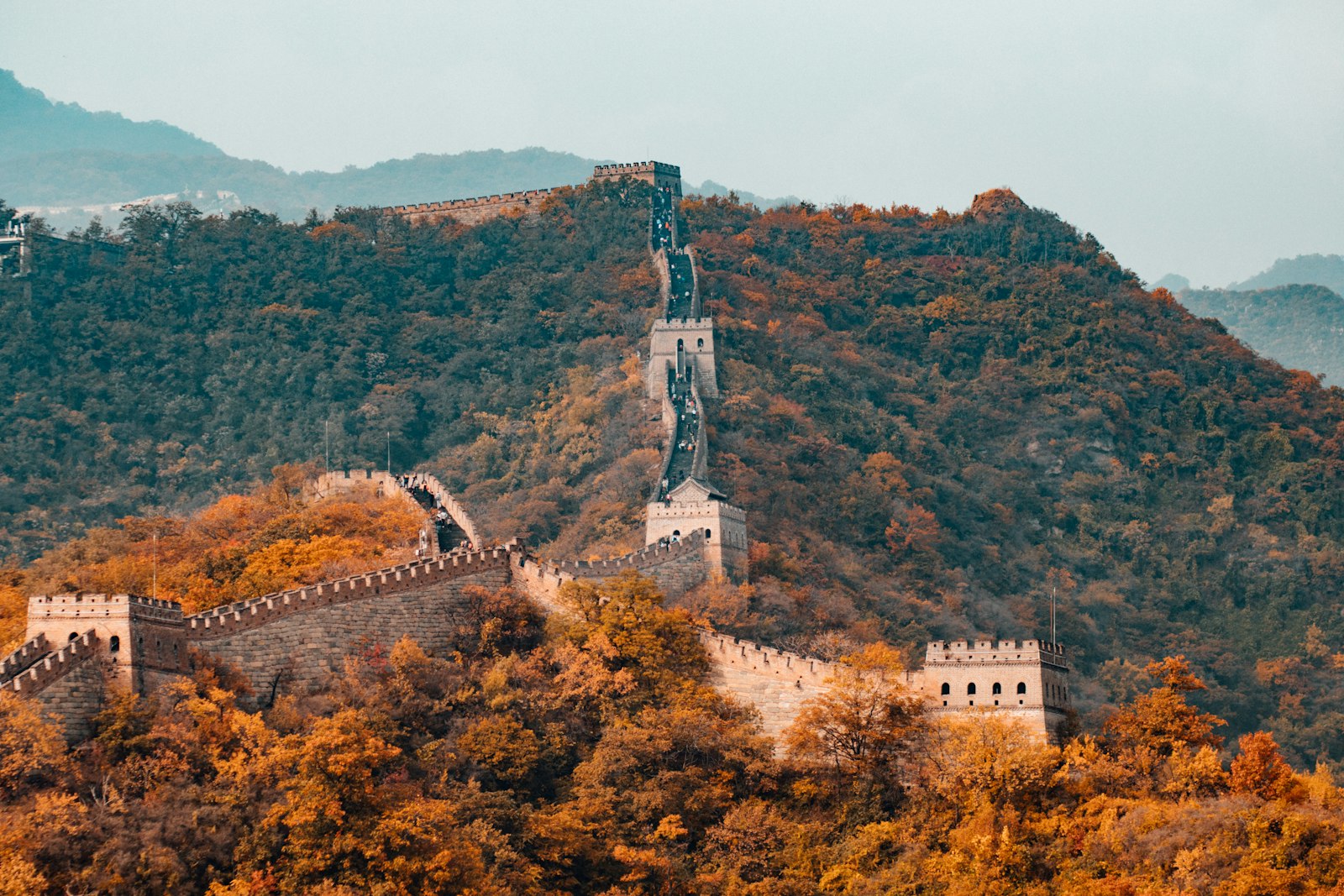
Beijing Complete Travel Guide 2026
Everything you need to know to plan a Beijing trip in 2026 - attractions, transport, food, accommodation, and 4-day itinerary.
9 min read

Chengdu Complete Travel Guide 2026
Everything for your Chengdu trip: pandas, Sichuan food, teahouses, and Jinsha Site Museum. 2026 guide with insider tips.
9 min read
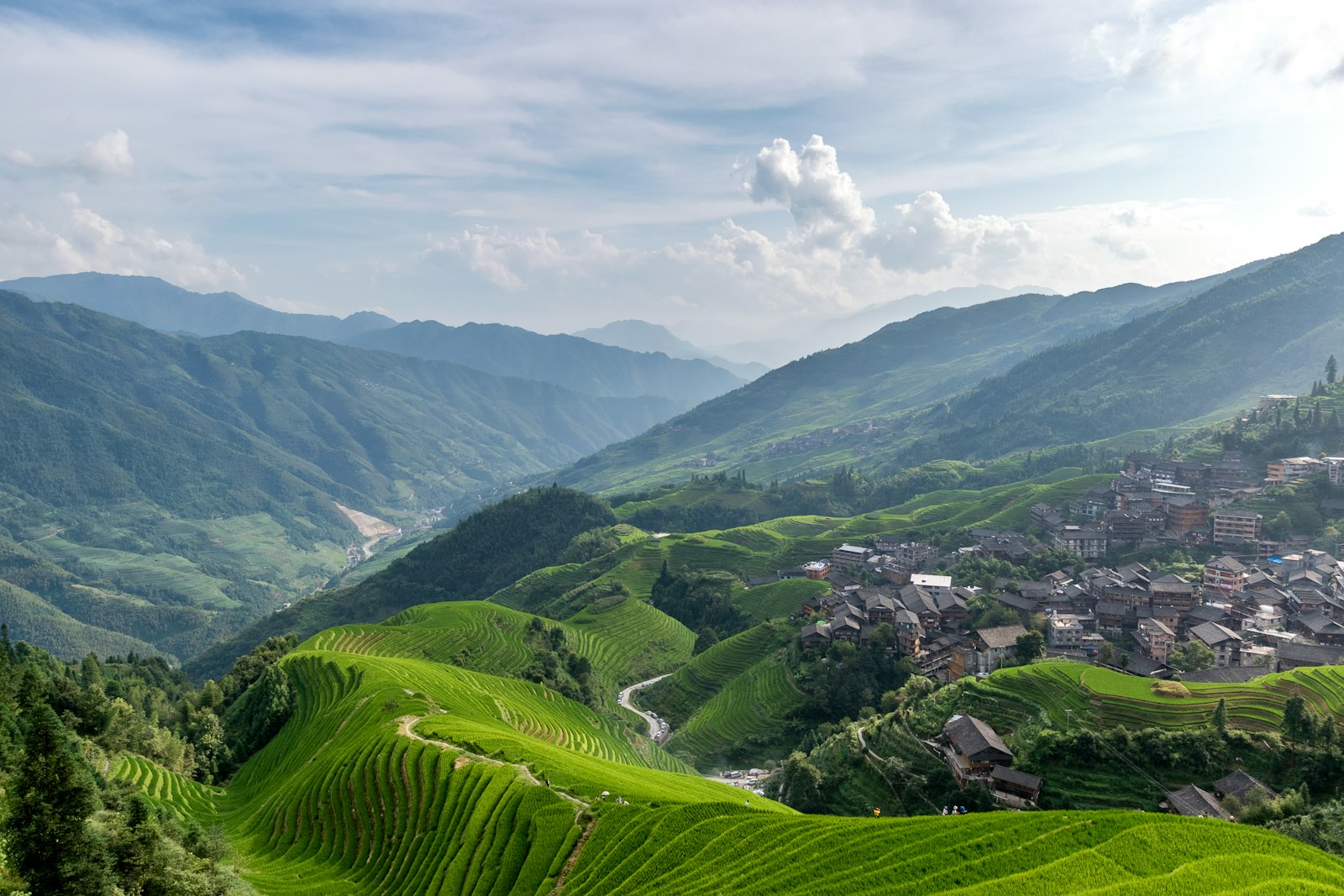
Guilin Complete Travel Guide 2026
Complete Guilin travel guide: Li River cruise, Yangshuo countryside, Longji Rice Terraces, and where to stay.
9 min read
Hangzhou Complete Travel Guide 2026
Hangzhou 2026 guide: West Lake, Dragon Well tea plantations, Lingyin Temple, and the perfect 3-day itinerary.
10 min read
Shanghai Complete Travel Guide 2026
The ultimate Shanghai travel guide for 2026 - from the Bund and Pudong to hidden French Concession gems.
10 min read

Suzhou Complete Travel Guide 2026
Suzhou 2026 guide: classical gardens, silk museums, water town canals, and the easiest day trip from Shanghai.
10 min read